



Benzenesulphonamide

Based on 1 Customer Validation
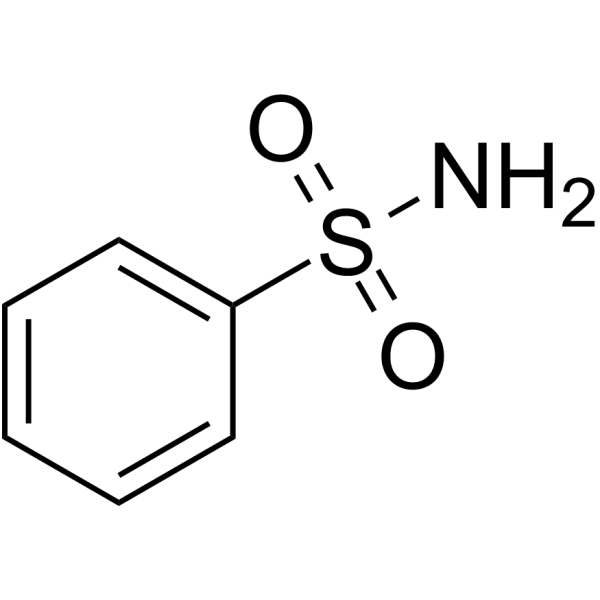
Benzenesulphonamide (Compound 1) is a carbonic anhydrase inhibitor. Benzenesulphonamide exhibits CA II inhibitory activity. Benzenesulphonamide reduces ROS and improves the gene expression of amyloid-β40 and 42. Benzenesulphonamide is beneficial for Alzheimer's disease. Benzenesulphonamide derivatives have anticancer, anti-inflammatory, and anticonvulsant activities. Benzenesulphonamide can be used in the research of Alzheimer's disease, epilepsy, inflammatory diseases, leukemia, melanoma, lung cancer, and colon cancer.
For research use only. We do not sell to patients.
- Purity : 99.75%
- CAS No.: 98-10-2
- Formula: C6H7NO2S
- Molecular Weight:157.19
-
Storage:
Store at room temperature 3 years.
In solvent -80°C, 2 years , -20°C, 1 year

To place orders, for customer services and technical support, please contact: MedChemExpress USA
Tel: 609-228-6898 E-mail: [email protected] [email protected]


-
 Biological Activity
-
Chemical Information
-
Solvent & Solubility
- Protocols
- Purity & Documentation
- References
-
 Help & FAQs


-
HY-B0782R
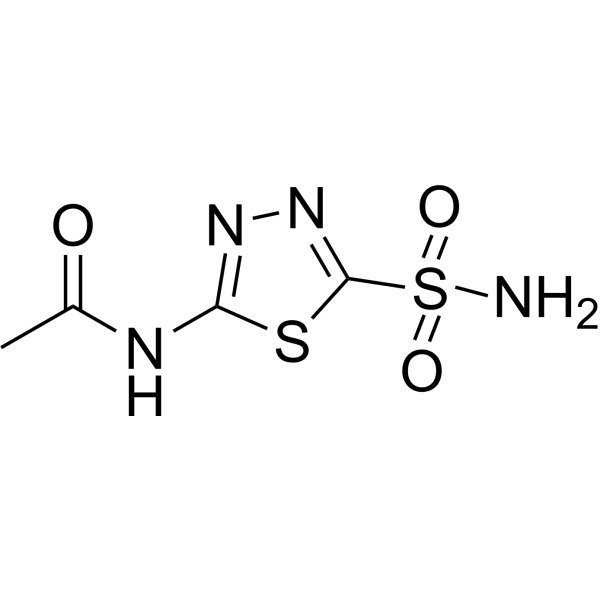
Acetazolamide (Standard) -
HY-B0782
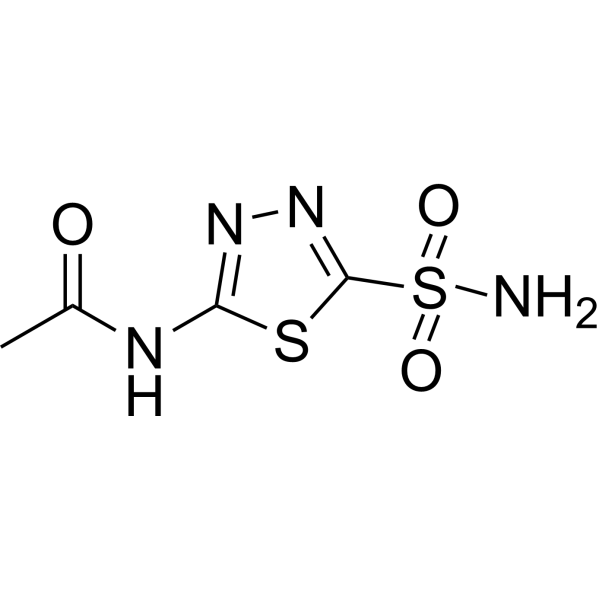
AcetazolamideCA IX Inhibitor -
HY-B1480
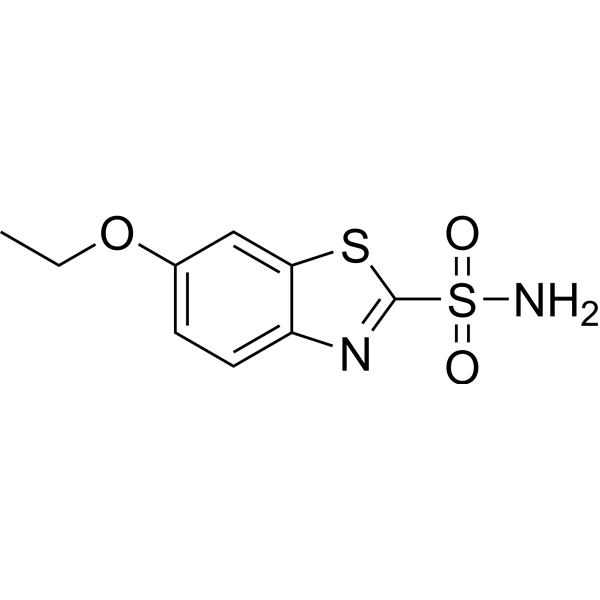
EthoxzolamideCarbonic Anhydrase Inhibitor -
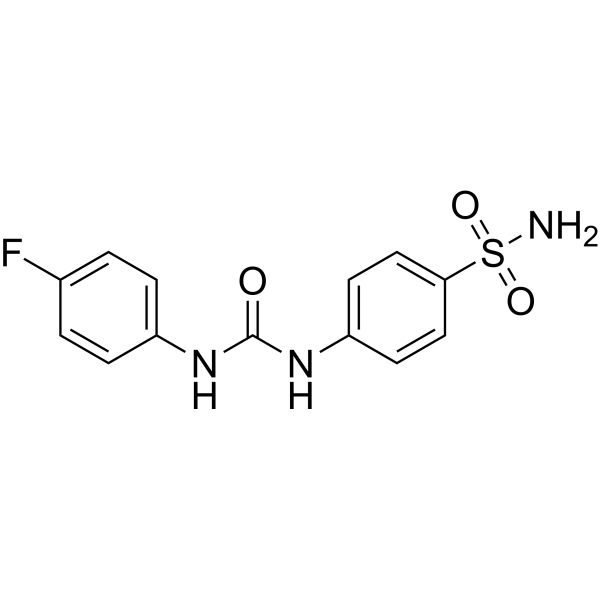
HY-13513
U-104CA IX/XII Inhibitor -
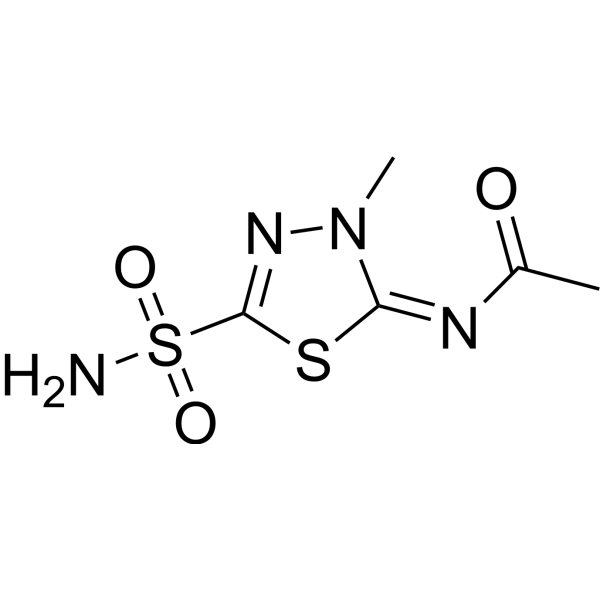
HY-B0553
MethazolamideCarbonic Anhydrase Inhibitor -
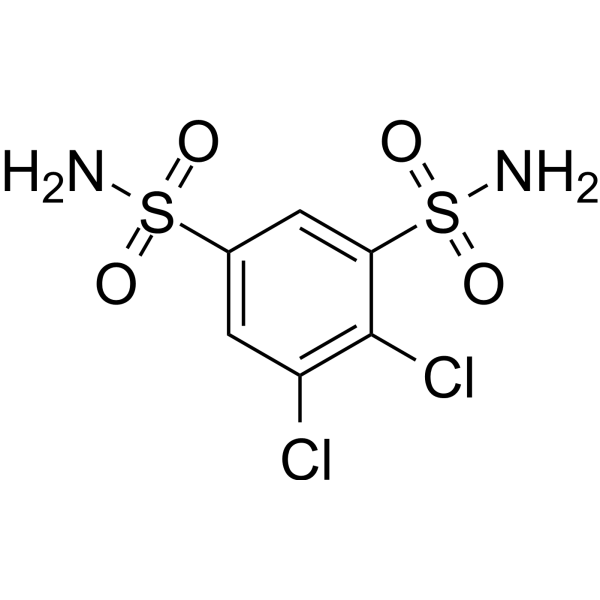
HY-B0397
DichlorphenamideCarbonic Anhydrase Inhibitor -
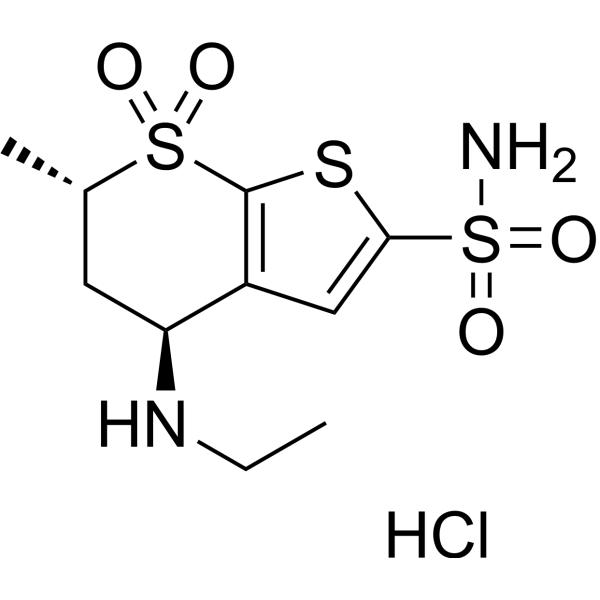
HY-B0109A
Dorzolamide hydrochlorideCarbonic Anhydrase II Inhibitor -
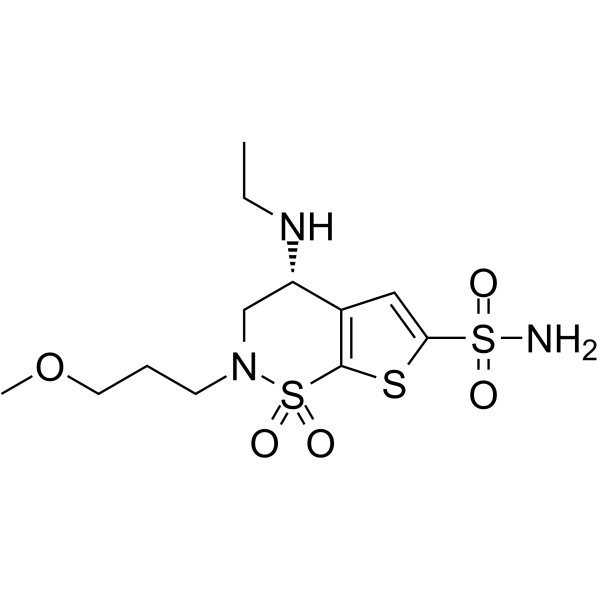
HY-B0588
BrinzolamideCarbonic Anhydrase II Inhibitor -
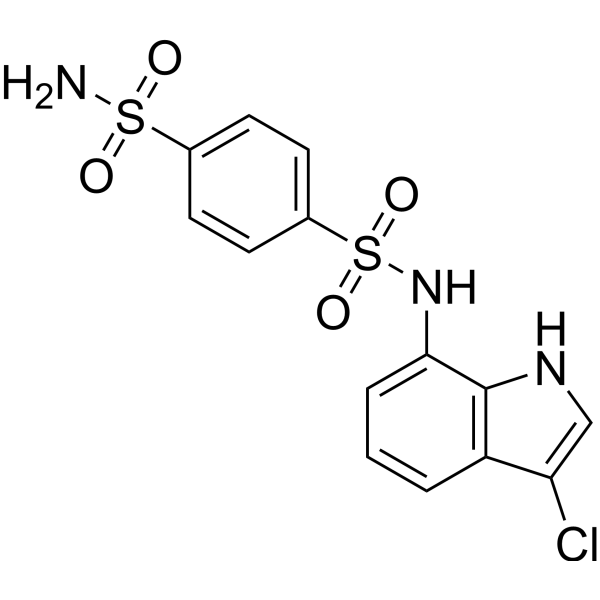
HY-13650
IndisulamCarbonic Anhydrase Inhibitor/RBM39 Molecular Glue Degrader -
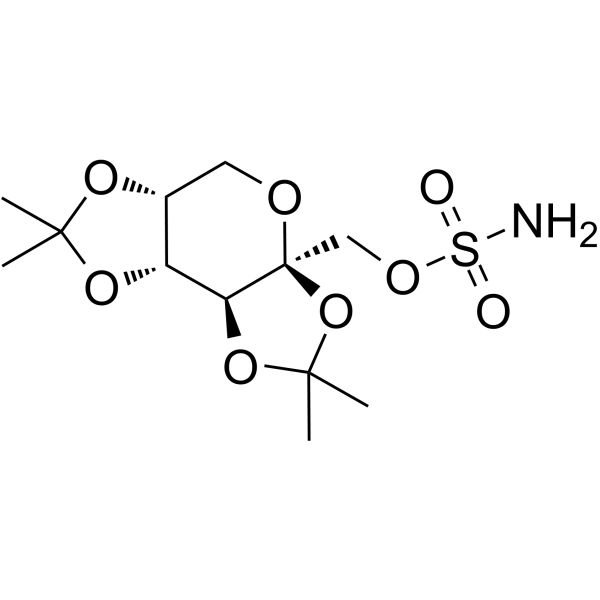
HY-B0122
TopiramateAntiepileptic Agent -
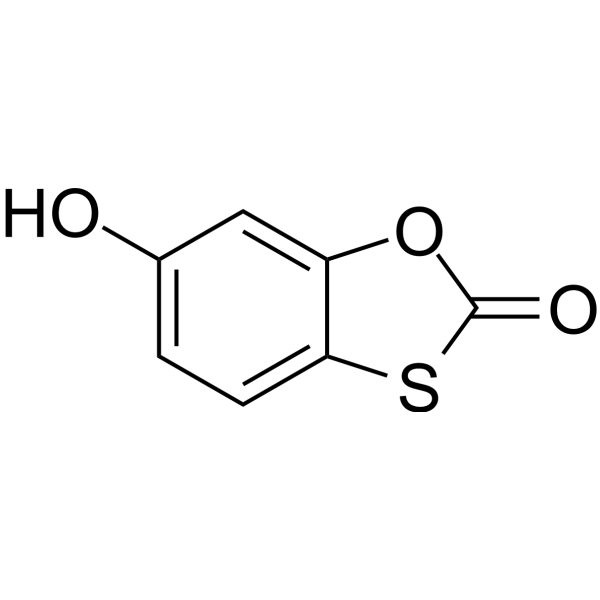
HY-B0483
TioxoloneCarbonic Anhydrase Inhibitor -

HY-101087R
Benzenesulphonamide (Standard)CA Inhibitor


Biological Activity
Description
IC50 & Target
|
CA Ⅱ |
In Vivo
MedChemExpress (MCE) has not independently confirmed the accuracy of these methods. They are for reference only.


Chemical Information
-
CAS No. 98-10-2
-
Appearance Solid
-
Molecular Weight 157.19
-
Formula C6H7NO2S
-
Color White to off-white
-
SMILES
O=S(C1=CC=CC=C1)(N)=O
-
Shipping
Room temperature in continental US; may vary elsewhere.
-
Storage
Store at room temperature 3 years
In solvent -80°C 2 years -20°C 1 year


Solvent & Solubility
In Vitro:
DMSO : 100 mg/mL (636.17 mM; Need ultrasonic; Hygroscopic DMSO has a significant impact on the solubility of product, please use newly opened DMSO)
Please refer to the solubility information to select the appropriate solvent. Once prepared, please aliquot and store the solution to prevent product inactivation from repeated freeze-thaw cycles.
Storage method and period of stock solution: -80°C, 2 years; -20°C, 1 year. When stored at -80°C, please use it within 2 years. When stored at -20°C, please use it within 1 year.
Please refer to the solubility information to select the appropriate solvent. Once prepared, please aliquot and store the solution to prevent product inactivation from repeated freeze-thaw cycles.
Storage method and period of stock solution: -80°C, 2 years; -20°C, 1 year. When stored at -80°C, please use it within 2 years. When stored at -20°C, please use it within 1 year.
Concentration (start) × Volume (start) = Concentration (final) × Volume (final)

Protocols
-
RT-PCR
Reverse transcription technology uses RNA as a template to synthesize DNA. RT-PCR is simple, specific and sensitive, and can be used to detect gene expression levels and expression differences in cells; detect RNA virus content; clone cDNA sequences of specific genes.
-
RNA extraction experimental
By lysing cells, releasing RNA, and removing impurities such as proteins and DNA, high-purity RNA products are finally obtained. The commonly used traditional method is the guanidine isothiocyanate/phenol/chloroform method (Trizol), which is suitable for a variety of animal materials including animal tissues, microorganisms, cultured cells, etc., and most plant materials.
-
ROS/oxidative-stress fluorescent staining
ROS/oxidative-stress fluorescent staining uses cell-permeant fluorogenic probes that become fluorescent after oxidation inside cells or tissues; commonly used examples include DCFH-DA/DCFDA for broad cellular oxidant detection, DHE for superoxide-related signal detection, MitoSOX for mitochondrial superoxide-related signal detection, and CellROX probes for oxidative-stress-associated fluorescence readouts. The assay detects probe oxidation rather than a single ROS species unless the probe and analysis method have been chemically validated for that species. DCFH-DA enters cells, is deacetylated by intracellular esterases to DCFH, and produces fluorescent DCF after oxidation, so the readout is used as an operational measure of total cellular oxidative stress rather than a species-specific ROS measurement. DHE and MitoSOX can report superoxide-related oxidation, but red fluorescence alone can include non-specific ethidium-like oxidation products; HPLC or optimized spectral approaches are
-
Research Protocol for Inflammation-related Diseases
The NLRP3 inflammasome is a cytosolic innate immune signaling platform that integrates priming signals and danger-signal activation to promote caspase-1 activation, maturation of IL-1β and IL-18, and gasdermin D-mediated pyroptotic cell death. The core experimental logic is to determine whether inflammatory disease phenotypes are driven by increased NLRP3 expression, ASC-containing inflammasome assembly, caspase-1 cleavage, GSDMD cleavage, and extracellular release of IL-1β/IL-18 rather than by nonspecific cell injury alone. The pathway is strongly linked to inflammation-related disease phenotypes because monosodium urate crystals activate NALP3/NLRP3 inflammasome signaling in gout-like crystal inflammation, cholesterol crystals activate NLRP3 inflammasomes in atherogenesis models, and DSS-induced intestinal inflammation has been reported to involve NLRP3 inflammasome activity. However, experimental colitis studies also show context-dependent protective effects of NLRP3 inflammasome co
-
Amyloid: Congo Red Amyloid Staining
Congo red amyloid staining is a histochemical method used to detect extracellular amyloid deposits in tissue sections based on the affinity of Congo red dye for β-pleated sheet-rich protein aggregates. When bound to amyloid, Congo red produces characteristic apple-green birefringence under polarized light microscopy, which is widely regarded as a diagnostic feature of amyloid deposition in histopathology. The diagnostic principle relies on the combination of dye binding (congophilia) and optical anisotropy under polarized illumination, which distinguishes amyloid from most non-amyloid eosinophilic extracellular deposits in routine histological evaluation. Amyloid identification by Congo red staining remains a cornerstone in diagnostic pathology despite the availability of adjunct methods such as immunohistochemistry and mass spectrometry, particularly because of its ability to localize deposits directly within tissue architecture. The specificity of Congo red-positive deposits is incre
-
Real Time qPCR (Q-PCR)
Real-time quantitative PCR (qPCR) quantifies an amplifiable nucleic-acid target by monitoring fluorescence during PCR cycling rather than measuring product only after amplification. The increase in fluorescence tracks accumulation of PCR product, and the quantification cycle (Cq; historically also Ct/CP) is related to the initial amount of target: samples containing more starting target generally reach the defined fluorescence threshold in fewer cycles.
-
Alzheimer’s Disease Modeling
Alzheimer’s Disease (AD) is a neurodegenerative disorder characterized by a progressive decline in cognitive functions and loss of specific types of neurons and synapses. Alzheimer's symptoms can be simulated in mice by injecting drugs (such as Aβ) or genetically modified.


Purity & Documentation
-
Data Sheet (276 KB)
-
SDS (393 KB)
- English - EN (393 KB)
- Français - FR (393 KB)
- Deutsch - DE (393 KB)
- Norwegian - NO (393 KB)
- Español - ES (393 KB)
- Swedish - SV (393 KB)
- Italian - IT (393 KB)
- Korean - KR (393 KB)
- Portuguese - PT (393 KB)
-
Handling Instructions (2659 KB)
References
[1]. Thakur A, et al. QSAR study on benzenesulphonamide carbonic anhydrase inhibitors: topological approach using Balaban index. Bioorg Med Chem. 2004 Feb 15;12(4):789-93. [Content Brief]
[2]. Hesar Shourkabi M, et al. Benzenesulfonamide as a novel, pharmaceutical small molecule inhibitor on Aβ gene expression and oxidative stress in Alzheimer's Wistar rats. Biochem Biophys Res Commun. 2023 Sep 24;674:154-161. [Content Brief]
[3]. Bashir R, et al. Synthesis of some new 1,3,5-trisubstituted pyrazolines bearing benzene sulfonamide as anticancer and anti-inflammatory agents. Bioorg Med Chem Lett. 2011 Jul 15;21(14):4301-5. [Content Brief]
[4]. Nissan YM, et al. New benzenesulfonamide scaffold-based cytotoxic agents: Design, synthesis, cell viability, apoptotic activity and radioactive tracing studies. Bioorg Chem. 2020 Mar;96:103577. [Content Brief]
[5]. Wang Z, et al. Synthesis and Pharmacological Evaluation of Novel Benzenesulfonamide Derivatives as Potential Anticonvulsant Agents. Molecules. 2015 Sep 23;20(9):17585-600. [Content Brief]


Complete Stock Solution Preparation Table
Please refer to the solubility information to select the appropriate solvent. Once prepared, please aliquot and store the solution to prevent product inactivation from repeated freeze-thaw cycles.
Storage method and period of stock solution: -80°C, 2 years; -20°C, 1 year. When stored at -80°C, please use it within 2 years. When stored at -20°C, please use it within 1 year.
| Optional Solvent | Concentration Solvent Mass | 1 mg | 5 mg | 10 mg | 25 mg |
|---|---|---|---|---|---|
| DMSO | 1 mM | 6.3617 mL | 31.8086 mL | 63.6173 mL | 159.0432 mL |
| 5 mM | 1.2723 mL | 6.3617 mL | 12.7235 mL | 31.8086 mL | |
| 10 mM | 0.6362 mL | 3.1809 mL | 6.3617 mL | 15.9043 mL | |
| 15 mM | 0.4241 mL | 2.1206 mL | 4.2412 mL | 10.6029 mL | |
| 20 mM | 0.3181 mL | 1.5904 mL | 3.1809 mL | 7.9522 mL | |
| 25 mM | 0.2545 mL | 1.2723 mL | 2.5447 mL | 6.3617 mL | |
| 30 mM | 0.2121 mL | 1.0603 mL | 2.1206 mL | 5.3014 mL | |
| 40 mM | 0.1590 mL | 0.7952 mL | 1.5904 mL | 3.9761 mL | |
| 50 mM | 0.1272 mL | 0.6362 mL | 1.2723 mL | 3.1809 mL | |
| 60 mM | 0.1060 mL | 0.5301 mL | 1.0603 mL | 2.6507 mL | |
| 80 mM | 0.0795 mL | 0.3976 mL | 0.7952 mL | 1.9880 mL | |
| 100 mM | 0.0636 mL | 0.3181 mL | 0.6362 mL | 1.5904 mL |


Benzenesulphonamide Related Classifications
HY-101087 Related Classifications
 Powered by Bioz