



84-11-7

Chemical Structure
9,10-Phenanthrenequinone
Synonym(s): 9,10-PQ
- CAS No.: 84-11-7
- Formula:C14H8O2
- Molecular Weight:208.21
IUPAC Name: phenanthrene-9,10-dione
InChIKey: YYVYAPXYZVYDHN-UHFFFAOYSA-N
SMILES: O=C1C2=CC=CC=C2C3=CC=CC=C3C1=O
Biological Activity: 9,10-Phenanthrenequinone (9,10-PQ) is a quinone environmental pollutant that induces oxidative stress. 9,10-Phenanthrenequinone upregulates AKR1B10 and NQO1, and promotes Nrf2 nuclear translocation, MEK/ERK phosphorylation, MMP-2 expression, caspase-3/9/8 activation, Bax increase, Bcl-2/Bcl-XL decrease, PARP activation, E-cadherin decrease, and 26S proteasome inhibition. 9,10-Phenanthrenequinone oxidizes thiols, causes oxidative damage to CuZn-SOD, depletes intracellular GSH, induces lipid peroxidation, and mediates mitochondrial dysfunction, p53 activation, and initiation of caspase-dependent apoptosis. 9,10-Phenanthrenequinone has ROS-independent toxicity pathways, and can inhibit cyclin B1 accumulation in mouse oocytes, downregulate Cdk1 activity, disrupt acentrosomal MTOC assembly and bipolar spindle formation, and arrest meiotic progression. 9,10-Phenanthrenequinone can be used in research on lung cancer, neuroblastoma, and cardiovascular diseases[1][2][3][4][5][6].
| Cat. No. | Product Name | Purity | Description | Pricing | |||||||||||||||||||
|---|---|---|---|---|---|---|---|---|---|---|---|---|---|---|---|---|---|---|---|---|---|---|---|
|
|
9,10-Phenanthrenequinone | 99.72% | 9,10-Phenanthrenequinone (9,10-PQ) is a quinone environmental pollutant that induces oxidative stress. 9,10-Phenanthrenequinone upregulates AKR1B10 and NQO1, and promotes Nrf2 nuclear translocation, MEK/ERK phosphorylation, MMP-2 expression, caspase-3/9/8 activation, Bax increase, Bcl-2/Bcl-XL decrease, PARP activation, E-cadherin decrease, and 26S proteasome inhibition. 9,10-Phenanthrenequinone oxidizes thiols, causes oxidative damage to CuZn-SOD, depletes intracellular GSH, induces lipid peroxidation, and mediates mitochondrial dysfunction, p53 activation, and initiation of caspase-dependent apoptosis. 9,10-Phenanthrenequinone has ROS-independent toxicity pathways, and can inhibit cyclin B1 accumulation in mouse oocytes, downregulate Cdk1 activity, disrupt acentrosomal MTOC assembly and bipolar spindle formation, and arrest meiotic progression. 9,10-Phenanthrenequinone can be used in research on lung cancer, neuroblastoma, and cardiovascular diseases. | ||||||||||||||||||||
|
loading...
/
|
|||||||||||||||||||||||
-
Similarity Score 0.75
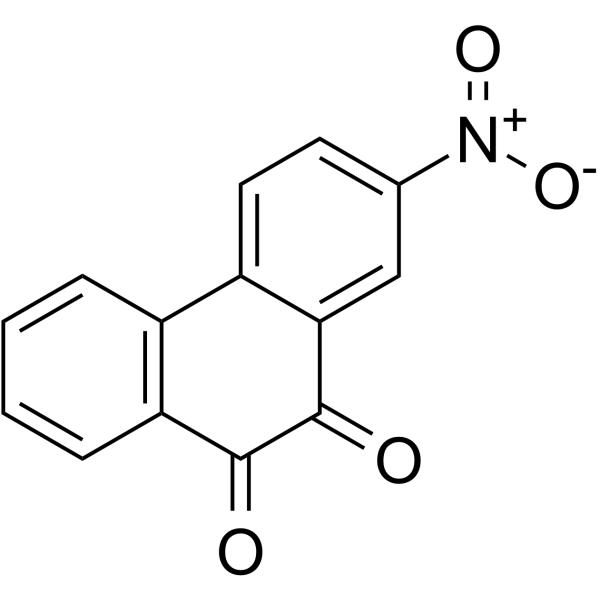 HY-1281462-Nitrophenanthraquinone
-
Similarity Score 0.71
 HY-W7183165,6-Chrysenedione
-
Similarity Score 0.70
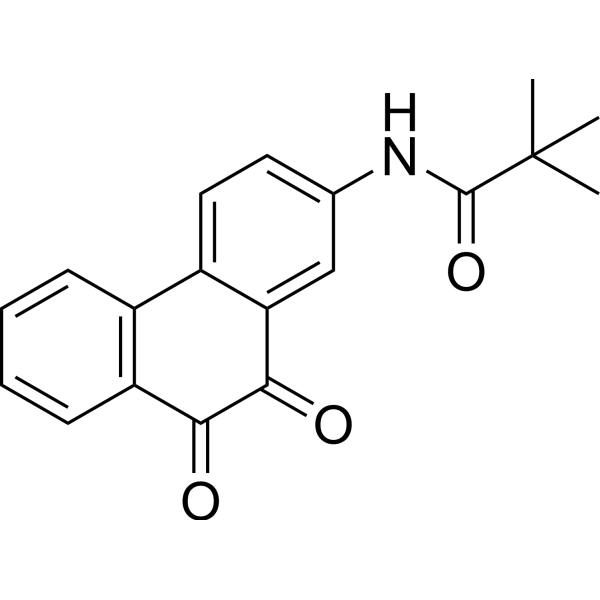 HY-15842SF1670
-
Similarity Score 0.67
 HY-78509Dibenzosuberone
-
Similarity Score 0.67
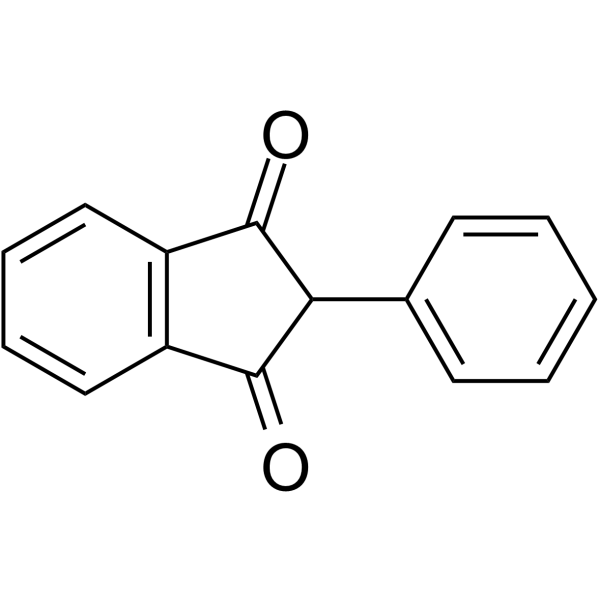 HY-B0325Phenindione
-
Similarity Score 0.66
 HY-W103288R5H-Dibenzo[b,f]azepin-10(11H)-one (Standard)
-
Similarity Score 0.65
 HY-Y1853Diphenic acid
-
Similarity Score 0.65
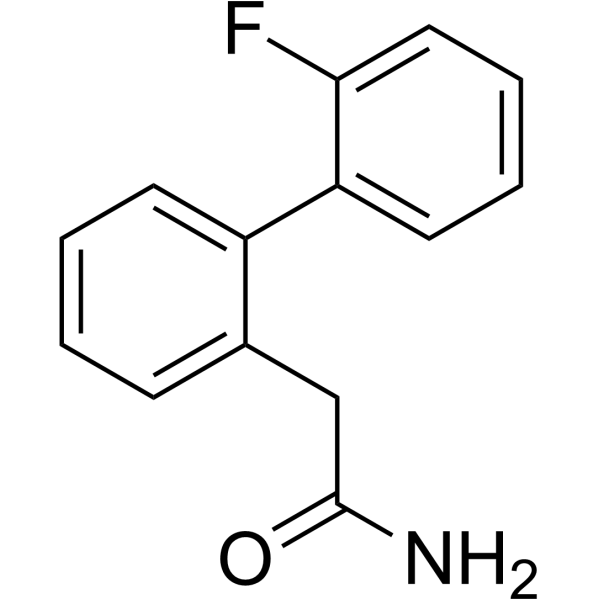 HY-114300DSP-0565
-
Similarity Score 0.63
 HY-79587RBenzil (Standard)
-

Explore the MedChemAI to find more analogs


References
- [1]. Matsunaga T, et al. Exposure to 9, 10-phenanthrenequinone accelerates malignant progression of lung cancer cells through up-regulation of aldo-keto reductase 1B10. Toxicology and applied pharmacology. 2014 Jul 15;278(2):180-9.
- [2]. Matsunaga T, et al. Involvement of an aldo-keto reductase (AKR1C3) in redox cycling of 9,10-phenanthrenequinone leading to apoptosis in human endothelial cells. Chemico-biological interactions. 2009 Sep 14;181(1):52-60.
- [3]. Matsunaga T, et al. Facilitation of 9,10-phenanthrenequinone-elicited neuroblastoma cell apoptosis by NAD(P)H:quinone oxidoreductase 1. Chemico-biological interactions. 2018 Jan 05;279:10-20.
- [4]. Yang M, et al. Cytotoxicity of Air Pollutant 9,10-Phenanthrenequinone: Role of Reactive Oxygen Species and Redox Signaling. BioMed research international. 2018;2018:9523968.
- [5]. Kamase K, et al. 9, 10-Phenanthrenequinone provokes dysfunction of brain endothelial barrier through down-regulating expression of claudin-5. Toxicology. 2021 Sep 1;461:152896. [Content Brief]
- [6]. Leem J, et al. ROS-independent cytotoxicity of 9,10-phenanthrenequinone inhibits cell cycle progression and spindle assembly during meiotic maturation in mouse oocytes. Journal of hazardous materials. 2022 Aug 15;436:129248.



