



908563-68-8
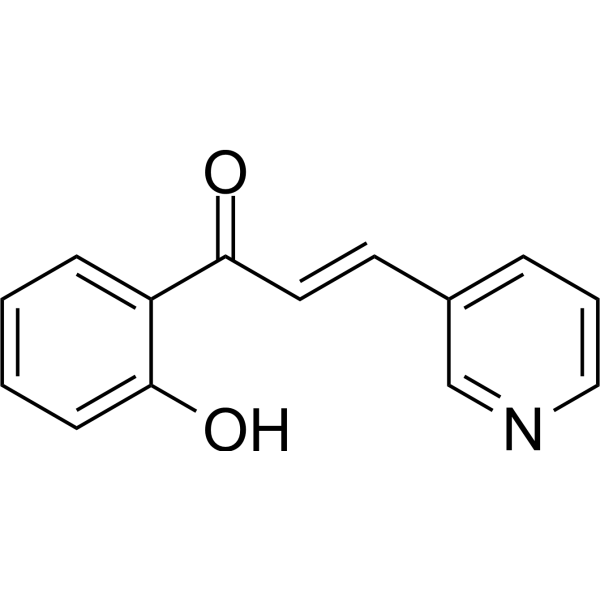
908563-68-8
Chemical Structure
NSC49652
- CAS. Nr.: 908563-68-8
- Formula:C14H11NO2
- Molecular Weight:225.24
IUPAC Name: (E)-1-(2-hydroxyphenyl)-3-(pyridin-3-yl)prop-2-en-1-one
InChIKey: CRWNZUBUBIULHB-BQYQJAHWSA-N
SMILES: O=C(C1=CC=CC=C1O)/C=C/C2=CC=CN=C2
Biological Activity: NSC49652 is a reversible, orally active p75 neurotrophin receptor (p75NTR, also known as NGFR, TNFRSF16, and CD271) agonist. NSC49652 targets the transmembrane domain of p75NTR. NSC49652 induces apoptosis and affects the viability of melanoma cells[1].
| Art. -Nr. | Produktname | Reinheit | Beschreibung | Pricing | |||||||||||||||||||
|---|---|---|---|---|---|---|---|---|---|---|---|---|---|---|---|---|---|---|---|---|---|---|---|
|
|
NSC49652 | 98.74% | NSC49652 is a reversible, orally active p75 neurotrophin receptor (p75NTR, also known as NGFR, TNFRSF16, and CD271) agonist. NSC49652 targets the transmembrane domain of p75NTR. NSC49652 induces apoptosis and affects the viability of melanoma cells. | ||||||||||||||||||||
|
loading...
/
|
|||||||||||||||||||||||
|
|
NSC49652 (Standard) | ≥98% | NSC49652 (Standard) is the analytical standard of NSC49652 (HY-111163). This product is intended for research and analytical applications. NSC49652 is a reversible, orally active p75 neurotrophin receptor (p75NTR, also known as NGFR, TNFRSF16, and CD271) agonist. NSC49652 targets the transmembrane domain of p75NTR. NSC49652 induces apoptosis and affects the viability of melanoma cells. | ||||||||||||||||||||
|
loading...
/
|
|||||||||||||||||||||||
Structural Analogs
-
Similarity Score 0.83
 HY-W0123492′-Hydroxychalcone
-
Similarity Score 0.80
 HY-1414622',4-Dihydroxychalcone
-
Similarity Score 0.79
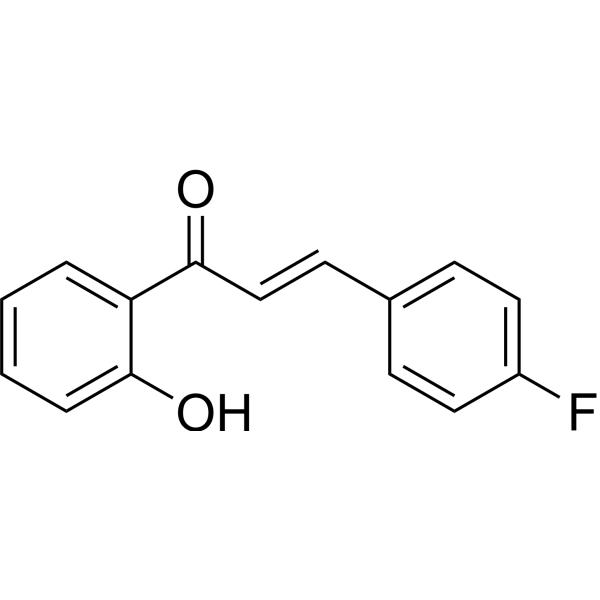 HY-W335927MAO-B-IN-19
-
Similarity Score 0.79
 HY-W4114422-Hydroxy-3-methoxychalcone
-
Similarity Score 0.78
 HY-W1542652,2′-Dihydroxychalcone
-
Similarity Score 0.78
 HY-W1097542',4'-Dihydroxylchalcone
-
Similarity Score 0.77
 HY-1339972'-Hydroxy-4-methoxychalcone
-
Similarity Score 0.76
 HY-110169(E/Z)-3PO
-
Similarity Score 0.76
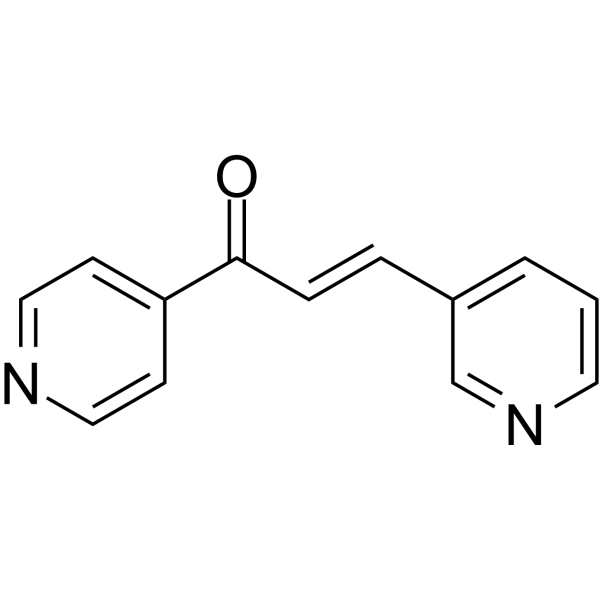 HY-198243PO
-

Explore the MedChemAI to find more analogs




