



Azeliragon
Based on 18 publication(s) in Google Scholar
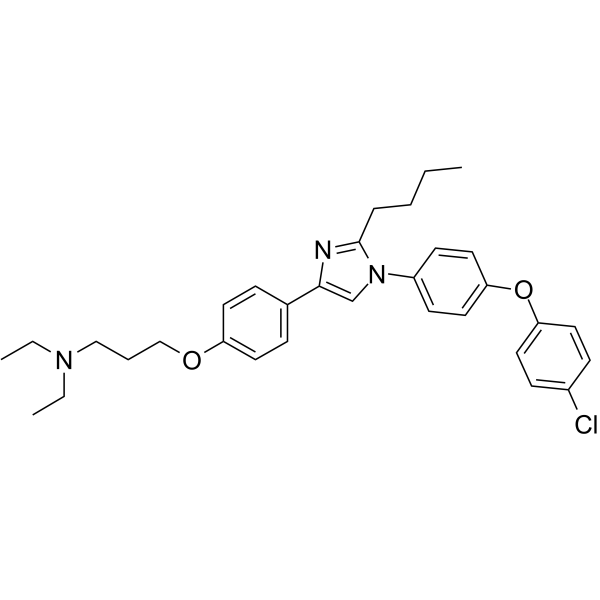
Azeliragon (TTP488) is an orally bioavailable inhibitor of the receptor for advanced glycation end products (RAGE) in development as a potential treatment to slow disease progression with mild Alzheimer’s disease (AD). Azeliragon also can cross the blood-brain barrier (BBB).
Nur für Forschungszwecke. Wir verkaufen nicht an Patienten.
- Reinheit : 99.75%
- CAS. Nr.: 603148-36-3
- Formel: C32H38ClN3O2
- Molecular Weight:532.12
-
Speicherung:Powder -20°C, 3 years , 4°C, 2 years ; In solvent -80°C, 2 years , -20°C, 1 year

To place orders, for customer services and technical support, please contact: MedChemExpress USA
Tel: 609-228-6898 E-mail: [email protected] [email protected]


-
 Biologische Aktivität
-
Chemical Information
-
Lösungsmittel & Löslichkeit
- Reinheit & Dokumentation
- Verweise
-
 Help & FAQs


-
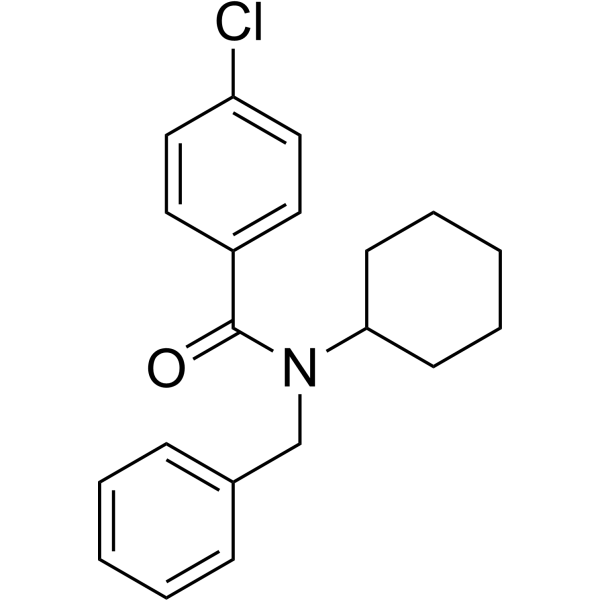
HY-19370
FPS-ZM1Amyloid-β Inhibitor -
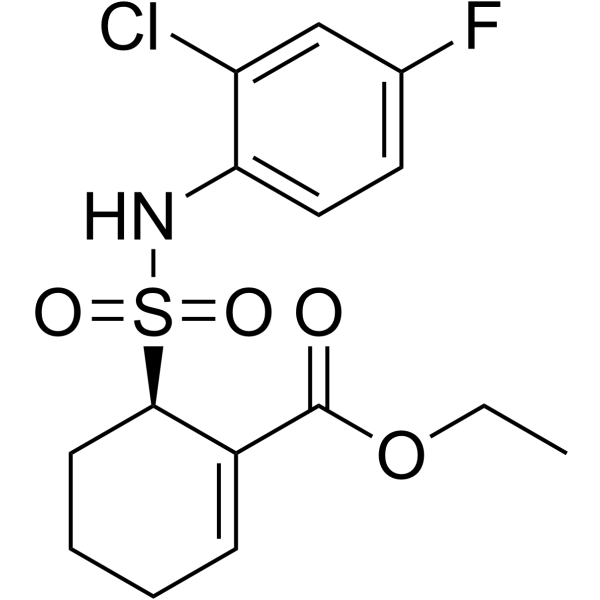
HY-11109
ResatorvidTLR4 Inhibitor -
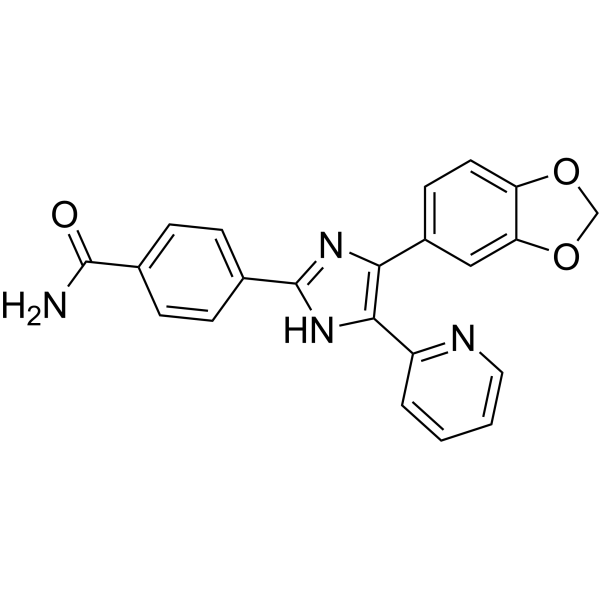
HY-10431
SB-431542TGF-β Receptor Kinase Inhibitor -
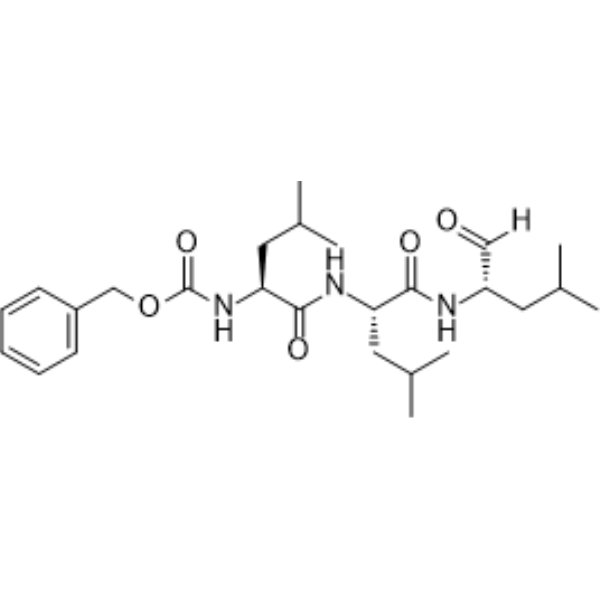
HY-13259
MG-132Proteasome Inhibitor -
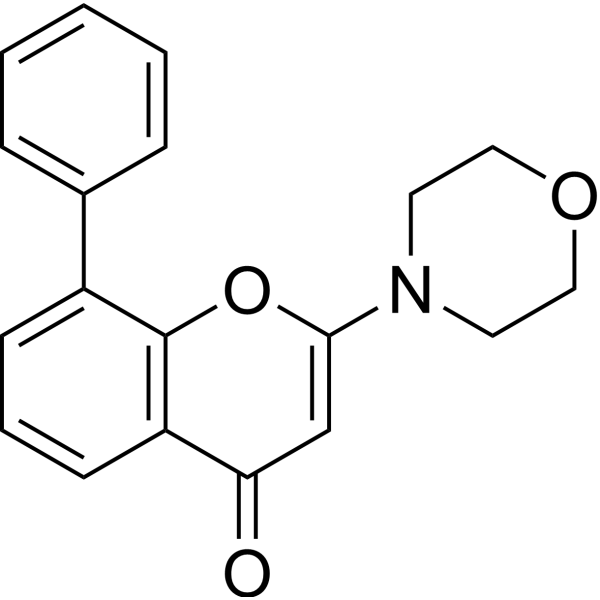
HY-10108
LY294002PI3K Inhibitor -
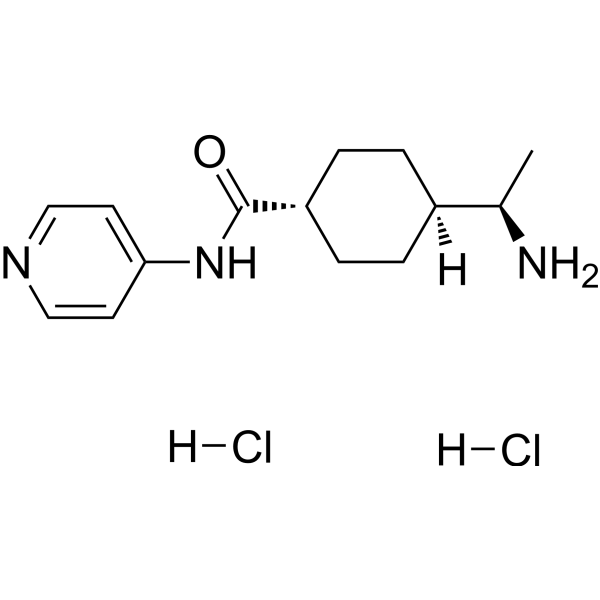
HY-10583
Y-27632 dihydrochlorideROCK Inhibitor -
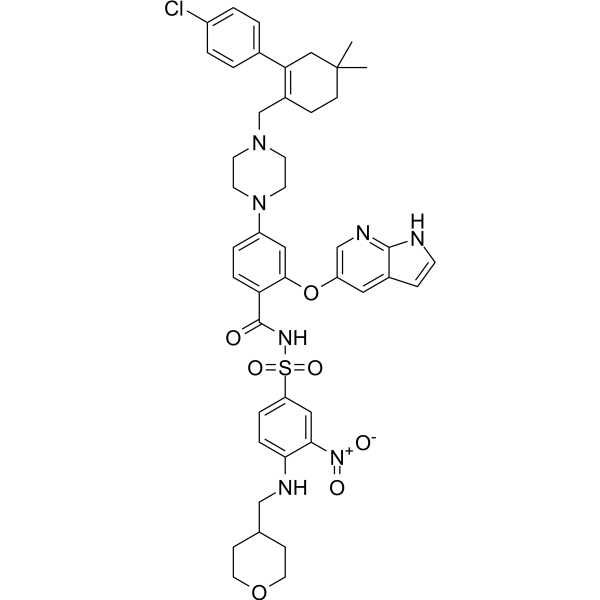
HY-15531
VenetoclaxBCL-2 Inhibitor -
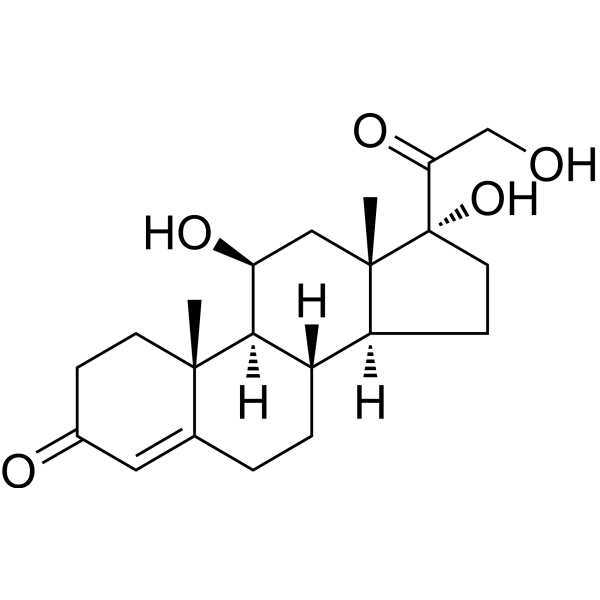
HY-N0583
HydrocortisoneGlucocorticoid Receptor Agonist -
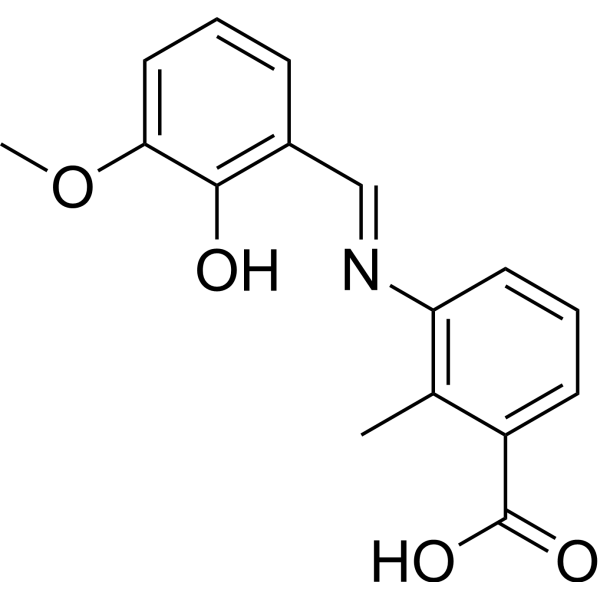
HY-100461
C29TLR2 Inhibitor -
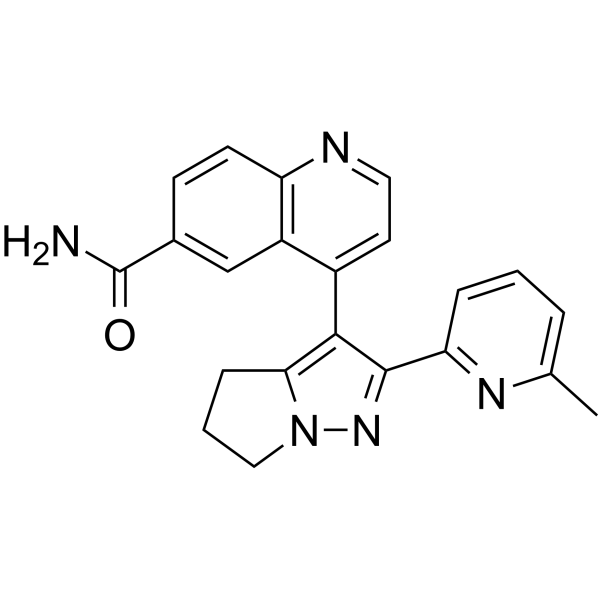
HY-13226
GalunisertibTGFβRI Inhibitor -
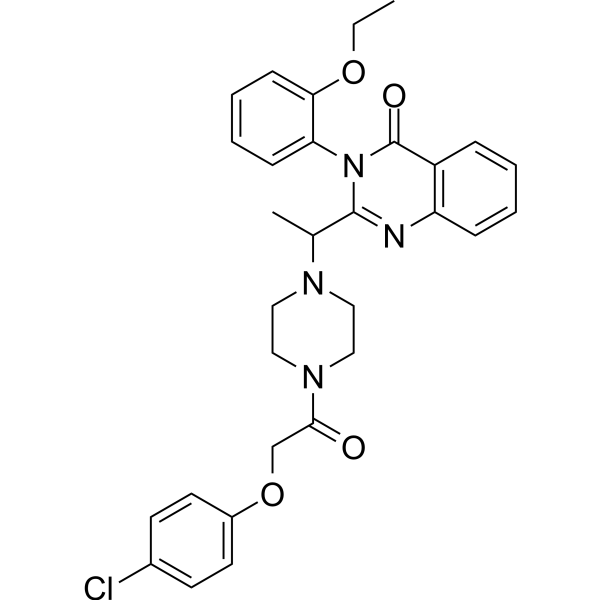
HY-15763
ErastinFerroptosis Inducer -
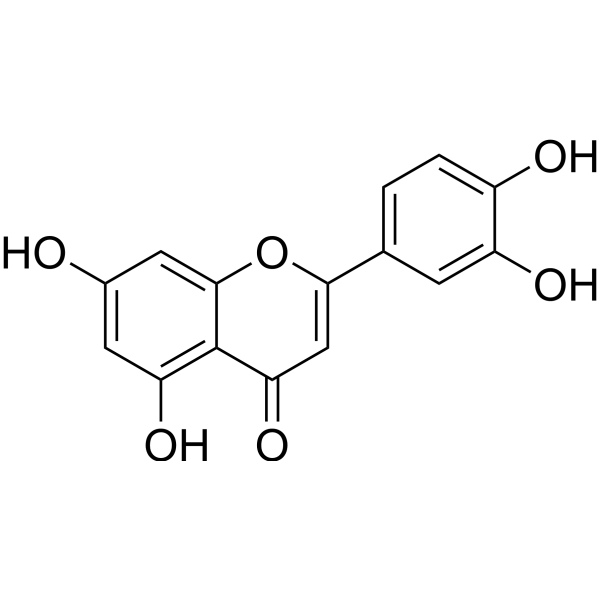
HY-N0162
LuteolinNrf2 Inhibitor
Publications Citing Use of MedChemExpress (MCE) Azeliragon
More- Neuro Oncol. 2023 May 4;25(5):886-898. [Abstract]
- Phytomedicine. 2025 Apr:139:156541. [Abstract]
- NPJ Breast Cancer. 2023 Jul 13;9(1):59. [Abstract]
- Commun Biol. 2026 May 14. [Abstract]
- Commun Biol. 2026 May 15;9(1):661. [Abstract]
- Nutrients. 2026 Feb 13;18(4):617. [Abstract]
- Mar Drugs. 2026 Sep 11;24(9):320.
- Biochim Biophys Acta Mol Basis Dis. 2021 Oct 1;1867(10):166186. [Abstract]
- Exp Neurol. 2026 Mar:397:115588. [Abstract]
- BMC Cardiovasc Disord. 2023 Sep 11;23(1):446. [Abstract]
- Biochim Biophys Acta Gen Subj. 2025 Oct 22;1869(12):130873. [Abstract]
- Biochim Biophys Acta Gen Subj. 2024 Sep;1868(9):130650. [Abstract]
- J Nat Med. 2021 Jun;75(3):675-681. [Abstract]
- Clinics (Sao Paulo). 2021 Mar 8:76:e2348. [Abstract]
- SSRN. 2024 Nov 21.
- Virginia Commonwealth University. 2023 Aug 16.
- Research Square Preprint. 2023 Apr 18.
- Patent. US11058903.
 Customer Validation & Images

-
Cell Migration/Invasion Assay
-
IF
-
WB
-
In Vivo Efficacy Study
-
Cell Proliferation/Viability Assay


Biologische Aktivität
Beschreibung
Cellular Effect
|
Cell Line

|
Type | Value | Description | References |
|---|---|---|---|---|
| SUM149PT | IC50 |
5.292 μM
Compound: Azeliragon
|
Cytotoxicity against human triple negative SUM149PT cells assessed as cell viability measured by MTS assay
Cytotoxicity against human triple negative SUM149PT cells assessed as cell viability measured by MTS assay
|
[PMID: 34763082] |
In Vitro
Azeliragon (4 nM; 16 hours; T cells) treatment inhibits of wild type mice (WT) but not the deletion of the receptor (RAGE-/- mice) T cells and significant reduction in the production of IFN-γ[3].
MedChemExpress (MCE) has not independently confirmed the accuracy of these methods. They are for reference only.
-
Cell Line:Purified T cells from RAGE-/- or WT B6 mice.
-
Concentration:4 nM
-
Incubation Time:16 hours
-
Result:Inhibited of WT but not RAGE-/- T cells, and significantly reduced the level of IFN-γ.
In Vivo
MedChemExpress (MCE) has not independently confirmed the accuracy of these methods. They are for reference only.
-
Animal Model:Prediabetic NOD/LtJ (6-7 week old) mice, NOD mice with spontaneous diabetes, WT BALB/c mice (8-10 week old) and B6 mice with diabetes [3].
-
Dosage:100 mcg/d
-
Administration:Intraperitoneal injection; every day
-
Result:Prolonged islet auto and allograft survival.
Clinical Trial
| NCT Number | Sponsor | Condition | Start Date |
Phase
|
|---|---|---|---|---|
| NCT01329991 | 2011-05 | PHASE1 |


Chemical Information
-
CAS. Nr. 603148-36-3
-
Appearance Solid
-
Molecular Weight 532.12
-
Formel C32H38ClN3O2
-
Color White to light yellow
-
SMILES
ClC1=CC=C(C=C1)OC2=CC=C(C=C2)N3C(CCCC)=NC(C(C=C4)=CC=C4OCCCN(CC)CC)=C3
-
Synonyms
TTP488; PF-04494700
-
Versand
Room temperature in continental US; may vary elsewhere.
-
Speicherung
Powder -20°C 3 years 4°C 2 years In solvent -80°C 2 years -20°C 1 year


Publications (18)
-
Journal Impact Factor
-
Most Recent
-
Neuro Oncol
RAGE Ablation Attenuates Glioma Progression and Enhances Tumor Immune Responses by Suppressing Galectin-3 Expression. [Abstract]2023 May 4;25(5):886-898. PMID: 36394567
Azeliragon purchased from MedChemExpress. Usage Cited in: Neuro Oncol. 2023 May 4;25(5):886-898. [Abstract]
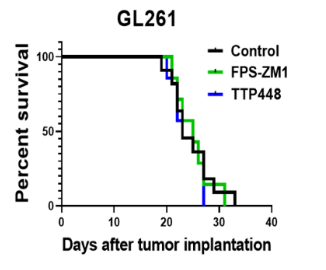
Azeliragon (TTP488; 3 mg/kg/days; given four days after tumor implantation for a two-week period) improved the survival of ic GL261-bearing mice.
Azeliragon purchased from MedChemExpress. Usage Cited in: Neuro Oncol. 2023 May 4;25(5):886-898. [Abstract]
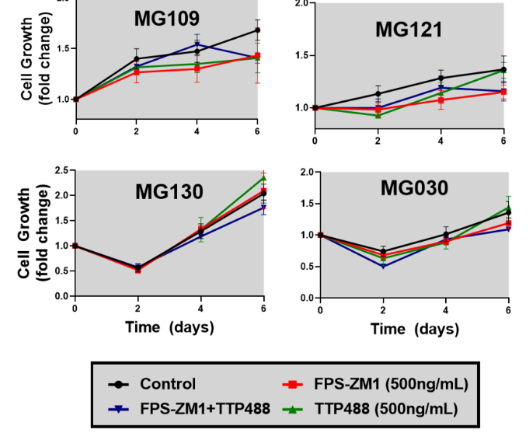
Azeliragon (TTP488;500 ng/mL; 2, 4, 6 days) did not affect the growth of primary human malignant glioma cell lines in vitro.
-
Phytomedicine
Siegesbeckia orientalis ethanol extract impedes RAGE-CD11b interaction driven by HMGB1 to alleviate neutrophil-involved neuronal injury poststroke. [Abstract]2025 Apr:139:156541. PMID: 39986221
Azeliragon purchased from MedChemExpress. Usage Cited in: Phytomedicine. 2025 Apr:139:156541. [Abstract]
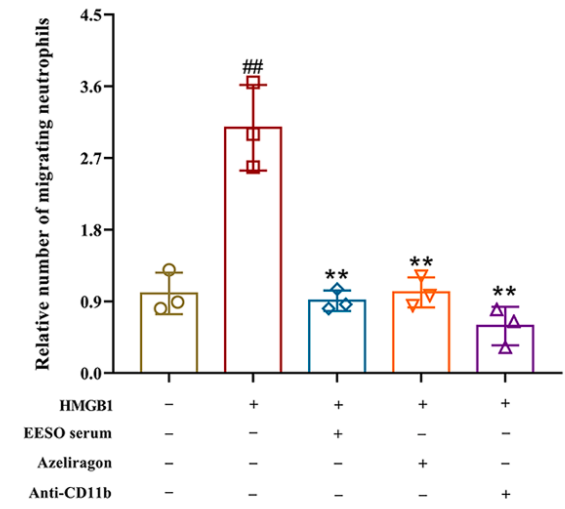
Azeliragon (5 μM; 6 h) in neutrophils significantly restrained HMGB1-driven neutrophil migration.
Azeliragon purchased from MedChemExpress. Usage Cited in: Phytomedicine. 2025 Apr:139:156541. [Abstract]
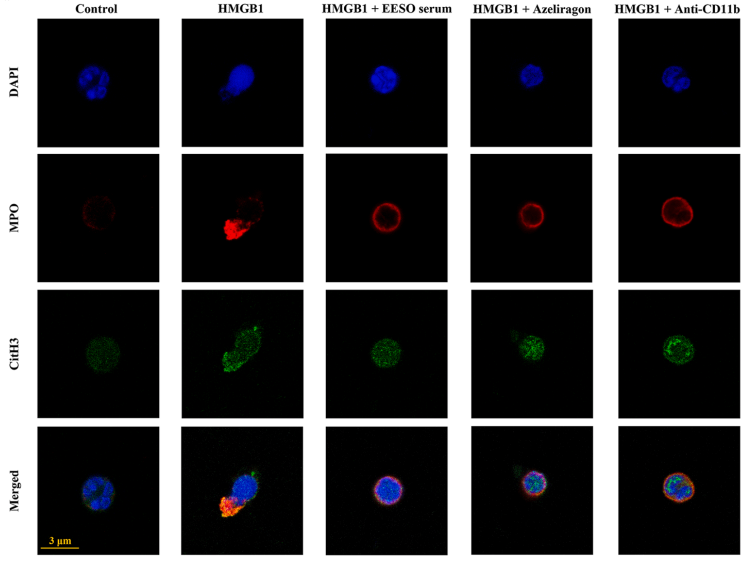
Azeliragon (5 μM; 6 h) in neutrophils, representative immunofluorescence micrographs of NETs generation.
Azeliragon purchased from MedChemExpress. Usage Cited in: Phytomedicine. 2025 Apr:139:156541. [Abstract]
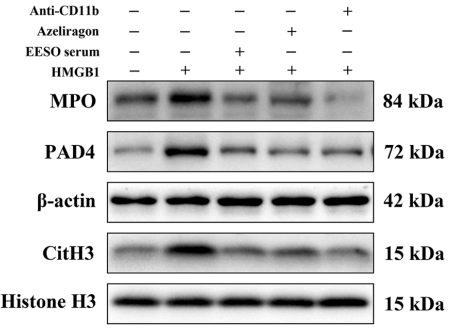
Azeliragon (5 μM; 6 h) in neutrophils decreased the protein expression by MPO, PAD4 and CitH3 detected by western blot.
-
NPJ Breast Cancer
RAGE inhibitor TTP488 (Azeliragon) suppresses metastasis in triple-negative breast cancer. [Abstract]2023 Jul 13;9(1):59. PMID: 37443146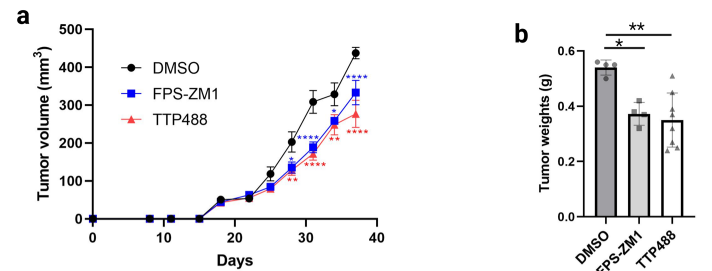
Azeliragon purchased from MedChemExpress. Usage Cited in: NPJ Breast Cancer. 2023 Jul 13;9(1):59. [Abstract]
Azeliragon (TTP488; 1 mg/kg; IP; twice per week for 40 days) in 8-week-old female NSG mice showed anti-tumor activity.
Azeliragon purchased from MedChemExpress. Usage Cited in: NPJ Breast Cancer. 2023 Jul 13;9(1):59. [Abstract]
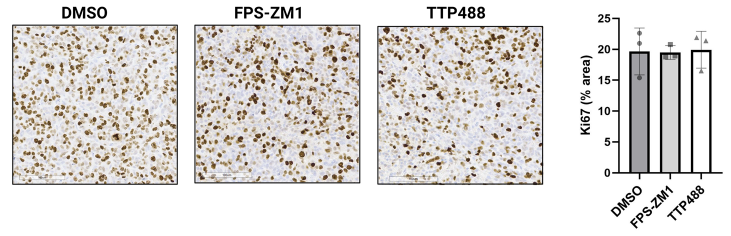
Azeliragon (TTP488; 1 mg/kg; IP; twice per week for 40 days) in 8-week-old female NSG mice showed no antiproliferative effect in vivo. Immunohistochemical analysis of 4175/NSG tumors for proliferation (Ki67).
Azeliragon purchased from MedChemExpress. Usage Cited in: NPJ Breast Cancer. 2023 Jul 13;9(1):59. [Abstract]
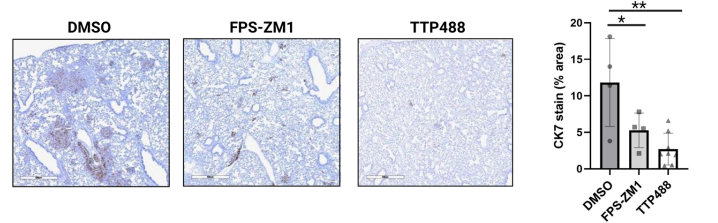
Azeliragon (TTP488; 1 mg/kg; IP; twice per week for 40 days) in 8-week-old female NSG mice showed reduced lung metastasis, with TTP488 affecting metastasis more potently at this dose. Immunohistochemical analysis of human CK7 to assess for metastasis in 4175/NSG mouse lung tissue.
Azeliragon purchased from MedChemExpress. Usage Cited in: NPJ Breast Cancer. 2023 Jul 13;9(1):59. [Abstract]
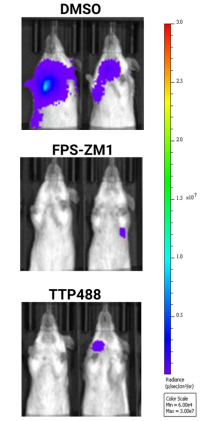
4T-1 cells were tail-vein injected into BALBc mice, and mice were treated IP twice per week with 1 mg/kg Azeliragon (TTP488) or FPS-ZM1 (or vehicle (DMSO) control). Representative IVIS images at day 13 are shown from n = 11 per group. Mice treated with either TTP488 or FPS-ZM1 had significantly reduced tumor burden (p = <0.05) in the lungs at day 13 compared to the vehicle controltreated mice.
-
Commun Biol
Repurposing Azeliragon as a novel antibacterial agent against methicillin-resistant Staphylococcus aureus via combined membrane phospholipids and cell wall targeting. [Abstract]2026 May 14. PMID: 42135462 -
Commun Biol
2026 May 15;9(1):661. PMID: 42141167 -
Nutrients
Phycocyanobilin as a Functional Food-Derived Nutraceutical Candidate for Modulating the RAGE/NOX4 Axis in Neurodegenerative Disorders. [Abstract]2026 Feb 13;18(4):617. PMID: 41754134 -
-
Biochim Biophys Acta Mol Basis Dis
2021 Oct 1;1867(10):166186. PMID: 34166766 -
Exp Neurol
Azeliragon attenuates cerebral infarction aggravation in diabetic rats: Receptor for advanced glycation end-product as a novel therapeutic target. [Abstract]2026 Mar:397:115588. PMID: 41380793 -
BMC Cardiovasc Disord
Sodium tanshinone IIA sulfonate ameliorates neointima by protecting endothelial progenitor cells in diabetic mice. [Abstract]2023 Sep 11;23(1):446. PMID: 37697234 -
Biochim Biophys Acta Gen Subj
P2X7 receptor contributes to DNA damage repair and acquisition of malignant phenotypes in irradiated human glioblastoma cells. [Abstract]2025 Oct 22;1869(12):130873. PMID: 41135637 -
Biochim Biophys Acta Gen Subj
Involvement of RAGE in radiation-induced acquisition of malignant phenotypes in human glioblastoma cells. [Abstract]2024 Sep;1868(9):130650. PMID: 38830560 -
J Nat Med
Identification of pheophorbide a as an inhibitor of receptor for advanced glycation end products in Mallotus japonicus. [Abstract]2021 Jun;75(3):675-681. PMID: 33625682 -
Clinics (Sao Paulo)
Azeliragon ameliorates Alzheimer's disease via the Janus tyrosine kinase and signal transducer and activator of transcription signaling pathway. [Abstract]2021 Mar 8:76:e2348. PMID: 33681944 -
-
-
-


Lösungsmittel & Löslichkeit
In Vitro:
DMSO : 50 mg/mL (93.96 mM; Need ultrasonic; Hygroscopic DMSO has a significant impact on the solubility of product, please use newly opened DMSO)
Please refer to the solubility information to select the appropriate solvent. Once prepared, please aliquot and store the solution to prevent product inactivation from repeated freeze-thaw cycles.
Storage method and period of stock solution: -80°C, 2 years; -20°C, 1 year. When stored at -80°C, please use it within 2 years. When stored at -20°C, please use it within 1 year.
Please refer to the solubility information to select the appropriate solvent. Once prepared, please aliquot and store the solution to prevent product inactivation from repeated freeze-thaw cycles.
Storage method and period of stock solution: -80°C, 2 years; -20°C, 1 year. When stored at -80°C, please use it within 2 years. When stored at -20°C, please use it within 1 year.
Konzentration (Stammlösung) × Volumen (Stammlösung) = Konzentration (Ziellösung) × Volumen (Ziellösung)
In Vivo:
Select the appropriate dissolution method based on your experimental animal and administration route.
- For the following dissolution methods, please ensure to first prepare a clear stock solution using an In Vitro approach and then sequentially add co-solvents:
- To ensure reliable experimental results, the clarified stock solution can be appropriately stored based on storage conditions. As for the working solution for In Vivo experiments, it is recommended to prepare freshly and use it on the same day.
- The percentages shown for the solvents indicate their volumetric ratio in the final prepared solution. If precipitation or phase separation occurs during preparation, heat and/or sonication can be used to aid dissolution.
Add each solvent one by one: 10% DMSO 40% PEG300 5% Tween-80 45% Saline
Solubility: ≥ 2.5 mg/mL (4.70 mM); Clear solution
This protocol yields a clear solution of ≥ 2.5 mg/mL (saturation unknown).
Taking 1 mL working solution as an example, add 100 μL DMSO stock solution (25.0 mg/mL) to 400 μL PEG300, and mix evenly; then add 50 μL Tween-80 and mix evenly; then add 450 μL Saline to adjust the volume to 1 mL.
Preparation of Saline: Dissolve 0.9 g sodium chloride in ddH₂O and dilute to 100 mL to obtain a clear Saline solution.
Add each solvent one by one: 10% DMSO 90% (20% SBE-β-CD in Saline)
Solubility: ≥ 2.5 mg/mL (4.70 mM); Clear solution
This protocol yields a clear solution of ≥ 2.5 mg/mL (saturation unknown).
Taking 1 mL working solution as an example, add 100 μL DMSO stock solution (25.0 mg/mL) to 900 μL 20% SBE-β-CD in Saline, and mix evenly.
Preparation of 20% SBE-β-CD in Saline (4°C, storage for one week): 2 g SBE-β-CD powder is dissolved in 10 mL Saline, completely dissolve until clear.
In Vivo Dissolution Calculator
Please enter the basic information of animal experiments:
-
-
-
-
Recommended: Prepare an additional quantity of animals to account for potential losses during experiments.
Please enter your animal formula composition:
-
%DMSO +
Recommended: Keep the proportion of DMSO in working solution below 2% if your animal is weak.
-
%+
-
+%Tween-80 + +
-
%Saline +
The co-solvents required include: DMSO, . All of co-solvents are available by MedChemExpress (MCE). , Tween 80. All of co-solvents are available by MedChemExpress (MCE).
Working solution concentration: 0.22 mg/mL
Method for preparing stock solution: mg drug dissolved in μL DMSO. Stock solution concentration: mg/mL.
1. Take μL DMSO stock solution;
2. Add μL .
μL , mix evenly;
3. Then add μL Tween 80, mix evenly;
4. Then add μL
Please ensure that the stock solution in the first step is dissolved to a clear state, and add co-solvents in sequence. You can use ultrasonic heating (ultrasonic cleaner, recommended frequency 20-40 kHz), vortexing, etc. to assist dissolution.


Reinheit & Dokumentation
-
Data Sheet (274 KB)
-
SDS (396 KB)
- English - EN (396 KB)
- Français - FR (396 KB)
- Deutsch - DE (396 KB)
- Norwegian - NO (396 KB)
- Español - ES (396 KB)
- Swedish - SV (396 KB)
- Italian - IT (396 KB)
- Korean - KR (396 KB)
- Portuguese - PT (396 KB)
-
Handling Instructions (2659 KB)
Verweise
[1]. Burstein AH, et al. Assessment of Azeliragon QTc Liability Through Integrated, Model-Based Concentration QTc Analysis. Clin Pharmacol Drug Dev. 2019 May;8(4):426-435. [Content Brief]
[2]. Bongarzone S, et al. Targeting the Receptor for Advanced Glycation Endproducts (RAGE): A Medicinal Chemistry Perspective. J Med Chem. 2017 Sep 14;60(17):7213-7232. [Content Brief]
[3]. Chen Y, et al. RAGE ligation affects T cell activation and controls T cell differentiation. J Immunol. 2008 Sep 15;181(6):4272-8. [Content Brief]


Complete Stock Solution Preparation Table
Please refer to the solubility information to select the appropriate solvent. Once prepared, please aliquot and store the solution to prevent product inactivation from repeated freeze-thaw cycles.
Storage method and period of stock solution: -80°C, 2 years; -20°C, 1 year. When stored at -80°C, please use it within 2 years. When stored at -20°C, please use it within 1 year.
| Optional Solvent | Concentration Solvent Mass | 1 mg | 5 mg | 10 mg | 25 mg |
|---|---|---|---|---|---|
| DMSO | 1 mM | 1.8793 mL | 9.3964 mL | 18.7928 mL | 46.9819 mL |
| 5 mM | 0.3759 mL | 1.8793 mL | 3.7586 mL | 9.3964 mL | |
| 10 mM | 0.1879 mL | 0.9396 mL | 1.8793 mL | 4.6982 mL | |
| 15 mM | 0.1253 mL | 0.6264 mL | 1.2529 mL | 3.1321 mL | |
| 20 mM | 0.0940 mL | 0.4698 mL | 0.9396 mL | 2.3491 mL | |
| 25 mM | 0.0752 mL | 0.3759 mL | 0.7517 mL | 1.8793 mL | |
| 30 mM | 0.0626 mL | 0.3132 mL | 0.6264 mL | 1.5661 mL | |
| 40 mM | 0.0470 mL | 0.2349 mL | 0.4698 mL | 1.1745 mL | |
| 50 mM | 0.0376 mL | 0.1879 mL | 0.3759 mL | 0.9396 mL | |
| 60 mM | 0.0313 mL | 0.1566 mL | 0.3132 mL | 0.7830 mL | |
| 80 mM | 0.0235 mL | 0.1175 mL | 0.2349 mL | 0.5873 mL |


Azeliragon Related Classifications
HY-50682 Related Classifications
 Powered by Bioz