



STO-609
Based on 39 publication(s) in Google Scholar
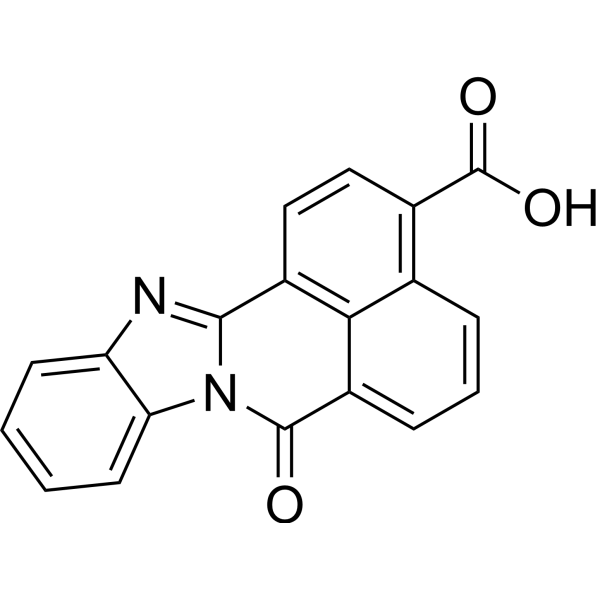
STO-609 is a selective and cell-permeable inhibitor of the Ca2+/calmodulin-dependent protein kinase kinase (CaM-KK), with Ki values of 80 and 15 ng/mL for recombinant CaM-KKα and CaM-KKβ, respectively. STO-609 inhibits AMP-activated protein kinase kinase (AMPKK) activity in HeLa cell lysates with an IC50 ~0.02 g/ml.
Nur für Forschungszwecke. Wir verkaufen nicht an Patienten.
- Reinheit : 98.20%
- CAS. Nr.: 52029-86-4
- Formel: C19H10N2O3
- Molecular Weight:314.29
-
Speicherung:
4°C, sealed storage, away from moisture
* In solvent : -80°C, 6 months; -20°C, 1 month (sealed storage, away from moisture)

To place orders, for customer services and technical support, please contact: MedChemExpress USA
Tel: 609-228-6898 E-mail: [email protected] [email protected]


-
 Biologische Aktivität
-
Chemical Information
-
Lösungsmittel & Löslichkeit
- Protokoll
- Reinheit & Dokumentation
- Verweise
-
 Help & FAQs


-
HY-15465
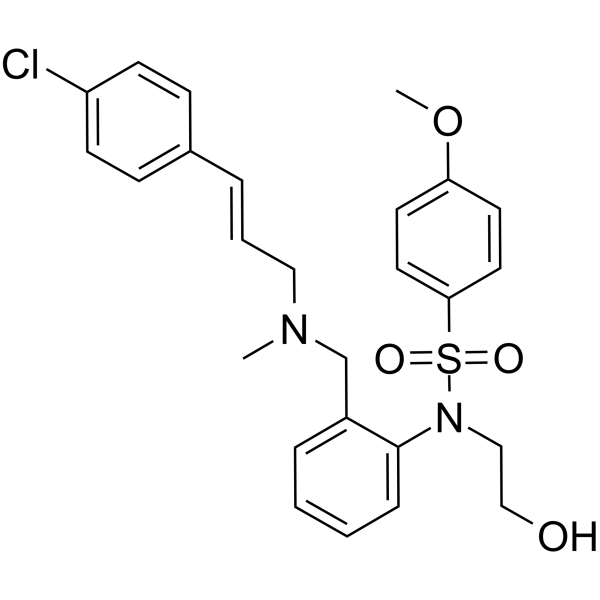
KN-93CaMK II Inhibitor -
HY-13418A
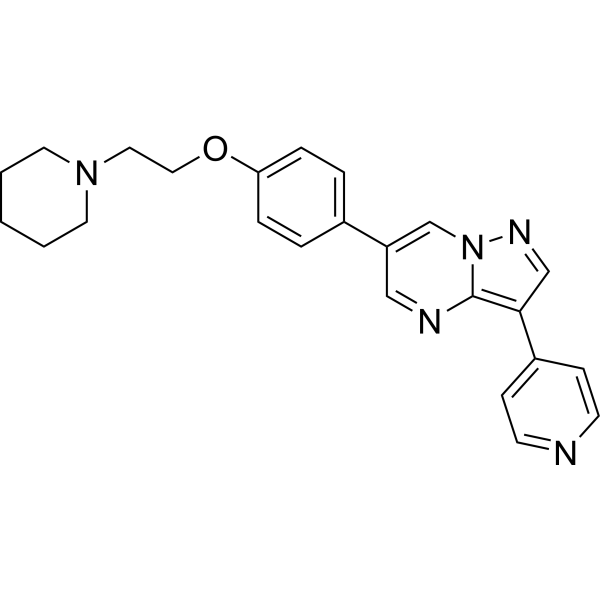
DorsomorphinAMPK Inhibitor -
HY-13417
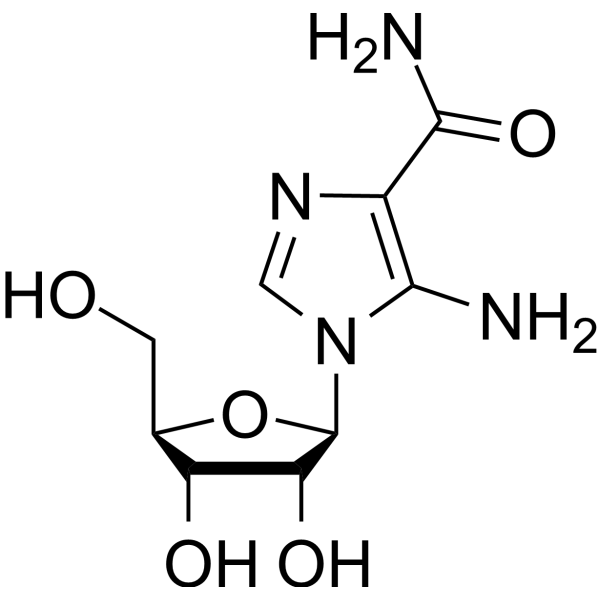
AICARAMPK Activator -
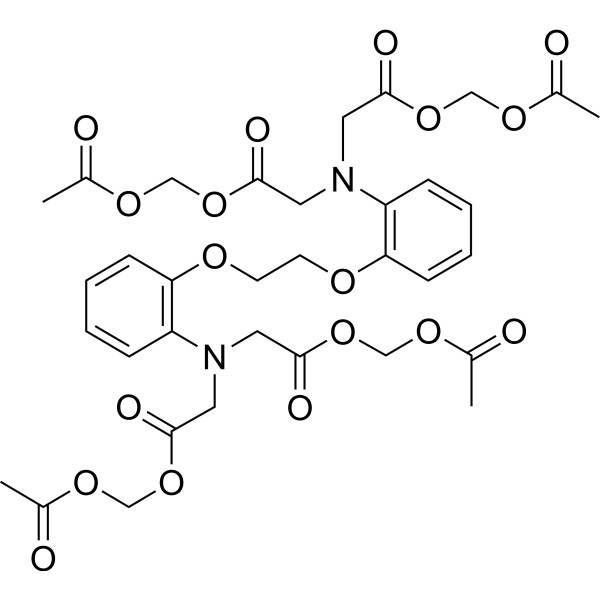
HY-100545
BAPTA-AMCa2+ Chelator -
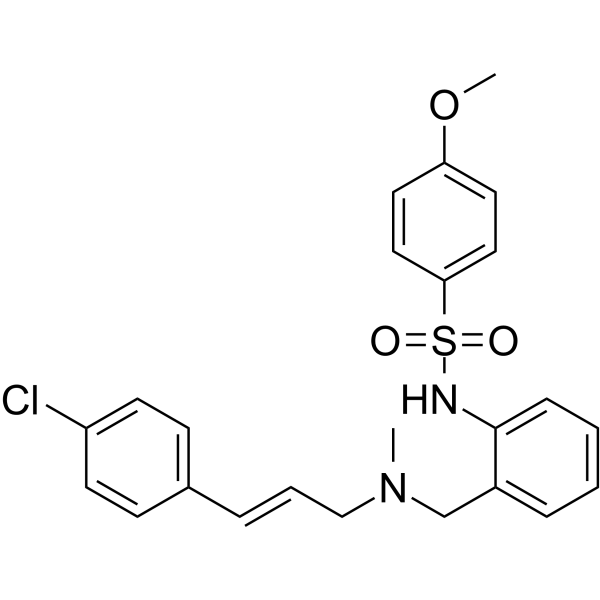
HY-15517
KN-92KN-93 Negative Control -
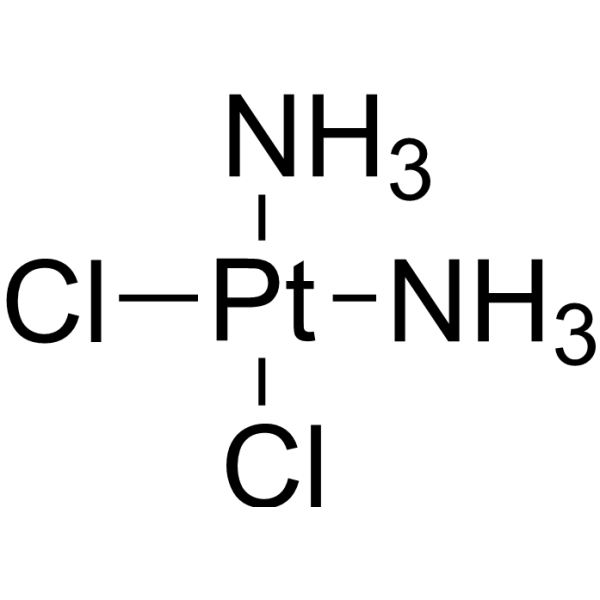
HY-17394
CisplatinDNA Alkylator -
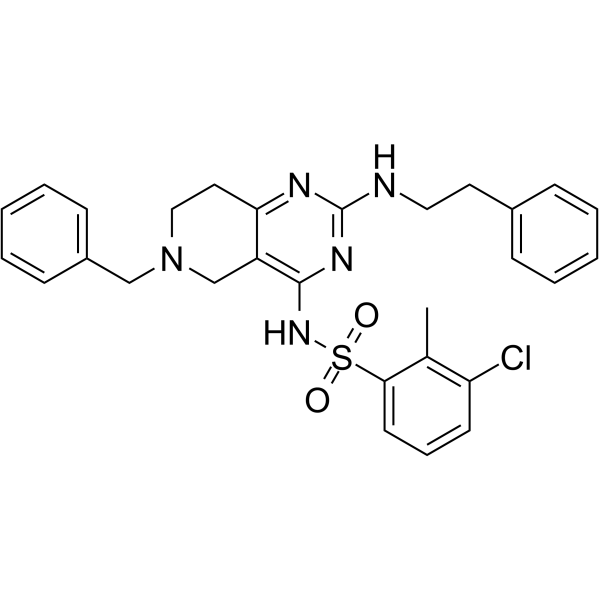
HY-18271
CaMKII-IN-1CaMKII Inhibitor -
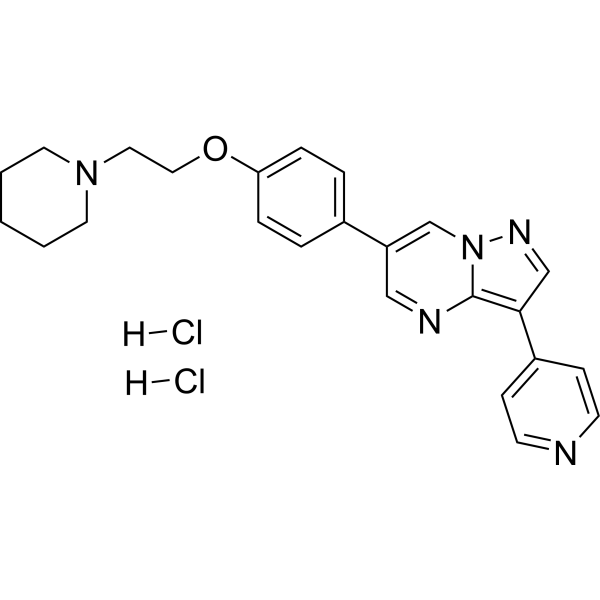
HY-13418
Dorsomorphin dihydrochlorideAMPK Inhibitor -
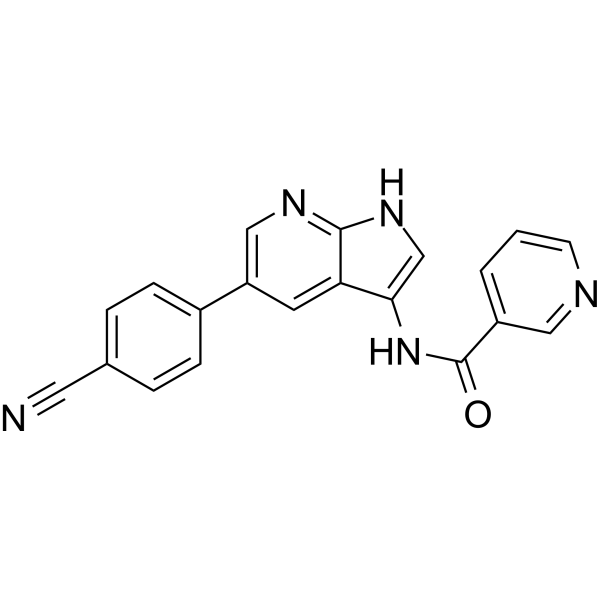
HY-10371
Pim1/AAK1-IN-1Pim1/AKK1/MST2/LKB1 Inhibitor -
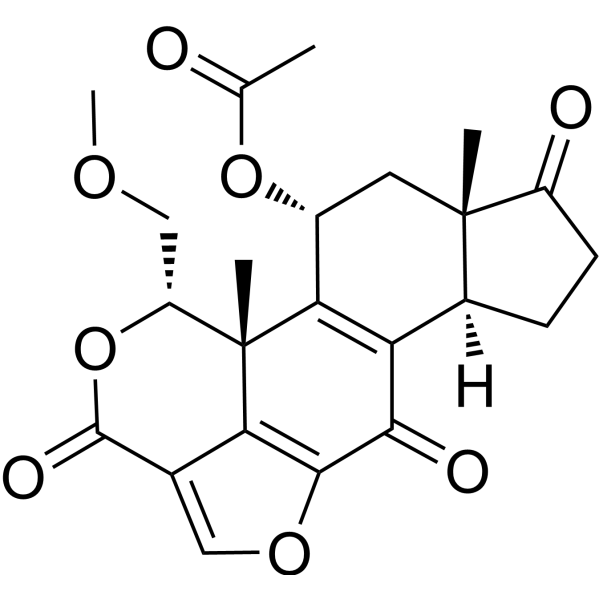
HY-10197
WortmanninPI3K Inhibitor -
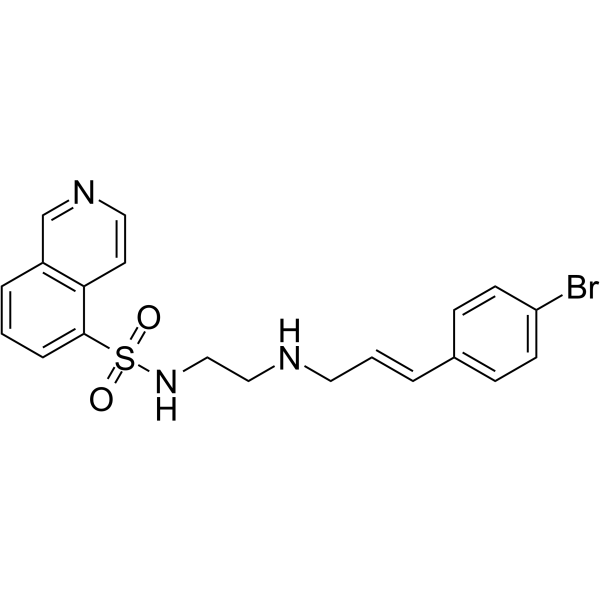
HY-15979
H-89PKA Inhibitor -
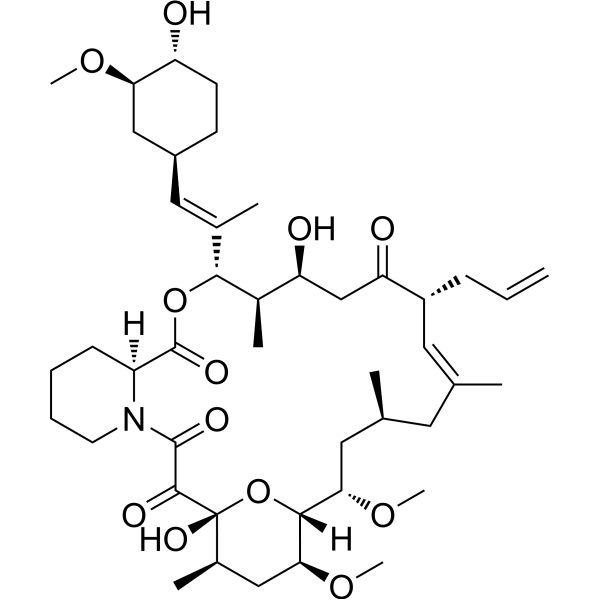
HY-13756
TacrolimusCalcineurin Inhibitor
Publications Citing Use of MedChemExpress (MCE) STO-609
More- Signal Transduct Target Ther. 2021 Jan 25;6(1):29. [Abstract]
- J Hematol Oncol. 2022 Jul 14;15(1):93. [Abstract]
- Nat Metab. 2022 Sep;4(9):1185-1201. [Abstract]
- Nat Aging. 2025 Jun;5(6):1097-1113. [Abstract]
- Autophagy. 2026 Jun 6:1-20. [Abstract]
- Chem Eng J. 2025 Sep 15.
- Phytomedicine. 2024 Dec:135:156170. [Abstract]
- Cell Chem Biol. 2026 Jun 18;33(6):767-784.e7. [Abstract]
- Neural Regen Res. 2025 Apr 29. [Abstract]
- Mol Med. 2025 Oct 6;31(1):308. [Abstract]
- Cell Rep. 2026 May 22;45(6):117427. [Abstract]
- Cell Rep. 2022 Nov 22;41(8):111707. [Abstract]
- Cell Prolif. 2021 Jan;54(1):e12919. [Abstract]
- Br J Pharmacol. 2026 Jul 24.
- J Invest Dermatol. 2022 Jan;142(1):189-200.e8. [Abstract]
- Front Immunol. 2019 Nov 14:10:2650. [Abstract]
- PLoS Biol. 2024 Mar 25;22(3):e3002565. [Abstract]
- J Ethnopharmacol. 2026 Apr 24:361:121244. [Abstract]
- J Agric Food Chem. 2026 Feb 11;74(5):4582-4598. [Abstract]
- EMBO Rep. 2025 Nov 17. [Abstract]
- Eur J Pharmacol. 2025 Jan 15:987:177158. [Abstract]
- Am J Physiol Cell Physiol. 2026 Sep 1;331(3):C691-C704.
- Chem Biol Interact. 2025 Sep 5:418:111577. [Abstract]
- Chem Biol Interact. 2025 Sep 19:111750. [Abstract]
- J Cell Mol Med. 2021 Nov;25(21):9953-9971. [Abstract]
- J Virol. 2021 Mar 1;95(5):e01321-20. [Abstract]
- J Photochem Photobiol B. 2020 Dec:213:112075. [Abstract]
- Ren Fail. 2025 Dec;47(1):2438857. [Abstract]
- Ren Fail. 2024 Dec;46(1):2354918. [Abstract]
- Cell Biol Int. 2024 Jan;48(1):46-59. [Abstract]
- Food Chem Toxicol. 2021 Jan:147:111911. [Abstract]
- Vet J. 2026 Apr:316:106599. [Abstract]
- Endocr J. 2022 Apr 28;69(4):385-397. [Abstract]
- J Biophotonics. 2026 Jun;19(6):e70313. [Abstract]
- Virus Genes. 2022 Apr;58(2):133-142. [Abstract]
- bioRxiv. 2026 Jun 16.
- Res Sq. 2026 May 13.
- Oxid Med Cell Longev. 2021 Oct 5:2021:8542809. [Abstract]
- Oxid Med Cell Longev. 2021 Jan 25:2021:8836058. [Abstract]
 Customer Validation & Images

-
WB
-
Bio/Physico-chemical Assay
-
Cell Proliferation/Viability Assay
-
WB
-
WB
Alle AMPK Isoform-spezifische Produkte anzeigen
More

Biologische Aktivität
Beschreibung
IC50 & Target
Ki: 80 ng/mL (CaM-KKα), 15 ng/mL (CaM-KKβ)[1]
In Vitro
STO-609 inhibits the activities of recombinant CaM-KKα and CaM-KKβ isoforms, with Ki values of 80 and 15 ng/mL, respectively, and also inhibits their autophosphorylation activities. STO-609 is highly selective for CaM-KK without any significant effect on the downstream CaM kinases (CaM-KI and -IV), and the IC50 value of the compound against CaM-KII is 10 μg/mL. STO-609 inhibits constitutively active CaM-KKα as well as the wild-type enzyme. In transfected HeLa cells, STO-609 suppresses the Ca2+-induced activation of CaM-KIV in a dose-dependent manner. STO-609 significantly reduces the endogenous activity of CaM-KK in SH-SY5Y neuroblastoma cells at a concentration of 1μg/mL (80% inhibitory rate)[1].
MedChemExpress (MCE) has not independently confirmed the accuracy of these methods. They are for reference only.


Chemical Information
-
CAS. Nr. 52029-86-4
-
Appearance Solid
-
Molecular Weight 314.29
-
Formel C19H10N2O3
-
Color Light yellow to yellow
-
SMILES
O=C(C1=C2C3=C(C4=NC5=CC=CC=C5N4C(C3=CC=C2)=O)C=C1)O
-
Versand
Room temperature in continental US; may vary elsewhere.
-
Speicherung
4°C, sealed storage, away from moisture
* In solvent : -80°C, 6 months; -20°C, 1 month (sealed storage, away from moisture)


Publications (39)
-
Journal Impact Factor
-
Most Recent
-
Signal Transduct Target Ther
2021 Jan 25;6(1):29. PMID: 33487631
STO-609 purchased from MedChemExpress. Usage Cited in: Signal Transduct Target Ther. 2021 Jan 25;6(1):29. [Abstract]
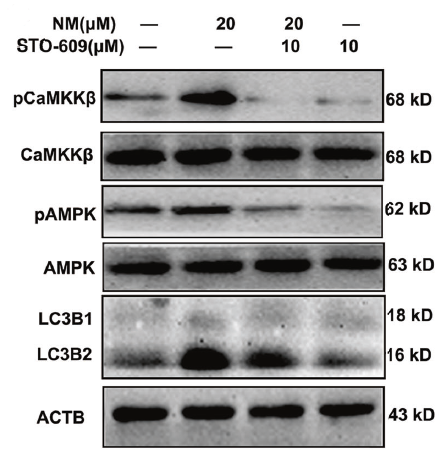
Cells were pretreated with STO-609 (10 μM; 1 h) followed by exposure to NM (20 μM) for an additional 24 h. STO-609 markedly inhibited NM-induced AMPK and ULK1 activation.
STO-609 purchased from MedChemExpress. Usage Cited in: Signal Transduct Target Ther. 2021 Jan 25;6(1):29. [Abstract]
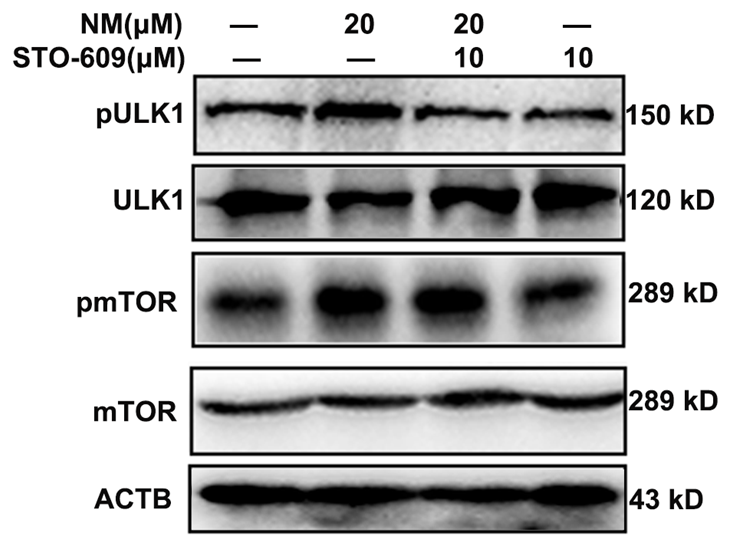
Cells were treated with STO-609 (10 µM; 1 h) following the addition of NM (20 µM) for another 24 h. Total cell lysates were collected and the levels of indicated proteins were detected by western blotting. STO-609 treatment markedly inhibited NM-induced ULK1 activation and autophagy induction but had no obvious effect on NM-induced pmTOR expression in keratinocytes.
-
J Hematol Oncol
Allosteric activation of the metabolic enzyme GPD1 inhibits bladder cancer growth via the lysoPC-PAFR-TRPV2 axis. [Abstract]2022 Jul 14;15(1):93. PMID: 35836291 -
Nat Metab
Orosomucoid 2 maintains hepatic lipid homeostasis through suppression of de novo lipogenesis. [Abstract]2022 Sep;4(9):1185-1201. PMID: 36050503
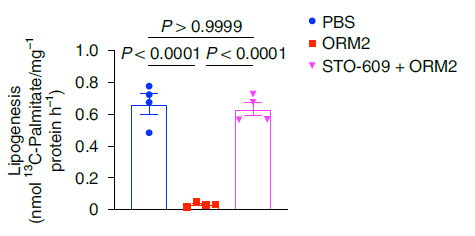
STO-609 purchased from MedChemExpress. Usage Cited in: Nat Metab. 2022 Sep;4(9):1185-1201. [Abstract]
Mouse primary hepatocytes were incubated with 13C acetate (1 mM) containing vehicle control (PBS), ORM2 (100 ng ml−1) and STO-609 (5 μM) for 6 h. STO-609 markedly abolished suppression of DNL rate by ORM2 in primary hepatocytes from C57BL/6J healthy mice.
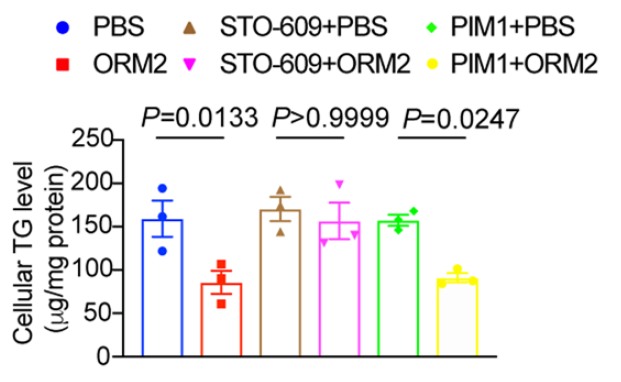
STO-609 purchased from MedChemExpress. Usage Cited in: Nat Metab. 2022 Sep;4(9):1185-1201. [Abstract]
MPHs were pre-incubated with palmitic acid (200 μM) for 12 hr, and then treated with ORM2 protein (100 ng/ml) or vehicle control (PBS) for 6 h, in the presence or absence of STO-609 (5 μM). STO-609 largely blocked the inhibitory effects of ORM2 on cellular TG accumulation and lipogenic gene expression.
-
Nat Aging
Activation of AMPK by GLP-1R agonists mitigates Alzheimer-related phenotypes in transgenic mice. [Abstract]2025 Jun;5(6):1097-1113. PMID: 40394225
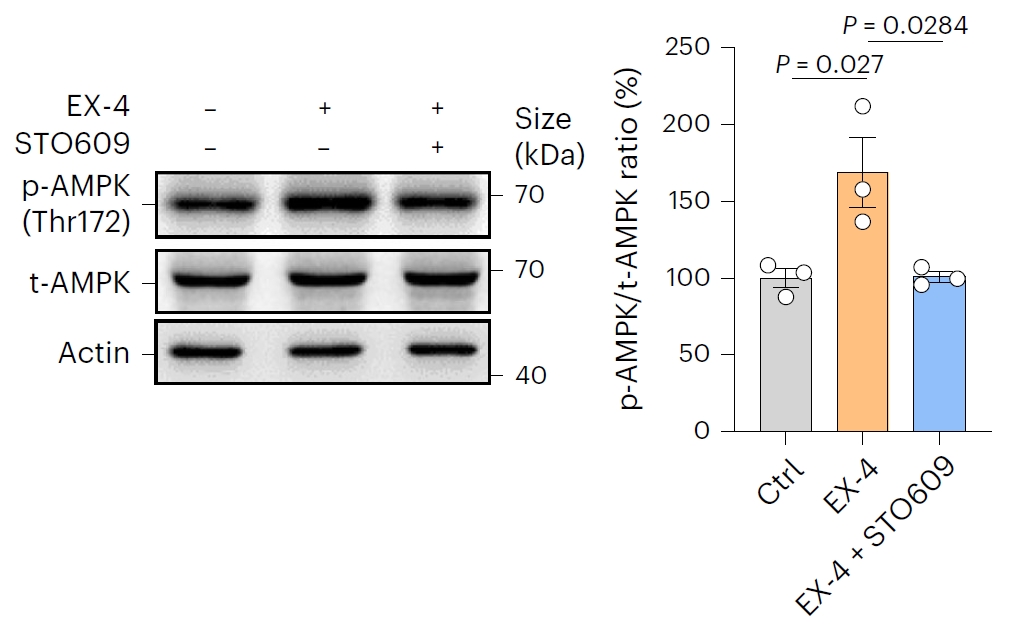
STO-609 purchased from MedChemExpress. Usage Cited in: Nat Aging. 2025 Jun;5(6):1097-1113. [Abstract]
Primary WT mouse neurons were treated with exendin-4 with or without STO-609, a CaMKK2 inhibitor. STO-609 significantly attenuated the effect of exendin-4 on AMPK phosphorylation.
-
Autophagy
Organelle contact reorganization drives calcium-dependent autophagy under proteostatic stress. [Abstract]2026 Jun 6:1-20. PMID: 42152515 -
-
Phytomedicine
Kaixinsan regulates neuronal mitochondrial homeostasis to improve the cognitive function of Alzheimer's disease by activating CaMKKβ-AMPK-PGC-1α signaling axis. [Abstract]2024 Dec:135:156170. PMID: 39520951 -
Cell Chem Biol
The cytotoxic effect of prexasertib is a consequence of dual inhibition on both CHK1 and AMPK. [Abstract]2026 Jun 18;33(6):767-784.e7. PMID: 42061410 -
Neural Regen Res
Trans-spinal magnetic stimulation attenuates neuropathic pain caused by spinal cord injury. [Abstract]2025 Apr 29. PMID: 40313090 -
Mol Med
CAMKK2 restored mitochondrial dynamics homeostasis to alleviate pulmonary fibrosis via AMPK/PGC-1α signaling pathway in lung fibroblasts. [Abstract]2025 Oct 6;31(1):308. PMID: 41053564 -
Cell Rep
Gasdermin C reprograms metabolism through the CAMKK2-AMPK axis to promote lung adenocarcinoma progression and radioresistance. [Abstract]2026 May 22;45(6):117427. PMID: 42176271 -
Cell Rep
circPRKAA1 activates a Ku80/Ku70/SREBP-1 axis driving de novo fatty acid synthesis in cancer cells. [Abstract]2022 Nov 22;41(8):111707. PMID: 36417875 -
Cell Prolif
Inhibition of deubiquitination by PR-619 induces apoptosis and autophagy via ubi-protein aggregation-activated ER stress in oesophageal squamous cell carcinoma. [Abstract]2021 Jan;54(1):e12919. PMID: 33129231 -
-
J Invest Dermatol
CAMKK2 Defines Ferroptosis Sensitivity of Melanoma Cells by Regulating AMPK‒NRF2 Pathway. [Abstract]2022 Jan;142(1):189-200.e8. PMID: 34242660 -
Front Immunol
Isovitexin-Mediated Regulation of Microglial Polarization in Lipopolysaccharide-Induced Neuroinflammation via Activation of the CaMKKβ/AMPK-PGC-1α Signaling Axis. [Abstract]2019 Nov 14:10:2650. PMID: 31798583 -
PLoS Biol
The scale of zebrafish pectoral fin buds is determined by intercellular K+ levels and consequent Ca2+-mediated signaling via retinoic acid regulation of Rcan2 and Kcnk5b. [Abstract]2024 Mar 25;22(3):e3002565. PMID: 38527087 -
J Ethnopharmacol
Total flavonoids isolated from Fructus Mume (Prunus mume Sieb. et Zucc.) mitigate Parkinson's disease progression by promoting neuronal mitophagy via activation of the CaMKKβ/AMPK signaling pathway. [Abstract]2026 Apr 24:361:121244. PMID: 41564984 -
J Agric Food Chem
Protocatechuic Acid, a Gut-Derived Dietary Metabolite, Attenuates Endothelial Dysfunction via GPER-Mediated NO Signaling. [Abstract]2026 Feb 11;74(5):4582-4598. PMID: 41605862 -
EMBO Rep
2025 Nov 17. PMID: 41249580 -
Eur J Pharmacol
VDAC1-NF-κB/p65-mediated S100A16 contributes to myocardial ischemia/reperfusion injury by regulating oxidative stress and inflammatory response via calmodulin/CaMKK2/AMPK pathway. [Abstract]2025 Jan 15:987:177158. PMID: 39613175 -
-
Chem Biol Interact
Platycodin D reverses tumor necrosis factor-α-induced endothelial dysfunction by increasing nitric oxide through G protein-coupled estrogen receptor-mediated eNOS activity. [Abstract]2025 Sep 5:418:111577. PMID: 40447174 -
Chem Biol Interact
Erianin reverses 5-FU resistance by targeting CALM1/CAMKK2 and activating autophagy in colorectal cancer. [Abstract]2025 Sep 19:111750. PMID: 40976489 -
J Cell Mol Med
Dihydromyricetin resists inflammation-induced muscle atrophy via ryanodine receptor-CaMKK-AMPK signal pathway. [Abstract]2021 Nov;25(21):9953-9971. PMID: 34676967 -
J Virol
Human Cytomegalovirus Induces the Expression of the AMPKa2 Subunit to Drive Glycolytic Activation and Support Productive Viral Infection. [Abstract]2021 Mar 1;95(5):e01321-20. PMID: 33268515 -
J Photochem Photobiol B
Photobiomodulation reduces hepatic lipogenesis and enhances insulin sensitivity through activation of CaMKKβ/AMPK signaling pathway. [Abstract]2020 Dec:213:112075. PMID: 33152638 -
Ren Fail
Dapagliflozin improves diabetic kidney disease by inhibiting ferroptosis through β-hydroxybutyrate production. [Abstract]2025 Dec;47(1):2438857. PMID: 39746795 -
Ren Fail
β-Hydroxybutyrate Protects Against Cisplatin-Induced Renal Damage via Regulating Ferroptosis. [Abstract]2024 Dec;46(1):2354918. PMID: 38757723 -
Cell Biol Int
Pachymic acid (PA) inhibits ferroptosis of cardiomyocytes via activation of the AMPK in mice with ischemia/reperfusion-induced myocardial injury. [Abstract]2024 Jan;48(1):46-59. PMID: 37750505 -
Food Chem Toxicol
IRE1 and CaMKKβ pathways to reveal the mechanism involved in microcystin-LR-induced autophagy in mouse ovarian cells. [Abstract]2021 Jan:147:111911. PMID: 33290805 -
Vet J
Pinobanksin alleviates 4℃ semen preservation-induced oxidative damage and apoptosis in Wenchang Pig spermatozoa via the CaMKKβ/AMPK/Nrf2 pathway. [Abstract]2026 Apr:316:106599. PMID: 41698643 -
Endocr J
Rutin promotes white adipose tissue "browning" and brown adipose tissue activation partially through the calmodulin-dependent protein kinase kinase β/AMP-activated protein kinase pathway. [Abstract]2022 Apr 28;69(4):385-397. PMID: 34719526 -
J Biophotonics
2026 Jun;19(6):e70313. PMID: 42324068 -
Virus Genes
AMP-activated kinase regulates porcine reproductive and respiratory syndrome virus infection in vitro. [Abstract]2022 Apr;58(2):133-142. PMID: 35254586 -
-
-
Oxid Med Cell Longev
Dihydromyricetin Ameliorates Inflammation-Induced Insulin Resistance via Phospholipase C-CaMKK-AMPK Signal Pathway. [Abstract]2021 Oct 5:2021:8542809. PMID: 34650665 -
Oxid Med Cell Longev
Apelin/APJ-Manipulated CaMKK/AMPK/GSK3 β Signaling Works as an Endogenous Counterinjury Mechanism in Promoting the Vitality of Random-Pattern Skin Flaps. [Abstract]2021 Jan 25:2021:8836058. PMID: 33574981


Lösungsmittel & Löslichkeit
In Vitro:
DMSO : 10 mg/mL (31.82 mM; Need ultrasonic; Hygroscopic DMSO has a significant impact on the solubility of product, please use newly opened DMSO)
Please refer to the solubility information to select the appropriate solvent. Once prepared, please aliquot and store the solution to prevent product inactivation from repeated freeze-thaw cycles.
Storage method and period of stock solution: -80°C, 6 months; -20°C, 1 month (sealed storage, away from moisture). When stored at -80°C, please use it within 6 months. When stored at -20°C, please use it within 1 month.
Please refer to the solubility information to select the appropriate solvent. Once prepared, please aliquot and store the solution to prevent product inactivation from repeated freeze-thaw cycles.
Storage method and period of stock solution: -80°C, 6 months; -20°C, 1 month (sealed storage, away from moisture). When stored at -80°C, please use it within 6 months. When stored at -20°C, please use it within 1 month.
Konzentration (Stammlösung) × Volumen (Stammlösung) = Konzentration (Ziellösung) × Volumen (Ziellösung)
In Vivo:
Select the appropriate dissolution method based on your experimental animal and administration route.
- For the following dissolution methods, please ensure to first prepare a clear stock solution using an In Vitro approach and then sequentially add co-solvents:
- To ensure reliable experimental results, the clarified stock solution can be appropriately stored based on storage conditions. As for the working solution for In Vivo experiments, it is recommended to prepare freshly and use it on the same day.
- The percentages shown for the solvents indicate their volumetric ratio in the final prepared solution. If precipitation or phase separation occurs during preparation, heat and/or sonication can be used to aid dissolution.
Add each solvent one by one: 10% DMSO 40% PEG300 5% Tween-80 45% Saline
Solubility: ≥ 0.1 mg/mL (0.32 mM); Clear solution
This protocol yields a clear solution of ≥ 0.1 mg/mL (saturation unknown).
Taking 1 mL working solution as an example, add 100 μL DMSO stock solution (1.0 mg/mL) to 400 μL PEG300, and mix evenly; then add 50 μL Tween-80 and mix evenly; then add 450 μL Saline to adjust the volume to 1 mL.
Preparation of Saline: Dissolve 0.9 g sodium chloride in ddH₂O and dilute to 100 mL to obtain a clear Saline solution.
Add each solvent one by one: 10% DMSO 90% (20% SBE-β-CD in Saline)
Solubility: ≥ 0.1 mg/mL (0.32 mM); Clear solution
This protocol yields a clear solution of ≥ 0.1 mg/mL (saturation unknown).
Taking 1 mL working solution as an example, add 100 μL DMSO stock solution (1.0 mg/mL) to 900 μL 20% SBE-β-CD in Saline, and mix evenly.
Preparation of 20% SBE-β-CD in Saline (4°C, storage for one week): 2 g SBE-β-CD powder is dissolved in 10 mL Saline, completely dissolve until clear.
For the following dissolution methods, please prepare the working solution directly:
It is recommended to prepare fresh solutions and use them promptly within a short period of time.
The percentages shown for the solvents indicate their volumetric ratio in the final prepared solution. If precipitation or phase separation occurs during preparation, heat and/or sonication can be used to aid dissolution.
Add each solvent one by one: 50% PEG300 50% Saline
Solubility: 0.5 mg/mL (1.59 mM); Suspended solution; Need ultrasonic
In Vivo Dissolution Calculator
Please enter the basic information of animal experiments:
-
-
-
-
Recommended: Prepare an additional quantity of animals to account for potential losses during experiments.
Please enter your animal formula composition:
-
%DMSO +
Recommended: Keep the proportion of DMSO in working solution below 2% if your animal is weak.
-
%+
-
+%Tween-80 + +
-
%Saline +
The co-solvents required include: DMSO, . All of co-solvents are available by MedChemExpress (MCE). , Tween 80. All of co-solvents are available by MedChemExpress (MCE).
Working solution concentration: 0.22 mg/mL
Method for preparing stock solution: mg drug dissolved in μL DMSO. Stock solution concentration: mg/mL. * In solvent : -80°C, 6 months; -20°C, 1 month (sealed storage, away from moisture)
1. Take μL DMSO stock solution;
2. Add μL .
μL , mix evenly;
3. Then add μL Tween 80, mix evenly;
4. Then add μL
Please ensure that the stock solution in the first step is dissolved to a clear state, and add co-solvents in sequence. You can use ultrasonic heating (ultrasonic cleaner, recommended frequency 20-40 kHz), vortexing, etc. to assist dissolution.


Reinheit & Dokumentation
-
Data Sheet (280 KB)
-
SDS (394 KB)
- English - EN (394 KB)
- Français - FR (394 KB)
- Deutsch - DE (394 KB)
- Norwegian - NO (394 KB)
- Español - ES (394 KB)
- Swedish - SV (394 KB)
- Italian - IT (394 KB)
- Korean - KR (394 KB)
- Portuguese - PT (394 KB)
-
Handling Instructions (2659 KB)
Verweise
[1]. Tokumitsu H, et al. STO-609, a specific inhibitor of the Ca(2+)/calmodulin-dependent protein kinase kinase. J Biol Chem. 2002 May 3;277(18):15813-8. [Content Brief]
[2]. Kukimoto-Niino M, et al. Crystal structure of the Ca2+/calmodulin-dependent protein kinase kinase in complex with the inhibitor STO-609. J Biol Chem. 2011 Jun 24;286(25):22570-9. [Content Brief]


Complete Stock Solution Preparation Table
Please refer to the solubility information to select the appropriate solvent. Once prepared, please aliquot and store the solution to prevent product inactivation from repeated freeze-thaw cycles.
Storage method and period of stock solution: -80°C, 6 months; -20°C, 1 month (sealed storage, away from moisture). When stored at -80°C, please use it within 6 months. When stored at -20°C, please use it within 1 month.
| Optional Solvent | Concentration Solvent Mass | 1 mg | 5 mg | 10 mg | 25 mg |
|---|---|---|---|---|---|
| DMSO | 1 mM | 3.1818 mL | 15.9089 mL | 31.8177 mL | 79.5444 mL |
| 5 mM | 0.6364 mL | 3.1818 mL | 6.3635 mL | 15.9089 mL | |
| 10 mM | 0.3182 mL | 1.5909 mL | 3.1818 mL | 7.9544 mL | |
| 15 mM | 0.2121 mL | 1.0606 mL | 2.1212 mL | 5.3030 mL | |
| 20 mM | 0.1591 mL | 0.7954 mL | 1.5909 mL | 3.9772 mL | |
| 25 mM | 0.1273 mL | 0.6364 mL | 1.2727 mL | 3.1818 mL | |
| 30 mM | 0.1061 mL | 0.5303 mL | 1.0606 mL | 2.6515 mL |


STO-609 Related Classifications
HY-19805 Related Classifications
 Powered by Bioz