
2438 Results for "

decrease

" in MedChemExpress (MCE) Product Catalog:
Products (2438)

2438 Results for "decrease" in MCE Product Catalog:

1
1 Cited Publications
Art. -Nr.: HY-B1776S
CAS. Nr.: 2514812-10-1
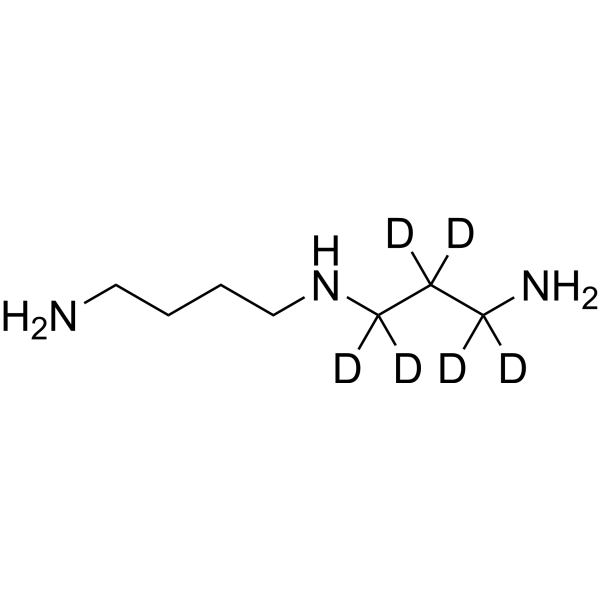
Spermidine-d6 is the deuterium labeled Spermidine . Spermidine maintains cell membrane stability, increases antioxidant enzymes activities, improving photosystem II (PSII), and relevant gene expression. Spermidine significantly decreases the H2O2 and O2.- contents .
loading...
    loading...
1
1 Cited Publications
Art. -Nr.: HY-W007894
CAS. Nr.: 595-46-0
Synonyms: Dimethylpropanedioic acid
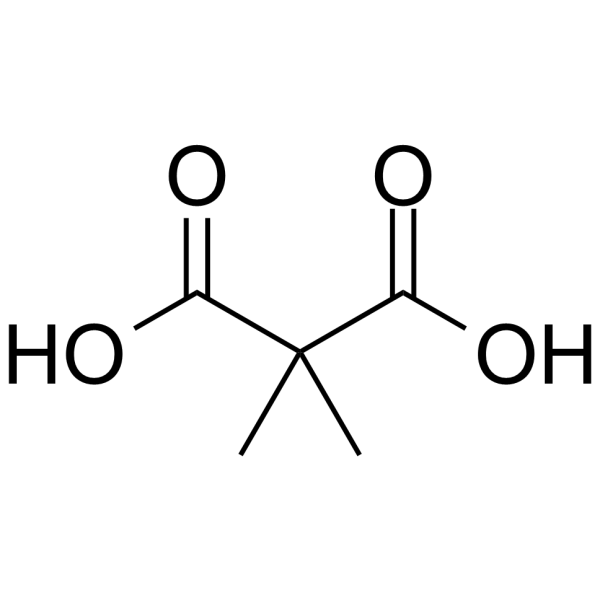
Dimethylmalonic acid (Dimethylpropanedioic acid) is a succinate dehydrogenase inhibitor. Dimethylmalonic acid competitively inhibits succinate dehydrogenase, reduces SDH-mediated succinate accumulation, blocks a key step in oxidative phosphorylation, and decreases anti-inflammatory cytokine secretion and ROS production. Dimethylmalonic acid can be used in research on autism spectrum disorders .
loading...
    loading...
1
1 Cited Publications
Art. -Nr.: HY-109058
CAS. Nr.: 648927-86-0
Reinheit:  ≥98.0%
Synonyms: QGC001; RB150
Target:  

Aminopeptidase

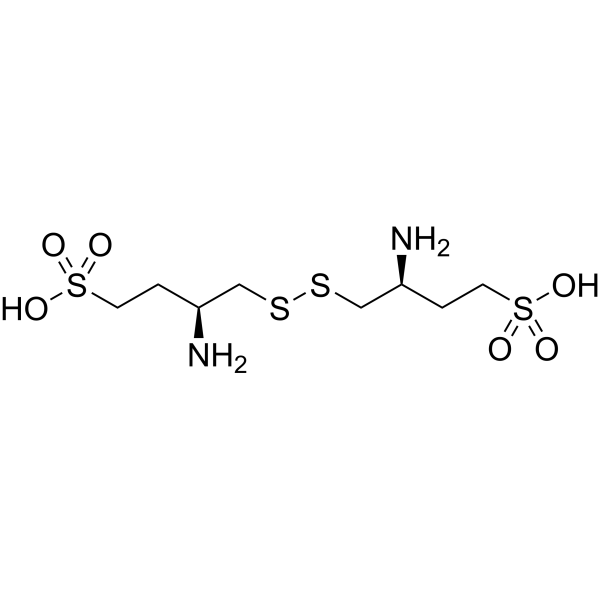
Firibastat (QGC001), an orally active brain penetrating proagent of EC33, is a first-in-class brain aminopeptidase A (APA) inhibitor (Ki=200 nM). Firibastat selectively and specifically inhibits conversion of brain angiotensin-II into angiotensin-III and decreases blood pressure in hypertensive rats .
loading...
    loading...
1
1 Cited Publications
Art. -Nr.: HY-B1776AS1
CAS. Nr.: 1313734-84-7
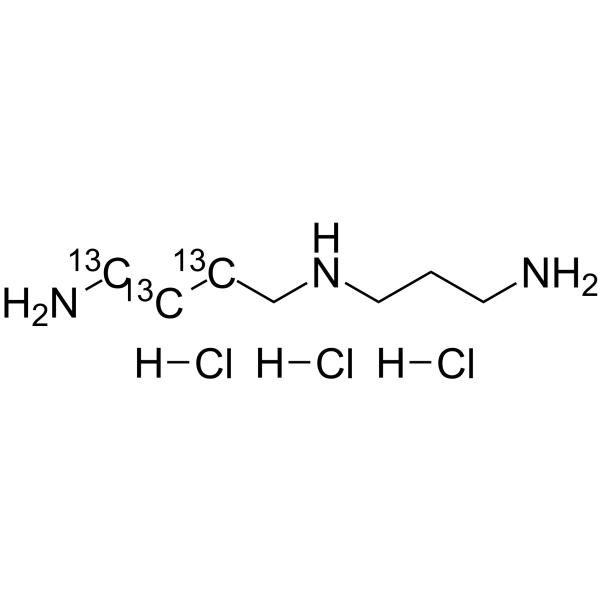
Spermidine- 13C4 (hydrochloride) is the 13C-labeled Spermidine trihydrochloride. Spermidine hydrochloride maintains cell membrane stability, increases antioxidant enzymes activities, improving photosystem II (PSII), and relevant gene expression. Spermidine hydrochloride significantly decreases the H2O2 and O2.- contents .
loading...
    loading...
1
1 Cited Publications
Art. -Nr.: HY-B1776R
CAS. Nr.: 124-20-9
Spermidine (Standard) is the analytical standard of Spermidine. This product is intended for research and analytical applications. Spermidine maintains cell membrane stability, increases antioxidant enzymes activities, improving photosystem II (PSII), and relevant gene expression. Spermidine significantly decreases the H2O2 and O2.- contents .
loading...
    loading...
1
1 Cited Publications
Art. -Nr.: HY-16516
CAS. Nr.: 1085703-32-7
Forschungsgebiete:  

Cancer

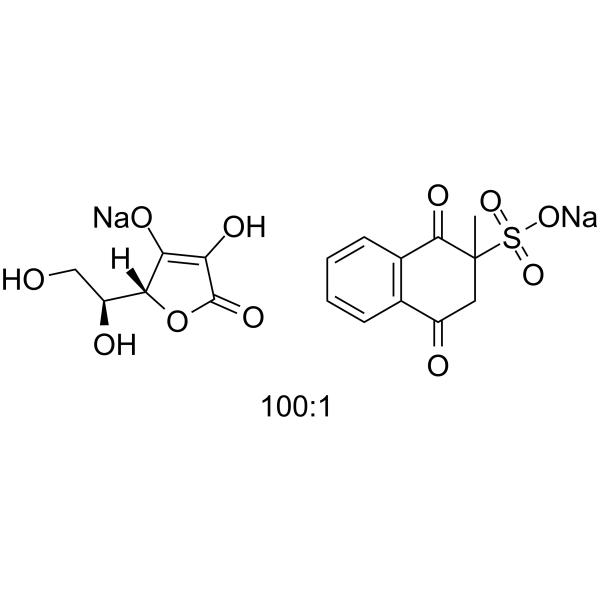
Vitamin CK3 is the combination of Vitamin C and vitamin K3 (100:1 ratio). Vitamin CK3 can decrease MMP activity. Vitamin CK3 can reactivate DNases and cause cell autophagy. Vitamin CK3 can be used for the research of cancer, such as lung cancer .
loading...
    loading...
1
1 Cited Publications
Art. -Nr.: HY-N8481
CAS. Nr.: 108238-41-1
Synonyms: 3,6-DHF
Target:  

Apoptosis

Forschungsgebiete:  

Cancer

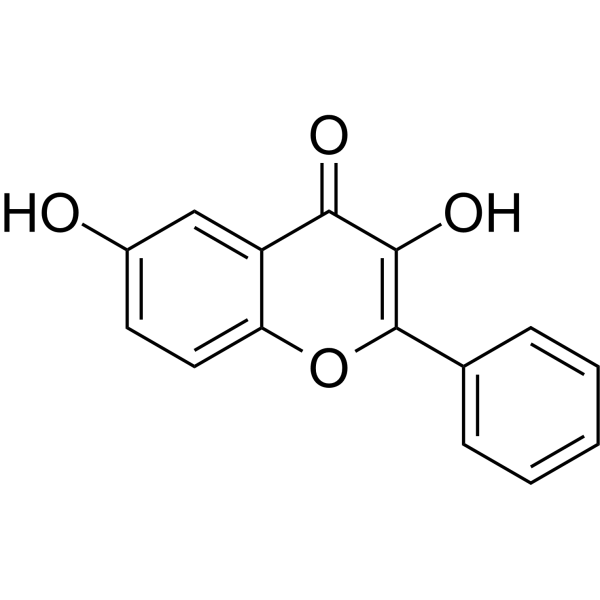
3,6-Dihydroxyflavone is an anti-cancer agent. 3,6-Dihydroxyflavone dose- and time-dependently decreases cell viability and induces apoptosis by activating caspase cascade, cleaving poly (ADP-ribose) polymerase (PARP). 3,6-Dihydroxyflavone increases intracellular oxidative stress and lipid peroxidation .
loading...
    loading...
1
1 Cited Publications
Art. -Nr.: HY-W014332
CAS. Nr.: 102-06-7
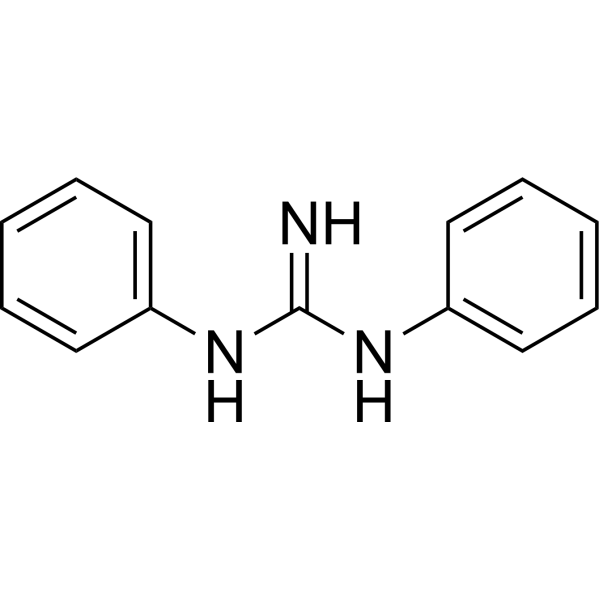
1,3-Diphenylguanidine is a widely used accelerator in rubber vulcanization. 1,3-Diphenylguanidine increases ROS activity and decreases SOD and CAT activity. 1,3-Diphenylguanidine accelerates the vulcanization process. 1,3-Diphenylguanidine impairs the reproduction and growth of Moina macrocopa [1] [2] [3] .
loading...
    loading...
1
1 Cited Publications
Art. -Nr.: HY-Y1819
CAS. Nr.: 93-08-3
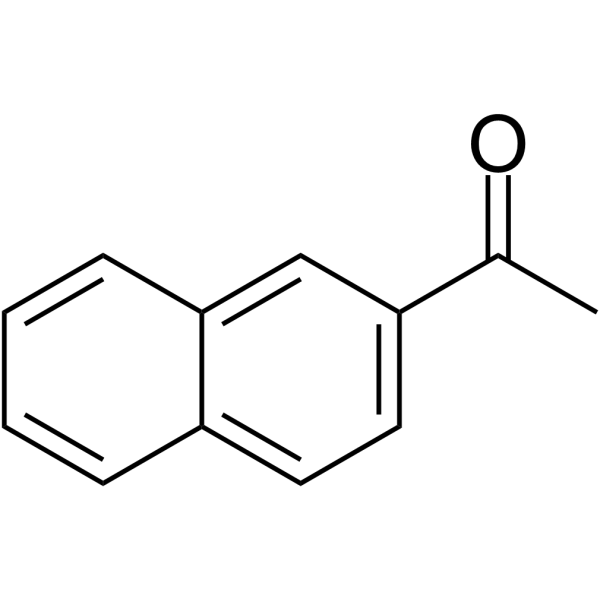
2-Acetonaphthone is a synthetic fragrance material. 2-Acetonaphthone increases ROS under UVA/sunlight, leading to endoplasmic reticulum stress and decreased mitochondrial membrane potential. 2-Acetonaphthone can be used as an adulterant in a variety of cosmetics. 2-Acetonaphthone can be used for the study of skin keratinization
loading...
    loading...
1
1 Cited Publications
Art. -Nr.: HY-107855
CAS. Nr.: 674-26-0
Reinheit:  99.15%
Synonyms: (±)-Mevalonolactone; Mevalolactone
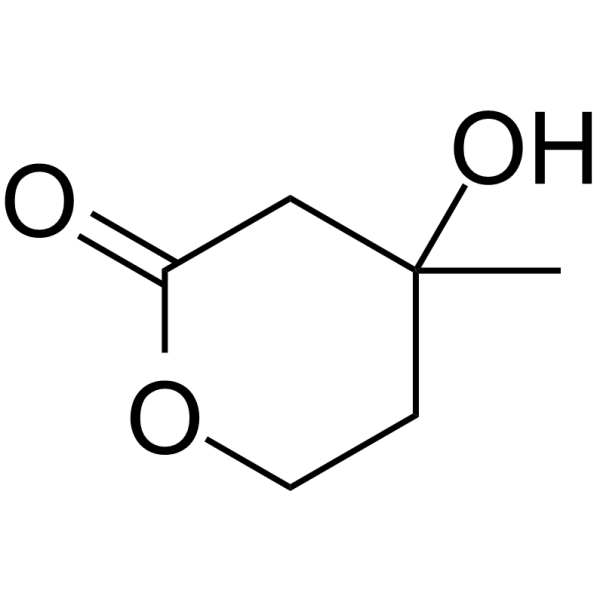
DL-Mevalonolactone ((±)-Mevalonolactone;Mevalolactone) is the δ-lactone form of mevalonic acid, a precursor in the mevalonate pathway. DL-Mevalonolactone is orally active against HMGCR mutation and statin caused myopathy . DL-Mevalonolactone induces inflammation and oxidative stress response with decreased mitochondrial membrane potential (MMP) and induces mitochondrial swelling [2][4].
loading...
    loading...
1
1 Cited Publications
Art. -Nr.: HY-N2204
CAS. Nr.: 6980-25-2
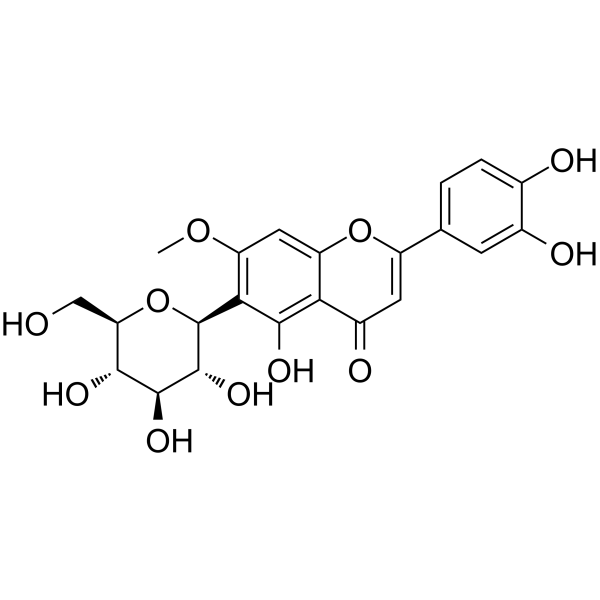
Swertiajaponin is a tyrosinase inhibitor, forms multiple hydrogen bonds and hydrophobic interactions with the binding pocket of tyrosinase, with an IC50 of 43.47 μM. Swertiajaponin also inhibits oxidative stress-mediated MAPK/MITF signaling, leading to decrease in tyrosinase protein level. Swertiajaponin suppresses melanin accumulation and exhibits strong anti-oxidative activity .
loading...
    loading...
1
1 Cited Publications
Art. -Nr.: HY-W011824R
CAS. Nr.: 2140-76-3
2′-O-Methyluridine (Standard) is the analytical standard of 2′-O-Methyluridine (HY-W001824). This product is intended for research and analytical applications. 2’-O-Methyluridine is a modified nucleoside that can be found in T. thermophile tRNA. 2’-O-Methyluridine level in serum is decreased in patients with breast cancer.
loading...
    loading...
1
1 Cited Publications
Art. -Nr.: HY-112056
CAS. Nr.: 151358-48-4
Reinheit:  99.47%
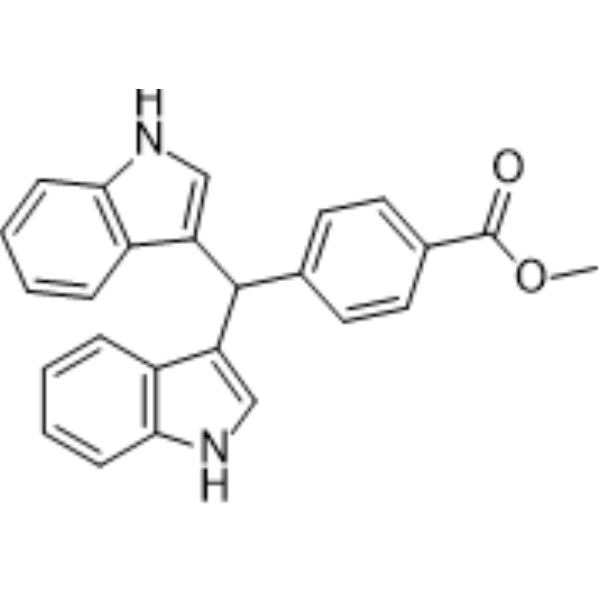
DIM-C-pPhCO2Me is a nuclear receptor 4A1 (NR4A1) antagonist. DIM-C-pPhCO2Me induces Apoptosis. DIM-C-pPhCO2Me decreases PAX3-FOXO1A, N-Myc, Rassf4, MyoD1, Grem1, and DAPK1 proteins. DIM-C-pPhCO2Me decreases expression of TXNDC5 and IDH1, induces markers of ER stress (CHOP, ATF4 and p-PERK). DIM-C-pPhCO2Me inhibits renal cell carcinoma, breast cancer. DIM-C-pPhCO2Me can also be used in rhabdomyosarcoma research .
loading...
    loading...
1
1 Cited Publications
Art. -Nr.: HY-P99291
CAS. Nr.: 892553-42-3
Synonyms: LM609; MEDI-522

Target:  

Integrin Apoptosis Akt

Forschungsgebiete:  

Cancer

Etaracizumab (LM 609) is an αvβ3 integrin IgG mAb. Etaracizumab is developed to target αvβ3+ cancer cells via NK cell-mediated cytotoxicity. Etaracizumab sterically hinders access of large ligands to the RGD-binding pocket, without obstructing it. Etaracizumab decreases p-Akt in vitro. Etaracizumab can decrease cancer proliferation and invasion. Etaracizumab induces tumor cell apoptosis, and inhibition ofαvβ3-mediated cell adhesion, endothelial cell migration and osteoclast-mediated bone resorption. Etaracizumab can be studied in anti-tumor research against cancers such as ovarian cancer, metastatic melanoma as well as advanced solid tumors. Recommend Isotype Control: Human IgG1 kappa, Isotype Control (HY-P99001) .
loading...
    loading...
1
1 Cited Publications
Art. -Nr.: HY-116147
CAS. Nr.: 1402830-75-4
Reinheit:  99.25%
Target:  

LPL Receptor Apoptosis

Forschungsgebiete:  

Cancer

Ceranib-2 is a potent and nonlipid ceramidase inhibitor that inhibits cellular ceramidase activity with an IC50 of 28 μM in SKOV3 cells. Ceranib-2 induces the accumulation of multiple ceramide species, decreases levels of sphingosine and sphingosine-1-phosphate (S1P), and induces cell apoptosis. Anticancer activity .
loading...
    loading...
1
1 Cited Publications
Art. -Nr.: HY-B1452
CAS. Nr.: 156897-06-2
Synonyms: ML-3000
Target:  

COX Lipoxygenase Apoptosis

Forschungsgebiete:  

Inflammation/Immunology Cancer

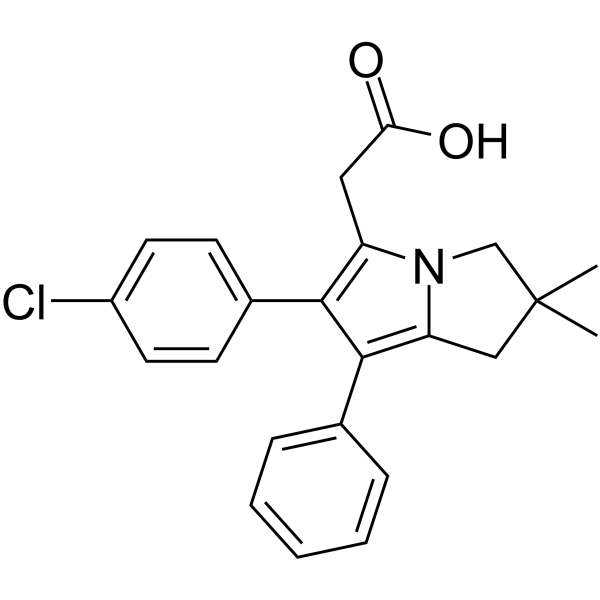
Licofelone (ML-3000) is a dual COX/5-lipoxygenase (5-LOX) inhibitor (IC50=0.21/0.18 μM, respectively) for the treatment of osteoarthritis. Licofelone exerts anti-inflammatory and anti-proliferative effects. Licofelone induces apoptosis, and decreases the production of proinflammatory leukotrienes and prostaglandins .
loading...
    loading...
1
1 Cited Publications
Art. -Nr.: HY-P0170
CAS. Nr.: 885340-08-9
Forschungsgebiete:  

Inflammation/Immunology

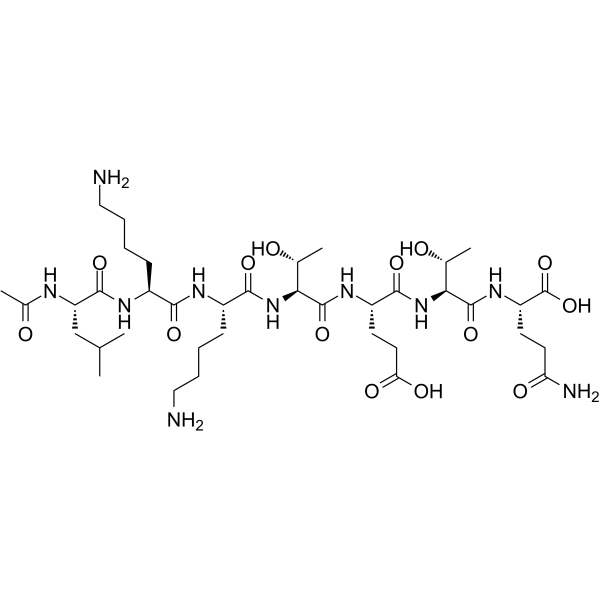
TB500 is a synthetic version of an active region of thymosin β4. TB500 exhibits anti-fibrotic and wound healing activities by inhibiting the Akt signaling pathway and binding to actin. TB500 is claimed to promote endothelial cell differentiation, angiogenesis in dermal tissues, keratinocyte migration, collagen deposition and decrease inflammation .
loading...
    loading...
1
1 Cited Publications
Art. -Nr.: HY-W007087
CAS. Nr.: 6106-41-8
Target:  

GABA Receptor

Forschungsgebiete:  

Metabolic Disease

Valerate sodium is the sodium salt of valeric acid, a short-chain fatty acid, and exhibits oral activity. Valerate sodium reduces binge ethanol intake and decreases blood ethanol concentration in mice, while also exerting anxiolytic effects. Valerate sodium increases GABA levels, regulates epigenetics and alters gut microbiome function. Valerate sodium can be used in research related to excessive alcohol consumption .
loading...
    loading...
1
1 Cited Publications
Art. -Nr.: HY-101415
CAS. Nr.: 303-97-9
Reinheit:  ≥98.0%
Synonyms: Ubiquinone Q9; CoQ9; Ubiquinone 9
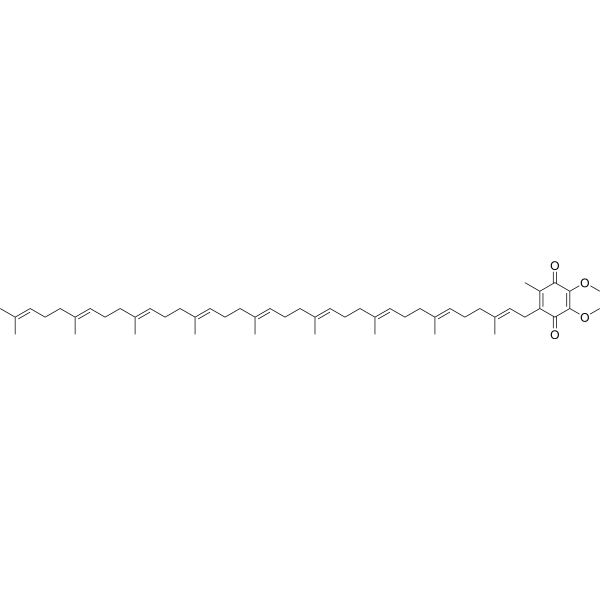
Coenzyme Q9 (Ubiquinone Q9), the major form of ubiquinone in rodents, is an amphipathic molecular component of the electron transport chain that functions as an endogenous antioxidant. Coenzyme Q9 attenuates the diabetes-induced decreases in antioxidant defense mechanisms. Coenzyme Q9 improves left ventricular performance and reduces myocardial infarct size and cardiomyocyte apoptosis .
loading...
    loading...
1
1 Cited Publications
Art. -Nr.: HY-110181
CAS. Nr.: 883976-12-3
Reinheit:  99.89%
Target:  

TRP Channel

Forschungsgebiete:  

Metabolic Disease

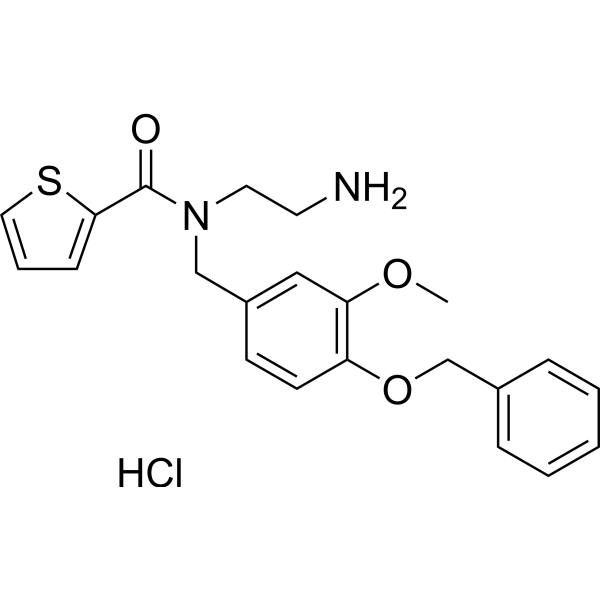
M8-B is a potent transient receptor potential melastatin-8 (TRPM8) antagonist. M8-B blocks cold-induced and TRPM8-agonist-induced activation TRPM8 channels. M8-B decreases deep body temperature (Tb) .
loading...
    loading...

