



TCEP hydrochloride
Based on 23 publication(s) in Google Scholar
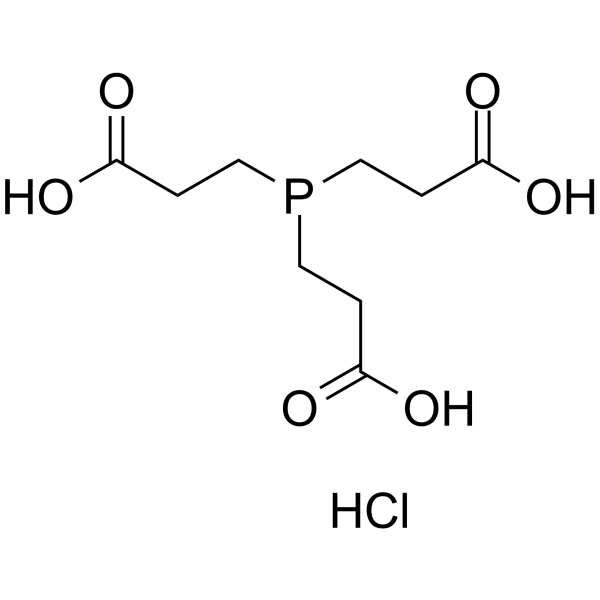
TCEP hydrochloride (Tris(2-carboxyethyl)phosphine hydrochloride) is a non-thiol reducing agent that is more stable and produces a faster S-S reductive reaction than other chemical reductants. TCEP hydrochloride is a trialkylphosphine, selectively reduces protein disuldes without altering the properties or interacting with thiol-directed agents in the reaction mixture. TCEP hydrochloride is also a commonly used reducing agent in the DNA/AuNP chemistry.
Nur für Forschungszwecke. Wir verkaufen nicht an Patienten.
- Reinheit : 99.97%
- CAS. Nr.: 51805-45-9
- Formel: C9H16ClO6P
- Molecular Weight:286.65
-
Speicherung:
4°C, protect from light, stored under nitrogen
* In solvent : -80°C, 6 months; -20°C, 1 month (protect from light, stored under nitrogen)

To place orders, for customer services and technical support, please contact: MedChemExpress USA
Tel: 609-228-6898 E-mail: [email protected] [email protected]


-
 Biologische Aktivität
-
Chemical Information
-
Lösungsmittel & Löslichkeit
- Reinheit & Dokumentation
- Verweise
-
 Help & FAQs


-
HY-15917
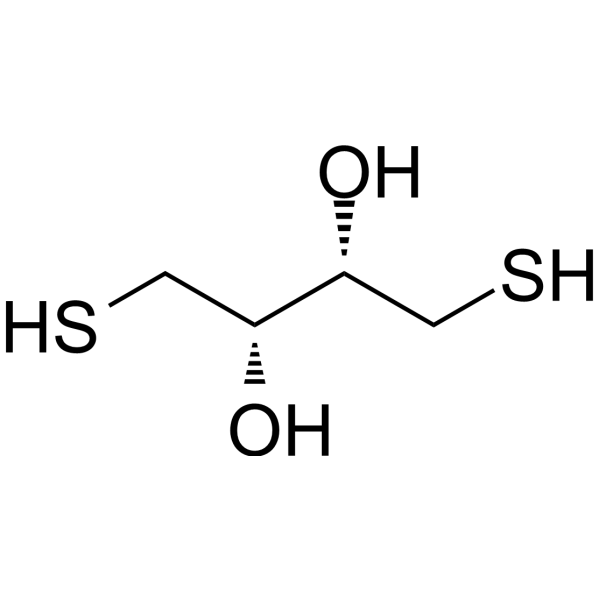
DL-DithiothreitolReducing Agent -
HY-116677
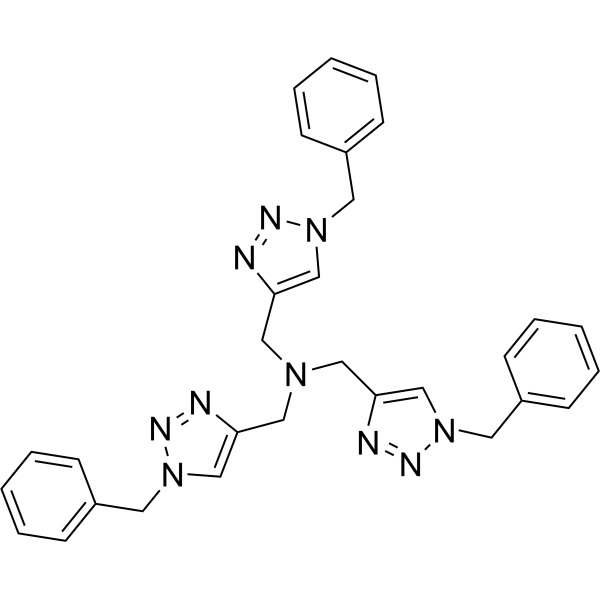
Tris(benzyltriazolylmethyl)amineBiochemical Tool -
HY-D0843
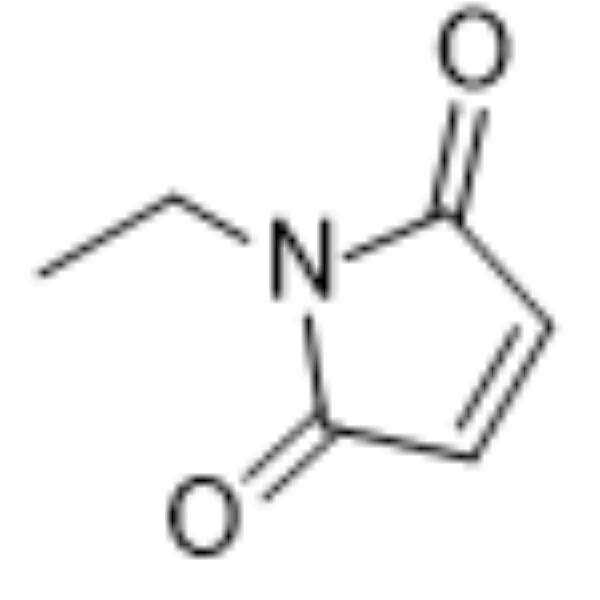
N-EthylmaleimideCysteine Residues Modifier -
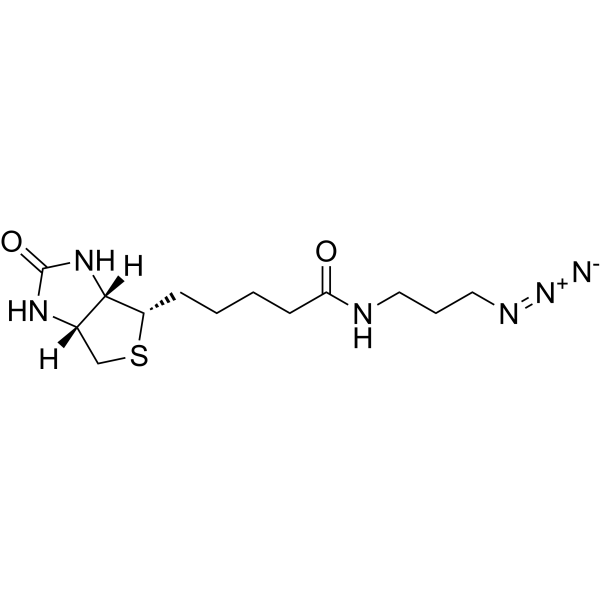
HY-129832
Biotin-azideClick Chemical Reagent -
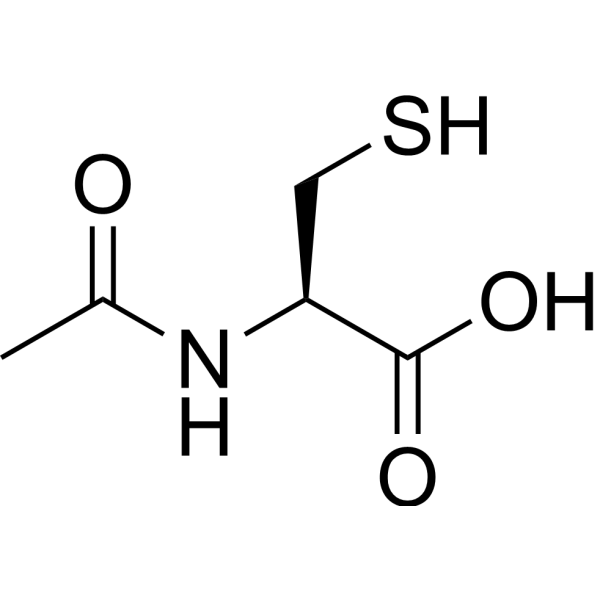
HY-B0215
AcetylcysteineMucolytic Agent -
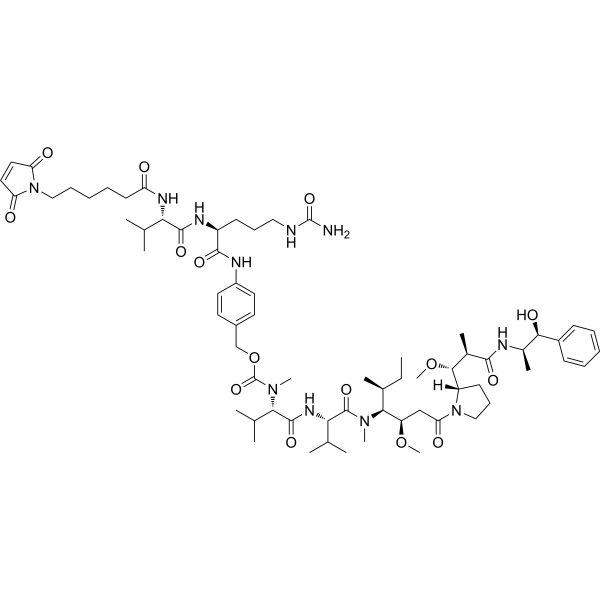
HY-15575
VcMMAEDrug-Linker Conjugate for ADC -
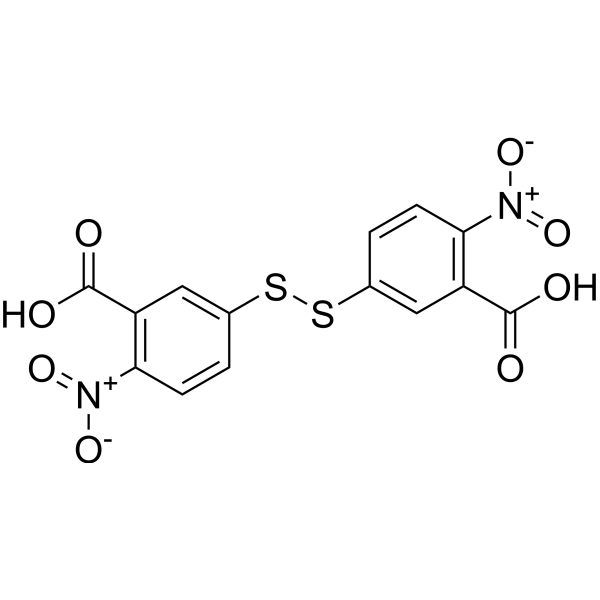
HY-15915
DTNBThiol Reactant -
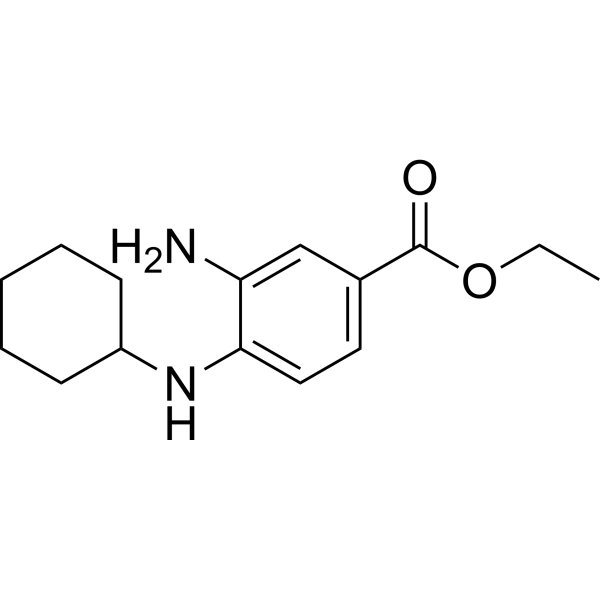
HY-100579
Ferrostatin-1Ferroptosis Inhibitor -
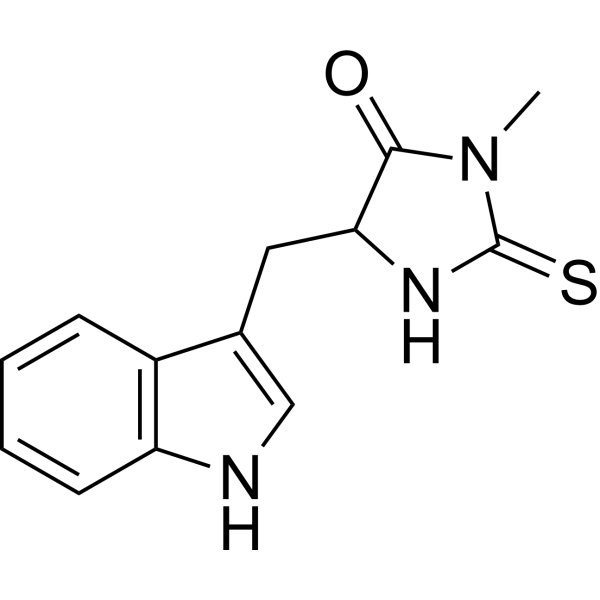
HY-15760
Necrostatin-1RIPK1 Inhibitor -
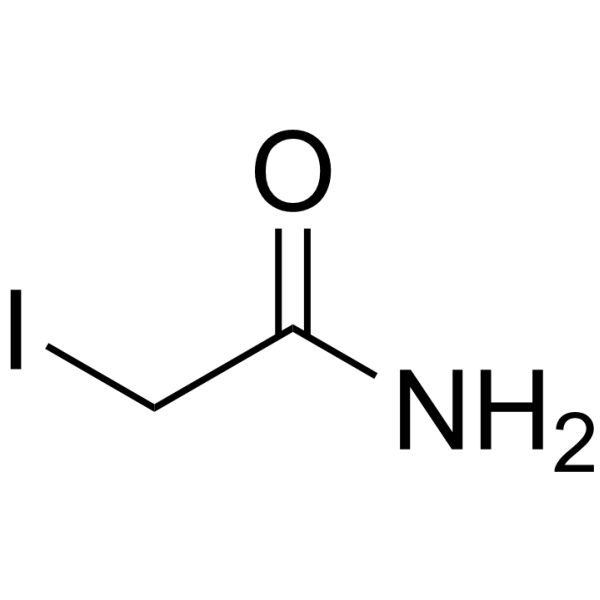
HY-34477
2-IodoacetamideAlkylating Agent -
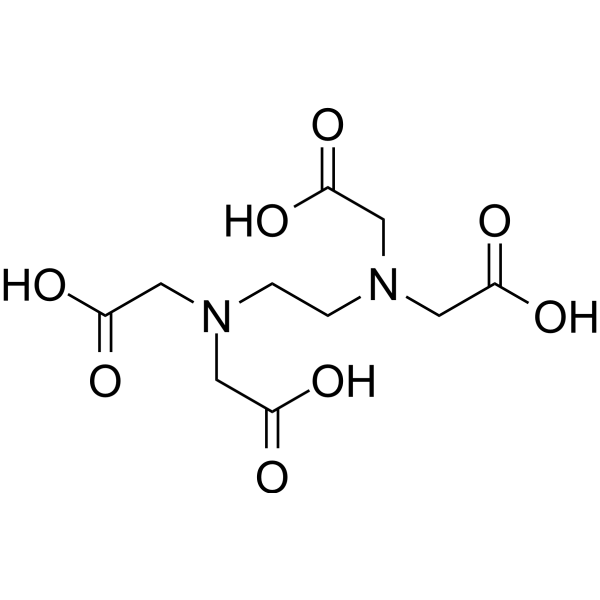
HY-Y0682
Ethylenediaminetetraacetic acidMetal Chelator
Publications Citing Use of MedChemExpress (MCE) TCEP hydrochloride
More- Autophagy. 2025 Jan;21(1):141-159. [Abstract]
- Nat Commun. 2025 Dec 12;16(1):11092. [Abstract]
- Mol Cell. 2023 Dec 7;83(23):4370-4385.e9. [Abstract]
- J Nanobiotechnology. 2026 Jun 10. [Abstract]
- Sci Adv. 2026 Feb 6;12(6):eaeb7086. [Abstract]
- Cancer Lett. 2026 Jun 28:648:218463. [Abstract]
- ACS Sens. 2026 Jul 24;11(7):5942-5953. [Abstract]
- Cell Death Discov. 2026 Jun 19. [Abstract]
- Cell Death Discov. 2025 Nov 17;11(1):532. [Abstract]
- Acta Biomater. 2024 Jan 15:174:372-385. [Abstract]
- J Tissue Eng. 2025 Feb 8:16:20417314241312563. [Abstract]
- Cell Rep. 2024 Aug 22;43(9):114662. [Abstract]
- Talanta. 2026 Apr 28:307:129898. [Abstract]
- Cell Biosci. 2022 Dec 21;12(1):206. [Abstract]
- Anal Chim Acta. 2025 Nov 8:1374:344544. [Abstract]
- Int J Mol Sci. 2023 Dec 18;24(24):17631. [Abstract]
- Cancers (Basel). 2026 Jan 15;18(2):270. [Abstract]
- ACS Appl Opt Mater. 2026 Jul 9;4(7):2013-2027. [Abstract]
- Vet Parasitol. 2025 Oct:339:110570. [Abstract]
- Res Sq. 2025 Dec 3.
- SSRN. 2025 Oct 28.
- Res Sq. 2025 Feb 16.
- Research Square Preprint. 2024 Oct 13.


Biologische Aktivität
Beschreibung
Cellular Effect
|
Cell Line

|
Type | Value | Description | References |
|---|---|---|---|---|
| A549 | GI50 |
>50 μM
Compound: TCEP
|
Growth inhibition of human A549 cells after 96 hrs by sulphorhodamine B assay
Growth inhibition of human A549 cells after 96 hrs by sulphorhodamine B assay
|
[PMID: 22280363] |
| MCF7 | GI50 |
>50 μM
Compound: TCEP
|
Growth inhibition of human MCF7 cells after 96 hrs by sulphorhodamine B assay
Growth inhibition of human MCF7 cells after 96 hrs by sulphorhodamine B assay
|
[PMID: 22280363] |
| WI-38 | GI50 |
>50 μM
Compound: TCEP
|
Growth inhibition of human WI38 cells after 96 hrs by sulphorhodamine B assay
Growth inhibition of human WI38 cells after 96 hrs by sulphorhodamine B assay
|
[PMID: 22280363] |
In Vitro
TCEP hydrochloride has been introduced which o?ers the prospect of serving as an alternative to the more commonly employed DTT in the NF-κB-DNA binding reactions in vitro, using recombinant p50 protein and a 32P-labelled κB oligonucleotide. DTT promotes NF-κB-DNA binding in concentrations from 0.25 to 2.6 mM in binding reactions. However, in the presence of 0.25 mM DTT, inhibition of NF-κB binding is seen only at Hg2+ concentrations greater than 100 μM and results are highly variable. In contrast, TCEP hydrochloride promotes NF-κB-DNA binding in a dose-related manner in concentrations from 0.25 to 6 mM. In the presence of even 6 mM TCEP hydrochloride, Hg2+ prevents NF-κB-DNA binding at concentrations as low as 20 μM in binding reactions[1].
The human lactoferrin (hLF) peptide is dissolved in phosphate buffer to a concentration of 0.1 mm. Reduction of the disulfide bonds is obtained by adding a 30-fold molar excess of TCEP hydrochloride with subsequent incubation for 2 h at 37 ℃[2].
MedChemExpress (MCE) has not independently confirmed the accuracy of these methods. They are for reference only.


Chemical Information
-
CAS. Nr. 51805-45-9
-
Appearance Solid
-
Molecular Weight 286.65
-
Formel C9H16ClO6P
-
Color White to light yellow
-
SMILES
O=C(O)CCP(CCC(O)=O)CCC(O)=O.Cl
-
Synonyms
Tris(2-carboxyethyl)phosphine hydrochloride
-
Versand
Room temperature in continental US; may vary elsewhere.
-
Speicherung
4°C, protect from light, stored under nitrogen
* In solvent : -80°C, 6 months; -20°C, 1 month (protect from light, stored under nitrogen)


Publications (23)
-
Journal Impact Factor
-
Most Recent
-
Autophagy
Myotubularin 2 interacts with SEC23A and negatively regulates autophagy at ER exit sites in Arabidopsis. [Abstract]2025 Jan;21(1):141-159. PMID: 39177202 -
Nat Commun
2025 Dec 12;16(1):11092. PMID: 41387436 -
Mol Cell
CPT1A induction following epigenetic perturbation promotes MAVS palmitoylation and activation to potentiate antitumor immunity. [Abstract]2023 Dec 7;83(23):4370-4385.e9. PMID: 38016475 -
J Nanobiotechnology
Dual metabolic intervention nanoplatform co-delivering BAY-876 and L-cystine for Wilms tumor therapy via disulfidptosis-associated cytoskeletal collapse. [Abstract]2026 Jun 10. PMID: 42271349 -
Sci Adv
Isothiocyanate-mediated cyclization of phage-displayed peptides enables discovery of macrocyclic binders. [Abstract]2026 Feb 6;12(6):eaeb7086. PMID: 41650271 -
Cancer Lett
A heavy-chain antibody-drug conjugate targeting glycosylated CEACAM6 inhibits brain metastatic tumor growth. [Abstract]2026 Jun 28:648:218463. PMID: 41912133 -
ACS Sens
Robust and Sensitive Electrochemical Biosensor Based on Cascade Interface Engineering for piRNA Detection in Breast Cancer Diagnosis. [Abstract]2026 Jul 24;11(7):5942-5953. PMID: 42383426 -
Cell Death Discov
Thioredoxin system dysregulation and calpain activation drive myocardial disulfidptosis via pathological disulfide bonds remodeling. [Abstract]2026 Jun 19. PMID: 42321161 -
Cell Death Discov
ChaC1-based drug screenings identify a synergistic lethal effect of auranofin and proteasome inhibitors in hepatocellular carcinoma cells. [Abstract]2025 Nov 17;11(1):532. PMID: 41249117 -
Acta Biomater
Spatial targeting of fibrosis-promoting macrophages with nanoscale metal-organic frameworks for idiopathic pulmonary fibrosis therapy. [Abstract]2024 Jan 15:174:372-385. PMID: 38072226 -
J Tissue Eng
Cell-free osteoarthritis treatment with dual-engineered chondrocyte-targeted extracellular vesicles derived from mechanical loading primed mesenchymal stem cells. [Abstract]2025 Feb 8:16:20417314241312563. PMID: 39926048 -
Cell Rep
CRISPR screening identifies PRMT1 as a key pro-ferroptotic gene via a two-layer regulatory mechanism. [Abstract]2024 Aug 22;43(9):114662. PMID: 39178116 -
Talanta
Electrochemical biosensor for ultrasensitive thrombin detection based on aptamer-modulated transcriptional inhibition of cell-free synthetic biology. [Abstract]2026 Apr 28:307:129898. PMID: 42068939 -
Cell Biosci
Discovery and mechanism studies of a novel ATG4B inhibitor Ebselen by drug repurposing and its anti-colorectal cancer effects in mice. [Abstract]2022 Dec 21;12(1):206. PMID: 36539845 -
Anal Chim Acta
Bimetallic-satellite enhanced SERS reporter integrated with CRISPR-Cas12a for ultrasensitive biological rhythm monitoring. [Abstract]2025 Nov 8:1374:344544. PMID: 40983435 -
Int J Mol Sci
Generation and Characterization of SORT1-Targeted Antibody-Drug Conjugate for the Treatment of SORT1-Positive Breast Tumor. [Abstract]2023 Dec 18;24(24):17631. PMID: 38139459 -
Cancers (Basel)
Poliovirus Receptor as a Potential Target in Gastric Signet-Ring Cell Carcinoma for Antibody-Drug Conjugate Development. [Abstract]2026 Jan 15;18(2):270. PMID: 41595191 -
ACS Appl Opt Mater
Surface Chemistry-Driven Surface-Enhanced Raman Scattering Fingerprinting of Aptamers on Silver Colloids. [Abstract]2026 Jul 9;4(7):2013-2027. PMID: 42553731 -
Vet Parasitol
Application of electrochemical LAMP-MB signal evaluation using screen-printed graphene electrodes for quantitative detection of paramphistome egg DNA in faeces sample. [Abstract]2025 Oct:339:110570. PMID: 40782505 -
-
-
-


Lösungsmittel & Löslichkeit
In Vitro:
DMSO : 100 mg/mL (348.86 mM; Need ultrasonic; Hygroscopic DMSO has a significant impact on the solubility of product, please use newly opened DMSO)
H2O : 50 mg/mL (174.43 mM; ultrasonic and adjust pH to 7 with NaOH)
Please refer to the solubility information to select the appropriate solvent. Once prepared, please aliquot and store the solution to prevent product inactivation from repeated freeze-thaw cycles.
Storage method and period of stock solution: -80°C, 6 months; -20°C, 1 month (protect from light, stored under nitrogen). When stored at -80°C, please use it within 6 months. When stored at -20°C, please use it within 1 month.
* Note: If you choose water as the stock solution, please dilute it to the working solution, then filter and sterilize it with a 0.22 μm filter before use.
Please refer to the solubility information to select the appropriate solvent. Once prepared, please aliquot and store the solution to prevent product inactivation from repeated freeze-thaw cycles.
Storage method and period of stock solution: -80°C, 6 months; -20°C, 1 month (protect from light, stored under nitrogen). When stored at -80°C, please use it within 6 months. When stored at -20°C, please use it within 1 month.
* Note: If you choose water as the stock solution, please dilute it to the working solution, then filter and sterilize it with a 0.22 μm filter before use.
Konzentration (Stammlösung) × Volumen (Stammlösung) = Konzentration (Ziellösung) × Volumen (Ziellösung)
In Vivo:
Select the appropriate dissolution method based on your experimental animal and administration route.
- For the following dissolution methods, please ensure to first prepare a clear stock solution using an In Vitro approach and then sequentially add co-solvents:
- To ensure reliable experimental results, the clarified stock solution can be appropriately stored based on storage conditions. As for the working solution for In Vivo experiments, it is recommended to prepare freshly and use it on the same day.
- The percentages shown for the solvents indicate their volumetric ratio in the final prepared solution. If precipitation or phase separation occurs during preparation, heat and/or sonication can be used to aid dissolution.
Add each solvent one by one: 10% DMSO 40% PEG300 5% Tween-80 45% Saline
Solubility: ≥ 5 mg/mL (17.44 mM); Clear solution
This protocol yields a clear solution of ≥ 5 mg/mL (saturation unknown).
Taking 1 mL working solution as an example, add 100 μL DMSO stock solution (50.0 mg/mL) to 400 μL PEG300, and mix evenly; then add 50 μL Tween-80 and mix evenly; then add 450 μL Saline to adjust the volume to 1 mL.
Preparation of Saline: Dissolve 0.9 g sodium chloride in ddH₂O and dilute to 100 mL to obtain a clear Saline solution.
Add each solvent one by one: 10% DMSO 90% (20% SBE-β-CD in Saline)
Solubility: ≥ 5 mg/mL (17.44 mM); Clear solution
This protocol yields a clear solution of ≥ 5 mg/mL (saturation unknown).
Taking 1 mL working solution as an example, add 100 μL DMSO stock solution (50.0 mg/mL) to 900 μL 20% SBE-β-CD in Saline, and mix evenly.
Preparation of 20% SBE-β-CD in Saline (4°C, storage for one week): 2 g SBE-β-CD powder is dissolved in 10 mL Saline, completely dissolve until clear.
For the following dissolution methods, please prepare the working solution directly:
It is recommended to prepare fresh solutions and use them promptly within a short period of time.
The percentages shown for the solvents indicate their volumetric ratio in the final prepared solution. If precipitation or phase separation occurs during preparation, heat and/or sonication can be used to aid dissolution.
Add each solvent one by one: PBS
Solubility: 100 mg/mL (348.86 mM); Clear solution; Need ultrasonic
In Vivo Dissolution Calculator
Please enter the basic information of animal experiments:
-
-
-
-
Recommended: Prepare an additional quantity of animals to account for potential losses during experiments.
Working solution concentration: 0.22 mg/mL
This product has good water solubility, please refer to the measured solubility data in water/PBS/Saline for details.


Reinheit & Dokumentation
-
Data Sheet (276 KB)
-
SDS (615 KB)
- English - EN (615 KB)
- Français - FR (615 KB)
- Deutsch - DE (615 KB)
- Norwegian - NO (615 KB)
- Español - ES (615 KB)
- Swedish - SV (615 KB)
- Italian - IT (615 KB)
- Korean - KR (615 KB)
- Portuguese - PT (615 KB)
-
Handling Instructions (2659 KB)
Verweise
[1]. Dieguez-Acuña FJ, et al. Inhibition of NF-kappaB-DNA binding by mercuric ion: utility of the non-thiol reductant, tris(2-carboxyethyl)phosphine hydrochloride (TCEP), on detection of impaired NF-kappaB-DNA binding by thiol-directed agents. Toxicol In Vitro. 2000 Feb;14(1):7-16. [Content Brief]
[2]. Duchardt F, et al. A cell-penetrating peptide derived from human lactoferrin with conformation-dependent uptake efficiency. J Biol Chem. 2009 Dec 25;284(52):36099-108. [Content Brief]
[3]. Sequeira MA, et al. Modulating amyloid fibrillation in a minimalist model peptide by intermolecular disulfide chemical reduction. Phys Chem Chem Phys. 2019 Jun 5;21(22):11916-11923. [Content Brief]
[4]. Wu R, et al. Effects of Small Molecules on DNA Adsorption by Gold Nanoparticles and a Case Study of Tris(2-carboxyethyl)phosphine (TCEP). Langmuir. 2019 Oct 15;35(41):13461-13468. [Content Brief]
[5]. Han JC, Han GY. A procedure for quantitative determination of tris(2-carboxyethyl)phosphine, an odorless reducing agent more stable and effective than dithiothreitol. Anal Biochem. 1994;220(1):5-10. [Content Brief]


Complete Stock Solution Preparation Table
Please refer to the solubility information to select the appropriate solvent. Once prepared, please aliquot and store the solution to prevent product inactivation from repeated freeze-thaw cycles.
Storage method and period of stock solution: -80°C, 6 months; -20°C, 1 month (protect from light, stored under nitrogen). When stored at -80°C, please use it within 6 months. When stored at -20°C, please use it within 1 month.
| Optional Solvent | Concentration Solvent Mass | 1 mg | 5 mg | 10 mg | 25 mg |
|---|---|---|---|---|---|
| H2O / DMSO | 1 mM | 3.4886 mL | 17.4429 mL | 34.8857 mL | 87.2144 mL |
| 5 mM | 0.6977 mL | 3.4886 mL | 6.9771 mL | 17.4429 mL | |
| 10 mM | 0.3489 mL | 1.7443 mL | 3.4886 mL | 8.7214 mL | |
| 15 mM | 0.2326 mL | 1.1629 mL | 2.3257 mL | 5.8143 mL | |
| 20 mM | 0.1744 mL | 0.8721 mL | 1.7443 mL | 4.3607 mL | |
| 25 mM | 0.1395 mL | 0.6977 mL | 1.3954 mL | 3.4886 mL | |
| 30 mM | 0.1163 mL | 0.5814 mL | 1.1629 mL | 2.9071 mL | |
| 40 mM | 0.0872 mL | 0.4361 mL | 0.8721 mL | 2.1804 mL | |
| 50 mM | 0.0698 mL | 0.3489 mL | 0.6977 mL | 1.7443 mL | |
| 60 mM | 0.0581 mL | 0.2907 mL | 0.5814 mL | 1.4536 mL | |
| 80 mM | 0.0436 mL | 0.2180 mL | 0.4361 mL | 1.0902 mL | |
| 100 mM | 0.0349 mL | 0.1744 mL | 0.3489 mL | 0.8721 mL |
* Note: If you choose water as the stock solution, please dilute it to the working solution, then filter and sterilize it with a 0.22 μm filter before use.


TCEP hydrochloride Related Classifications
HY-W011500 Related Classifications
 Powered by Bioz