



ML162
Based on 18 publication(s) in Google Scholar
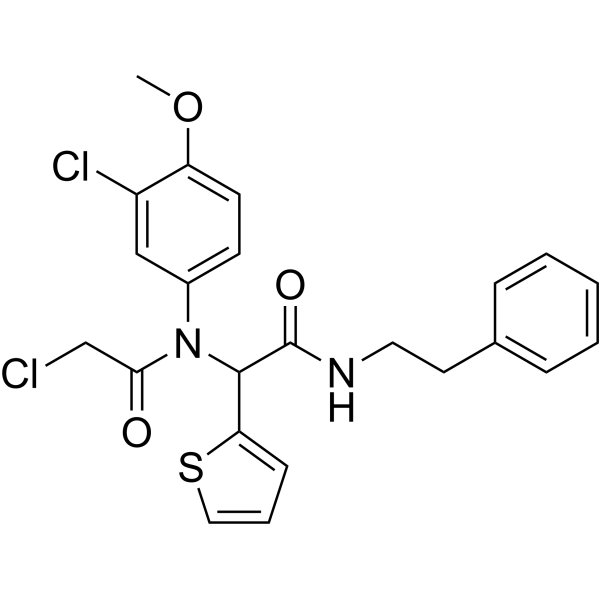
ML162 is a covalent glutathione peroxidase 4 (GPX4) inhibitor. ML162 has a selective lethal effect on mutant RAS oncogene-expressing cell lines
For research use only. We do not sell to patients.
- Purity : 99.52%
- CAS No.: 1035072-16-2
- Formula: C23H22Cl2N2O3S
- Molecular Weight:477.40
-
Storage:Powder -20°C, 3 years ; In solvent -80°C, 6 months , -20°C, 1 month

To place orders, for customer services and technical support, please contact: MedChemExpress USA
Tel: 609-228-6898 E-mail: [email protected] [email protected]


-
 Biological Activity
-
Chemical Information
-
Solvent & Solubility
- Protocols
- Purity & Documentation
- References
-
 Help & FAQs


-
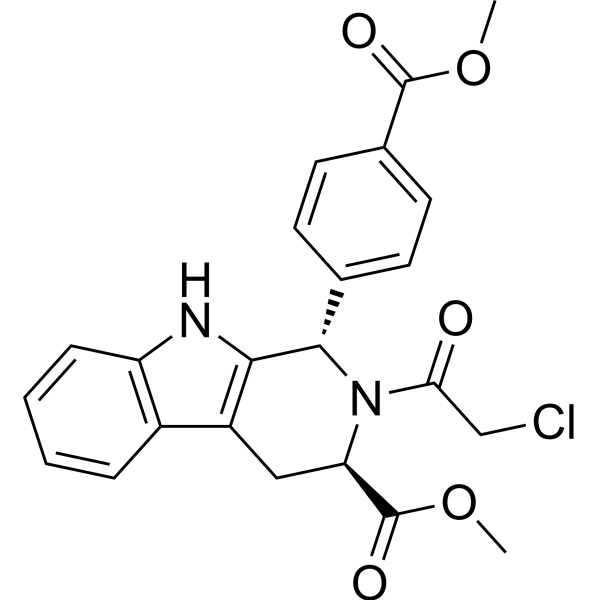
HY-100218A
RSL3GPX4 Inhibitor -
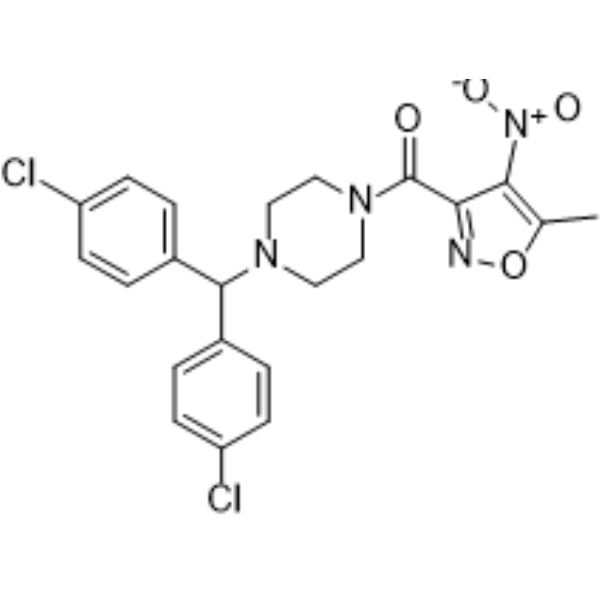
HY-100003
ML-210Selective GPX4 Inhibitor -
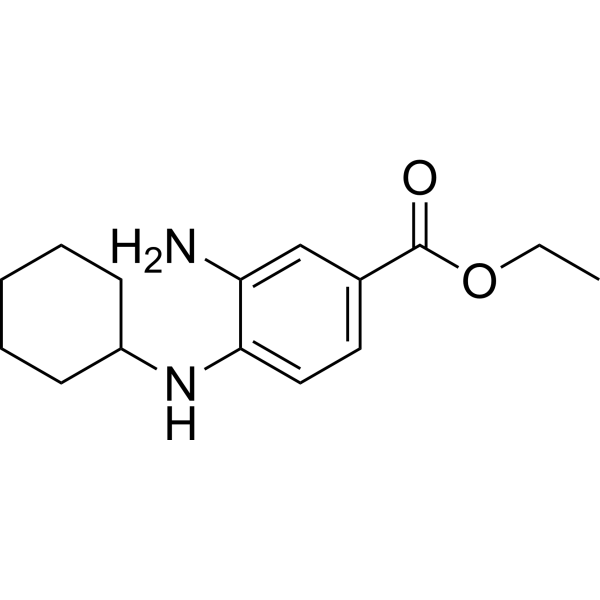
HY-100579
Ferrostatin-1Ferroptosis Inhibitor -
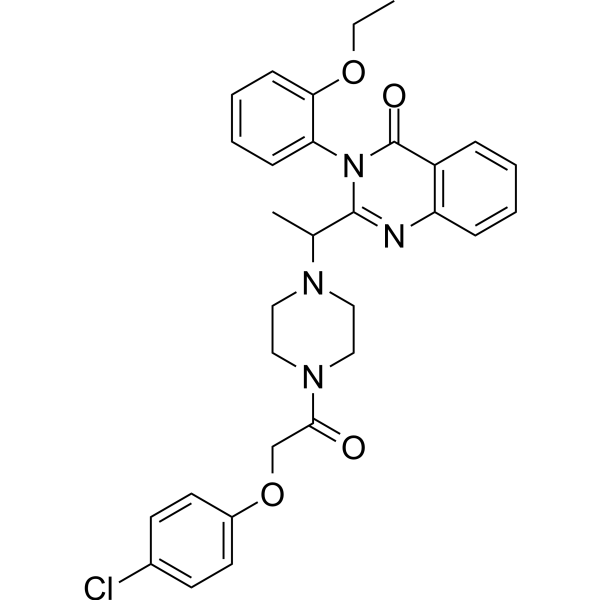
HY-15763
ErastinFerroptosis Inducer -
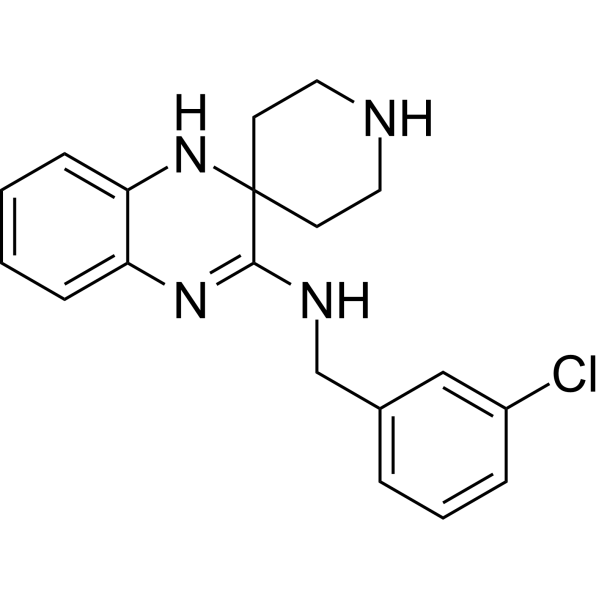
HY-12726
Liproxstatin-1Ferroptosis Inhibitor -
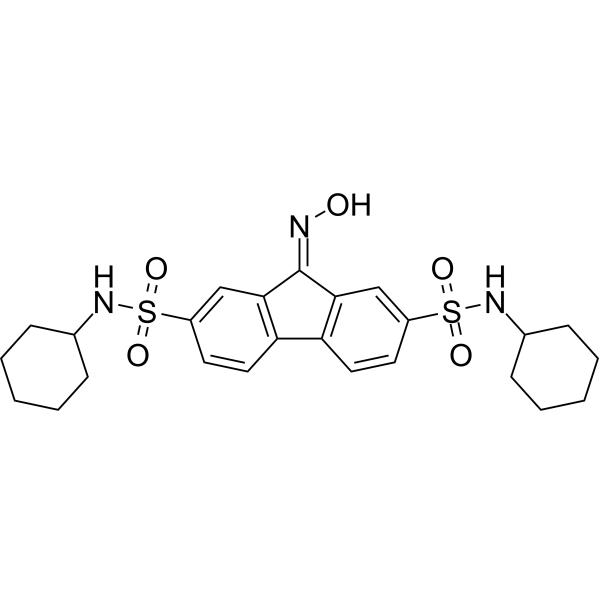
HY-103087
FIN56Ferroptosis Inducer -
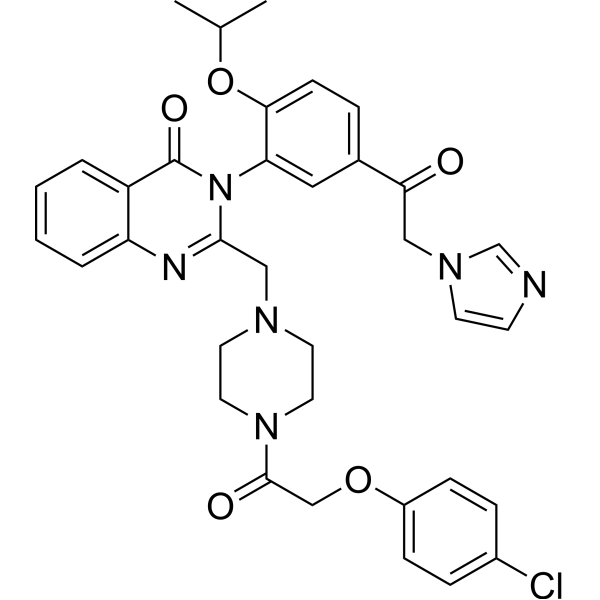
HY-114481
Imidazole ketone erastinFerroptosis Inducer -
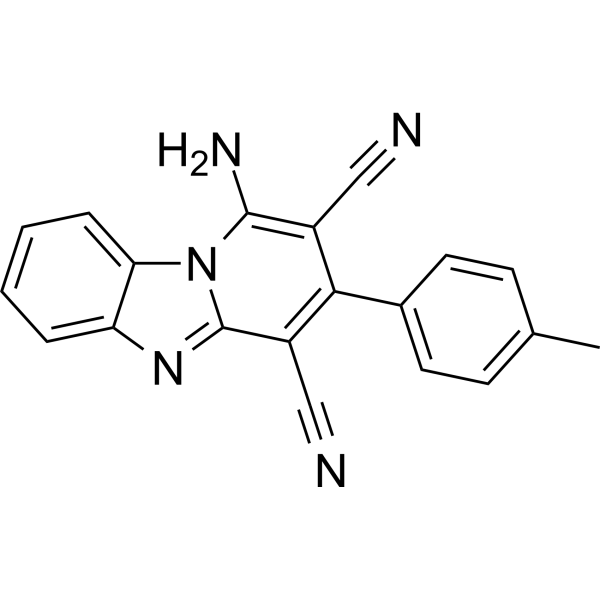
HY-136057
iFSP1FSP1 Inhibitor -
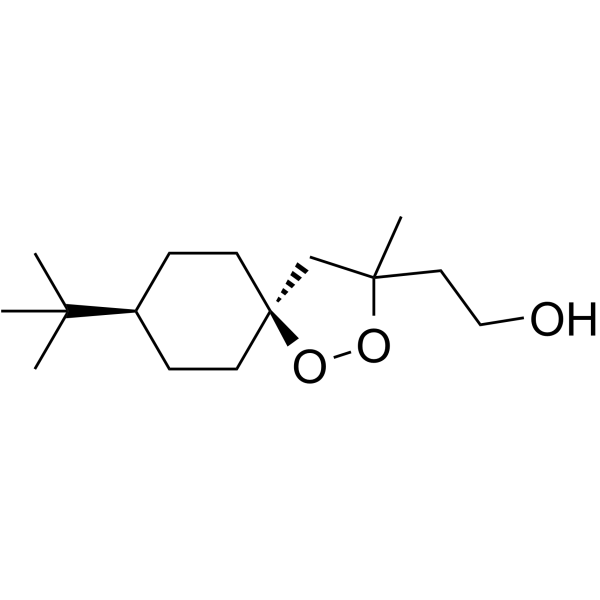
HY-129457
FINO2Ferroptosis Inducer -
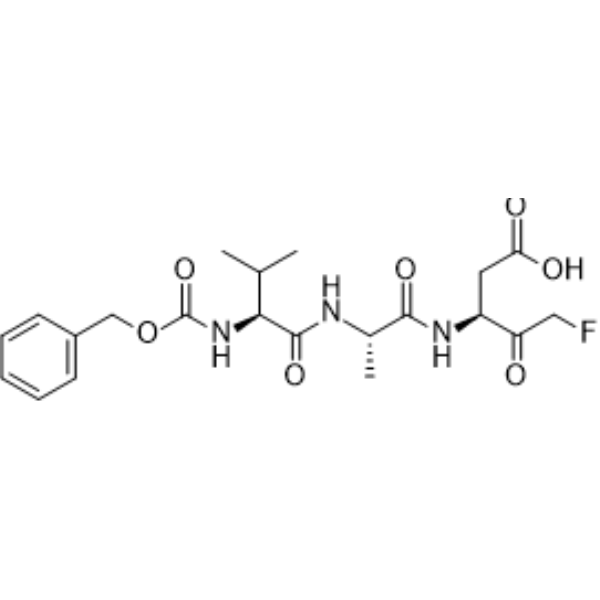
HY-16658B
Z-VAD-FMKPan-Caspase Inhibitor -
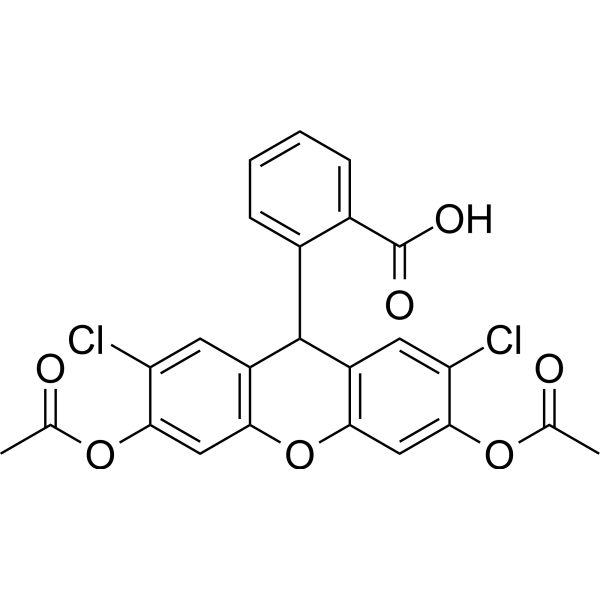
HY-D0940
H2DCFDAROS-Sensitive Probe -
HY-138153
JKE-1674GPX4 Inhibitor
Publications Citing Use of MedChemExpress (MCE) ML162
More- Nat Cancer. 2025 May;6(5):768-785. [Abstract]
- Nat Cell Biol. 2024 Sep;26(9):1545-1557. [Abstract]
- Autophagy. 2026 Feb 15:1-19. [Abstract]
- Cell Discov. 2024 Jun 4;10(1):60. [Abstract]
- Mol Cell. 2023 Dec 7;83(23):4352-4369.e8. [Abstract]
- Sci Adv. 2026 May 29;12(22):eaeb2368. [Abstract]
- Cell Death Dis. 2025 Apr 5;16(1):254. [Abstract]
- J Immunother Cancer. 2024 Nov 24;12(11):e009805. [Abstract]
- Phytomedicine. 2025 Oct:146:157091. [Abstract]
- Oncogene. 2026 May;45(16):1411-1424. [Abstract]
- ACS Appl Mater Interfaces. 2022 Dec 7;14(48):53501-53510. [Abstract]
- J Ethnopharmacol. 2026 Feb 28:357:120890. [Abstract]
- Biochem Pharmacol. 2024 May:223:116194. [Abstract]
- Cancer Biol Ther. 2026 Dec 31;27(1):2676474. [Abstract]
- Am J Cancer Res. 2023 Feb 15;13(2):464-474. [Abstract]
- Translational Dental Research. 2026 Apr 15.
- SSRN. 2025 Dec 2.
- Cornell University. 2025.
 Customer Validation & Images

-
Cell Proliferation/Viability Assay
-
Cell Proliferation/Viability Assay
-
Cell Proliferation/Viability Assay
-
WB
-
Cell Proliferation/Viability Assay


Biological Activity
Description
IC50 & Target
|
GPX4 |
Cellular Effect
|
Cell Line

|
Type | Value | Description | References |
|---|---|---|---|---|
| 4T1 | IC50 |
2.52 μM
Compound: 5; ML162
|
Cytotoxicity against human 4T1 cells assessed as reduction in cell viability incubated for 48 hrs by MTT assay
Cytotoxicity against human 4T1 cells assessed as reduction in cell viability incubated for 48 hrs by MTT assay
|
[PMID: 34506134] |
| 4T1 | IC50 |
2.52 μM
Compound: 5; ML162
|
Cytotoxicity against mouse 4T1 cells assessed as reduction in cell viability incubated for 48 hrs by MTT assay
Cytotoxicity against mouse 4T1 cells assessed as reduction in cell viability incubated for 48 hrs by MTT assay
|
[PMID: 34506134] |
| A549 | IC50 |
2.09 μM
Compound: ML162
|
Antiproliferative activity against human A549 cells assessed as inhibition of cell growth incubated for 48 hrs by CCK-8 assay
Antiproliferative activity against human A549 cells assessed as inhibition of cell growth incubated for 48 hrs by CCK-8 assay
|
[PMID: 38295524] |
| ASPC1 | IC50 |
142 nM
Compound: ML162
|
Induction of ferroptosis in human ASPC1 cells assessed as reduction in cell viability incubated for 72 hrs by CCK-8 assay
Induction of ferroptosis in human ASPC1 cells assessed as reduction in cell viability incubated for 72 hrs by CCK-8 assay
|
[PMID: 38265413] |
| BJ | IC50 |
34 nM
Compound: 1a
|
Cytotoxicity against human BJ cells expressing HRAS G12V mutant with alternative oncogenic constructs after 48 hrs by alamar blue assay
Cytotoxicity against human BJ cells expressing HRAS G12V mutant with alternative oncogenic constructs after 48 hrs by alamar blue assay
|
[PMID: 22297109] |
| BT-549 | IC50 |
0.65 μM
Compound: ML162
|
Antiproliferative activity against human BT-549 cells assessed as inhibition of cell viability incubated for 72 hrs by MTT assay
Antiproliferative activity against human BT-549 cells assessed as inhibition of cell viability incubated for 72 hrs by MTT assay
|
[PMID: 37452764] |
| HCT-116 | IC50 |
3.71 nM
Compound: ML162
|
Induction of ferroptosis in human HCT-116 cells assessed as reduction in cell viability incubated for 72 hrs by CCK-8 assay
Induction of ferroptosis in human HCT-116 cells assessed as reduction in cell viability incubated for 72 hrs by CCK-8 assay
|
[PMID: 38265413] |
| HCT-116 | IC50 |
4.14 μM
Compound: ML162
|
Antiproliferative activity against human HCT-116 cells assessed as inhibition of cell growth incubated for 48 hrs by CCK-8 assay
Antiproliferative activity against human HCT-116 cells assessed as inhibition of cell growth incubated for 48 hrs by CCK-8 assay
|
[PMID: 38295524] |
| HepG2 | IC50 |
3.71 μM
Compound: ML162
|
Antiproliferative activity against human HepG2 cells assessed as inhibition of cell growth incubated for 48 hrs by CCK-8 assay
Antiproliferative activity against human HepG2 cells assessed as inhibition of cell growth incubated for 48 hrs by CCK-8 assay
|
[PMID: 38295524] |
| HT-1080 | IC50 |
0.06 μM
Compound: ML162
|
Antiproliferative activity against human HT-1080 cells assessed as reduction in cell viability incubated for 48 hrs by MTT assay
Antiproliferative activity against human HT-1080 cells assessed as reduction in cell viability incubated for 48 hrs by MTT assay
|
[PMID: 38838547] |
| HT-1080 | IC50 |
0.6 μM
Compound: ML162
|
Cytotoxicity against human HT-1080 cells incubated for 48 hrs by CCK-8 assay
Cytotoxicity against human HT-1080 cells incubated for 48 hrs by CCK-8 assay
|
[PMID: 38593589] |
| HT-1080 | IC50 |
0.66 μM
Compound: 5; ML162
|
Cytotoxicity against human HT-1080 cells assessed as reduction in cell viability incubated for 48 hrs by MTT assay
Cytotoxicity against human HT-1080 cells assessed as reduction in cell viability incubated for 48 hrs by MTT assay
|
[PMID: 34506134] |
| HT-1080 | IC50 |
0.76 μM
Compound: ML162
|
Cytotoxicity against human HT-1080 cells incubated for 48 hrs by CCK-8 assay
Cytotoxicity against human HT-1080 cells incubated for 48 hrs by CCK-8 assay
|
[PMID: 39230973] |
| HT-1080 | IC50 |
2 μM
Compound: ML162
|
Cytotoxicity against human HT-1080 cells incubated for 48 hrs in presence of Fer-1 by CCK-8 assay
Cytotoxicity against human HT-1080 cells incubated for 48 hrs in presence of Fer-1 by CCK-8 assay
|
[PMID: 39230973] |
| HT-1080 | IC50 |
7.31 μM
Compound: 5; ML162
|
Cytotoxicity against human HT-1080 cells assessed as reduction in cell viability incubated for 48 hrs in presence of Fer-1 by MTT assay
Cytotoxicity against human HT-1080 cells assessed as reduction in cell viability incubated for 48 hrs in presence of Fer-1 by MTT assay
|
[PMID: 34506134] |
| MCF7 | IC50 |
10.1 μM
Compound: 5; ML162
|
Cytotoxicity against human MCF7 cells assessed as reduction in cell viability incubated for 48 hrs by MTT assay
Cytotoxicity against human MCF7 cells assessed as reduction in cell viability incubated for 48 hrs by MTT assay
|
[PMID: 34506134] |
| MDA-MB-231 | IC50 |
0.16 μM
Compound: ML162
|
Antiproliferative activity against human MDA-MB-231 cells assessed as inhibition of cell viability incubated for 72 hrs by MTT assay
Antiproliferative activity against human MDA-MB-231 cells assessed as inhibition of cell viability incubated for 72 hrs by MTT assay
|
[PMID: 37452764] |
| MDA-MB-231 | IC50 |
2.27 μM
Compound: ML162
|
Antiproliferative activity against human MDA-MB-231 cells assessed as inhibition of cell growth incubated for 48 hrs by CCK-8 assay
Antiproliferative activity against human MDA-MB-231 cells assessed as inhibition of cell growth incubated for 48 hrs by CCK-8 assay
|
[PMID: 38295524] |
| MDA-MB-231 | IC50 |
2.56 μM
Compound: ML162
|
Induction of ferroptosis in human MDA-MB-231 cells assessed as cell viability incubated for 72 hrs in presence of ferroptosis inhibitor, ferrostatin-1 by MTT assay
Induction of ferroptosis in human MDA-MB-231 cells assessed as cell viability incubated for 72 hrs in presence of ferroptosis inhibitor, ferrostatin-1 by MTT assay
|
[PMID: 37452764] |
| MDA-MB-468 | IC50 |
0.12 μM
Compound: ML162
|
Antiproliferative activity against human MDA-MB-468 cells assessed as inhibition of cell viability incubated for 72 hrs by CCK-8 assay
Antiproliferative activity against human MDA-MB-468 cells assessed as inhibition of cell viability incubated for 72 hrs by CCK-8 assay
|
[PMID: 37452764] |
| NCI-H522 | IC50 |
14 nM
Compound: ML162
|
Induction of ferroptosis in human NCI-H522 cells assessed as reduction in cell viability incubated for 72 hrs by CCK-8 assay
Induction of ferroptosis in human NCI-H522 cells assessed as reduction in cell viability incubated for 72 hrs by CCK-8 assay
|
[PMID: 38265413] |
In Vitro
ML162 (compound 1a) shows nanomolar potencies against two HRASG12V expressing cell lines, with IC50 values of 25 nM and 578 nM for HRASG12V-expressing and wild-type BJ fibroblasts, respectively[1].
ML162 (8 μM; 24 hours) treatment increases the expression of p62 and Nrf2 in chemoresistant HN3R and HN3-rslR cells, inactivates Keap1, and increases expression of the phospho-PERK-ATF4-SESN2 pathway[2].
ML162 induces the head and neck cancer (HNC) cell death to varying degrees, with parental HN3 cells more sensitive and cisplatin-resistant (HN3R) and acquired RSL3-resistant (HN3-rslR) cells less sensitive[2].
MedChemExpress (MCE) has not independently confirmed the accuracy of these methods. They are for reference only. Further protocols information, click here.
-
Cell Line:HN3R cells
-
Concentration:8 μM
-
Incubation Time:24 hours
-
Result:Increased the expression of p62 and Nrf2 in chemoresistant HN3R and HN3-rslR cells.


Chemical Information
-
CAS No. 1035072-16-2
-
Appearance Solid
-
Molecular Weight 477.40
-
Formula C23H22Cl2N2O3S
-
Color White to light yellow
-
SMILES
O=C(CCl)N(C(C1=CC=CS1)C(NCCC2=CC=CC=C2)=O)C3=CC=C(OC)C(Cl)=C3
-
Shipping
Room temperature in continental US; may vary elsewhere.
-
Storage
Powder -20°C 3 years In solvent -80°C 6 months -20°C 1 month


Publications (18)
-
Journal Impact Factor
-
Most Recent
-
Nat Cancer
Palmitoylation of GPX4 via the targetable ZDHHC8 determines ferroptosis sensitivity and antitumor immunity. [Abstract]2025 May;6(5):768-785. PMID: 40108413
ML162 purchased from MedChemExpress. Usage Cited in: Nat Cancer. 2025 May;6(5):768-785. [Abstract]
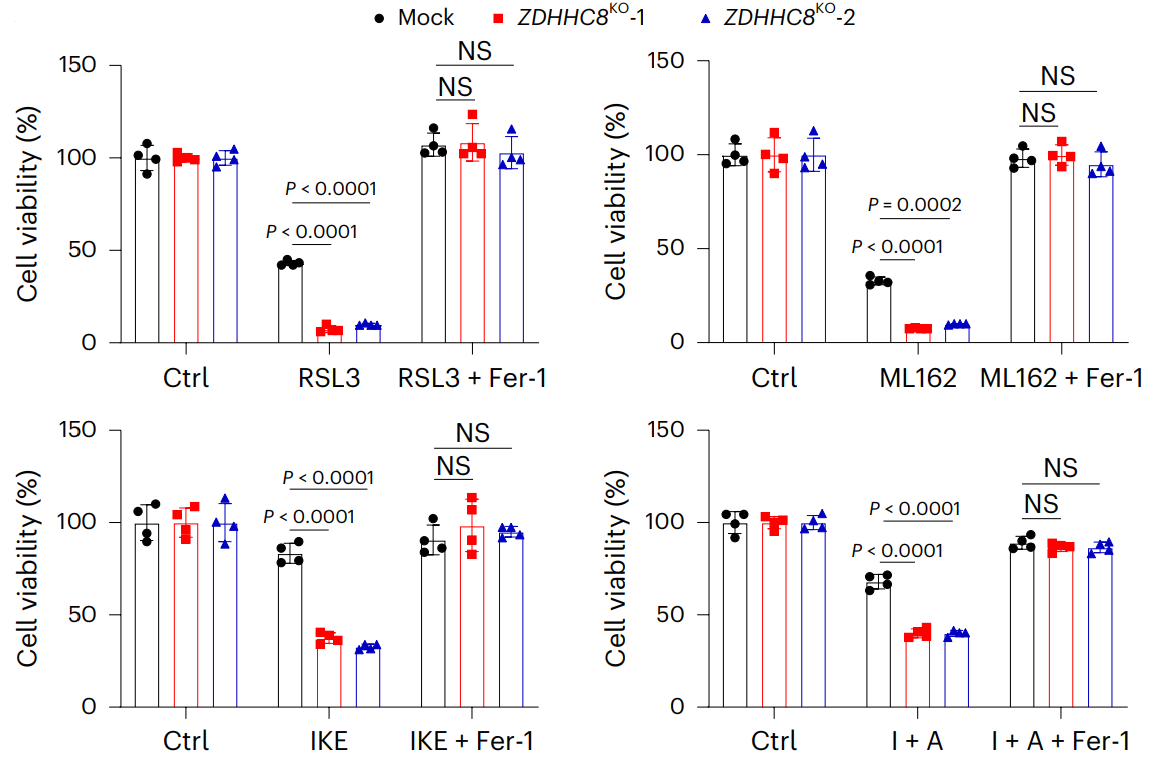
The cell viability of mock or ZDHHC8-KO HT-1080 cells treated with DMSO, RSL3 (0.1 μM), ML162 (0.1 μM), IKE (1 μM) or IFNγ (20 ng/ml) plus AA (20 μM) together with or without Fer-1 (2 μM). For RSL3, ML162 and IKE, cells were treated for 24 h, and for IFNγ plus AA, cells were treated for 48 h.
-
Nat Cell Biol
2024 Sep;26(9):1545-1557. PMID: 38997456 -
Autophagy
Kitasamycin overcomes ferroptosis and immunotherapy resistance by targeting the HUWE1-NCOA4-FTH1 axis. [Abstract]2026 Feb 15:1-19. PMID: 41612599 -
Cell Discov
Genetic tracing uncovers the importance of epithelial-to-mesenchymal transition in small cell lung cancer chemotherapy resistance but not metastasis. [Abstract]2024 Jun 4;10(1):60. PMID: 38834595
ML162 purchased from MedChemExpress. Usage Cited in: Cell Discov. 2024 Jun 4;10(1):60. [Abstract]
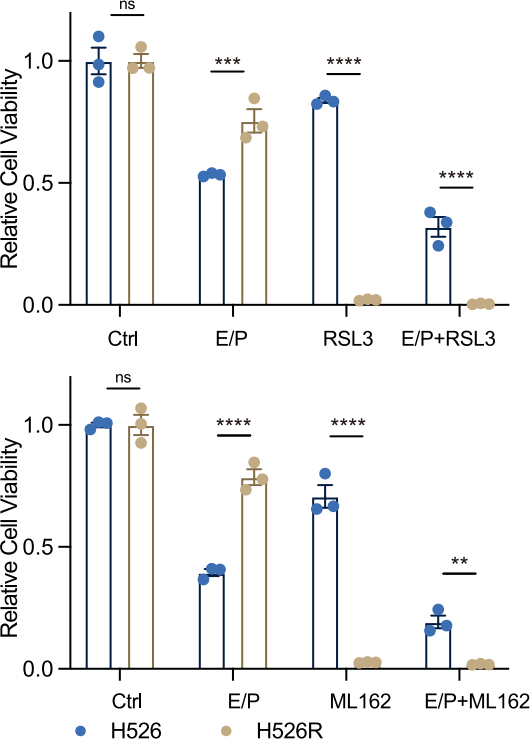
ML162 (0.075 µM; 72 h) alone or in combination with E/P significantly inhibits H526R cell growth.
-
Mol Cell
SMURF2 predisposes cancer cell toward ferroptosis in GPX4-independent manners by promoting GSTP1 degradation. [Abstract]2023 Dec 7;83(23):4352-4369.e8. PMID: 38016474
ML162 purchased from MedChemExpress. Usage Cited in: Mol Cell. 2023 Dec 7;83(23):4352-4369.e8. [Abstract]
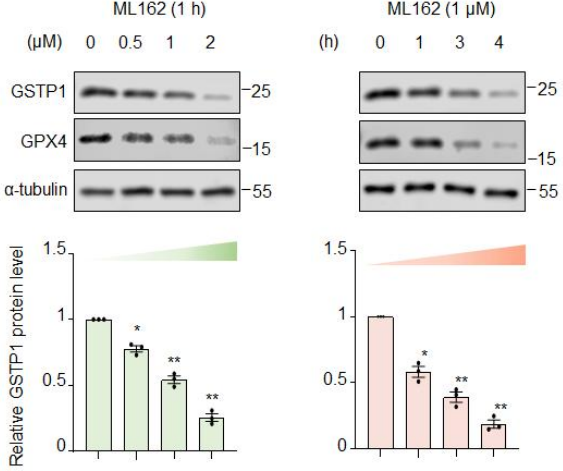
Western blot analysis of GSTP1 protein levels in HT 1080 cells treated with ascending doses of ML162 (0.5-3 μM; 1-4 h) or for the different time durations (top). Quantitative results of three independent replicates (below).
-
Sci Adv
2026 May 29;12(22):eaeb2368. PMID: 42213853 -
Cell Death Dis
Inhibition of mitochondrial complex I induces mitochondrial ferroptosis by regulating CoQH2 levels in cancer. [Abstract]2025 Apr 5;16(1):254. PMID: 40185704
ML162 purchased from MedChemExpress. Usage Cited in: Cell Death Dis. 2025 Apr 5;16(1):254. [Abstract]
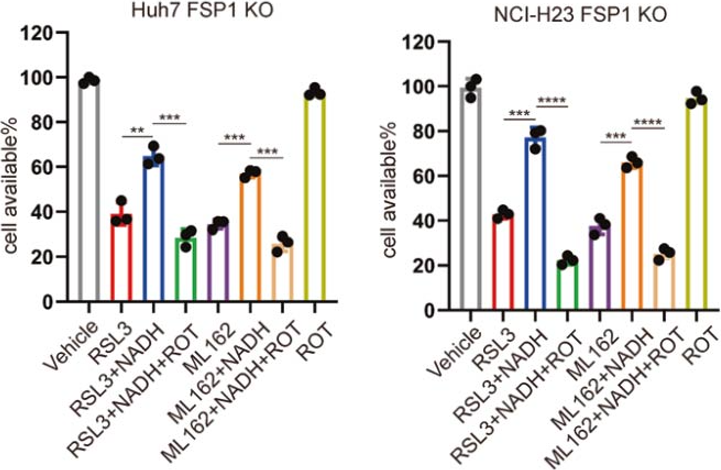
Cell viability of Huh7 or NCI-H23 cells treated with RSL3 (0.5 μM) or ML162 (0.5 μM), with or without ROT (10 μM) for 8 h, following pretreatment with NADH (1 mM) for 24 h.
-
J Immunother Cancer
Propafenone facilitates mitochondrial-associated ferroptosis and synergizes with immunotherapy in melanoma. [Abstract]2024 Nov 24;12(11):e009805. PMID: 39581704 -
Phytomedicine
Columbianadin targets TRIM7 to maintain P2X7 palmitoylation, inhibiting cuproptosis in synovial M2 macrophages. [Abstract]2025 Oct:146:157091. PMID: 40768810 -
Oncogene
CAPRIN1-mediated sequestration of NCOA4 mRNA into stress granules drives sorafenib resistance in hepatocellular carcinoma. [Abstract]2026 May;45(16):1411-1424. PMID: 41896589 -
ACS Appl Mater Interfaces
Photodynamic Therapy Initiated Ferrotherapy of Self-Delivery Nanomedicine to Amplify Lipid Peroxidation via GPX4 Inactivation. [Abstract]2022 Dec 7;14(48):53501-53510. PMID: 36399048 -
J Ethnopharmacol
Paris polyphylla Smith var. yunnanensis-derived saponins potentiate the antitumor activity of GPX4 inhibitors. [Abstract]2026 Feb 28:357:120890. PMID: 41232632 -
Biochem Pharmacol
Jolkinolide B synergistically potentiates the antitumor activity of GPX4 inhibitors via inhibiting TrxR1 in cisplatin-resistant bladder cancer cells. [Abstract]2024 May:223:116194. PMID: 38583812 -
Cancer Biol Ther
Suppression of LncRNA AC008406.3 sensitizes breast cancer cells to docetaxel via triggering cuproptosis. [Abstract]2026 Dec 31;27(1):2676474. PMID: 42189063 -
Am J Cancer Res
SIRT6 drives sensitivity to ferroptosis in anaplastic thyroid cancer through NCOA4-dependent autophagy. [Abstract]2023 Feb 15;13(2):464-474. PMID: 36895980
ML162 purchased from MedChemExpress. Usage Cited in: Am J Cancer Res. 2023 Feb 15;13(2):464-474. [Abstract]
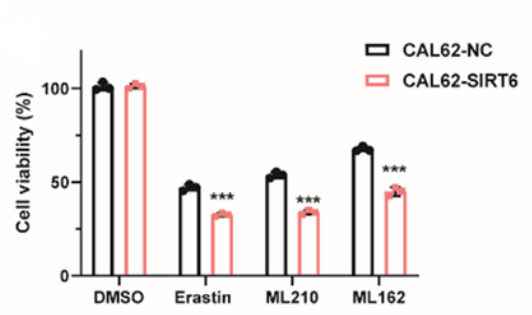
Viability of CAL62 cells treated with different FINs (Erastin, 20 μM; ML210, 2 μM; ML162, 2 μM; all treated for 24 h).
-
-
-


Solvent & Solubility
In Vitro:
DMSO : 100 mg/mL (209.47 mM; Need ultrasonic; Hygroscopic DMSO has a significant impact on the solubility of product, please use newly opened DMSO)
Please refer to the solubility information to select the appropriate solvent. Once prepared, please aliquot and store the solution to prevent product inactivation from repeated freeze-thaw cycles.
Storage method and period of stock solution: -80°C, 6 months; -20°C, 1 month. When stored at -80°C, please use it within 6 months. When stored at -20°C, please use it within 1 month.
Please refer to the solubility information to select the appropriate solvent. Once prepared, please aliquot and store the solution to prevent product inactivation from repeated freeze-thaw cycles.
Storage method and period of stock solution: -80°C, 6 months; -20°C, 1 month. When stored at -80°C, please use it within 6 months. When stored at -20°C, please use it within 1 month.
Concentration (start) × Volume (start) = Concentration (final) × Volume (final)
In Vivo:
Select the appropriate dissolution method based on your experimental animal and administration route.
- For the following dissolution methods, please ensure to first prepare a clear stock solution using an In Vitro approach and then sequentially add co-solvents:
- To ensure reliable experimental results, the clarified stock solution can be appropriately stored based on storage conditions. As for the working solution for In Vivo experiments, it is recommended to prepare freshly and use it on the same day.
- The percentages shown for the solvents indicate their volumetric ratio in the final prepared solution. If precipitation or phase separation occurs during preparation, heat and/or sonication can be used to aid dissolution.
In Vivo Dissolution Calculator
Please enter the basic information of animal experiments:
-
-
-
-
Recommended: Prepare an additional quantity of animals to account for potential losses during experiments.
Please enter your animal formula composition:
-
%DMSO +
Recommended: Keep the proportion of DMSO in working solution below 2% if your animal is weak.
-
%+
-
+%Tween-80 + +
-
%Saline +
The co-solvents required include: DMSO, . All of co-solvents are available by MedChemExpress (MCE). , Tween 80. All of co-solvents are available by MedChemExpress (MCE).
Working solution concentration: 0.22 mg/mL
Method for preparing stock solution: mg drug dissolved in μL DMSO. Stock solution concentration: mg/mL.
1. Take μL DMSO stock solution;
2. Add μL .
μL , mix evenly;
3. Then add μL Tween 80, mix evenly;
4. Then add μL
Please ensure that the stock solution in the first step is dissolved to a clear state, and add co-solvents in sequence. You can use ultrasonic heating (ultrasonic cleaner, recommended frequency 20-40 kHz), vortexing, etc. to assist dissolution.

Protocols
-
Ferroptosis Solutions
Ferroptosis is an iron-dependent, non-apoptotic form of regulated cell death characterized by lethal lipid peroxidation and sensitivity to suppression by iron chelators or lipophilic radical-trapping antioxidants. The core pathway links cystine uptake through system Xc−, glutathione availability, GPX4-dependent detoxification of phospholipid hydroperoxides, iron-dependent oxidative reactions, and polyunsaturated-phospholipid metabolism into a cell-death program that is biochemically and morphologically distinct from apoptosis, necrosis, and autophagy. The ferroptosis pathway is experimentally linked to phenotype through chemical and genetic perturbation. Erastin induces ferroptosis by inhibiting cystine uptake through system Xc− and weakening antioxidant defenses, while GPX4 inhibition or depletion causes lipid peroxide accumulation and ferroptotic cancer-cell death. ACSL4 and oxidizable arachidonoyl- or adrenoyl-containing phosphatidylethanolamines shape ferroptosis sensitivity by con


Purity & Documentation
-
Data Sheet (277 KB)
-
SDS (394 KB)
- English - EN (394 KB)
- Français - FR (394 KB)
- Deutsch - DE (394 KB)
- Norwegian - NO (394 KB)
- Español - ES (394 KB)
- Swedish - SV (394 KB)
- Italian - IT (394 KB)
- Korean - KR (394 KB)
- Portuguese - PT (394 KB)
-
Handling Instructions (2659 KB)
References
[1]. Michel Weïwer, et al. Development of small-molecule probes that selectively kill cells induced to express mutant RAS. Bioorg Med Chem Lett. 2012 Feb 15;22(4):1822-6. [Content Brief]
[2]. Daiha Shin, et al. Nrf2 inhibition reverses resistance to GPX4 inhibitor-induced ferroptosis in head and neck cancer. Free Radic Biol Med. 2018 Dec;129:454-462. [Content Brief]


Complete Stock Solution Preparation Table
Please refer to the solubility information to select the appropriate solvent. Once prepared, please aliquot and store the solution to prevent product inactivation from repeated freeze-thaw cycles.
Storage method and period of stock solution: -80°C, 6 months; -20°C, 1 month. When stored at -80°C, please use it within 6 months. When stored at -20°C, please use it within 1 month.
| Optional Solvent | Concentration Solvent Mass | 1 mg | 5 mg | 10 mg | 25 mg |
|---|---|---|---|---|---|
| DMSO | 1 mM | 2.0947 mL | 10.4734 mL | 20.9468 mL | 52.3670 mL |
| 5 mM | 0.4189 mL | 2.0947 mL | 4.1894 mL | 10.4734 mL | |
| 10 mM | 0.2095 mL | 1.0473 mL | 2.0947 mL | 5.2367 mL | |
| 15 mM | 0.1396 mL | 0.6982 mL | 1.3965 mL | 3.4911 mL | |
| 20 mM | 0.1047 mL | 0.5237 mL | 1.0473 mL | 2.6183 mL | |
| 25 mM | 0.0838 mL | 0.4189 mL | 0.8379 mL | 2.0947 mL | |
| 30 mM | 0.0698 mL | 0.3491 mL | 0.6982 mL | 1.7456 mL | |
| 40 mM | 0.0524 mL | 0.2618 mL | 0.5237 mL | 1.3092 mL | |
| 50 mM | 0.0419 mL | 0.2095 mL | 0.4189 mL | 1.0473 mL | |
| 60 mM | 0.0349 mL | 0.1746 mL | 0.3491 mL | 0.8728 mL | |
| 80 mM | 0.0262 mL | 0.1309 mL | 0.2618 mL | 0.6546 mL | |
| 100 mM | 0.0209 mL | 0.1047 mL | 0.2095 mL | 0.5237 mL |


ML162 Related Classifications
HY-100002 Related Classifications
 Powered by Bioz