



CYM50358 hydrochloride
Based on 3 publication(s) in Google Scholar
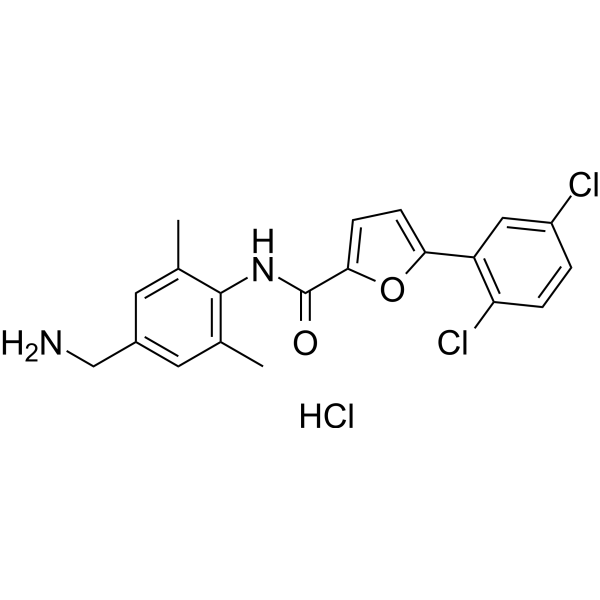
CYM50358 hydrochloride (compound 4v) is a potent, selective sphingosine-1-phosphate 4 (S1P4) receptor antagonist. CYM50358 hydrochloride can be used in the study of influenza infection.
For research use only. We do not sell to patients.
- CAS No.: 1781750-72-8
- Formula: C20H19Cl3N2O2
- Molecular Weight:425.74
-
Storage:
Please store the product under the recommended conditions in the Certificate of Analysis.

To place orders, for customer services and technical support, please contact: MedChemExpress USA
Tel: 609-228-6898 E-mail: [email protected] [email protected]


-
 Biological Activity
-
Chemical Information
- Protocols
- Purity & Documentation
- References
-
 Help & FAQs


-
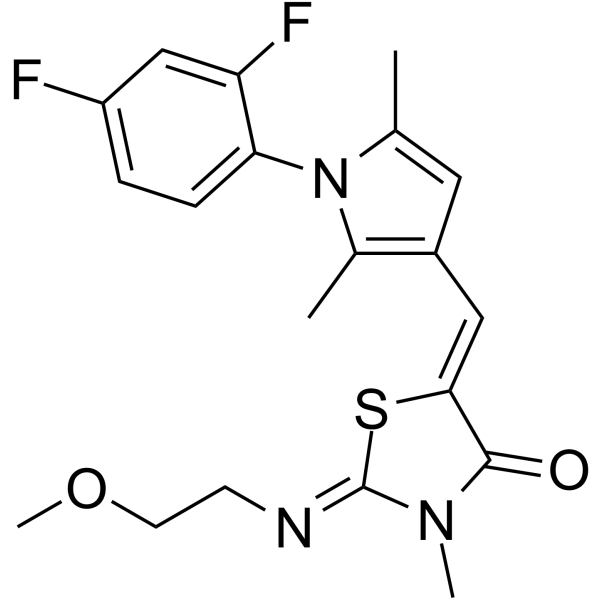
HY-108495
CYM50308S1P4 Receptor Agonist -
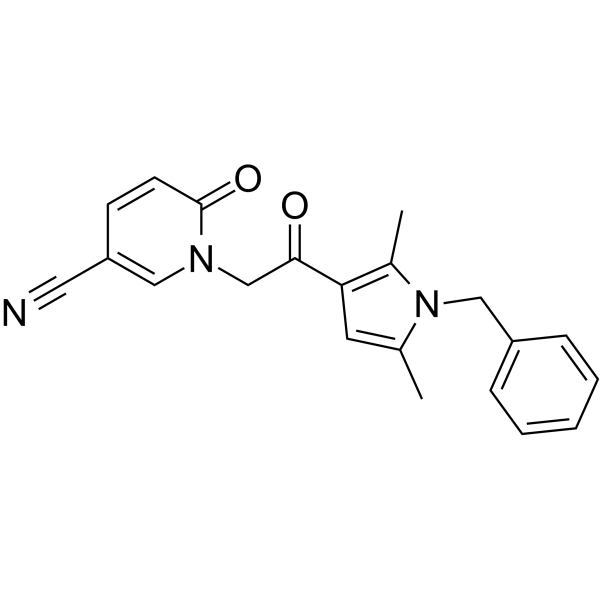
HY-100953
CYM-5520S1PR2 Agonist -
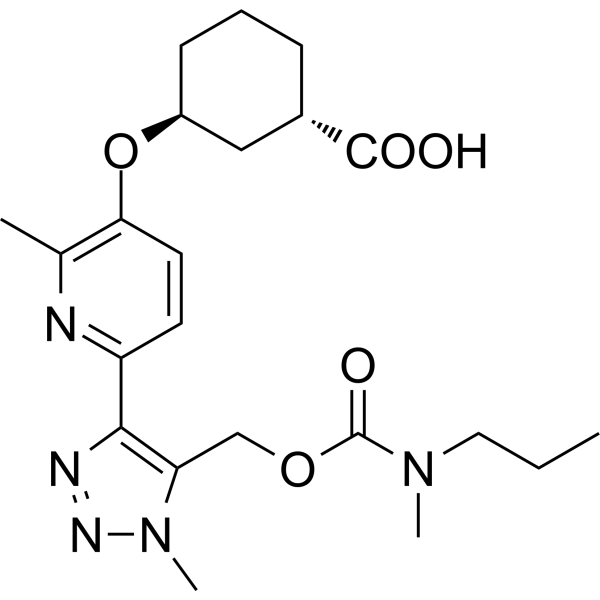
HY-139853
BMS-986278LPA1 Antagonist -
HY-13660
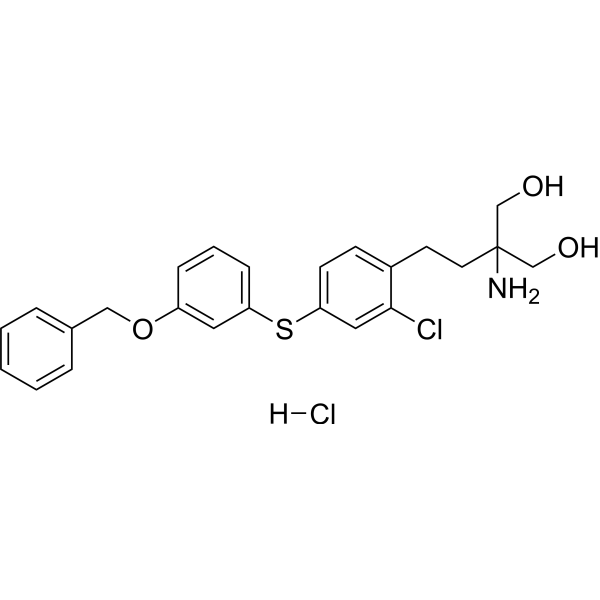
Mocravimod hydrochlorideS1PR Regulator -
HY-12288A
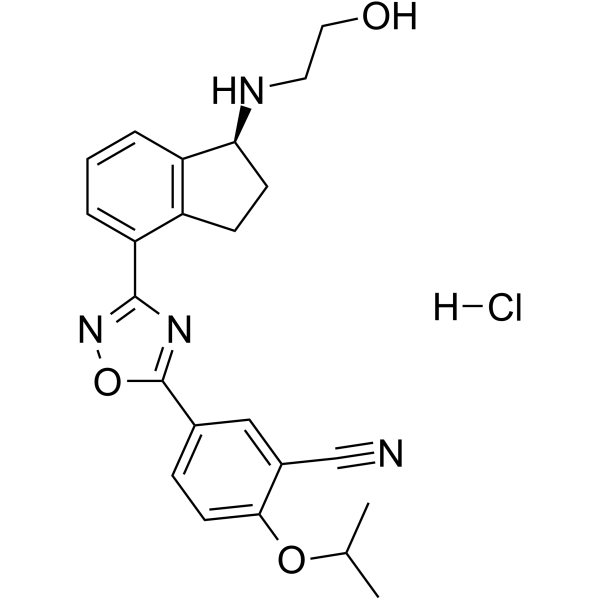
Ozanimod hydrochlorideS1P Receptor Modulator -
HY-16039
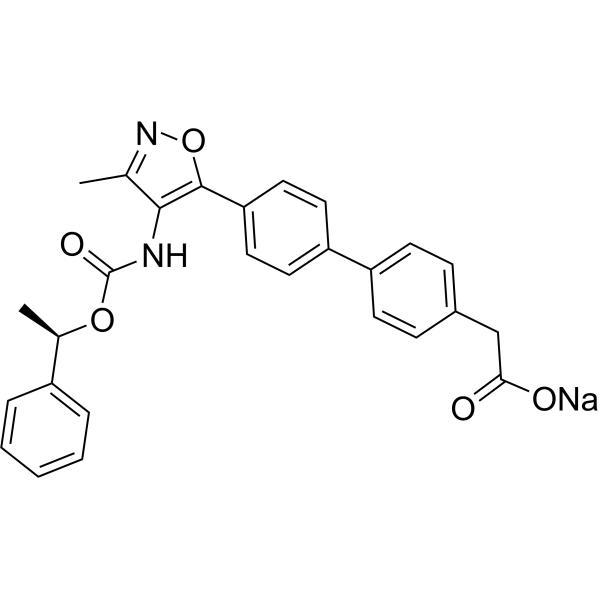
AM095LPA1 Antagonist -

HY-108495R
CYM50308 (Standard)Reference Standard -
HY-119401
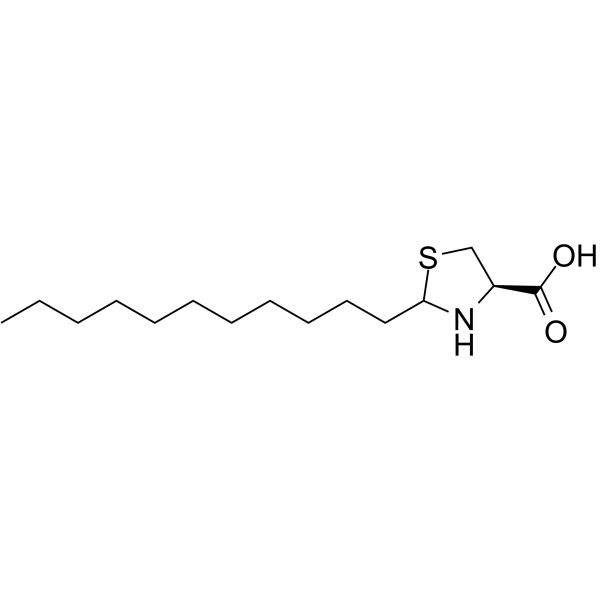
CAY10444S1P3 Antagonist -
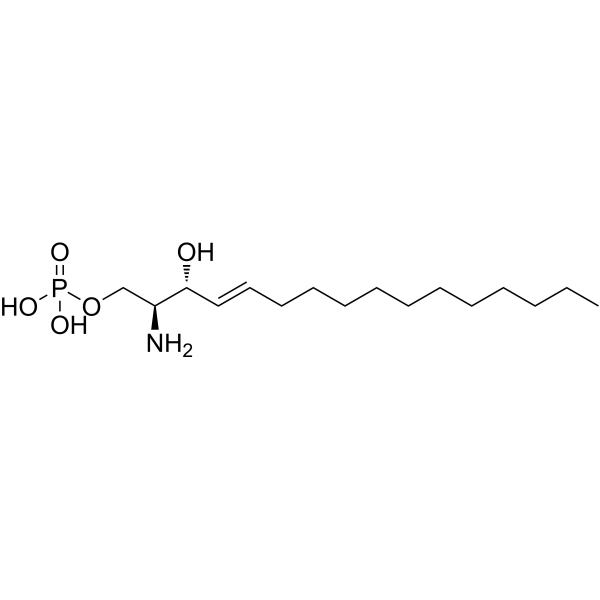
HY-148292
C16-Sphingosine-1-phosphateEDG/S1P Receptor Ligand -
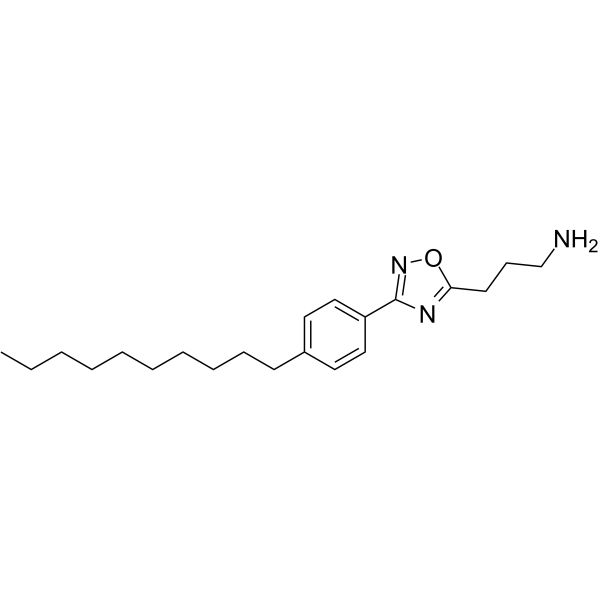
HY-149004
SLF1081851Spns2 Inhibitor -
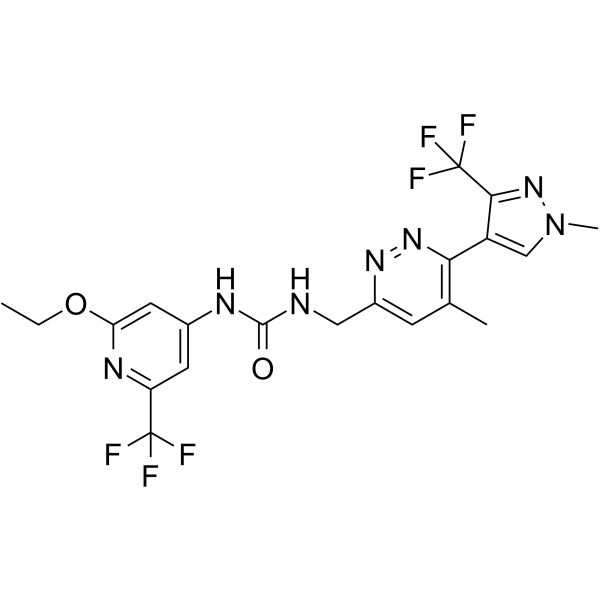
HY-139310
GLPG2938S1P2 Antagonist -
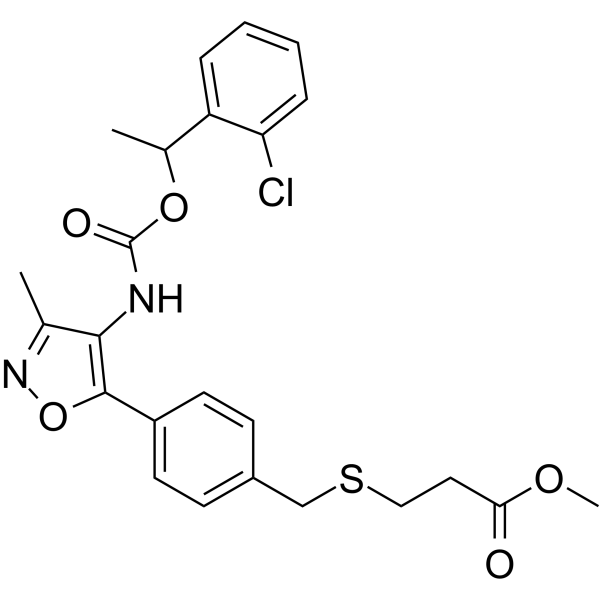
HY-18641
Ki16198LPA Receptor Antagonist
Publications Citing Use of MedChemExpress (MCE) CYM50358 hydrochloride
More

Biological Activity
Description


Chemical Information
-
CAS No. 1781750-72-8
-
Molecular Weight 425.74
-
Formula C20H19Cl3N2O2
-
SMILES
O=C(C1=CC=C(O1)C2=C(C=CC(Cl)=C2)Cl)NC3=C(C=C(C=C3C)CN)C.Cl
-
Shipping
Room temperature in continental US; may vary elsewhere.
-
Storage
Please store the product under the recommended conditions in the Certificate of Analysis.


Publications (3)
-
Journal Impact Factor
-
Most Recent
-
Cancer Commun (Lond)
Targeting SPHK1 in macrophages remodels the tumor microenvironment and enhances anti-PD-1 immunotherapy efficacy in colorectal cancer liver metastasis. [Abstract]2025 Jul 16. PMID: 40665874 -
Environ Pollut
Polycyclic aromatic hydrocarbon aggravates high-fat diet-induced metabolic dysfunction-associated steatotic liver disease through disturbing hepatocyte sphingolipid metabolism. [Abstract]2025 Oct 15:383:126846. PMID: 40681076 -
Biomed Pharmacother
Apolipoprotein M bound sphingosine 1-phosphate suppresses NETosis through activating S1P1 and S1P4. [Abstract]2023 Oct:166:115400. PMID: 37657263

Protocols
-
Research Protocol for Infectious Diseases
Infectious-disease experiments test how pathogens interact with host barriers, innate immune receptors, inflammatory signaling, pathogen replication, and tissue injury; pattern-recognition receptors such as TLRs, RIG-I-like receptors, NOD-like receptors, and inflammasomes detect microbial molecules and activate NF-κB, interferon, and cytokine responses. The central hypothesis is that infection severity reflects the balance between pathogen burden and host response: protective inflammation restricts pathogen growth, whereas excessive or mislocalized inflammation contributes to tissue damage and disease phenotype. Unresolved questions include which host pathways are protective versus pathogenic, why some infection models fail to translate to human disease, and which combined readouts best predict clinically relevant infection outcomes.


Purity & Documentation
References

Calculators
Concentration (start) × Volume (start) = Concentration (final) × Volume (final)


CYM50358 hydrochloride Related Classifications
HY-110314 Related Classifications
 Powered by Bioz