



PKAR
PKAR1A encodes the type Iα regulatory subunit of cyclic AMP-dependent protein kinase A (PKA), a central mediator of cAMP signaling that controls phosphorylation-dependent cellular responses[1][2]. In the inactive PKA holoenzyme, two regulatory subunits associate with two catalytic subunits, and cAMP binding to the regulatory subunits releases the catalytic components to initiate downstream signaling[1][3]. Mechanistically, PKAR1A functions as a key regulator of PKA activity and thereby influences transcriptional regulation, cellular growth, differentiation, and signal transduction processes governed by the cAMP/PKA pathway[1][2]. In disease contexts, genetic alterations in PRKAR1A are linked to endocrine and developmental disorders, and the gene has also been described as a tumor-suppressor component in thyroid-related tumor biology[2][4]. Compared with related PKA regulatory isoforms, PKAR1A belongs to the type I regulatory class, whereas type II PKA complexes contain alternative regulatory subunits such as PRKAR2A or PRKAR2B that contribute to distinct intracellular localization and signaling properties[5]. This isoform-specific organization provides an important framework for dissecting compartmentalized cAMP signaling in experimental systems[5]. For research applications, pharmacological modulation is typically achieved through manipulation of cAMP-dependent PKA activation rather than direct PKAR1A-selective ligands, making PKAR1A a valuable molecular component for studying PKA-dependent signaling networks and disease-associated pathway dysregulation[1][3].
References:
- [1]. Sciencedirect.topics.
- [2]. PKAR gene information from NCBI.
- [3]. Wikipedia.
- [4]. Database: Guide to pharmacology.
- [5]. Wikipedia.
All Product Categories
-
PKAR Related Products (1)
Related Products (1)

-
Jaspamycin
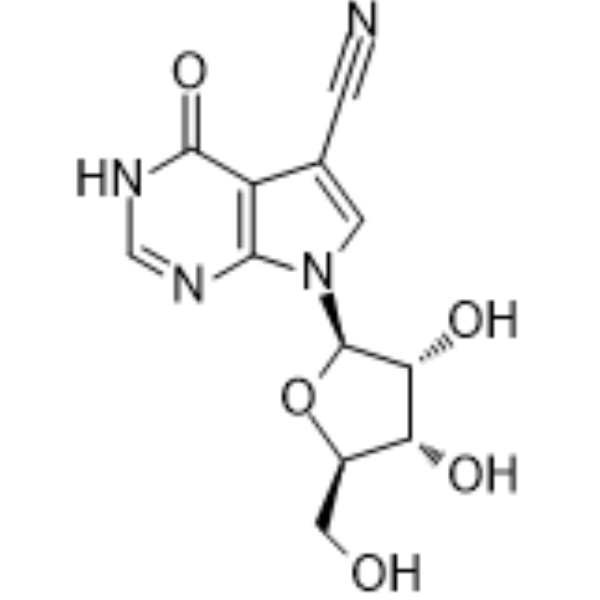 0 ImagesSynonyms: 7-CN-7-C-InoJaspamycin (7-CN-7-C-Ino) is a potent activator of PKA, binding to the R site (PKAR), with an EC50 of 6.5 nM and Kd of 8 nM in Trypanosoma brucei. Jaspamycin (7-CN-7-C-Ino) does not bind with purified human PKARIα. Anti-parasite activity.



