



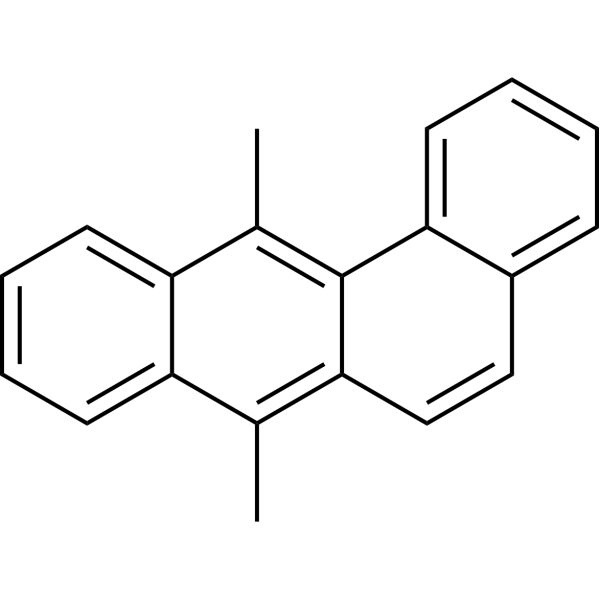
DMBA
Based on 4 publication(s) in Google Scholar
DMBA has carcinogenic activity as a polycyclic aromatic hydrocarbon (PAH). DMBA is used to induce tumor formation in various rodent models.
For research use only. We do not sell to patients.
- Purity : 99.94%
- CAS No.: 57-97-6
- Formula: C20H16
- Molecular Weight:256.35
-
Storage:Powder -20°C, 3 years , 4°C, 2 years ; In solvent -80°C, 6 months , -20°C, 1 month

To place orders, for customer services and technical support, please contact: MedChemExpress USA
Tel: 609-228-6898 E-mail: [email protected] [email protected]


-
 Biological Activity
-
Chemical Information
-
Solvent & Solubility
- Purity & Documentation
- References
-
 Help & FAQs


-
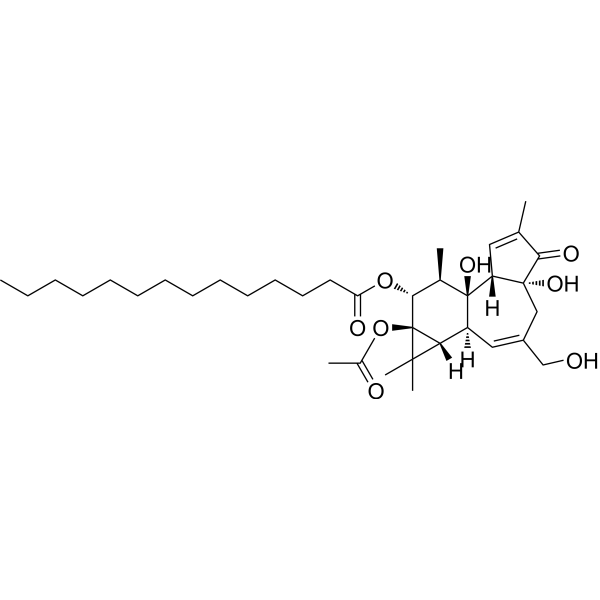
HY-18739
Phorbol 12-myristate 13-acetate -
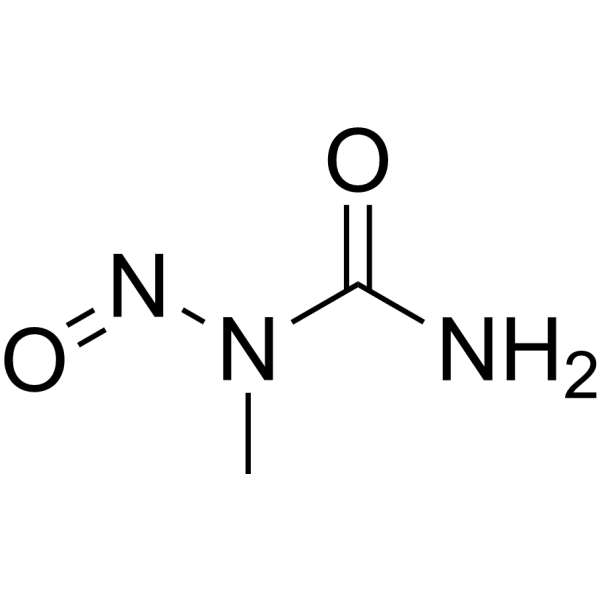
HY-34758
N-Nitroso-N-methylurea -
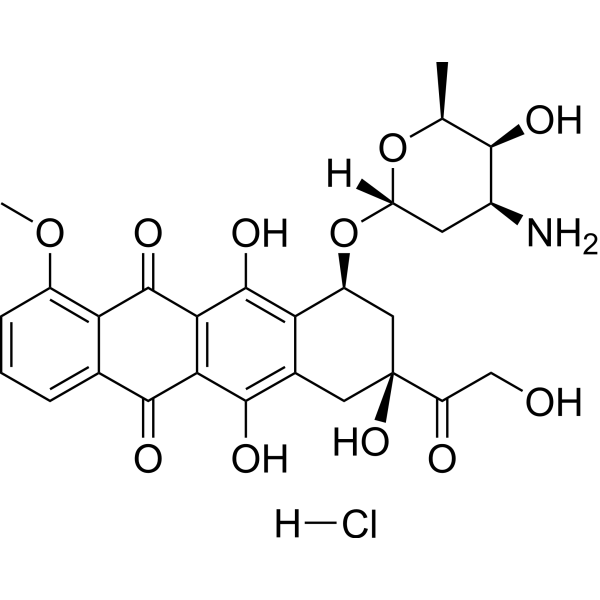
HY-15142
Doxorubicin hydrochloride -
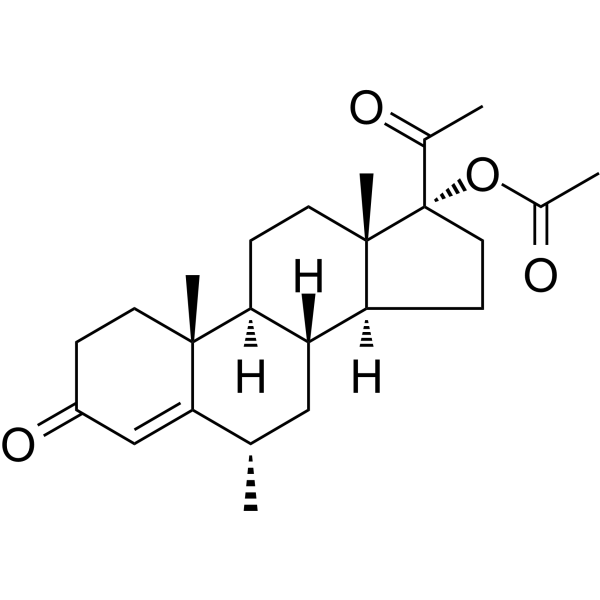
HY-B0469
Medroxyprogesterone acetate -

HY-Y1888
Corn oil -
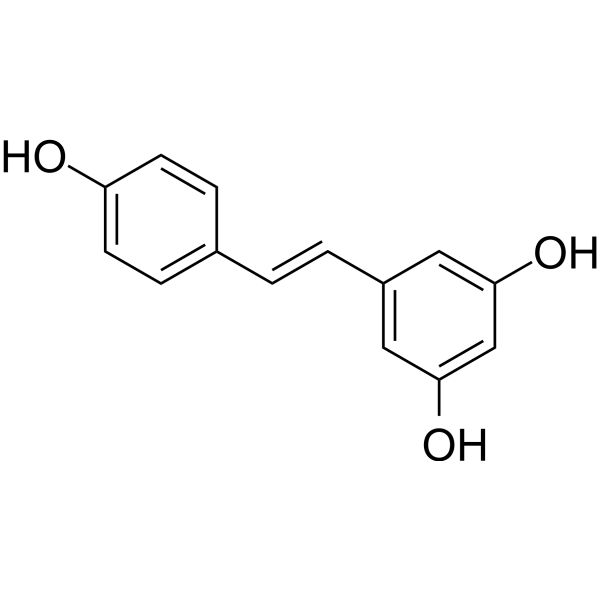
HY-16561
Resveratrol -
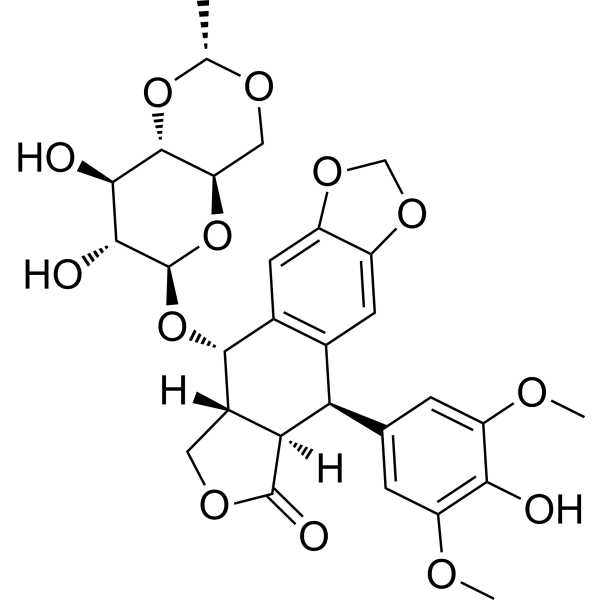
HY-13629
Etoposide -

HY-W011845R
DMBA (Standard) -
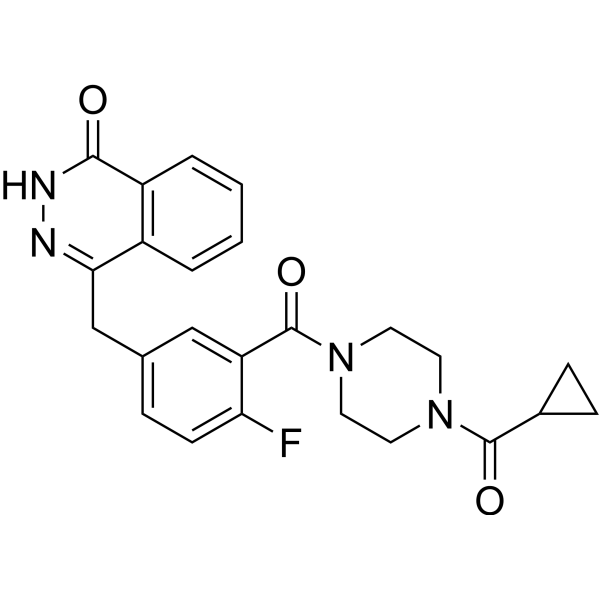
HY-10162
Olaparib -
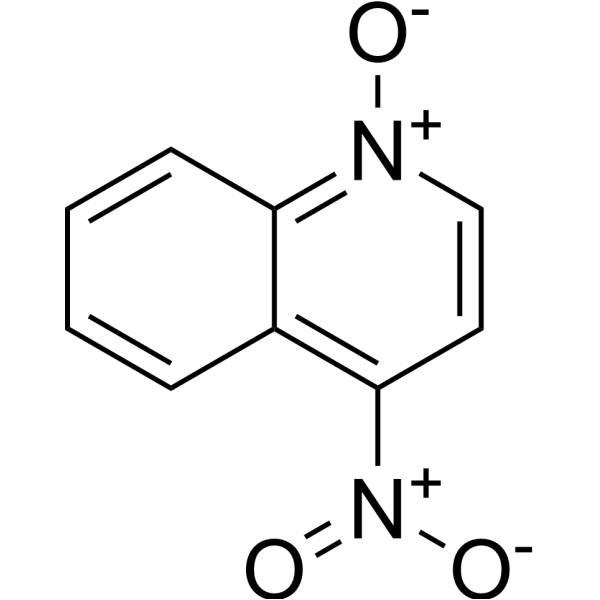
HY-33354
Nitrochin -
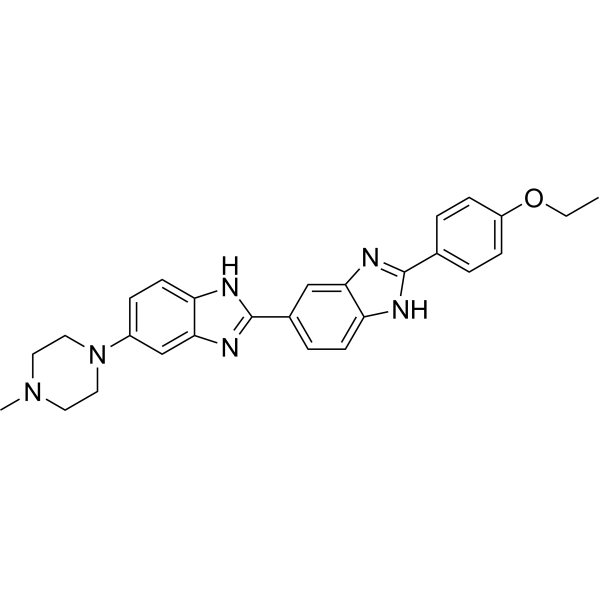
HY-15559
Hoechst 33342 -
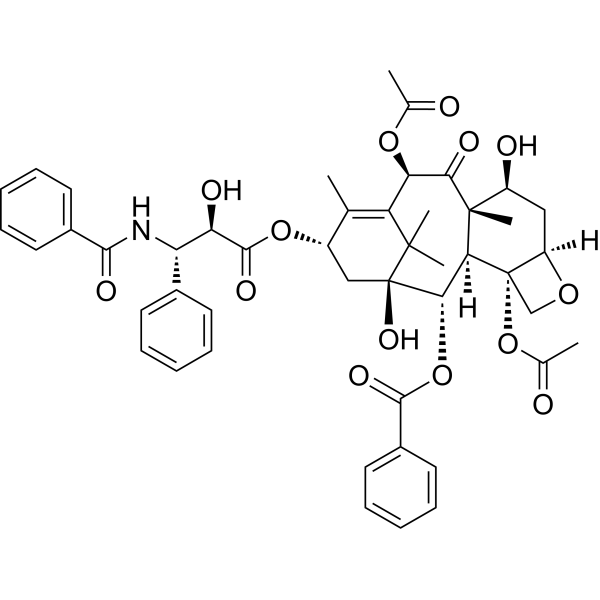
HY-B0015
Paclitaxel
Publications Citing Use of MedChemExpress (MCE) DMBA
More Customer Validation & Images

-
In Vivo Efficacy Study
-
In Vivo Efficacy Study
-
Histological Imaging/Staining
-
IF
-
IHC


Biological Activity
Description
Induced Disease Models
Please do not refer to only one article to determine the experimental conditions. It is recommended to determine the optimal experimental conditions (animal strain, age, dosage, frequency and cycle, detection time and indicators, etc.) through preliminary experiments before the formal experiment.
DMBA can induce breast cancer and skin cancer models. Oral administration of DMBA (0-150 mg/kg) leads to a reduction in spleen weight and a decrease in the total number of lymphocytes recovered from the spleen in C57BL/6 mice. In SD rats, DMBA exhibits a terminal deposition half-life of 45 minutes across all dose ranges (5-50 mg)[5].
Administration: 15-20 mg DMBA-• intragastric gavage • single dose
Histology analysis:The tumor exhibits tightly spaced chords epithelial cells, cysts and papillary structures.
Phenotype:develops a temporary cessation in body growth.
Administration: 25 mg DMBA • applied on the shaved back skin • single dose
Administration: 5-20 mg/kg • intratracheal instillation • single dose.
(2). A coat of antibiotic is applied after the instillation.
Histology analysis:Inflammation with alveolar epithelial hyperplasia, adenic metaplasia, adenomatoid hyperplasia and atypical hyperplasia.
MedChemExpress (MCE) has not independently confirmed the accuracy of these methods. They are for reference only.


Chemical Information
-
CAS No. 57-97-6
-
Appearance Solid
-
Molecular Weight 256.35
-
Formula C20H16
-
Color White to off-white
-
SMILES
CC(C1=CC=CC=C21)=C3C=CC4=CC=CC=C4C3=C2C
-
Synonyms
7,12-DMBA; 7,12-Dimethylbenzanthracene
-
Shipping
Room temperature in continental US; may vary elsewhere.
-
Storage
Powder -20°C 3 years 4°C 2 years In solvent -80°C 6 months -20°C 1 month


Publications (4)
-
Journal Impact Factor
-
Most Recent
-
Sci China Life Sci
2026 May;69(5):1604-1619. PMID: 41793590
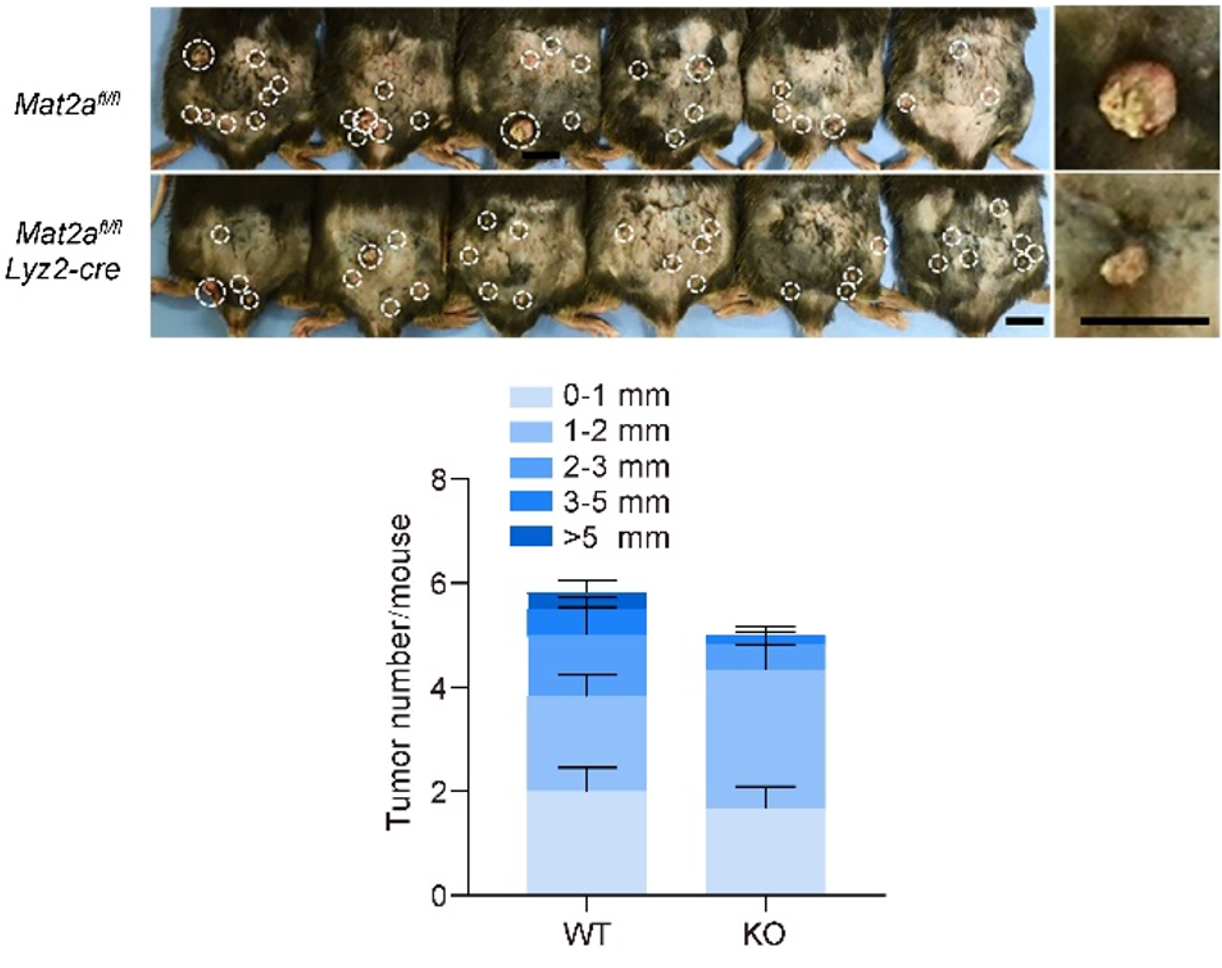
DMBA purchased from MedChemExpress. Usage Cited in: Sci China Life Sci. 2026 May;69(5):1604-1619. [Abstract]
Representative images and tumor size of DMBA (75 ug; topical application; twice a week)-induced melanoma in Mat2a+/+ and Mat2a-/- mice (n=6 per group). Scale bar, 1 cm.
-
J Invest Dermatol
MRGPRX2-Mediated Mast Cell Activation Promotes Malignant Progression of Cutaneous Squamous Cell Carcinoma through IL-17A Release. [Abstract]2025 Nov 4:S0022-202X(25)03517-1. PMID: 41197765
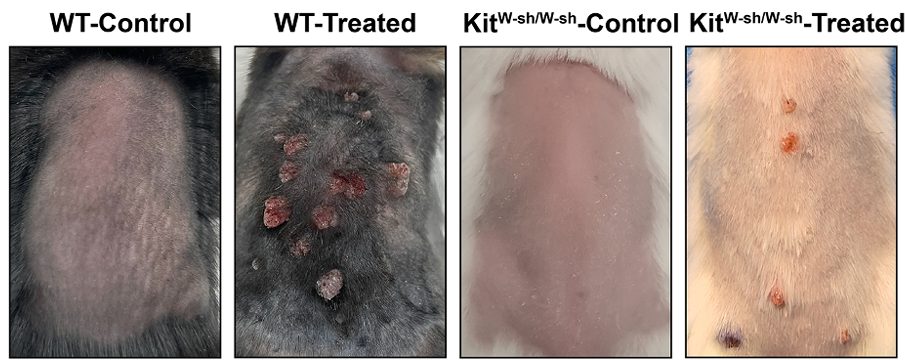
DMBA purchased from MedChemExpress. Usage Cited in: J Invest Dermatol. 2025 Nov 4:S0022-202X(25)03517-1. [Abstract]
Tumor burden of WT mice and MC-deficient KITW-sh/W-sh mice 28 weeks into the DMBA (25 µg DMBA dissolved in 200 µL acetone; topical application)/TPA protocol.
-
Biochem Pharmacol
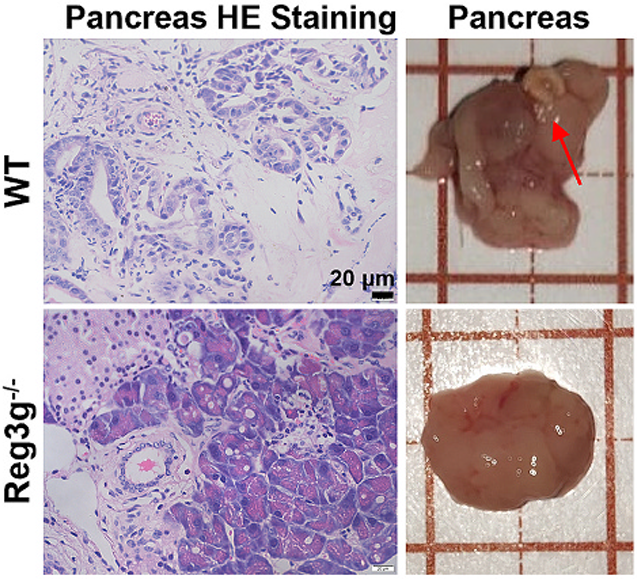
REG3A promotes gemcitabine resistance in pancreatic cancer via the GPR54/ARRB2/ERK1/2 ligand-directed signaling pathway. [Abstract]2025 Sep 9;242(Pt 2):117322. PMID: 40935160
DMBA purchased from MedChemExpress. Usage Cited in: Biochem Pharmacol. 2025 Sep 9;242(Pt 2):117322. [Abstract]
Representative pancreatic HE staining and pancreatic tissue of WT and Reg3g−/− mice induced by DMBA (Orthotopic Implantation) for 82 days.
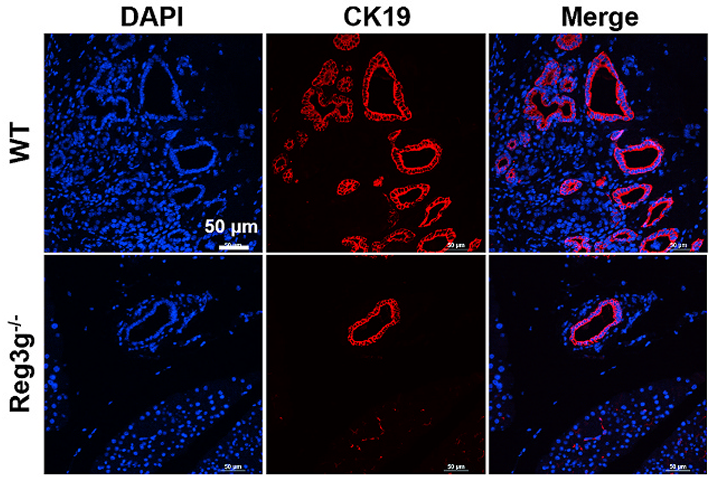
DMBA purchased from MedChemExpress. Usage Cited in: Biochem Pharmacol. 2025 Sep 9;242(Pt 2):117322. [Abstract]
Representative pancreatic CK19 immunofluorescence staining of WT and Reg3g−/− mice induced by DMBA (Orthotopic Implantation) for 82 days.
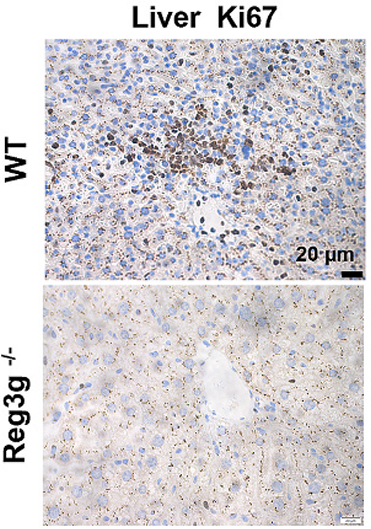
DMBA purchased from MedChemExpress. Usage Cited in: Biochem Pharmacol. 2025 Sep 9;242(Pt 2):117322. [Abstract]
Representative liver Ki67 IHC staining of WT and Reg3g−/− mice induced by DMBA (Orthotopic Implantation) for 82 days.
-


Solvent & Solubility
In Vitro:
Acetone : 25 mg/mL (97.52 mM; Need ultrasonic)
DMSO : ≥ 12.5 mg/mL (48.76 mM; Hygroscopic DMSO has a significant impact on the solubility of product, please use newly opened DMSO)
Ethanol : 3.33 mg/mL (12.99 mM; ultrasonic and warming and heat to 60°C)
* "≥" means soluble, but saturation unknown.
Please refer to the solubility information to select the appropriate solvent. Once prepared, please aliquot and store the solution to prevent product inactivation from repeated freeze-thaw cycles.
Storage method and period of stock solution: -80°C, 6 months; -20°C, 1 month. When stored at -80°C, please use it within 6 months. When stored at -20°C, please use it within 1 month.
Please refer to the solubility information to select the appropriate solvent. Once prepared, please aliquot and store the solution to prevent product inactivation from repeated freeze-thaw cycles.
Storage method and period of stock solution: -80°C, 6 months; -20°C, 1 month. When stored at -80°C, please use it within 6 months. When stored at -20°C, please use it within 1 month.
Concentration (start) × Volume (start) = Concentration (final) × Volume (final)
In Vivo:
Select the appropriate dissolution method based on your experimental animal and administration route.
- For the following dissolution methods, please ensure to first prepare a clear stock solution using an In Vitro approach and then sequentially add co-solvents:
- To ensure reliable experimental results, the clarified stock solution can be appropriately stored based on storage conditions. As for the working solution for In Vivo experiments, it is recommended to prepare freshly and use it on the same day.
- The percentages shown for the solvents indicate their volumetric ratio in the final prepared solution. If precipitation or phase separation occurs during preparation, heat and/or sonication can be used to aid dissolution.
Add each solvent one by one: 10% DMSO 90% (20% SBE-β-CD in Saline)
Solubility: 2.5 mg/mL (9.75 mM); Suspended solution; Need ultrasonic
This protocol yields a suspended solution of 2.5 mg/mL. Suspended solution can be used for oral and intraperitoneal injection.
Taking 1 mL working solution as an example, add 100 μL DMSO stock solution (25.0 mg/mL) to 900 μL 20% SBE-β-CD in Saline, and mix evenly.
Preparation of 20% SBE-β-CD in Saline (4°C, storage for one week): 2 g SBE-β-CD powder is dissolved in 10 mL Saline, completely dissolve until clear.
For the following dissolution methods, please prepare the working solution directly:
It is recommended to prepare fresh solutions and use them promptly within a short period of time.
The percentages shown for the solvents indicate their volumetric ratio in the final prepared solution. If precipitation or phase separation occurs during preparation, heat and/or sonication can be used to aid dissolution.
Add each solvent one by one: Corn Oil
Solubility: 20 mg/mL (78.02 mM); Clear solution; Need ultrasonic
In Vivo Dissolution Calculator
Please enter the basic information of animal experiments:
-
-
-
-
Recommended: Prepare an additional quantity of animals to account for potential losses during experiments.
Please enter your animal formula composition:
-
%DMSO +
Recommended: Keep the proportion of DMSO in working solution below 2% if your animal is weak.
-
%+
-
+%Tween-80 + +
-
%Saline +
The co-solvents required include: DMSO, . All of co-solvents are available by MedChemExpress (MCE). , Tween 80. All of co-solvents are available by MedChemExpress (MCE).
Working solution concentration: 0.22 mg/mL
Method for preparing stock solution: mg drug dissolved in μL DMSO. Stock solution concentration: mg/mL.
1. Take μL DMSO stock solution;
2. Add μL .
μL , mix evenly;
3. Then add μL Tween 80, mix evenly;
4. Then add μL
Please ensure that the stock solution in the first step is dissolved to a clear state, and add co-solvents in sequence. You can use ultrasonic heating (ultrasonic cleaner, recommended frequency 20-40 kHz), vortexing, etc. to assist dissolution.


Purity & Documentation
-
Data Sheet (287 KB)
-
SDS (644 KB)
- English - EN (644 KB)
- Français - FR (644 KB)
- Deutsch - DE (644 KB)
- Norwegian - NO (644 KB)
- Español - ES (644 KB)
- Swedish - SV (644 KB)
- Italian - IT (644 KB)
- Korean - KR (644 KB)
- Portuguese - PT (644 KB)
-
Handling Instructions (2659 KB)
References
[1]. Csiszar A, Balasubramanian P, Tarantini S, Yabluchanskiy A, Zhang XA, Springo Z, Benbrook D, Sonntag WE, Ungvari Z. Chemically induced carcinogenesis in rodent models of aging: assessing organismal resilience to genotoxic stressors in geroscience research. Geroscience. 2019 Apr;41(2):209-227. [Content Brief]
[2]. HUGGINS C, et al., Mammary cancer induced by a single feeding of polymucular hydrocarbons, and its suppression. Nature. 1961 Jan 21;189:204-7. [Content Brief]
[3]. Goerttler K, et al., Skin tumor formation in the European hamster (Cricetus cricetus L.) after topical initiation with 7,12-dimethylbenz[a]anthracene (DMBA) and promotion with 12-O-tetradecanoylphorbol-13-acetate (TPA). Carcinogenesis. 1984 Apr;5(4):521-4. [Content Brief]
[4]. Saini RK, et al., Pulmonary carcinogenesis in mice with a single intratracheal instillation of 9, 10-dimethyl benz[a]anthracene. Drug Chem Toxicol. 2008;31(4):459-71. [Content Brief]
[5]. Gao J, et al., Microsomal expoxide hydrolase is required for 7,12-dimethylbenz[a]anthracene (DMBA)-induced immunotoxicity in mice. Toxicol Sci. 2007 Jul;98(1):137-44. [Content Brief]


Complete Stock Solution Preparation Table
Please refer to the solubility information to select the appropriate solvent. Once prepared, please aliquot and store the solution to prevent product inactivation from repeated freeze-thaw cycles.
Storage method and period of stock solution: -80°C, 6 months; -20°C, 1 month. When stored at -80°C, please use it within 6 months. When stored at -20°C, please use it within 1 month.
| Optional Solvent | Concentration Solvent Mass | 1 mg | 5 mg | 10 mg | 25 mg |
|---|---|---|---|---|---|
| Ethanol / DMSO / Acetone | 1 mM | 3.9009 mL | 19.5046 mL | 39.0092 mL | 97.5229 mL |
| 5 mM | 0.7802 mL | 3.9009 mL | 7.8018 mL | 19.5046 mL | |
| 10 mM | 0.3901 mL | 1.9505 mL | 3.9009 mL | 9.7523 mL | |
| DMSO / Acetone | 15 mM | 0.2601 mL | 1.3003 mL | 2.6006 mL | 6.5015 mL |
| 20 mM | 0.1950 mL | 0.9752 mL | 1.9505 mL | 4.8761 mL | |
| 25 mM | 0.1560 mL | 0.7802 mL | 1.5604 mL | 3.9009 mL | |
| 30 mM | 0.1300 mL | 0.6502 mL | 1.3003 mL | 3.2508 mL | |
| 40 mM | 0.0975 mL | 0.4876 mL | 0.9752 mL | 2.4381 mL | |
| Acetone | 50 mM | 0.0780 mL | 0.3901 mL | 0.7802 mL | 1.9505 mL |
| 60 mM | 0.0650 mL | 0.3251 mL | 0.6502 mL | 1.6254 mL | |
| 80 mM | 0.0488 mL | 0.2438 mL | 0.4876 mL | 1.2190 mL |


DMBA Related Classifications
HY-W011845 Related Classifications
 Powered by Bioz