



SC-22716
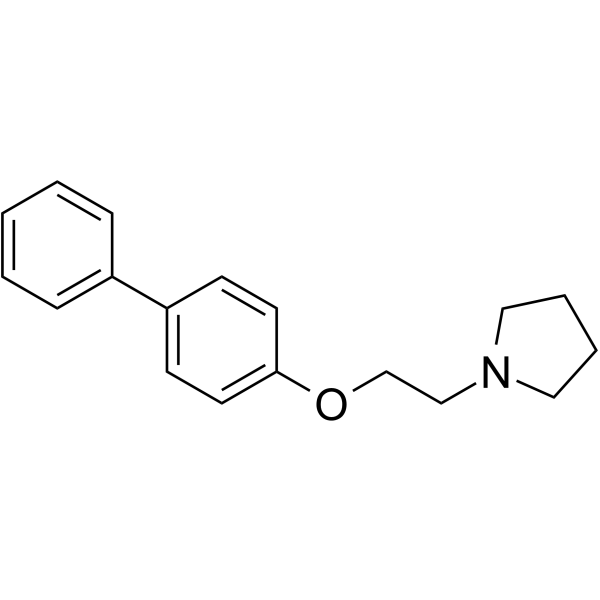
SC-22716 is a potent, competitive, reversible inhibitor of human LTA4 hydrolase, with an IC50 of 0.20 µM. SC-22716 has potential for the research of inflammatory bowel disease (IBD) and psoriasis.
商品は「研究用試薬」です。人や動物の医療用・臨床診断用・食品用の製品ではありません。
研究用途以外に使用した場合、当社は一切の責任を負いかねます。
- CAS 番号: 262451-89-8
- 分子式: C18H21NO
- 分子量:267.37
-
保管条件:
Please store the product under the recommended conditions in the Certificate of Analysis.

To place orders, for customer services and technical support, please contact: MedChemExpress USA
Tel: 609-228-6898 E-mail: [email protected] [email protected]


-
 生物活性
生物活性
-
化学情報
- プロトコル
- 純度とドキュメンテーション
- 参考文献
-
 Help & FAQs


-
HY-W015876
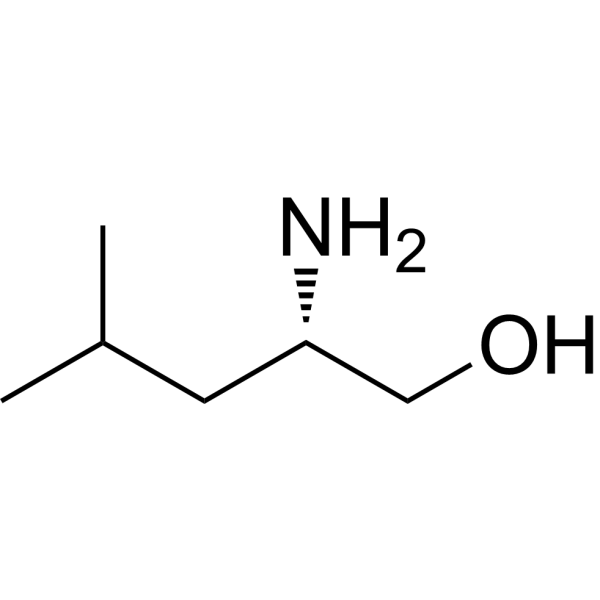
L-LeucinolAminopeptidase Inhibitor -
HY-109058
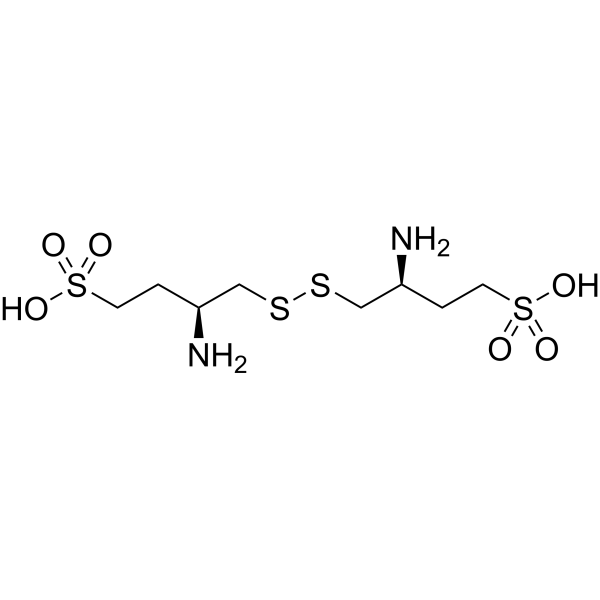
FiribastatAminopeptidase A Inhibitor -
HY-W027340
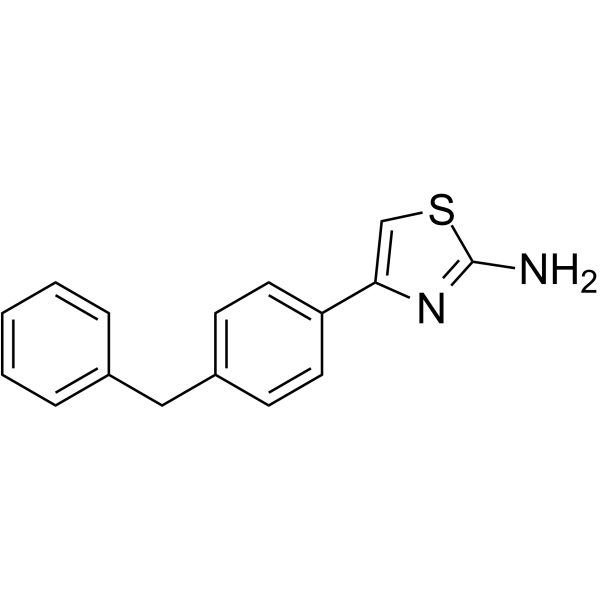
ARM1Aminopeptidase/Epoxide Hydrolase Inhibitor -
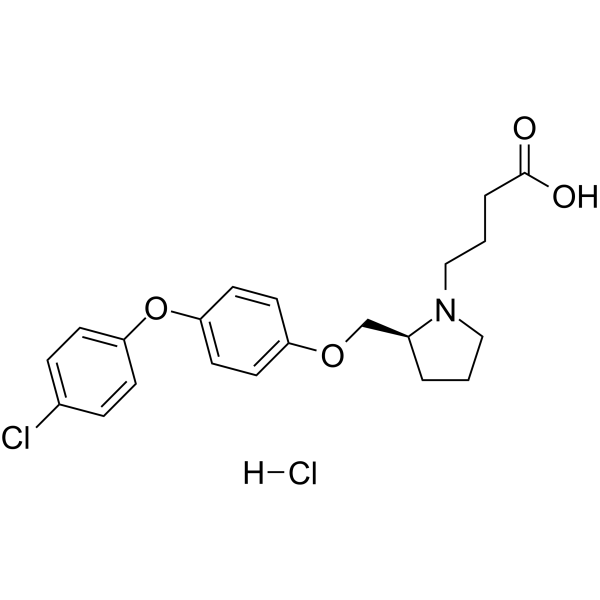
HY-10825
DG051 -

HY-109058R
Firibastat (Standard)Aminopeptidase A Inhibitor -

HY-10825R
DG051 (Standard)Reference Standard -
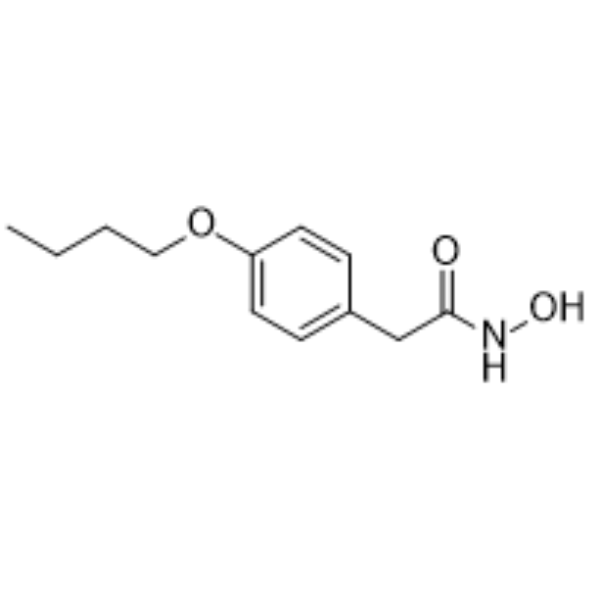
HY-B0494
BufexamacHDAC6/HDAC10/LTA4H Inhibitor -
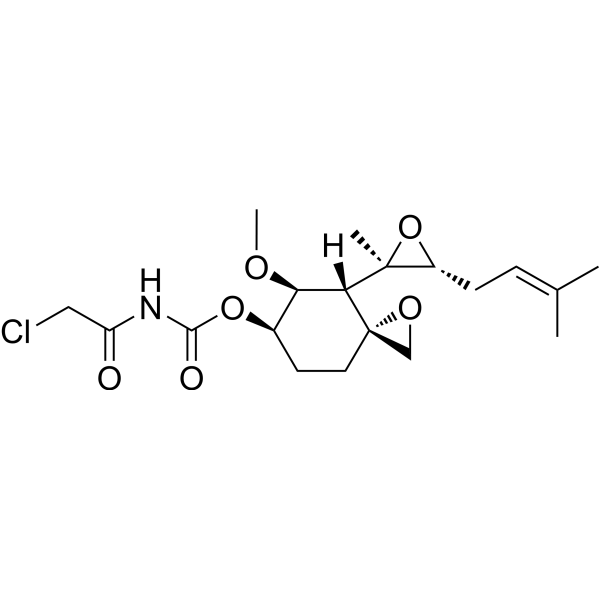
HY-101932
TNP-470Methionine Aminopeptidase-2 Inhibitor -
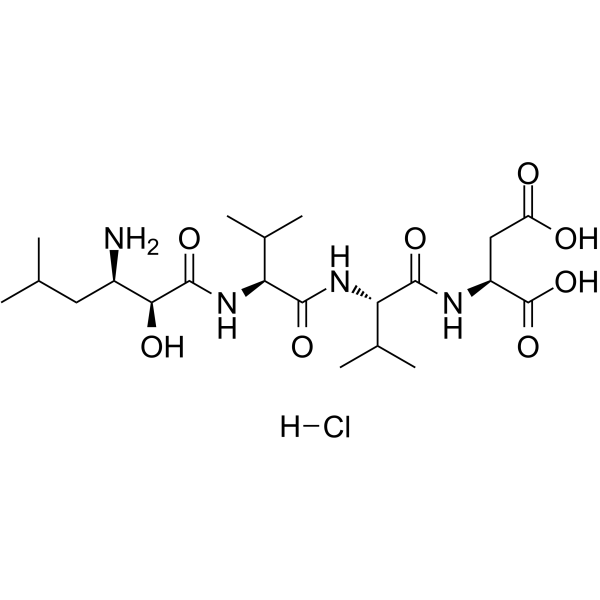
HY-115194
Amastatin hydrochlorideAminopeptidase Inhibitor -
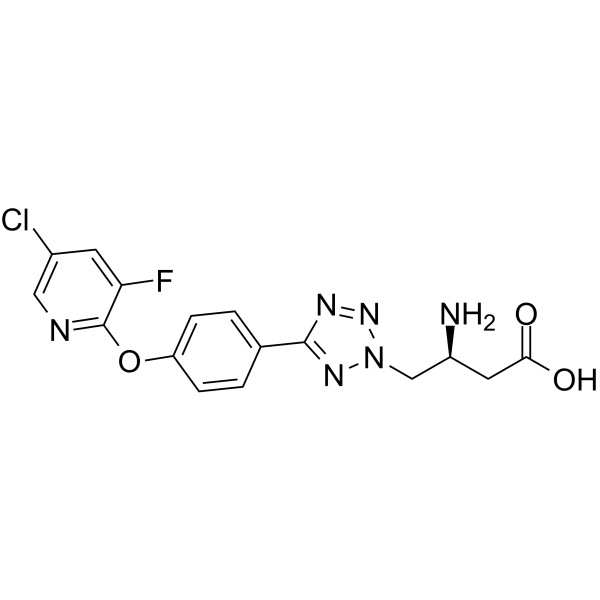
HY-137298
LYS006LTA4H Inhibitor -
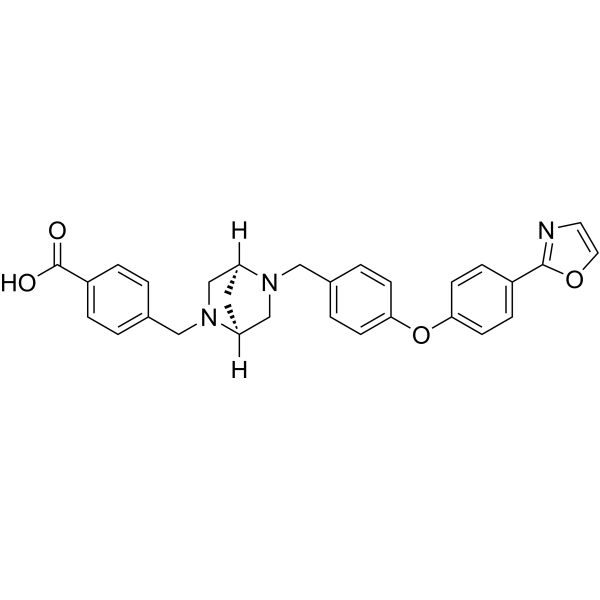
HY-17625
AcebilustatAminopeptidase Inhibitor -
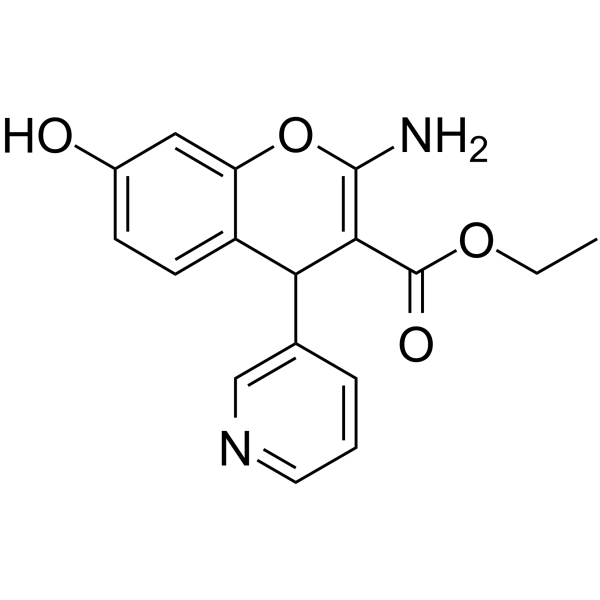
HY-110259
HFI-142IRAP Inhibitor


生物活性
製品説明


化学情報
-
CAS 番号 262451-89-8
-
分子量 267.37
-
分子式 C18H21NO
-
SMILES
N1(CCCC1)CCOC2=CC=C(C=C2)C3=CC=CC=C3
-
輸送条件
Room temperature in continental US; may vary elsewhere.
-
保管条件
Please store the product under the recommended conditions in the Certificate of Analysis.

プロトコル
-
Cell Cytotoxicity Assay
Cytotoxicity assays are usually based on the assessment of cell membrane damage, which can also be indirectly detected by measuring cell viability. Detection methods include MTT assay, CKK-8 assay, LDH assay and ATP assay, etc.
-
Imiquimod-Induced Psoriasiform Dermatitis
Imiquimod (IMQ)-induced psoriasiform dermatitis is a widely used murine model in which topical application of IMQ, a Toll-like receptor 7 (TLR7) agonist, triggers innate immune activation in the skin and induces a psoriasis-like inflammatory cascade characterized by epidermal hyperplasia, immune cell infiltration, and cytokine production dominated by the IL-23/IL-17 axis. This inflammatory response is mediated through activation of dendritic cells and downstream induction of IL-23, IL-17A, IL-22, and related pro-inflammatory mediators, recapitulating key features of human plaque psoriasis and enabling mechanistic and therapeutic studies. The model is commonly induced using Aldara (5% IMQ cream) applied topically to murine skin, resulting in rapid onset of erythema, scaling, and thickening that can be quantified as disease severity indices and validated histologically.
-
DSS-Induced Colitis
Dextran sulfate sodium (DSS)-induced colitis is generated by administering DSS in mouse drinking water, producing epithelial injury, barrier disruption, weight loss, diarrhea, fecal blood, colon shortening, histologic mucosal damage, and inflammatory mediator changes; the model is mainly used to study acute or chronic intestinal inflammation resembling selected features of ulcerative colitis. DSS injury is interpreted through clinical and tissue readouts rather than a single molecular endpoint: daily body weight, stool consistency, and bleeding are combined into a disease activity index, while colon length, histology, cytokines, myeloperoxidase activity, intestinal permeability, and tight-junction markers provide complementary measures of inflammation and barrier damage.
-
TNBS-Induced Colitis
TNBS-induced colitis is produced by intrarectal delivery of 2,4,6-trinitrobenzene sulfonic acid in ethanol, where ethanol disrupts the mucosal barrier and TNBS haptenates colonic proteins, generating immune-mediated colonic inflammation with weight loss, diarrhea, ulceration, transmural injury, inflammatory-cell infiltration, and cytokine responses. The model is used as an experimental intestinal inflammation model with Crohn’s disease–like features, especially when Th1-type responses, IL-12–dependent inflammation, chronic relapsing inflammation, or fibrosis-related endpoints are studied.


純度とドキュメンテーション
参考文献

Calculators
濃度 (開始) × 体積 (開始) = 濃度 (終了) × 体積 (終了)


SC-22716 関連分類
HY-118795 関連分類
 Powered by Bioz