



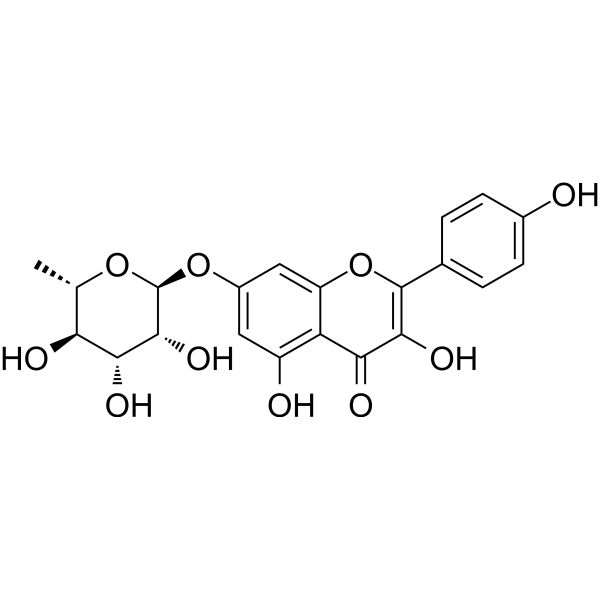
Kaempferol-7-O-rhamnoside

Based on 1 Customer Validation
Kaempferol-7-O-rhamnoside is a PD-1/PD-L1 inhibitor and farnesoid X receptor (FXR) agonist. Kaempferol-7-O-rhamnoside demonstrates cardioprotective potential targeting the AMPKα1 signaling pathway. Kaempferol-7-O-rhamnoside significantly upregulates the mRNA expression of AMPKα1 in H9c2 cardiomyocytes. Kaempferol-7-O-rhamnoside reverses APAP-induced reduction of glutathione (GSH) content and increase of ROS production in L02 cells. Kaempferol-7-O-rhamnoside has the potential for heart failure.
For research use only. We do not sell to patients.
- Purity : 99.18%
- CAS No.: 20196-89-8
- Formula: C21H20O10
- Molecular Weight:432.38
-
Storage:
4°C, protect from light
* In solvent : -80°C, 6 months; -20°C, 1 month (protect from light)

To place orders, for customer services and technical support, please contact: MedChemExpress USA
Tel: 609-228-6898 E-mail: [email protected] [email protected]


-
 Biological Activity
-
Chemical Information
-
Solvent & Solubility
- Protocols
- Purity & Documentation
- References
-
 Help & FAQs


-
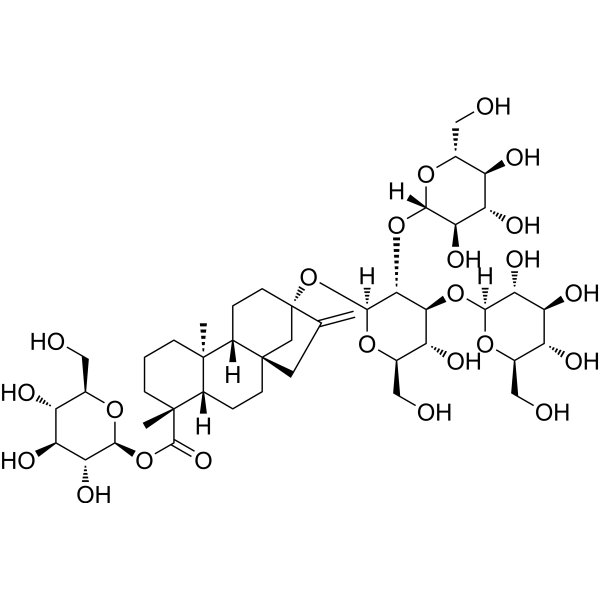
HY-N0466
Rebaudioside Aα-Glucosidase Inhibitor -
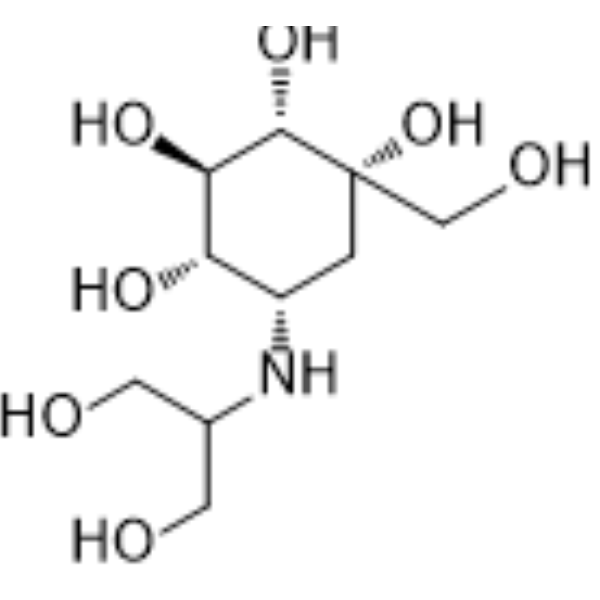
HY-B0025
VogliboseGlucosidase Inhibitor -
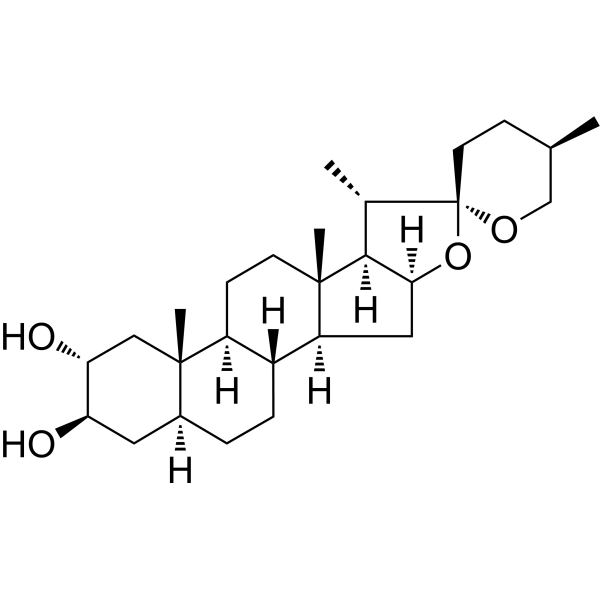
HY-N2574
GitogeninGlucosidase Inhibitor -
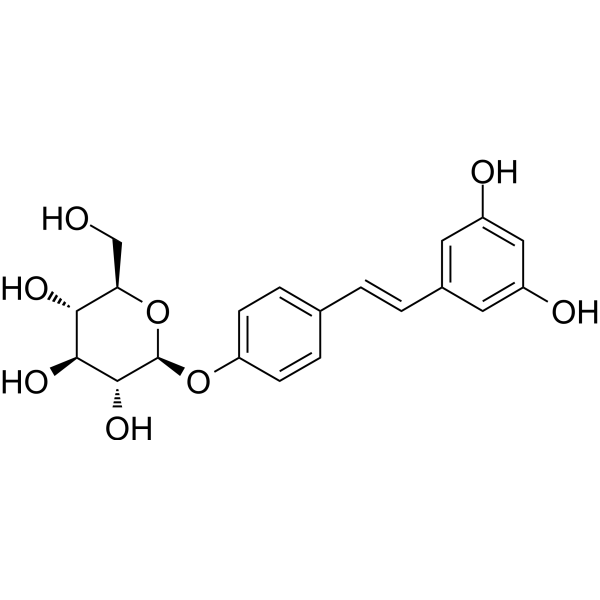
HY-N4195
Resveratrolosideα-Glucosidase Inhibitior -
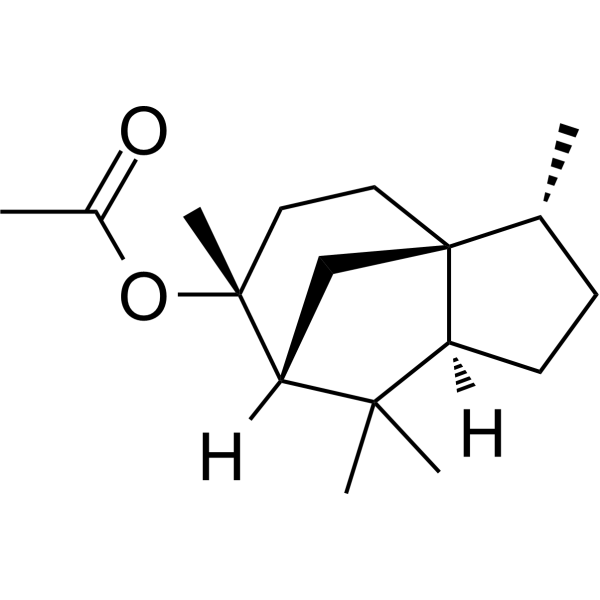
HY-W009417
Cedryl acetateα-glucosidase Inhibitor -
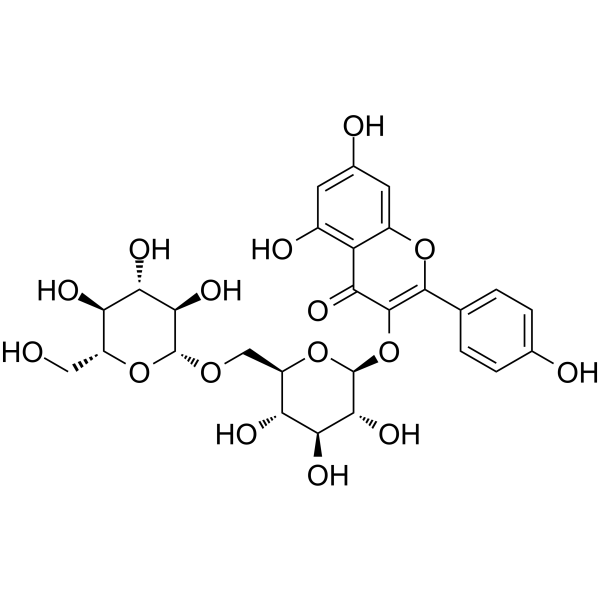
HY-N1510
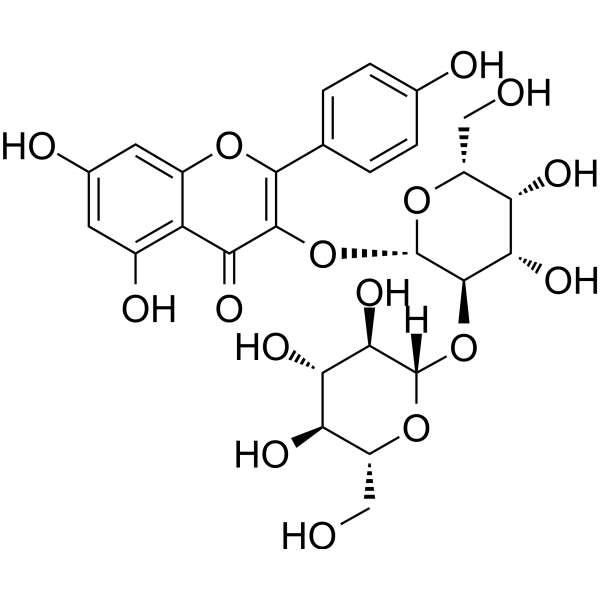
Kaempferol 3-O-gentiobiosideFlavonoid -

HY-W005598
2-Hydroxyquinolineα-Glucosidase/α-Amylase Inhibitor -
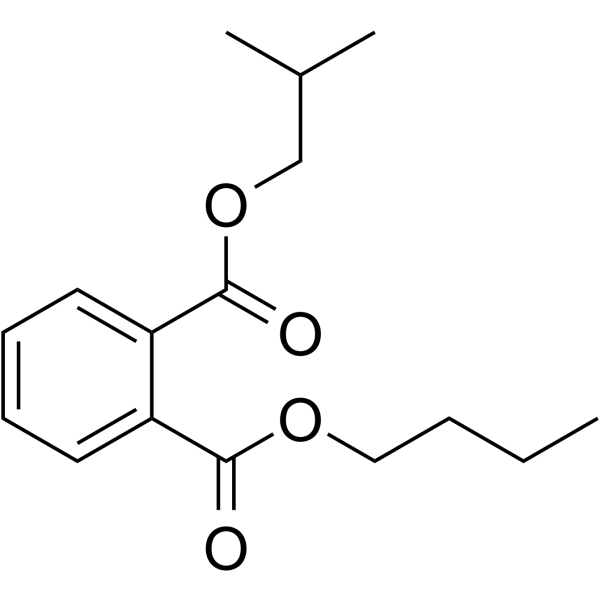
HY-N7377
Butyl isobutyl phthalateα-Glucosidase Inhibitor -
HY-N4258
Panasenosideα-Glucosidase Inhibitor -
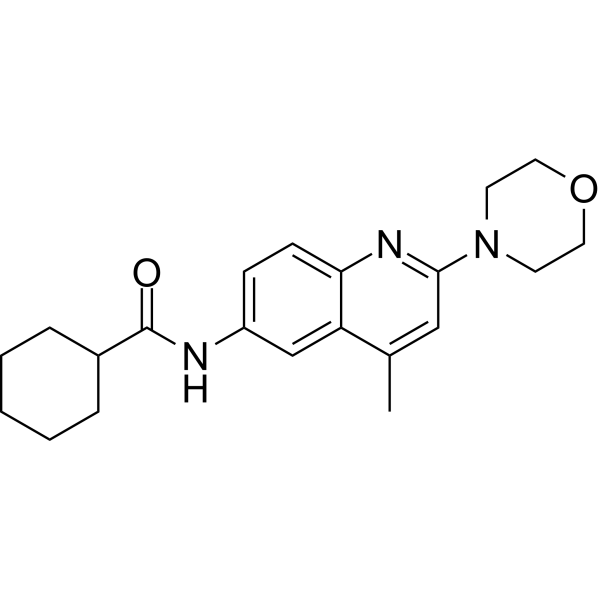
HY-114043
NCGC00092410Glucocerebrosidase Chaperone -
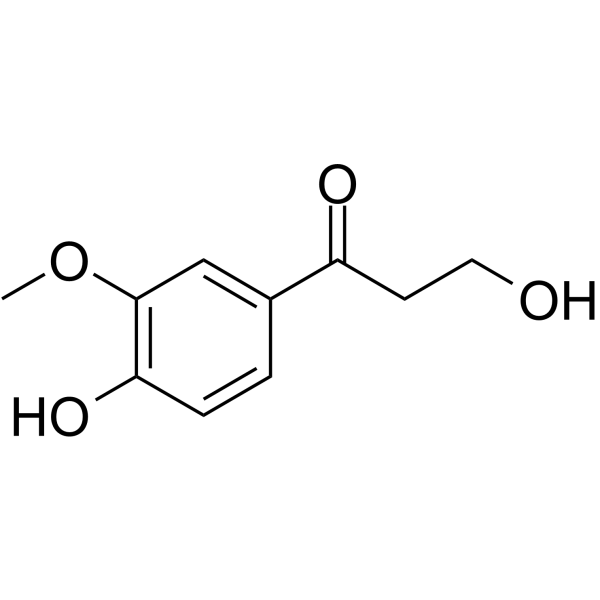
HY-N2929
β-Hydroxypropiovanilloneα-Glucosidase Inhibitor
All AMPK Isoforms
More

Biological Activity
Description
IC50 & Target
α-glucosidase activity[1]
In Vitro
Kaempferol-7-O-rhamnoside (24 h) blocks PD-1/PD-L1 interaction in a dose-dependent manner via activating NFAT transcriptional activity in the co-culture system of PD-1 Jurkat cells and PD-L1/aAPC CHO-K1 cells[1].
Kaempferol-7-O-rhamnoside (100-500 μM) exerts no significant cytotoxicity on H9c2 cardiomyocytes, and effectively protects H9c2 cardiomyocytes against H2O2-induced damage, as evidenced by the improvement of cell viability[2].
Kaempferol-7-O-rhamnoside (100-500 μM) significantly upregulates the mRNA expression level of AMPKα1 in H9c2 cardiomyocytes, with a strong positive correlation between its concentration and AMPKα1 expression[2].
Kaempferol-7-O-rhamnoside (25-100 μM, 24 h) inhibits AST and AKP activities in APAP-induced L02 cells[3].
Kaempferol-7-O-rhamnoside (100 μM, 24 h) significantly reduces the increase of ROS production in APAP-induced L02 cells[3].
Kaempferol-7-O-rhamnoside (25-100 μmol/L, 24 h) significantly up-regulates the mRNA expression of FXR and down-regulates the mRNA expression of Cyp7a1 in APAP-induced L02 cells[3].
MedChemExpress (MCE) has not independently confirmed the accuracy of these methods. They are for reference only. Further protocols information, click here.


Chemical Information
-
CAS No. 20196-89-8
-
Appearance Solid
-
Molecular Weight 432.38
-
Formula C21H20O10
-
Color Off-white to yellow
-
SMILES
O=C1C(O)=C(C2=CC=C(O)C=C2)OC3=CC(O[C@H]4[C@@H]([C@@H]([C@H]([C@H](C)O4)O)O)O)=CC(O)=C13
-
Structure Classification
-
Shipping
Room temperature in continental US; may vary elsewhere.
-
Storage
4°C, protect from light
* In solvent : -80°C, 6 months; -20°C, 1 month (protect from light)


Solvent & Solubility
In Vitro:
DMSO : 100 mg/mL (231.28 mM; Need ultrasonic; Hygroscopic DMSO has a significant impact on the solubility of product, please use newly opened DMSO)
Please refer to the solubility information to select the appropriate solvent. Once prepared, please aliquot and store the solution to prevent product inactivation from repeated freeze-thaw cycles.
Storage method and period of stock solution: -80°C, 6 months; -20°C, 1 month (protect from light). When stored at -80°C, please use it within 6 months. When stored at -20°C, please use it within 1 month.
Please refer to the solubility information to select the appropriate solvent. Once prepared, please aliquot and store the solution to prevent product inactivation from repeated freeze-thaw cycles.
Storage method and period of stock solution: -80°C, 6 months; -20°C, 1 month (protect from light). When stored at -80°C, please use it within 6 months. When stored at -20°C, please use it within 1 month.
Concentration (start) × Volume (start) = Concentration (final) × Volume (final)

Protocols
-
RT-PCR
Reverse transcription technology uses RNA as a template to synthesize DNA. RT-PCR is simple, specific and sensitive, and can be used to detect gene expression levels and expression differences in cells; detect RNA virus content; clone cDNA sequences of specific genes.
-
RNA extraction experimental
By lysing cells, releasing RNA, and removing impurities such as proteins and DNA, high-purity RNA products are finally obtained. The commonly used traditional method is the guanidine isothiocyanate/phenol/chloroform method (Trizol), which is suitable for a variety of animal materials including animal tissues, microorganisms, cultured cells, etc., and most plant materials.
-
ROS/oxidative-stress fluorescent staining
ROS/oxidative-stress fluorescent staining uses cell-permeant fluorogenic probes that become fluorescent after oxidation inside cells or tissues; commonly used examples include DCFH-DA/DCFDA for broad cellular oxidant detection, DHE for superoxide-related signal detection, MitoSOX for mitochondrial superoxide-related signal detection, and CellROX probes for oxidative-stress-associated fluorescence readouts. The assay detects probe oxidation rather than a single ROS species unless the probe and analysis method have been chemically validated for that species. DCFH-DA enters cells, is deacetylated by intracellular esterases to DCFH, and produces fluorescent DCF after oxidation, so the readout is used as an operational measure of total cellular oxidative stress rather than a species-specific ROS measurement. DHE and MitoSOX can report superoxide-related oxidation, but red fluorescence alone can include non-specific ethidium-like oxidation products; HPLC or optimized spectral approaches are
-
Research Protocol for Cardiovascular Diseases
Cardiovascular disease can be modeled as maladaptive cardiac remodeling, where ischemic injury or pressure overload activates inflammatory signaling, fibroblast activation, extracellular-matrix deposition, cardiomyocyte hypertrophy, vascular remodeling, and progressive ventricular dysfunction. The TGF-β/SMAD axis is a central profibrotic pathway after myocardial injury and pressure overload, while innate immune and cytokine pathways regulate leukocyte recruitment, scar formation, and adverse remodeling. Key unresolved questions include which inflammatory signals are reparative versus harmful, when fibrosis is protective versus maladaptive, and whether pathway inhibition improves function without weakening necessary infarct healing or compensatory remodeling.
-
Real Time qPCR (Q-PCR)
Real-time quantitative PCR (qPCR) quantifies an amplifiable nucleic-acid target by monitoring fluorescence during PCR cycling rather than measuring product only after amplification. The increase in fluorescence tracks accumulation of PCR product, and the quantification cycle (Cq; historically also Ct/CP) is related to the initial amount of target: samples containing more starting target generally reach the defined fluorescence threshold in fewer cycles.


Purity & Documentation
-
Data Sheet (274 KB)
-
SDS (394 KB)
- English - EN (394 KB)
- Français - FR (394 KB)
- Deutsch - DE (394 KB)
- Norwegian - NO (394 KB)
- Español - ES (394 KB)
- Swedish - SV (394 KB)
- Italian - IT (394 KB)
- Korean - KR (394 KB)
- Portuguese - PT (394 KB)
-
Handling Instructions (2659 KB)
References
[1]. Kim JH, et al. Kaempferol and Its Glycoside, Kaempferol 7-O-Rhamnoside, Inhibit PD-1/PD-L1 Interaction In Vitro. Int J Mol Sci. 2020 May 3;21(9):3239. [Content Brief]
[2]. Li Z, et al. Decoding the anti-heart failure effects of Xinbao Pills: AMPKα1 activation and active compound screening. Phytomedicine. 2025 Sep;145:157016. [Content Brief]
[3]. Liu K, et al. Identification of a novel farnesoid X receptor agonist, kaempferol-7-O-rhamnoside, a compound ameliorating drug-induced liver injury based on virtual screening and in vitro validation. Toxicol Appl Pharmacol. 2022 Nov 1;454:116251. [Content Brief]


Complete Stock Solution Preparation Table
Please refer to the solubility information to select the appropriate solvent. Once prepared, please aliquot and store the solution to prevent product inactivation from repeated freeze-thaw cycles.
Storage method and period of stock solution: -80°C, 6 months; -20°C, 1 month (protect from light). When stored at -80°C, please use it within 6 months. When stored at -20°C, please use it within 1 month.
| Optional Solvent | Concentration Solvent Mass | 1 mg | 5 mg | 10 mg | 25 mg |
|---|---|---|---|---|---|
| DMSO | 1 mM | 2.3128 mL | 11.5639 mL | 23.1278 mL | 57.8195 mL |
| 5 mM | 0.4626 mL | 2.3128 mL | 4.6256 mL | 11.5639 mL | |
| 10 mM | 0.2313 mL | 1.1564 mL | 2.3128 mL | 5.7820 mL | |
| 15 mM | 0.1542 mL | 0.7709 mL | 1.5419 mL | 3.8546 mL | |
| 20 mM | 0.1156 mL | 0.5782 mL | 1.1564 mL | 2.8910 mL | |
| 25 mM | 0.0925 mL | 0.4626 mL | 0.9251 mL | 2.3128 mL | |
| 30 mM | 0.0771 mL | 0.3855 mL | 0.7709 mL | 1.9273 mL | |
| 40 mM | 0.0578 mL | 0.2891 mL | 0.5782 mL | 1.4455 mL | |
| 50 mM | 0.0463 mL | 0.2313 mL | 0.4626 mL | 1.1564 mL | |
| 60 mM | 0.0385 mL | 0.1927 mL | 0.3855 mL | 0.9637 mL | |
| 80 mM | 0.0289 mL | 0.1445 mL | 0.2891 mL | 0.7227 mL | |
| 100 mM | 0.0231 mL | 0.1156 mL | 0.2313 mL | 0.5782 mL |


Kaempferol-7-O-rhamnoside Related Classifications
HY-N3431 Related Classifications
 Powered by Bioz