



mTOR inhibitor-2
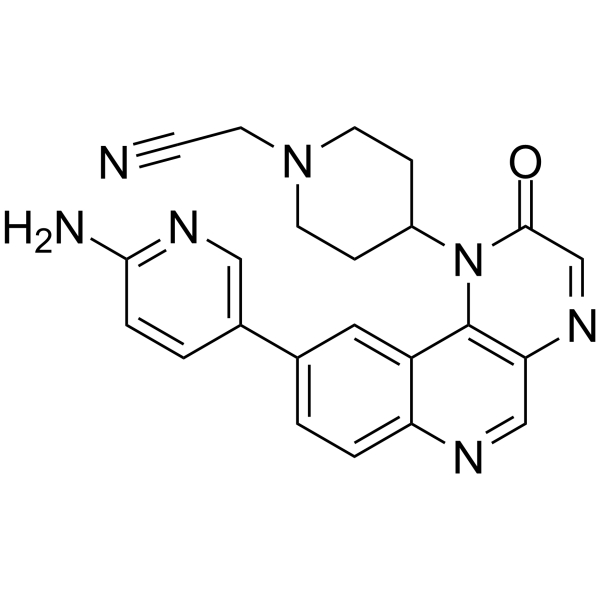
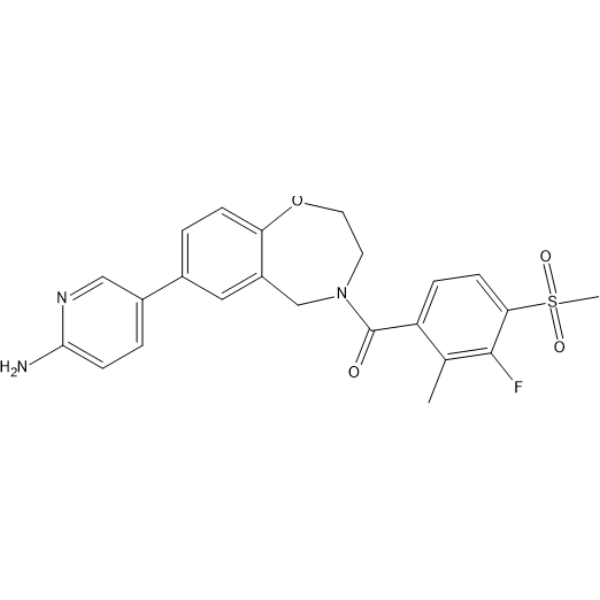
mTOR inhibitor-2 is a highlt potent, selective and oral mTOR inhibitor with an IC50 of 7 nM. mTOR inhibitor-2 inhibits cellular phosphorylation of mTORC1 (pS6 and p4E-BP1) and mTORC2 (pAKT (S473)) substrates.
For research use only. We do not sell to patients.
- CAS No.: 2219323-96-1
- Formula: C23H21N7O
- Molecular Weight:411.46
-
Storage:
Please store the product under the recommended conditions in the Certificate of Analysis.

To place orders, for customer services and technical support, please contact: MedChemExpress USA
Tel: 609-228-6898 E-mail: [email protected] [email protected]


-
 Biological Activity
-
Chemical Information
- Protocols
- Purity & Documentation
- References
-
 Help & FAQs


-
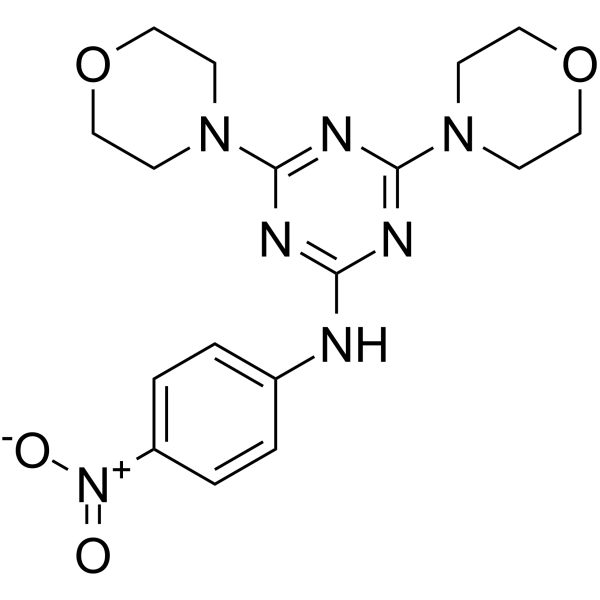
HY-B0795
MHY1485mTOR Activator -
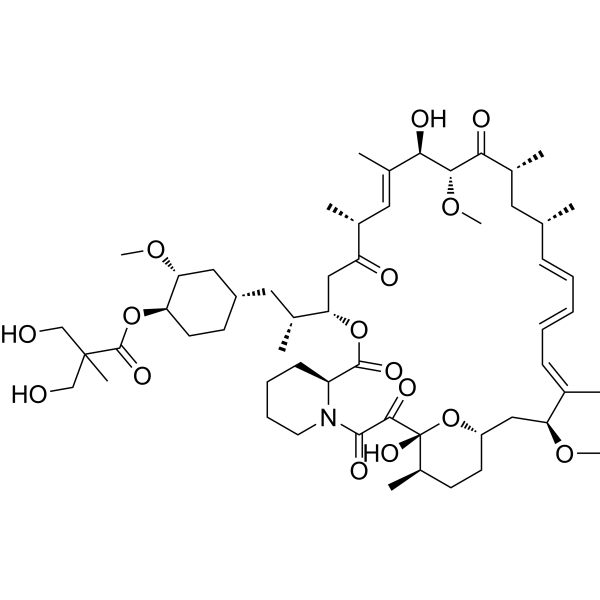
HY-50910
TemsirolimusmTOR Inhibitor -
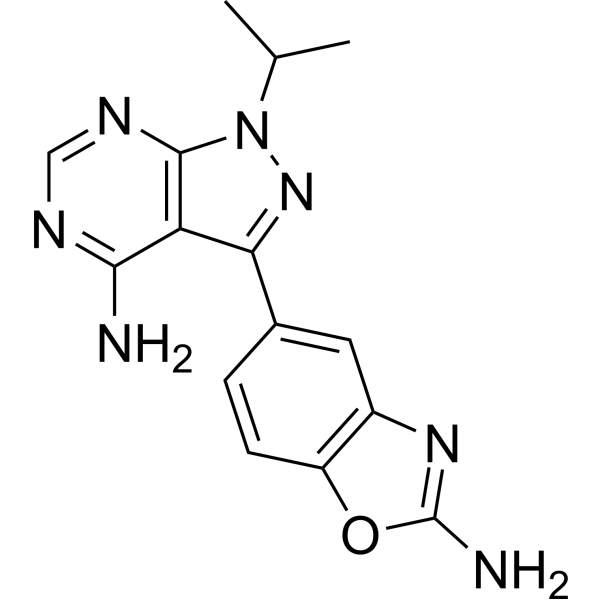
HY-13328
SapanisertibmTORC1/mTORC2 Inhibitor -
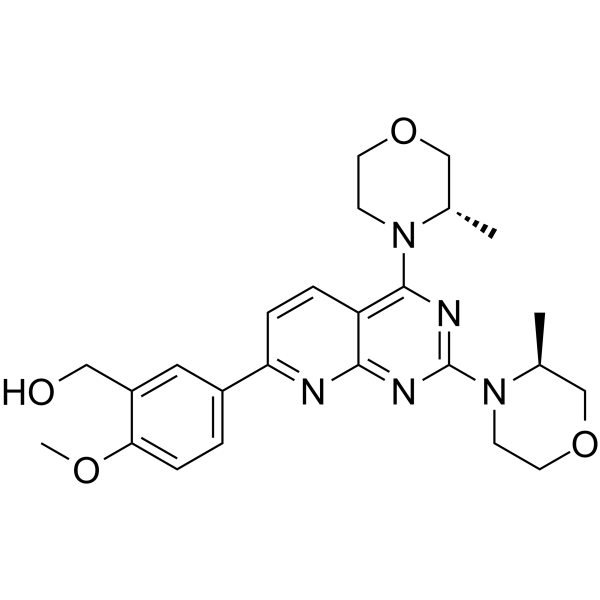
HY-10422
AZD-8055mTOR Inhibitor -
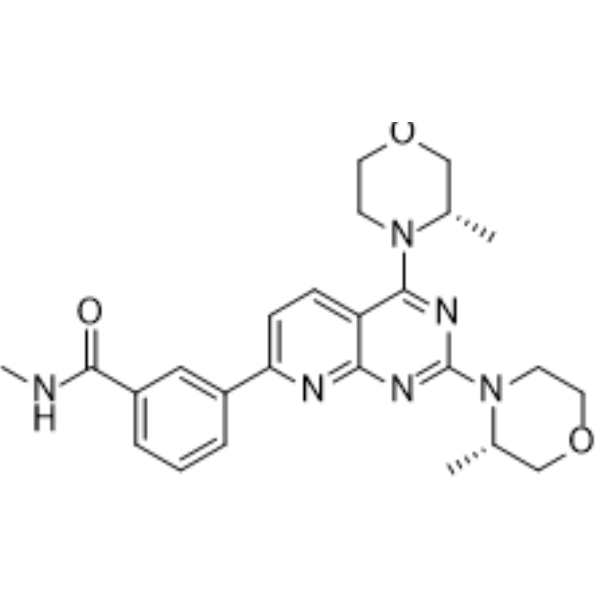
HY-15247
VistusertibmTORC Inhibitor -
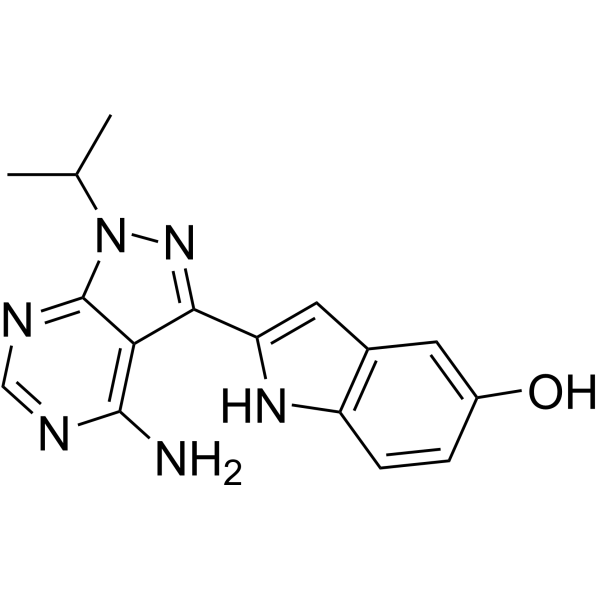
HY-10474
TorkinibmTOR Inhibitor -
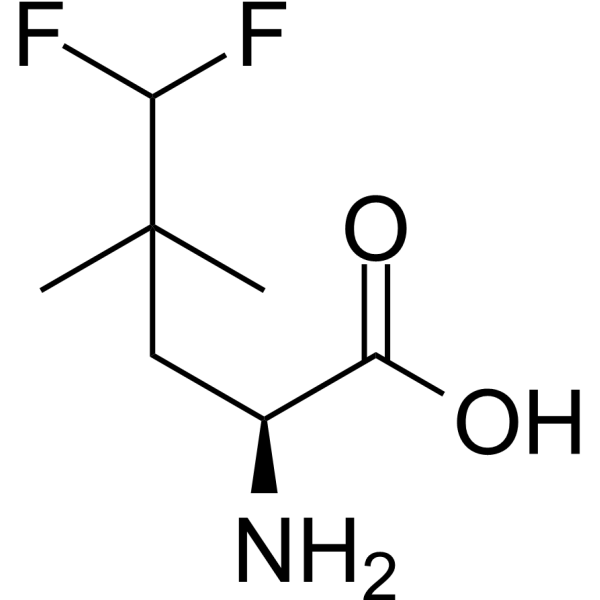
HY-114384
MefluleucinemTORC1 Activator -
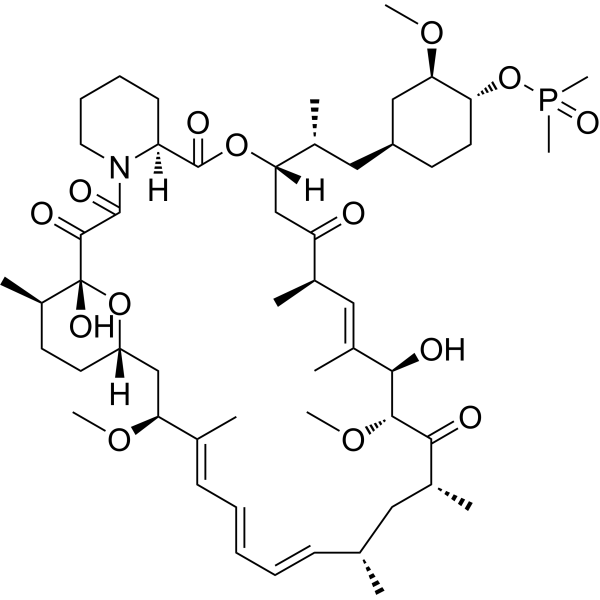
HY-50908
RidaforolimusmTOR Inhibitor -
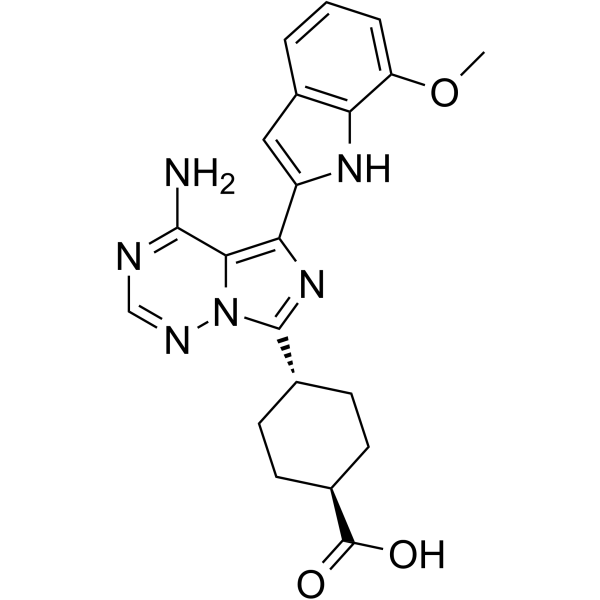
HY-10423
OSI-027mTOR Inhibitor -
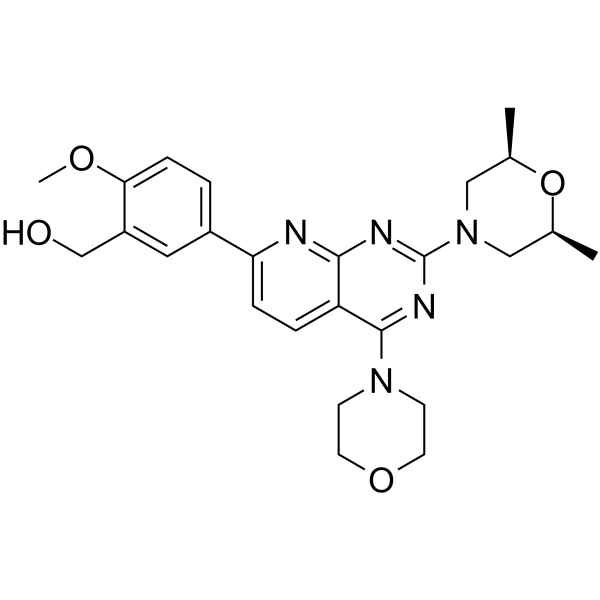
HY-50710
KU-0063794Specific mTOR Inhibitor -
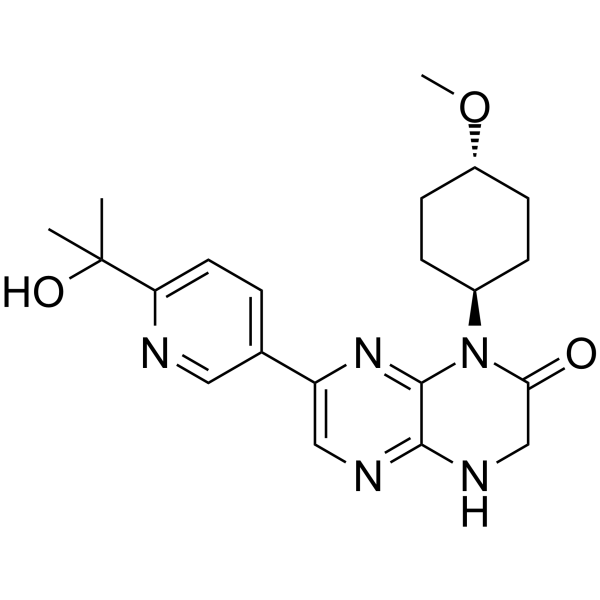
HY-16956
OnatasertibmTOR Inhibitor -
HY-13806
XL388mTOR Inhibitor


Biological Activity
Description
IC50 & Target
|
mTOR 7 nM (IC50) |
Cellular Effect
|
Cell Line

|
Type | Value | Description | References |
|---|---|---|---|---|
| HeLa | IC50 |
441 nM
Compound: 9m
|
Growth inhibition of human HeLa cells after 72 hrs by CCK8 assay
Growth inhibition of human HeLa cells after 72 hrs by CCK8 assay
|
[PMID: 29308895] |
| MCF7 | IC50 |
103 nM
Compound: 9m
|
Growth inhibition of human MCF7 cells after 72 hrs by CCK8 assay
Growth inhibition of human MCF7 cells after 72 hrs by CCK8 assay
|
[PMID: 29308895] |
| MDA-MB-231 | IC50 |
100 nM
Compound: 9m
|
Growth inhibition of human MDA-MB-231 cells after 72 hrs by CCK8 assay
Growth inhibition of human MDA-MB-231 cells after 72 hrs by CCK8 assay
|
[PMID: 29308895] |
| NCI-H460 | IC50 |
1775 nM
Compound: 9m
|
Growth inhibition of human H460 cells after 72 hrs by CCK8 assay
Growth inhibition of human H460 cells after 72 hrs by CCK8 assay
|
[PMID: 29308895] |
| OVCAR-5 | IC50 |
2831 nM
Compound: 9m
|
Growth inhibition of human OVCAR5 cells after 72 hrs by CCK8 assay
Growth inhibition of human OVCAR5 cells after 72 hrs by CCK8 assay
|
[PMID: 29308895] |
| SiHa | IC50 |
110 nM
Compound: 9m
|
Growth inhibition of human SiHa cells after 72 hrs by CCK8 assay
Growth inhibition of human SiHa cells after 72 hrs by CCK8 assay
|
[PMID: 29308895] |
| SK-OV-3 | IC50 |
1850 nM
Compound: 9m
|
Growth inhibition of human SKOV3 cells after 72 hrs by CCK8 assay
Growth inhibition of human SKOV3 cells after 72 hrs by CCK8 assay
|
[PMID: 29308895] |
| T47D | IC50 |
205 nM
Compound: 9m
|
Growth inhibition of human T47D cells after 72 hrs by CCK8 assay
Growth inhibition of human T47D cells after 72 hrs by CCK8 assay
|
[PMID: 29308895] |


Chemical Information
-
CAS No. 2219323-96-1
-
Molecular Weight 411.46
-
Formula C23H21N7O
-
SMILES
O=C(N1C2CCN(CC#N)CC2)C=NC3=C1C4=CC(C5=CN=C(N)C=C5)=CC=C4N=C3
-
Shipping
Room temperature in continental US; may vary elsewhere.
-
Storage
Please store the product under the recommended conditions in the Certificate of Analysis.

Protocols
-
Kinase activity and phosphorylation assays
Kinase activity assays measure the ability of kinases to transfer phosphate groups from ATP to specific substrates, while phosphorylation assays detect the presence and levels of phosphorylated proteins. Common methods include radiolabeled ATP incorporation (e. g. ,), ADP release detection via bioluminescence (e. g. ,[3]), enzyme-linked immunosorbent assays (ELISA) for phospho-specific epitopes (e. g. ,[6]), and microtiter-based formats for high-throughput screening (e. g. ,[8]). The ADP-Glo assay quantifies kinase activity by measuring ADP produced during phosphorylation using a luciferase-based system. Radiometric assays involve autoradiography or scintillation counting after incorporation of 32P-labeled ATP into substrate proteins. ELISA-based approaches rely on phospho-specific antibodies to detect activated kinases in cell lysates or purified samples.
-
Western Blot
Western blotting (WB) is a commonly used experimental method in molecular biology, biochemistry, and immunogenetics for identifying and quantifying target proteins. It combines gel electrophoresis with immunoassay, enabling researchers to analyze protein expression, post-translational modifications, and molecular weight.
-
Protocol for Kinase activity and phosphorylation assays
Kinase activity assays measure transfer of phosphate from ATP to a protein or peptide substrate, generating phosphorylated substrate, ADP, or incorporated radiolabeled phosphate as the readout; phosphorylation assays measure site-specific phosphorylation in cells or tissues as a proxy for kinase-pathway activation, inhibition, or substrate regulation. Phosphorylation can be detected by phospho-specific Western blot, immunoprecipitation kinase assay, phospho-immunofluorescence, phospho-flow cytometry, luminescent ADP detection, radiolabeled ATP incorporation, or reporter-based pathway assays, and these readouts can be applied to cancer cells, primary neurons, mouse tumors, organoids, inflammatory macrophages, ferroptosis studies, and mitophagy studies when the kinase target is biologically relevant.


Purity & Documentation
References

Calculators
Concentration (start) × Volume (start) = Concentration (final) × Volume (final)


mTOR inhibitor-2 Related Classifications
HY-111370 Related Classifications
 Powered by Bioz