



Buffer Reagents
Buffer solutions are generally composed of mixtures of weak acids or weak bases and their corresponding salts,commonly used to maintain the stability of the pH value of the reaction system and ensure the integrity of biomolecules and reactions.
MCE provides a range of high-purity grade raw materials that can be used to prepare various buffer solutions such as inorganic salt buffers, zwitterionic buffers and PCR buffers.
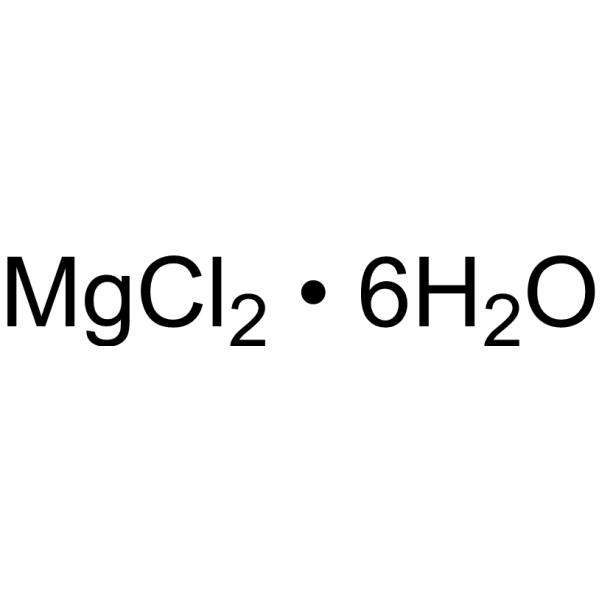
- Formula: Cl2H12MgO6
- Molecular Weight: 203.30
Magnesium chloride hexahydrate (MgCl2 hexahydrate), for molecular biology is the hexahydrate form of magnesium dichloride. Magnesium chloride hexahydrate can be used as a source of magnesium ion and a co-foactor for many enzymes. Magnesium chloride hexahydrate increases the activity of Ca2+ ATPase.

- Formula: CH3CO2NH4
- Molecular Weight: 77.08
Ammonium acetate, for molecular biology, 98% is a biochemical reagent that can be used as a biological material or organic compound for life science related research.

- Formula: KCl
- Molecular Weight: 74.55
Potassium chloride, AR, 99.5% is extensively used as a potassium supplement. Potassium chloride, AR, 99.5% is a readily available potassium fertilizer. Potassium chloride is promising for research of hyperkalaemia.

- Formula: FeSO4.7H2O
- Molecular Weight: 278.01
Iron(II) sulfate heptahydrate, for cell culture, 99% (Ferrous sulfate heptahydrate, for cell culture, 99%) is an orally active iron salt. Iron(II) sulfate heptahydrate, for cell culture, 99% replaces iron found in hemoglobin and myoglobin, allowing for the transportation of oxygen via hemoglobin. Iron(II) sulfate heptahydrate, for cell culture, 99% is mainly used for the prevention of iron-deficiency anemia. Iron(II) sulfate heptahydrate, for cell culture, 99% also has anti-tumor effects on chronic myeloid leukemia and breast cancer.
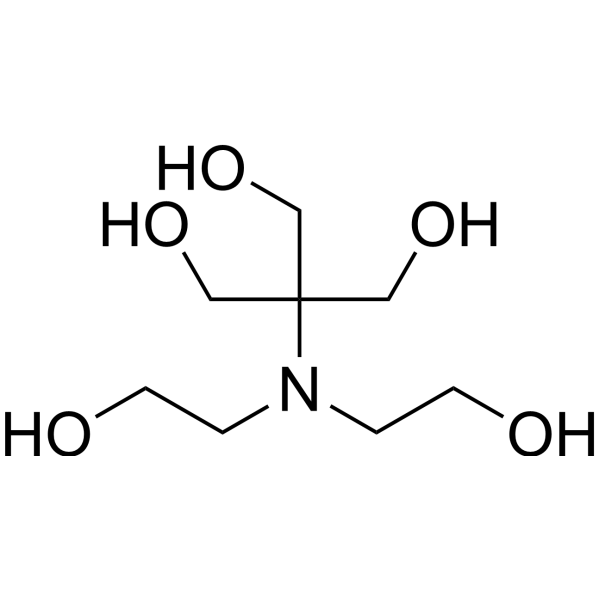
- Formula: C8H19NO5
- Molecular Weight: 209.24
Bis-Tris is an amine buffer suitable for protein and nucleic acid systems with a pH buffer range of 5.8-7.2. Bis-Tris can also be mixed with HEPES and cacodylic acid buffer to create a pH 8 environment and monitor fluorescence emission intensity at 305 nm. Gels formulated with Bis-Tris also avoid protein degradation in samples prepared at higher pH (pH 8.5).

- Formula: C2H4O2.3H2O.Na
- Molecular Weight: 137.09
Sodium acetate trihydrate, 99.5% is a carboxylic acid and short-chain fatty acid (SCFAs). Sodium acetate trihydrate activates AMPK, increases ROS, cleaved caspase 9, PPARα, downregulates SREBP-1c, ChREBP expression. Sodium acetate trihydrate exhibits antifungal activity against Saccharomyces cerevisiae W303-1A. Sodium acetate trihydrate regulates energy metabolism. Sodium acetate trihydrate has anticancer activity against gastric cancer. Sodium acetate trihydrate induces writhing reaction and ulcerative colitis. Sodium acetate trihydrate can be used in the researches for gastric cancer, ulcerative colitis, hepatic steatosis, and pain.
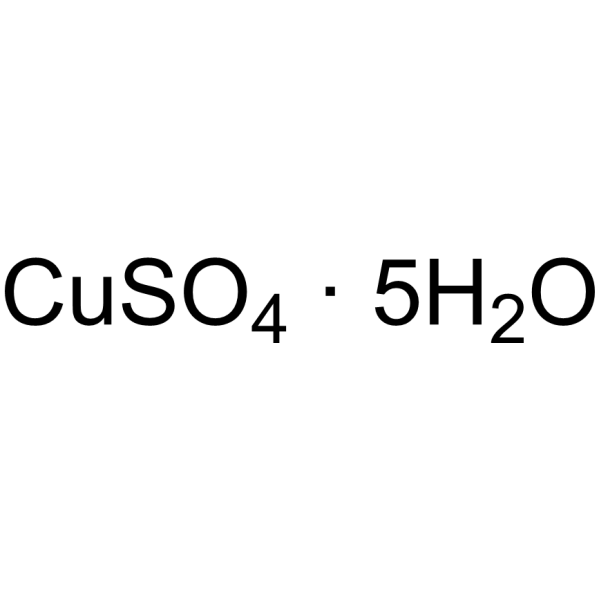
- Formula: CuSO4·5H2O
- Molecular Weight: 249.69
Copper sulfate pentahydrate, for cell culture, 98% is a biochemical reagent. Copper sulfate pentahydrate, for cell culture, 98% reduces the production of ROS and the expression levels of MyD88 as well as c-Rel genes. Copper sulfate pentahydrate, for cell culture, 98% decreases the activities of T-SOD, CAT, and GSH, increases the activities of caspase-3, caspase-8, and caspase-9. Copper sulfate pentahydrate, for cell culture, 98% is cytotoxic to various cells.
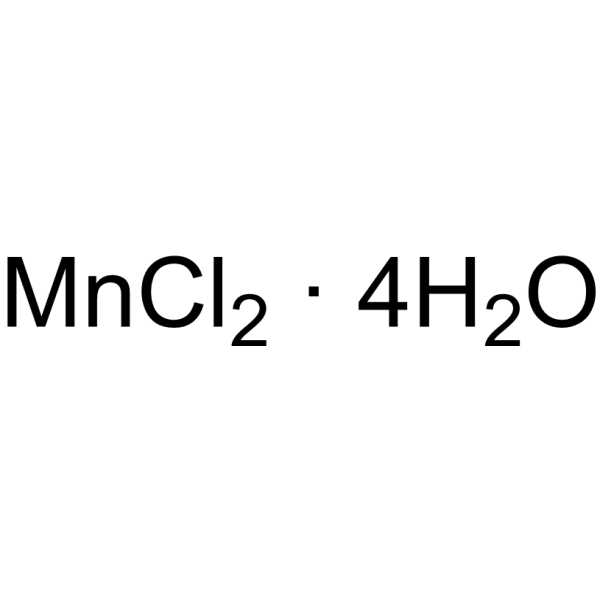
- Formula: Cl2H8MnO4
- Molecular Weight: 197.91
Manganese chloride (tetrahydrate), molecular biology grade,≥99.0% (KT) is an orally active and a blood-brain barrier penetrant compound. It affects the activities of multiple enzymes in cells, such as regulating the activities of histone acetyltransferase (HAT) and histone deacetylase (HDAC), thereby affecting gene expression. It has multiple activities such as neurotoxicity, embryotoxicity, and reproductive toxicity. It is currently mainly used in neurodegenerative diseases and toxicology research.
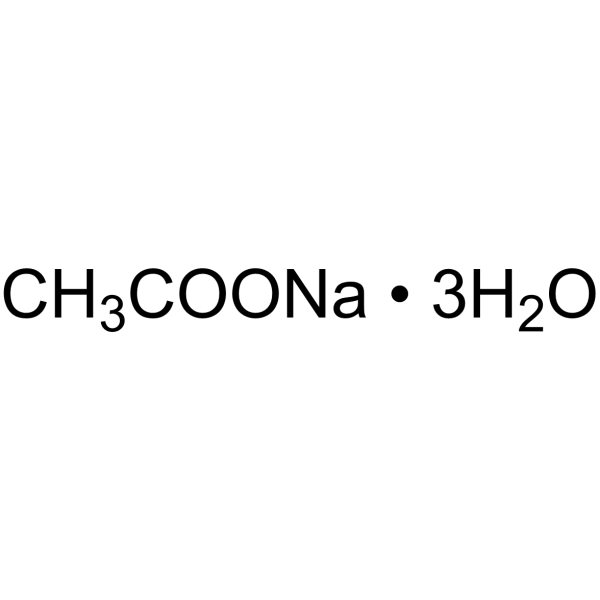
- Formula: C2H9NaO5
- Molecular Weight: 136.08
Sodium acetate trihydrate, meets analytical specification of Ph. Eur. BP USP FCC E262, ≤0.00002% Al is a carboxylic acid and short-chain fatty acid (SCFAs). Sodium acetate trihydrate activates AMPK, increases ROS, cleaved caspase 9, PPARα, downregulates SREBP-1c, ChREBP expression. Sodium acetate trihydrate exhibits antifungal activity against Saccharomyces cerevisiae W303-1A. Sodium acetate trihydrate regulates energy metabolism. Sodium acetate trihydrate has anticancer activity against gastric cancer. Sodium acetate trihydrate induces writhing reaction and ulcerative colitis. Sodium acetate trihydrate can be used in the researches for gastric cancer, ulcerative colitis, hepatic steatosis, and pain.

- Formula: KCl
- Molecular Weight: 74.55
Potassium chloride, for cell culture is potassium chloride that can be used for cell culture. Potassium chloride, for cell culture increases extracellular potassium ion concentration to induce cellular depolarization, thereby activating voltage-gated calcium channels and regulating intracellular calcium signaling. Potassium chloride, for cell culture upregulates Brn-5. Potassium chloride, for cell culture inhibits the proliferation of neurons and some plant cells.
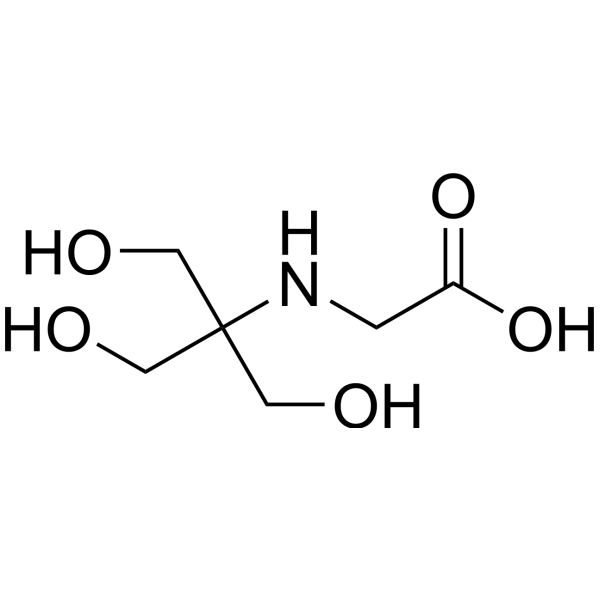
- Formula: C6H13NO5
- Molecular Weight: 179.17
Tricine is widely used as a buffer in protein electrophoresis, nucleic acid analysis, and immunology, which can help adjust pH and stabilize chemical reactions. In addition, the compound can also be used in research in certain medical fields, such as in antibody detection and drug screening.
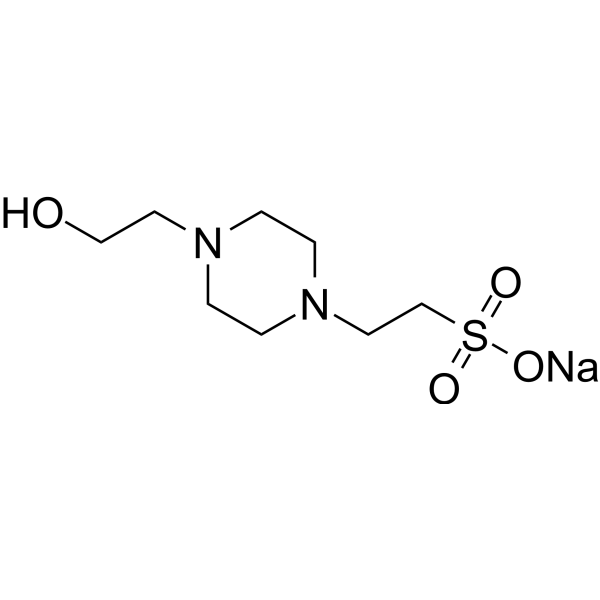
- Formula: C8H17N2NaO4S
- Molecular Weight: 260.29
HEPES sodium, a nonvolatile zwitterionic chemical buffering agent, is broadly applied in cell culture. HEPES sodium is effective at pH 6.8 to 8.2. HEPES sodium is also a potent inducer of lysosome biogenesis.
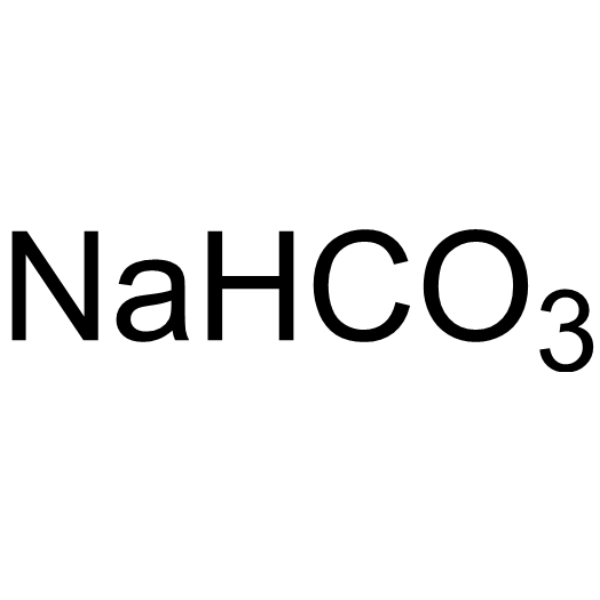
- Formula: NaHCO3
- Molecular Weight: 84.01
Sodium bicarbonate, for cell culture (Sodium hydrogen carbonate for cell culture; Soda bicarbonate for cell culture) is an inorganic salt that is neutral to slightly alkaline and easily decomposes when exposed to moisture in the air. Sodium bicarbonate, for cell culture can maintain the pH of the culture medium, thereby affecting the expression of inducible nitric oxide synthase (iNOS) and nitric oxide (NO) production in macrophages and reversing the acidosis of the tumor microenvironment. Sodium bicarbonate is widely used in the fields of food, medicine, cosmetics, etc. Its main uses include buffers, flavoring agents, disinfectants, pharmaceuticals, and proton gradient regulators. Sodium bicarbonate is also commonly used as an antacid to inhibit gastrointestinal diseases, neutralize gastric acid, and reduce gastric discomfort.
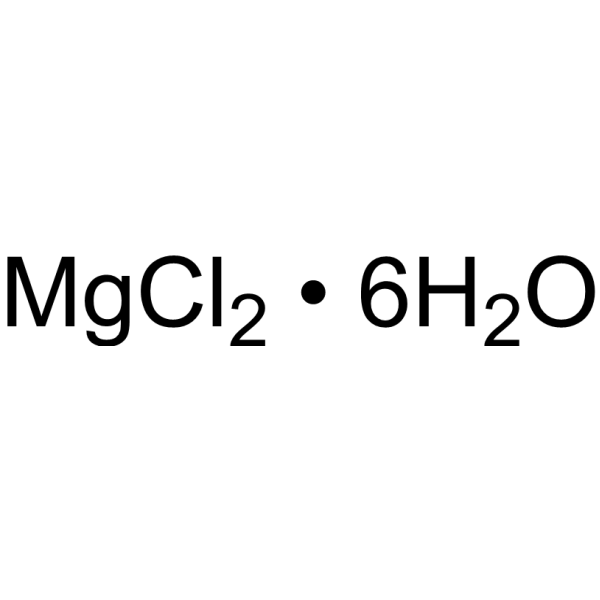
- Formula: Cl2H12MgO6
- Molecular Weight: 203.30
Magnesium chloride hexahydrate (MgCl2 hexahydrate), for cell culture is the hexahydrate form of magnesium dichloride. Magnesium chloride hexahydrate, for cell culture can be used as a source of magnesium ion and a co-foactor for many enzymes. Magnesium chloride hexahydrate, for cell culture increases the activity of Ca2+ ATPase.

- Formula: CaCl2
- Molecular Weight: 110.98
Calcium chloride anhydrous, powder, 97% is an inorganic salt for the preparation of various buffers.
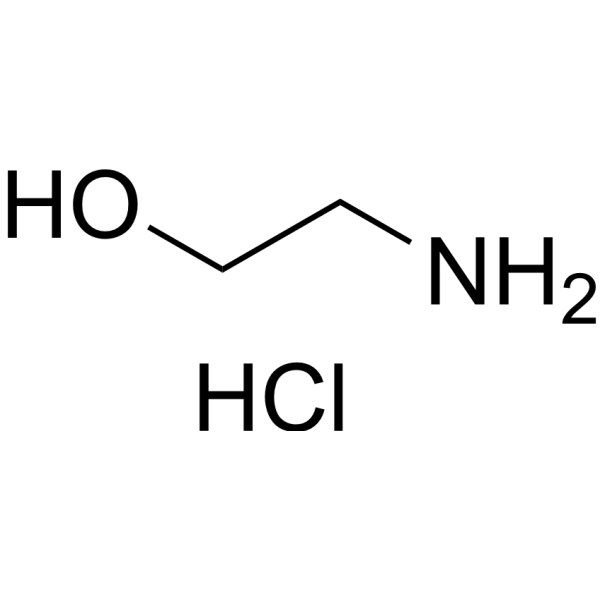
- Formula: C2H8ClNO
- Molecular Weight: 97.54
Ethanolamine hydrochloride, is an organic compound used in various industrial applications. It is a white or colorless solid that is soluble in water and has a faint odor. One of the major uses of Ethanolamine hydrochloride is in the production of detergents and surfactants. Used as a raw material in the manufacture of compounds such as ethylenediaminetetraacetic acid (EDTA) and diethanolamine, which are commonly used in household and industrial cleaning products. Ethanolamine hydrochloride is also used in the synthesis of pharmaceuticals, agrochemicals and rubber processing agents. It acts as a buffer in certain chemical reactions, helping to adjust pH and maintain stability. Ethanolamine hydrochloride can be used for gas purification and metal corrosion inhibitor. Its ability to react with acid gases such as carbon dioxide and sulfur dioxide makes it useful for removing impurities from natural gas and other industrial gases. Overall, Ethanolamine hydrochloride is a multifunctional compound with many potential industrial applications. Its ability to act as a buffer, chelating agent, and corrosion inhibitor makes it an important tool in a variety of industries.

- Formula: Na2S2O3
- Molecular Weight: 158.11
Sodium thiosulfate (Sodium hyposulfite) is an antioxidant. Sodium thiosulfate inhibits the expression of p-GSK-3β and β-catenin proteins, reduces IL-1β, COX-2, and Iba-1, and inhibits NFκB activation. Sodium thiosulfate promotes angiogenesis, inhibits inflammation, and improves acute lung injury. Sodium thiosulfate also exhibits anti-cancer activity against melanoma. Sodium thiosulfate also exerts renal protective effects. Sodium thiosulfate can be used in the research of osteoarthritis, brain inflammation, cancer (such as breast cancer, melanoma), and kidney disease.
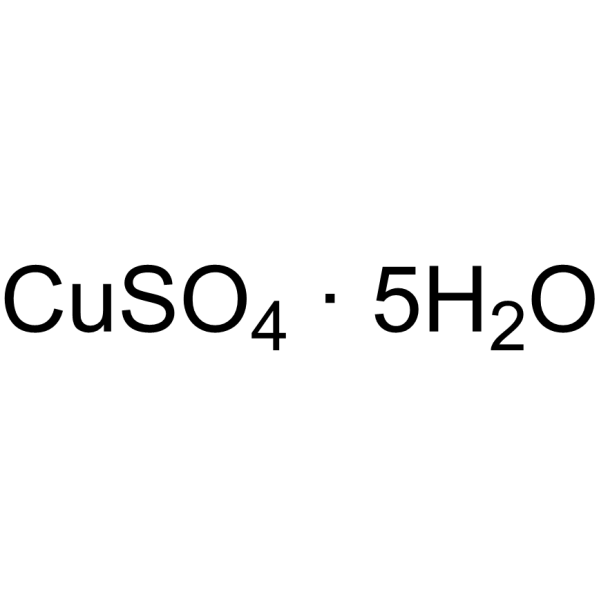
- Formula: CuSO4·5H2O
- Molecular Weight: 249.69
Copper sulfate pentahydrate, 99% is a biochemical reagent. Copper sulfate pentahydrate, 99% reduces the production of ROS and the expression levels of MyD88 as well as c-Rel genes. Copper sulfate pentahydrate, 99% decreases the activities of T-SOD, CAT, and GSH, increases the activities of caspase-3, caspase-8, and caspase-9. Copper sulfate pentahydrate, 99% is cytotoxic to various cells. Copper sulfate pentahydrate, 99% has antioxidant activity. Copper sulfate pentahydrate, 99% can be used in the research of diabetes, Parkinson's disease and DMBA (HY-W011845)-induced tumors.

- Formula: MgCl2
- Molecular Weight: 95.21
Magnesium chloride, for insect cell culture, 97% is an orally active inorganic mineral salt. Magnesium chloride combined with Potassium chloride (HY-Y0537E) increases the fat body glycogen, protein, total lipids and haemolymph protein and trehalose in the silkworm, Bombyx mori L.
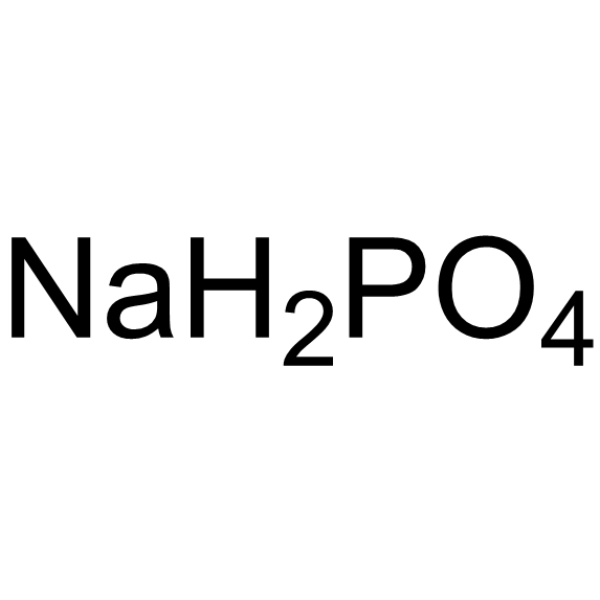
- Formula: NaH2PO4
- Molecular Weight: 119.98
Anhydrous sodium dihydrogen phosphate, for cell culture is an inorganic salt compound that can be used as a buffer and nutritional supplement. Anhydrous sodium dihydrogen phosphate, for cell culture can be used in cell culture.



