



Peonidin chloride
Based on 1 publication(s) in Google Scholar
Peonidin (YGM-6) chloride is an anthocyanin compound found in plants such as grapes and purple-fleshed sweet potatoes. Peonidin chloride alone exerts no stable inhibitory effect on LPS (HY-D1056)-mediated inflammatory gene expression. The acylated form of Peonidin chloride exhibits antimutagenic activity.
For research use only. We do not sell to patients.
- Purity : 98.70%
- CAS No.: 134-01-0
- Formula: C16H13ClO6
- Molecular Weight:336.72
-
Storage:
-20°C, sealed storage, away from moisture and light
* In solvent : -80°C, 6 months; -20°C, 1 month (sealed storage, away from moisture and light)

To place orders, for customer services and technical support, please contact: MedChemExpress USA
Tel: 609-228-6898 E-mail: [email protected] [email protected]


-
 Biological Activity
-
Chemical Information
-
Solvent & Solubility
- Protocols
- Purity & Documentation
- References
-
 Help & FAQs


-
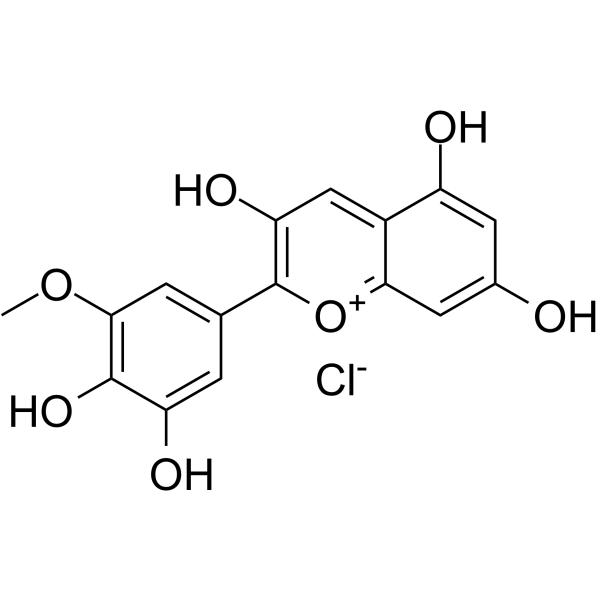
HY-126410
Petunidin chloridePEN Inhibitor -
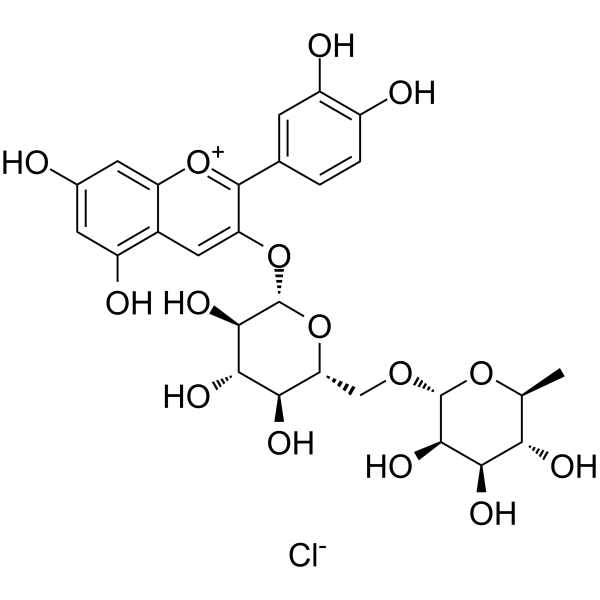
HY-105935
Keracyanin chlorideAntioxidant Agent -
HY-N0640
Kuromanin chlorideBlood glucose regulator -
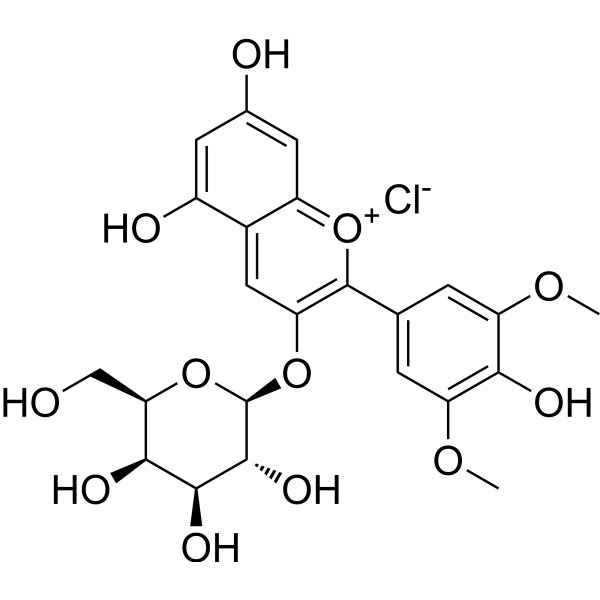
HY-N6623
Malvidin-3-galactoside chlorideROS Inhibitor -
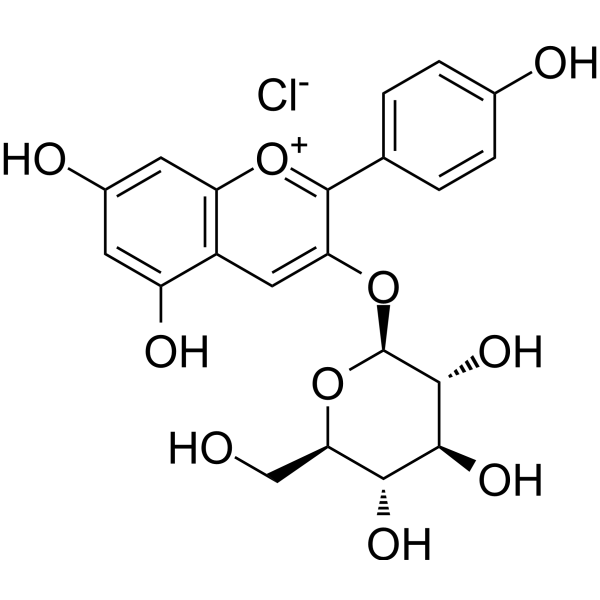
HY-W040045
Callistephin chlorideROS/iNOS/TNF-α/COX-2 Inhibitor -
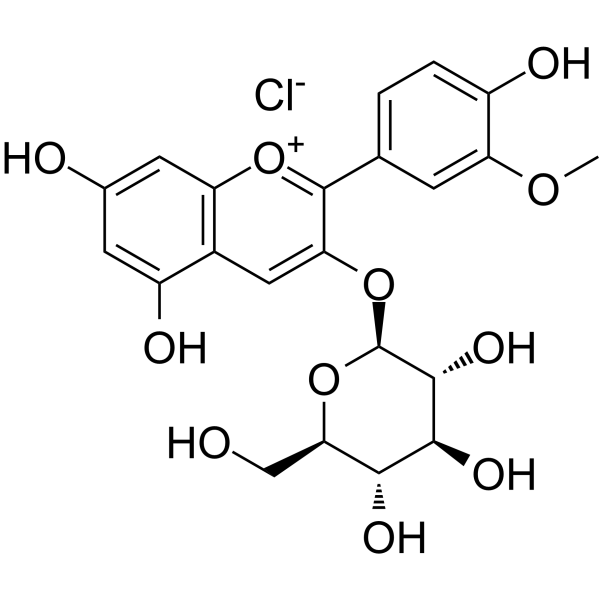
HY-W040127
Peonidin 3-O-glucoside chlorideInsulin Secretagogue -
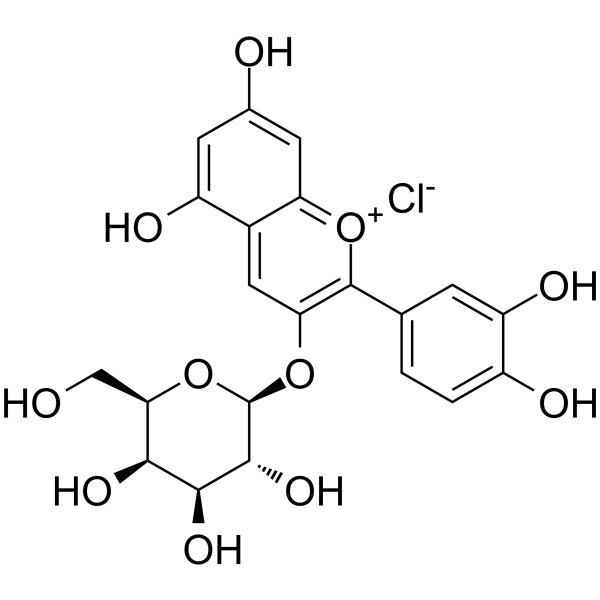
HY-N4142
Cyanidin-3-O-galactoside chlorideAntioxidant Agent -
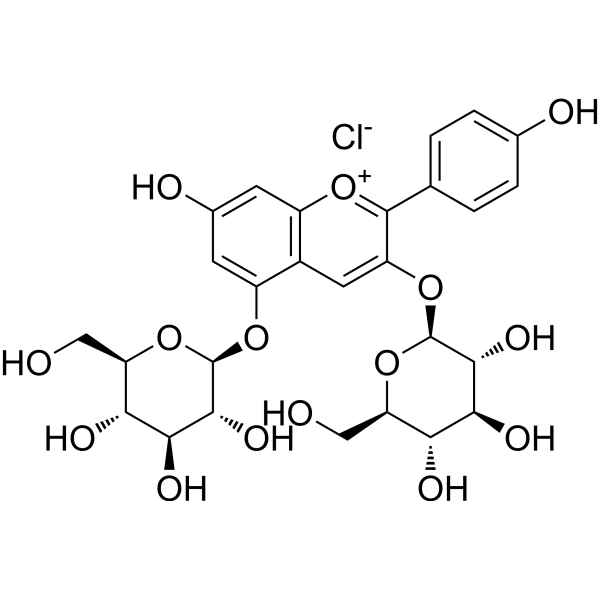
HY-123894
Pelargonidin 3,5-diglucoside chlorideNatural Pigment -
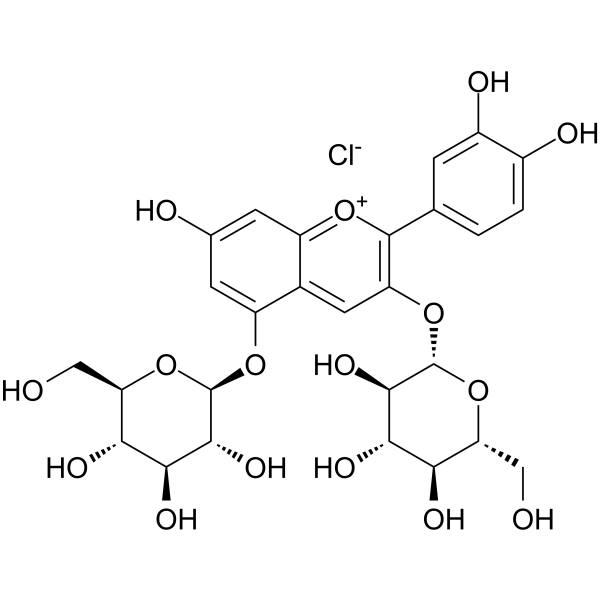
HY-129138
Cyanidin 3,5-diglucoside chlorideAnthocyanin -
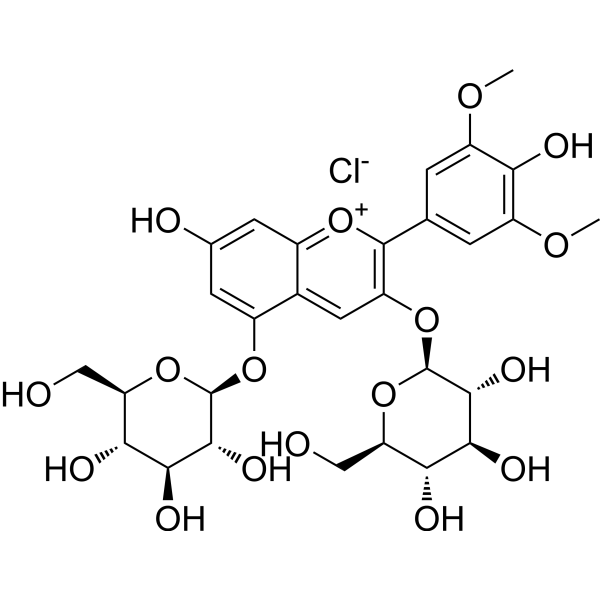
HY-N7900
Malvidin 3,5-diglucoside chlorideNatural Product -
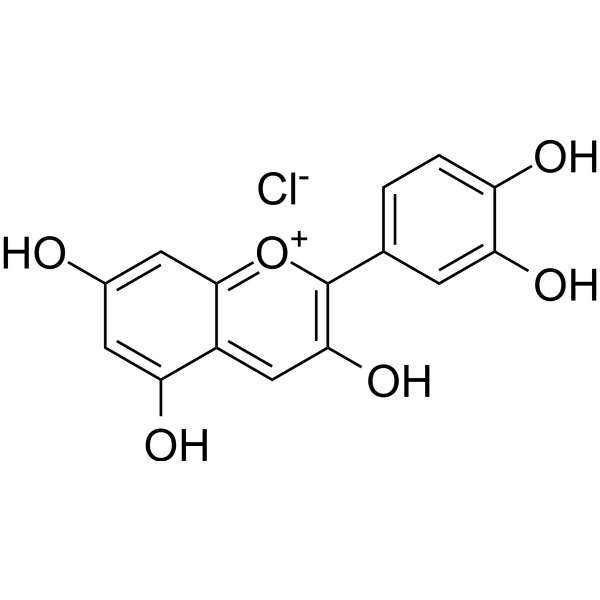
HY-N0499
Cyanidin ChlorideAntioxidant -
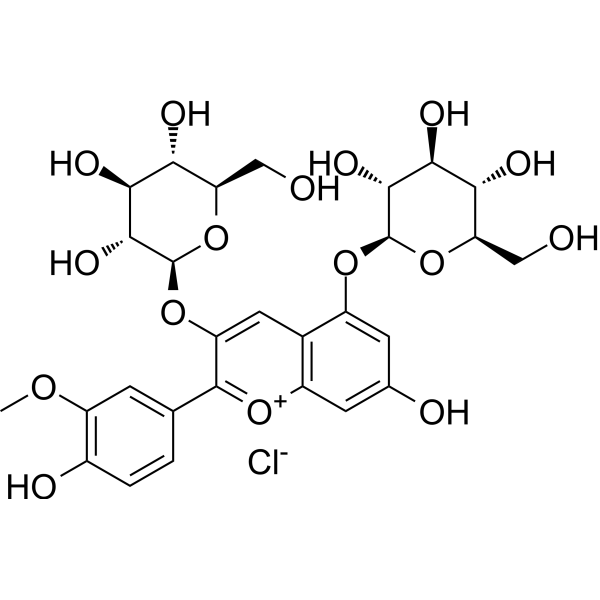
HY-N8408
Peonidin 3,5-diglucosideAnthocyanin
Publications Citing Use of MedChemExpress (MCE) Peonidin chloride
More

Biological Activity
Description
IC50 & Target
|
COX-2 |
In Vitro
Peonidin (15-150 μM; 24 h) chloride reduces LPS (HY-D1056)-induced inflammatory gene expression, attenuates LPS-induced PTP-1B expression, and upregulates HSL expression in primary human adipocytes, When used in equimass combination with malvidin[1].
Peonidin (24 h) chloride fails to sustainably reduce the expression of inflammatory genes in human primary adipocytes induced by LPS (HY-D1056)[1].
MedChemExpress (MCE) has not independently confirmed the accuracy of these methods. They are for reference only. Further protocols information, click here.
-
Cell Line:Primary human adipocytes
-
Concentration:/
-
Incubation Time:24 h (pre-incubation) + 3 h (LPS treatment)
-
Result:Did not consistently decrease the mRNA expression of inflammatory genes including MCP-1, IL-1β, IL-6, and IL-8.


Chemical Information
-
CAS No. 134-01-0
-
Appearance Solid
-
Molecular Weight 336.72
-
Formula C16H13ClO6
-
Color Brown to black
-
SMILES
COC1=CC(C2=C(O)C=C3C(C=C(O)C=C3O)=[O+]2)=CC=C1O.[Cl-]
-
Synonyms
YGM-6 chloride
-
Structure Classification
-
Initial Source
-
Shipping
Room temperature in continental US; may vary elsewhere.
-
Storage
-20°C, sealed storage, away from moisture and light
* In solvent : -80°C, 6 months; -20°C, 1 month (sealed storage, away from moisture and light)


Publications (1)
-
Journal Impact Factor
-
Most Recent
-
Food Chem
Flavonoid-mediated metabolic underpinning quality variation in red bud-sport pear mutants. [Abstract]2025 Oct 15:489:144992. PMID: 40466530


Solvent & Solubility
In Vitro:
DMSO : 100 mg/mL (296.98 mM; Need ultrasonic; Hygroscopic DMSO has a significant impact on the solubility of product, please use newly opened DMSO)
Please refer to the solubility information to select the appropriate solvent. Once prepared, please aliquot and store the solution to prevent product inactivation from repeated freeze-thaw cycles.
Storage method and period of stock solution: -80°C, 6 months; -20°C, 1 month (sealed storage, away from moisture and light). When stored at -80°C, please use it within 6 months. When stored at -20°C, please use it within 1 month.
Please refer to the solubility information to select the appropriate solvent. Once prepared, please aliquot and store the solution to prevent product inactivation from repeated freeze-thaw cycles.
Storage method and period of stock solution: -80°C, 6 months; -20°C, 1 month (sealed storage, away from moisture and light). When stored at -80°C, please use it within 6 months. When stored at -20°C, please use it within 1 month.
Concentration (start) × Volume (start) = Concentration (final) × Volume (final)

Protocols
-
RT-PCR
Reverse transcription technology uses RNA as a template to synthesize DNA. RT-PCR is simple, specific and sensitive, and can be used to detect gene expression levels and expression differences in cells; detect RNA virus content; clone cDNA sequences of specific genes.
-
RNA extraction experimental
By lysing cells, releasing RNA, and removing impurities such as proteins and DNA, high-purity RNA products are finally obtained. The commonly used traditional method is the guanidine isothiocyanate/phenol/chloroform method (Trizol), which is suitable for a variety of animal materials including animal tissues, microorganisms, cultured cells, etc., and most plant materials.
-
Real Time qPCR (Q-PCR)
Real-time quantitative PCR (qPCR) quantifies an amplifiable nucleic-acid target by monitoring fluorescence during PCR cycling rather than measuring product only after amplification. The increase in fluorescence tracks accumulation of PCR product, and the quantification cycle (Cq; historically also Ct/CP) is related to the initial amount of target: samples containing more starting target generally reach the defined fluorescence threshold in fewer cycles.


Purity & Documentation
-
Data Sheet (275 KB)
-
SDS (252 KB)
- English - EN (252 KB)
- Français - FR (252 KB)
- Deutsch - DE (252 KB)
- Norwegian - NO (252 KB)
- Español - ES (252 KB)
- Swedish - SV (252 KB)
- Italian - IT (252 KB)
- Korean - KR (252 KB)
- Portuguese - PT (252 KB)
-
Handling Instructions (2659 KB)
References


Complete Stock Solution Preparation Table
Please refer to the solubility information to select the appropriate solvent. Once prepared, please aliquot and store the solution to prevent product inactivation from repeated freeze-thaw cycles.
Storage method and period of stock solution: -80°C, 6 months; -20°C, 1 month (sealed storage, away from moisture and light). When stored at -80°C, please use it within 6 months. When stored at -20°C, please use it within 1 month.
| Optional Solvent | Concentration Solvent Mass | 1 mg | 5 mg | 10 mg | 25 mg |
|---|---|---|---|---|---|
| DMSO | 1 mM | 2.9698 mL | 14.8491 mL | 29.6983 mL | 74.2457 mL |
| 5 mM | 0.5940 mL | 2.9698 mL | 5.9397 mL | 14.8491 mL | |
| 10 mM | 0.2970 mL | 1.4849 mL | 2.9698 mL | 7.4246 mL | |
| 15 mM | 0.1980 mL | 0.9899 mL | 1.9799 mL | 4.9497 mL | |
| 20 mM | 0.1485 mL | 0.7425 mL | 1.4849 mL | 3.7123 mL | |
| 25 mM | 0.1188 mL | 0.5940 mL | 1.1879 mL | 2.9698 mL | |
| 30 mM | 0.0990 mL | 0.4950 mL | 0.9899 mL | 2.4749 mL | |
| 40 mM | 0.0742 mL | 0.3712 mL | 0.7425 mL | 1.8561 mL | |
| 50 mM | 0.0594 mL | 0.2970 mL | 0.5940 mL | 1.4849 mL | |
| 60 mM | 0.0495 mL | 0.2475 mL | 0.4950 mL | 1.2374 mL | |
| 80 mM | 0.0371 mL | 0.1856 mL | 0.3712 mL | 0.9281 mL | |
| 100 mM | 0.0297 mL | 0.1485 mL | 0.2970 mL | 0.7425 mL |


Peonidin chloride Related Classifications
HY-N2459 Related Classifications
 Powered by Bioz