



Glucuronic Acids

- Formula: C13H17BrO9
- Molecular Weight: 397.17
Acetobromo-α-D-glucuronic acid methyl ester, 98% is a glucuronosyl donor. Acetobromo-α-D-glucuronic acid methyl ester, 98% is applicable to the synthesis of other compounds.
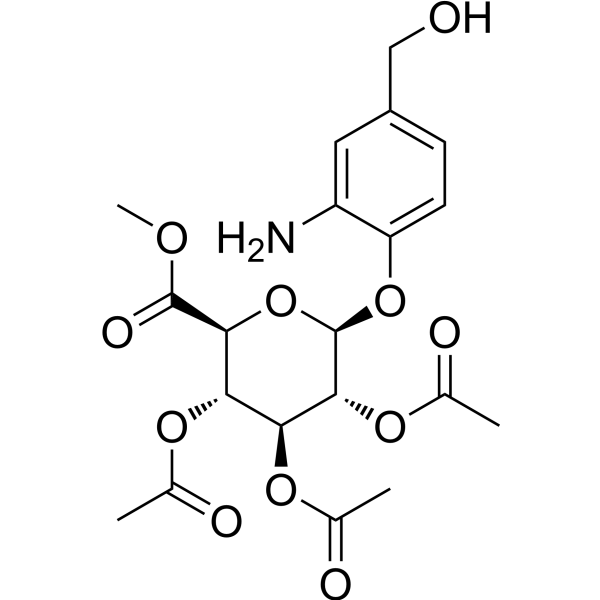
- Formula: C20H25NO11
- Molecular Weight: 455.41
MAC glucuronide linker-2 is a cleavable ADC linker used in the synthesis of antibody-drug conjugates (ADCs).
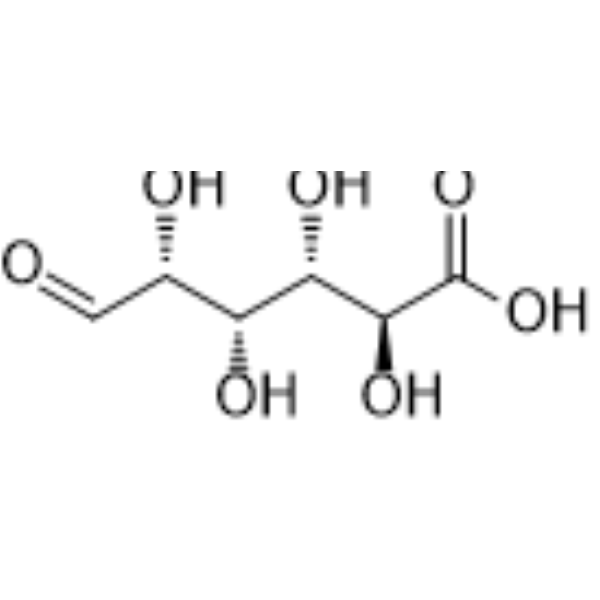
- Formula: C6H10O7
- Molecular Weight: 194.14
D-Glucuronic acid is a major component of many anti-inflammatory proteoglycans, which can promote embryonic development and inhibit cell aggregation. After being metabolized into ethyl glucuronide (HY-113093), D-Glucuronic acid activates Toll-like receptor 4 (TLR4), causing pain. D-Glucuronic acid and its derivative glucurono-lactone can serve as liver detoxifiers, and its derivatives also possess anti-tumor activity.
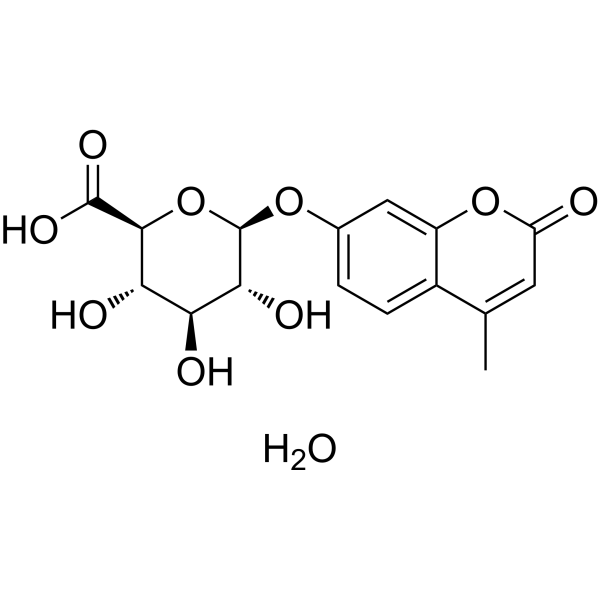
- Formula: C16H18O10
- Molecular Weight: 370.31
4-Methylumbelliferyl-β-D-glucuronide hydrate is a fluorogenic substrat (λex=362 nm, λem=445 nm). 4-Methylumbelliferyl-β-D-glucuronide hydrate has potential applications in detecting the activity of β-glucuronidase and the number of Escherichia coli.
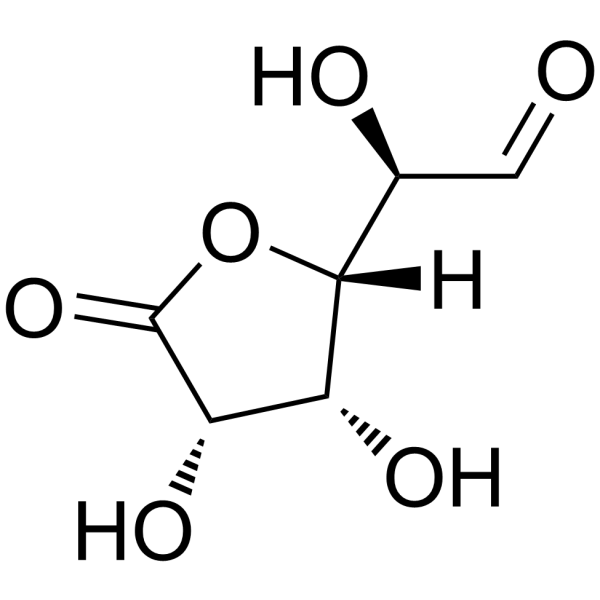
- Formula: C6H8O6
- Molecular Weight: 176.12
D-Glucuronic acid lactone (D-Glucurono-6,3-lactone; D-Glucurono-γ-lactone; D-Glucuronolactone; Dicurone; Glucoxy; Glucurolactone; Glucurone) is an endogenous metabolite and a glucuronic acid derivative. D-Glucuronic acid lactone serves as a starting reagent for the synthesis of 2,3,4-tris (tert-butyldimethylsilyl) glucuronic acid trichloroethyl ester, which is used to prepare 1-O-acyl glucuronic acids for the anti-inflammatory agent mL-3000 (HY-B1452), synthesize optically active glucuronic acids, and produce long-chain alkyl glucuronides. D-Glucuronic acid lactone shows potential for use in studies of reversible cerebral vasoconstriction syndrome (RCVS).
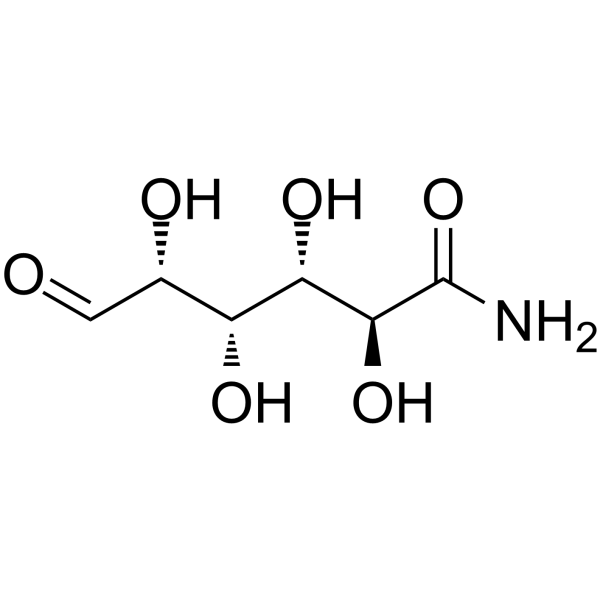
- Formula: C6H11NO6
- Molecular Weight: 193.15
D-Glucuronamide is the derivate of D-glucuronic acid.
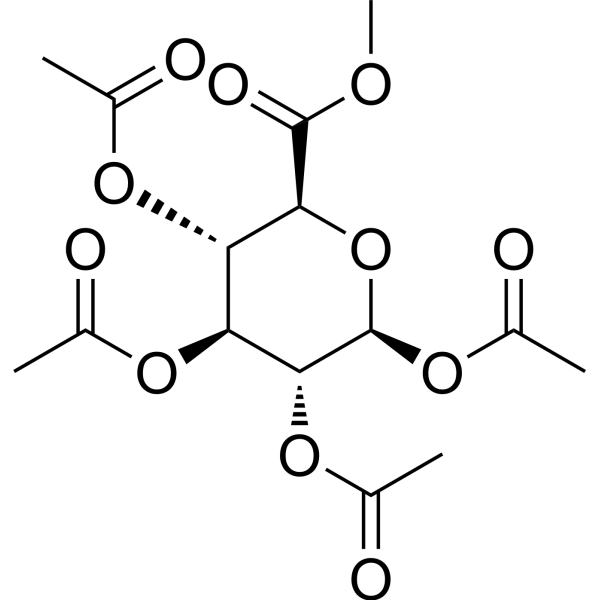
- Formula: C15H20O11
- Molecular Weight: 376.31
Methyl tetra-O-acetyl-β-D-glucopyranuronate is a biochemical reagent that can be used as a biological material or organic compound for life science related research.

- Formula: C19H22O9S
- Molecular Weight: 426.44
Methyl (phenyl 2,3,4-Tri-O-acetyl-1-thio-β-D-glucopyranosid)uronate is a class of biochemical reagents used in glycobiology research. Glycobiology studies the structure, synthesis, biology, and evolution of sugars. It involves carbohydrate chemistry, enzymology of glycan formation and degradation, protein-glycan recognition, and the role of glycans in biological systems. This field is closely related to basic research, biomedicine, and biotechnology.



