235 Results for "

barrier function

" in MedChemExpress (MCE) Product Catalog:
Products (235)

235 Results for "barrier function" in MCE Product Catalog:

Cat. No.: HY-N6043
CAS No.: 69039-02-7
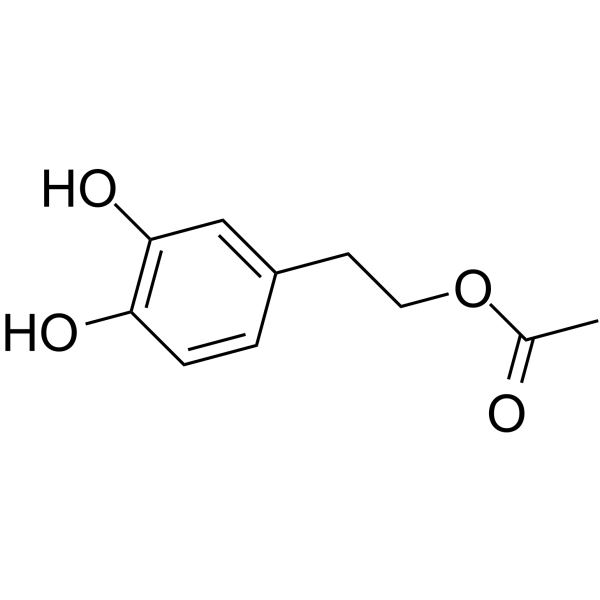
Hydroxytyrosol acetate is an orally active, blood-brain barrier-permeable multi-active compound with multiple effects including antibacterial, antioxidant, anti-platelet aggregation, and neuroprotective activities. Hydroxytyrosol acetate not only inhibits the growth of Vibrio by increasing bacterial membrane permeability, but also interacts with DNA and mediates supercoiled DNA relaxation. Meanwhile, Hydroxytyrosol acetate effectively reduces thrombosis and inhibits lipid oxidation by inhibiting COX activity and promoting vascular nitric oxide production. In terms of neuroprotection, Hydroxytyrosol acetate significantly alleviates neuronal apoptosis and inflammatory responses by up-regulating the expression level of ERβ, thereby improving cognitive function in Alzheimer's disease models. Hydroxytyrosol acetate has been widely used in scientific research related to Vibrio infection, arterial thrombosis, Alzheimer's disease and other related fields .
loading...
    loading...
Cat. No.: HY-W002199
CAS No.: 647-42-7
Synonyms: 6:2 FTOH; 1H,1H,2H,2H-Perfluoro-1-octanol; 2-(Perfluorohexyl)ethanol
6:2 Fluorotelomer alcohol (6:2 FTOH) is an orally active, blood-brain barrier-permeable modulator of cyclin D1 and ETS1. 6:2 Fluorotelomer alcohol downregulates cyclin D1 expression, upregulates ETS1 via the TNF-α/ERK 1/2 pathway, impairs mitochondrial membrane potential and respiratory function, increases reactive oxygen species levels, disrupts calcium homeostasis and activates endoplasmic reticulum stress markers, and induces cell proliferation inhibition and endothelial-mesenchymal transition. Furthermore, 6:2 Fluorotelomer alcohol induces morphological abnormalities in zebrafish embryos and liver developmental damage, while disrupting the brain immune microenvironment in mice, causing systemic toxicity and delayed pup maturation in CD-1 mice. 6:2 Fluorotelomer alcohol also induces cortical neuron apoptosis, glial cell activation, synaptic abnormalities, colonic barrier damage, intestinal dysbiosis and autism spectrum disorder-like symptoms in mice. 6:2 Fluorotelomer alcohol shows no mutagenic, clastogenic, primary skin/eye irritation or skin sensitizing effects, exhibits no selective reproductive toxicity in CD-1 mice, and is classified as GHS Category 4 for acute oral toxicity. 6:2 Fluorotelomer alcohol can be used in studies of neurodevelopmental disorders and autism spectrum disorders .
loading...
    loading...
Cat. No.: HY-103127
CAS No.: 1539266-32-4
Target:  

5-HT Receptor

Research Areas:  

Neurological Disease

25CN-NBOH hydrochloride exhibits agonist activity at the 5-HT2a receptor, shows 90- to 100-fold selectivity over the 5-HT2c receptor, and possesses blood-brain barrier permeability . 25CN-NBOH hydrochloride acts as an interoceptive agent with partial agonist-like properties . 25CN-NBOH hydrochloride serves as a pharmacological tool for 5-HT2A receptor research, and its tritiated form functions as a selective agonist radioligand . 25CN-NBOH hydrochloride can be used to investigate diseases characterized by cognitive rigidity, schizophrenia, obsessive-compulsive disorder, depression, pain, inflammation, migraine, and cluster headache .
loading...
    loading...
Cat. No.: HY-107111R
CAS No.: 932373-87-0
Research Areas:  

Neurological Disease

GSK1034702 (Standard) is the analytical standard of GSK1034702 (HY-107111). This product is intended for research and analytical applications. GSK1034702 is an orally active and allosteric agonist of M1 mAChR (pEC50=8.1) that can cross the blood-brain barrier. GSK1034702 activates the Gq/11 protein-mediated signaling pathway, enhancing neuronal firing and long-term potentiation (LTP) in the CA1 region of the hippocampus. GSK1034702 can modulate hippocampal function, improve memory encoding in the nicotine withdrawal cognitive dysfunction model, and show pro-cognitive effects in rodents. GSK1034702 can be used for the study of the mechanisms of cognitive impairment diseases such as Alzheimer's disease, and has certain peripheral M receptor activation-related side effects (such as gastrointestinal reactions) .
loading...
    loading...
Cat. No.: HY-112768
Purity:  ≥95.0%
Research Areas:  

Others

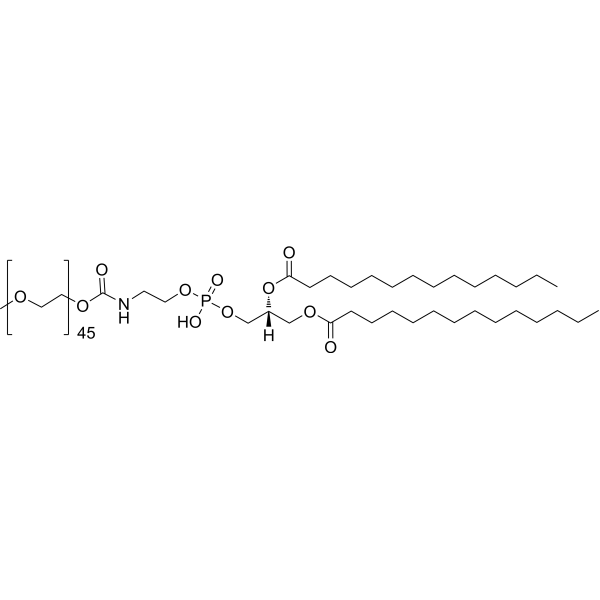
PEG2000-DMPE is a polyethylene glycol-lipid conjugate combined with phosphatidylethanolamine. PEG2000-DMPE undergoes a conformational transition from mushroom-like to brush-like at a concentration of 7 mol%, thereby exerting multiple functions such as inhibitor, stabilizer and surface defect modifier. PEG2000-DMPE can form a steric hindrance barrier on the vesicle surface to block calcium ion-induced liposome fusion, and dynamically regulate the fusion process through spontaneous transfer rate. PEG2000-DMPE can delay the thinning of foam thin liquid films and smoothly seal surface defects of solid support layers. PEG2000-DMPE can be used in the design and related research of stealth liposomes and micelles .
loading...
    loading...
Cat. No.: HY-171837A
CAS No.: 678138-44-8
t9,t11,c15-CLNA is a conjugated linolenic acid (CLNA) isomer produced by Lactobacillus plantarum ZS2058. t9,t11,c15-CLNA has the main activities of anti-inflammatory, antioxidant and improving intestinal barrier function. The regulatory mechanism of t9,t11,c15-CLNA includes upregulation of tight junction proteins, inhibition of pro-inflammatory cytokines (such as TNF-α, IL-6) and activation of antioxidant enzymes (such as SOD, CAT). t9,t11,c15-CLNA can be used in the study of inflammatory bowel diseases (such as colitis) .
loading...
    loading...
Cat. No.: HY-19689
CAS No.: 90043-86-0
Synonyms: NIK-247; Amiridine
Ipidacrine (NIK-247; Amiridine) hydrochloride is orally active and blood-brain-barrier-penetrant AChE and BuChE inhibitors with IC50 values of 1 μM and 1.9 μM, respectively, which is also a partial agonist of M2-cholinergic receptors and a reversible cholinesterase inhibitor. Ipidacrine hydrochloride has a stimulating effect on neuromuscular transmission and excitation along the nerve fibres with a moderately anti-pain effect. Ipidacrine hydrochloride is an aminopyridines and is structurally similar to Tacrine (HY-111338). Ipidacrine hydrochloride is effective in various amnesia models, improves erectile function and inhibits K + and Na +-channels in the neuronal membrane in diabetic rats. Ipidacrine hydrochloride is promising for research of Alzheimer’s disease, ischaemic stroke, idiopathic neuropathy of the facial nerve, diabetes mellitus-induced erectile dysfunction and other deficits in central or peripheral cholinergic deseases .
loading...
    loading...
Cat. No.: HY-B0504S1
CAS No.: 1173022-95-1
Synonyms: NSC13123-13C
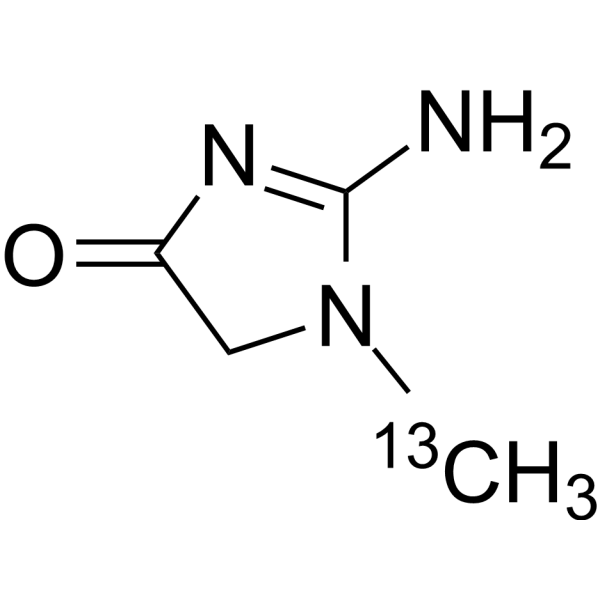
Creatinine- 13C is the 13C-labeled Creatinine. Creatinine (NSC13123) is an orally active, blood-brain barrier-permeable modulator of GABAA and NMDA receptors, with activities of antioxidation and metabolic regulation. Creatinine is generated via non-enzymatic conversion of creatine and phosphocreatine in muscle. Creatinine serum levels correlate with muscle mass, glomerular filtration rate, and extrarenal clearance, serving as an evaluation biomarker for renal function, muscle mass, and clinical outcomes, and used for perioperative renal risk assessment. In addition, Creatinine can induce specific Cryptococcus species to produce creatinine deiminase and act as their nitrogen source, while it can be secreted via renal tubules. Creatinine is widely used in research related to various diseases such as neurodegenerative diseases, psychiatric disorders, acute kidney injury, chronic kidney disease, and renal failure .
loading...
    loading...
Cat. No.: HY-B0504S2
Synonyms: NSC13123-d5
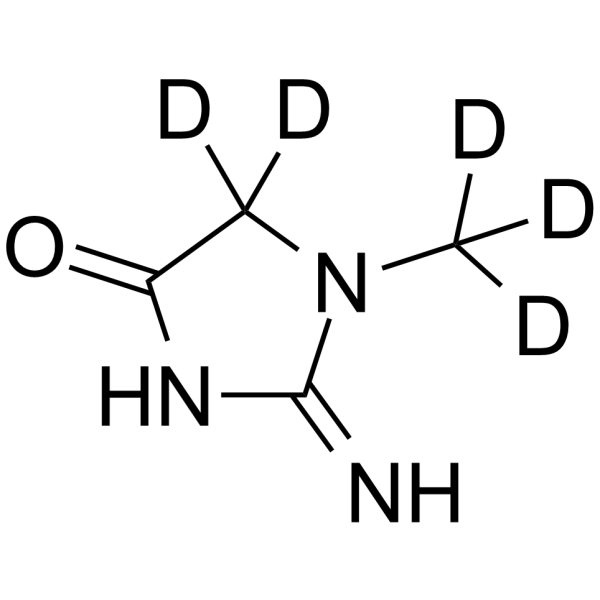
Creatinine-d5 is the deuterium labeled Creatinine. Creatinine (NSC13123) is an orally active, blood-brain barrier-permeable modulator of GABAA and NMDA receptors, with activities of antioxidation and metabolic regulation. Creatinine is generated via non-enzymatic conversion of creatine and phosphocreatine in muscle. Creatinine serum levels correlate with muscle mass, glomerular filtration rate, and extrarenal clearance, serving as an evaluation biomarker for renal function, muscle mass, and clinical outcomes, and used for perioperative renal risk assessment. In addition, Creatinine can induce specific Cryptococcus species to produce creatinine deiminase and act as their nitrogen source, while it can be secreted via renal tubules. Creatinine is widely used in research related to various diseases such as neurodegenerative diseases, psychiatric disorders, acute kidney injury, chronic kidney disease, and renal failure .
loading...
    loading...
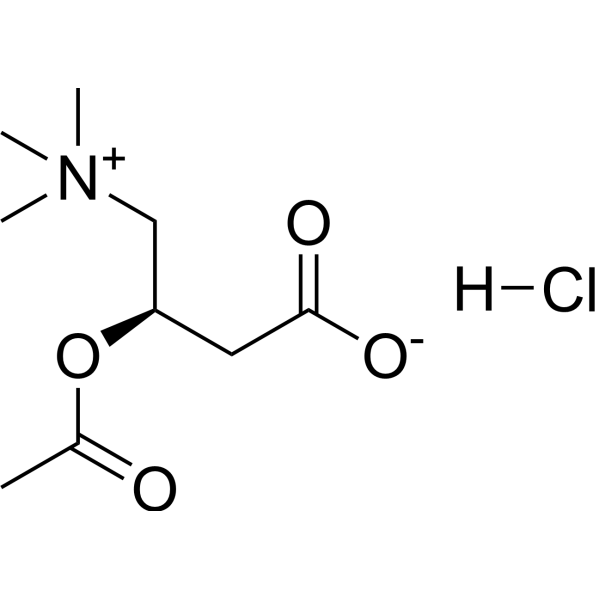
Cat. No.: HY-B0762R
CAS No.: 5080-50-2
Synonyms: O-Acetyl-L-carnitine hydrochloride (Standard); ALCAR hydrochloride (Standard)
Acetyl-L-carnitine hydrochloride (Standard) is the analytical standard of Acetyl-L-carnitine hydrochloride. This product is intended for research and analytical applications. Acetyl-L-carnitine (O-Acetyl-L-carnitine; ALCAR) hydrochloride is an orally active mitochondrial energy metabolism regulator and neuroprotectant that can penetrate the blood-brain barrier. Acetyl-L-carnitine hydrochloride selectively enters cells and the brain through the organic cation transporter OCTN2. Acetyl-L-carnitine hydrochloride can participate in fatty acid β-oxidation, promote acetylcholine synthesis, regulate mitochondrial function and inhibit oxidative stress as an acetyl donor. Acetyl-L-carnitine hydrochloride exerts its activity by enhancing energy metabolism, protecting neurons and improving synaptic plasticity. Acetyl-L-carnitine hydrochloride is mainly used in the study of neurodegenerative diseases and metabolic disorder-related diseases such as neonatal hypoxic-ischemic brain damage, Alzheimer's disease, and depression .
loading...
    loading...
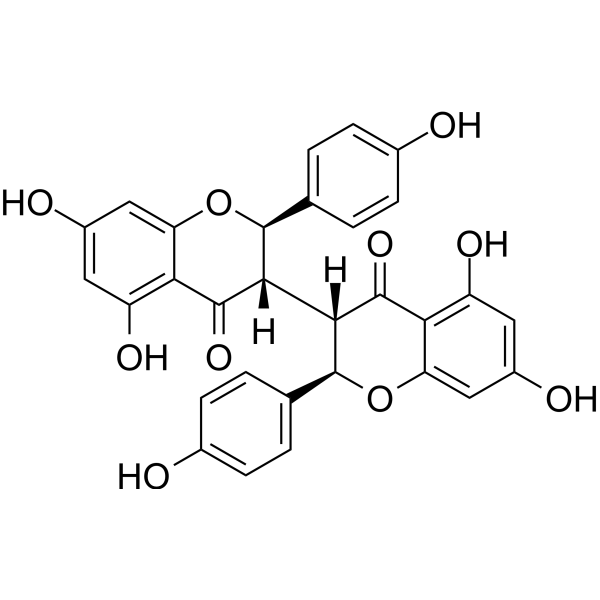
Cat. No.: HY-N10093
CAS No.: 69618-96-8
Synonyms: Chamaejasmin
Chamaejasmine (Chamaejasmin) is a natural biflavonoid found in the roots of Stellera chamaejasme, exhibiting antitumor activity. Chamaejasmine inhibits Bcl-2, upregulates Bax, and induces cleavage of caspase-9/-3 and PARP. Chamaejasmine induces ROS production, Δψm loss, cytochrome c release, G2/M arrest, apoptosis, and autophagy. Chamaejasmine induces apoptosis and autophagy through activation of AMPK and inhibition of mTOR, and inhibits microtubule depolymerization by binding to β-tubulin. Chamaejasmine inhibits IL-4, IgE, β-hexosaminidase, and mast cell infiltration, and improves skin barrier function in AD models. Chamaejasmine exhibits cytotoxicity against various cancer cells. Chamaejasmine can be used in research related to various cancers such as lung adenocarcinoma and osteosarcoma, as well as atopic dermatitis .
loading...
    loading...
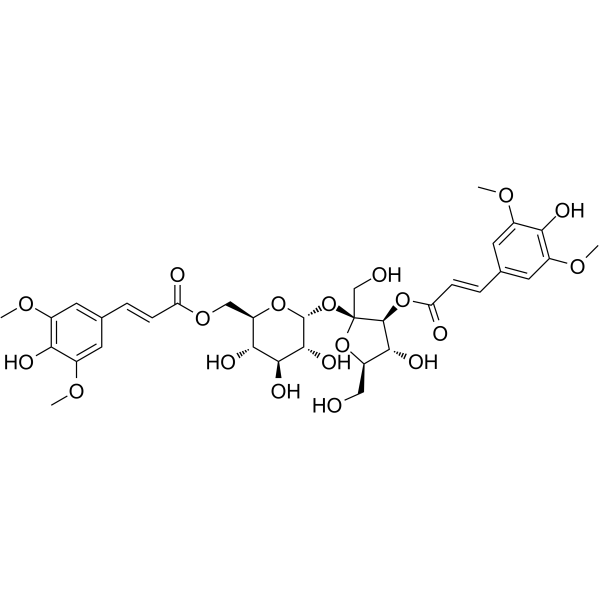
Cat. No.: HY-N1414
CAS No.: 139891-98-8
(E)-3',6-Disinapoylsucrose is an orally active, blood-brain barrier permeable neuroprotective agent that inhibits protein aggregation. (E)-3',6-Disinapoylsucrose exerts anxiolytic, anti-inflammatory and cognitive-enhancing effects. (E)-3',6-Disinapoylsucrose regulates the TrkB/BDNF signaling pathway, inhibits the expression of NF-κB p65, reduces pro-inflammatory cytokine levels, and alleviates neuronal damage. (E)-3',6-Disinapoylsucrose also enhances the functions of central 5-HT and noradrenergic systems, thereby improving spatial learning and memory abilities and reducing anxiety-like behaviors. (E)-3',6-Disinapoylsucrose can be used for the research of related diseases such as Alzheimer's disease, depression, memory impairment and anxiety disorder .
loading...
    loading...
Cat. No.: HY-P12141
CAS No.: 2227651-65-0
Synonyms: KP405
DA5-CH (KP405) is a blood-brain barrier-permeable GLP-1/GIP receptor agonist. DA5-CH activates GLP-1 and GIP receptors, inhibits the NF-κB inflammatory pathway, reduces α-synuclein (α-synuclein) levels, restores the expression of tyrosine hydroxylase and neurotrophic factors, improves motor function, decreases amyloid plaques and phosphorylated tau protein levels in the hippocampus, restores synaptic plasticity, regulates the PI3K/AKT/GSK3β and CREB signaling pathways, and alleviates mitochondrial stress. DA5-CH can be used for research on Parkinson's disease and Alzheimer's disease .
loading...
    loading...
Cat. No.: HY-P992426

Target:  

Tau Protein

Research Areas:  

Neurological Disease

NS101 is an anti-FAM19A5 antibody with an IC50 of 0.2 nM and a Kd of 111 pM, as well as blood-brain barrier permeability. NS101 binds to key amino acid residues of FAM19A5, thereby blocking the interaction of LRRC4B and disrupting the FAM19A5-LRRC4B complex. NS101 increases the dendritic spine density in hippocampal neurons and the prefrontal cortex, normalizes the dendritic spine elimination rate, elevates the frequencies of mEPSC and fEPSP, and promotes the transport of brain-derived FAM19A5 into the peripheral circulation. NS101 improves cognitive function in mouse models of Alzheimer's disease. NS101 can be used for research on Alzheimer's disease. The recommended isotype control is human IgG1 kappa (HY-P99001) .
loading...
    loading...
Cat. No.: HY-13324R
CAS No.: 218600-53-4
Synonyms: RTA 402 (Standard); NSC 713200 (Standard); CDDO Methyl ester (Standard)
Bardoxolone methyl (Standard) is the analytical standard of Bardoxolone methyl (HY-13324). This product is intended for research and analytical applications. Bardoxolone methyl (RTA 402) is an orally active and blood-brain-barrier-penetrant activator of Nrf2 and an inhibitor of SARS-CoV-2 3CL protease. Bardoxolone methyl inhibits SARS-CoV-2 replication in Vero cells with an EC50 value of 0.29 μM. Bardoxolone methyl increases levels of pNrf2 and HO-1, inhibits inflammatory mediators like pNFκB and MCP-1. Bardoxolone methyl activates the Nrf2 pathway to enhance antioxidant and anti-inflammatory responses, inhibits viral replication, and improves mitochondrial function. Bardoxolone methyl can be used in research on chemotherapy-induced neuropathic pain (CINP), COVID-19, and chronic Kidney disease (CKd) .
loading...
    loading...
Cat. No.: HY-153169R
CAS No.: 2754428-18-5
6PPD-Q (Standard) is the analytical standard of 6PPD-Q (HY-153169). This product is intended for research and analytical applications. 6PPD-Q (6PPD-Quinone) is an environmental pollutant that can be detected in human urine and is widely present in the environment. 6PPD-Q targets and binds to CNR2, CNR1, AA2AR, LCAT, and TRPA1, with CNR2 exhibiting the highest binding affinity, potentially acting as a CNR2 receptor agonist to activate cannabinoid receptors. 6PPD-Q induces intestinal inflammation and barrier damage by disrupting mitochondrial function, reducing neuronal glycolysis metabolites and TCA cycle intermediates, and exacerbating α-synuclein (α-syn) aggregation. 6PPD-Q is applicable in research on environmental toxicology, neurodegenerative diseases, and inflammation-related disorders .
loading...
    loading...
Cat. No.: HY-B0504R
CAS No.: 60-27-5
Synonyms: NSC13123 (Standard)
Creatinine (Standard) is the analytical standard of Creatinine. This product is intended for research and analytical applications. Creatinine (NSC13123) is an orally active, blood-brain barrier-permeable modulator of GABAA and NMDA receptors, with activities of antioxidation and metabolic regulation. Creatinine is generated via non-enzymatic conversion of creatine and phosphocreatine in muscle. Creatinine serum levels correlate with muscle mass, glomerular filtration rate, and extrarenal clearance, serving as an evaluation biomarker for renal function, muscle mass, and clinical outcomes, and used for perioperative renal risk assessment. In addition, Creatinine can induce specific Cryptococcus species to produce creatinine deiminase and act as their nitrogen source, while it can be secreted via renal tubules. Creatinine is widely used in research related to various diseases such as neurodegenerative diseases, psychiatric disorders, acute kidney injury, chronic kidney disease, and renal failure .
loading...
    loading...
Cat. No.: HY-B0504S5
Synonyms: NSC13123-15N
Creatinine- 15N (NSC13123- 15N) is the 15N-labeled Creatinine (HY-B0504). Creatinine (NSC13123) is an orally active, blood-brain barrier-permeable modulator of GABAA and NMDA receptors, with activities of antioxidation and metabolic regulation. Creatinine is generated via non-enzymatic conversion of creatine and phosphocreatine in muscle. Creatinine serum levels correlate with muscle mass, glomerular filtration rate, and extrarenal clearance, serving as an evaluation biomarker for renal function, muscle mass, and clinical outcomes, and used for perioperative renal risk assessment. In addition, Creatinine can induce specific Cryptococcus species to produce creatinine deiminase and act as their nitrogen source, while it can be secreted via renal tubules. Creatinine is widely used in research related to various diseases such as neurodegenerative diseases, psychiatric disorders, acute kidney injury, chronic kidney disease, and renal failure .
loading...
    loading...
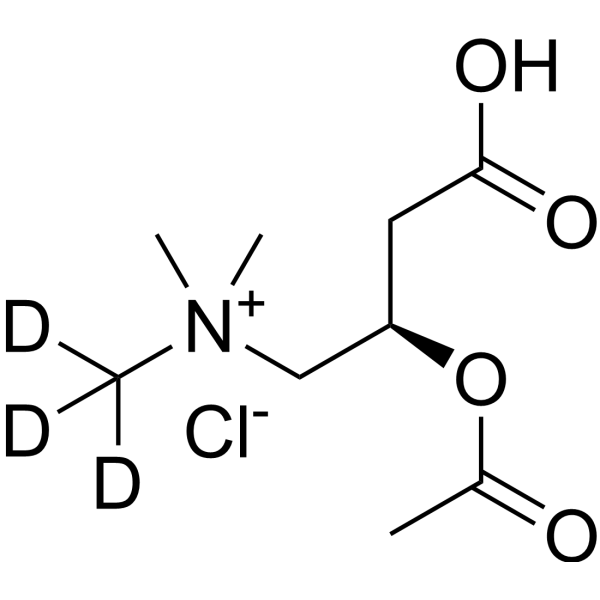
Cat. No.: HY-B0762S
CAS No.: 1334532-17-0
Synonyms: O-Acetyl-L-carnitine-d3 hydrochloride
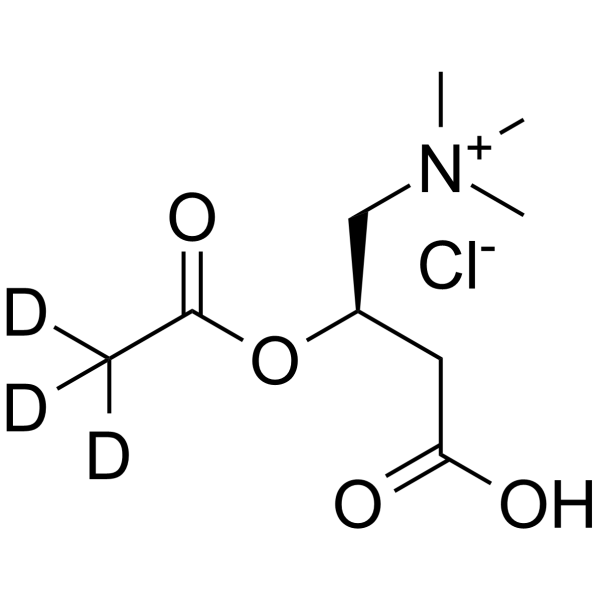
Acetyl-L-carnitine-d3 (O-Acetyl-L-carnitine-d3) hydrochloride is the deuterium labeled Acetyl-L-carnitine hydrochloride (HY-B0762). Acetyl-L-carnitine (O-Acetyl-L-carnitine; ALCAR) hydrochloride is an orally active mitochondrial energy metabolism regulator and neuroprotectant that can penetrate the blood-brain barrier. Acetyl-L-carnitine hydrochloride selectively enters cells and the brain through the organic cation transporter OCTN2. Acetyl-L-carnitine hydrochloride can participate in fatty acid β-oxidation, promote acetylcholine synthesis, regulate mitochondrial function and inhibit oxidative stress as an acetyl donor. Acetyl-L-carnitine hydrochloride exerts its activity by enhancing energy metabolism, protecting neurons and improving synaptic plasticity. Acetyl-L-carnitine hydrochloride is mainly used in the study of neurodegenerative diseases and metabolic disorder-related diseases such as neonatal hypoxic-ischemic brain damage, Alzheimer's disease, and depression .
loading...
    loading...
Cat. No.: HY-B0762S1
CAS No.: 362049-62-5
Synonyms: O-Acetyl-L-carnitine-d3-1 hydrochloride
Acetyl-L-carnitine-d3-1 (O-Acetyl-L-carnitine-d3-1) hydrochloride is the deuterium labeled Acetyl-L-carnitine hydrochloride (HY-B0762). Acetyl-L-carnitine (O-Acetyl-L-carnitine; ALCAR) hydrochloride is an orally active mitochondrial energy metabolism regulator and neuroprotectant that can penetrate the blood-brain barrier. Acetyl-L-carnitine hydrochloride selectively enters cells and the brain through the organic cation transporter OCTN2. Acetyl-L-carnitine hydrochloride can participate in fatty acid β-oxidation, promote acetylcholine synthesis, regulate mitochondrial function and inhibit oxidative stress as an acetyl donor. Acetyl-L-carnitine hydrochloride exerts its activity by enhancing energy metabolism, protecting neurons and improving synaptic plasticity. Acetyl-L-carnitine hydrochloride is mainly used in the study of neurodegenerative diseases and metabolic disorder-related diseases such as neonatal hypoxic-ischemic brain damage, Alzheimer's disease, and depression .
loading...
    loading...

