2289 Results for "

copper

" in MedChemExpress (MCE) Product Catalog:
Products (2289)

2289 Results for "copper" in MCE Product Catalog:

  • Categories Recommended:
    More
Cat. No.: HY-42490
CAS No.: 1056024-94-2
Research Areas:  

Inflammation/Immunology Cancer

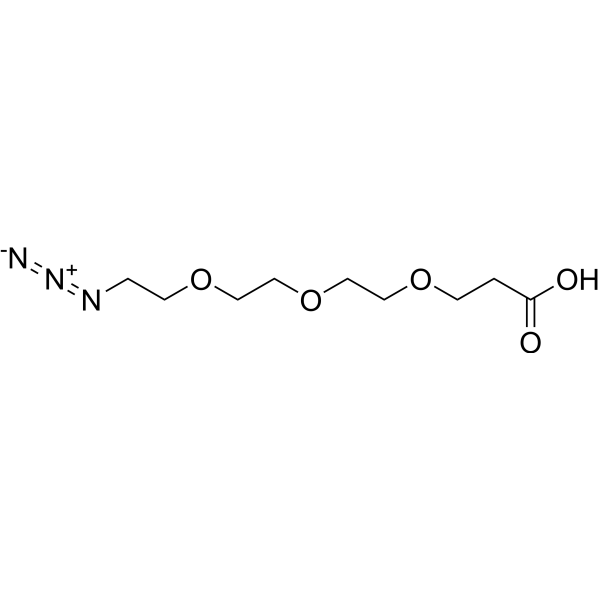
N3-PEG3-CH2CH2COOH a PEG-based PROTAC linker can be used in the synthesis of BI-3663 (HY-111546), BI-4216 and BI-0319. Azido-PEG3-acid is also a non-cleavable 3 unit PEG ADC linker used in the synthesis of antibody-drug conjugates (ADCs). N3-PEG3-CH2CH2COOH is a click chemistry reagent, it contains an Azide group and can undergo copper-catalyzed azide-alkyne cycloaddition reaction (CuAAc) with molecules containing Alkyne groups. It can also undergo strain-promoted alkyne-azide cycloaddition (SPAAC) reactions with molecules containing DBCO or BCN groups.
loading...
    loading...
Cat. No.: HY-N2789
CAS No.: 211238-60-7
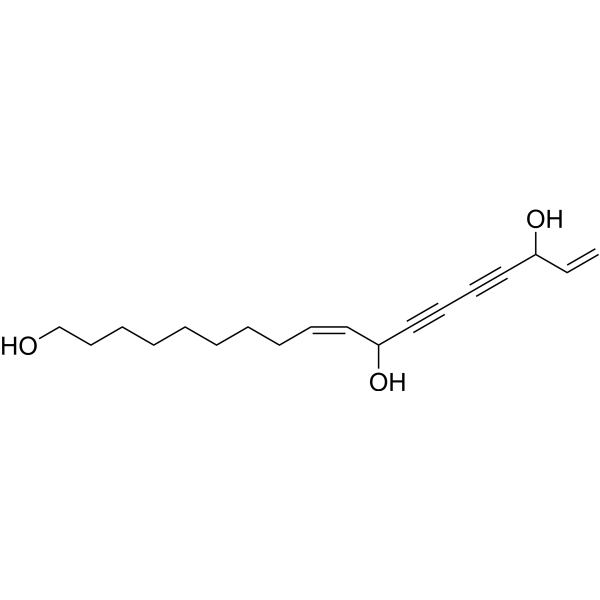
(9Z)-9,17-Octadecadiene-12,14-diyne-1,11,16-triol is a nature product that could be isolated from the ethyl acetate extract of Cassonia barteri (Araliaceae) leaves. (9Z)-9,17-Octadecadiene-12,14-diyne-1,11,16-triol has antibacterial activity against Bacillus subtilis and Pseudomonas fluorescens, antifungal activity against Cladosporium cucumerinum, moiluscicidal activity against Biomphalaria glabrata . (9Z)-9,17-Octadecadiene-12,14-diyne-1,11,16-triol is a click chemistry reagent, it contains an Alkyne group and can undergo copper-catalyzed azide-alkyne cycloaddition (CuAAc) with molecules containing Azide groups.
loading...
    loading...
Cat. No.: HY-P11642
CAS No.: 131748-26-0
Sialorphin is a neutral endopeptidase (NEP) and aminopeptidase N (APN) inhibitor that responds to androgen signals. Sialorphin blocks the degradation of endogenous opioid peptides and interacts with μ-, δ-, κ-opioid receptors. Sialorphin regulates the ERK/mTOR signaling pathway by inducing cell cycle arrest, enhancing ERK1/2 activity, and reducing the phosphorylation levels of mTOR, 4E-BP1, p70S6K; accordingly, Sialorphin exhibits antiproliferative activity against colorectal cancer, glioma and prostate cancer cells without cytotoxicity. In addition, Sialorphin also produces antinociceptive responses, regulates sexual behavior, relaxes corpus cavernosum smooth muscle, and alleviates experimental colitis. Sialorphin is also a copper (II) ion-binding ligand. Sialorphin has been used in mechanistic studies related to cancer, pain management and inflammatory bowel disease .
loading...
    loading...
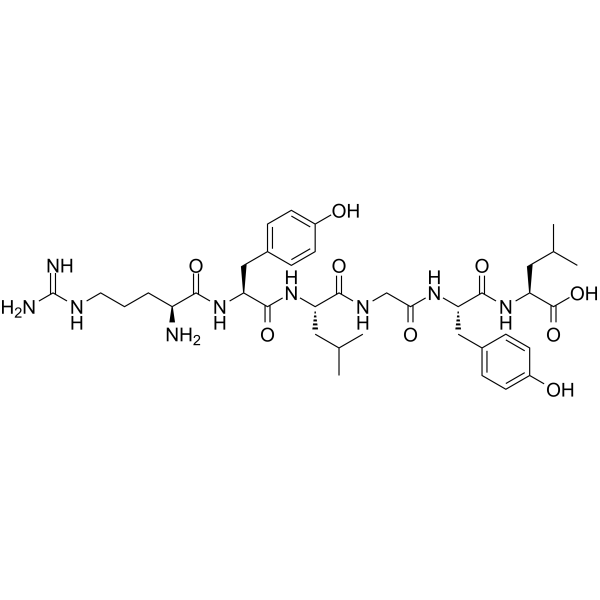
Cat. No.: HY-P1793
CAS No.: 83471-50-5
α-Casein (90-95) is a partial agonist of opioid receptors and a copper ion ligand, with opioid activity. α-Casein (90-95) inhibits the secretion of β-hexosaminidase by rat peritoneal mast cells (PMC) with IC50= 0.1 μM. α-Casein (90-95) inhibits the proliferation of prostate cancer cells LNCaP, DU145, and PC3 with IC50 of 0.94 nM, 137 nM, and 6.92 nM, respectively. α-Casein (90-95) activates Gi-like proteins through a membrane-assisted, receptor-independent pathway, or reversibly binds to opioid receptors, inducing intracellular calcium release and conformational changes, and exerts the activity of promoting mast cell secretion and inhibiting tumor cell proliferation. α-Casein (90-95) can be used in the study of the mechanisms of allergic diseases and prostate cancer .
loading...
    loading...
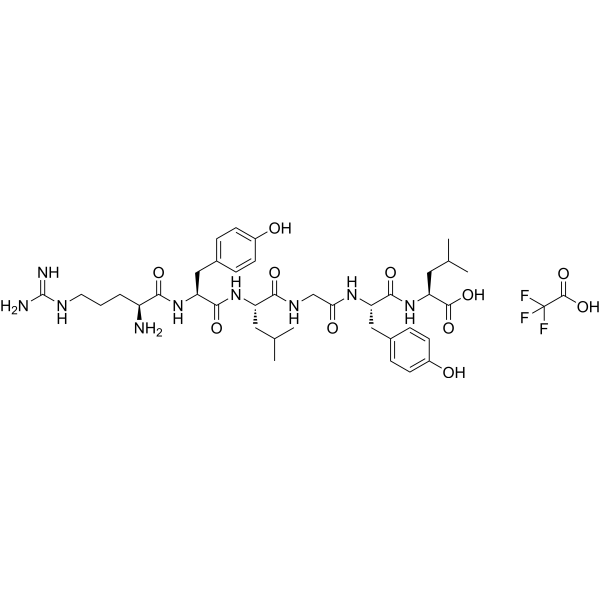
Cat. No.: HY-P1793A
α-Casein (90-95) TFA is a partial agonist of opioid receptors and a copper ion ligand, with opioid activity. α-Casein (90-95) TFA inhibits the secretion of β-hexosaminidase by rat peritoneal mast cells (PMC) with IC50= 0.1 μM. α-Casein (90-95) TFA inhibits the proliferation of prostate cancer cells LNCaP, DU145, and PC3 with IC50 of 0.94 nM, 137 nM, and 6.92 nM, respectively. α-Casein (90-95) TFA activates Gi-like proteins through a membrane-assisted, receptor-independent pathway, or reversibly binds to opioid receptors, inducing intracellular calcium release and conformational changes, and exerts the activity of promoting mast cell secretion and inhibiting tumor cell proliferation. α-Casein (90-95) TFA can be used in the study of the mechanisms of allergic diseases and prostate cancer .
loading...
    loading...
Cat. No.: HY-W007997R
CAS No.: 6994-25-8
Synonyms: 3-Amino-4-ethoxycarbonylpyrazole (Standard)
Research Areas:  

Others

Ethyl 3-amino-1H-pyrazole-4-carboxylate (Standard) (3-Amino-4-ethoxycarbonylpyrazole (Standard)) is the analytical standard of Ethyl 3-amino-1H-pyrazole-4-carboxylate (HY-W007997). This product is intended for research and analytical applications. Ethyl 3-amino-1H-pyrazole-4-carboxylate (3-Amino-4-ethoxycarbonylpyrazole) is a diamagnetic pyrazole derivative ligand. Ethyl 3-amino-1H-pyrazole-4-carboxylate can form copper bromide coordination compounds. Ethyl 3-amino-1H-pyrazole-4-carboxylate serves as a ligand for the synthesis of metal coordination compounds .
loading...
    loading...
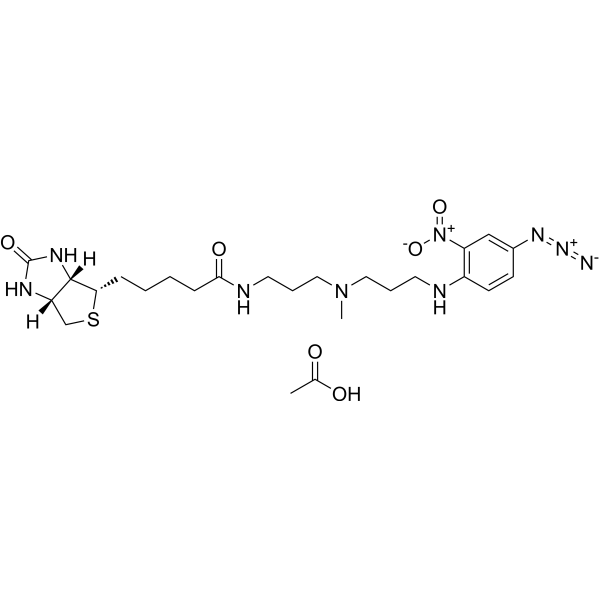
Cat. No.: HY-W127719
CAS No.: 96087-38-6
Photobiotin (acetate)It is a biological probe used to study biochemical processes such as protein interactions and enzymatic reactions. It is a molecule containing a photosensitive group, which can be combined with specific target molecules (such as proteins, nucleic acids, etc.) through photochemical cross-linking technology, so as to realize the labeling and detection of these molecules. During the photosensitive crosslinking process, Photobiotin (acetate)Can participate in the formation of covalent bonds and form stable compounds. In addition, the compound also has high biocompatibility and biological activity, so it is widely used in the field of biomedical research, such as enzymatic research, proteomics, western blotting and other aspects. Photobiotin (acetate) is a click chemistry reagent, it contains an Azide group and can undergo copper-catalyzed azide-alkyne cycloaddition reaction (CuAAc) with molecules containing Alkyne groups. It can also undergo strain-promoted alkyne-azide cycloaddition (SPAAC) reactions with molecules containing DBCO or BCN groups.
loading...
    loading...
Cat. No.: HY-103601R
CAS No.: 1797406-81-5
Synonyms: VH032-PEG4-N3 (Standard); VHL Ligand-Linker Conjugates 5 (Standard); E3 ligase Ligand-Linker Conjugates 4 (Standard)
(S,R,S)-AHPC-PEG4-N3 (Standard) is the analytical standard of (S,R,S)-AHPC-PEG4-N3 (HY-103601). This product is intended for research and analytical applications. (S,R,S)-AHPC-PEG4-N3 is a synthesized E3 ligase ligand-linker conjugate that incorporates the (S,R,S)-AHPC based VHL ligand and 4-unit PEG linker used in PROTAC technology. (S,R,S)-AHPC-PEG4-N3 is a click chemistry reagent, it contains an Azide group and can undergo copper-catalyzed azide-alkyne cycloaddition reaction (CuAAc) with molecules containing Alkyne groups. It can also undergo strain-promoted alkyne-azide cycloaddition (SPAAC) reactions with molecules containing DBCO or BCN groups.
loading...
    loading...
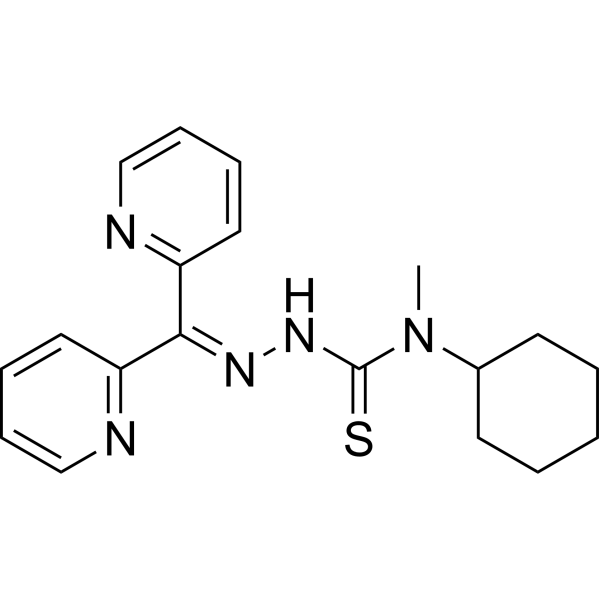
Cat. No.: HY-114243
CAS No.: 1382469-39-7
Purity:  98.28%
DpC is a selective, orally active iron chelator with anticancer activity. DpC acts on signaling pathway-related targets such as JNK, NF-κB, and its activity is competitively inhibited by another iron chelator Dp44mT (HY-18973). By chelating intracellular iron and copper ions in tumor cells to form redox-active complexes, DpC induces oxidative stress, activates the JNK, NF-κB pathways and downregulates IκBα, upregulates the expressions of neuroglobin and cytoglobin, activates caspase 3/9 to induce tumor cell apoptosis. It also overcomes P-glycoprotein-mediated multidrug resistance through a lysosome-targeting mechanism, and exhibits broad-spectrum synergistic effects when combined with various chemotherapeutic agents. DpC inhibits tumor metastasis and increases TNF-α levels in the tumor microenvironment to enhance endogenous immune responses. DpC is applicable to the research of various malignancies including neuroblastoma, pancreatic cancer, prostate cancer, lung cancer, and breast cancer .
loading...
    loading...
Cat. No.: HY-114243A
CAS No.: 1382469-40-0
DpC hydrochloride is a selective, orally active iron chelator with anticancer activity. DpC hydrochloride acts on signaling pathway-related targets such as JNK, NF-κB, and its activity is competitively inhibited by another iron chelator Dp44mT (HY-18973). By chelating intracellular iron and copper ions in tumor cells to form redox-active complexes, DpC hydrochloride induces oxidative stress, activates the JNK, NF-κB pathways and downregulates IκBα, upregulates the expressions of neuroglobin and cytoglobin, activates caspase 3/9 to induce tumor cell apoptosis. It also overcomes P-glycoprotein-mediated multidrug resistance through a lysosome-targeting mechanism, and exhibits broad-spectrum synergistic effects when combined with various chemotherapeutic agents. DpC hydrochloride inhibits tumor metastasis and increases TNF-α levels in the tumor microenvironment to enhance endogenous immune responses. DpC hydrochloride is applicable to the research of various malignancies including neuroblastoma, pancreatic cancer, prostate cancer, lung cancer, and breast cancer .
loading...
    loading...
Cat. No.: HY-131027
Purity:  99.87%
Synonyms: JF646, Azide
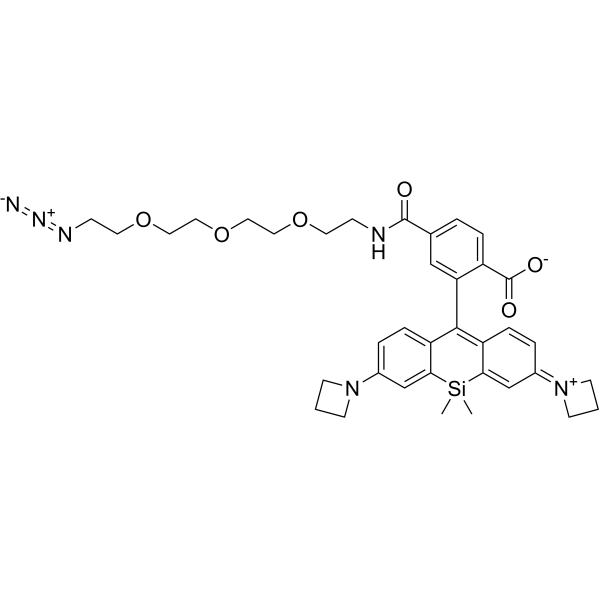
Janelia Fluor 646, Azide (JF646, Azide) is a red fluorogenic fluorescent dye containing a click chemistry group Azide. Janelia Fluor 646, Azide can be used for live-cell imaging experiments . Janelia Fluor fluorescent dyes can be chemically conjugated to the specific HaloTag substrate (a chloroalkane ligand) to form a fluorescent ligand, rather than binding directly to the HaloTag protein itself. Janelia Fluor products are licensed under U.S. Pat. Nos. 9,933,417, 10,018,624 and 10,161,932 and other patents from Howard Hughes Medical Institute. Janelia Fluor 646, Azide is a click chemistry reagent, it contains an Azide group and can undergo copper-catalyzed azide-alkyne cycloaddition reaction (CuAAc) with molecules containing Alkyne groups. It can also undergo strain-promoted alkyne-azide cycloaddition (SPAAC) reactions with molecules containing DBCO or BCN groups (Ex/Em = 646/664 nm).
loading...
    loading...
Cat. No.: HY-14988
CAS No.: 1143579-76-3
Target:  

Bacterial

Research Areas:  

Infection

I-A09 and its derivatives, specifically 1,2,3-triazole-adamantylacetamide hybrids (5a–u), exhibit significant antitubercular activity. These hybrids were synthesized using copper-catalyzed click chemistry, combining bioactive fragments from antitubercular I-A09 and substituted adamantyl urea. The compound N-(1-adamantyl)-2-azido acetamide was reacted with various alkyl/aryl acetylenes to produce new analogues. Among them, N-(1-adamantan-1-yl)-2-(4-(phenanthren-2-yl)-1H-1,2,3-triazol-1-yl)acetamide (5t) showed the most promise with a minimum inhibitory concentration (MIC) of 3.12 μg/mL against Mycobacterium tuberculosis H37Rv, and a selectivity index greater than 15 .
loading...
    loading...
Cat. No.: HY-151791
CAS No.: 2300155-90-0
Target:  

ADC Linkers

Research Areas:  

Others

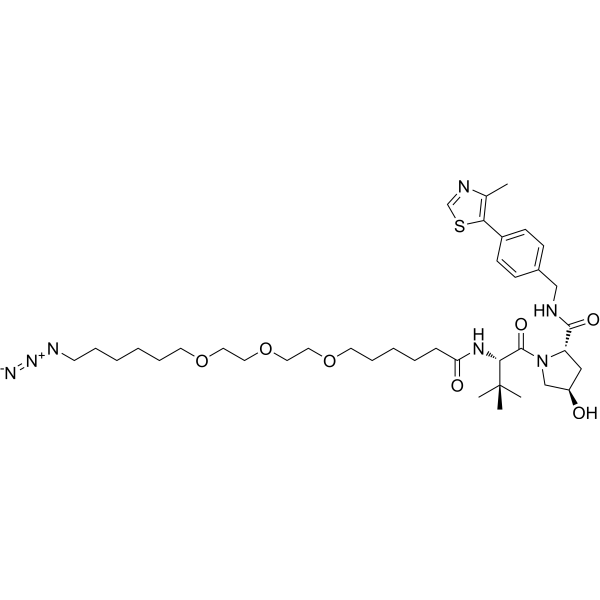
(S,R,S)-AHPC-C6-PEG3-butyl-N3 is a click chemistry reagent containing an azide group. (S,R,S)-AHPC-C6-PEG3-butyl-N3 serves as crosslinker-E3 ligase ligand conjugate, Click reactive protein degrader building block for PROTAC research, Template for synthesis of targeted protein degrader, VH032 conjugate . (S,R,S)-AHPC-C6-PEG3-butyl-N3 is a click chemistry reagent, it contains an Azide group and can undergo copper-catalyzed azide-alkyne cycloaddition reaction (CuAAc) with molecules containing Alkyne groups. It can also undergo strain-promoted alkyne-azide cycloaddition (SPAAC) reactions with molecules containing DBCO or BCN groups.
loading...
    loading...
Cat. No.: HY-158117
Target:  

Apoptosis Autophagy

Research Areas:  

Cancer

[Cu2Cl2(4'-(4-Methoxy-1-naphthyl)-terpy)2](PF6)2 (Compound 3) is a copper complex, which inhibits cell viability of HCT116, HCT116DoxR, A2780 and fibroblasts, with IC50s of 0.13, 0.15, 0.66 and 6.24 μM, respectively. [Cu2Cl2(4'-(4-Methoxy-1-naphthyl)-terpy)2](PF6)2 induces apoptosis and autophagy, and arrests cell cycle at G0/G1 phase in HCT116DoxR. [Cu2Cl2(4'-(4-Methoxy-1-naphthyl)-terpy)2](PF6)2 exhibits antimetastatic efficacy .
loading...
    loading...
Cat. No.: HY-B1306R
CAS No.: 61-78-9
Synonyms: p-Aminohippuric acid (Standard)
4-Aminohippuric acid (p-Aminohippuric acid) (Standard) is the analytical standard of 4-Aminohippuric acid (HY-B1306). This product is intended for research and analytical applications. 4-Aminohippuric acid (p-Aminohippuric acid) is a coordination ligand for metal ions (such as Cu 2+, Fe 3+, Hg 2+) and a functionalization reagent for nanomaterials. 4-Aminohippuric acid can coordinate with metal ions or modify the surface of materials such as carbon nanotubes and gold nanoparticles through amino and carboxyl groups. 4-Aminohippuric acid can form stable complexes with metal ions or participate in the synthesis of nanomaterials as a reducing agent/stabilizer, enriching metal ions or giving nanoparticles peroxidase-mimicking activity. 4-Aminohippuric acid can be used to construct highly sensitive electrochemical sensors or colorimetric sensors to detect and quantitatively analyze heavy metal ions such as copper, iron, and mercury in environmental water samples and biological samples. 4-Aminohippuric acid may also be a biomarker for attention-deficit/hyperactivity disorder (ADHD) .
loading...
    loading...
Cat. No.: HY-D1850
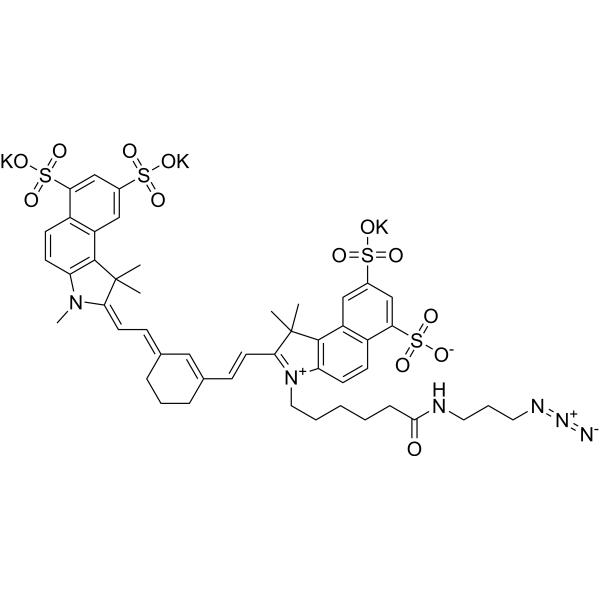
Sulfo-Cy7.5 azide is a Cyanine 7.5 (Cy7.5) (HY-D0926) dye derivative with azide and sulfonate functional groups. The sulfonate ion increases the water solubility of the compound, making it suitable for use in aqueous solutions. Cy7.5 is a near-infrared fluorescent dye commonly used for biolabeling and cell imaging. The azide group of Sulfo-Cy7.5 azide can react chemically with molecules containing alkyne functionality, such as alkyne or cyclooctyne, to form covalent bonds. Therefore, Sulfo-Cy7.5 azide can bind to biomolecules such as proteins and antibodies to track their location and dynamic changes in biological samples. It contains an azide group and can undergo copper-catalyzed azide-alkyne cycloaddition (CuAAc) with molecules containing alkyne groups. It can also undergo ring strain-promoted alkyne-azide cycloaddition (SPAAC) with molecules containing DBCO or BCN groups.
loading...
    loading...
Cat. No.: HY-P11642A
Sialorphin TFA is a neutral endopeptidase (NEP) and aminopeptidase N (APN) inhibitor that responds to androgen signals. Sialorphin TFA blocks the degradation of endogenous opioid peptides and interacts with μ-, δ-, κ-opioid receptors. Sialorphin TFA regulates the ERK/mTOR signaling pathway by inducing cell cycle arrest, enhancing ERK1/2 activity, and reducing the phosphorylation levels of mTOR, 4E-BP1, p70S6K; accordingly, Sialorphin TFA exhibits antiproliferative activity against colorectal cancer, glioma and prostate cancer cells without cytotoxicity. In addition, Sialorphin TFA also produces antinociceptive responses, regulates sexual behavior, relaxes corpus cavernosum smooth muscle, and alleviates experimental colitis. Sialorphin TFA is also a copper (II) ion-binding ligand. Sialorphin TFA has been used in mechanistic studies related to cancer, pain management and inflammatory bowel disease .
loading...
    loading...
Cat. No.: HY-103600R
CAS No.: 2101200-09-1
Synonyms: VH032-PEG1-N3 (Standard); VHL Ligand-Linker Conjugates 9 (Standard); E3 ligase Ligand-Linker Conjugates 3 (Standard)
(S,R,S)-AHPC-PEG1-N3 (Standard) is the analytical standard of (S,R,S)-AHPC-PEG1-N3 (HY-103600). This product is intended for research and analytical applications. (S,R,S)-AHPC-PEG1-N3 (VH032-PEG1-N3) is a synthesized E3 ligase ligand-linker conjugate that incorporates the (S,R,S)-AHPC based VHL ligand and 1-unit PEG linker used in PROTAC technology. (S,R,S)-AHPC-PEG1-N3 is a click chemistry reagent, it contains an Azide group and can undergo copper-catalyzed azide-alkyne cycloaddition reaction (CuAAc) with molecules containing Alkyne groups. It can also undergo strain-promoted alkyne-azide cycloaddition (SPAAC) reactions with molecules containing DBCO or BCN groups.
loading...
    loading...
Cat. No.: HY-138185
CAS No.: 158792-24-6
Synonyms: SF 2738A
Target:  

Bacterial Apoptosis

Research Areas:  

Cancer

Collismycin A is a bacterial metabolite originally isolated from Streptomyces that has diverse biological activities, including antibacterial, antiproliferative, and neuroprotective properties. It is active against a variety of bacteria (MICs=6.25 and 100 μg/mL) and fungi (MICs=12.5-100 μg/mL). It inhibits proliferation of A549 lung, HCT116 colon, and HeLa cervical cancer cells (IC50s=0.3, 0.6, and 0.3 μM, respectively) and NIH373 fibroblasts (IC50=56.6 μM) but not MDA-MD-231 breast cancer cells (IC50=>100 μM). Collismycin A forms a complex with Fe(II) and Fe(III) at a 2:1 ratio, and the addition of iron ions inhibits the antiproliferative effect of collismycin A on HeLa cells, an effect that does not occur with the addition of zinc, manganese, copper, or magnesium ions.3 Collismycin A (1 μM) prevents apoptosis in the brain region of zebrafish larvae in a model of neuronal cell death induced by all-trans retinoic acid.
loading...
    loading...
Cat. No.: HY-147414
CAS No.: 1416241-23-0
Purity:  98.69%
Synonyms: PF-114
Target:  

Bcr-Abl

Research Areas:  

Cancer

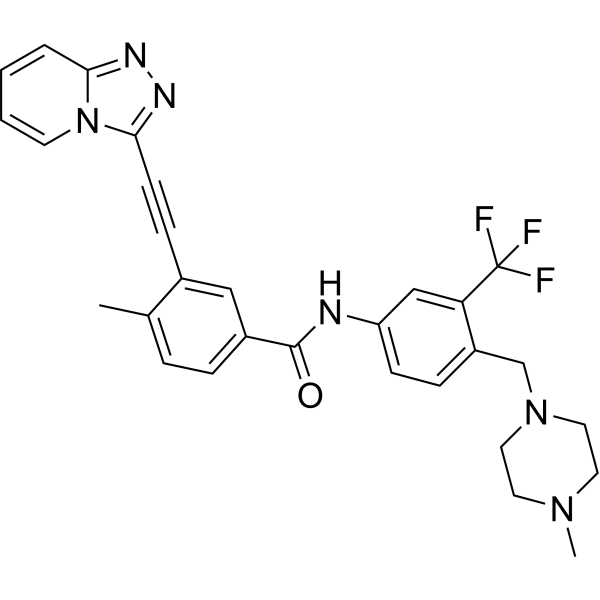
Vamotinib (PF-114) is a potent, selective and orally active tyrosine kinase inhibitor. Vamotinib inhibits the autophosphorylation of BCR/ABL and BCR/ABL-T315I. Vamotinib induces apoptosis. Vamotinib shows anti-proliferative and anti-tumor activity. Vamotinib has the potential for the research of resistant philadelphia chromosome-positive (Ph+) leukemia. Vamotinib inhibits ABL series kinases with IC50s of 0.49 nM (ABL), 0.78 nM (ABL T315I), 9.5 nM (ABL E255K), 2.0 nM (ABL F317I), 7.4 nM (ABL G250E), 1.0 nM (ABL H396P), 2.8 nM (ABL M351T), 12 nM (ABL Q252H), and 4.1 nM (ABL Y253F), respectively . Vamotinib is a click chemistry reagent, it contains an Alkyne group and can undergo copper-catalyzed azide-alkyne cycloaddition (CuAAc) with molecules containing Azide groups.
loading...
    loading...