469 Results for "

O2

" in MedChemExpress (MCE) Product Catalog:
Products (469)

469 Results for "O2" in MCE Product Catalog:

Cat. No.: HY-W698357
CAS No.: 82228-09-9
Methyl4,6-O-(phenylmethylene)-2-O-2-propen-1-yl-α-D-mannopyranoside is a class of biochemical reagents used in glycobiology research. Glycobiology studies the structure, synthesis, biology, and evolution of sugars. It involves carbohydrate chemistry, enzymology of glycan formation and degradation, protein-glycan recognition, and the role of glycans in biological systems. This field is closely related to basic research, biomedicine, and biotechnology .
loading...
    loading...
Cat. No.: HY-W698471
CAS No.: 82228-10-2
Methyl 4,6-O-(phenylmethylene)-3-O-2-propen-1-yl-α-D-mannopyranoside is a class of biochemical reagents used in glycobiology research. Glycobiology studies the structure, synthesis, biology, and evolution of sugars. It involves carbohydrate chemistry, enzymology of glycan formation and degradation, protein-glycan recognition, and the role of glycans in biological systems. This field is closely related to basic research, biomedicine, and biotechnology .
loading...
    loading...
Cat. No.: HY-P0104
CAS No.: 1447824-23-8
Target:  

Collagen

Research Areas:  

Metabolic Disease

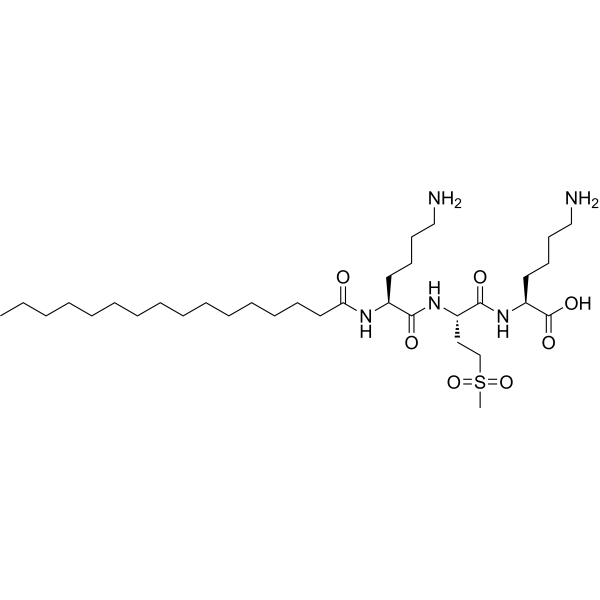
Palmitoyl tripeptide-38 is a lipopeptide that increases the production of dermal and epidermal collagen, fibronectin, and hyaluronic acid. Palmitoyl tripeptide-38 is used in research related to skin aging (fine lines, wrinkles, reduced skin elasticity, decreased skin water content, uneven skin tone) [2].
loading...
    loading...
Cat. No.: HY-154240
CAS No.: 847647-19-2
Research Areas:  

Cancer

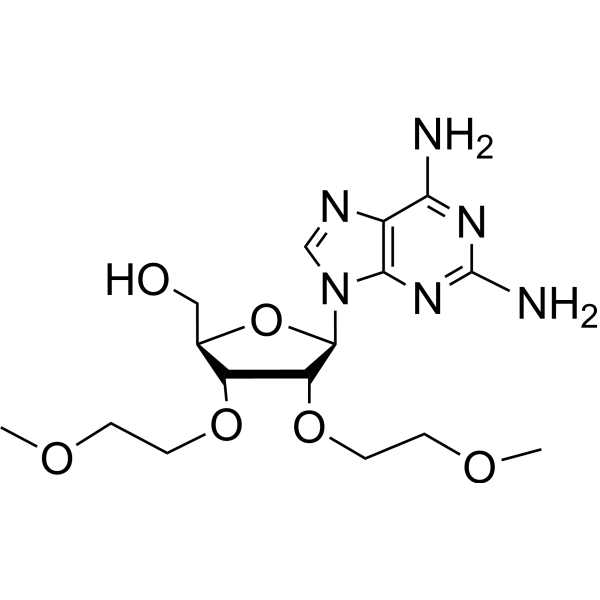
2-Amino-2’,3’-bis-O-(2-methoxyethyl) adenosine is a purine nucleoside analog. Purine nucleoside analogs have broad antitumor activity targeting indolent lymphoid malignancies. Anticancer mechanisms in this process rely on inhibition of DNA synthesis, induction of apoptosis, etc .
loading...
    loading...
Cat. No.: HY-P2113
CAS No.: 50913-82-1
Target:  

Melanocortin Receptor

Research Areas:  

Neurological Disease

ORG-2766 is an adrenocorticotropic hormone ACTH 4-9 analog and neurotrophic peptide. ORG-2766 affects behavioral processes such as memory and attention in animals, improving symptoms in rats with experimental allergic neuritis. ORG-2766 has a neuroprotective effect [2].
loading...
    loading...
Cat. No.: HY-154448
CAS No.: 2095417-36-8
Research Areas:  

Cancer

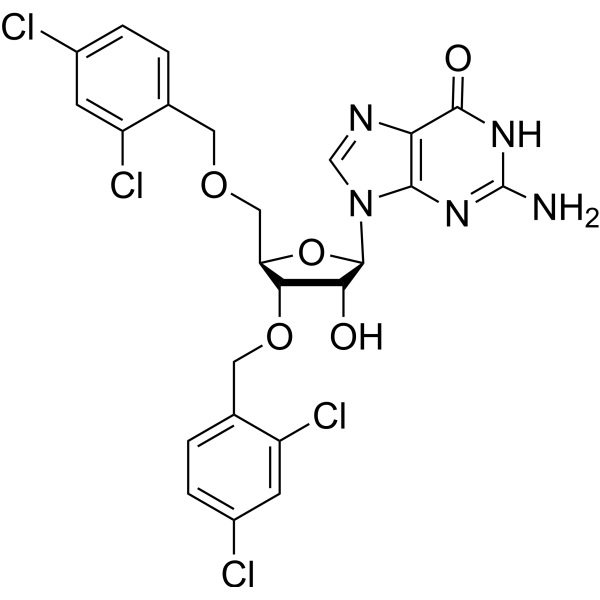
3,5-Bis-O-(2,4-dichlorobenzyl)guanosine is a guanosine analog. Some guanosine analogs have immunostimulatory activity. In some animal models, they also induce type I interferons, producing antiviral effects. Studies have shown that the functional activity of guanosine analogs is dependent on the activation of Toll-like receptor 7 (TLR7) .
loading...
    loading...
Cat. No.: HY-19648
CAS No.: 105611-68-5
Synonyms: HOE-427 free base
Research Areas:  

Neurological Disease

Ebiratide (HOE-427 free base) is an ACTH 4-9 derivative, which acts directly on the central nervous system and exhibits memory-enhancing efficacy. Ebiratide enhances acetycholine (ACh) metabolism in rat brain [2].
loading...
    loading...
Cat. No.: HY-19648B
Synonyms: HOE-427 TFA
Target:  

nAChR

Research Areas:  

Neurological Disease

Ebiratide (HOE-427) TFA is an ACTH 4-9 derivative, which acts directly on the central nervous system and exhibits memory-enhancing efficacy. Ebiratide TFA enhances acetycholine (ACh) metabolism in rat brain [2].
loading...
    loading...
Cat. No.: HY-49205
CAS No.: 2095417-71-1
Research Areas:  

Cancer

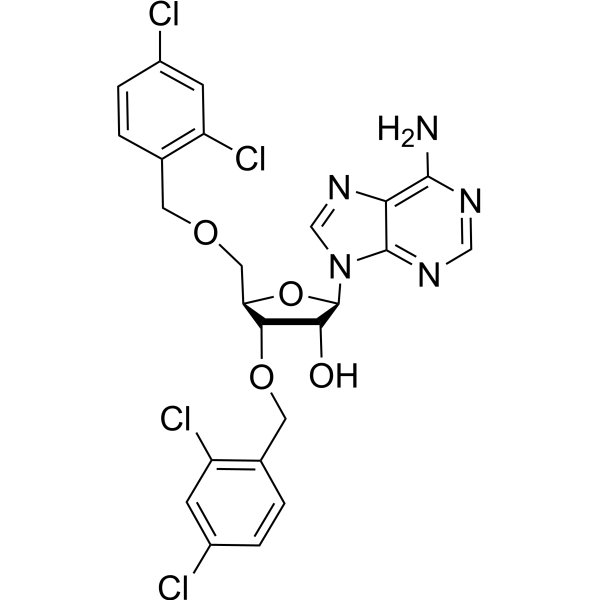
3,5-Bis-O-(2,4-dichlorobenzyl)adenosine is an adenosine analog. Adenosine analogs mostly act as smooth muscle vasodilators and have also been shown to inhibit cancer progression. Its popular products are adenosine phosphate, Acadesine (HY-13417), Clofarabine (HY-A0005), Fludarabine phosphate (HY-B0028) and Vidarabine (HY-B0277) .
loading...
    loading...
Cat. No.: HY-N9676
CAS No.: 349545-02-4
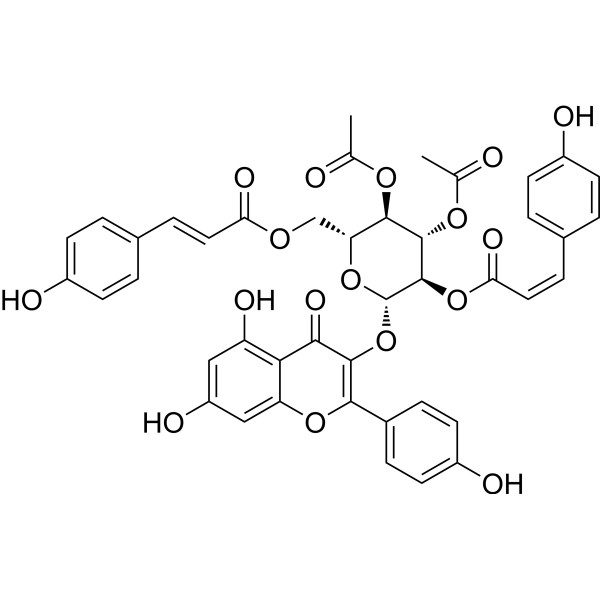
Kaempferol 3-O-(2'',4''-di-acetyl-3''-cis-p-coumaroyl-6''-trans-p-coumaroyl)-β-D-glucopyranoside is a flavonoid compound that can be isolated from Quercus dentata. Kaempferol 3-O-(2'',4''-di-acetyl-3''-cis-p-coumaroyl-6''-trans-p-coumaroyl)-β-D-glucopyranoside suppresses the superoxide generation induced by arachidonic acid .
loading...
    loading...
Cat. No.: HY-W698908
CAS No.: 109303-71-1
Synonyms: Methyl 3-O-[2-(acetylamino)-2-deoxy-β-D-galactopyranosyl]-α-D-galactopyranoside
GalNAc1-b-3Gal-α-Ome (Methyl 3-O-[2-(acetylamino)-2-deoxy-β-D-galactopyranosyl]-α-D-galactopyranoside) is a class of biochemical reagents used in glycobiology research. Glycobiology studies the structure, synthesis, biology, and evolution of sugars. It involves carbohydrate chemistry, enzymology of glycan formation and degradation, protein-glycan recognition, and the role of glycans in biological systems. This field is closely related to basic research, biomedicine, and biotechnology .
loading...
    loading...
Cat. No.: HY-49203
CAS No.: 2095417-66-4
Research Areas:  

Cancer

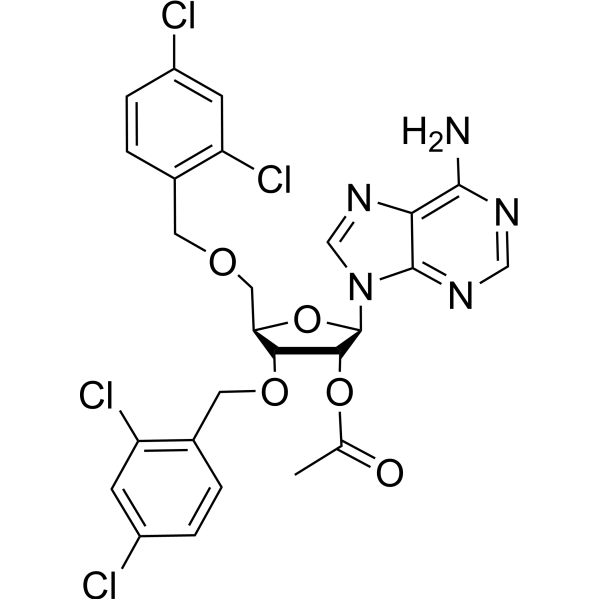
2’-O-Acetyl-3,5-bis-O-(2,4-dichlorobenzyl)adenosine is an adenosine analog. Adenosine analogs mostly act as smooth muscle vasodilators and have also been shown to inhibit cancer progression. Its popular products are adenosine phosphate, Acadesine (HY-13417), Clofarabine (HY-A0005), Fludarabine phosphate (HY-B0028) and Vidarabine (HY-B0277) .
loading...
    loading...
Cat. No.: HY-151676
CAS No.: 1434445-10-9
Synonyms: N-Boc-O-(2-azidoethyl)-L-tyrosine
Target:  

ADC Linkers

Research Areas:  

Others

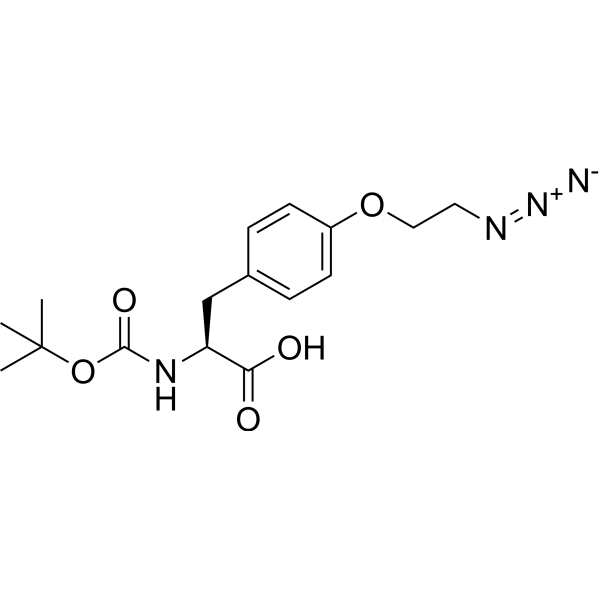
Boc-L-Tyr(2-azidoethyl)-OH (N-Boc-O-(2-azidoethyl)-L-tyrosine) is a click chemistry reagent containing an azide group . It contains an azide group and can undergo copper-catalyzed azide-alkyne cycloaddition (CuAAc) with molecules containing alkyne groups. It can also undergo ring strain-promoted alkyne-azide cycloaddition (SPAAC) with molecules containing DBCO or BCN groups.
loading...
    loading...
Cat. No.: HY-L045
4,397 compounds

Oxygen homeostasis regulation is the most fundamental cellular process for adjusting physiological oxygen variations, and its irregularity leads to various human diseases, including cancer. Hypoxia is closely associated with cancer development, and hypoxia/oxygen-sensing signaling plays critical roles in the modulation of cancer progression.

Hypoxia-inducible factor 1 (HIF-1) is a transcription factor that functions as a master regulator of oxygen homeostasis. A variety of HF-1 target genes have been identified thus far which encode proteins that play key roles in critical developmental and physiological processes including angiogenesis/vascular remodeling, erythropoiesis, glucose transport, glycolysis, iron transport, and cell proliferation/survival.

HIF-1 is a heterodimeric transcription factor consisting of a constitutively expressed β-subunit and an oxygen-regulated α-subunit. The unique feature of HIF-1 is the regulation of HIF-1α expression and activity based upon the cellular O2 concentration. Under normoxic conditions, hydroxylation of HIF-1α on these different proline residues is essential for HIF proteolytic degradation by promoting interaction with the von Hippel-Lindau tumor-suppressor protein (pVHL) through hydrogen bonding to the hydroxyproline-binding pocket in the pVHL β-domain. As oxygen levels decrease, hydroxylation of HIF decreases; HIF-1α then no longer binds pVHL, and becomes stabilized, allowing more of the protein to translocate to the cell’s nucleus, where it acts as a transcription factor, upregulating (often within minutes) the production of proteins that stimulate blood perfusion in tissues and thus tissue oxygenation.

MCE offers a unique collection of 4,397 oxygen sensing related compounds targeting HIF/HIF Prolyl-Hydroxylase, MAPK/ERK, PI3K/AKT signaling pathways, etc. MCE Oxygen Sensing Compound Library is a useful tool to study hypoxia, oxidative stress and discover new anti-cancer drugs.

Cat. No.: HY-W739747
CAS No.: 26255-69-6
Nitrophenyl 2-O-(2,3,4,6-Tri-O-acetyl-α-D-mannopyranosyl)-α-D-mannopyranoside is a class of biochemical reagents used in glycobiology research. Glycobiology studies the structure, synthesis, biology, and evolution of sugars. It involves carbohydrate chemistry, enzymology of glycan formation and degradation, protein-glycan recognition, and the role of glycans in biological systems. This field is closely related to basic research, biomedicine, and biotechnology .
loading...
    loading...
Cat. No.: HY-N6964
CAS No.: 143061-65-8
Synonyms: Quercetin-3-O-[2-O-(6-O-p-hydroxyl-E-coumaroyl)-D-glucosyl]-(1→2)-L-rhamnoside
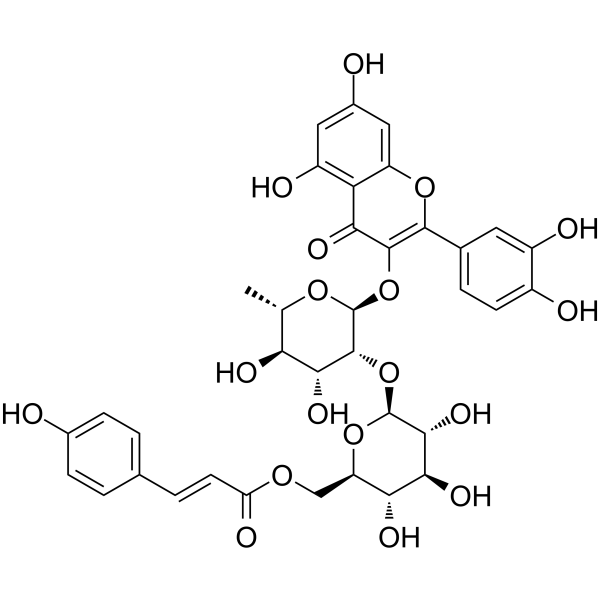
Quercetin 3-O-β-D-(6''-p-coumaroyl) glucopyranosyl (1→2)-α-L-rhamnopyranoside (Quercetin-3-O-[2-O-(6-O-p-hydroxyl-E-coumaroyl)-D-glucosyl]-(1→2)-L-rhamnoside) is a flavonoid glycoside present in Ginkgo biloba leaves, with antioxidant activity. Quercetin 3-O-β-D-(6''-p-coumaroyl) glucopyranosyl (1→2)-α-L-rhamnopyranoside serves as the major antioxidant component in Shuxuening Injection [2].
loading...
    loading...
Cat. No.: HY-W698499
CAS No.: 60831-31-4
Benzyl 2-acetamido-3-O-(2,3,4,6-tetra-O-acetyl-β-D-galactopyranosyl-2-deoxy-α-D-glucopyranoside is a class of biochemical reagents used in glycobiology research. Glycobiology studies the structure, synthesis, biology, and evolution of sugars. It involves carbohydrate chemistry, enzymology of glycan formation and degradation, protein-glycan recognition, and the role of glycans in biological systems. This field is closely related to basic research, biomedicine, and biotechnology .
loading...
    loading...
Cat. No.: HY-W699294
CAS No.: 90754-57-7
Benzyl 2-acetamido-2-deoxy-3-O-(2',3',4',6'-tetra- O-acetyl-β-D-galactopyranosyl)-α-D-galactopyranoside is a class of biochemical reagents used in glycobiology research. Glycobiology studies the structure, synthesis, biology and evolution of sugars. It involves carbohydrate chemistry, enzymology of glycan formation and degradation, protein-Glycan recognition and the role of glycans in biological systems. This field is closely related to basic research, biomedicine and biotechnology.
loading...
    loading...
Cat. No.: HY-W699023
CAS No.: 59837-13-7
p-Nitrophenyl 2-acetamido-2-deoxy-3-O-(2,3,4,6-tetra-O-acetyl-β-D-galactopyranosyl)-α-D-galactopyranoside is a class of biochemical reagents used in glycobiology research. Glycobiology studies the structure, synthesis, biology, and evolution of sugars. It involves carbohydrate chemistry, enzymology of glycan formation and degradation, protein-glycan recognition, and the role of glycans in biological systems. This field is closely related to basic research, biomedicine, and biotechnology .
loading...
    loading...
loading...
    loading...

