
360 Results for "

mild

" in MedChemExpress (MCE) Product Catalog:
Products (360)

360 Results for "mild" in MCE Product Catalog:

Cat. No.: HY-176279
Research Areas:  

Cancer

Hsp90-IN-42 is a heat shock protein 90 (Hsp90) inhibitor with an IC50 of 15.65 nM against human targets. Hsp90-IN-42 destabilizes EGFR and inhibits the activation of the EGFR-Akt signaling pathway. Hsp90-IN-42 suppresses the proliferation and migration of cancer cells, induces cell cycle arrest by downregulating CDK12 and CDK13, and triggers mild apoptosis via downregulating Bcl-2 and upregulating Bax. Hsp90-IN-42 inhibits tumor growth in xenograft mouse models. Hsp90-IN-42 can be used in research related to colorectal cancer .
loading...
    loading...
Cat. No.: HY-183098
Target:  

PROTACs IKK Apoptosis

Research Areas:  

Cancer

UNC8209 is a selective PROTAC-based TANK-binding kinase 1 (TBK1) degrader. UNC8209 recruits cereblon (CRBN) to mediate ubiquitin-proteasome pathway-dependent TBK1 degradation and reduces AAK1, GAK, and AURKA abundance. UNC8209 suppresses tumor cell proliferation, impairs in vivo tumor growth, inhibits colony and clonogenic growth and enhances tumor cell sensitivity to TNFα or IFN-γ. UNC8209 modulates cell cycle and induces mild apoptosis. UNC8209 can be used for the research of clear cell renal cell carcinoma, non-small cell lung cancer, pancreatic ductal adenocarcinoma .
loading...
    loading...
Cat. No.: HY-P12013
Research Areas:  

Inflammation/Immunology

PEG12KL4 is a PEG-modified amphipathic cell-penetrating peptide. PEG12KL4 promotes the transfection and delivery of mRNA into lung cells, maintains mRNA stability, and forms mRNA complexes that retain integrity and translatability. PEG12KL4 endows lipid nanoparticles (LNPs) with anti-nebulization properties, enhances transfection efficiency in artificial mucus when used in combination with LNPs, and enables the formation of dry powder formulations with low toxicity and mild inflammatory responses. PEG12KL4 can be used in studies related to drug delivery for pulmonary diseases (cystic fibrosis, chronic obstructive pulmonary disease) .
loading...
    loading...
Cat. No.: HY-P9995
CAS No.: 2517973-04-3
Synonyms: JNJ-63733657

Target:  

Tau Protein

Research Areas:  

Neurological Disease

Posdinemab (JNJ-63733657) is a humanized IgG1/κ monoclonal antibody that selectively targets phosphorylated tau (pT217). Posdinemab specifically binds to the pT217+tau epitope rich in the proline domain, blocks tau protein aggregation and seed propagation, and promotes the clearance of extracellular tau species. Posdinemab reduces the levels of free and total p217+tau in cerebrospinal fluid, thereby inhibiting the pathological propagation of tau protein and the formation of neurofibrillary tangles. Posdinemab can be used for the study of progressive supranuclear palsy syndrome and Alzheimer's disease (AD), especially for prodromal or mild AD disease .
loading...
    loading...
Cat. No.: HY-W264185
CAS No.: 375394-74-4
Target:  

AMPK Mitophagy Apoptosis

Research Areas:  

Cancer

ADSS2-IN-1 is a ADSS2 inhibitor. ADSS2-IN-1 inhibits de novo AMP biosynthesis by targeting ADSS2, downregulates AMPK activity and promotes mitophagy in drug-resistant cells. ADSS2-IN-1 alone induces mild apoptosis in acute myeloid leukemia cells, and acts synergistically with BH3 mimetics to enhance the apoptotic effect. ADSS2-IN-1 restores the sensitivity of drug-resistant acute myeloid leukemia cells and reduces disease burden in immunocompetent mouse models. ADSS2 antagonist-1 can be used for the research of acute myeloid leukemia .
loading...
    loading...
Cat. No.: HY-W563489
CAS No.: 88431-47-4
Synonyms: POCA
Clomoxir (POCA) is a carnitine palmitoyltransferase I (CPT I) inhibitor with hypoglycemic activity. Clomoxir mediates the inhibition of CPT I via its active form POCA-CoA. Clomoxir inhibits long-chain fatty acid oxidation, ketogenesis, gluconeogenesis, de novo synthesis of cholesterol and fatty acids, and also mildly inhibits acetyl-CoA carboxylase. Clomoxir reduces blood glucose levels in various rodent and porcine models, alters plasma NEFA and cholesterol concentrations, induces hepatic lipid accumulation, peroxisome proliferation and mild myocardial hypertrophy in rats, and stimulates the pentose phosphate pathway in cultured human fibroblasts. Clomoxir can be used in diabetes-related research .
loading...
    loading...
Cat. No.: HY-W782399
CAS No.: 17363-08-5
Synonyms: Sodium boranocarbonate
CORM-A1 (Sodium boranocarbonate) is a water-soluble carbon monoxide (CO) releasing molecule that facilitates the investigation of CO's impact on cellular systems. As CO is generated from heme degradation by the enzyme heme oxygenase, it serves as a crucial gaseous signaling mediator in mammalian cells. CORM-A1 not only exhibits anti-oxidant and anti-inflammatory properties but also regulates CO release in a manner dependent on pH and temperature, promoting mild vasorelaxation and hypotension. Furthermore, CORM-A1 has been shown to provide cytoprotection in primary cultures of astrocytes under oxidative stress while also enhancing autophagy due to its boron-containing composition.
loading...
    loading...
Cat. No.: HY-101481
CAS No.: 91503-79-6
Purity:  99.85%
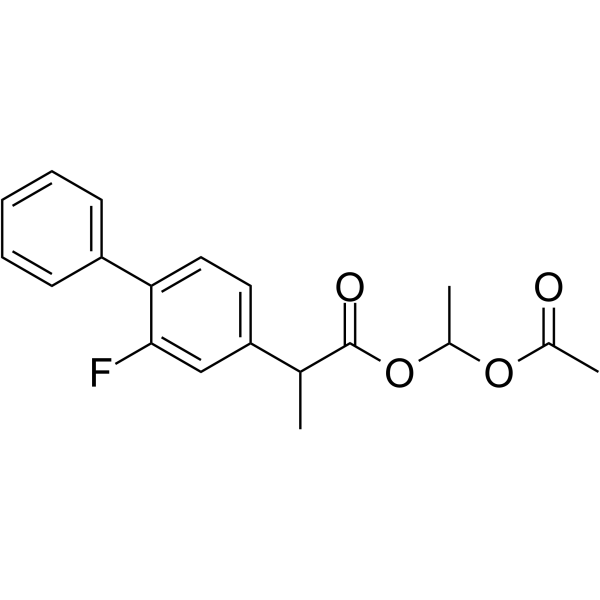
Flurbiprofen axetil is a non-selective COX inhibitor and a nonsteroidal anti-inflammatory agent with anti-inflammatory and analgesic effects. Flurbiprofen axetil inhibits basal-like breast cancer metastasis by inhibiting the MEK/ERK signaling pathway. Flurbiprofen axetil can promote neuroprotection after focal cerebral ischemia in rats by partially activating PPAR-γ. Flurbiprofen axetil alleviates cerebral ischemia/reperfusion injury by reducing inflammation in a transient global cerebral ischemia/reperfusion rat model. Flurbiprofen axetil can alleviate inflammatory responses and cognitive function in a mild cognitive impairment (MCI) SD rat model through the AMPKα/NF-κB signaling pathway .
loading...
    loading...
Cat. No.: HY-117068S
Synonyms: (R,E)-Bromoenol lactone-d7
(R)-Bromoenol lactone-d7 ((R,E)-Bromoenol lactone-d7) is the deuterated-labeled (R)-Bromoenol lactone (HY-117068). (R)-Bromoenol lactone ((R,E)-Bromoenol lactone) is an isomer of Bromoenol lactone (HY-107411). (R)-Bromoenol lactone acts as a selective inhibitor of microsomal calcium-independent phospholipase A2γ (iPLA2γ). (R)-Bromoenol lactone induces mild activation of p38 mitogen-activated protein kinase in prostate cancer cells, resulting in slight increases in the expressions of phosphorylated p53, total p53 and p21. (R)-Bromoenol lactone is applicable to prostate cancer-related research .
loading...
    loading...
Cat. No.: HY-117247
CAS No.: 111113-75-8
Target:  

DNA/RNA Synthesis

Research Areas:  

Infection

5,6,7,8-Tetrahydro-8-deazahomofolic acid is a potential thymidylate synthase (TS) inhibitor with inhibitory activity against other folate-related enzymes. 5,6,7,8-Tetrahydro-8-deazahomofolic acid showed mild growth inhibition against enterococci, lactic acid bacteria, and L1210 cells in culture. 5,6,7,8-Tetrahydro-8-deazahomofolic acid also showed weak inhibition against thymidylate synthase, dihydrofolate reductase, glycyl-ribonucleoside aminotransferase, and aminoimidazole-carboxyacyl-ribonucleoside aminotransferase. 5,6,7,8-Tetrahydro-8-deazahomofolic acid showed low substrate activity for thymidylate synthase .
loading...
    loading...
Cat. No.: HY-136820S1
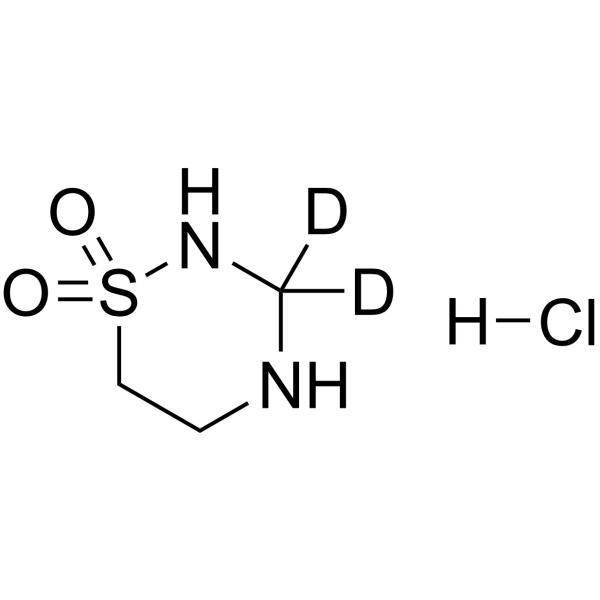
Taurultam-d2 hydrochloride is the d2-labeled Taurultam (HY-136820) hydrochloride. Taurultam is the major active hydrolytic metabolite of Taurolidine (HY-W011522), which selectively activates hTRPA1 to trigger effects in sensory neurons. Taurultam exhibits activity against SARS-CoV-2 variants, influenza A viruses (H1N1, H3N2) and influenza B viruses. Taurultam induces mild tracheal sensory nerve stimulation and CGRP release in mice. Taurultam can be used in studies related to SARS-CoV-2 infection, influenza virus infection, and co-infection with SARS-CoV-2 and influenza A virus.
loading...
    loading...
Cat. No.: HY-138110R
CAS No.: 19804-27-4
Synonyms: 4-Methyldiphenhydramine (Standard)
Toladryl (Standard) is the analytical standard of Toladryl. This product is intended for research and analytical applications. Toladryl is a derivative of Diphenhydramine (HY-B0303), capable of penetrating the blood-brain barrier and possessing oral activity, as well as antihistamine and anticholinergic activities. The anticholinergic activity of Toladryl is approximately one-tenth that of Diphenhydramine (HY-B0303), and its protective effect against lethal doses of histamine in guinea pigs is 2 to 4 times that of Diphenhydramine (HY-B0303). The side effects of Toladryl are fewer and milder than those of Diphenhydramine (HY-B0303), but at higher doses, it may cause central nervous system symptoms such as insomnia, agitation, and disorientation. Toladryl can be used for research in allergic diseases .
loading...
    loading...
Cat. No.: HY-167152
CAS No.: 292039-20-4
Pirlindole lactate is an orally active, selective and reversible MAO-A inhibitor with an IC50 value of 250 nM. Pirlindole lactate inhibits genomic replication of Enterovirus species B and D, and exhibits moderate activity against enterovirus species A. Pirlindole lactate inhibits MAO-A-mediated monoamine metabolism, promotes adult hippocampal neurogenesis, rescues stress-induced dendritic atrophy of hippocampal granule neurons, reverses behavioral effects associated with chronic mild stress, and also possesses anticonvulsant, analgesic, local anesthetic, hypotensive, antiplatelet aggregation and antispasmodic activities. Pirlindole lactate shows no detectable mutagenic, clastogenic or carcinogenic properties. Pirlindole lactate can be used in research related to depression and enterovirus infections .
loading...
    loading...
Cat. No.: HY-G0017A
CAS No.: 404844-03-7
Synonyms: Norimatinib mesylate; Imatinib metabolite N-Desmethyl imatinib mesylate; CGP 74588 mesylate
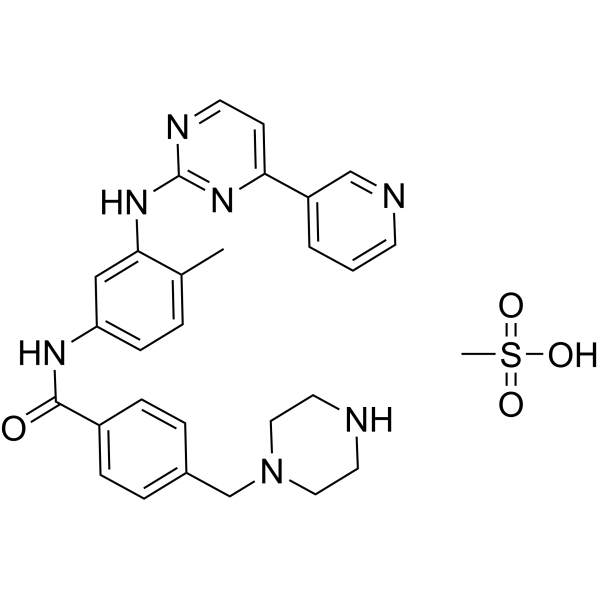
N-Desmethyl imatinib mesylate (Norimatinib mesylate) is an active metabolite of Imatinib (HY-15463), a selective c‑Abl inhibitor, and a substrate of P‑glycoprotein. N-Desmethyl imatinib mesylate binds to the c-Abl catalytic domain to prevent substrate phosphorylation, inhibits c-Abl-mediated α-synuclein activation and downstream inflammatory signaling pathways. N-Desmethyl imatinib mesylate induces apoptosis in K562 human leukemia cells. N-Desmethyl imatinib mesylate exhibits significantly elevated plasma levels in gastrointestinal stromal tumor (GIST) settings following mild SARS CoV 2 infection. N-Desmethyl imatinib mesylate can be used for the research of Parkinson’s disease, gastrointestinal stromal tumor, and chronic myeloid leukemia .
loading...
    loading...
Cat. No.: HY-P11582
Target:  

Bacterial

Research Areas:  

Infection

CyLip-20 is a cyclic lipopeptide antimicrobial peptide that targets Gram-positive and Gram-negative bacteria. CyLip-20 exhibits low hemolytic activity and mild in vivo toxicity. CyLip-20 disrupts the integrity of bacterial outer membrane, inner membrane and cytoplasmic membrane by binding to bacterial lipopolysaccharide (LPS), triggering membrane permeabilization, depolarization and leakage of intracellular contents, and inhibits bacterial biofilm formation. In animal models, CyLip-20 reduces the bacterial load in skin wounds of mice infected with MRSA, promotes wound healing, decreases the levels of inflammatory cytokines and reduces inflammatory cell infiltration. CyLip-20 can be used in research related to MRSA skin wound infections .
loading...
    loading...
Cat. No.: HY-100679R
CAS No.: 60762-57-4
Pirlindole (Standard) is the analytical standard of Pirlindole (HY-100679). This product is intended for research and analytical applications. Pirlindole is an orally active, selective and reversible MAO-A inhibitor with an IC50 value of 250 nM. Pirlindole inhibits genomic replication of Enterovirus species B and D, and exhibits moderate activity against enterovirus species A. Pirlindole inhibits MAO-A-mediated monoamine metabolism, promotes adult hippocampal neurogenesis, rescues stress-induced dendritic atrophy of hippocampal granule neurons, reverses behavioral effects associated with chronic mild stress, and also possesses anticonvulsant, analgesic, local anesthetic, hypotensive, antiplatelet aggregation and antispasmodic activities. Pirlindole shows no detectable mutagenic, clastogenic or carcinogenic properties. Pirlindole can be used in research related to depression and enterovirus infections .
loading...
    loading...
Cat. No.: HY-100679S
CAS No.: 1801646-26-3
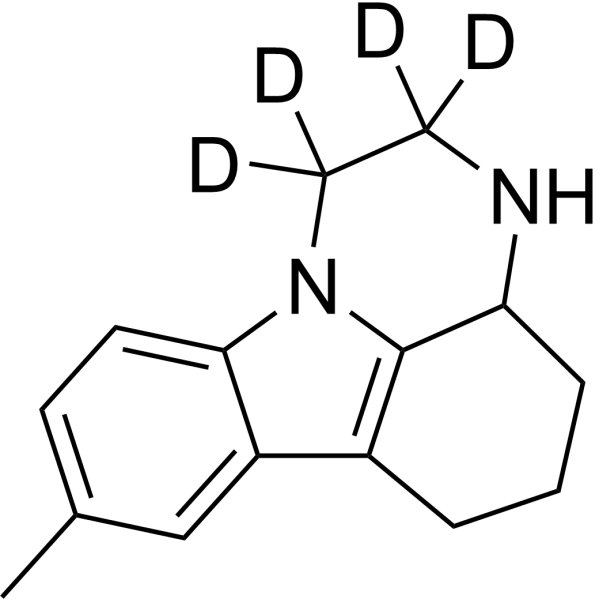
Pirlindole-d4 is the d4-labeled Pirlindole (HY-100679). Pirlindole is an orally active, selective and reversible MAO-A inhibitor with an IC50 value of 250 nM. Pirlindole inhibits genomic replication of Enterovirus species B and D, and exhibits moderate activity against enterovirus species A. Pirlindole inhibits MAO-A-mediated monoamine metabolism, promotes adult hippocampal neurogenesis, rescues stress-induced dendritic atrophy of hippocampal granule neurons, reverses behavioral effects associated with chronic mild stress, and also possesses anticonvulsant, analgesic, local anesthetic, hypotensive, antiplatelet aggregation and antispasmodic activities. Pirlindole shows no detectable mutagenic, clastogenic or carcinogenic properties. Pirlindole can be used in research related to depression and enterovirus infections .
loading...
    loading...
Cat. No.: HY-115857
CAS No.: 872874-00-5
Target:  

GABA Receptor

Research Areas:  

Neurological Disease

SH-053-S-CH3-2'F is a selective positive allosteric modulator that produces mild to partial agonistic activity at α(1) GABA(A) receptors. SH-053-S-CH3-2'F showed anxiety-relieving effects at a dose of 30 mg/kg. SH-053-S-CH3-2'F completely avoids the memory impairment commonly caused by benzodiazepine site agonists. SH-053-S-CH3-2'F shows strong selectivity at GABA(A) receptors, which could potentially be used to develop more selective anti-anxiety drugs .
loading...
    loading...
Cat. No.: HY-120974
CAS No.: 691410-93-2
Target:  

GLUT

Research Areas:  

Metabolic Disease

α-Lipoic Acid Derivative 1 (Compound AN-7) is an α-lipoic acid derivative that enhances glucose transport in skeletal muscle by releasing active α-lipoic acid (LA), significantly improving glucose metabolism. In L6 skeletal muscle cells, α-Lipoic Acid Derivative 1 significantly increases glucose transport rates, approximately 12 times more potent than the parent compound α-lipoic acid (HY-N0492). In a mild diabetic mouse model, 10 mg/kg of α-Lipoic Acid Derivative 1 administered for two weeks significantly reduced blood glucose levels by 39%. α-Lipoic Acid Derivative 1 shows significant potential in research related to glucose metabolism in diabetes .
loading...
    loading...
Cat. No.: HY-153385
CAS No.: 3079093-92-5
Purity:  99.57%
Research Areas:  

Cancer

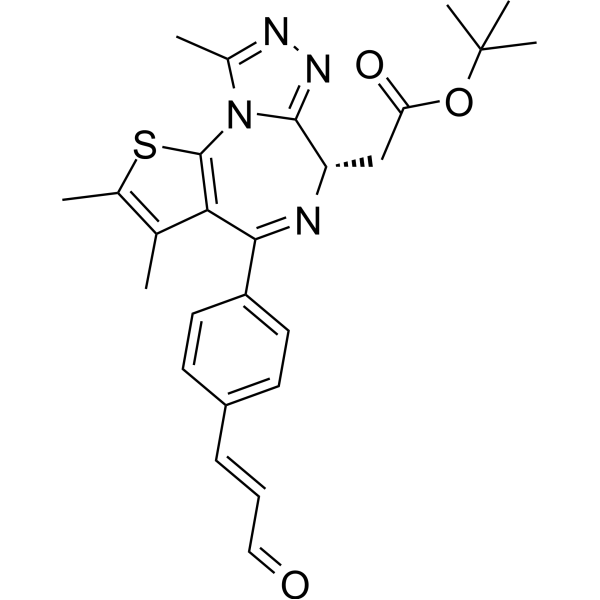
TMX1 is a covalent, selective BRD4 molecular glue degrader. TMX1 binds to the JQ1-binding site of BRD4BD2, forms covalent bonds with Cys58 of DCAF16 and Cys87 of GAK in a BRD4BD2-dependent template-assisted manner, stabilizes the BRD4-TMX1-DCAF16 ternary complex, and promotes the ubiquitination of BRD4 via the CRL4DCAF16 ubiquitin ligase complex. TMX1 induces selective degradation of BRD4, mild degradation of BRD2 and BRD3, as well as DCAF16-dependent cytotoxicity .
loading...
    loading...

