140 Results for "

Fever

" in MedChemExpress (MCE) Product Catalog:
Products (140)

140 Results for "Fever" in MCE Product Catalog:

1
1 Cited Publications
Cat. No.: HY-B2031
CAS No.: 95737-68-1
Synonyms: S-31183
Target:  

Autophagy Parasite

Research Areas:  

Infection

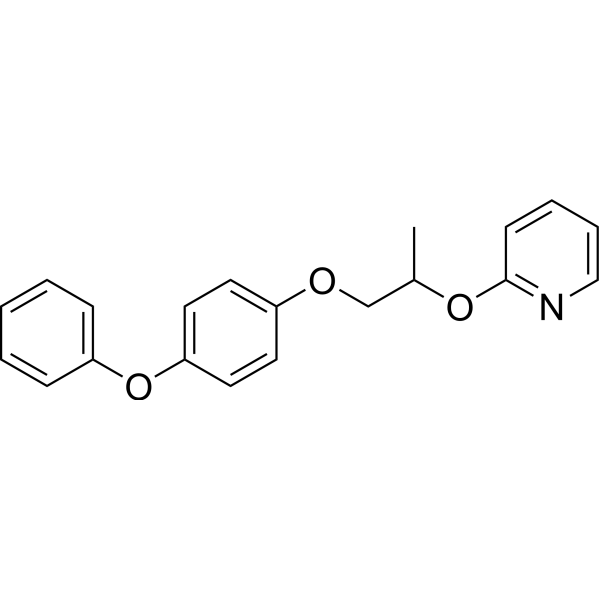
Pyriproxyfen (S-31183) is a juvenile hormone analog and insect growth regulator. Pyriproxyfen is used in research related to dengue fever and malaria .
loading...
    loading...
1
1 Cited Publications
Cat. No.: HY-139602C
CAS No.: 2135640-92-3
Purity:  99.75%
Target:  

Flavivirus

Research Areas:  

Infection

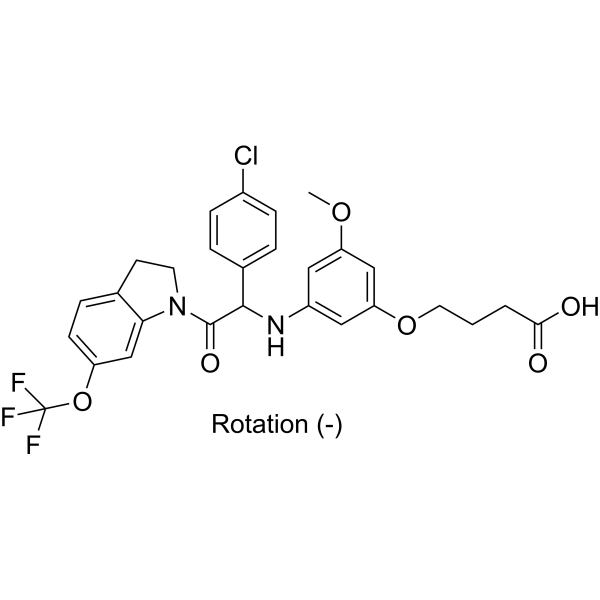
(-)-JNJ-A07 is a potent and selective DENV inhibitor with an EC50 value of 31 nM .
loading...
    loading...
1
1 Cited Publications
Cat. No.: HY-124618A
CAS No.: 1149348-10-6
Purity:  99.68%
Research Areas:  

Infection

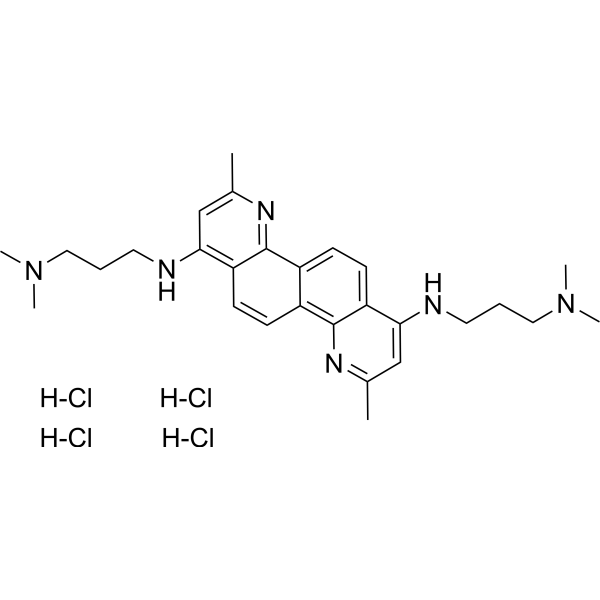
FGI-106 tetrahydrochloride is a potent and broad-spectrum inhibitor with inhibitory activity against multiple viruses. FGI-106 tetrahydrochloride is active against Ebola, Rift Valley and Dengue Fever viruses with EC50s of 100 nM, 800 nM and 400-900 nM, respectively. FGI-106 tetrahydrochloride also inhibits non-hemorrhagic fever viruses HCV and HIV-1 with EC50s of 200 nM and 150 nM, respectively .
loading...
    loading...
1
1 Cited Publications
Cat. No.: HY-N0381
CAS No.: 19908-48-6
Synonyms: DL-​Maackiain
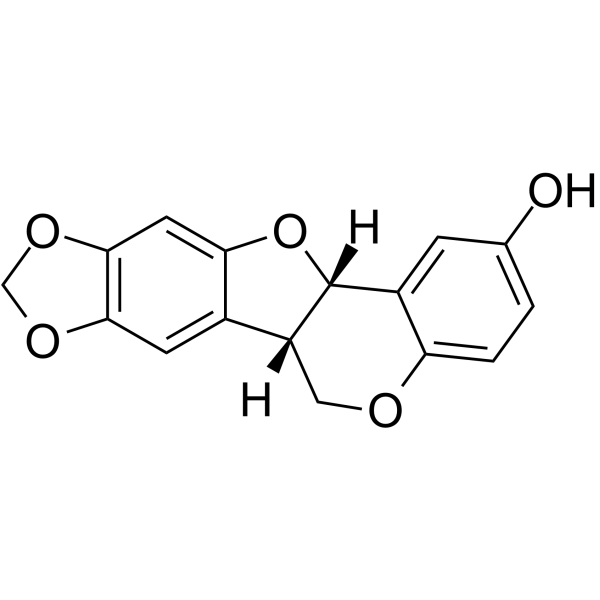
Maackiain (DL-Maackiain) is an orally active multi-target inhibitor with anti-tumor activity and neuroprotective effects. Maackiain activates the AMPK, NLRP3 and Nrf2/HO-1 pathways, and inhibits key targets such as NF-κB, mTOR, MAO-B, NFATc1 and PKCδ, thereby precisely regulating processes including apoptosis, autophagy and pyroptosis. Maackiain also effectively inhibits microglial activation, osteoclast formation, and proliferation and invasion of tumor cells, and protects dopaminergic neurons from damage. Maackiain is applicable to the research of various diseases such as Alzheimer's disease, osteoporosis, sepsis and dengue fever
loading...
    loading...
1
1 Cited Publications
Cat. No.: HY-Y0532
CAS No.: 128-09-6
Synonyms: Succinchlorimide
N-Chlorosuccinimide (Succinchlorimide) is an oxidizing, hydrolyzable biochemical reagent with bactericidal and amoebicidal activities. N-Chlorosuccinimide can either form N-chloramines via concerted transfer of Cl + or hydrolyze in aqueous solution to produce hypochlorous acid/hypochlorite. N-Chlorosuccinimide is effective in killing Shigella dysenteriae, Escherichia typhi and cysts of Entamoeba histolytica. N-Chlorosuccinimide can be formulated into fast-dispersing, fully soluble water purification tablets. N-Chlorosuccinimide is used in studies related to bacterial infections and parasitic infections .
loading...
    loading...
1
1 Cited Publications
Cat. No.: HY-B1311
CAS No.: 62-68-0
Synonyms: SKF-525A; U-5446; RP-5171
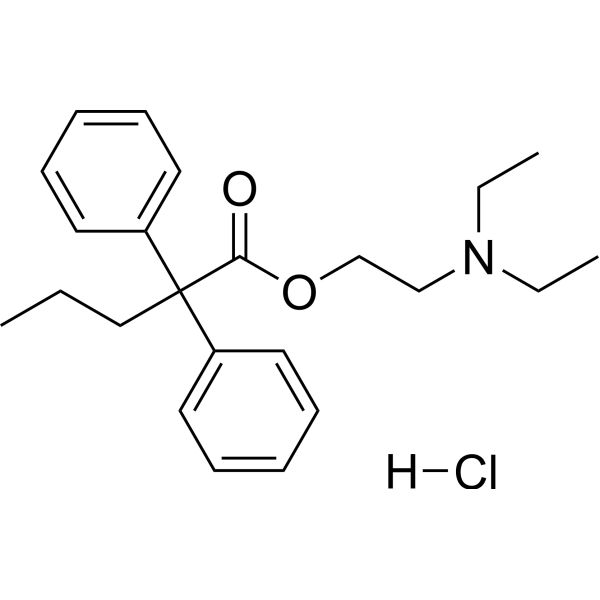
Proadifen (SKF-525A) hydrochloride is a non-competitive Cytochrome P450 inhibitor with an IC50 value of 19 μM. Proadifen hydrochloride reduces monoamine oxidase A (MAO-A) activity and reverses the antidepressantlike behavioral effect of Imipramine (HY-B1490A) and Desipramine (HY-B1272A) in rats. Proadifen hydrochloride also reduces N, N-dimethyltryptamine (DMT) metabolism in liver microsomes and inhibits N-demethylationand Acridone (HY-W007771) formation. Proadifen hydrochloride augments Lipopolysaccharide (LPS) (HY-D1056)-induced fever and exacerbates Prostaglandin E2 (PGE2) (HY-101952) levels in the rat. Proadifen hydrochloride is promising for research of metabolism-related deseases, ovarian carcinoma, inflammation and dopamine neurons-related deseases .
loading...
    loading...
1
1 Cited Publications
Cat. No.: HY-113308AS
CAS No.: 2410279-97-7
Purity:  99.4%
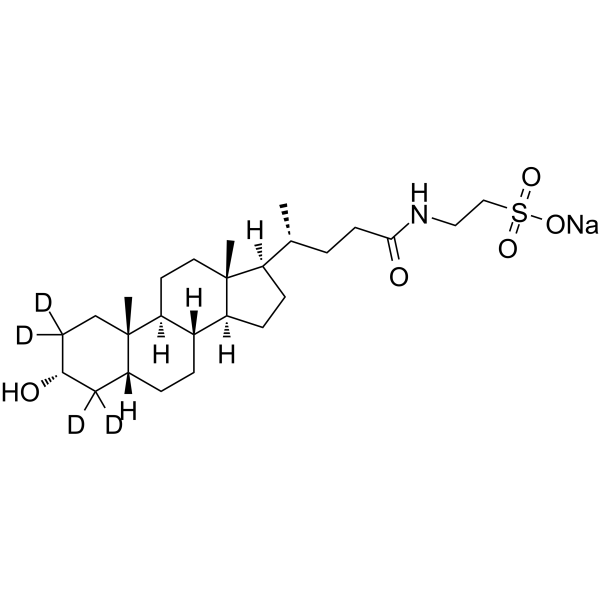
Taurolithocholic acid-d4 (sodium) is the deuterium labeled Taurolithocholic acid (sodium salt). Taurolithocholic acid sodium is an orally active bile acid and antiviral agent. Taurolithocholic acid sodium upregulates FADS2 by activating the TGR5-PI3K/AKT-SREBP2 signaling axis, inhibits SFTSV-induced ferroptosis, viral replication and viral entry of HBV/HDV, while reducing the release of IL-1β, lipid ROS and LDH. While exerting antiviral protective effects, Taurolithocholic acid sodium also stimulates the recycling of hepatocellular membrane transporters, impairs canalicular bile acid secretion function, and induces hepatocyte cholestasis, apoptosis and acute hepatocellular injury. Taurolithocholic acid sodium serves as an experimental model compound for hepatocellular cholestasis. At concentrations ≤200 μM, Taurolithocholic acid sodium shows no cytotoxicity and does not activate the interferon pathway. Taurolithocholic acid sodium not only protects mice from lethal SFTSV infection but also is suitable for studies related to severe fever with thrombocytopenia syndrome and cholestasis .
loading...
    loading...
1
1 Cited Publications
Cat. No.: HY-113308S1
CAS No.: 2410279-96-6
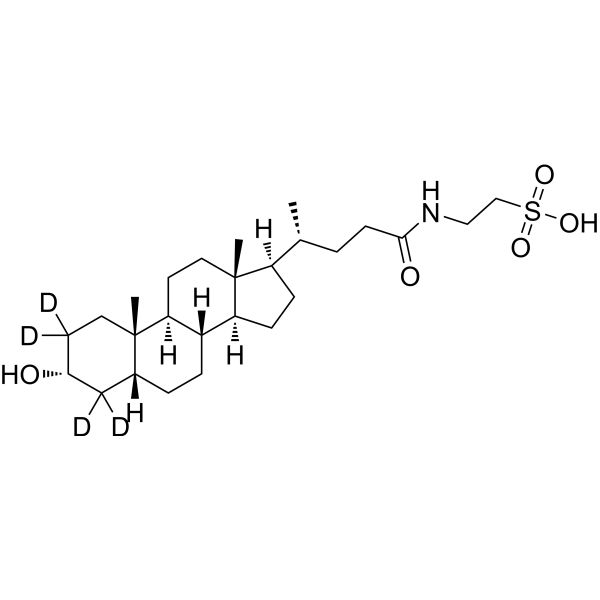
Taurolithocholic acid-d4 is deuterium labeled Taurolithocholic acid. Taurolithocholic acid is an orally active bile acid and antiviral agent. Taurolithocholic acid upregulates FADS2 by activating the TGR5-PI3K/AKT-SREBP2 signaling axis, inhibits SFTSV-induced ferroptosis, viral replication and viral entry of HBV/HDV, while reducing the release of IL-1β, lipid ROS and LDH. While exerting antiviral protective effects, Taurolithocholic acid also stimulates the recycling of hepatocellular membrane transporters, impairs canalicular bile acid secretion function, and induces hepatocyte cholestasis, apoptosis and acute hepatocellular injury. Taurolithocholic acid serves as an experimental model compound for hepatocellular cholestasis. At concentrations ≤200 μM, Taurolithocholic acid shows no cytotoxicity and does not activate the interferon pathway. Taurolithocholic acid not only protects mice from lethal SFTSV infection but also is suitable for studies related to severe fever with thrombocytopenia syndrome and cholestasis .
loading...
    loading...
Cat. No.: HY-W096171
CAS No.: 5796-17-8
Synonyms: 3-Hydroxy-D-tyrosine
Target:  

Carboxypeptidase

Research Areas:  

Infection Neurological Disease

D-Dopa (3-Hydroxy-D-tyrosine) is a potent, orally active, non-competitive and allosteric inhibitor of glutamate carboxypeptidase II (GCPII) with an IC50 of 200 nM. D-Dopa elevates brain dopamine and produce turning behavior in rats. D-Dopa inhibit severe fever with thrombocytopenia syndrome (SFTS) virus infection. D-Dopa can be used for neurological disease and virus infection research .
loading...
    loading...
Cat. No.: HY-NP002B
CAS No.: 9048-46-8
Synonyms: Rabbit Serum Albumin
RSA Protein (Rabbit) (Rabbit Serum Albumin) is a plasma protein derived from rabbits. Rabbit Serum Albumin can hydrolyze the carbamate pesticide carbaryl and induce fever in rabbits. Rabbit Serum Albumin can be used for biochemical and immunological research, including vaccine developing .
loading...
    loading...
Cat. No.: HY-135731
CAS No.: 519-98-2
Purity:  99.80%
Target:  

COX Drug Metabolite

Research Areas:  

Inflammation/Immunology

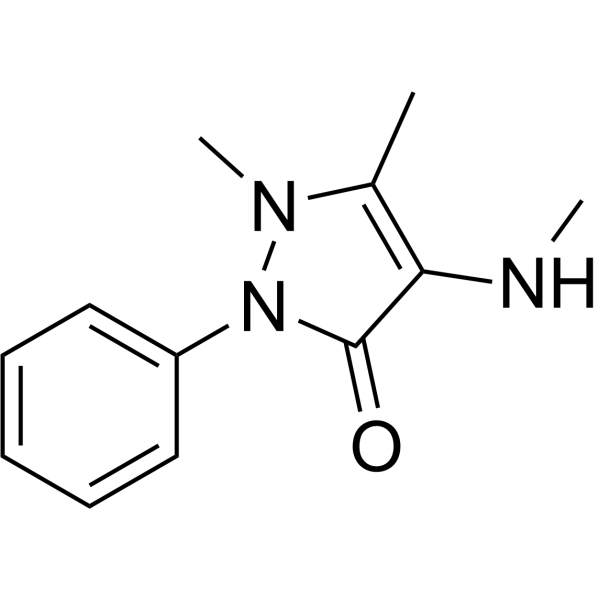
4-Methylamino antipyrine is an active metabolite of Metamizole. Metamizole is a pyrazolone non-steroidal anti-inflammatory drug (NSAID) and inhibits COX. Metamizole is an nonopioid analgesic agent and can be used for pain and fever . 4-Methylamino antipyrine has analgesic, antipyretic, and relatively weak antiinflammatory properties .
loading...
    loading...
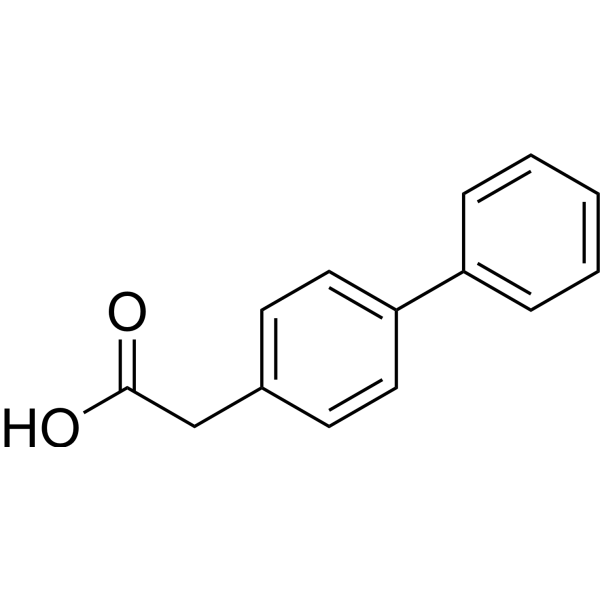
Cat. No.: HY-B0641
CAS No.: 5728-52-9
Synonyms: 4-Biphenylacetic acid
Target:  

COX

Research Areas:  

Inflammation/Immunology

Felbinac is a metabolite of fenbufen, an orally active nonsteroidal anti-inflammatory agent and a cyclooxygenase (COX) inhibitor with an IC50 of 865.68 nM for COX1 and 976 nM for COX2. Felbinac reduces the production of prostaglandins by inhibiting COX to relieve pain, reduce inflammation and reduce fever. Felbinac can inhibit CHIKV viral activity .
loading...
    loading...
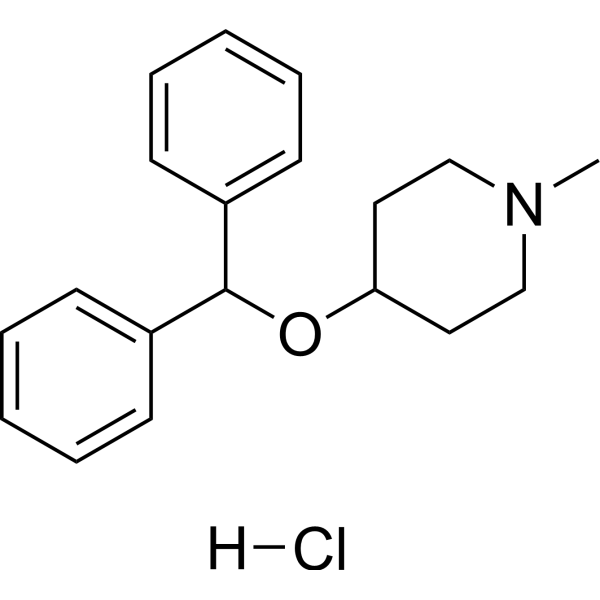
Cat. No.: HY-B0970
CAS No.: 132-18-3
Synonyms: 4-Diphenylmethoxy-1-methylpiperidine hydrochloride
Target:  

Histamine Receptor

Research Areas:  

Neurological Disease Endocrinology

Diphenylpyraline hydrochloride is a potent histamine H1?receptor antagonist. Diphenylpyraline hydrochloride acts as an orally active antihistamine agent?with antimuscarinic and antiallergic effects. Diphenylpyraline hydrochloride can be used for the relief of allergic conditions including rhinitis and hay fever, and in pruritic skin disorders in vivo.
loading...
    loading...
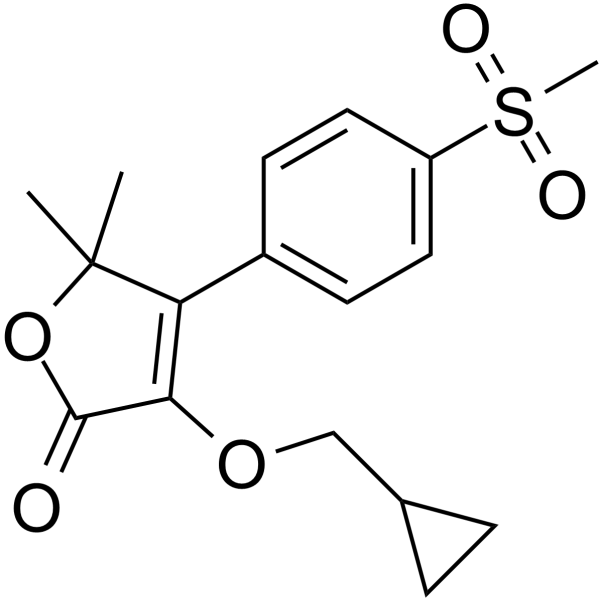
Cat. No.: HY-14670
CAS No.: 189954-96-9
Purity:  99.54%
Synonyms: ML 1785713
Target:  

COX

Research Areas:  

Inflammation/Immunology

Firocoxib (ML 1785713) is a potent, selective and orally active COX-2 inhibitor with an IC50 of 0.13 μM. Firocoxib shows 58-fold more selective for COX-2 than COX-1 (IC50 of 7.5 μM). Firocoxib has anti-inflammatory effects .
loading...
    loading...
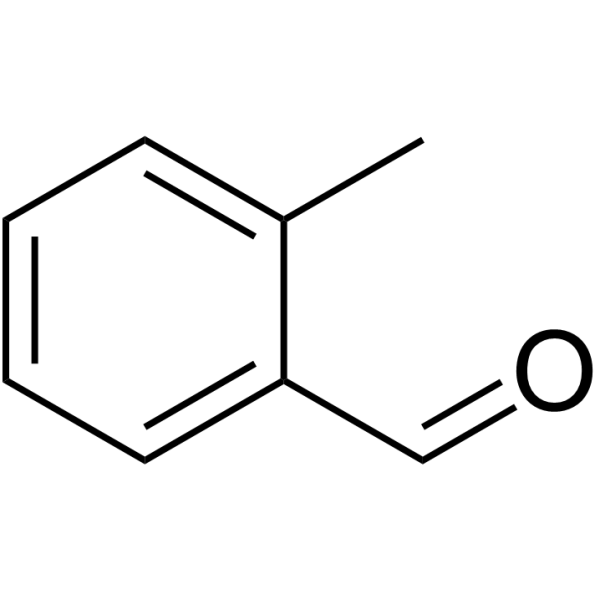
Cat. No.: HY-Y0442
CAS No.: 529-20-4
2-Methylbenzaldehyde is an acaricide found in Morinda officinalis. 2-Methylbenzaldehyde exerts fumigant and contact acaricidal activity against Dermatophagoides farinae, Dermatophagoides pteronyssinus, and Haemaphysalis longicornis. 2-Methylbenzaldehyde can be used for the research of severe fever with thrombocytopenia syndrome .
loading...
    loading...
Cat. No.: HY-N1479
CAS No.: 1260-04-4
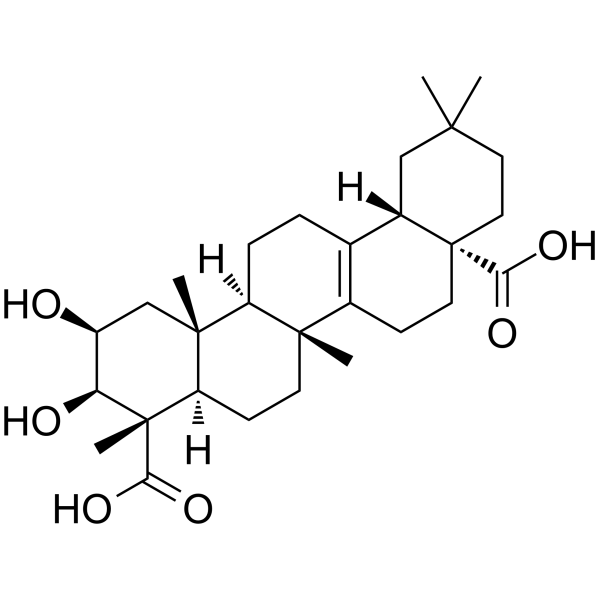
Polygalic acid is a polyphenolic acid with neuroprotective effects, and also an inhibitor of African swine fever virus polymerase (AsfvPolX), with an IC50 value of 5.05 μM. Polygalic acid alleviates neuroinflammation by regulating cholinergic activity, and its fecal level decreases in diseased mice. Polygalic acid can be used in research related to painful diabetic peripheral neuropathy complicated with cognitive impairment and African swine fever .
loading...
    loading...
Cat. No.: HY-N3388
CAS No.: 66056-30-2
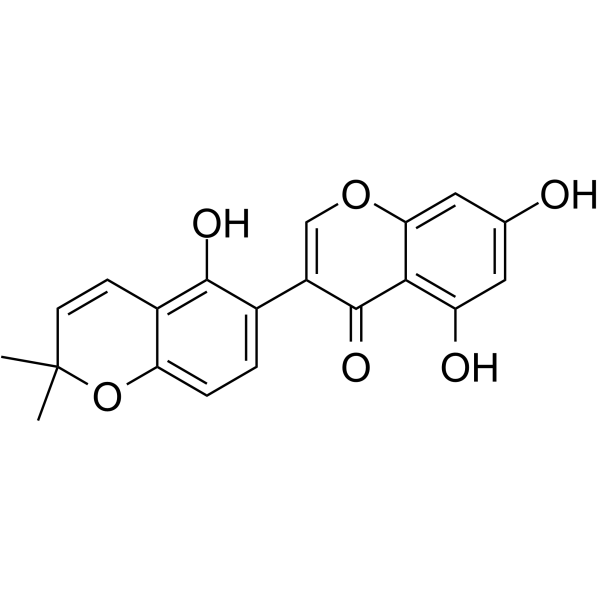
Licoisoflavone B is an orally active flavonoid found in licorice. Licoisoflavone B alleviates psoriasis via SCD1-targeted lipid metabolism reprogramming and suppression of Th17/IL-17-mediated inflammation. Licoisoflavone B inhiibits superoxide anion generation and superoxide anion-induced lipid peroxidation. Licoisoflavone B binds tightly to Lassa virus nucleoprotein and can be used as a nucleoprotein antagonist of Lassa virus. Licoisoflavone B exhibits anti-mutagenic activity
against carcinogenic mutagen, by preventing DNA damage. Licoisoflavone B can be used for the research of psoriasis, Lassa fever, inflammation and cancer .
loading...
    loading...
Cat. No.: HY-N7252
CAS No.: 486-55-5
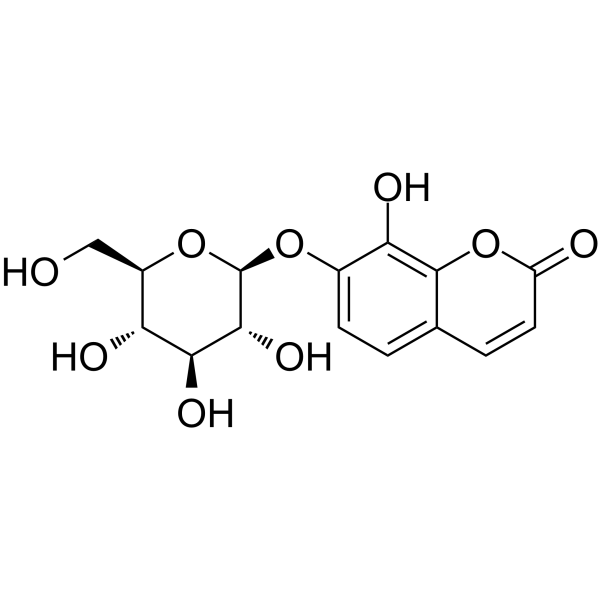
Daphnin is one of the major coumarin bioactive components with antibacterial activity. Daphnin is isolated from the whole herb of Daphne odora (Thunb.), which is a folk medicine in China for the relief of fever .
loading...
    loading...
Cat. No.: HY-P10427
DV1 is a CXCR4 inhibitor with anti-proteolytic properties that specifically blocks the binding of SDF-1α to its receptor. DV1 inhibits the migration of breast cancer cells and enables the targeted delivery of avidin-PLGA nanoparticles to CXCR4-expressing cancer cells. DV1 not only effectively suppresses the progression of metastatic breast cancer in mouse models, but also preferentially accumulates in brain tumor tissues rather than normal brain tissues, showing potential for inhibiting intracranial tumor metastasis. As a humoral immune stimulant, DV1 induces the production of specific IgG, neutralizing antibodies and cellular immune responses, thereby providing the host with protection against lethal challenges. DV1 has been applied to studies on CXCR4-expressing cancers, glioblastoma, dengue fever and other related diseases .
loading...
    loading...
Cat. No.: HY-124871
CAS No.: 554438-52-7
Purity:  99.87%
Target:  

Arenavirus

Research Areas:  

Infection

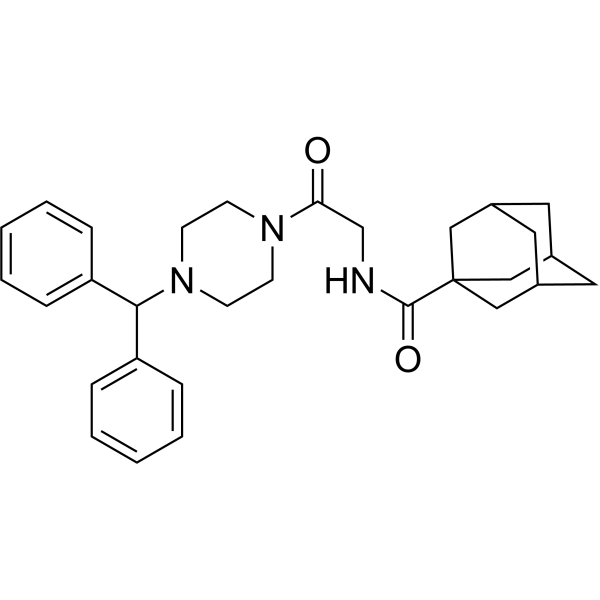
LASV-IN-1 is a Lassa fever virus (LASV) inhibitor. LASV-IN-1 binds with LASV glycoprotein (GP) and promotes virus membrane fusion and infection. LASV-IN-1 can be used for LASV infection research .
loading...
    loading...

