415 Results for "

Integrity

" in MedChemExpress (MCE) Product Catalog:
Products (415)

415 Results for "Integrity" in MCE Product Catalog:

3
3 Cited Publications
Cat. No.: HY-139598
CAS No.: 2102347-47-5
Purity:  98.01%
Target:  

Phospholipase

Research Areas:  

Cardiovascular Disease

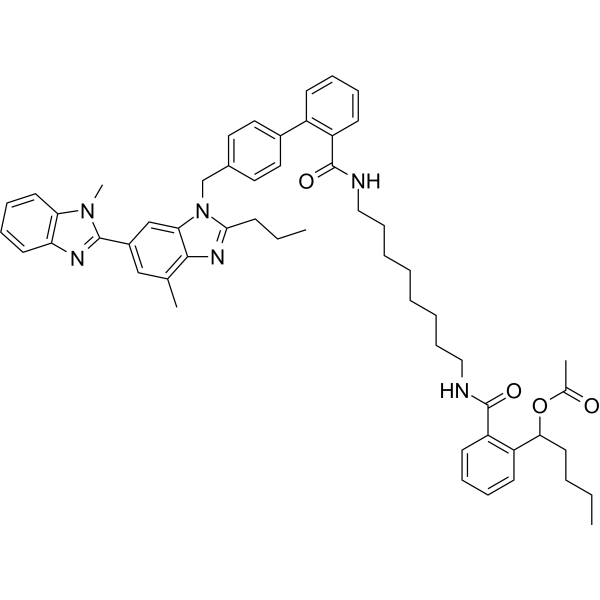
LFHP-1c is an PGAM5 inhibitor with neuroprotective activity in brain ischemic stroke. LFHP-1c protects blood-brain barrier integrity from ischemia-induced injury. LFHP-1c binds to endothelial PGAM5 to inhibit the activity of PGAM5 phosphatase and the interaction of PGAM5 with NRF2. LFHP-1c exhibits in vitro and in vivo protection .
loading...
    loading...
3
3 Cited Publications
Cat. No.: HY-W250118
CAS No.: 90989-93-8
Target:  

Liposome Autophagy

Research Areas:  

Endocrinology

Cephalin form bovine brain is an orally active phospholipid widely present in organisms.Cephalin form bovine brain participates in the formation of autophagosome membrane as a lipid anchor of autophagy-related protein Atg8/LC3. Cephalin form bovine brain enhances Autophagic flux, promotes cell differentiation, regulates lipid droplet fusion, delays aging, and also affects lipid metabolism and membrane integrity .
loading...
    loading...
3
3 Cited Publications
Cat. No.: HY-149897
CAS No.: 3009761-01-4
Purity:  99.36%
Research Areas:  

Cancer

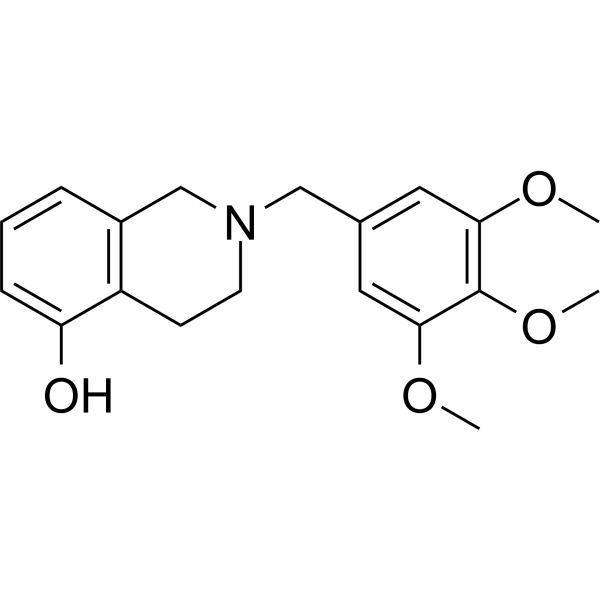
HA-CD44 interaction inhibitor 2 is a CD44 inhibitor that can inhibit the interaction between Hyaluronic acid (HA) (HY-B0633A) and CD44. HA-CD44 interaction inhibitor 2 acts as an antiproliferative agent against CD44 + cancer cells. HA-CD44 interaction inhibitor 2 can disrupt the integrity of cancer spheres and reduce cancer cell viability in a dose-dependent manner. HA-CD44 interaction inhibitor 2 is applicable for tumor research .
loading...
    loading...
3
3 Cited Publications
Cat. No.: HY-D0970
CAS No.: 72-57-1
Synonyms: Direct Blue 14; Trypan Blue
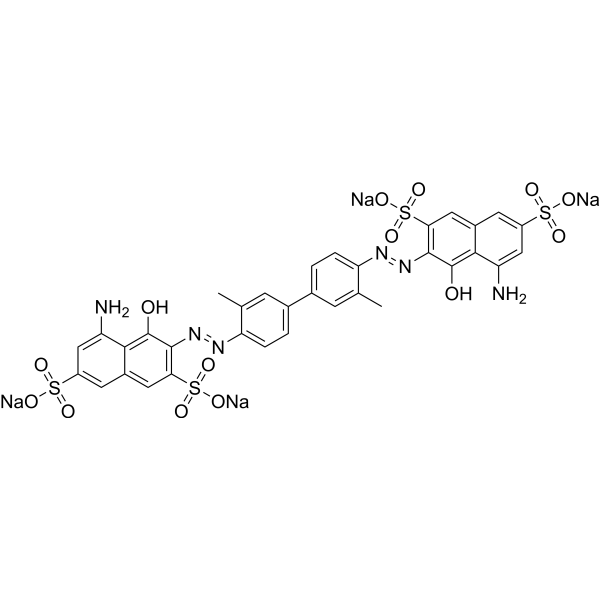
Diphenyl Blue (Trypan Blue) is a cell active dye, the most commonly used dye for the identification of dead cells, of en used to test cell membrane integrity and cell viability. Diphenyl Blue staining is one of the methods for tissue and cell culture. When cells are deactivated or have incomplete cell membranes, Diphenyl Blue can stain them Blue. Normal living cells with intact cell membranes reject Diphenyl blue and do not stain them blue. However, macrophages are capable of phagocytosis of Diphenyl Blue, so it can be used as a living stain for macrophages .
loading...
    loading...
3
3 Cited Publications
Cat. No.: HY-Y0850O
CAS No.: 9002-89-5
Synonyms: PVA (Mw 31000-50000, 87-89% hydrolyzed); Poly(Ethenol) (Mw 31000-50000, 87-89% hydrolyzed)
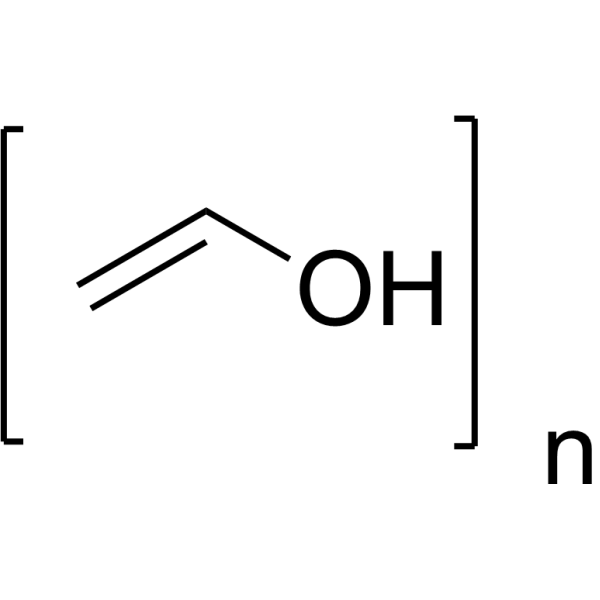
Polyvinyl alcohol (PVA; Poly (Ethenol)) (Mw 31000-50000, 87-89% hydrolyzed) is a polymer with emulsifying and stabilizing properties, with a degree of hydrolysis of 87-89%. Polyvinyl alcohol (Mw 31000-50000, 87-89% hydrolyzed) mainly acts as a stabilizer in the preparation of nanomedicines; it not only maintains the structural integrity of PEGylated PLGA nanoparticles during double emulsion synthesis, but also facilitates the preparation of chitosan/matrine-PLGA nanoparticle aqueous solutions and lipid-polymer nanoparticles. Polyvinyl alcohol (Mw 31000-50000, 87-89% hydrolyzed) can be widely used in research related to fields such as breast cancer .
loading...
    loading...
2
2 Cited Publications
Cat. No.: HY-113212
CAS No.: 2955-27-3
Purity:  99.91%
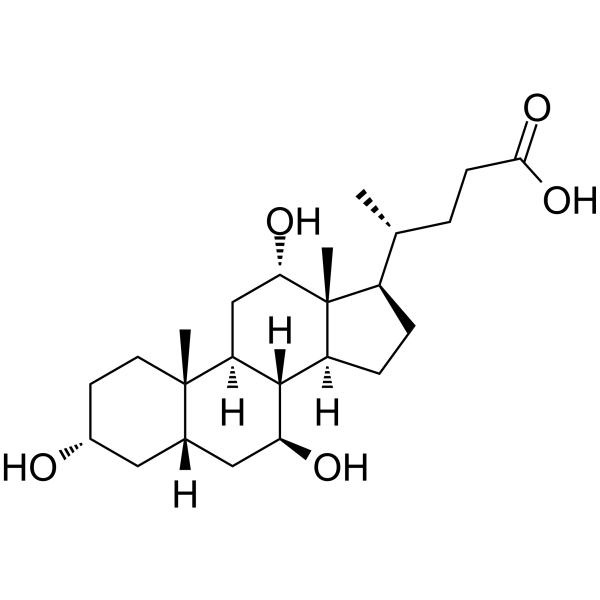
Ursocholic acid, a bile acid present in mammalian bile, is converted to deoxycholic acid (UDC) by the mouse intestinal flora. Ursocholic acid acts as a gallstone dissolving agent in the liver through anti-apoptosis, anti-inflammatory, immunomodulatory, bile regulation, and coordinated changes in mitochondrial integrity and cell signaling, Ursocholic acid also has favorable effects on bones in patients with chronic cholestasis .
loading...
    loading...
2
2 Cited Publications
Cat. No.: HY-125864B
CAS No.: 9001-32-5
Target:  

MMP Cadherin

Murine Fibrinogen is a native fibrinogen derived from mouse plasma. Murine Fibrinogen acts as a cerebrovascular permeability enhancer. Murine Fibrinogen activates matrix metalloproteinase-9 (MMP-9), downregulates the expression of vascular endothelial cadherin (VE-cadherin), and upregulates the expression of plasmalemmal vesicle-associated protein-1 (PV-1). Murine Fibrinogen increases macromolecular leakage from pial veins, thereby disrupting the microvascular integrity of cerebral blood vessels. Murine Fibrinogen can be used in studies related to cerebrovascular dysfunction .
loading...
    loading...
2
2 Cited Publications
Cat. No.: HY-105064
CAS No.: 241800-98-6
Purity:  99.89%
Synonyms: CP-597396
Zoniporide (CP-597396) is a selective Na +/H + exchanger subtype 1 (NHE1) inhibitor with cardioprotective activity, with IC50 values of 67 nM and 73 nM against rat NHE1. Zoniporide reduces intracellular Na + and Ca 2+ overload, preserves mitochondrial integrity, activates pro-survival ERK1/2 and STAT3 signaling pathways, reduces necrosis and apoptosis, and decreases neutrophil aggregation. Zoniporide is applicable to research related to myocardial ischemia-reperfusion injury and heart graft ischemia-reperfusion injury .
loading...
    loading...
2
2 Cited Publications
Cat. No.: HY-105064D
CAS No.: 863406-85-3
Purity:  99.37%
Synonyms: CP-597396 hydrochloride hydrate
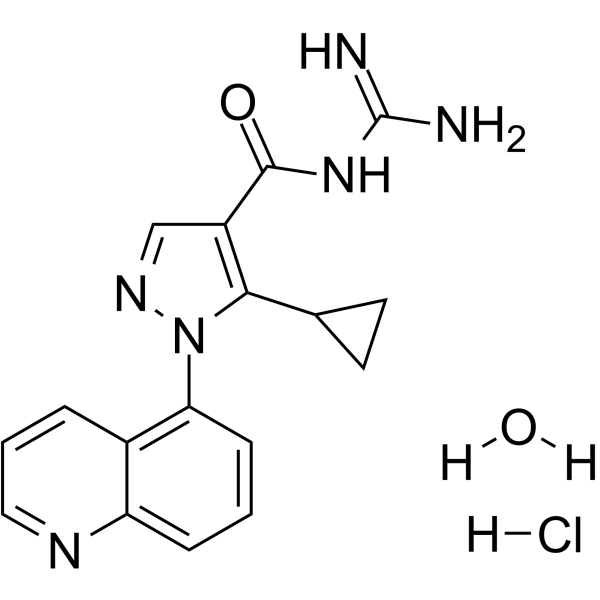
Zoniporide hydrochloride hydrate (CP-597396 hydrochloride hydrate) is a selective Na +/H + exchanger subtype 1 (NHE1) inhibitor with cardioprotective activity, with IC50 values of 67 nM and 73 nM against rat NHE1. Zoniporide hydrochloride hydrate reduces intracellular Na + and Ca 2+ overload, preserves mitochondrial integrity, activates pro-survival ERK1/2 and STAT3 signaling pathways, reduces necrosis and apoptosis, and decreases neutrophil aggregation. Zoniporide hydrochloride hydrate is applicable to research related to myocardial ischemia-reperfusion injury and heart graft ischemia-reperfusion injury .
loading...
    loading...
2
2 Cited Publications
Cat. No.: HY-156237
CAS No.: 1243063-73-1
Purity:  99.88%
Target:  

Autophagy

Research Areas:  

Others

Beclin1-ATG14L interaction inhibitor 1 (com 19) is a selective Beclin1-ATG14L interaction inhibitor. This protein interaction mechanism specifically targets complex I of the lipid kinase VPS34 without affecting complex II. Because the integrity of VPS34 complex II depends on the Beclin 1-UVRAG interaction. Beclin1-ATG14L interaction inhibitor 1 can disrupt the formation of VPS34 complex I and inhibit autophagy, but does not affect complex II-related vesicle transport .
loading...
    loading...
2
2 Cited Publications
Cat. No.: HY-P4744
CAS No.: 597562-32-8
Research Areas:  

Infection Cancer

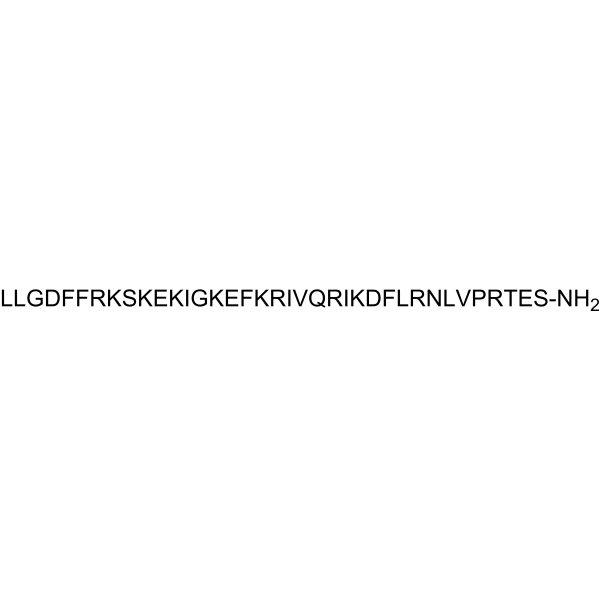
LL-37 amide is a selective agonist of formyl peptide receptor-like FPRL1, effectively inhibiting periodontal pathogens (ED99=8.5-8.7 μg/mL). LL-37 amide exerts its bactericidal effect by activating FPRL1-mediated immune cell chemotaxis and disrupting bacterial cell membrane integrity. It can also regulate inflammatory responses (inhibiting the release of factors such as TNF-α) and promote angiogenesis. Amidation modification reduces its sensitivity to serum inhibition and improves its stability. LL-37 amide possesses key activities in bactericidal action, immunomodulation, and wound healing, and is mainly used in research on infection-related diseases such as periodontal disease and deep tissue injuries (pressure ulcers), and wound healing .
loading...
    loading...
2
2 Cited Publications
Cat. No.: HY-P4744A
Research Areas:  

Infection Cancer

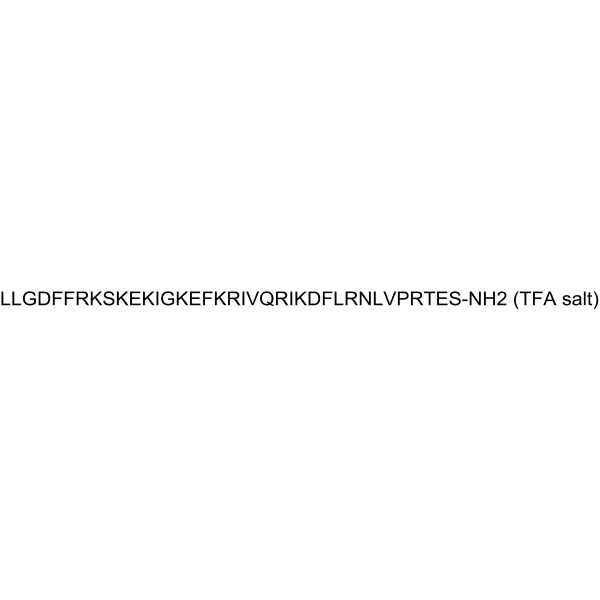
LL-37 amide TFA is a selective agonist of formyl peptide receptor-like FPRL1, effectively inhibiting periodontal pathogens (ED99=8.5-8.7 μg/mL). LL-37 amide TFA exerts its bactericidal effect by activating FPRL1-mediated immune cell chemotaxis and disrupting bacterial cell membrane integrity. It can also regulate inflammatory responses (inhibiting the release of factors such as TNF-α) and promote angiogenesis. Amidation modification reduces its sensitivity to serum inhibition and improves its stability. LL-37 amide TFA possesses key activities in bactericidal action, immunomodulation, and wound healing, and is mainly used in research on infection-related diseases such as periodontal disease and deep tissue injuries (pressure ulcers), and wound healing .
loading...
    loading...
2
2 Cited Publications
Cat. No.: HY-P5712
CAS No.: 113-73-5
Synonyms: Gramicidin soviet
Research Areas:  

Infection

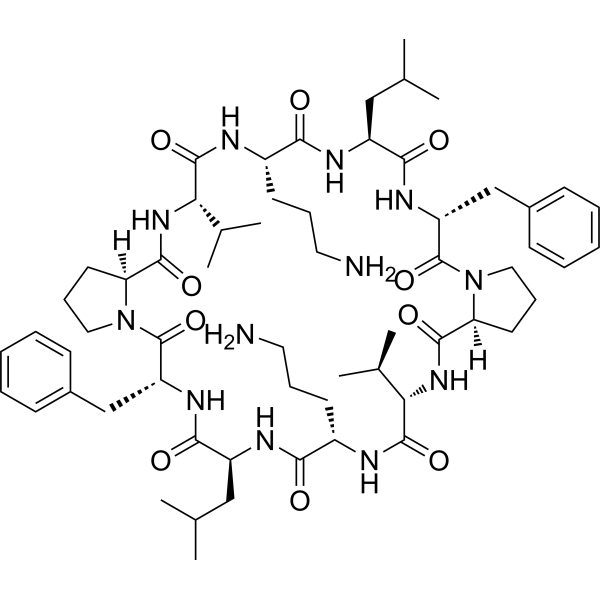
Gramicidin S (Gramicidin soviet) is a cationic cyclic peptide antibiotic that selectively targets bacterial cell membranes and has anticancer activity. Gramicidin S also exerts antibacterial activity by destroying membrane integrity and interfering with membrane protein function. Gramicidin S inserts into the phospholipid bilayer through hydrophobic amino acid residues, specifically binds to negatively charged membrane lipids and disrupts membrane structure, thereby inhibiting cell division and cell wall synthesis, and ultimately causing bacterial death. Gramicidin S also inhibits ion channels, with IC50s of 41 μM, 24 μM, and 3 μM for Na +/K +-ATPase, tobacco leaf plasma membrane Mg 2+/K +-ATPase, and rat heart plasma membrane Ca 2+-ATPase, respectively .
loading...
    loading...
2
2 Cited Publications
Cat. No.: HY-N0745
CAS No.: 94596-28-8
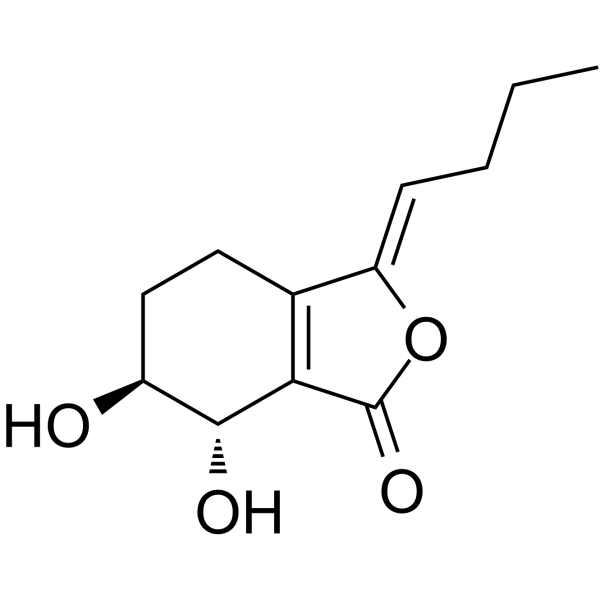
Senkyunolide I is an orally active, blood-brain barrier-permeable metabolite of Z-ligustilide (HY-N0401A) . Senkyunolide I is isolated from Ligusticum chuanxiong. Senkyunolide I upregulates p-Erk1/2 and Nrf2/HO-1, and inhibits Caspase 3. Senkyunolide I alleviates Apoptosis. Senkyunolide I increases the pain threshold in mice and reduces acetic acid-induced writhing responses in mice. Senkyunolide I improves neurological deficits, reduces infarct volume and alleviates cerebral edema in rats with focal cerebral ischemia-reperfusion injury. Senkyunolide I protects renal function and structural integrity in a mouse model of renal ischemia-reperfusion injury. Senkyunolide I is applicable to research related to focal cerebral ischemia-reperfusion injury, migraine, and renal ischemia-reperfusion injury .
loading...
    loading...
2
2 Cited Publications
Cat. No.: HY-N0113
CAS No.: 539-15-1
Synonyms: Ordenina; Peyocactine
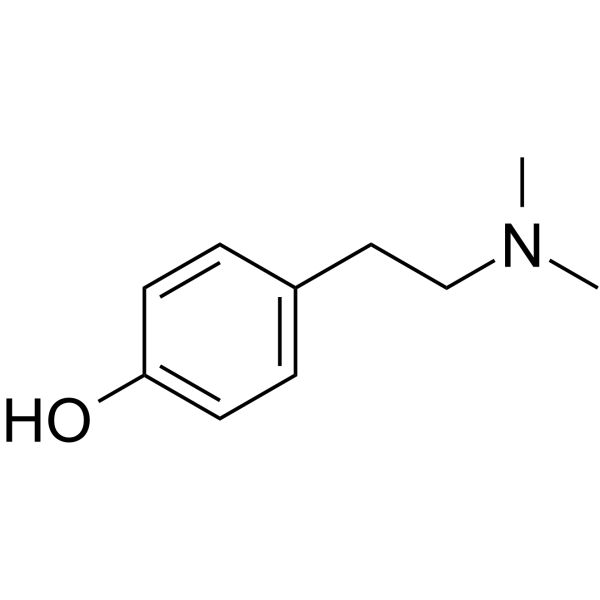
Hordenine (Ordenina; Peyocactine) is a multifunctional alkaloid with oral activity and blood-brain barrier penetration. Hordenine inhibits LPS-induced phosphorylation of p38, JNK, ERK1/2, p65, IκB, and AKT, prevents p65 nuclear translocation, and suppresses inflammatory cytokines and mediators. Hordenine promotes M2 macrophage polarization, restores blood-milk barrier integrity, alleviates oxidative stress by reducing ROS and MDA, and attenuates LPS-induced lung injury and pulmonary edema. Hordenine inhibits cAMP production, CREB phosphorylation, and MITF expression, thereby suppressing melanin synthesis in melanocytes and reconstructed epidermis. Hordenine activates the Wnt/β-catenin signaling pathway, promotes dermal papilla cell proliferation and hair shaft elongation, and accelerates hair regeneration. Hordenine activates DRD2, acts as a D3R partial agonist, α2A-AR full agonist, and 5-HT2A-R antagonist, and inhibits SERT and DAT. Hordenine inhibits α-synuclein accumulation and ameliorates motor deficits in Parkinson's disease models. Hordenine limits alcohol intake, reduces relapse drinking behavior, and modulates alcohol-induced conditioned place preference. Hordenine can be used for research on mastitis, skin pigmentation, acute lung injury, foodborne diseases, hair loss, Parkinson's disease, bacterial infections, and alcohol use disorder .
loading...
    loading...
2
2 Cited Publications
Cat. No.: HY-N0113B
CAS No.: 6027-23-2
Synonyms: Ordenina hydrochloride; Peyocactine hydrochloride
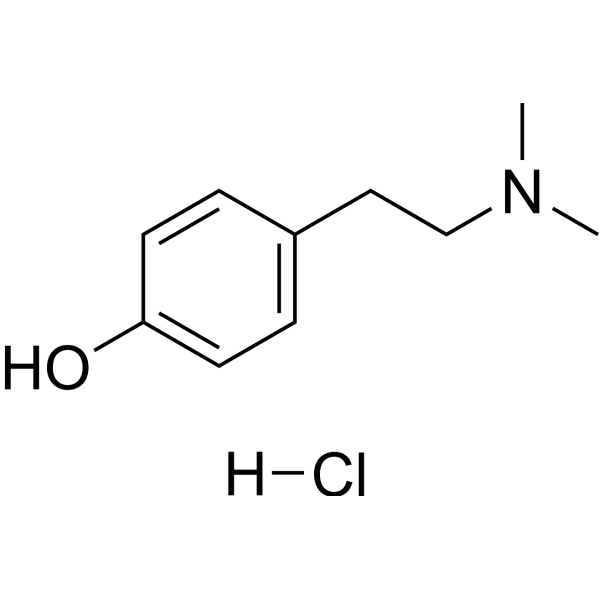
Hordenine hydrochloride (Ordenina hydrochloride; Peyocactine hydrochloride) is a multifunctional alkaloid with oral activity and blood-brain barrier penetration. Hordenine hydrochloride inhibits LPS-induced phosphorylation of p38, JNK, ERK1/2, p65, IκB, and AKT, prevents p65 nuclear translocation, and suppresses inflammatory cytokines and mediators. Hordenine hydrochloride promotes M2 macrophage polarization, restores blood-milk barrier integrity, alleviates oxidative stress by reducing ROS and MDA, and attenuates LPS-induced lung injury and pulmonary edema. Hordenine hydrochloride inhibits cAMP production, CREB phosphorylation, and MITF expression, thereby suppressing melanin synthesis in melanocytes and reconstructed epidermis. Hordenine hydrochloride activates the Wnt/β-catenin signaling pathway, promotes dermal papilla cell proliferation and hair shaft elongation, and accelerates hair regeneration. Hordenine hydrochloride activates DRD2, acts as a D3R partial agonist, α2A-AR full agonist, and 5-HT2A-R antagonist, and inhibits SERT and DAT. Hordenine hydrochloride inhibits α-synuclein accumulation and ameliorates motor deficits in Parkinson's disease models. Hordenine hydrochloride limits alcohol intake, reduces relapse drinking behavior, and modulates alcohol-induced conditioned place preference. Hordenine hydrochloride can be used for research on mastitis, skin pigmentation, acute lung injury, foodborne diseases, hair loss, Parkinson's disease, bacterial infections, and alcohol use disorder .
loading...
    loading...
1
1 Cited Publications
Cat. No.: HY-N8015
CAS No.: 124-13-0
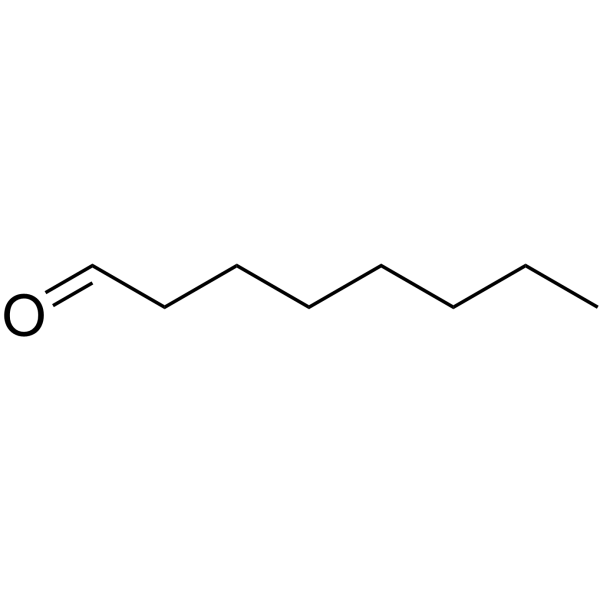
Octanal is a fragrant aldehyde with antioxidant and antibacterial activity. Its antifungal effect against G. citri-aurantii may be related to the disruption of cell membrane integrity and the leakage of cellular components. Additionally, Octanal exhibits cytotoxicity towards HeLa cells, with an IC50 value of 3.5 μg/mL .
loading...
    loading...
1
1 Cited Publications
Cat. No.: HY-NP0147
Synonyms: WGA (Fluorescein)
Wheat Germ Agglutinin (WGA) Fluorescein is a classic fluorescent label that specifically binds to sugar residues such as N-acetylglucosamine, N-acetylneuraminic acid and sialic acid. Wheat Germ Agglutinin Fluorescein performs regionally differential fluorescent staining of the ocular surface epithelial glycocalyx to assess its integrity, and causes no damage to the eye at safe concentrations. Wheat Germ Agglutinin Fluorescein is also used for staining structures including red blood cells, cultured cells, bacteria and pine wood nematodes, and facilitates the isolation of wheat-associated plant-growth-promoting rhizobacterial strains. Wheat Germ Agglutinin Fluorescein can be applied to the detection of ocular glycocalyx integrity and the research of related diseases such as pine wilt disease .
loading...
    loading...
1
1 Cited Publications
Cat. No.: HY-12638
CAS No.: 97-23-4
Purity:  98.55%
Synonyms: DDM
Research Areas:  

Infection

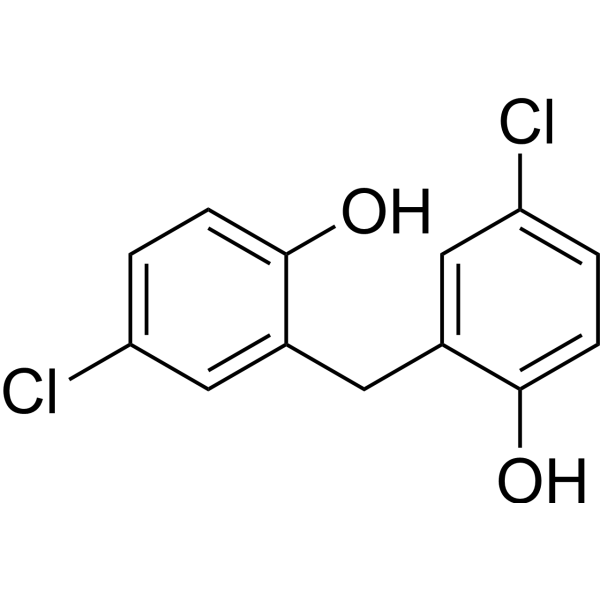
Dichlorophen is a chlorophenol antimicrobial agent that can destroy the integrity of microbial cell membranes and interfere with the activity of metabolic enzymes. Dichlorophen can covalently bind to the thiol groups of microbial proteins and has broad-spectrum antibacterial, antifungal and anthelmintic activity. Dichlorophen can be used as an antimicrobial agent in the study of drug-resistant bacterial infections .
loading...
    loading...
1
1 Cited Publications
Cat. No.: HY-23155
CAS No.: 2257-09-2
Synonyms: 2-PE ITC
Target:  

Fungal

Research Areas:  

Infection

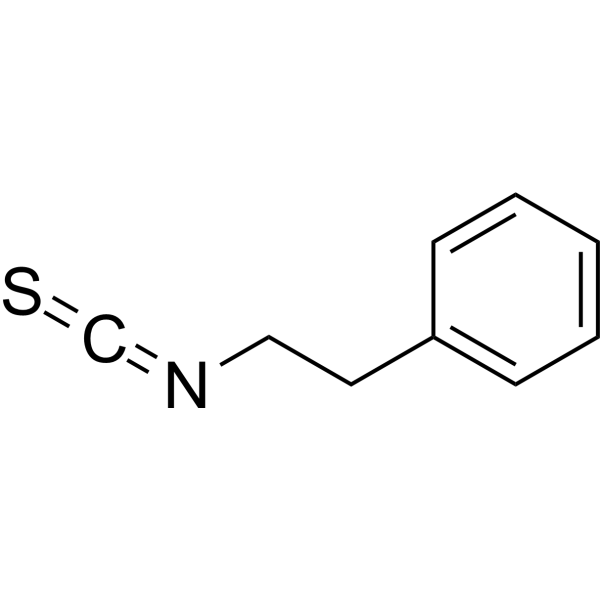
2-Phenylethyl isothiocyanate is a potent antifungal agent. 2-Phenylethyl isothiocyanate significantly inhibited spore germination and mycelial growth of Alternaria alternata, with a MIC (minimum inhibitory concentration) of 1.22 mM. The antifungal effect of 2-Phenylethyl isothiocyanate against Alternaria alternate might be via reduction in toxin content and breakdown of cell membrane integrity .
loading...
    loading...

