

246 Results for "

Ulcerative colitis

" in MedChemExpress (MCE) Product Catalog:
Products (246)

246 Results for "Ulcerative colitis" in MCE Product Catalog:

3
3 Cited Publications
Cat. No.: HY-116374A
CAS No.: 24404-83-9
Purity:  ≥98.0%
Synonyms: Lithocholylglycine sodium
Target:  

Endogenous Metabolite

Research Areas:  

Metabolic Disease

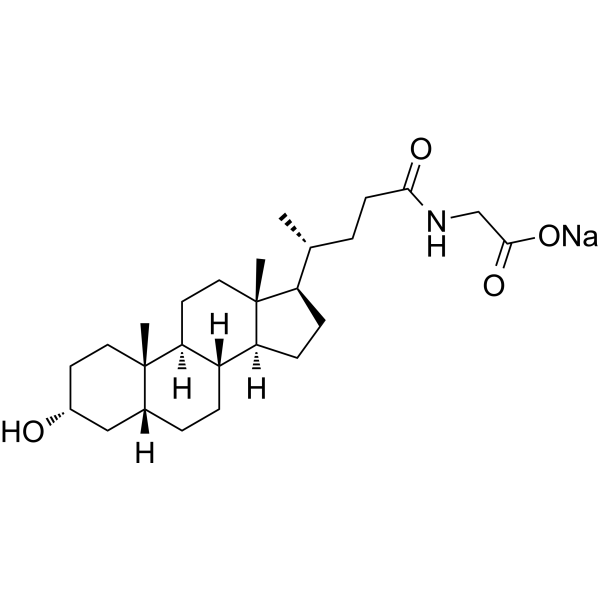
Glycolithocholic acid (Lithocholylglycine) sodium is the sodium salt of Glycolithocholic acid. Glycolithocholic acid is a glycine-conjugated secondary bile acid. Glycolithocholic acid can be used to diagnose ulcerative colitis (UC), non-alcoholic steatohepatitis (NASH) and primary sclerosing cholangitis (PSC) .
loading...
    loading...
3
3 Cited Publications
Cat. No.: HY-B1402A
CAS No.: 83784-20-7
Synonyms: Hydrocortisone 21-hemisuccinate hydrate
Hydrocortisone hemisuccinate hydrate (Hydrocortisone 21-hemisuccinate hydrate), a glucocorticoid, is an orally active steroidal anti-inflammatory agent (SAID) with anti-inflammatory and immunomodulatory activities. Hydrocortisone hemisuccinate hydrate inhibits the bioactivity of IL-6 and IL-3 with IC50 values of 6.7 and 21.4 μM, respectively. Hydrocortisone hemisuccinate hydrate can be used in the study of ulcerative colitis (UC) and recurrent oral ulcers .
loading...
    loading...
3
3 Cited Publications
Cat. No.: HY-P9911A
CAS No.: 943609-66-3

Target:  

Integrin

Research Areas:  

Inflammation/Immunology

Vedolizumab (anti-α4β7-integrin) is a humanized IgG1 monoclonal antibody that targets the α4β7 integrin for the treatment of ulcerative colitis and Crohn's disease .
loading...
    loading...
2
2 Cited Publications
Cat. No.: HY-P3419
CAS No.: 929905-12-4
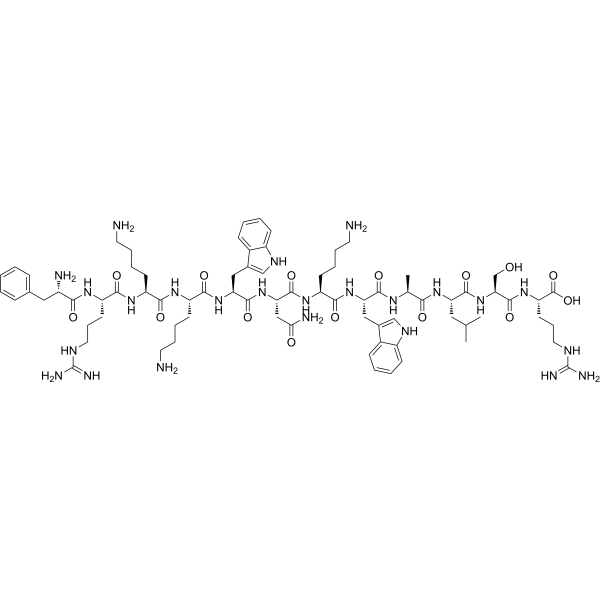
PAMP-12 (unmodified) is an endogenous peptide and is a MrgX2 agonist. PAMP-12 (unmodified) can reduce cAMP accumulation, increase Ca 2+ levels, enhance beta-arrestin recruitment, decrease IP-1, and increases phosphoERK. PAMP-12 (unmodified) can elicit hypotension through inhibiting catecholamine secretion from sympathetic nerve endings and adrenal chromaffin cells. PAMP-12 (unmodified) can be used for the research of hypotension and ulcerative colitis .
loading...
    loading...
2
2 Cited Publications
Cat. No.: HY-114360A
CAS No.: 38411-85-7
Purity:  99.60%
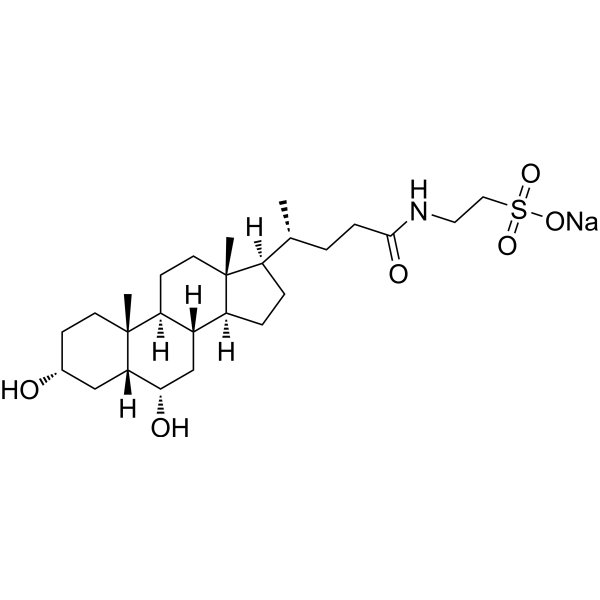
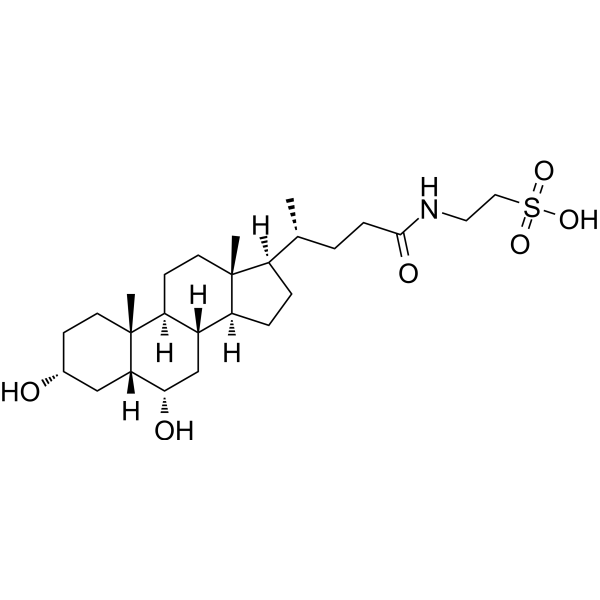
Taurohyodeoxycholic acid (THDCA) sodium is the taurine-conjugated form of the secondary bile acid hyodeoxycholic acid. Taurohyodeoxycholic acid can also reduce the activity and expression of myeloperoxidase TNF-α and IL-6, as well as colonic damage in TNBS-induced ulcerative colitis mouse model.
loading...
    loading...
2
2 Cited Publications
Cat. No.: HY-N0433
CAS No.: 84676-89-1
Synonyms: Astrasieversianin VIII
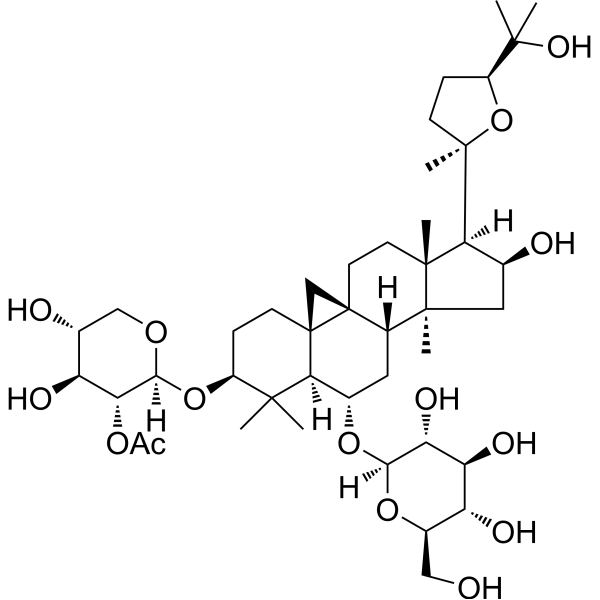
Astragaloside II is an orally active Cycloartane-type triterpene glycoside. Astragaloside II can be extracted from Astragalus membranaceus. Astragaloside II inhibits Autophagy, decreases pro-inflammatory cytokines (IL-6, IL-1β), HIF-α, p-p65, p-IκB and increases SOD. Astragaloside II regulates immunity and reduces inflammatory responses. Astragaloside II can be used in the research of diseases such as liver cancer, osteoporosis, immunosuppressive diseases, and ulcerative colitis .
loading...
    loading...
2
2 Cited Publications
Cat. No.: HY-N0735
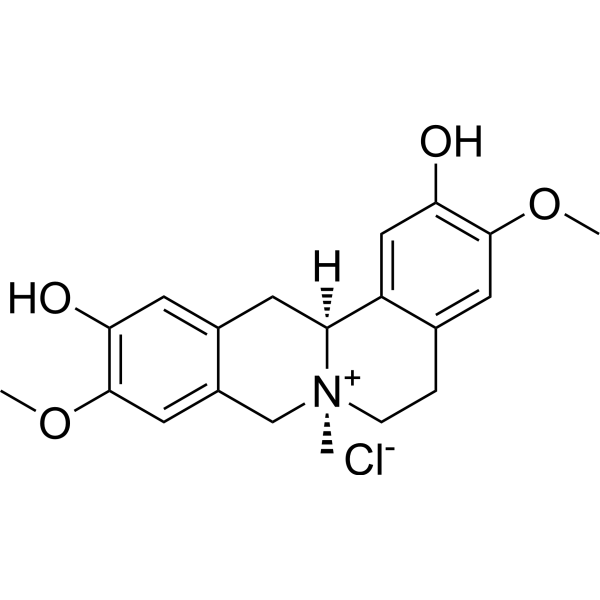
CAS No.: 104112-82-5
Phellodendrine chloride is an orally active plant alkaloid. Phellodendrine chloride inhibits the proliferation of KRAS-mutated pancreatic cancer cells by suppressing macropinocytosis and glutamine metabolism, inducing ROS accumulation and mitochondrial apoptosis. Phellodendrine chloride promotes autophagy by activating the AMPK/mTOR pathway, alleviating intestinal damage in ulcerative colitis. Phellodendrine chloride can alleviate gouty arthritis by inhibiting the IL-6/STAT3 signaling pathway. Phellodendrine chloride suppresses allergic reactions by altering the conformation of MRGPRB3/MRGPRX2 protein, thereby inhibiting the activation of PKC and subsequent downstream MAPK and NF-κB signaling. Phellodendrine chloride inhibits the AKT/NF-κB pathway and down-regulates the expression of COX-2, thereby protecting zebrafish embryos from oxidative stress. Phellodendrine chloride has an anti-major depressive disorder (MDD) effect by down-regulating CHRM1, HTR1A, and the PI3K/Akt signaling pathway .
loading...
    loading...
2
2 Cited Publications
Cat. No.: HY-P5641
CAS No.: 190324-47-1
Pleurocidin is an Antimicrobial peptide. Pleurocidin is derived from the skin mucosa or intestinal secretions of Pseudopleuronectes americanus. Pleurocidin inhibits the expression of key proteins in the MAPK and NF-κB inflammatory signaling pathways. Pleurocidin alters serum inflammatory and immune cytokine levels, regulates the down-regulation of tight junction proteins, and modulates the intestinal flora. Pleurocidin exerts antibacterial activity by inducing bacterial membrane damage, hydroxyl radical formation, and NADH depletion, and also produces a synergistic effect with Antibiotics. Pleurocidin alleviates DSS-induced ulcerative colitis. Pleurocidin can be used for research on ulcerative colitis, bacterial infections, and bacterial biofilm-related infections .
loading...
    loading...
2
2 Cited Publications
Cat. No.: HY-141521
CAS No.: 2389235-01-0
Purity:  98.20%
Synonyms: NX-13
Research Areas:  

Inflammation/Immunology

NX-13 is a first-in-class, orally active and gut-restricted agent that selectively targets and activates the NLRX1 pathway to induce immunometabolic changes. NX-13 results in lower inflammation and responses in inflammatory bowel disease. NX-13 can be used for the research of crohn's disease and ulcerative colitis .
loading...
    loading...
2
2 Cited Publications
Cat. No.: HY-107648
CAS No.: 55-45-8
Purity:  99.81%
Target:  

mAChR

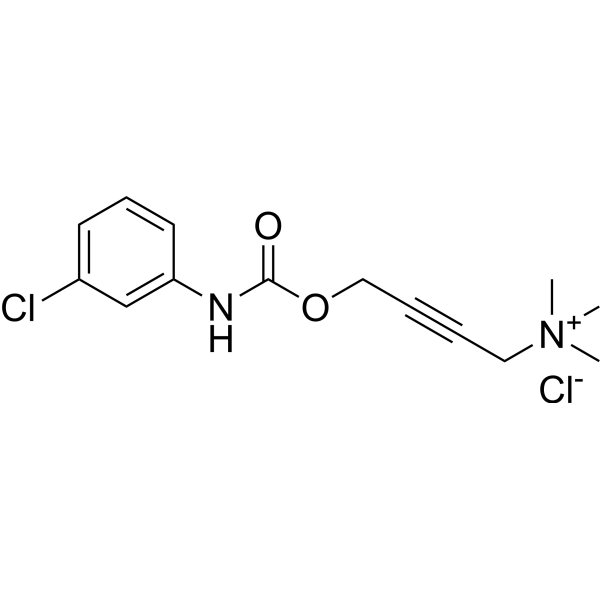
McN-A-343 is a selective M1 muscarinic agonist that stimulates muscarinic transmission in sympathetic ganglia. McN-A-343 produces a significant inhibitory effect on Muscarine (HY-121404)-evoked catecholamine secretion from the isolated perfused rat adrenal gland. McN-A-343 is involved in the regulation of neuronal firing and activates enteroendocrine L cells to release glucagon-like peptide 1 (GLP-1) and modulates the secretion of α-melanocyte stimulating hormone (α-MSH) from the pituitary gland in the central nervous system. McN-A-343 reduces colonic inflammation and oxidative stress in Acetic acid (HY-Y0319)-induced ulcerative colitis (UC) mice. McN-A-343 can be used for the study of ulcerative colitis .
loading...
    loading...
2
2 Cited Publications
Cat. No.: HY-B1407
CAS No.: 85-73-4
Synonyms: N4-Phthalylsulfathiazole
Target:  

Antibiotic Bacterial

Research Areas:  

Infection

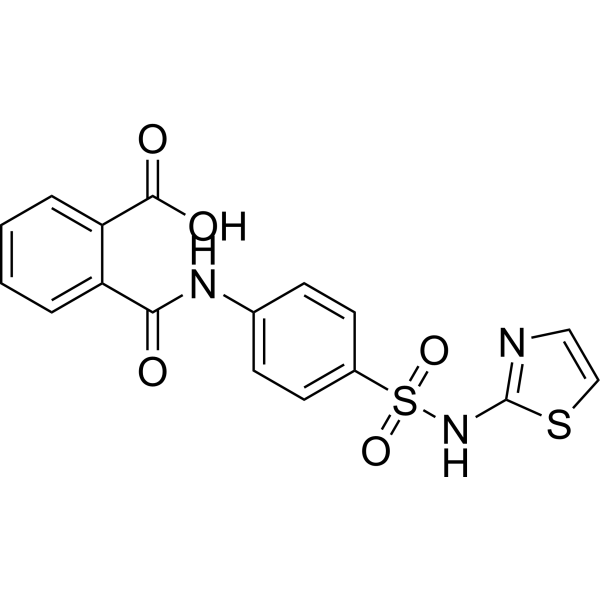
Phthalylsulfathiazole (N4-Phthalylsulfathiazole) is an orally active sulfonamide intestinal antibacterial agent. Phthalylsulfathiazole has low toxicity and excellent bacteriostatic efficacy. Phthalylsulfathiazole inhibits E. coli, streptococci, staphylococci, and total fecal bacteria. Phthalylsulfathiazole can be used in research related to intestinal infections such as colon infection, bacillary dysentery, and ulcerative colitis .
loading...
    loading...
2
2 Cited Publications
Cat. No.: HY-114360
CAS No.: 2958-04-5
Purity:  99.73%
Taurohyodeoxycholic acid is an orally active 6 alpha-hydroxylated bile acid. Taurohyodeoxycholic acid decreases colonic MPO activity, TNF-α, lL-6 serum levels and the expression of COX-2. Taurohyodeoxycholic acid alleviates trinitrobenzene sulfonic acid induced ulcerative colitis via regulating Th1/Th2 and Th17/Treg cells balance. Taurohyodeoxycholic acid ameliorates high-fat diet-induced nonalcoholic fatty liver disease in mice. Taurohyodeoxycholic acid prevents Taurochenodeoxycholic acid (HY-N2027)-induced hepatotoxicity in bile fistula rats. Taurohyodeoxycholic acid can be used for the study of nonalcoholic fatty liver disease (NAFLD), colitis and biliary fistula .
loading...
    loading...
2
2 Cited Publications
Cat. No.: HY-10863
CAS No.: 94421-68-8
Purity:  ≥98.0%
Synonyms: AEA; Arachidonoyl ethanolamide
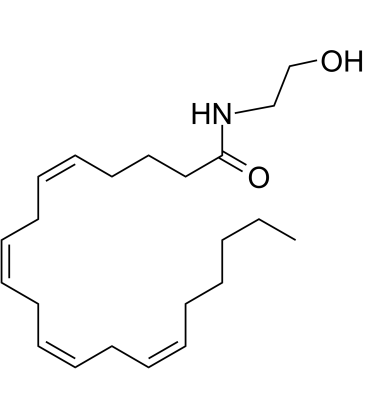
Anandamide is an endocannabinoid. Anandamide modulates both neuronal and immune functions through two protein-coupled cannabinoid receptors (CB1 and CB2). Anandamide can activate numerous other receptors like PPARS, TRPV1, and GPR18/GPR55. Anandamide also has potential anti-fungal and anti-inflammatory activities. Anandamide can be used for the research of Alzheimer’s disease (AD) and ulcerative colitis .
loading...
    loading...
2
2 Cited Publications
Cat. No.: HY-N0671
CAS No.: 155-58-8
Synonyms: Rhaponiticin
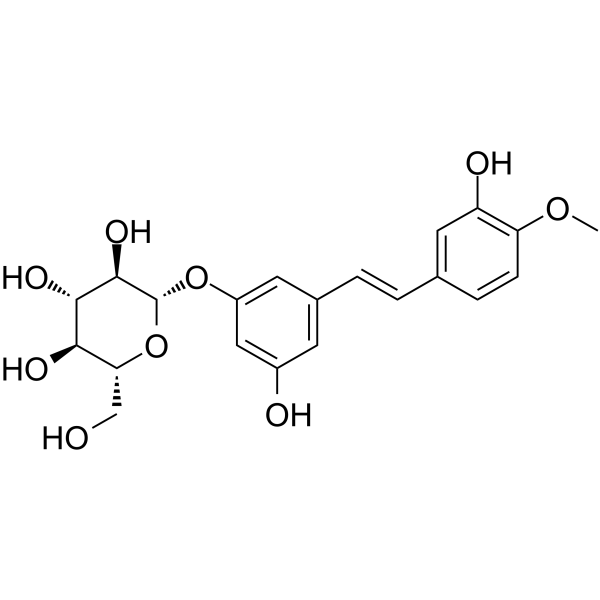
Rhapontin (Rhaponiticin) is an orally aactive SIRT1 agonist and AMPK activator with anti-inflammatory and anti-fibrotic activities. Rhapontin inhibits NLRP3 inflammasome activation by activating SIRT1 and inhibits TGF-β/Smad signaling via the AMPK pathway. Rhapontin reduces intestinal and lung inflammation, inhibits fibroblast differentiation and extracellular matrix deposition, and enhances tight junction protein expression to repair epithelial barriers. Rhapontin can be used in the study of inflammatory bowel diseases (such as ulcerative colitis) and pulmonary fibrosis .
loading...
    loading...
2
2 Cited Publications
Cat. No.: HY-14149
CAS No.: 81098-60-4
Purity:  99.87%
Synonyms: R 51619; (±)-Cisaprid
Research Areas:  

Inflammation/Immunology

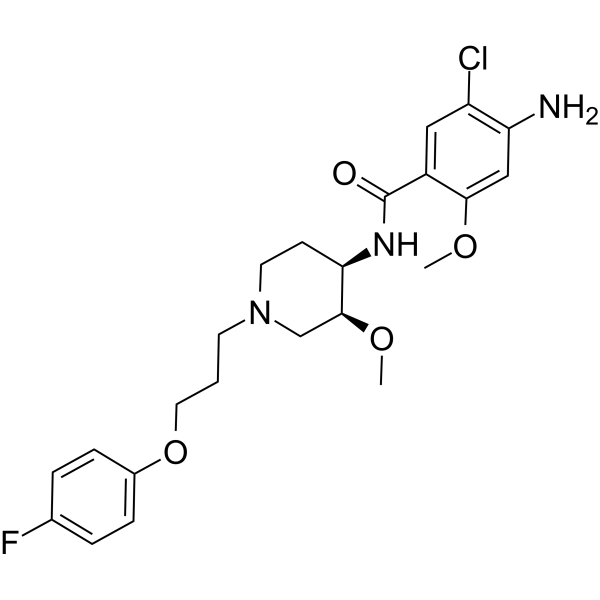
Cisapride (R 51619) is an orally active, selective 5-HT4 receptor agonist with an EC50 of 140 nM. Cisapride also acts as an hERG potassium channel blocker with an IC50 of 9.4 nM. Cisapride exerts gastrointestinal prokinetic effects by activating 5-HT4 receptors, but it also blocks the hERG potassium channel responsible for the repolarization phase of cardiac action potentials, delaying repolarization and thus prolonging the action potential duration . Cisapride can be used in research related to gastrointestinal dysfunction, gastroesophageal reflux disease, functional dyspepsia, chronic gastritis, gastroparesis, ulcerative colitis and necrotizing enterocolitis .
loading...
    loading...
2
2 Cited Publications
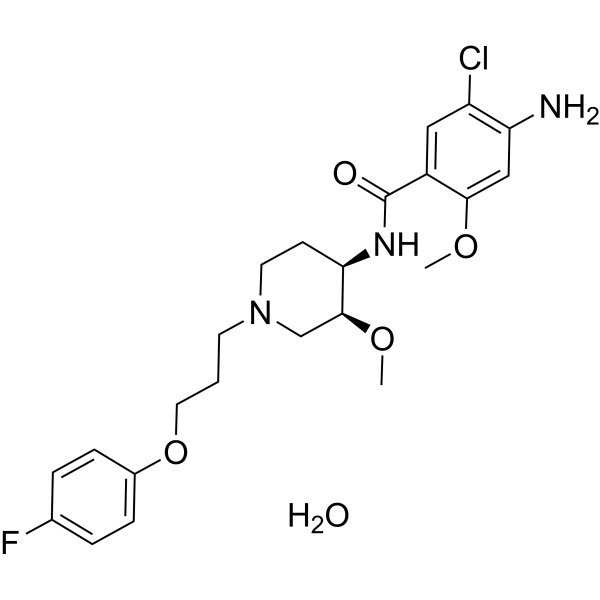
Cat. No.: HY-14149A
CAS No.: 260779-88-2
Synonyms: R 51619 monohydrate; (±)-Cisaprid monohydrate
Research Areas:  

Inflammation/Immunology

Cisapride (R 51619) monohydrate is an orally active, selective 5-HT4 receptor agonist with an EC50 of 140 nM. Cisapride monohydrate also acts as an hERG potassium channel blocker with an IC50 of 9.4 nM. Cisapride monohydrate exerts gastrointestinal prokinetic effects by activating 5-HT4 receptors, but it also blocks the hERG potassium channel responsible for the repolarization phase of cardiac action potentials, delaying repolarization and thus prolonging the action potential duration . Cisapride monohydrate can be used in research related to gastrointestinal dysfunction, gastroesophageal reflux disease, functional dyspepsia, chronic gastritis, gastroparesis, ulcerative colitis and necrotizing enterocolitis .
loading...
    loading...
1
1 Cited Publications
Cat. No.: HY-132831
CAS No.: 2260969-36-4
Purity:  99.46%
Synonyms: Somalix; RO-7486967; IZD334
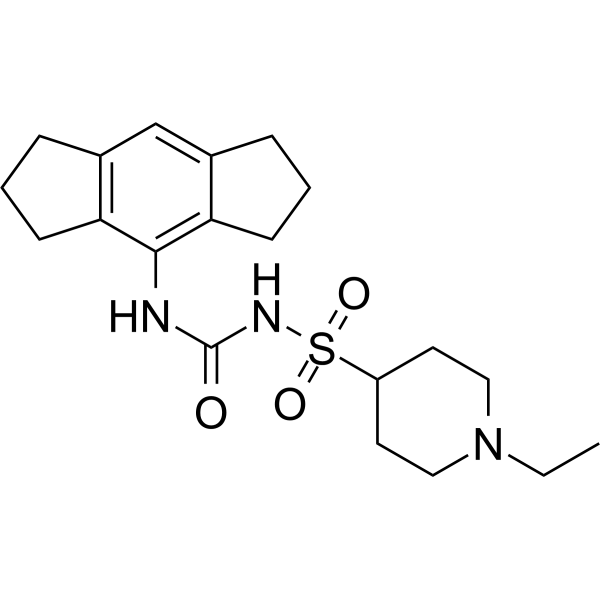
Selnoflast (RO7486967), formerly somalix/RG6418/IZD334, is an orally active, potent, selective and reversible small molecule NLRP3 inflammasome inhibitor. Selnoflast is a potent inhibitor of IL-1β release stimulated by NLRP3 activation in human Alzheimer's disease (AD) monocyte-derived macrophages. Selnoflast is promising for research of AD and systemic inflammatory diseases, such as ulcerative colitis and chronic obstructive pulmonary disease .
loading...
    loading...
1
1 Cited Publications
Cat. No.: HY-125099A
Purity:  99.83%
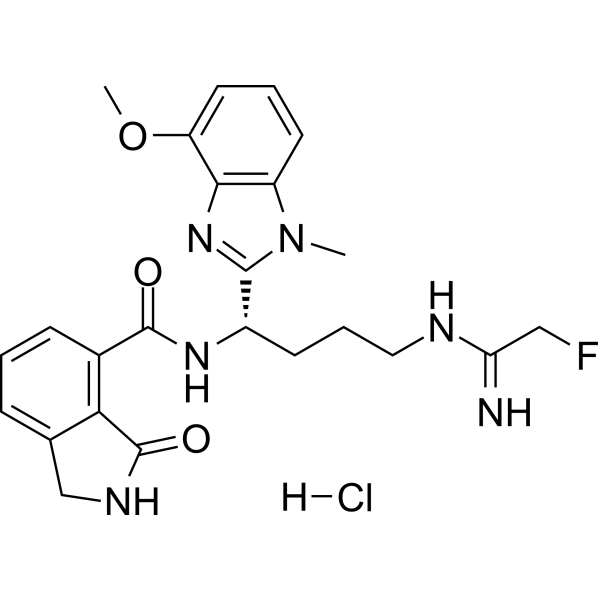
AFM-30a hydrochloride is a potent protein arginine deiminase 2 (PAD2) inhibitor and has excellent PAD2-selectivity. AFM-30a hydrochloride binds to PAD2 with an EC50 value of 9.5 μM. AFM-30a hydrochloride also inhibits H3 citrullination with an EC50 value of 0.4 μM. AFM-30a hydrochloride can be used for the research of certain cancers and a variety of autoimmune diseases including rheumatoid arthritis (RA), multiple sclerosis, lupus, and ulcerative colitis .
loading...
    loading...
1
1 Cited Publications
Cat. No.: HY-108610A
CAS No.: 70641-51-9
Purity:  ≥99.0%
Synonyms: ET-18-OCH3
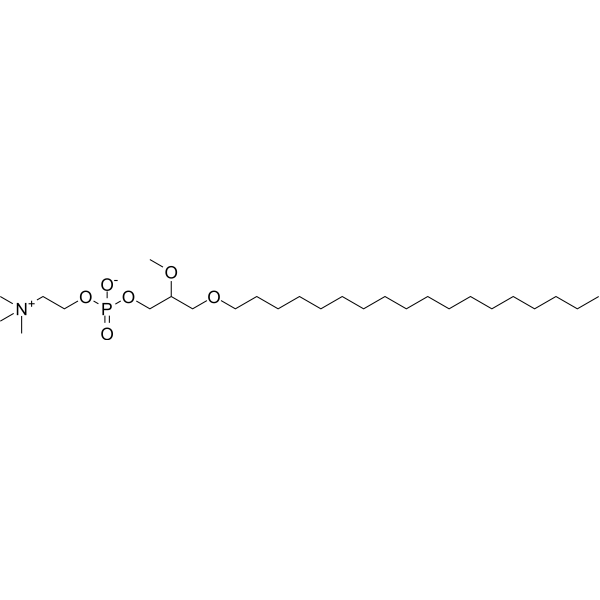
Edelfosine (ET-18-OCH3) is an orally active lipid raft modulator and apoptosis inducer that alters membrane fluidity and preferentially inserts into tumor cell membranes. Edelfosine recruits death receptor ligands (FasL/CD95L, TRAIL) and Bid to lipid rafts to form death-inducing signaling complexes, thereby initiating mitochondria-dependent apoptosis and inducing cytochrome c release. Edelfosine also exerts anti-inflammatory effects, promotes L-Selectin shedding, and causes no gastrointestinal or organ toxicity. In addition, Edelfosine inhibits nucleic acid and protein synthesis in Leishmania donovani and exhibits antiproliferative activity. Edelfosine can be used in research on multiple myeloma, inflammatory bowel diseases (such as ulcerative colitis and Crohn's disease), and visceral leishmaniasis .
loading...
    loading...
1
1 Cited Publications
Cat. No.: HY-113227
CAS No.: 3184-35-8
Purity:  99.20%
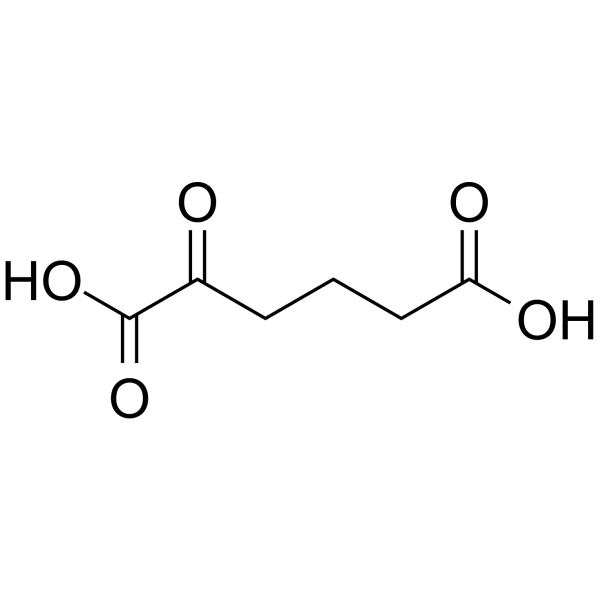
Oxoadipic acid is a key intermediate metabolite in the lysine degradation pathway. The level of Oxoadipic acid is significantly negatively correlated with the abundance of Staphylococcus. That is, the higher the abundance of Staphylococcus-a potential pathogenic bacterium that usually increases in ulcerative colitis-the lower the level of Oxoadipic acid. Oxoadipic acid can be used in the research of ulcerative colitis .
loading...
    loading...

