


319 Results for "

binding models

" in MedChemExpress (MCE) Product Catalog:
Products (319)

319 Results for "binding models" in MCE Product Catalog:

2
2 Cited Publications
Cat. No.: HY-P99171
CAS No.: 1129435-60-4

Target:  

Interleukin Related

Research Areas:  

Inflammation/Immunology Cancer

Gevokizumab is a potent anti-IL-1β antibody, negatively modulates IL-1β signaling through an allosteric mechanism. Gevokizumab selectively decreases the binding affinity of IL-1β for the IL-1 receptor type I (IL-1RI) signaling receptor instead of IL-1 counter-regulatory decoy receptor (IL-1 receptor type II) .
loading...
    loading...
2
2 Cited Publications
Cat. No.: HY-P99395
CAS No.: 1826831-79-1
Synonyms: JNJ 56022473; CSL 362

Target:  

Interleukin Related

Research Areas:  

Cancer

Talacotuzumab (JNJ 56022473; CSL 362) is an IgG1-type fully humanized, CD123-neutralizing monoclonal antibody containing a modified Fc structure. Talacotuzumab has KDs of 0.43 nM, 188 nM, 46 nM, 16.8 nM for CD123, CD32b/c, CD16-158F, CD16-158V, respectively. Talacotuzumab inhibits IL-3 binding to CD123, antagonizing IL-3 signaling in target cells. Talacotuzumab has mutated the Fc region to increase affinity for CD16 (FcγRIIIa), thereby enhancing antibody-dependent cell-mediated cytotoxicity (ADCC). Talacotuzumab is highly effective in vivo reducing leukemic cell growth in acute myeloid leukemia (AML) xenograft mouse models .
loading...
    loading...
2
2 Cited Publications
Cat. No.: HY-N0493
CAS No.: 520-12-7
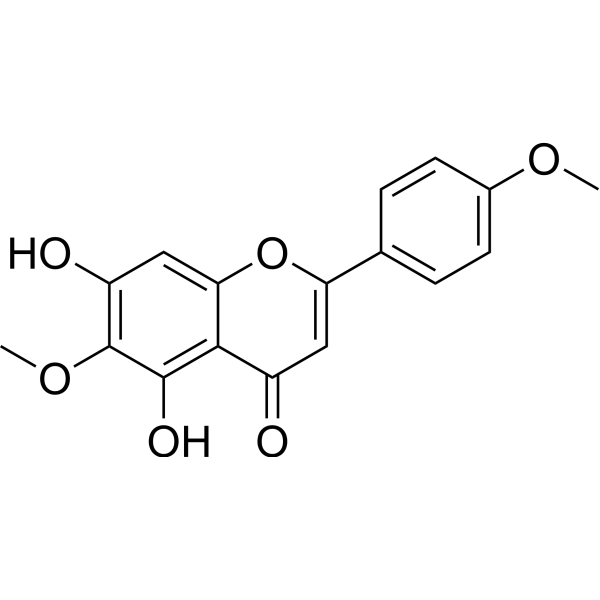
Pectolinarigenin is an orally active dual inhibitor of COX-2/5-LOX with anti-inflammatory, antioxidant, antitumor and neuroprotective activities. Pectolinarigenin exerts neuroprotective and anti-inflammatory effects on astrocyte inflammation via the NFκB and MAPK pathways. Pectolinarigenin inhibits LPS-induced phosphorylation of ERK1/2, N-FκB and p38MAPK, directly inhibits the enzymatic activity or binding of COX-2, 5-LOX and HIF-1α, and reduces the level of XIAP. Pectolinarigenin modifies Keap1 to promote nuclear accumulation of Nrf2, induces ARE-mediated antioxidant enzyme expression, and possesses direct free radical scavenging activity. Pectolinarigenin reduces the release of NO, proinflammatory mediators and leukotrienes, and increases the level of IL-10. Pectolinarigenin induces G2/M cell cycle arrest, apoptosis (Apoptosis) and autophagy (Autophagy) via the PI3K/AKT/mTOR signaling pathway. Pectolinarigenin reduces renal crystal deposition and inhibits melanin synthesis. Pectolinarigenin inhibits inflammation and alleviates allergy in mouse models of inflammation. Pectolinarigenin alleviates renal injury, inflammation and oxidative stress in mice by inhibiting HIF-1α activity. Pectolinarigenin can be used for the research of neurodegenerative diseases, inflammatory/allergic diseases, calcium oxalate nephrocalcinosis, gastric cancer, melasma, post-inflammatory diseases and chloasma .
loading...
    loading...
1
1 Cited Publications
Cat. No.: HY-122611A
CAS No.: 1353749-74-2
Purity:  99.97%
Research Areas:  

Cancer

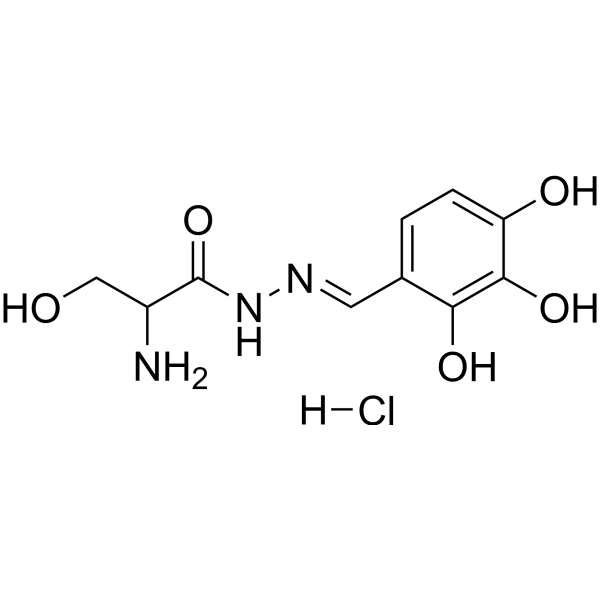
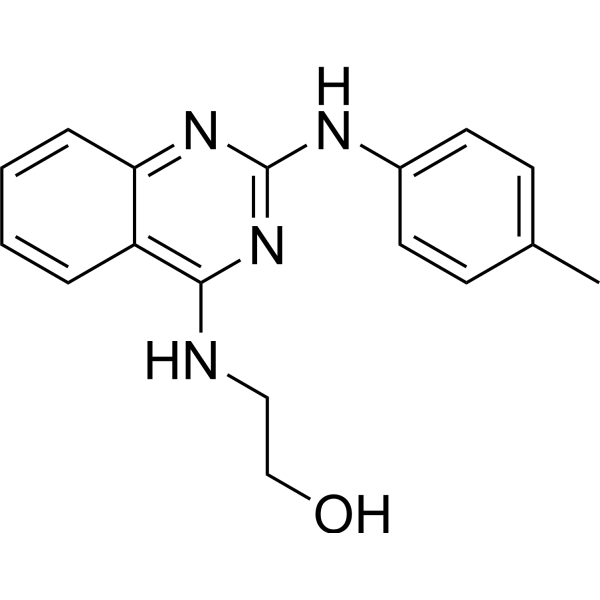
CSRM617 hydrochloride is a selective small-molecule inhibitor of the transcription factor ONECUT2 (OC2, a master regulator of androgen receptor) with a Kd of 7.43 uM in SPR assays, binding to OC2-HOX domain directly. CSRM617 hydrochloride induces apoptosis by appearance of cleaved Caspase-3 and PARP. CSRM617 hydrochloride is well tolerated in the prostate cancer mouse model
loading...
    loading...
1
1 Cited Publications
Cat. No.: HY-NP006
CAS No.: 308083-69-4
Synonyms: SPA
Protein A (SPA) is an immunoglobulin (Ig)-binding protein that exists on the bacterial surface and can be freely secreted into the extracellular environment. Protein A blocks opsonophagocytosis and induces B cell apoptosis in vitro by binding to the Fc region of antibodies and the Fab region of B cell receptors. Protein A can form toxic immune complexes with IgG, thereby inducing leukocyte necrosis. Protein A contributes to the virulence expression of Staphylococcus aureus. Protein A triggers allergic reactions in IgG-pretreated mouse models. Protein A can be used in studies related to immune system diseases .
loading...
    loading...
1
1 Cited Publications
Cat. No.: HY-116940
CAS No.: 365542-77-4
Purity:  99.37%
Target:  

Oct3/4 Notch STAT

Research Areas:  

Cancer

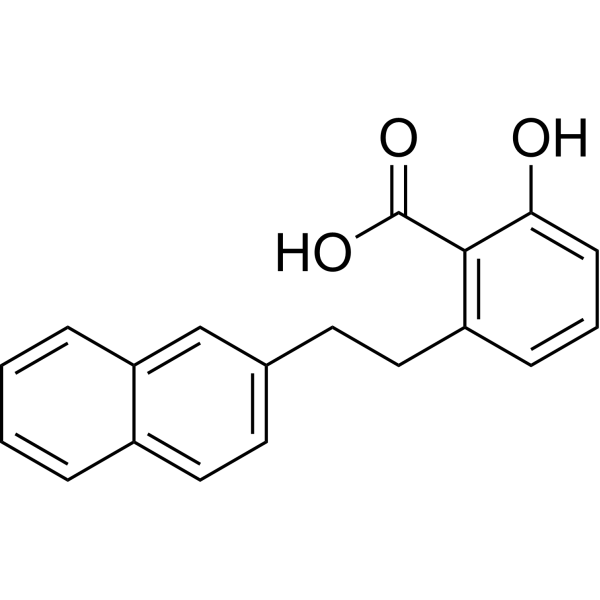
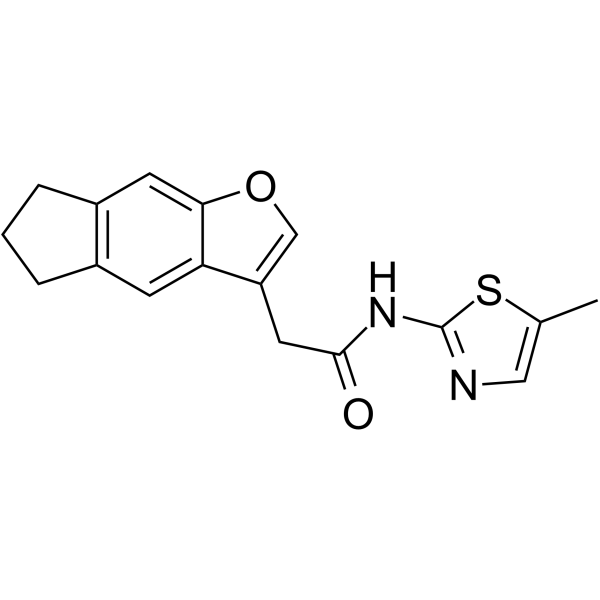
Sm4 is a selective and orally active SOX18 inhibitor. Sm4 inhibits SOX18-DNA binding (IC50 = 97.5 μM); Sm4 disrupts the SOX18-RBPJ protein-protein interaction (IC50 = 42.3 μM). Sm4 blocks SOX18 DNA binding, disrupts multiple SOX18 protein-protein interactions with RBPJ, DDX1, DDX17, ILF3, SOX7 and STAT1, modulates SOX18 chromatin binding dynamics. Sm4 exerts anti‑angiogenic and anti‑lymphangiogenic effects, reduces tumor vascular density, triggers vascular defects in zebrafish, prolongs survival in mouse metastatic cancer models. Sm4 can be used for the research of breast cancer .
loading...
    loading...
1
1 Cited Publications
Cat. No.: HY-157214
CAS No.: 3030588-01-0
Purity:  99.76%
Target:  

STING Molecular Glues

Research Areas:  

Cancer

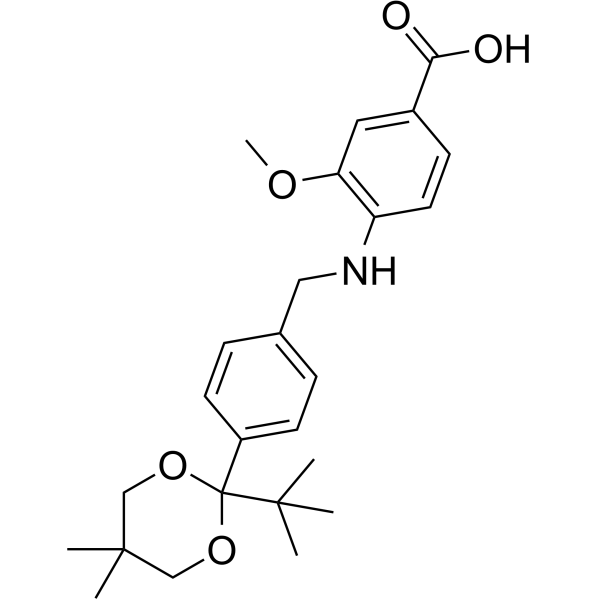
NVS-STG2 is a molecular glue that targets STINGbinding to pockets between adjacent STING dimer transmembrane domains, effectively acting as a molecular glue. NVS-STGI enhances the activity of cGAMP by inducing the formation of more abundant and larger oligomers. NVS-STG2 produces antitumor activity in animal models .
loading...
    loading...
1
1 Cited Publications
Cat. No.: HY-117006
CAS No.: 1031195-19-3
Purity:  98.55%
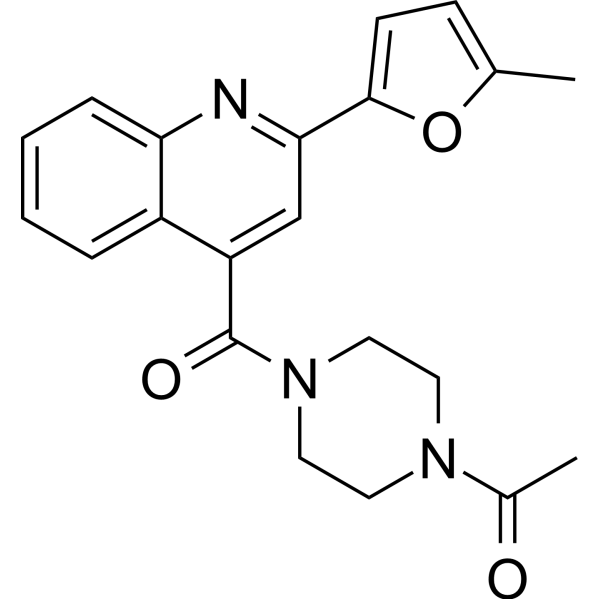
Synonyms: 1-{4-[2-(5-Methylfuran-2-yl)quinoline-4-carbonyl]piperazin-1-yl}ethan-1-one
Target:  

Sirtuin

Research Areas:  

Cardiovascular Disease

E1231 is an orally active activator of Sirtuin 1 (SIRT1) (EC50=0.83 μM), to modulate cholesterol and lipid metabolism. E1231 interactes with SIRT1 (KD=9.61 μM) and deacetylated liver X receptor-alpha (LXRα), and increases ATP-binding cassette transporter A1 (ABCA1) expression. E1231 also reduces atherosclerotic plaque development in ApoE -/- mice model. E1231 can be used for research in cholesterol and lipid disorder-related diseases .
loading...
    loading...
1
1 Cited Publications
Cat. No.: HY-P2460
CAS No.: 172485-26-6
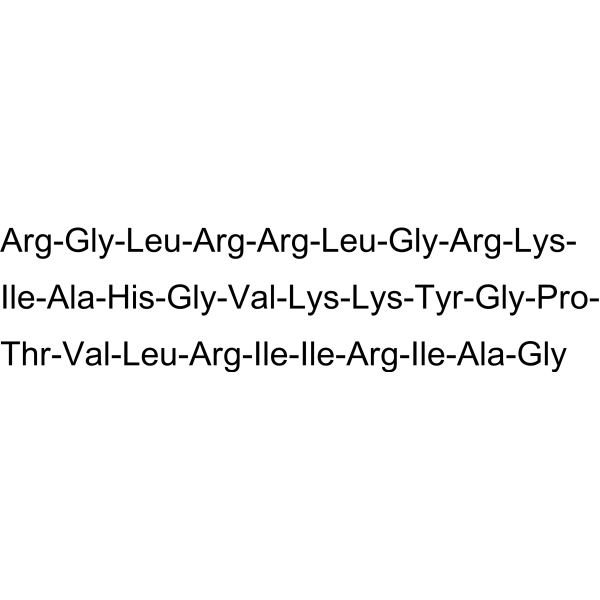
SMAP‑29 is a cathelicidin antimicrobial peptide with LPS‑binding and anti‑inflammatory properties. SMAP‑29 exerts broad‑spectrum antimicrobial activity against bacteria, fungi and multidrug‑resistant isolates. SMAP‑29 kills pathogens by permeabilizing bacterial membranes, inducing depolarization and cell lysis, and also inhibits inflammatory cytokines while reducing lethality in septic shock and pneumonia models. SMAP-29 can be used for research on bacterial infections, drug-resistant infections, septic shock .
loading...
    loading...
1
1 Cited Publications
Cat. No.: HY-33299
CAS No.: 154235-77-5
Synonyms: BTCA
Research Areas:  

Cancer

Serpin B9-IN-1 (BTCA) is an inhibitor that specifically targets Serpin B9 (SB9); SB9 is a natural inhibitor of granzyme B (GrB) , but may promote the metastasis of lung cancer cells into the bone marrow. SB9-overexpressing cancer cells promote proliferation and metastasis in an immune cell-dependent manner by binding to GrB. Inhibition of SB9 by Serpin B9-IN-1 significantly inhibits immunotherapy of lung cancer bone metastases in the caudal artery (CA) mouse model (LCBM) .
loading...
    loading...
1
1 Cited Publications
Cat. No.: HY-B1824
CAS No.: 98753-19-6
Synonyms: HR-810 sulfate
Target:  

Bacterial Antibiotic

Research Areas:  

Infection

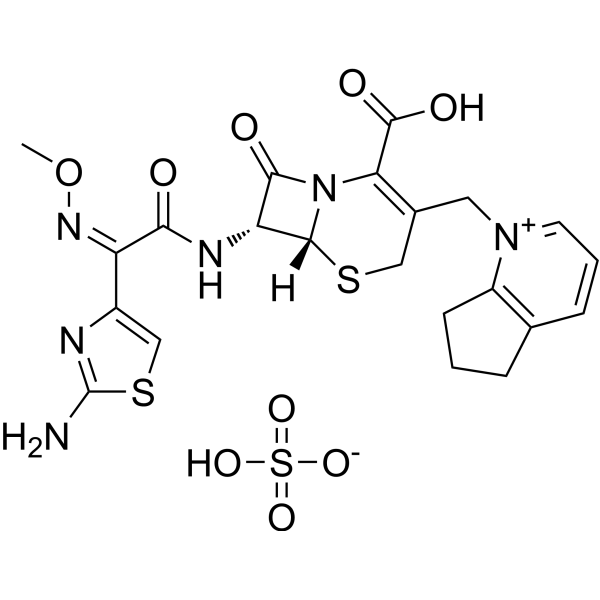
Cefpirome (HR-810) sulfate is a cephalosporin antibiotic that can cross cell membranes and the blood-brain barrier. Cefpirome sulfate binds to penicillin-binding proteins with high affinity, thereby inhibiting bacterial cell wall synthesis. Cefpirome sulfate exhibits bactericidal and growth-inhibitory activities against Gram-negative bacteria, Gram-positive bacteria, and susceptible anaerobic bacteria (including some β-lactamase-producing strains) .
loading...
    loading...
1
1 Cited Publications
Cat. No.: HY-W181530
CAS No.: 790245-61-3
Research Areas:  

Cancer

NCT02 is a molecular glue degrader based on the E3 ubiquitin ligase DDB1 that targets CDK12 and its binding partner CCNK. NCT02 triggers the ubiquitination and proteasomal degradation of CCNK, thereby downregulating CDK12 protein levels and inhibiting its downstream signaling pathways. NCT02 can induce tumor cell apoptosis, arrest the cell cycle, and selectively inhibit the proliferation of colorectal cancer cells carrying TP53 defects or belonging to the consensus molecular subtype CMS4. NCT02 has the potential to inhibit tumor growth in in vitro and in vivo models .
loading...
    loading...
1
1 Cited Publications
Cat. No.: HY-148771
CAS No.: 2488296-74-6
Purity:  99.79%
Synonyms: PROTAC AR-V7 degrader-2
Research Areas:  

Cancer

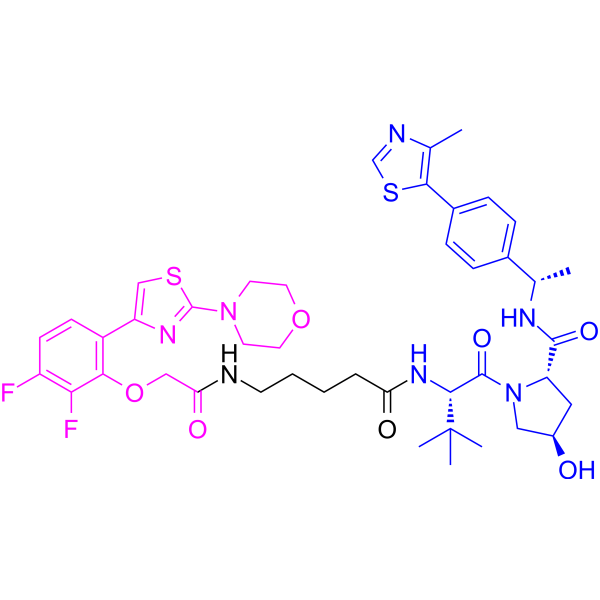
MTX-23 is a PROTAC degrader targeting androgen receptor splice variant 7 (AR-V7) and full-length androgen receptor (AR-FL), with DC50 values of 0.37 μM and 2 μM, respectively. MTX-23 binds to the DNA-binding domains of AR-V7 and AR-FL, recruits the VHL E3 ubiquitin ligase (E3 ubiquitin ligase) and induces their degradation. MTX-23 reduces the proliferation of prostate cancer cells, promotes their apoptosis (apoptosis), and also inhibits tumor growth in mouse models. MTX-23 can be used for the research of prostate cancer .
loading...
    loading...
1
1 Cited Publications
Cat. No.: HY-W195984
CAS No.: 1016340-64-9
Research Areas:  

Cancer

Z57346765 is an inhibitor that targets the ADP-binding pocket of PGK1, with a Kd of 20.9 μM for human PGK1, and exhibits anticancer activity. Z57346765 reduces the activity of the metabolic enzyme PGK1 during glycolysis, regulates lipid peroxidation and cancer cell proliferation, and promotes lipid peroxidation in cervical cancer cells. Z57346765 inhibits the proliferation of cervical cancer and clear cell renal cell carcinoma cells in xenograft mouse models, and induces the expression of genes associated with cell metabolism, DNA replication and cell cycle. Z57346765 is used in research related to cervical cancer, clear cell renal cell carcinoma and breast cancer .
loading...
    loading...
1
1 Cited Publications
Cat. No.: HY-159641
CAS No.: 3034880-93-5
Synonyms: BAY-3605349
VVD-130037 (BAY-3605349) is a covalent molecular glue and allosteric NRF2 degrader. VVD-130037 covalently binds to KEAP1 and allosterically enhances the affinity of KEAP1-CUL3, promotes the formation of the active KEAP1-CUL3 E3 ligase complex, and thereby enhances the ubiquitination and degradation of NRF2. VVD-130037 exhibits KEAP1 target-binding activity both in in vitro systems and mouse models, and it can be used in research related to NRF2-dependent cancers, solid tumors harboring KEAP1 nonsense mutations and frameshift mutations, as well as advanced solid tumors .
loading...
    loading...
1
1 Cited Publications
Cat. No.: HY-N0837
CAS No.: 60-70-8
Synonyms: NSC17821; NSC23880
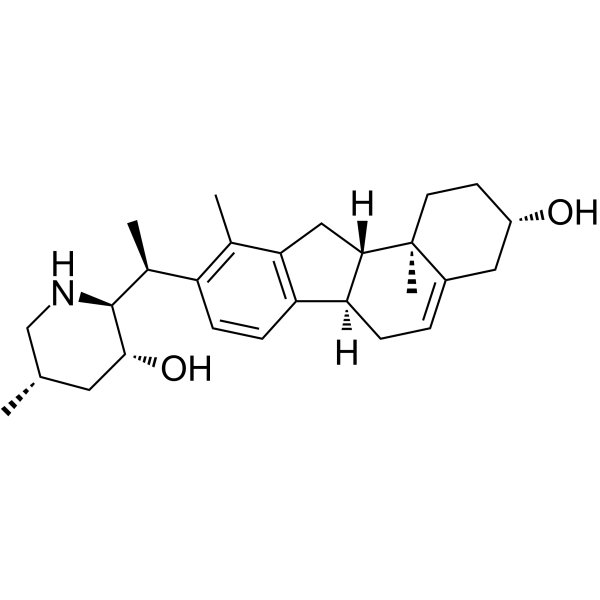
Veratramine (NSC17821; NSC23880) is an orally active inhibitor of the PI3K/Akt/mTOR signaling pathway and a SIGMAR1 modulator. Veratramine induces autophagic apoptosis of tumor cells, arrests the cell cycle at the G0/G1 phase, and inhibits epithelial-mesenchymal transition (EMT)-related proteins to reduce tumor migration. Veratramine reduces spinal cord and sciatic nerve pathological damage in a neuropathy model by inhibiting SIGMAR1 binding to NMDAR and phosphorylation of NMDAR Ser896. Veratramine has anti-tumor proliferation, apoptosis induction, anti-inflammatory and neuroprotective activities, and can be used in the study of cancers such as liver cancer and osteosarcoma, as well as diabetic peripheral neuropathy .
loading...
    loading...
1
1 Cited Publications
Cat. No.: HY-W140439
CAS No.: 19420-56-5
Synonyms: 18:1 Lyso PC
Target:  

Endogenous Metabolite

Research Areas:  

Inflammation/Immunology

1-Oleoyl-sn-glycero-3-phosphocholine (18:1 Lyso PC), a lysophospholipid, is a GPR82 inhibitor. 1-Oleoyl-sn-glycero-3-phosphocholine abrogates constitutive Gi-coupled GPR82 activity, shifts active/inactive equilibrium to inactive, suppresses Gi protein activation, increases cAMP production, and decreases GTPγS binding to Gαi proteins. 1-Oleoyl-sn-glycero-3-phosphocholine contributes to adipocyte lipolysis regulation.1-Oleoyl-sn-glycero-3-phosphocholine exhibits reduced serum levels in mouse models of steatohepatitis, linked to hepatic Lpcat 1-4 up-regulation .
loading...
    loading...
1
1 Cited Publications
Cat. No.: HY-W725179
CAS No.: 2044520-06-9
Target:  

EBV

Research Areas:  

Cancer

VK-2019 is an orally bioavailable selective inhibitor of EBNA1. By binding to the protein-DNA interface to interfere with the recruitment and anchoring of the viral DNA replication machinery, VK-2019 effectively blocks the replication and proliferation of EBV in latently infected cells. VK-2019 reduces the copy number and gene expression level of Epstein-Barr virus in tumor cells, decreases the number of EBER-positive cells, and exhibits significant antiviral, immunomodulatory and antiproliferative activities. VK-2019 successfully inhibits tumor growth in EBV-dependent xenograft models. VK-2019 has favorable systemic exposure and acceptable safety profiles, and is widely used in research on advanced nasopharyngeal carcinoma and various EBV-associated cancers .
loading...
    loading...
1
1 Cited Publications
Cat. No.: HY-172158
CAS No.: 140481-05-6
Research Areas:  

Cancer

ALKBH5-IN-5 is a highly selective ALKBH5 (IC50 = 0.62 μM, Kd = 804 nM). ALKBH5-IN-5 disrupts ALKBH5 binding to m 6A-RNA and 6mA-DNA substrates. ALKBH5-IN-5 promotes differentiation, induces apoptosis, cause G2-M phase arrest and exerts strong antiproliferative effects in cancer cells. ALKBH5-IN-5 reduces TACC3 and MYC protein levels and increases cleaved caspase-3 levels. ALKBH5-IN-5 exerts antitumor activity in tumor xenograft mice models. ALKBH5-IN-5 can be used for the research of acute myeloid leukemia .
loading...
    loading...
1
1 Cited Publications
Cat. No.: HY-125938
CAS No.: 21238-33-5
Purity:  98.98%
Synonyms: Cycloartenol ferulate; Cycloartenol ferulic acid ester
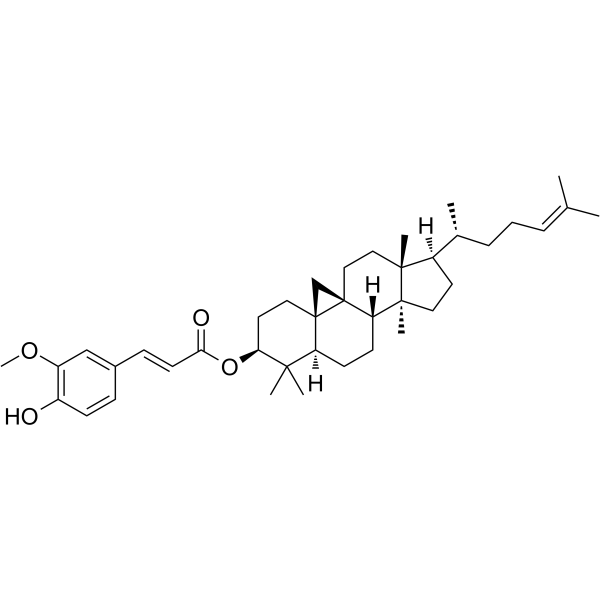
Cycloartenyl ferulate (Cycloartenol ferulate; Cycloartenol ferulic acid ester) is a derivative of γ-oryzanol (HY-B2194) with multiple biological activities including antioxidant, anti-inflammatory, and anti-tumor properties. Cycloartenyl ferulate selectively binds to IFNγR1 (binding affinity Kd = 0.5 μM) to activate the canonical JAK1/2-STAT1 signaling pathway. Cycloartenyl ferulate inhibits paraquat (PQ)-triggered apoptosis and ROS in HK2 cells. Cycloartenyl ferulate enhances the activation and cytolytic activity of natural killer (NK) cells by upregulating the expression of NK cell activation receptors (NKG2D, NKp30, NKp44) and the release of cytotoxic molecules and cytokine IFNγ. Cycloartenyl ferulate exerts anti-cancer effects in tumor mice models. Cycloartenyl ferulate can be used for the study of cancer and allergic inflammation intervention .
loading...
    loading...

