
134 Results for "

cellular oxidation

" in MedChemExpress (MCE) Product Catalog:
Products (134)

134 Results for "cellular oxidation" in MCE Product Catalog:

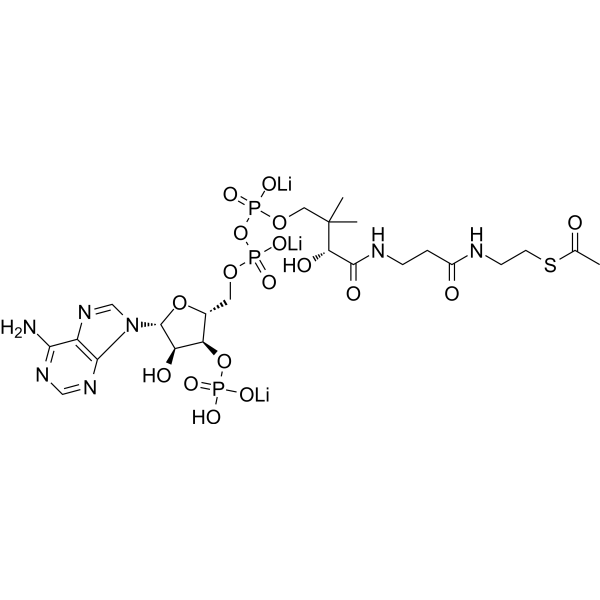
Cat. No.: HY-114293A
CAS No.: 75520-41-1
Synonyms: Acetyl-CoA trilithium
Acetyl-coenzyme A (Acetyl-CoA) trilithium is a membrane-impermeant central metabolic intermediate, participates in the TCA cycle and oxidative phosphorylation metabolism. Acetyl-coenzyme A trilithium regulates various cellular mechanisms by providing (sole donor) acetyl groups to target amino acid residues for post-translational acetylation reactions of proteins. Acetyl Coenzyme A trilithium is also a key precursor of lipid synthesis .
loading...
    loading...
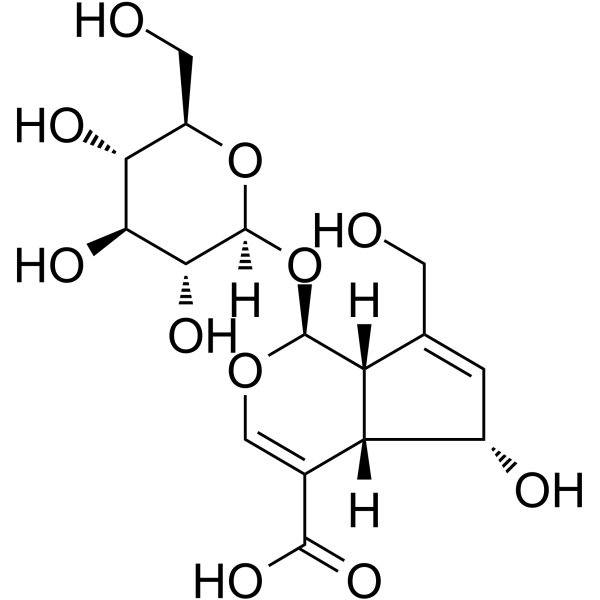
Cat. No.: HY-N0594
CAS No.: 14259-55-3
Deacetylasperulosidic Acid is an orally active antioxidant. Deacetylasperulosidic Acid exerts a definite in vivo antioxidant effect and alleviates oxidative stress injury by enhancing SOD activity. In atopic dermatitis models, Deacetylasperulosidic Acid corrects Th2-skewed immune imbalance and reduces allergy-related factors; in immunosuppression models, it activates cellular immunity, enhances NK cell activity and IL-2 production. Deacetylasperulosidic Acid can be used in the research of atopic dermatitis .
loading...
    loading...
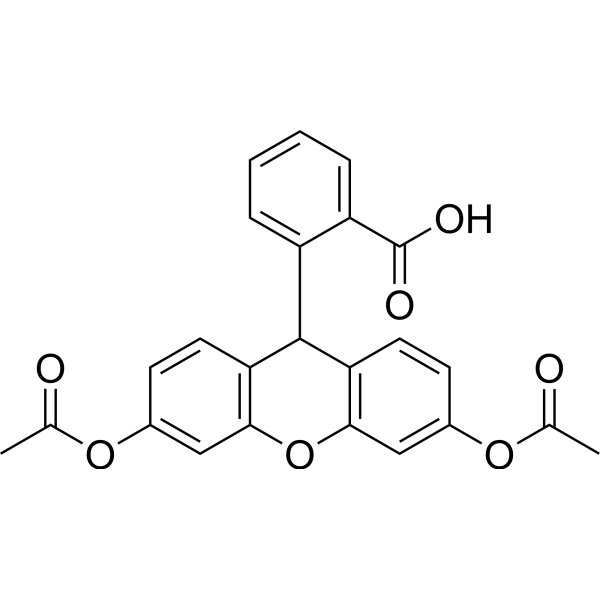
Cat. No.: HY-101893
CAS No.: 35340-49-9
Purity:  98.48%
Dihydrofluorescein diacetate is a fluorimetric probe mainly used for oxidative stress measurements, in both cell-free systems and cellular models.
loading...
    loading...
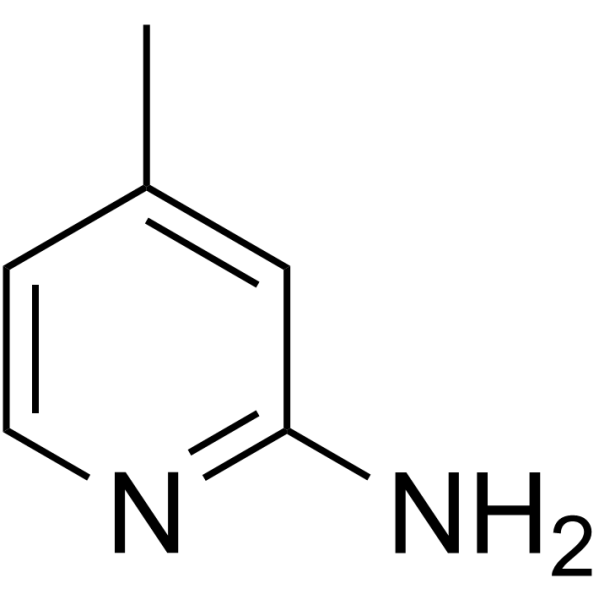
Cat. No.: HY-W003969
CAS No.: 695-34-1
Synonyms: Ascensil; 2-Amino-4-methylpyridine
Target:  

NO Synthase

Research Areas:  

Inflammation/Immunology

Aminopicoline (Ascensil) is a potent and non-selective inhibitor of nitric oxide synthase (NOS) isoenzymes (iNOS, nNOS, eNOS). Aminopicoline competes with arginine at the substrate-binding site of nitric oxide synthase, reduces cellular nitric oxide production, inhibits the elevation of plasma nitrate, increases mean arterial pressure at high doses, and also serves as a basis for radiolabeled ligands to localize nitric oxide synthase binding sites. Aminopicoline can be used in the research of diseases associated with septic shock, joint inflammation, intestinal inflammation, and CNS inflammation .
loading...
    loading...
Cat. No.: HY-136341
CAS No.: 1218-98-0
Purity:  99.79%
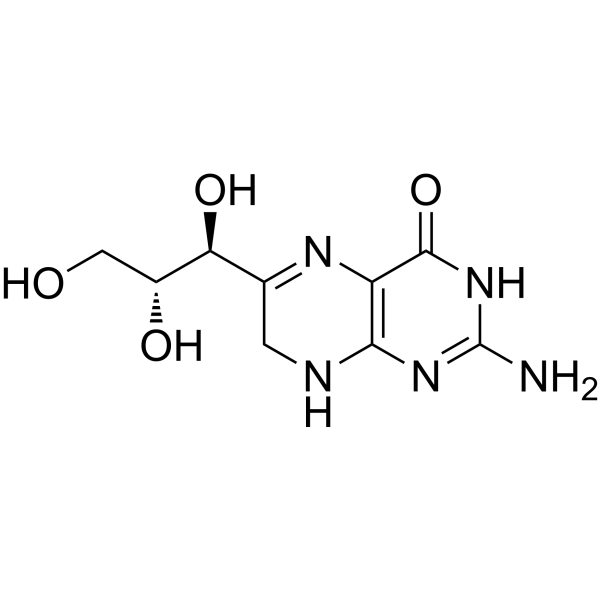
7,8-Dihydroneopterin, an inflammation marker, induces cellular apoptosis in astrocytes and neurons via enhancement of nitric oxide synthase (iNOS) expression. 7,8-Dihydroneopterin can be used in the research of neurodegenerative diseases .
loading...
    loading...
Cat. No.: HY-16772
CAS No.: 1213269-98-7
Synonyms: α-Tocotrienol quinone; PTC-743; Vatiquinone; NCT04378075
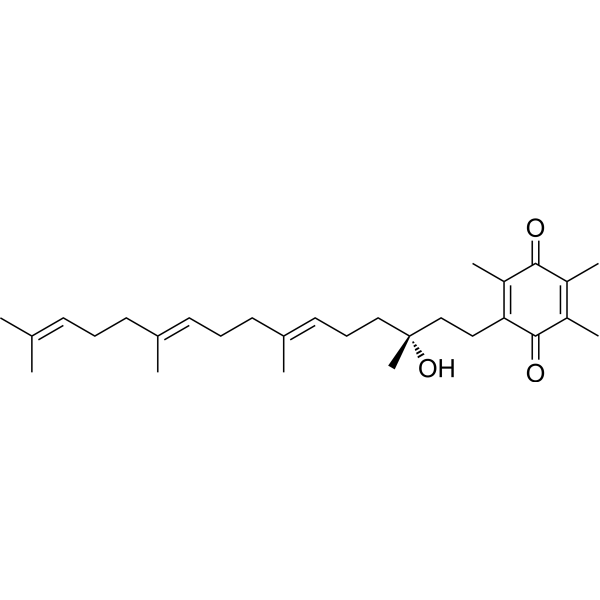
EPI-743 (Vatiquinone; α-Tocotrienol quinone; PTC-743; NCT04378075) is a potent cellular oxidative stress protectant, inhibits ferroptosis in cells, which could be used for the study for mitochondrial diseases. EPI-743 is a synthetic analog of vitamin E with oral activity, targets repletion of reduced intracellular glutathione .
loading...
    loading...
Cat. No.: HY-N1967
CAS No.: 76474-56-1
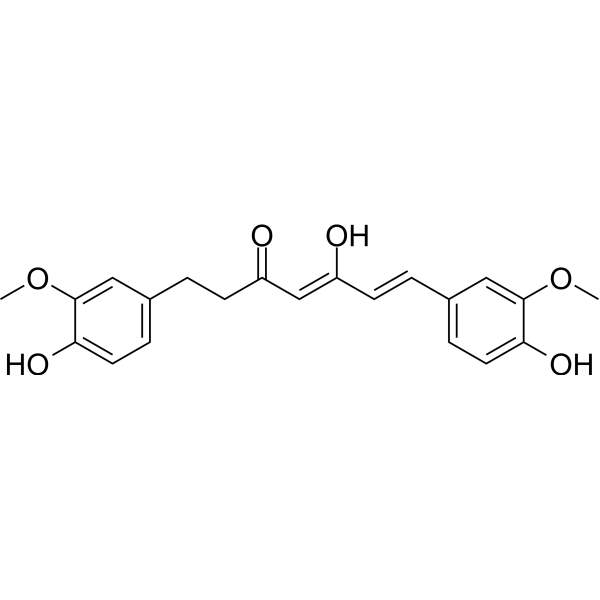
Dihydrocurcumin, a major metabolites of curcumin, reduces lipid accumulation and oxidative stress. Dihydrocurcumin regulates mRNA and protein expression levels of SREBP-1C, PNPLA3 and PPARα, increases protein expression levels of pAKT and PI3K, and reduced the levels of cellular NO and ROS via Nrf2 signaling pathways .
loading...
    loading...
Cat. No.: HY-114293
CAS No.: 72-89-9
Synonyms: Acetyl-CoA
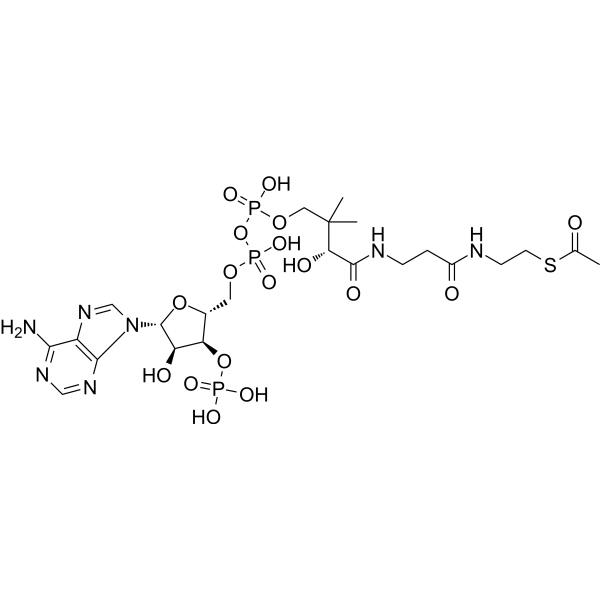
Acetyl-coenzyme A (Acetyl-CoA) is a membrane-impermeant central metabolic intermediate, participates in the TCA cycle and oxidative phosphorylation metabolism. Acetyl-coenzyme A, regulates various cellular mechanisms by providing (sole donor) acetyl groups to target amino acid residues for post-translational acetylation reactions of proteins. Acetyl Coenzyme A is also a key precursor of lipid synthesis .
loading...
    loading...
Cat. No.: HY-174216
CAS No.: 3068830-89-4
PZL-A is a activator of mitochondrial DNA (mtDNA) synthesis. PZL-A restores wild-type-like activity to mutant forms of polymerase γ (POLγ) with AC50 s of 160 and 20 nM for A467T and G848S. PZL-A activates mtDNA synthesis in cells, enhancing biogenesis of the oxidative phosphorylation machinery and cellular respiration. PZL-A is promising for relieving POLG disease and other severe conditions linked to depletion of mtDNA .
loading...
    loading...
Cat. No.: HY-113355
CAS No.: 58-68-4
NADH is an orally active dehydrogenase coenzyme that acts as a crucial electron carrier in cellular respiration and participates in ATP production. NADH promotes metabolism, supports brain function, and counteracts oxidative stress by transferring electrons to the electron transport chain. As a signaling molecule, NADH regulates multiple biological processes, including anti-apoptosis, synaptic plasticity, gene expression, and calcium homeostasis. Redox imbalance of NADH/NAD⁺ is one of the key pathological mechanisms of various diseases, such as diabetic nephropathy, neurodegenerative diseases, and ischemia-reperfusion injury.
loading...
    loading...
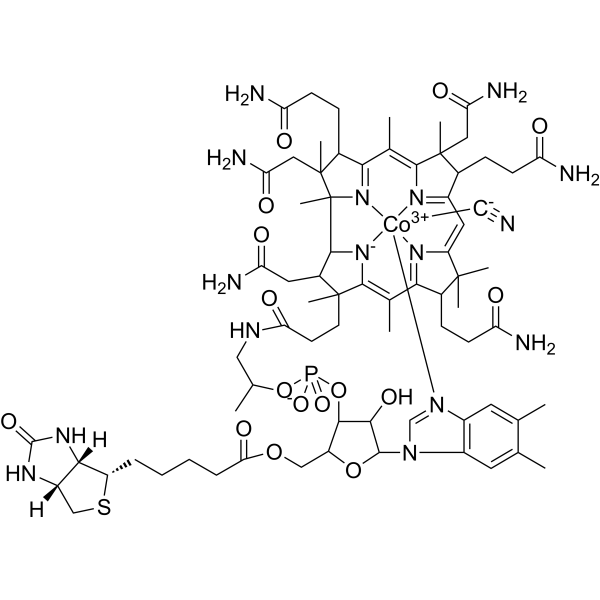
Cat. No.: HY-B0315A
Synonyms: Biotin-Cyanocobalamin B12
Biotin-Vitamin B12 (Biotin-Cyanocobalamin B12) is the biotinylated Vitamin B12 (HY-B0315). Vitamin B12 is a vitamin that can pass through the blood-brain barrier. Vitamin B12 plays a key role in the normal functioning of the brain and nervous system, and for the formation of blood. Vitamin B12 is beneficial for many inflammatory diseases and also provides protection in oxidative-stress-associated pathologies. Biotin-Vitamin B12 can be used in researches on vitamin B12 transport, cellular uptake, targeted delivery, analytical detection, and other areas .
loading...
    loading...
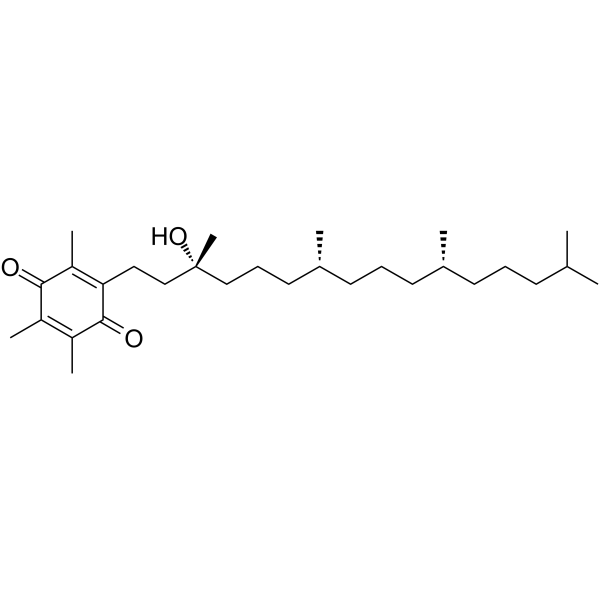
Cat. No.: HY-N2853
CAS No.: 7559-04-8
Synonyms: α-Tocopherylquinone
D-α-Tocopherylquinone (α-Tocopherylquinone) is a quinone, can be isolated from Phaeodactylum tricornutum. D-α-Tocopherylquinone is an oxidation product of α-Tocopherol (vitamin E). D-α-Tocopherylquinone can act as an anticoagulant and as an antioxidant. D-α-Tocopherylquinone reduces cellular oxidative damage produced by oxidized lipids. D-α-Tocopherylquinone binds to a liver cytosolic protein with a molecular mass of about 40 kDa. D-α-Tocopherylquinone binds to glurathione-S-transferase (GST) and can be transported to the site of metabolism or excreted in the bile .
loading...
    loading...
Cat. No.: HY-141452
CAS No.: 542-78-9
Synonyms: Malondialdehyde
Target:  

Endogenous Metabolite

Research Areas:  

Neurological Disease

Propanedial (Malondialdehyde) (13.88 mM in water) is one of the final products of lipid peroxidation. Propanedial causes protein inactivation, DNA damage and cross-linking by forming stable covalent adducts with biological macromolecules, which is the main mechanism for its cytotoxicity and genotoxicity. Propanedial production increases with the elevation of free radicals. Propanedial is a key biomarker for evaluating the level of cellular oxidative stress [1][2][3].
loading...
    loading...
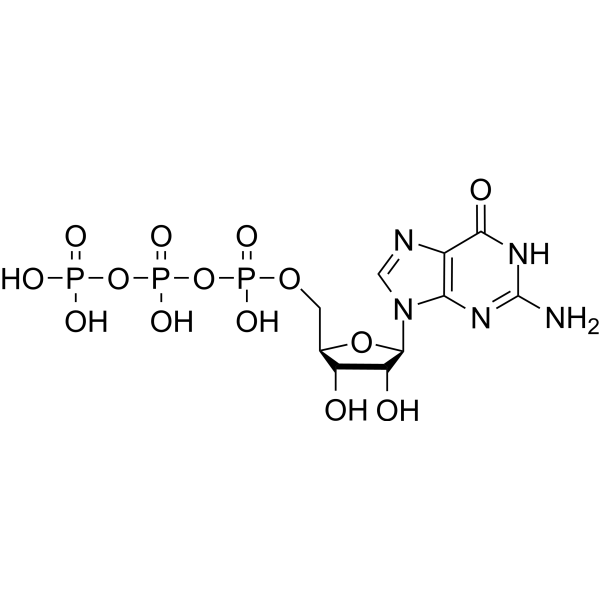
Cat. No.: HY-113225
CAS No.: 86-01-1
Synonyms: GTP
Guanosine triphosphate (GTP) is a critical nucleotide and regulator of cellular metabolism. Guanosine triphosphate promotes ribosomal DNA localization, pre-rRNA transcription and ribosome biogenesis by binding to RNA polymerase I and GPN proteins (GPN1/3). Guanosine triphosphate links MYC-dependent ribosome biogenesis to nucleotide sufficiency, acts as a metabolic gatekeeper supporting protein synthesis, DNA/RNA synthesis and cellular signal transduction, while also participating in the physiological activities of pancreatic β-cells and serving as an oxidative substrate for reactive oxygen species. In small cell lung cancer with high MYC expression, Guanosine triphosphate accumulates through the IMPDH-driven synthetic pathway, thereby affecting apoptosis and mitotic processes. Guanosine triphosphate is used in the research of small cell lung cancer, hepatoblastoma and cellular metabolism .
loading...
    loading...
Cat. No.: HY-114293S
Purity:  97.40%
Synonyms: Acetyl-CoA-13C2 lithium
Acetyl coenzyme A- 13C2 lithium is the 13C-labeled Acetyl coenzyme A (HY-114293). Acetyl-coenzyme A (Acetyl-CoA) is a membrane-impermeant central metabolic intermediate, participates in the TCA cycle and oxidative phosphorylation metabolism. Acetyl-coenzyme A, regulates various cellular mechanisms by providing (sole donor) acetyl groups to target amino acid residues for post-translational acetylation reactions of proteins. Acetyl Coenzyme A is also a key precursor of lipid synthesis .
loading...
    loading...
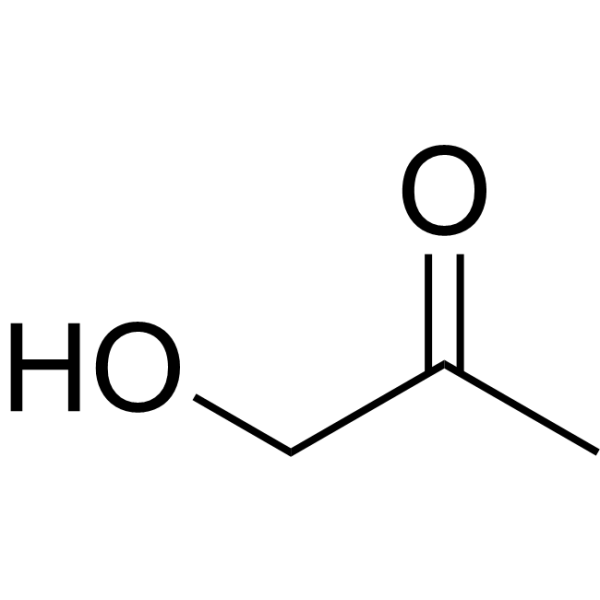
Cat. No.: HY-Y1366
CAS No.: 116-09-6
Hydroxyacetone is a toxic compound. Hydroxyacetone can be isolated from e-cigarette aerosols. Hydroxyacetone reduces the activity of cellular Mitochondrial reductase (with an IC50 of 5.53 mg/mL for mitochondrial reductase in BEAS-2B cells) and increases ROS levels. Hydroxyacetone induces mitochondrial stress and oxidative damage. Hydroxyacetone induces destabilization of F-actin. At high concentrations, Hydroxyacetone promotes cell rounding and Apoptotic body formation. Hydroxyacetone exerts toxic effects on cells including airway epithelial cells and possesses respiratory toxicity potential .\n


loading...
    loading...
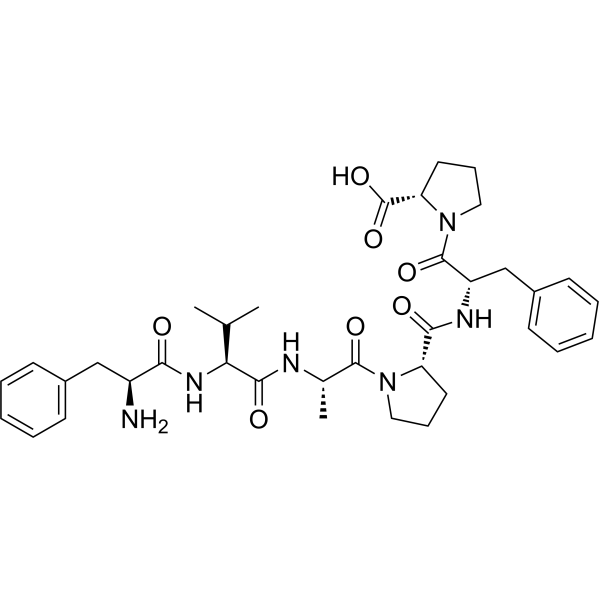
Cat. No.: HY-P2096
CAS No.: 161258-30-6
Hexapeptide-11 is an anti-aging peptide that can protect fibroblasts from premature cell senescence mediated by oxidative stress. Hexapeptide-11 is also a potential stimulator of hyaluronic acid in keratinocytes, and can enhance skin barrier function by upregulating the expression of HAS2 and EGR3, and downregulating the expression of HYAL2. Hexapeptide-11 can also improve skin elasticity .
loading...
    loading...
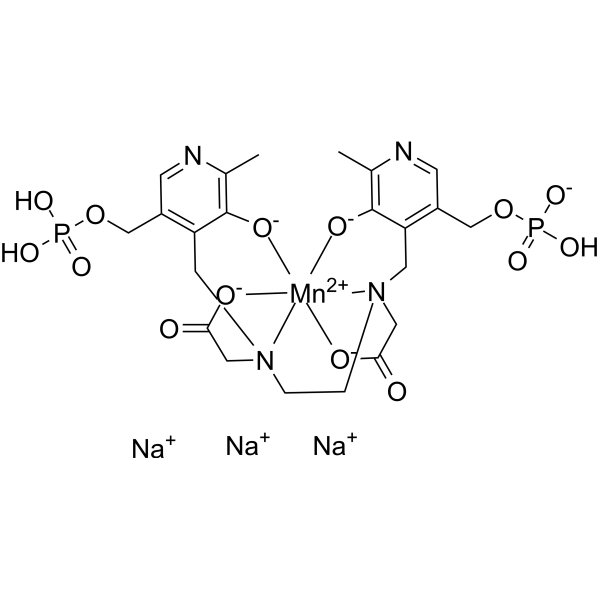
Cat. No.: HY-B0993
CAS No.: 140678-14-4
Synonyms: MnDPDP
Target:  

Apoptosis

Research Areas:  

Neurological Disease Cancer

Mangafodipir trisodium (MnDPDP), hepatocellular-specific contrast agent, is an efficacious inhibitor of CIPN (chemotherapy-induced peripheral neuropath) and other conditions caused by cellular oxidative stress. Mangafodipir trisodium shows no negative interference with the tumoricidal activity of chemotherapy .
loading...
    loading...
Cat. No.: HY-P2911
CAS No.: 9029-12-3
Synonyms: GLDH
Research Areas:  

Metabolic Disease

Glutamate dehydrogenase (NAD (P)) (GLDH) is a glutamate dehydrogenase . Glutamate dehydrogenase exists in all organisms and catalyzes the oxidative deamination of L-Glutamate (HY-W337739) to α-Ketoglutarate using NAD (P) + as a coenzyme. The glutamate dehydrogenase pathway is also associated with various cellular processes, including ammonia metabolism, acid-base balance, redox homeostasis, lipid biosynthesis, and lactate production .
loading...
    loading...
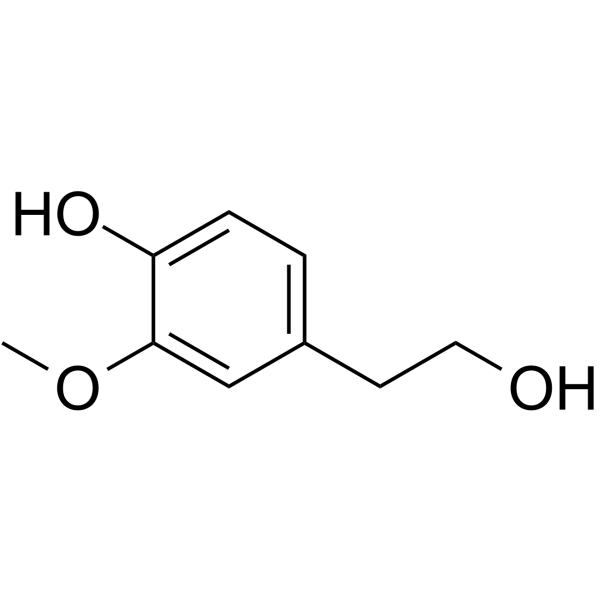
Cat. No.: HY-N7513
CAS No.: 2380-78-1
Homovanillyl alcohol is a biological metabolite of Hydroxytyrosol, and belongs to the class of phenolic organic compounds. Homovanillyl alcohol alleviates cellular oxidative stress and inflammatory responses by scavenging free radicals, inhibiting the phosphorylation of the p38 and JNK MAP kinase pathways, as well as suppressing NF-κB-driven transcription and nuclear translocation. It can be used in studies related to cardiovascular diseases and allergic asthma .
loading...
    loading...

