123 Results for "

Small-molecule activator

" in MedChemExpress (MCE) Product Catalog:
Products (123)

123 Results for "Small-molecule activator" in MCE Product Catalog:

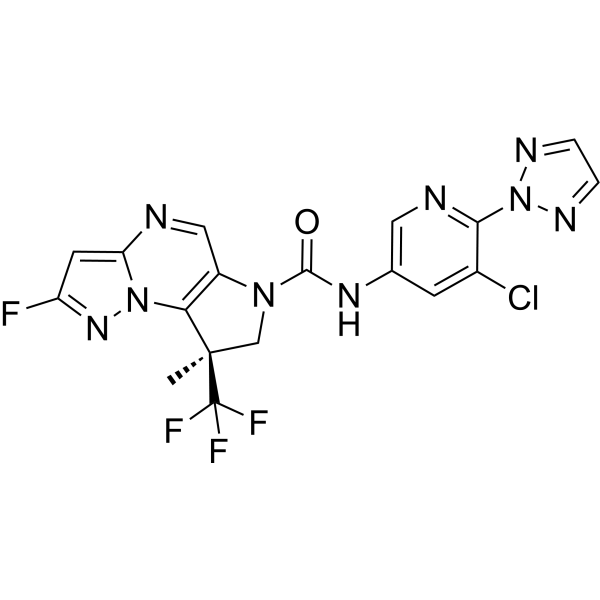
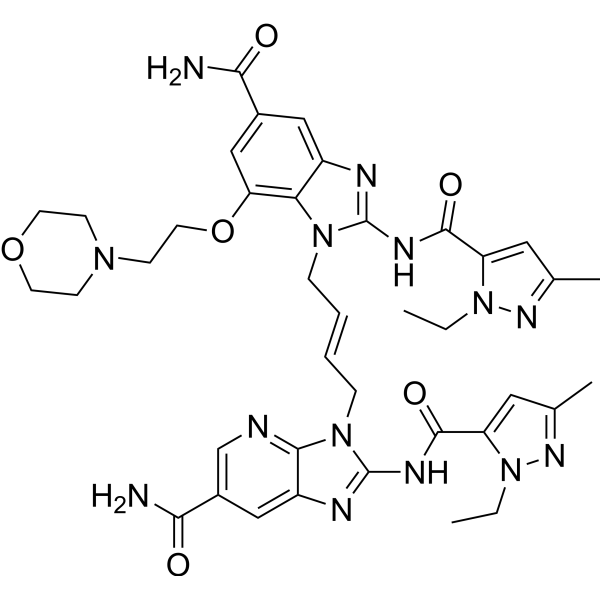
Cat. No.: HY-160698
CAS No.: 2661481-41-8
Synonyms: SGR-1505
Target:  

MALT1 Apoptosis

Research Areas:  

Cancer

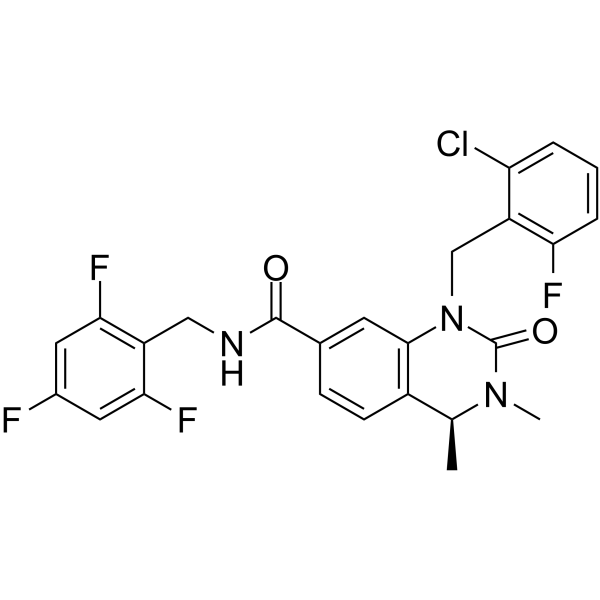
SGR-1505 is an oral small molecule MALT1 inhibitor with anti-proliferative and antitumor activity.SGR-1505 inhibits MALT1 enzymatic activity to modulate NF-κB pathway gene expression.SGR-1505 induces modulation of cell cycle, DNA damage, and apoptosis-related genes in in vivo tumor samples.SGR-1505 exerts tumorostatic and regressive activity in ABC-DLBCL xenograft models.SGR-1505 can be used for the research of activated B cell-like diffuse large B cell lymphoma, non-Hodgkin B-cell lymphomas, chronic lymphocytic leukemia, and mature B cell neoplasms .
loading...
    loading...
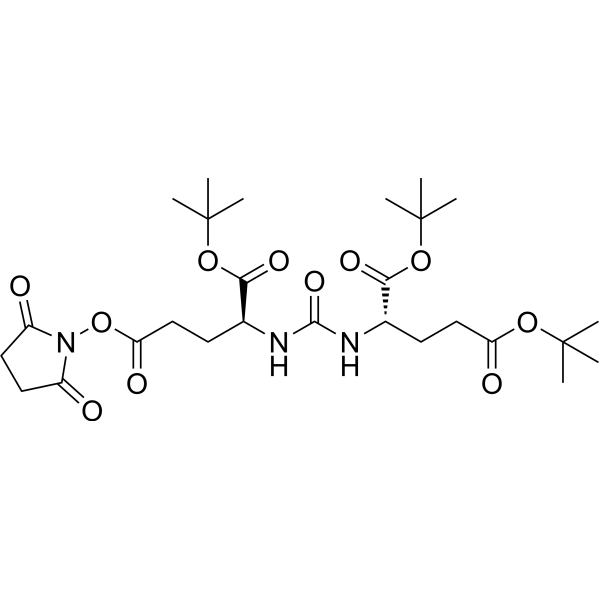
Cat. No.: HY-147287
CAS No.: 1228927-36-3
Purity:  97.45%
Target:  

PSMA Drug Intermediate

Research Areas:  

Cancer

Glu-urea-Glu-NHS ester is an activated N-hydroxysuccinamide (NHS) ester of Glu-urea-Glu. Glu-urea-Glu-NHS ester can be used for synthesis of small-molecule prostate-specific membrane antigen (PSMA) inhibitors, imaging agents (such as PSMAi-PEG conjugates), and targeted drug delivery vehicles .
loading...
    loading...
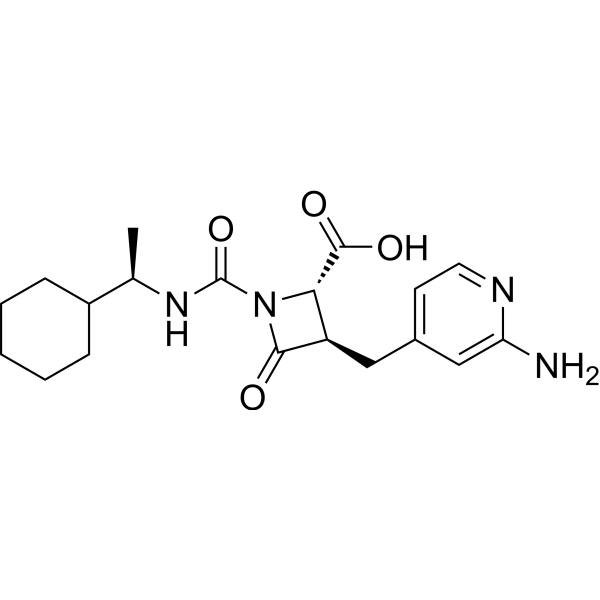
Cat. No.: HY-156613
CAS No.: 1803270-60-1
Purity:  97.16%
Synonyms: EP-7041
Target:  

Factor XI

Research Areas:  

Cardiovascular Disease

Frunexian (EP-7041) is a small-molecule activated factor XI (FXIa) inhibitor. Frunexian has the characteristics of rapid onset and offset of action, a short half-life, dose-dependent prolongation of activated partial thromboplastin time, and an extremely low risk of bleeding. Frunexian exhibits good safety and tolerability and can be used in research related to thrombocytopenia, thromboembolism, thromboembolic diseases, and COVID-19 .
loading...
    loading...
Cat. No.: HY-43515
Target:  

Endogenous Metabolite

Research Areas:  

Metabolic Disease

ESI1 is a small molecule epigenetic silencing inhibitor. ESI1 can trigger the formation of nuclear condensates of key lipid metabolism regulators SREBP1/2, concentrating transcriptional co-activators to drive lipid/cholesterol biosynthesis. ESI1 can promote myelin regeneration in demyelinated animal models and facilitate de novo myelination on regenerating CNS axons, reversing age-related declines in cognitive abilities .
loading...
    loading...
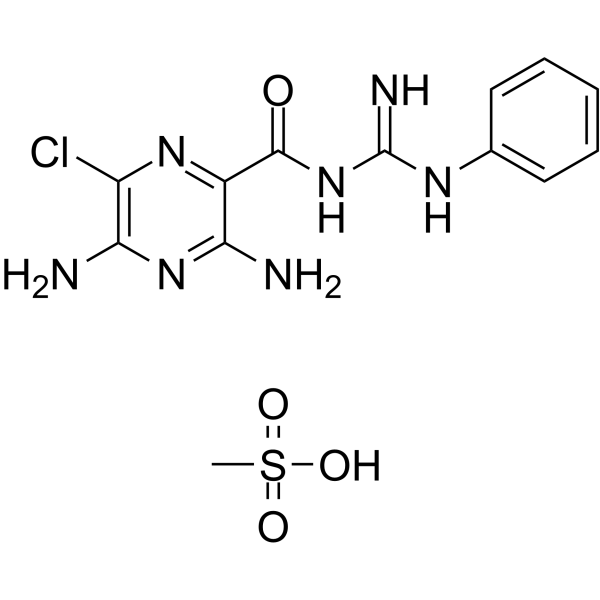
Cat. No.: HY-108464A
CAS No.: 1161-94-0
Purity:  98.1%
Phenamil methanesulfonate, an analog of Amiloride (HY-B0285), is a more potent and less reversible epithelial sodium channel (ENaC) blocker with an IC50 of 400 nM . Phenamil methanesulfonate is also a competive inhibitor of TRPP3 and inhibits TRPP3-mediated Ca 2+ transport with an IC50 of 140 nM in a Ca 2+ uptake assay . Phenamil methanesulfonate is an intriguing small molecule to promote bone repair by strongly activating BMP signaling pathway . Phenamil methanesulfonate is used for the research of cystic fibrosis lung disease .
loading...
    loading...
Cat. No.: HY-10219GL
CAS No.: 53123-88-9
Purity:  98.8%
Synonyms: Sirolimus (GMP Like); AY-22989 (GMP Like); NSC 226080 (GMP Like)
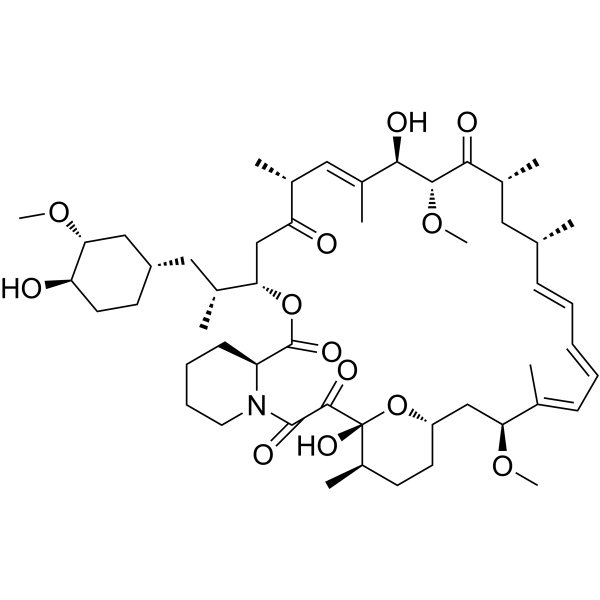
Rapamycin (Sirolimus) GMP Like is Rapamycin (HY-10219) produced by using GMP like guidelines. GMP Like small molecules works appropriately as an auxiliary reagent for cell therapy manufacture. Rapamycin (Sirolimus; AY 22989) is a potent and specific blood-brain barrier-transmissible mTOR inhibitor with an IC50 of 0.1 nM in HEK293 cells. Rapamycin is a molecular glue that binds FKBP12 and mTOR proteins together, thereby inhibiting mTOR kinase activity. Rapamycin binds to FKBP12 and specifically acts as an allosteric inhibitor of mTORC1. Rapamycin is an autophagy activator, an immunosuppressant .
loading...
    loading...
Cat. No.: HY-P10409
CAS No.: 1191923-93-9
Synonyms: Small humanin-like peptide 2
SHLP2 (Small humanin-like peptide 2) is a small molecule peptide encoded by mitochondrial DNA, belonging to mitochondria derived peptide. SHLP2 has the activity of regulating apoptosis and inhibits cell death. SHLP2 binds to mitochondrial complex 1. SHLP2 improves mitochondrial metabolism by increasing respiration and biogenesis, reducing ROS, and decreasing mtDNA oxidation. SHLP2 also regulated energy homeostasis through the activation of hypothalamic neurons. SHLP2 can be used in the study of diseases related to mitochondrial dysfunction and anti-aging diseases, such as age-related macular degeneration and Parkinson’s disease .
loading...
    loading...
Cat. No.: HY-152959
CAS No.: 2868261-48-5
Purity:  99.56%
Target:  

STING

Research Areas:  

Infection Cancer

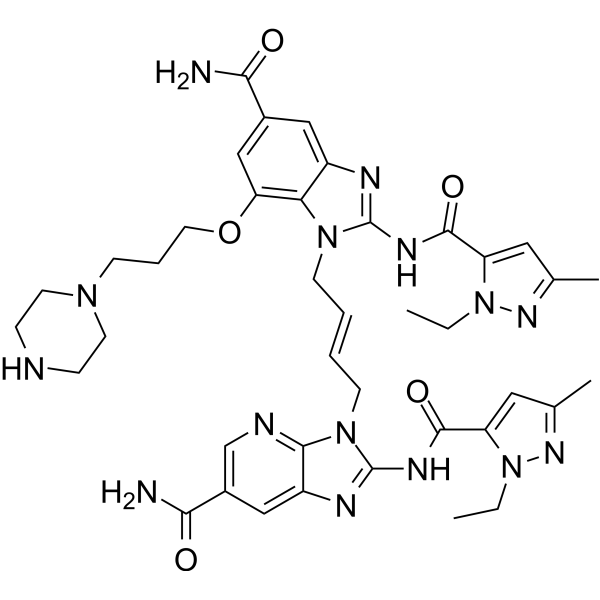
STING agonist-26 (CF508) is a non-nucleotide small-molecule STING agonist. STING agonist-23 activates STING, increases phosphorylation of STING, TBK1 and IRF3. STING agonist-23 promotes the levels of IFN-β, IL-6, CXCL-10, TNF-α, ISG-15, and CCL-5 in tumor cells. STING agonist-23 exhibits activity against SARS-CoV series strains .
loading...
    loading...
Cat. No.: HY-174066
CAS No.: 2572552-60-2
SI-W052 is an orally active, brain-penetrant and selective small-molecule inhibitor targeting mTOR and TEX264. SI-W052 activates autophagy by inhibiting mTOR phosphorylation and enhances TEX264 expression to promote ER turnover, suppressing LPS-induced release of inflammatory factors (TNF-α, IL-6). SI-W052 is promising for research of Alzheimer’s disease (AD)-associated neuroinflammation .
loading...
    loading...
Cat. No.: HY-152956
CAS No.: 2361570-16-1
Purity:  99.16%
Target:  

STING

Research Areas:  

Infection Cancer

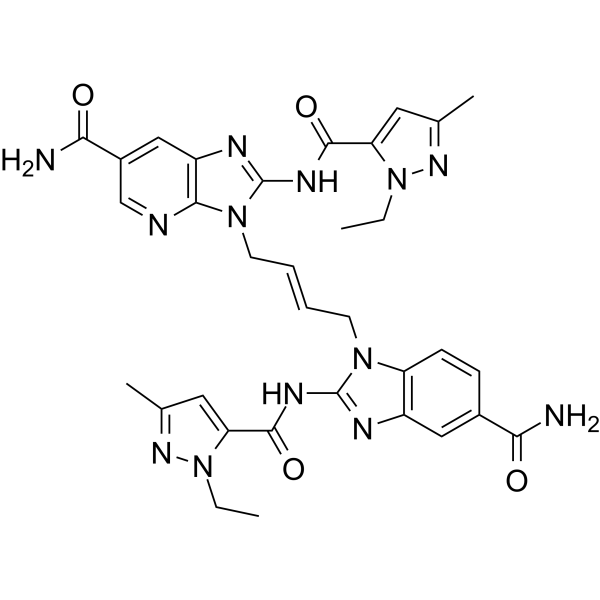
STING agonist-23 (CF502) is a non-nucleotide small-molecule STING agonist. STING agonist-23 activates STING, increases phosphorylation of STING, TBK1 and IRF3. STING agonist-23 promotes the levels of IFN-β, IL-6, CXCL-10, TNF-α, ISG-15, and CCL-5 in tumor cells. STING agonist-23 exhibits activity against SARS-CoV series strains .
loading...
    loading...
Cat. No.: HY-12848G
CAS No.: 912545-86-9
SAG (GMP) is SAG (HY-12848) in GMP grade. GMP-grade small molecules can be used as auxiliary reagents in cell therapy. SAG is a potent Smoothened (Smo) receptor agonist (EC50=3 nM; Kd=59 nM). SAG activates the Hedgehog signaling pathway and counteracts Cyclopamine (HY-17024) inhibition of Smo .
loading...
    loading...
Cat. No.: HY-144329
CAS No.: 2259308-68-2
Target:  

STING

Research Areas:  

Inflammation/Immunology Cancer

STING agonist-11 (Compound 92) is a potent small molecule cyclic urea activator of STING with EC50 of 18 nM. Activation of STING is a highly promising approach in immunotherapy .
loading...
    loading...
Cat. No.: HY-162811
CAS No.: 1830484-40-6
Target:  

LAG-3

Research Areas:  

Cancer

LAG-3 biner 1 (compound 3) is a small molecule ligand (Kd=1.23 μM) for the immune checkpoint lymphocyte activation gene 3 (LAG-3). LAG-3 biner 1 can be used in the research of cancer diagnosis targeting LAG-3 .
loading...
    loading...
Cat. No.: HY-148748G
CAS No.: 1110767-45-7
Butyzamide (GMP) is Butyzamide (HY-148748) produced by using GMP guidelines. GMP small molecules works appropriately as an auxiliary reagent for cell therapy manufacture. Butyzamide is an orally active activator of Mpl, a thrombopoietin (TPO) receptor. Butyzamide increases the phosphorylation level of JAK2, STAT3, STAT5 and MAPK. Butyzamide increases the level of platelets in mouse xenotransplantation assay .
loading...
    loading...
Cat. No.: HY-P11162
CAS No.: 2758194-43-1
Target:  

FGFR Akt ERK mTOR Apoptosis

Research Areas:  

Inflammation/Immunology

FGF7p is a small molecule peptide and a potential bladder protector. FGF7p can activate downstream signaling pathways of FGFR2 in the urinary tract epithelium (pFRS2α, pAKT and pERK). FGF7p alleviates cyclophosphamide induced apoptosis and tissue damage in urinary tract epithelial cells by activating AKT and its downstream anti apoptotic targets (pBAD, pS6/mTORC1). FGF7p is commonly used in the study of inflammatory conditions .
loading...
    loading...
Cat. No.: HY-167710
CAS No.: 941185-83-7
Target:  

Endogenous Metabolite

Research Areas:  

Cancer

CRCD2 is a small molecule NT5C2 nucleotidase inhibitor with enhanced 6-mercaptopurine cytotoxic activity. CRCD2 can effectively reverse 6-mercaptopurine resistance caused by mutations in the NT5C2 gene or non-genetic activation mechanisms. CRCD2 combined with 6-mercaptopurine can enhance its cytotoxic activity in NT5C2 wild-type leukemia, showing its potential in the treatment of acute lymphoblastic leukemia .
loading...
    loading...
Cat. No.: HY-76573
CAS No.: 1216897-16-3
Target:  

Apoptosis

Research Areas:  

Cardiovascular Disease Cancer

ML-10 is a small molecule apoptosis probe. Due to the presence of fluorine atoms, ML-10 can be radiolabeled with 18F isotopes and can be used for apoptosis positron emission tomography imaging studies. ML-10 is selectively taken up and accumulated in apoptotic cells, while being excluded from live or necrotic cells. In addition, the uptake of ML-10 is associated with apoptotic features such as caspase activation, Annexin-V binding, and disruption of mitochondrial membrane potential .
loading...
    loading...
Cat. No.: HY-16561G
CAS No.: 501-36-0
Synonyms: trans-Resveratrol (GMP); SRT501 (GMP)
Resveratrol (GMP) is Resveratrol (HY-16561) produced by using GMP guidelines. GMP small molecules work appropriately as an auxiliary reagent for cell therapy manufacture. Resveratrol (trans-Resveratrol; SRT501), a natural polyphenolic phytoalexin that possesses anti-oxidant, anti-inflammatory, cardioprotective, and anti-cancer properties. Resveratrol (SRT 501) has a wide spectrum of targets including mTOR, JAK, β-amyloid, Adenylyl cyclase, IKKβ, DNA polymerase. Resveratrol also is a specific SIRT1 activator . Resveratrol is a potent pregnane X receptor (PXR) inhibitor . Resveratrol is an Nrf2 activator, ameliorates aging-related progressive renal injury in mice model . Resveratrol increases production of NO in endothelial cells .
loading...
    loading...
Cat. No.: HY-152961
CAS No.: 2868261-50-9
Target:  

STING

Research Areas:  

Infection

STING agonist-28 (CF510) is a non-nucleotide small-molecule STING agonist. STING agonist-23 activates STING, increases phosphorylation of STING, TBK1 and IRF3. STING agonist-23 promotes the levels of IFN-β, IL-6, CXCL-10, TNF-α, ISG-15, and CCL-5 in tumor cells. STING agonist-23 exhibits activity against SARS-CoV series strains .
loading...
    loading...
Cat. No.: HY-175353
Target:  

FAP

Research Areas:  

Cancer

TriOncoFAP-GlyPro-MMAE is a small molecule drug conjugate (SMDC) targeting fibroblast activation protein (FAP) with an IC50 of 13 pmol/L. TriOncoFAP-GlyPro-MMAE combines a FAP-targeting ligand (TriOnco), a cleavable glycine-proline linker, and a cytotoxic payload (MMAE) .
loading...
    loading...

