667 Results for "

Microbial

" in MedChemExpress (MCE) Product Catalog:
Products (667)

667 Results for "Microbial" in MCE Product Catalog:

1
1 Cited Publications
Cat. No.: HY-12638
CAS No.: 97-23-4
Purity:  98.55%
Synonyms: DDM
Research Areas:  

Infection

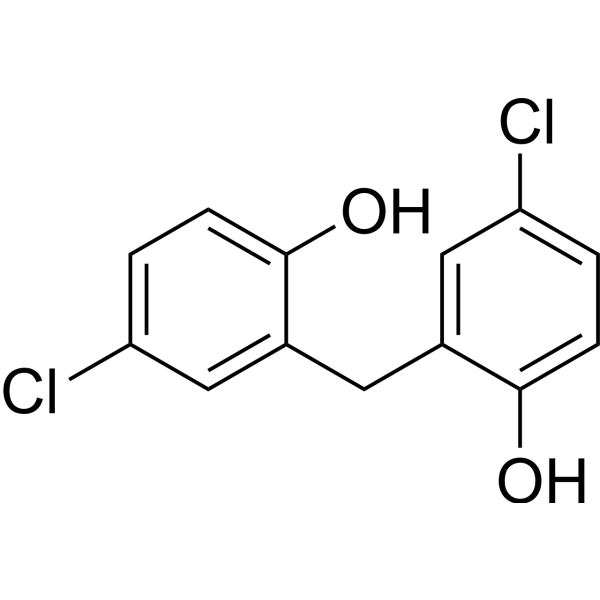
Dichlorophen is a chlorophenol antimicrobial agent that can destroy the integrity of microbial cell membranes and interfere with the activity of metabolic enzymes. Dichlorophen can covalently bind to the thiol groups of microbial proteins and has broad-spectrum antibacterial, antifungal and anthelmintic activity. Dichlorophen can be used as an antimicrobial agent in the study of drug-resistant bacterial infections .
loading...
    loading...
1
1 Cited Publications
Cat. No.: HY-157362
Synonyms: TSB
Tryptone Soya Broth can be used for MPN determination of Staphylococcus aureus. Tryptone Soya Broth ingredients include tryptone, soy peptone, sodium chloride, dipotassium hydrogen phosphate, and glucose .
loading...
    loading...
1
1 Cited Publications
Cat. No.: HY-D0852A
CAS No.: 13718-26-8
Synonyms: Sodium vanadate(V), 99%
Sodium metavanadate, 99% (Sodium vanadate (V), 99%) is an orally active phosphate structural analog and protein tyrosine phosphatase (PTPases) inhibitor. Sodium metavanadate, 99% mimics phosphate to interfere with phosphoprotein reactions, inhibits GAPDH, Na +/K +-ATPase and microbial membrane ATPase, and acts as a terminal electron acceptor for anaerobic respiration. Sodium metavanadate, 99% induces ROS production, G2/M phase arrest, mitochondrial membrane potential loss and apoptosis in breast cancer cells, and reduces tumor volume in tumor-bearing mice. Sodium metavanadate, 99% also exhibits oral insulin-sensitizing and metabolic regulatory activities, and reduces plasmodium parasitemia levels. Sodium metavanadate, 99% can be used in studies related to cadmium exposure-induced metabolic syndrome, plasmodium infection, breast cancer and type 1 diabetes .
loading...
    loading...
1
1 Cited Publications
Cat. No.: HY-21509
CAS No.: 2442-31-1
Target:  

NADPH Oxidase

Research Areas:  

Others

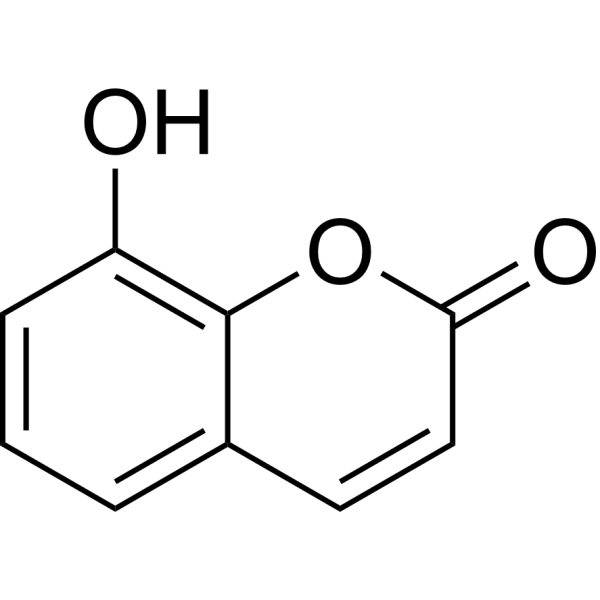
8-Hydroxycoumarin is an intermediate in the microbial transformation of quinolone .
loading...
    loading...
1
1 Cited Publications
Cat. No.: HY-B1953
CAS No.: 111988-49-9
Research Areas:  

Infection

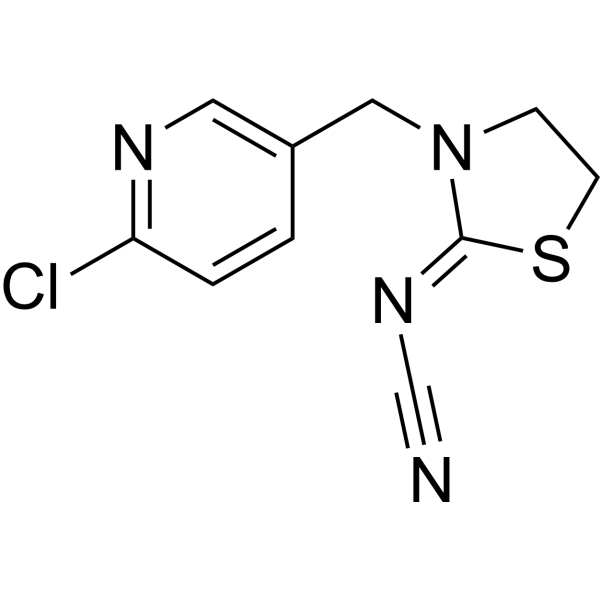
Thiacloprid is an orally active neurotoxic insecticide and also a nAChR agonist. Thiacloprid reduces the viability of healthy cells, depletes reduced glutathione, and increases MDA levels, thereby inducing cytotoxicity and oxidative stress damage. In practical applications, Thiacloprid has lower acute toxicity to honeybees than other compounds of the same class such as Imidacloprid (HY-B0838), but it still significantly impairs the learning and memory function, immune capacity and survival status of honeybees. Thiacloprid induces intestinal microbial dysbiosis and reduces survival rate in middle-aged honeybees, increases the risk of premature collapse in bumblebee colonies, and significantly decreases the final colony weight and reproductive output. Thiacloprid is used in broad-spectrum agricultural pest control, often alone or in combination with Deltamethrin (HY-B1971), and meets the pest management needs of various crops including potatoes, cabbages, various fruits and vegetables, and nuts .
loading...
    loading...
1
1 Cited Publications
Cat. No.: HY-W015061
CAS No.: 500-98-1
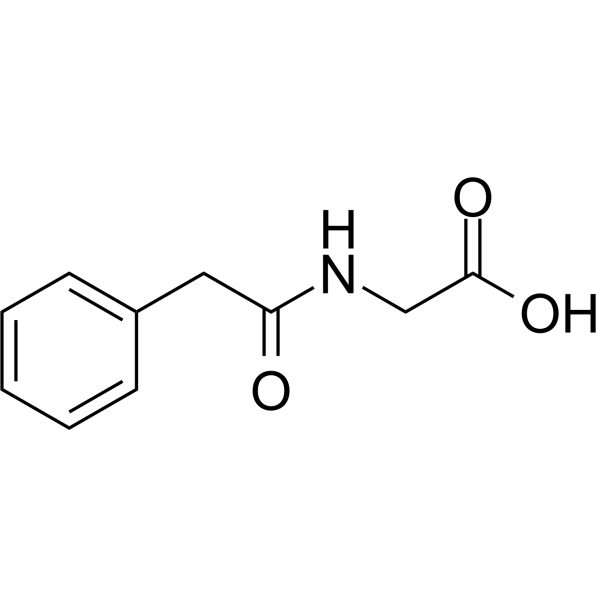
Phenylacetylglycine is a gut microbial metabolite that can activate β2AR. Phenylacetylglycine protects against cardiac injury caused by ischemia/reperfusion .
loading...
    loading...
1
1 Cited Publications
Cat. No.: HY-W094847
CAS No.: 112-95-8
Eicosane is an alkane with anti-microbial effects. Eicosane inhibits the growth of B. subtilis, E. coli and P. aeruginosa. Eicosane is used to form candles .
loading...
    loading...
1
1 Cited Publications
Cat. No.: HY-N0321
CAS No.: 67879-58-7
Synonyms: trans-Caftaric acid
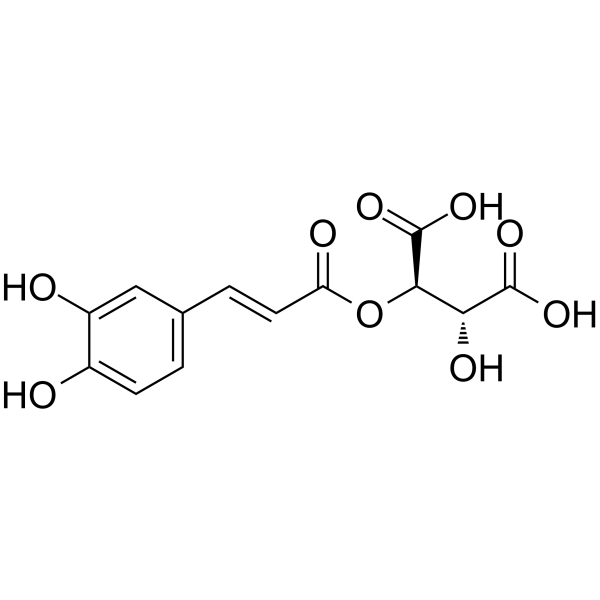
Caftaric acid (trans-Caftaric acid) is a polyphenolic antidiuretic, antioxidant and anti-apoptotic agent that can be hydrolyzed by intestinal microbial esterases. Caftaric acid exerts its antioxidant and potential anti-inflammatory effects mainly through intestinal microbial metabolism. Caftaric acid can reduce renal damage, restore electrolyte balance, renal function indicators and antioxidant enzyme activities in a rat albinism model, and further exert anti-oxidative stress and anti-inflammatory activities .
loading...
    loading...
1
1 Cited Publications
Cat. No.: HY-N0658S6
CAS No.: 55443-53-3
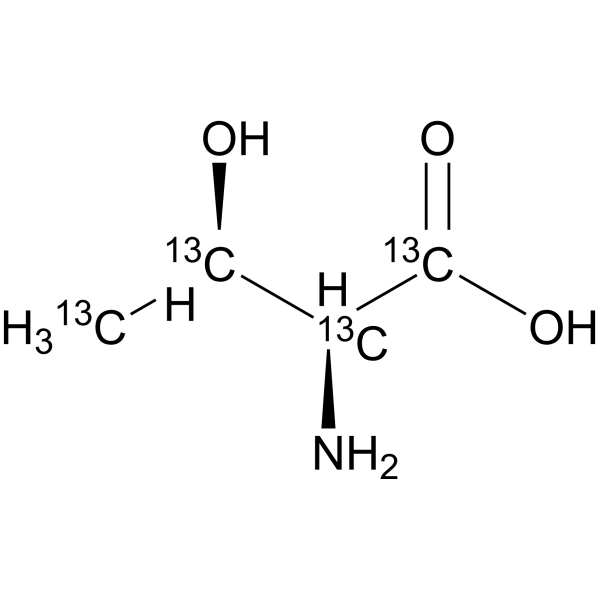
L-Threonine- 13C4 is the 13C labeled L-Threonine . L-Threonine is a natural amino acid, can be produced by microbial fermentation, and is used in food, medicine, or feed .
loading...
    loading...
1
1 Cited Publications
Cat. No.: HY-E70005E
CAS No.: 9001-12-1
Target:  

MMP

Research Areas:  

Others

Collagenase, Type V is a microbially derived matrix metalloproteinases (MMPs) and zinc peptidase. Collagenase, Type V breaksdown collagens1, 3, 5, 7, 8, 10, fibronectin, gelatin, aggrecann .

loading...
    loading...
1
1 Cited Publications
Cat. No.: HY-A0251
CAS No.: 80210-62-4
Synonyms: Cefpodoxime acid; R 3763
Target:  

Antibiotic Bacterial

Research Areas:  

Infection Cancer

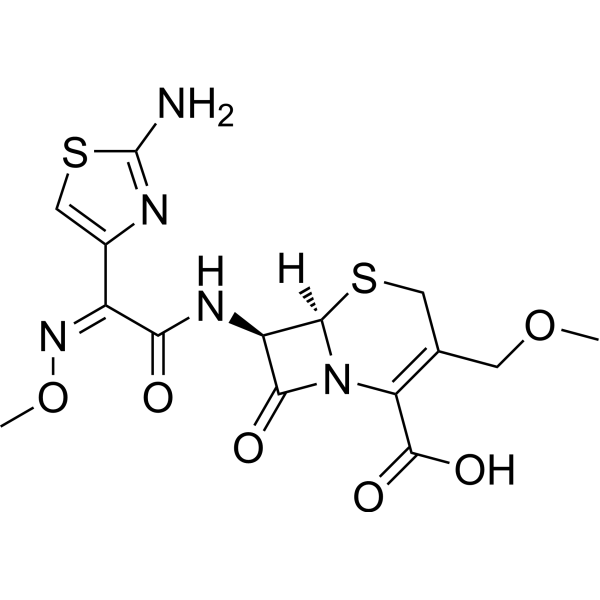
Cefpodoxime (Cefpodoxime acid) is a potent antibiotic active against gram-positive and gram-negative bacteria. Cefpodoxime inhibits the majority of cells in microbial populations. Cefpodoxime can be used for acute otitis media, sinusitis and tosillopharyngitis research .
loading...
    loading...
1
1 Cited Publications
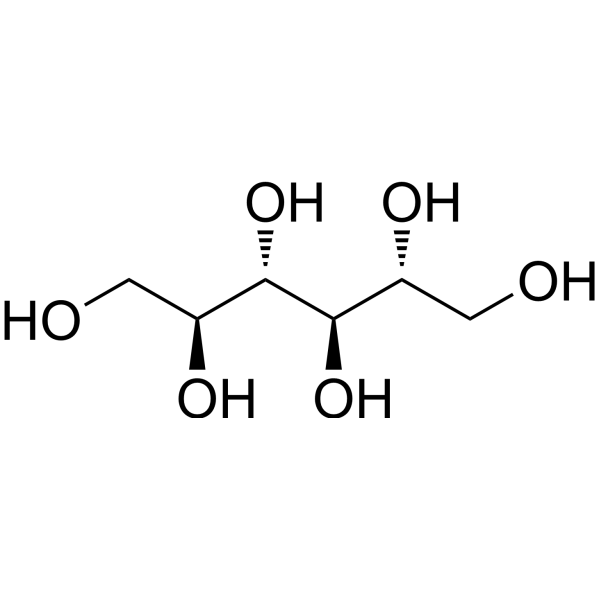
Cat. No.: HY-B0400B
CAS No.: 50-70-4
Synonyms: Sorbito, for cell culture; D-Glucitol, for cell culture
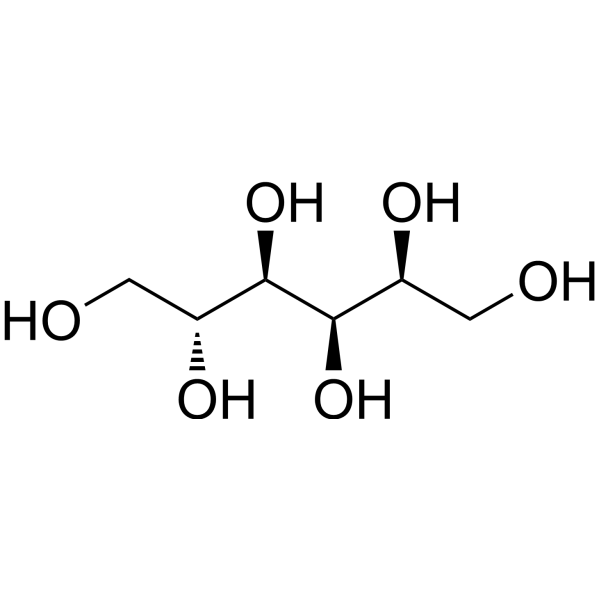
D-Sorbitol (D-Glucitol), for cell culture is a six-carbon sugar alcohol that can be used as a sugar substitute. D-Sorbitol, for cell culture serves as an osmotic regulator, cryoprotectant and carbon source in various plant and microbial cell culture media .
loading...
    loading...
1
1 Cited Publications
Cat. No.: HY-B2171A
CAS No.: 52794-97-5
Synonyms: Carminomycin hydrochloride; Carminomicin I hydrochloride
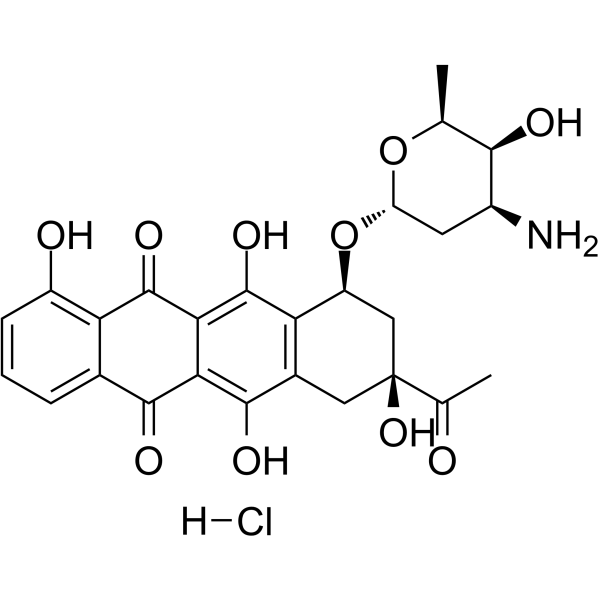
Carubicin hydrochloride is a microbially-derived compound. Carubicin hydrochloride is an effective inhibitor of VHL-defective (VHL−/−) CCRCC cell proliferation. Carubicin hydrochloride also induces apoptosis by a mechanism independent of p53 or hypoxia-inducible factor HIF2. Carubicin hydrochloride has the potential for the research of cancer diseases .
loading...
    loading...
1
1 Cited Publications
Cat. No.: HY-B2171
CAS No.: 50935-04-1
Synonyms: Carminomycin; Carminomicin I
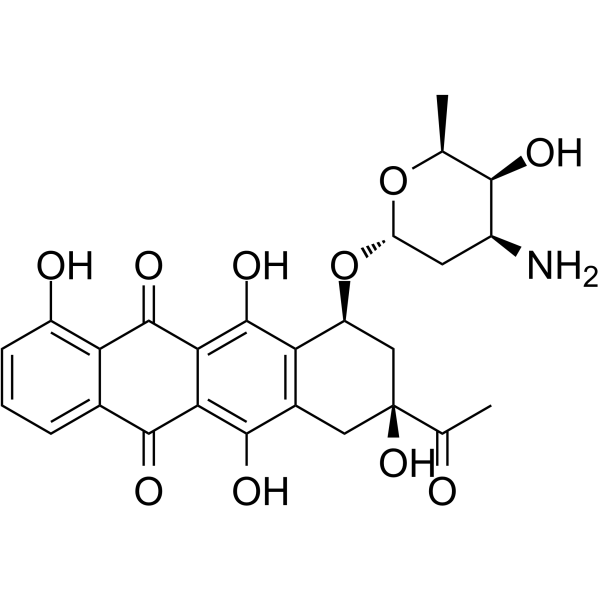
Carubicin (Carminomycin) is a microbially-derived compound. Carubicin is an effective inhibitor of VHL-defective (VHL−/−) CCRCC cell proliferation. Carubicin also induces apoptosis by a mechanism independent of p53 or hypoxia-inducible factor HIF2. Carubicin has the potential for the research of cancer diseases .
loading...
    loading...
1
1 Cited Publications
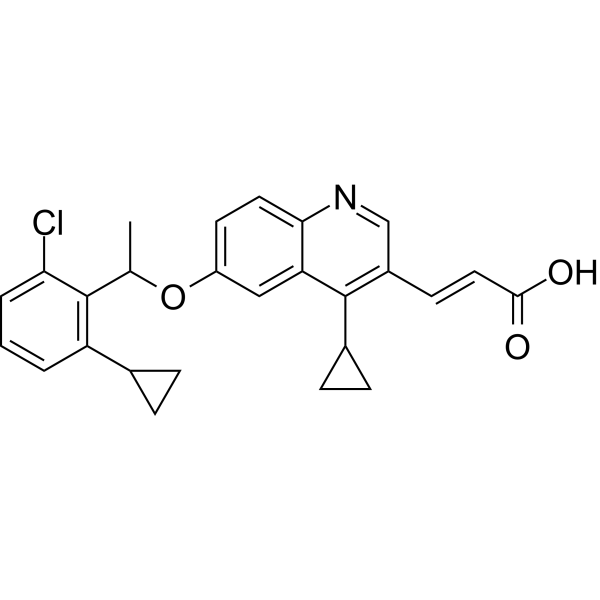
Cat. No.: HY-125176
CAS No.: 2244035-16-1
Purity:  98.14%
Target:  

Bacterial

Research Areas:  

Infection

G907 is a selective antagonist of ATP-binding cassette (ABC) transporter MsbA with anti-microbial activity. G907 inhibits E. coli MsbA with an IC50 value of 18 nM. G907 traps MsbA in an inward-facing, lipopolysaccharide-bound conformation by wedging into an architecturally conserved transmembrane pocket .
loading...
    loading...
1
1 Cited Publications
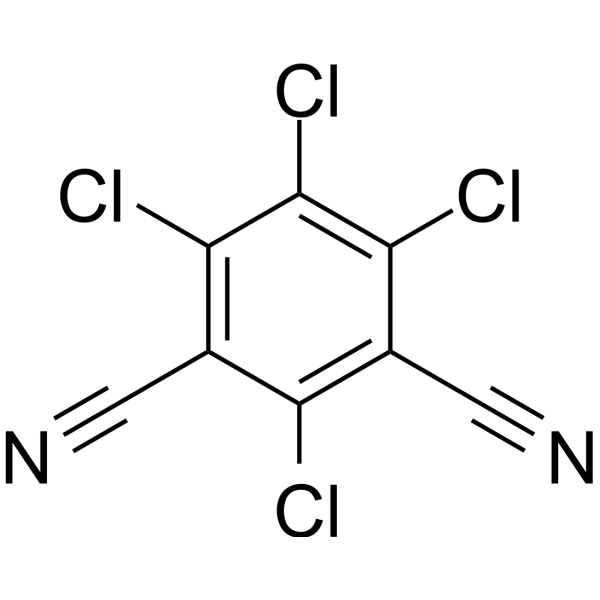
Cat. No.: HY-N6625
CAS No.: 1897-45-6
Chlorothalonil is a broad-spectrum foliar fungicide with oral activity. Chlorothalonil can be used to combat fungal diseases in vegetable and crop leaves. Chlorothalonil can alter the microbial community in the soil. Chlorothalonil inhibits spermatogenesis. Chlorothalonil can cause intestinal epithelial barrier dysfunction and fetal toxicity .
loading...
    loading...
1
1 Cited Publications
Cat. No.: HY-N13015
CAS No.: 34199-21-8
Quercetin 5-O-β-D-glucopyranoside is a glycosylated flavonoid metabolite and flavonoid compound. Quercetin 5-O-β-D-glucopyranoside can be produced by microbial transformation of Quercetin (HY-18085) via Mucor hiemalis. Quercetin 5-O-β-D-glucopyranoside can be used in studies related to benign prostatic hyperplasia .
loading...
    loading...
1
1 Cited Publications
Cat. No.: HY-N2840
CAS No.: 488-44-8
Synonyms: Allodulcitol
Allitol (Allodulcitol) is an orally active rare sugar alcohol found in Itea virginica L, Tylopilus plumbeoviolaceus. Allitol has anti-obesity and hypoglycaemic activities. Allitol reduces carcass and total body fat mass, increases cecal weight, surface area, and short-chain fatty acid production, and upregulates cecal microbial enzymes linked to butyrate metabolism. Allitol can be used for the researches of obesity and diabetes .
loading...
    loading...
1
1 Cited Publications
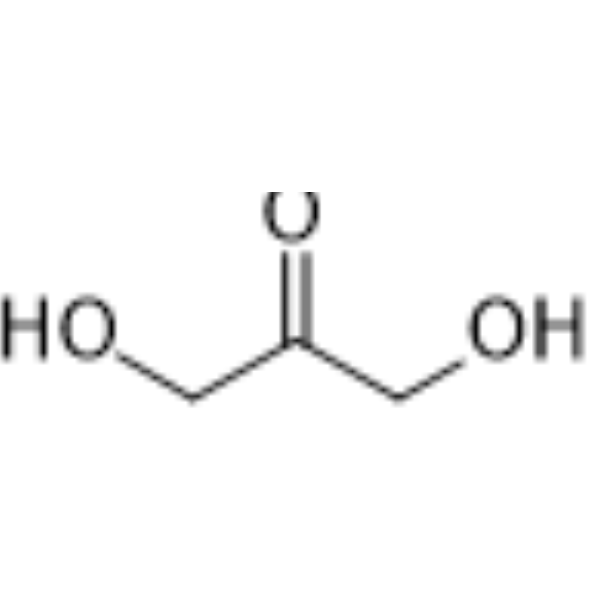
Cat. No.: HY-Y0335
CAS No.: 96-26-4
Synonyms: Dihydroxyacetone
1,3-Dihydroxyacetone (DHA), the main active ingredient in sunless tanning skin-care preparations and an important precursor for the synthesis of various fine chemicals, is produced on an industrial scale by microbial fermentation of glycerol (HY-B1659) in Gluconobacter oxydans. 1,3-Dihydroxyacetone is also used for synthesis of new biodegradable polymers by combining with lactic acid (HY-B2227) .
loading...
    loading...
1
1 Cited Publications
Cat. No.: HY-Y1885
CAS No.: 7722-88-5
Tetrasodium pyrophosphate is a water-soluble inorganic salt commonly used as a buffering agent, emulsifier, and sequestrant. Tetrasodium pyrophosphate is an antimicrobial agent that can reduce microbial colonization. Tetrasodium pyrophosphate blocks IPP translocation, enhances astaxanthin, phenol, flavonoid, and H2O2 levels, activates PAL and DPPH scavenging activity. Tetrasodium pyrophosphate can be used for the research of alleviating symptoms post COVID-19 .
loading...
    loading...

