



202 Results for "

Osteosarcoma

" in MedChemExpress (MCE) Product Catalog:
Products (202)

202 Results for "Osteosarcoma" in MCE Product Catalog:

1
1 Cited Publications
Cat. No.: HY-N0885
CAS No.: 472-26-4
Synonyms: Telobufotoxin; Telocinobufogenin
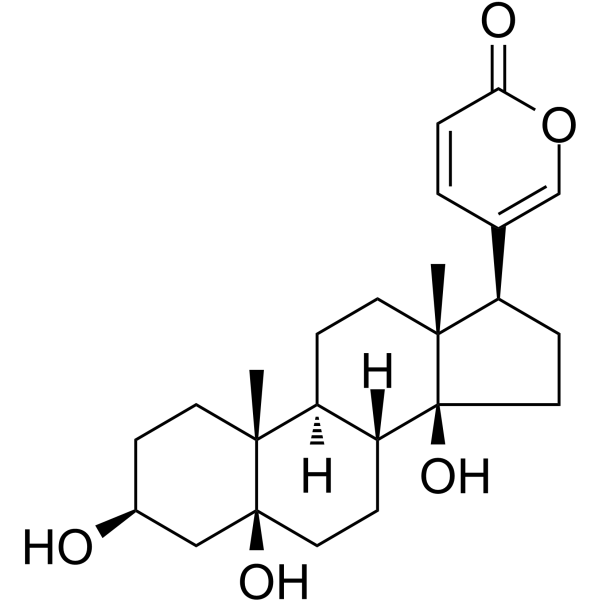
Telocinobufagin (Telobufotoxin; Telocinobufogenin) is an orally active bufadienolide with potential anti-tumor effects. Telocinobufagin exerts its anti-cancer effects on non-small cell carcinoma, osteosarcoma, thyroid cancer, breast cancer and head and neck squamous cell carcinoma by inhibiting the STAT3, JAK2/STAT3, LARP1-mTOR, PI3K/Akt/Snail and PLK1 pathways, and can also induce tumor cell apoptosis. Telocinobufagin enhances the Th1 immune response and protects against Salmonella typhimurium infection. Telocinobufagin has a strong cardiac-stimulating effect by inhibiting the activity of Na +/K +-ATPase, and it can promote renal fibrosis. Telocinobufagin demonstrates non-opioid analgesic effects in various acute pain models .
loading...
    loading...
1
1 Cited Publications
Cat. No.: HY-P99813
CAS No.: 2227102-46-5
Synonyms: HER3-DXd; U3-1402
Research Areas:  

Cancer

Patritumab deruxtecan (HER3-DXd) is an antibody-drug conjugate (ADC) targeting HER3, consisting of the anti-HER3 IgG1 antibody Patritumab (HY-P99275), a cleavable tetrapeptide linker, and the membrane-permeable topoisomerase I (Topoisomerase Ⅰ) inhibitor DXd (HY-13631D). After binding to membrane-localized HER3, Patritumab deruxtecan is internalized into lysosomes, where the linker is cleaved to release DXd. DXd enters the nucleus to induce DNA damage and cell death, and exerts a bystander effect via transmembrane diffusion. Patritumab deruxtecan reduces the viability of HER3-positive cells and induces features of immunogenic cell death including CALR membrane exposure, ATP and HMGB1 release, and can be used in studies related to HER3-positive breast cancer and non-small cell lung cancer .
loading...
    loading...
1
1 Cited Publications
Cat. No.: HY-N0819
CAS No.: 89412-79-3
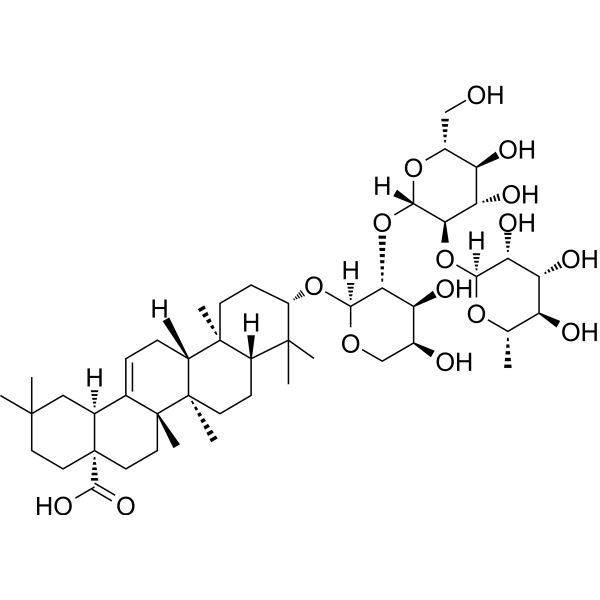
Raddeanin A is an oleanane-type triterpenoid saponin with oral activity. Raddeanin A inhibits SRC, mTOR, JNK, VEGFR2, NLRP3 inflammasome, Wnt/β-catenin, Wee1, PI3K/AKT signaling pathway, MAPK/ERK signaling pathway, AR-FL, AR-Vs, and downregulates the expression of p-PI3K and p-AKT. Raddeanin A inhibits osteoclast formation, bone resorption, osteolysis, cancer cell invasion, migration, proliferation, angiogenesis and epithelial-mesenchymal transition, while induces apoptosis, cell cycle arrest, ROS production, immunogenic cell death and dendritic cell maturation. Raddeanin A improves blood-retinal barrier function, alleviates inflammation, regulates the tumor microenvironment, and enhances the activity of anti-PD-1 antibody. Raddeanin A is applicable to the research of breast cancer-associated osteolysis, human osteosarcoma, colorectal cancer, glioblastoma, Alzheimer's disease, cholangiocarcinoma, melanoma, non-small cell lung cancer, castration-resistant prostate cancer and multiple myeloma .
loading...
    loading...
Cat. No.: HY-B1508
CAS No.: 573-20-6
Synonyms: Acetomenaphthone
Target:  

Apoptosis

Research Areas:  

Infection Cancer

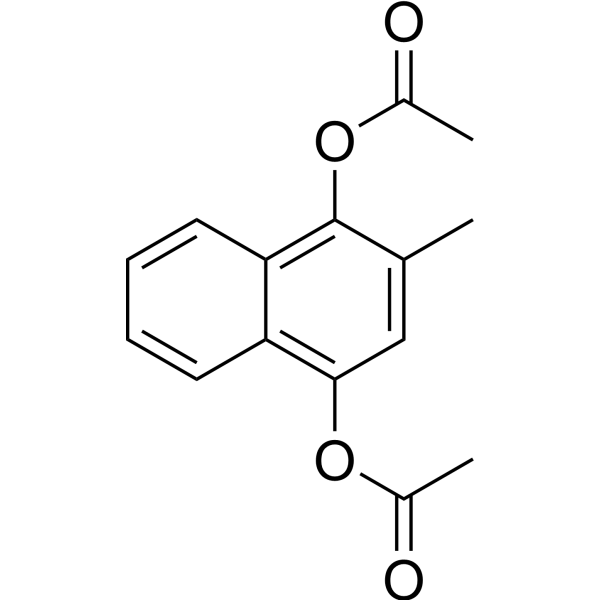
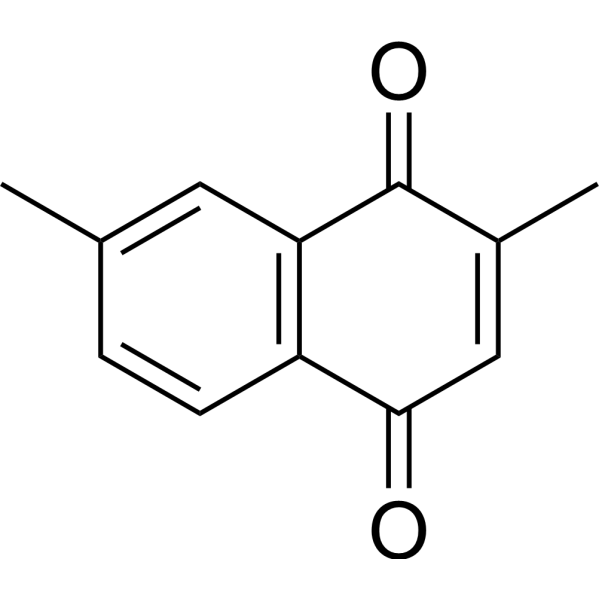
Vitamin K4 is a chemically synthesized Vitamin K which plays an important role in the normal blood coagulation system. Vitamin K4 arrests the cells in S phase and induces apoptosis. Vitamin K4 can be used for the research of cancer, such as prostate cancer and osteosarcoma .
loading...
    loading...
Cat. No.: HY-P99206
CAS No.: 1879925-92-4
Synonyms: Naxitamab-gqgk; Humanized 3F8; Hu3F8

Target:  

Inhibitory Antibodies

Research Areas:  

Neurological Disease Cancer

Naxitamab (Hu3F8) is a humanized monoclonal antibody targeting the disialoganglioside GD2. Naxitamab can be used in research of neuroblastoma, osteosarcoma and other GD2-positive cancers .
loading...
    loading...
Cat. No.: HY-163573
CAS No.: 3033990-61-0
Target:  

DNA/RNA Synthesis

Research Areas:  

Cancer

FANCM-BTR PPI-IN-1 (Compound 32) is a FANCM/BTR interaction inhibitor that blocks the localization of FANCM to telomeres. FANCM-BTR PPI-IN-1 exhibits anticancer activity against osteosarcoma .
loading...
    loading...
Cat. No.: HY-P990858

Target:  

CD47

Research Areas:  

Cancer

Anti-CD47 Antibody (B6.H12) is a kind of mouse IgG1 κ chimeric antibody, targeting to human CD47. Anti-CD47 Antibody (B6.H12) blocks CD47 interactions with SIRPα. Anti-CD47 Antibody (B6.H12) inhibits cell proliferation, cell migration and invasion. Anti-CD47 Antibody (B6.H12) increases macrophage phagocytosis. Anti-CD47 Antibody (B6.H12) shows potent anti-tumor effect in various tumor models, such as osteosarcoma .
loading...
    loading...
Cat. No.: HY-N2896
CAS No.: 465-00-9
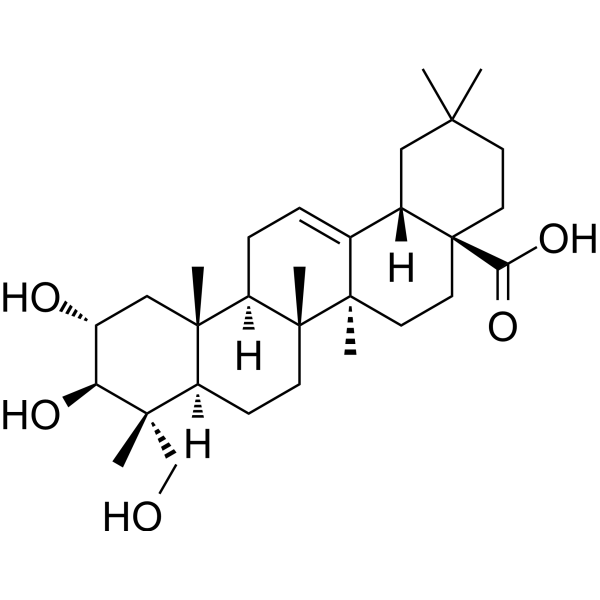
Arjunolic acid is an orally active, multifunctional bioactive compound. Arjunolic acid exhibits free radical scavenging activity, as well as fungal and bacterial activities. Arjunolic acid induces apoptosis (Apoptosis) in various cancer cells. Arjunolic acid protects hepatocytes against induced oxidative stress and apoptosis by reducing reactive oxygen species and inhibiting NF-κB activation. Arjunolic acid regulates pancreatic dysfunction in type 2 diabetic rats by blocking the activation of the TLR-4/MyD88 and canonical Wnt pathways. Arjunolic acid inhibits neuroinflammation and ameliorates depressive behaviors via the SIRT1/AMPK/Notch1 signaling pathway in microglia. Arjunolic acid improves Crohn's disease-like colitis by restoring gut microbiota composition and inhibiting TLR4 signaling. Arjunolic acid suppresses osteosarcoma progression by inhibiting Wnt3a-mediated M2 polarization of macrophages. Arjunolic acid ameliorates diabetic retinopathy via the autophagy pathway regulated by AMPK/mTOR/HO-1. Arjunolic acid is applicable to research related to type 2 diabetes, organ toxicity, depression, Crohn's disease, osteosarcoma, diabetic retinopathy, and testicular dysfunction .
loading...
    loading...
Cat. No.: HY-P99899
CAS No.: 2052591-32-7
Synonyms: PR-1498487

Target:  

ADC Antibodies

Research Areas:  

Cancer

Samrotamab (PR-1498487) is a humanized IgG1-κ chimeric monoclonal antibody targeting LRRC15, with a Kd of 5.42 nM for human LRRC15. Samrotamab can be used to synthesize antibody-drug conjugates (ADC). Samrotamab disrupts the LRRC15-SCG5 signaling module, binds to a membrane-proximal conformational epitope within the C-terminal leucine-rich repeat region of LRRC15, and binds to the lateral edge of the LRR solenoid while leaving the canonical concave β-sheet surface fully exposed. Samrotamab reduces the viability of bladder cancer cells, inhibits clonogenic growth, impairs cell migration, and compromises cell invasion. Samrotamab induces compensatory upregulation of LRRC15 transcripts while suppressing the expression of SCG5 mRNA. Samrotamab is applicable to research related to urothelial carcinoma, sarcoma, osteosarcoma, and undifferentiated pleomorphic sarcoma .
loading...
    loading...
Cat. No.: HY-N10093
CAS No.: 69618-96-8
Synonyms: Chamaejasmin
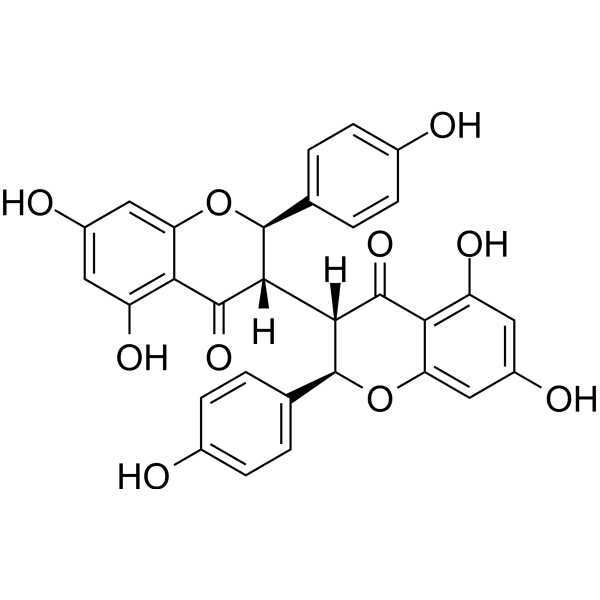
Chamaejasmine (Chamaejasmin) is a natural biflavonoid found in the roots of Stellera chamaejasme, exhibiting antitumor activity. Chamaejasmine inhibits Bcl-2, upregulates Bax, and induces cleavage of caspase-9/-3 and PARP. Chamaejasmine induces ROS production, Δψm loss, cytochrome c release, G2/M arrest, apoptosis, and autophagy. Chamaejasmine induces apoptosis and autophagy through activation of AMPK and inhibition of mTOR, and inhibits microtubule depolymerization by binding to β-tubulin. Chamaejasmine inhibits IL-4, IgE, β-hexosaminidase, and mast cell infiltration, and improves skin barrier function in AD models. Chamaejasmine exhibits cytotoxicity against various cancer cells. Chamaejasmine can be used in research related to various cancers such as lung adenocarcinoma and osteosarcoma, as well as atopic dermatitis .
loading...
    loading...
Cat. No.: HY-169053
CAS No.: 3061890-98-7
Target:  

IKK NF-κB

Research Areas:  

Cancer

SU1261 is an IKK inhibitor with Ki values of 10 nM and 680 nM for IKKα and IKKβ, respectively. SU1261 can inhibit non-canonical NF-κB signaling in U2OS osteosarcoma cells .
loading...
    loading...
Cat. No.: HY-122714
CAS No.: 654080-03-2
Purity:  99.43%
Target:  

PAI-1

Research Areas:  

Cancer

SK-216 is a plasminogen activator inhibitor-1 (PAI-1) inhibitor that acts as an anti-metastatic agent for human osteosarcoma and inhibits lung metastasis of human osteosarcoma .
loading...
    loading...
Cat. No.: HY-148099
CAS No.: 2098212-05-4
Purity:  99.76%
Target:  

Deubiquitinase

Research Areas:  

Cancer

USP1-IN-2 (Compound I-193) is a potent ubiquitin-specific protease 1 (USP1) inhibitor with an IC50 of less than about 50 nM. USP1-IN-2 can be used for the study of cancers such as osteosarcoma .
loading...
    loading...
Cat. No.: HY-N7385
CAS No.: 86630-46-8
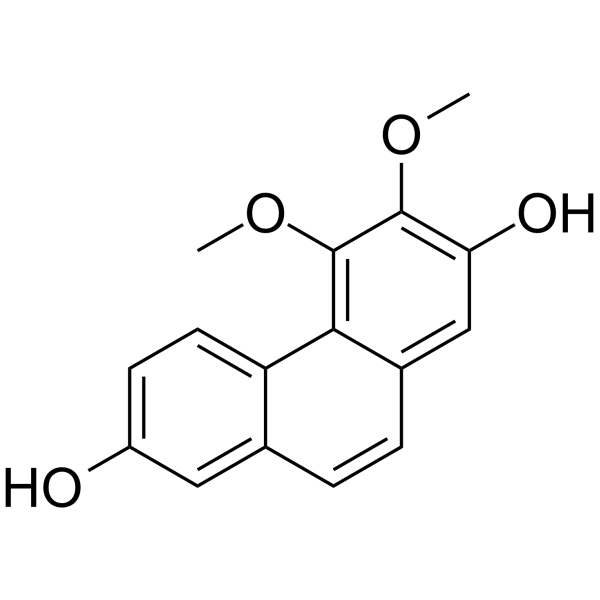
Nudol is a phenanthrene compound that has anti-cancer activity. Nudol inhibits cell proliferation, induces cell apoptosis. Nudol inhibits MMP-2M and MMP-9 activity (Ki: 988.9 nM, 1.76 μM, respectively). Nudol can be used in the research of cancers, such as osteosarcoma .
loading...
    loading...
Cat. No.: HY-P99218
CAS No.: 934235-44-6
Synonyms: Sch 717454; 19D12

Target:  

IGF-1R

Research Areas:  

Cancer

Robatumumab (Sch 717454) is an anti-human IGF-1R (insulin-like growth factor receptor-1) antibody. Robatumumab shows anti-tumor activity and anti-proliferative activity to cancer cells. Robatumumab can be used in osteosarcoma and Ewing sarcoma research .
loading...
    loading...
Cat. No.: HY-N6611
CAS No.: 482-70-2
Chimaphilin is an IGF-1R inhibitor (IC50: 0.086 μM). Chimaphilin has antifungal, antioxidant and anticancer activities. Chimaphilin inhibits the growth of both drug-sensitive and drug-resistant osteosarcoma cell lines. Chimaphilin can induce cancer cell apoptosis. Chimaphilin is a main component of pyrola .
loading...
    loading...
Cat. No.: HY-W020958
CAS No.: 14284-93-6
Synonyms: Tris(acetylacetonato)ruthenium (III)
Ru (acac) 3 (Tris (acetylacetonato) ruthenium (III)) is a caspase-3 activator and Apoptosis inducer. Ru (acac) 3 exerts growth inhibitory effects on various cell lines in vitro by inhibiting DNA/RNA synthesis and inducing mild reversible S-phase cell cycle arrest. Ru (acac) 3 is commonly used in research related to ovarian cancer, osteosarcoma, cervical cancer, melanoma, and other fields .
loading...
    loading...
Cat. No.: HY-P3730
CAS No.: 237392-84-6
Target:  

CDK

Research Areas:  

Cancer

Cdk2/Cyclin Inhibitory Peptide I (Tat-LFG), a CDK2 inhibitor, kills U2OS osteosarcoma cells in a dose-dependent manner .
loading...
    loading...
Cat. No.: HY-177083
CAS No.: 1841402-73-0
Synonyms: AVA-6000
Target:  

FAP

Research Areas:  

Cancer

Faridoxorubicin (AVA-6000) is a FAP-activated chemotherapeutic prodrug. Faridoxorubicin undergoes selective hydrolysis by FAP, while it is resistant to cleavage by related mammalian peptidases and members of the DASH subfamily. Faridoxorubicin acts as a tumor growth inhibitor, reducing tumor volume and prolonging survival in in vivo models and PDX models with high FAP expression. Faridoxorubicin can be used in the research of osteosarcoma and sarcoma .
loading...
    loading...
Cat. No.: HY-158318
CAS No.: 3056563-44-8
Purity:  99.69%
Target:  

DNA/RNA Synthesis

Research Areas:  

Cancer

NUDT5/14 antagonist 1 (Compound 9) is a selective, dual antagonist for nucleotide diphosphate kinase NUDT5 and NUDT14, with IC50 of 0.27 and 0.16 μM, respectively. NUDT5/14 antagonist 1 binds to Bruton’s tyrosine kinase (BTK) with an IC50 of 0.377 μM .
loading...
    loading...

