306 Results for "

anticancer effect

" in MedChemExpress (MCE) Product Catalog:
Products (306)

306 Results for "anticancer effect" in MCE Product Catalog:

2
2 Cited Publications
Cat. No.: HY-118590
CAS No.: 21416-88-6
Purity:  99.64%
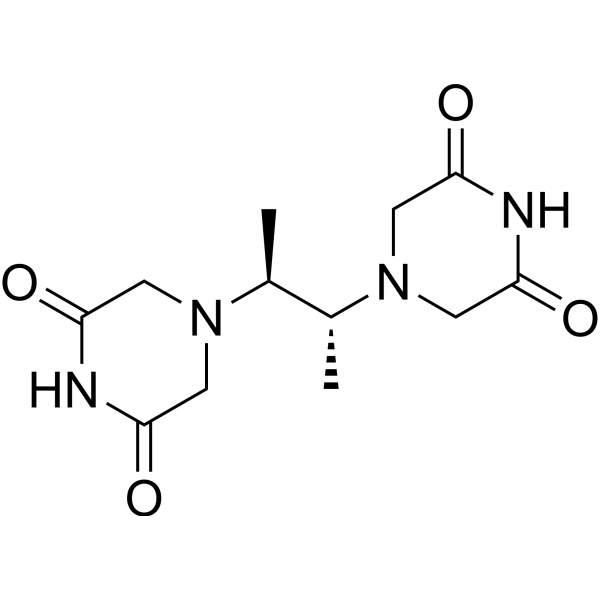
ICRF-193 is a DNA Topoisomerase II inhibitor. (S,S)- and (R,R)-isomers ICRF-193 make up an racemic mixture, ICRF-196 (HY-118590A). ICRF-193 can inhibit DNA syntheses and induces apoptosis. ICRF-193 exhibits anti-cancer and anti-inflammation effects. ICRF-193 shows cardioprotective effect against anthracycline toxicity to cardiomyocytes. ICRF-193 can be used for the researches of cancer, infection, inflammation and cardiovascular disease, such as acute promyelocytic leukemia .
loading...
    loading...
2
2 Cited Publications
Cat. No.: HY-135699
CAS No.: 1798328-24-1
Purity:  ≥95.0%
Target:  

Apoptosis Phosphatase Akt

Research Areas:  

Cancer

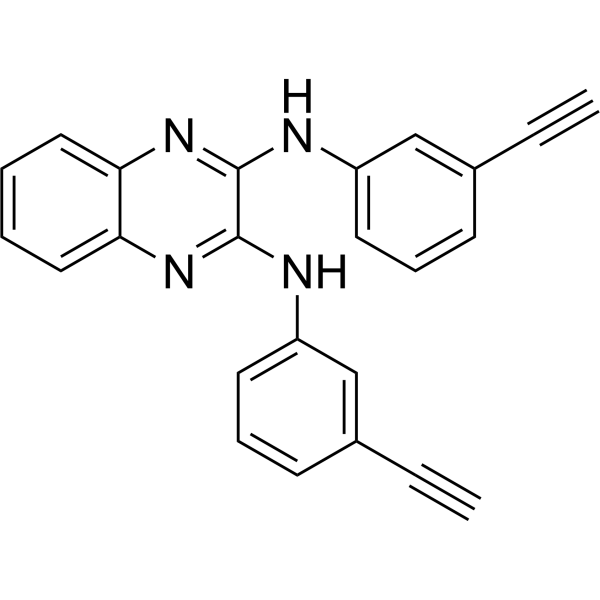
TD52, an Erlotinib (HY-50896) derivative, is an orally active, potent cancerous inhibitor of protein phosphatase 2A (CIP2A) inhibitor. TD52 mediates the apoptotic effect in triple-negative breast cancer (TNBC) cells via regulating the CIP2A/PP2A/p-Akt signalling pathway. TD52 indirectly reduced CIP2A by disturbing Elk1 binding to the CIP2A promoter. TD52 has less p-EGFR inhibition and has potent anti-cancer activity . TD52 is a click chemistry reagent, it contains an Alkyne group and can undergo copper-catalyzed azide-alkyne cycloaddition (CuAAc) with molecules containing Azide groups.
loading...
    loading...
2
2 Cited Publications
Cat. No.: HY-135699A
CAS No.: 2918778-70-6
Purity:  99.90%
Target:  

Akt Phosphatase Apoptosis

Research Areas:  

Cancer

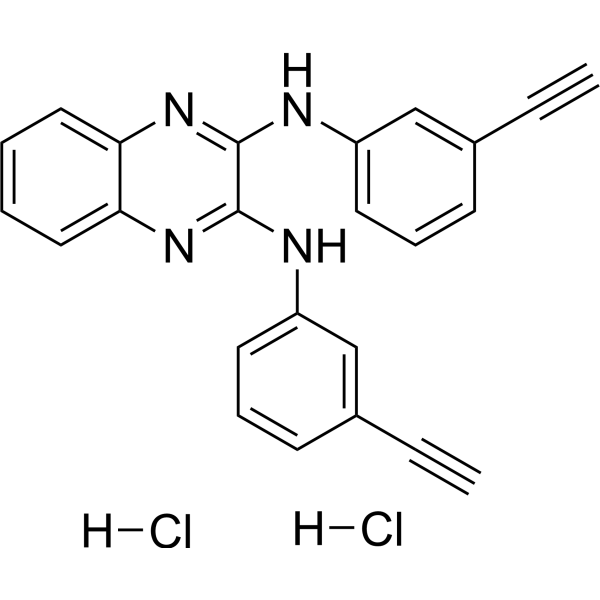
TD52 dihydrochloride, an Erlotinib (HY-50896) derivative, is an orally active, potent cancerous inhibitor of protein phosphatase 2A (CIP2A) inhibitor. TD52 dihydrochloride mediates the apoptotic effect in triple-negative breast cancer (TNBC) cells via regulating the CIP2A/PP2A/p-Akt signalling pathway. TD52 dihydrochloride indirectly reduced CIP2A by disturbing Elk1 binding to the CIP2A promoter. TD52 dihydrochloride has less p-EGFR inhibition and has potent anti-cancer activity . TD52 (dihydrochloride) is a click chemistry reagent, it contains an Alkyne group and can undergo copper-catalyzed azide-alkyne cycloaddition (CuAAc) with molecules containing Azide groups.
loading...
    loading...
1
1 Cited Publications
Cat. No.: HY-10088
CAS No.: 186497-07-4
Purity:  99.37%
Synonyms: ZD4054
Research Areas:  

Endocrinology Cancer

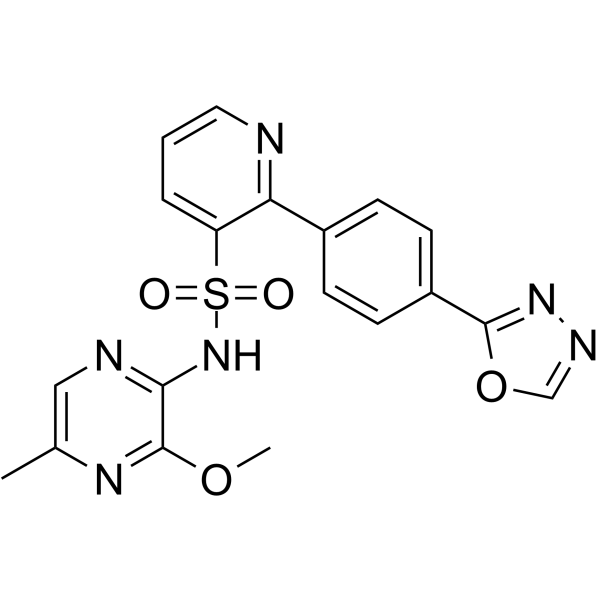
Zibotentan (ZD4054) is a potent, selective and orally active endothelin A (ETA) receptor antagonist with a Ki of 13 nM. Zibotentan has no inhibitory effect on ETB. Zibotentan has anticancer effects and can be used for castration-resistant prostate cancer (CRPC) research .
loading...
    loading...
1
1 Cited Publications
Cat. No.: HY-N0332
CAS No.: 35286-59-0
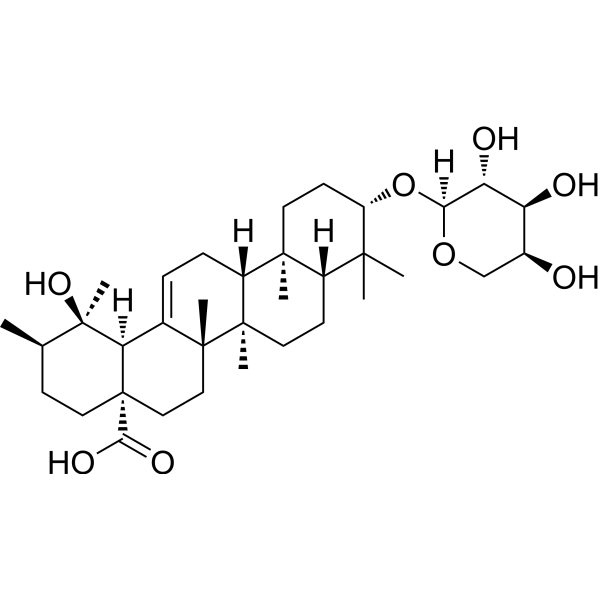
Ziyuglycoside II is a triterpenoid saponin compound extracted from Sanguisorba officinalis L.. Ziyuglycoside II induces reactive oxygen species (ROS) production and apoptosis. Anti-inflammation and anti-cancer effect .
loading...
    loading...
1
1 Cited Publications
Cat. No.: HY-N7678
CAS No.: 110261-98-8
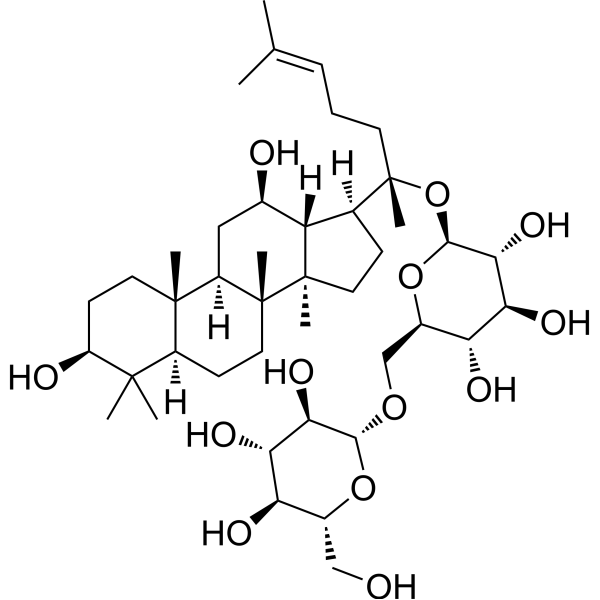
Gypenoside LXXV, isolated from Gynostemma pentaphyllum, is one of the deglycosylated shapes of ginsenoside Rb1. Gypenoside LXXV significantly reduces cancer cell viability and displays an anti-cancer effect .
loading...
    loading...
1
1 Cited Publications
Cat. No.: HY-117113
CAS No.: 2234281-75-3
Purity:  ≥98.0%
Target:  

Notch

Research Areas:  

Cancer

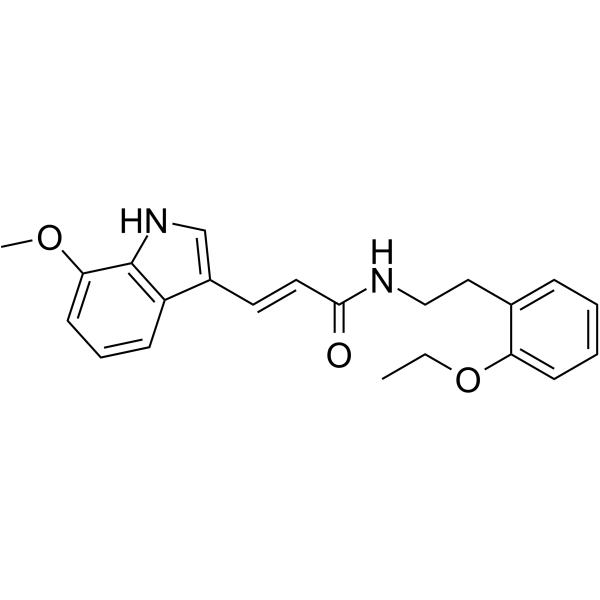
JI051 is a stabilizer for the Hes1-PHB2 interaction. JI051 interacts with a cancer-associated protein chaperone prohibitin 2 (PHB2), induces cell-cycle arrest by inhibiting the Notch downstream effector gene Hes1. Anti-cancer activity .
loading...
    loading...
1
1 Cited Publications
Cat. No.: HY-N3017
CAS No.: 479-90-3
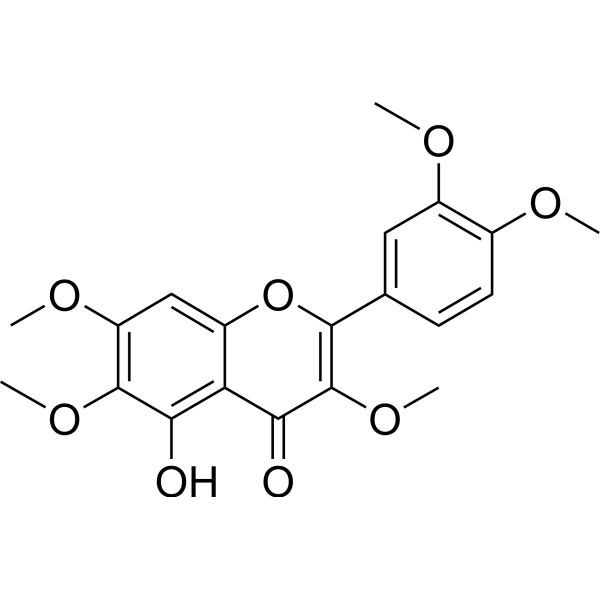
Artemitin is a flavonoid neuroanesthetic agent with moderate cytotoxicity. Artemitint has selective inhibitory activity against Meth-A sarcoma cells with an ED50 of 5-10 μg/mL, and has no significant effect on LLC lung cancer cells. Artemitin exerts anticancer activity by affecting cell proliferation signaling pathways, and also has potential anti-inflammatory and neuroprotective effects. Artemitin exhibits a dose-dependent antinociceptive effect in the mouse hot plate test, with an ED50 of 1.6 μg/kg, and has analgesic activity .
loading...
    loading...
1
1 Cited Publications
Cat. No.: HY-159989
CAS No.: 3118919-69-7
Research Areas:  

Cancer

UNC10142 is a selective CHD1 antagonist with an IC50 of 1.7 μM and a Kd of 4.3 μM. UNC10142 exhibits anticancer activity against PTEN-deficient prostate cancer but shows no effect on PTEN-intact prostate cancer. UNC10142 can be used in studies related to PTEN-deficient prostate cancer .
loading...
    loading...
1
1 Cited Publications
Cat. No.: HY-N4321
CAS No.: 5115-71-9
Synonyms: Benzylglucosinolate potassium
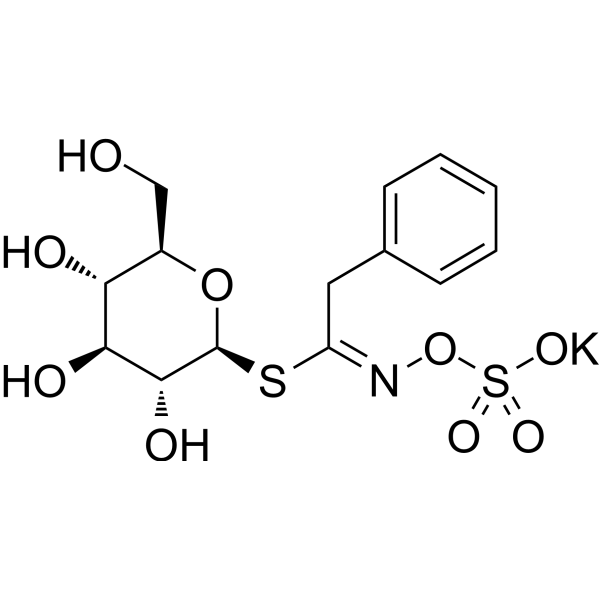
Glucotropaeolin (Benzylglucosinolate) potassium is an orally effective glucosinolate that can be extracted from cruciferous vegetables. Glucotropaeolin potassium exhibits activities including moderate reduction of spontaneous DNA damage in animals, anti-inflammation, antimicrobial action, and anticancer effect. Glucotropaeolin potassium can be used in research related to tendinopathy, late blight, type 2 diabetes, and cancer .
loading...
    loading...
1
1 Cited Publications
Cat. No.: HY-139297
CAS No.: 2377858-38-1
Purity:  98.23%
Research Areas:  

Cancer

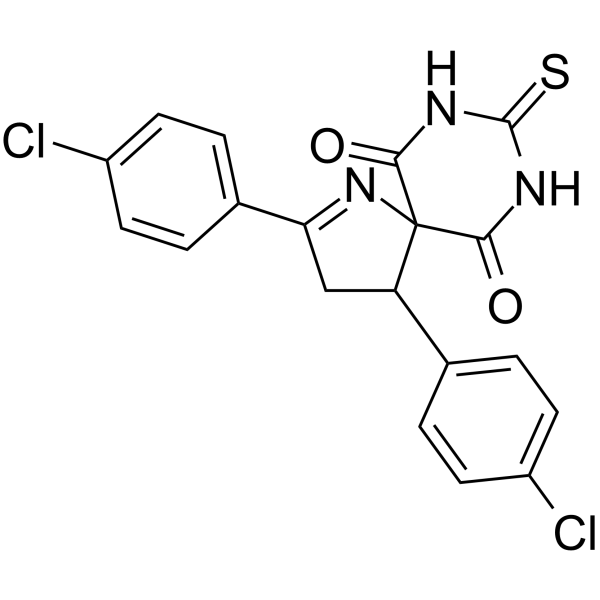
SCR130 is a SCR7-based DNA nonhomologous end-joining (NHEJ) inhibitor. SCR130 inhibits the end-joining of DNA in a Ligase IV-dependent manner. SCR130 is specific to Ligase IV, and shows minimal or no effect on Ligase III and Ligase I mediated joining. SCR130 induces cell apoptosis and has anticancer activity .
loading...
    loading...
1
1 Cited Publications
Cat. No.: HY-107419
CAS No.: 444723-13-1
Purity:  99.07%
Target:  

CDK Aurora Kinase

Research Areas:  

Cancer

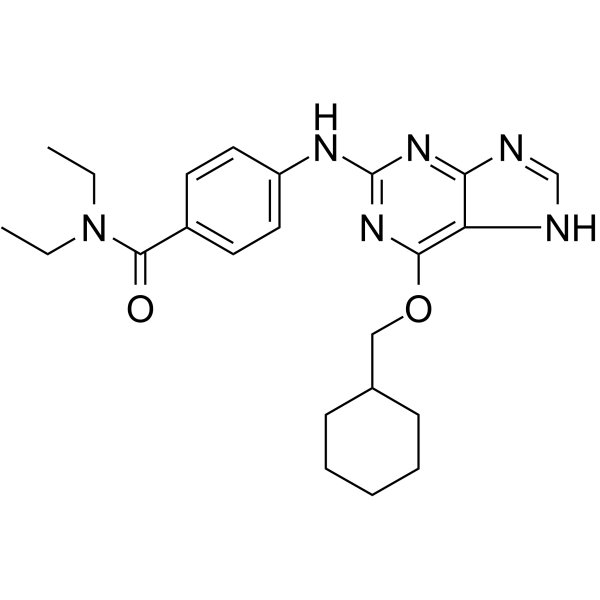
NU6140 is a selective CDK2-cyclin A inhibitor (IC50, 0.41 μM), exhibits 10- to 36-fold selectivity over other CDKs . NU6140 also potently inhibits Aurora A and Aurora B, with IC50s of 67 and 35 nM, respectively . Enhances the apoptotic effect, with anti-cancer activity .
loading...
    loading...
1
1 Cited Publications
Cat. No.: HY-146459
Purity:  99.74%
Target:  

Akt

Research Areas:  

Cancer

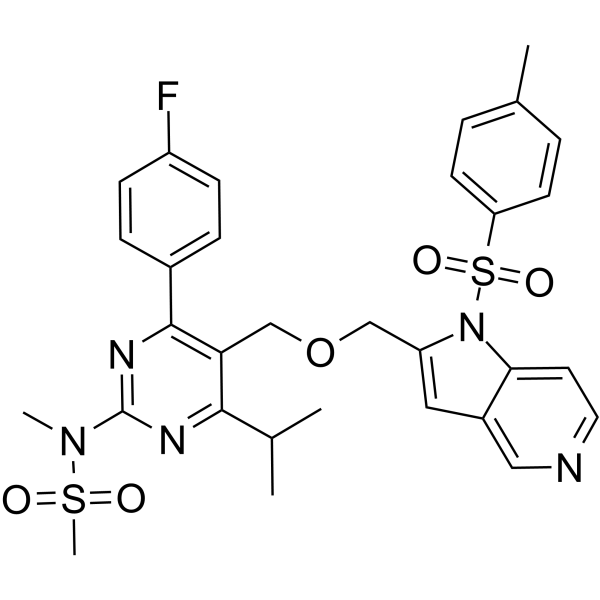
Akt1-IN-1 (compound 5b) is a potent and selective Akt1 inhibitor with an IC50 value of 18.79 nM in MIA Paca-2 cells. Akt1-IN-1 does not exhibit obvious teratogenicity, hepatotoxicity and cardiotoxicity (No Observed Adverse Effect Level > 100 µM). Akt1-IN-1 can be used for researching anticancer .
loading...
    loading...
1
1 Cited Publications
Cat. No.: HY-15995
CAS No.: 205304-86-5
Synonyms: TubA
Research Areas:  

Cancer

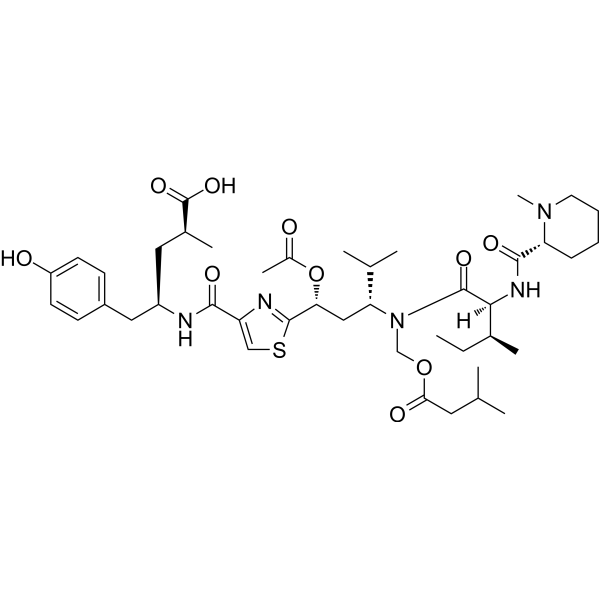
Tubulysin A (TubA) is an anticancer and antiangiogenic agent with anti-microtubule, anti-mitosis and anti-proliferative activity against a variety of cancer cells with IC50 values in the pmol range. It can induce apoptosis of cancer cells and has no effect on normal cells. Tubulysins are a group of potent cytotoxins consisting of nine members (A-I). Tubulysin A can synthesize ADC as ADC Cytotoxin .
loading...
    loading...
1
1 Cited Publications
Cat. No.: HY-18979
CAS No.: 134869-15-1
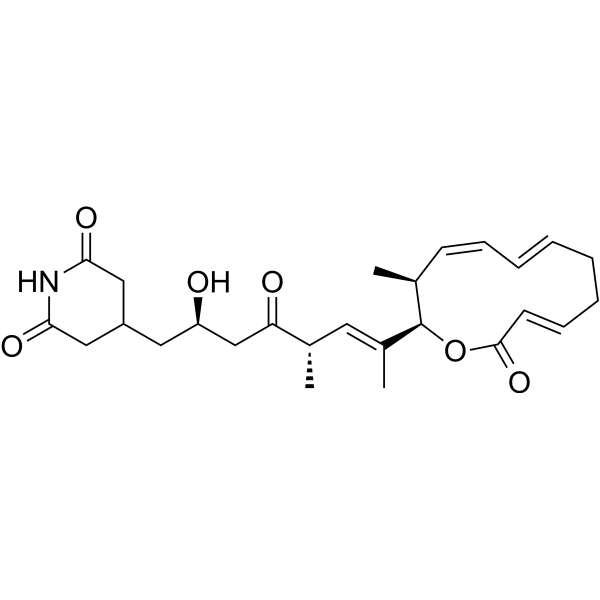
Lactimidomycin is a glutarimide-containing compound isolated from Streptomyces. Lactimidomycin is a potent inhibitor of eukaryotic translation elongation. Lactimidomycin has a potent antiproliferative effect on tumor cell lines and selectively inhibit protein translation. Lactimidomycin inhibits protein synthesis with an IC50 value of 37.82 nM. Lactimidomycin is also a potent and non-toxic inhibitor of dengue virus 2 and other RNA viruses. Anticancer and antiviral activities .
loading...
    loading...
1
1 Cited Publications
Cat. No.: HY-164117
CAS No.: 106476-75-9
Research Areas:  

Cancer

BNN6 is a thermoresponsive nitric oxide (NO) donor that often works by binding to a carrier. BNN6 decomposes under the heat stimulation generated by photothermal action, releasing high concentrations of NO, which exerts anti-tumor activity by inducing tumor cell apoptosis and inhibiting their repair. BNN6 can be used to synthesize the multifunctional biosensor BNN6-BiTiS3-iRGD, which exerts a synergistic anti-cancer effect with photothermal therapy (PTT) .
loading...
    loading...
1
1 Cited Publications
Cat. No.: HY-W011683
CAS No.: 16373-93-6
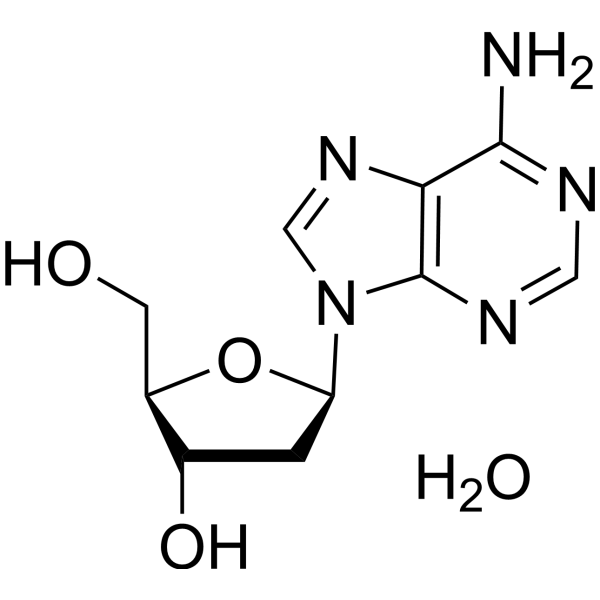
2′-Deoxyadenosine monohydrate is an adenine nucleoside that inhibits glucose-stimulated insulin release. 2′-Deoxyadenosine monohydrate inhibits glucose-stimulated increases seen in islet cyclic AMP (cAMP) accumulation. 2'-Deoxyadenosine monohydrate activates caspase-3 and promotes apoptosis. 2'-Deoxyadenosine monohydrate inhibits the activity of S-adenosyl-L-homocysteine hydrolase (SAHH). 2'-Deoxyadenosine monohydrate inhibits the growth of various cells. 2'-Deoxyadenosine monohydrate has an anticancer effect on colon cancer .
loading...
    loading...
1
1 Cited Publications
Cat. No.: HY-W040329
CAS No.: 958-09-8
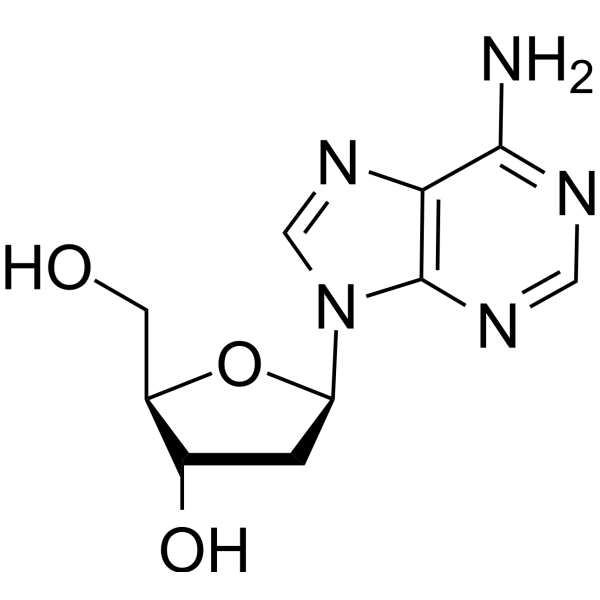
2′-Deoxyadenosine is an adenine nucleoside that inhibits glucose-stimulated insulin release. 2′-Deoxyadenosine inhibits glucose-stimulated increases seen in islet cyclic AMP (cAMP) accumulation. 2'-Deoxyadenosine activates caspase-3 and promotes apoptosis. 2'-Deoxyadenosine inhibits the activity of S-adenosyl-L-homocysteine hydrolase (SAHH). 2'-Deoxyadenosine inhibits the growth of various cells. 2'-Deoxyadenosine has an anticancer effect on colon cancer .
loading...
    loading...
1
1 Cited Publications
Cat. No.: HY-12843
CAS No.: 189232-42-6
Purity:  98.93%
Target:  

CDK ERK

Research Areas:  

Cancer

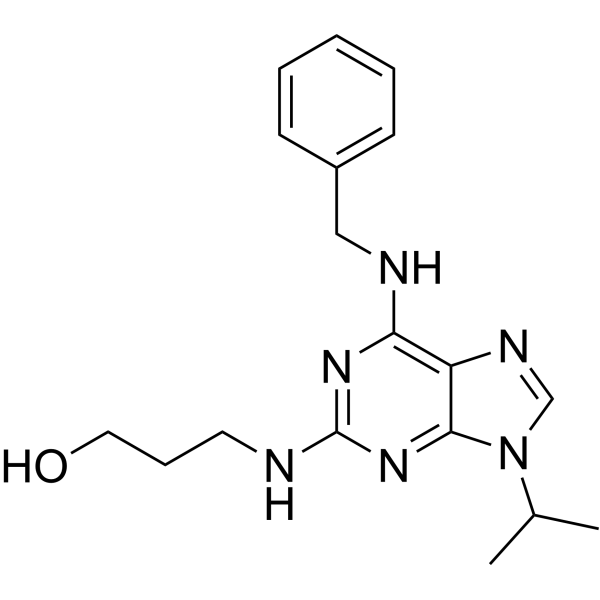
Bohemine is a purine analogue and is a synthetic and selective CDK inhibitor with IC50s of 4.6 μM, 83 μM, and 2.7 μM for Cdk2/cyclin E, Cdk2/cyclin A, and Cdk9/cyclin T1, respectively. Bohemine also inhibits ERK2 with an IC50 of 52 μM and has less inhibitory effect on CDK1, CDK4 and CDK6. Bohemine has a broad spectrum anti-cancer activities .
loading...
    loading...
1
1 Cited Publications
Cat. No.: HY-N2123
CAS No.: 5088-75-5
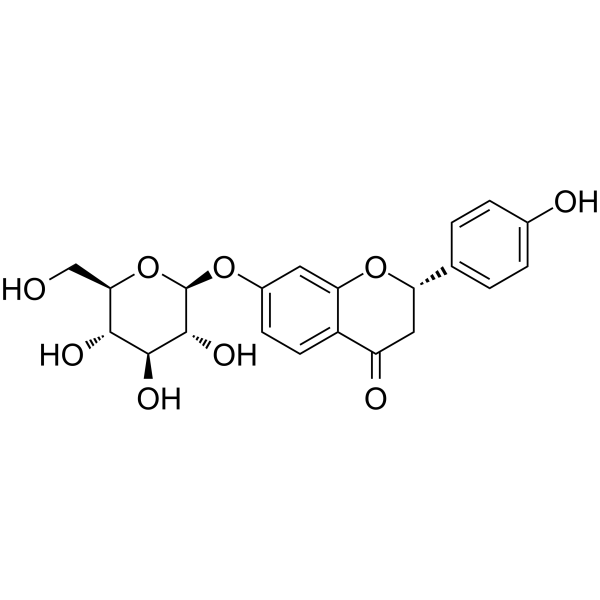
Neoliquiritin is a flavonoid and flavanone-derived cytotoxic agent with anticancer activity and neuroprotective effects. Neoliquiritin exhibits excellent tumor specificity, exerting a more pronounced killing effect on cancer cells compared with normal oral cells. Neoliquiritin also exerts neuroprotective effects by inhibiting ATP depletion and the elevation of caspase 3/7 activity. Widely present in the roots of Glycyrrhiza uralensis, Glycyrrhiza inflata and Glycyrrhiza glabra, Neoliquiritin can be applied to studies on human oral squamous cell carcinoma, leukemia, Parkinson's disease and other conditions .
loading...
    loading...

