731 Results for "

current

" in MedChemExpress (MCE) Product Catalog:
Products (731)

731 Results for "current" in MCE Product Catalog:

5
5 Cited Publications
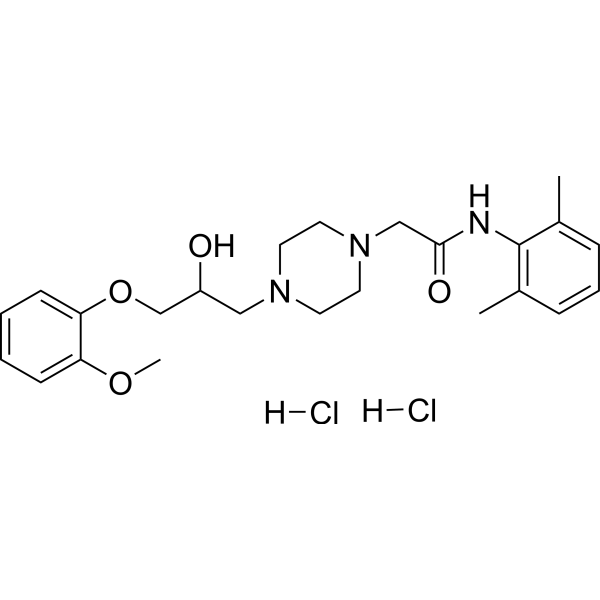
Cat. No.: HY-17401
CAS No.: 95635-56-6
Synonyms: CVT 303 dihydrochloride; RS 43285
Ranolazine dihydrochloride (CVT 303 dihydrochloride) is an anti-angina agent that achieves its effects by inhibiting the late phase of inward sodium current (INa and IKr with IC50 values of 6 μM and 12 μM, respectively) without affecting heart rate or blood pressure (BP) . Ranolazine dihydrochloride is also a partial fatty acid oxidation inhibitor .
loading...
    loading...
5
5 Cited Publications
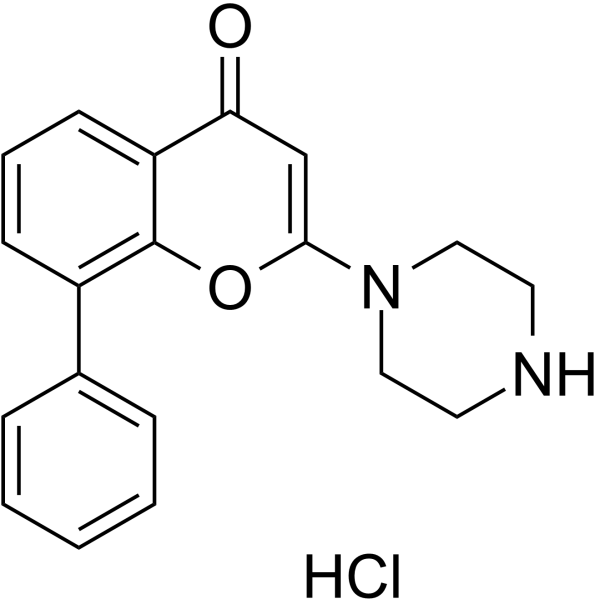
Cat. No.: HY-15643A
CAS No.: 2070014-90-1
Purity:  98.87%
Research Areas:  

Cancer

LY 303511 hydrochloride is a structural analogue of LY294002. LY303511 does not inhibit PI3K. LY303511 enhances TRAIL sensitivity of SHEP-1 neuroblastoma cells. LY303511 reversibly blocks K + currents (IC50=64.6±9.1 μM) in MIN6 insulinoma cells.
loading...
    loading...
5
5 Cited Publications
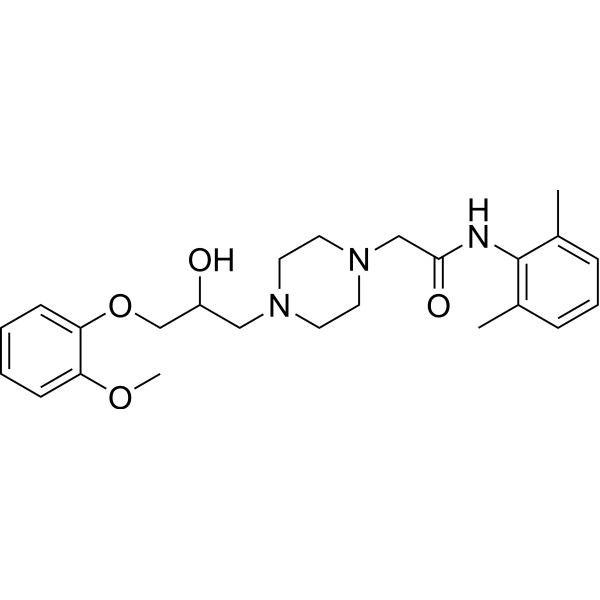
Cat. No.: HY-B0280
CAS No.: 95635-55-5
Synonyms: CVT 303; RS 43285-003
Ranolazine (CVT 303) is an anti-angina drug that achieves its effects by inhibiting the late phase of inward sodium current (INa and IKr with IC50 values of 6 μM and 12 μM, respectively) without affecting heart rate or blood pressure (BP) . Ranolazine is also a partial fatty acid oxidation (FAO) inhibitor . Antianginal agent.
loading...
    loading...
5
5 Cited Publications
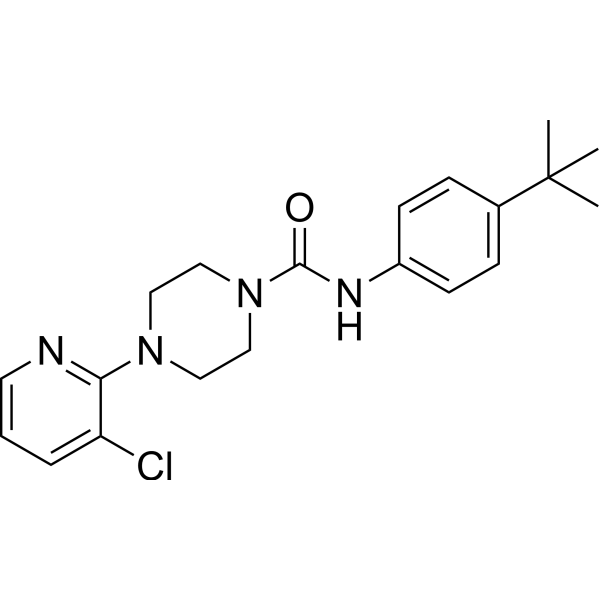
Cat. No.: HY-19960
CAS No.: 393514-24-4
BCTC is an orally active current inhibitor of vanilloid receptor type 1 (VR1). BCTC is a transient receptor potential cation channel subfamily M member 8 (TRPM8) and transient receptor potential vanilloid 1 (TRPV1) antagonist. BCTC is an insulin sensitizer and secretor. BCTC has anticancer and analgesic effects .
loading...
    loading...
5
5 Cited Publications
Cat. No.: HY-100783
CAS No.: 73604-30-5
Purity:  99.94%
Target:  

GABA Receptor

Research Areas:  

Neurological Disease

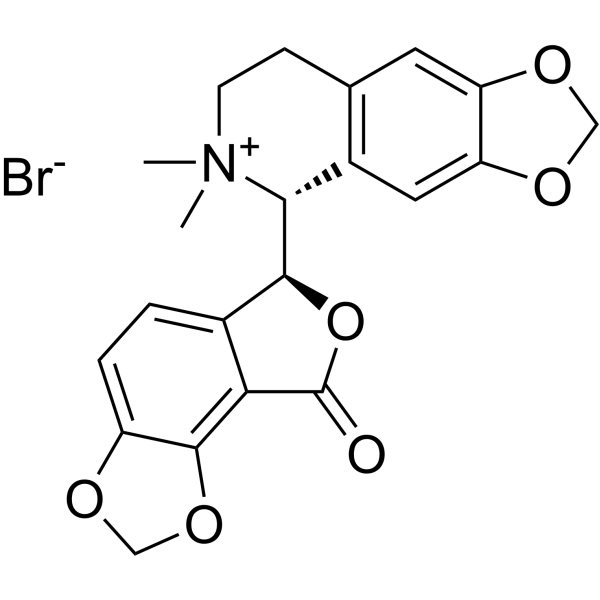
(-)-Bicuculline methobromide is a potent GABAA blocker. (-)-Bicuculline methobromide alters membrane properties and firing pattern. (-)-Bicuculline methobromide reduces the Apamin-sensitive afterhyperpolarization, while Apamin is a toxin isolated from bee venom to block small conductance Ca 2+ -activated K + channels. (-)-Bicuculline methobromide facilitates burst firing via blocking apamin-sensitive Ca 2+ -activated K + current .
loading...
    loading...
5
5 Cited Publications
Cat. No.: HY-103474
CAS No.: 40709-69-1
Purity:  99.93%
Synonyms: (-)-Bicuculline methiodide
Target:  

GABA Receptor

Research Areas:  

Neurological Disease

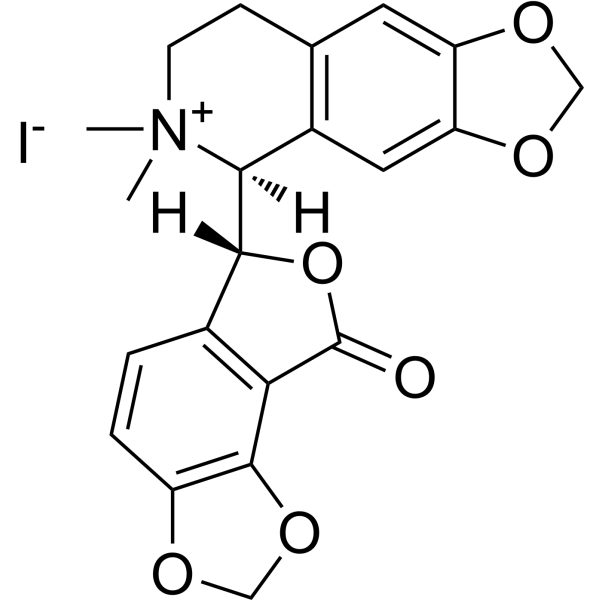
Bicuculline methiodide ((-)-Bicuculline methiodide) is a potent GABAA blocker. Bicuculline methiodide alters membrane properties and firing pattern. Bicuculline methiodide reduces the Apamin-sensitive afterhyperpolarization, while Apamin is a toxin isolated from bee venom to block small conductance Ca 2+ -activated K + channels. Bicuculline methiodide facilitates burst firing via blocking apamin-sensitive Ca 2+ -activated K + current .
loading...
    loading...
5
5 Cited Publications
Cat. No.: HY-117771
CAS No.: 1848233-58-8
Purity:  99.30%
Target:  

DAGL

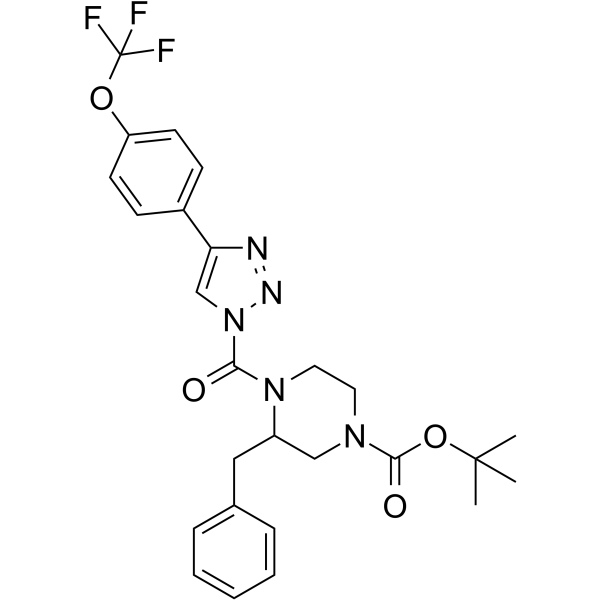
DO34 is a selective DAGL inhibitor, with an IC50 of 6 nM for DAGLα conversion of SAG to 2-AG. DO34 blocks de novo 2-AG synthesis, and suppresses tonic CB1 receptor activation. DO34 blocks depolarization-induced suppression of excitation and inhibition in the cerebellum and hippocampus. DO34 regulates feeding behavior and locomotor activity in mice. DO34 abolishes AM251-mediated enhancement of parallel fiber-evoked excitatory postsynaptic currents in cerebellar slices from MAGL global knockout mice. DO34 can be used for the research of energy balance disorder and neuroinflammation .
loading...
    loading...
5
5 Cited Publications
Cat. No.: HY-N2255
CAS No.: 25127-29-1
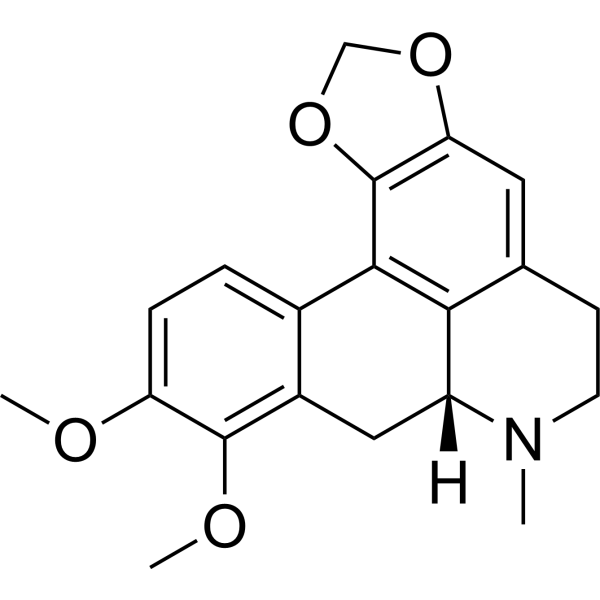
Crebanine is an isoquinoline-like alkaloid that can be derived from Stephania. Crebanine is an antagonist of the α7-nAChR with an IC50 of 19.1 μM. Crebanine suppresses the proliferation, migration, and invasion of cancer cells, triggers reactive oxygen species (ROS) burst, and promotes apoptosis. Crebanine inhibits the AKT/FoxO3a, NF-κB and MAPK signaling pathways. Crebanine attenuates NOX2 hyperactivation, exhibits antioxidant properties by reducing reactive oxygen species and peroxidation in microglia cells. Crebanine inhibits voltage-dependent Na + current in guinea-pig ventricular myocytes. Crebanine has high inhibitory activity against gram-positive animal pathogenic bacteria. Crebanine ameliorates ischemia-reperfusion brain damage in middle cerebral artery occlusion and reperfusion (MCAO/R) rats. Crebanine significantly improves Scopolamine (HY-N0296)-induced cognitive deficits in ICR mice. Crebanine can be used for the study of hepatocellular carcinoma (HCC), cerebral ischemia and Alzheimer's disease .
loading...
    loading...
4
4 Cited Publications
Cat. No.: HY-A0016
CAS No.: 141626-36-0
Synonyms: SR 33589
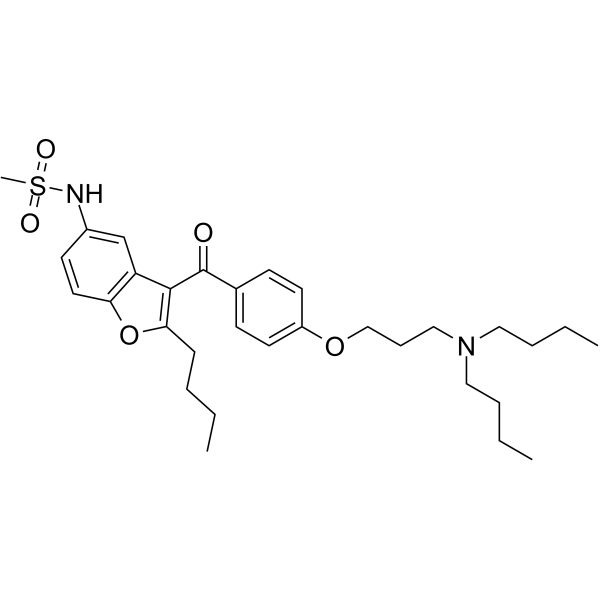
Dronedarone (SR 33589), a derivative of amiodarone (HY-14187), is a class III antiarrhythmic agent for the study of atrial fibrillation (AF) and atrial flutter. Dronedarone is a potent blocker of multiple ion currents, including potassium current, sodium current, and L-type calcium current, and exhibits antiadrenergic effects by noncompetitive binding to β-adrenergic receptors. Dronedarone is a substrate for and a moderate inhibitor of CYP3A4 .
loading...
    loading...
4
4 Cited Publications
Cat. No.: HY-101911
CAS No.: 768404-03-1
Purity:  99.94%
Target:  

P2X Receptor

Research Areas:  

Neurological Disease

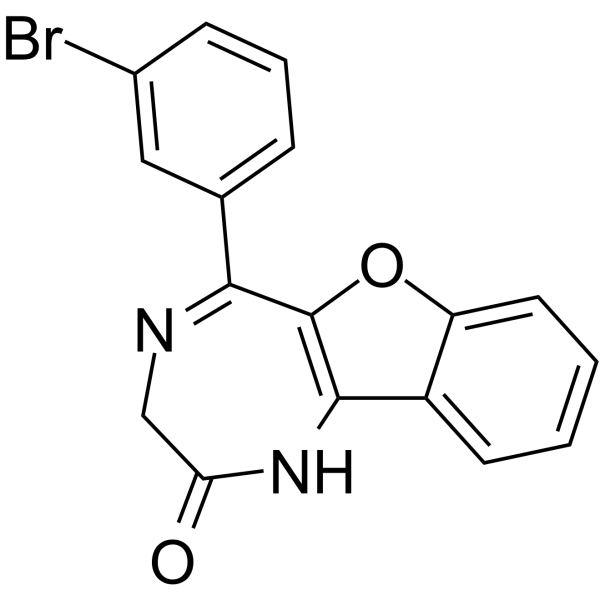
5-BDBD, a potent and selective P2X4 receptor antagonist, inhibits rP2X4R-mediated currents, with an IC50 of 0.75 μM. 5-BDBD completely blocks the basal and acute hyperalgesia induced by nitroglycerin (NTG) .
loading...
    loading...
4
4 Cited Publications
Cat. No.: HY-75839
CAS No.: 141625-93-6
Research Areas:  

Cardiovascular Disease

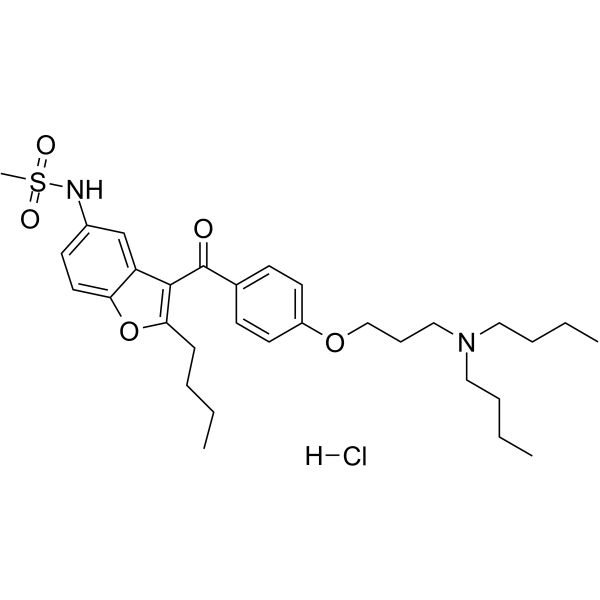
Dronedarone Hydrochloride is a non-iodinated amiodarone derivative that inhibits Na +, K + and Ca 2+ currents.
loading...
    loading...
4
4 Cited Publications
Cat. No.: HY-14179
CAS No.: 931706-15-9
Purity:  99.73%
Synonyms: CFTR Inhibitor
Target:  

CFTR

Research Areas:  

Others

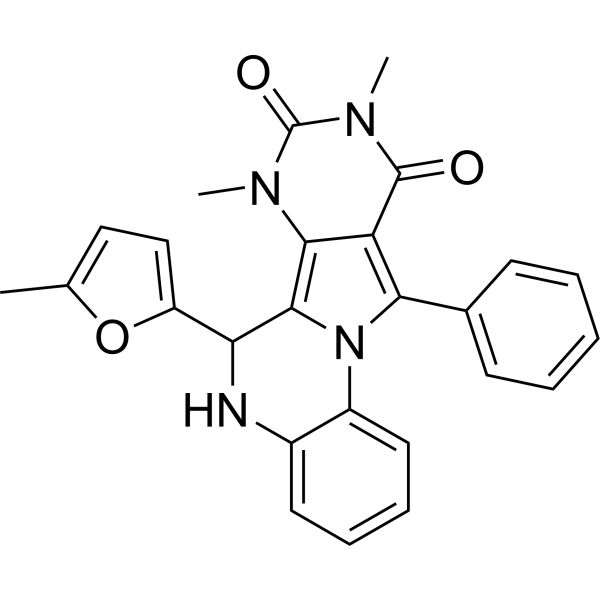
PPQ-102 (CFTR Inhibitor) is a reversible CFTR inhibitor that completely inhibits CFTR chloride currents (IC50 ~90 nM). PPQ-102 is not affected by membrane potential-dependent cell allocation or blocking efficiency (uncharged at physiological pH) and effectively prevents cyst enlargement in polycystic kidney disease .
loading...
    loading...
4
4 Cited Publications
Cat. No.: HY-N6691
CAS No.: 71-62-5
Synonyms: 3-Veratroylveracevine
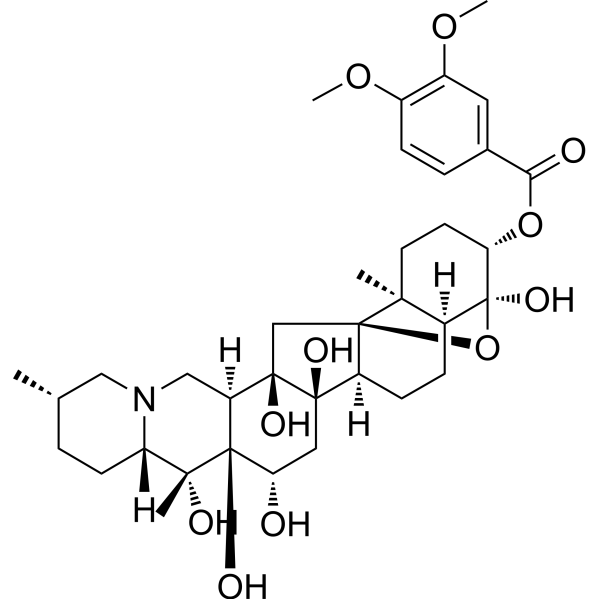
Veratridine (3-Veratroylveracevine) is a plant neurotoxin, a voltage-gated sodium channels (VGSCs) agonist. Veratridine inhibits the peak current of Nav1.7, with an IC50 of 18.39 µM. Veratridine regulates sodium ion channels mainly by activating sodium ion channels, preventing channel inactivation and increasing sodium ion flow .
loading...
    loading...
4
4 Cited Publications
Cat. No.: HY-152182
CAS No.: 2418670-70-7
Purity:  99.57%
Target:  

TRP Channel

Research Areas:  

Cancer

ML-SA5 is a potent TRPML1 cation channel agonist that activates the entire endosomal TRPML1 (ML1) current in DMD myocytes with an EC50 of 285 nM and is more potent than ML-SA1. ML-SA5 has anticancer activity and can inhibit tumour growth .
loading...
    loading...
4
4 Cited Publications
Cat. No.: HY-108577
CAS No.: 122955-13-9
Purity:  99.63%
Target:  

Potassium Channel

Research Areas:  

Neurological Disease

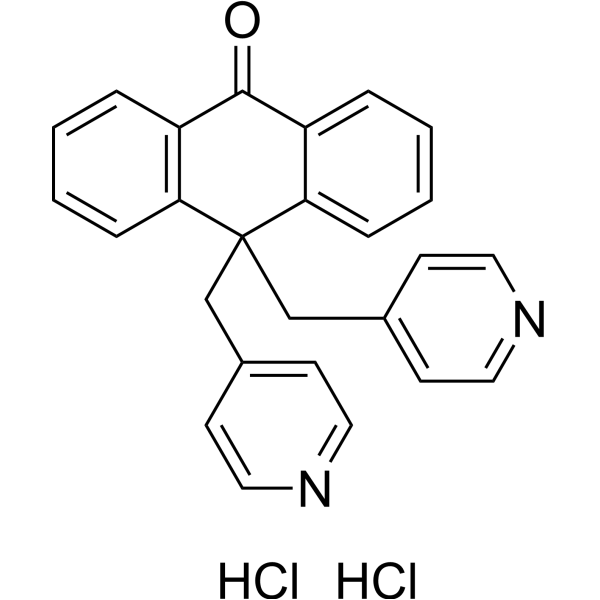
XE991 dihydrochloride, a Kv7 (KCNQ) channels blocker, potently inhibits Kv7.1 (KCNQ1), Kv7.2 (KCNQ2), Kv7.2 + Kv7.3 (KCNQ3) channel, and M-current with IC50s of 0.75 μM, 0.71 μM, 0.6 μM, and 0.98 μM, respectively .
loading...
    loading...
4
4 Cited Publications
Cat. No.: HY-108577A
CAS No.: 122955-42-4
Purity:  99.62%
Target:  

Potassium Channel

Research Areas:  

Neurological Disease

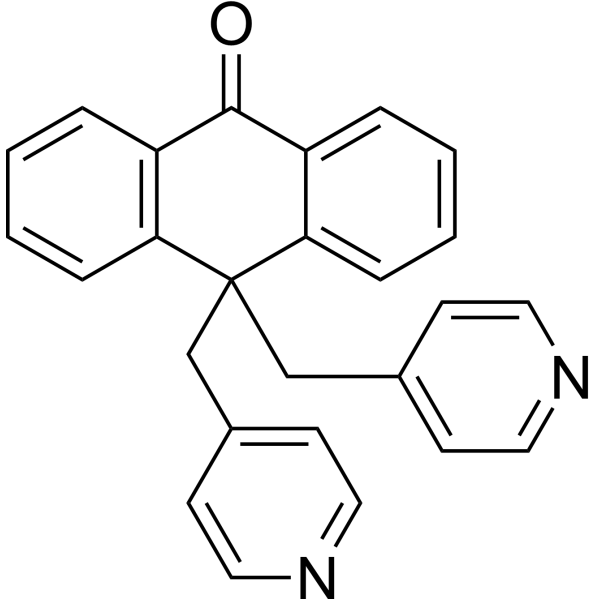
XE 991 dihydrochloride, a Kv7 (KCNQ) channels blocker, potently inhibits Kv7.1 (KCNQ1), Kv7.2 (KCNQ2), Kv7.2 + Kv7.3 (KCNQ3) channel, and M-current with IC50s of 0.75 μM, 0.71 μM, 0.6 μM, and 0.98 μM, respectively .
loading...
    loading...
3
3 Cited Publications
Cat. No.: HY-W010950
CAS No.: 54143-55-4
Research Areas:  

Cardiovascular Disease

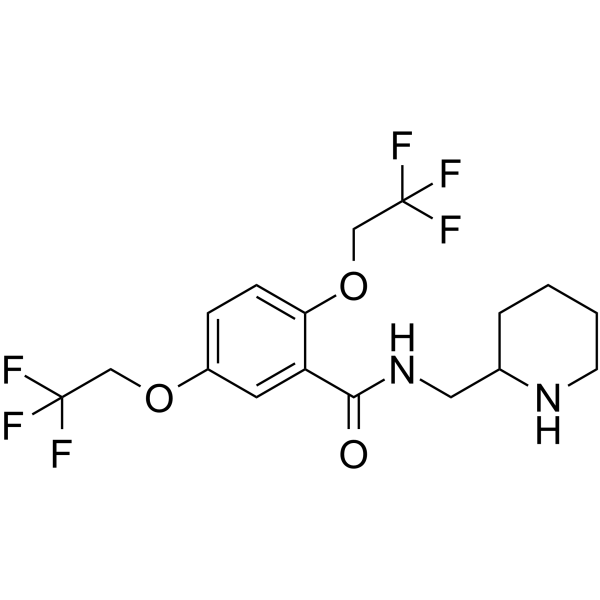
Flecainide is an orally active antiarrhythmic agent. Flecainide can block sodium channels and inhibit calcium ion release mediated by the cardiac ryanodine receptor (RyR2). Flecainide can be used in the research of diseases such as catecholaminergic polymorphic ventricular tachycardia (CPVT) .
loading...
    loading...
3
3 Cited Publications
Cat. No.: HY-W010950A
CAS No.: 57415-44-8
Research Areas:  

Cardiovascular Disease

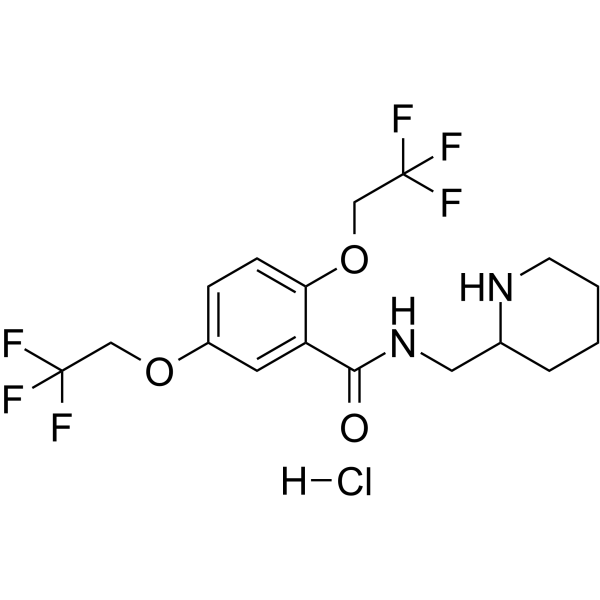
Flecainide hydrochloride is an orally active antiarrhythmic agent. Flecainide hydrochloride can block sodium channels and inhibit calcium ion release mediated by the cardiac ryanodine receptor (RyR2). Flecainide hydrochloride can be used in the research of diseases such as catecholaminergic polymorphic ventricular tachycardia (CPVT) .
loading...
    loading...
3
3 Cited Publications
Cat. No.: HY-100612
CAS No.: 552309-42-9
Purity:  ≥99.0%
Target:  

Chloride Channel

Research Areas:  

Others

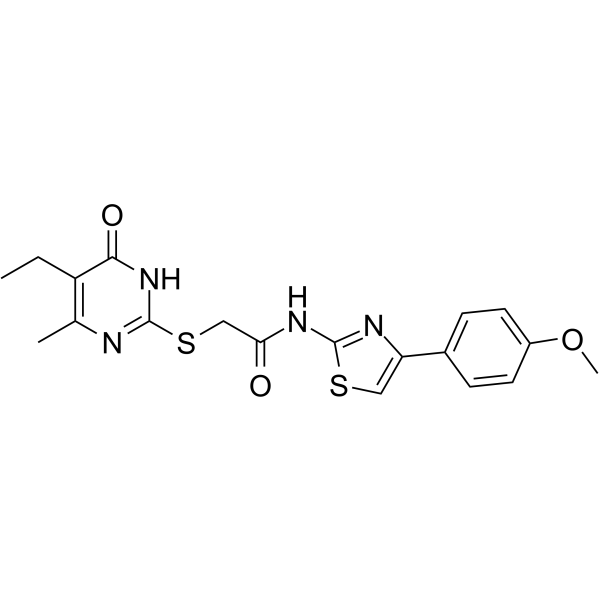
T16Ainh-A01, an aminophenylthiazole, is a potent transmembrane protein 16A (TMEM16A) inhibitor, inhibiting TMEM16A-mediated chloride currents with an IC50 value of ~1 µM. TMEM16A (ANO1) functions as a calcium-activated chloride channel (CaCC) .
loading...
    loading...
3
3 Cited Publications
Cat. No.: HY-B0162
CAS No.: 155974-00-8
Target:  

HCN Channel

Research Areas:  

Cardiovascular Disease Cancer

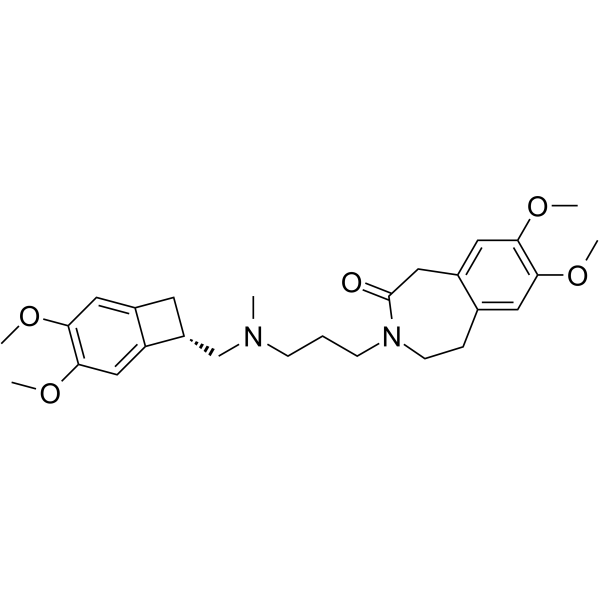
Ivabradine is a potent and orally active HCN (hyperpolarization-activated cyclic nucleotide-gated) channel blocker that inhibits the cardiac pacemaker current (If). Ivabradine reduces dose-dependently heart rate without modification of blood pressure. Ivabradine shows anticonvulsant, anti-ischaemic and anti-anginal activity .
loading...
    loading...

