6719 Results for "

Blocker

" in MedChemExpress (MCE) Product Catalog:
Products (6719)

6719 Results for "Blocker" in MCE Product Catalog:

Cat. No.: HY-148775
Purity:  ≥95.0%
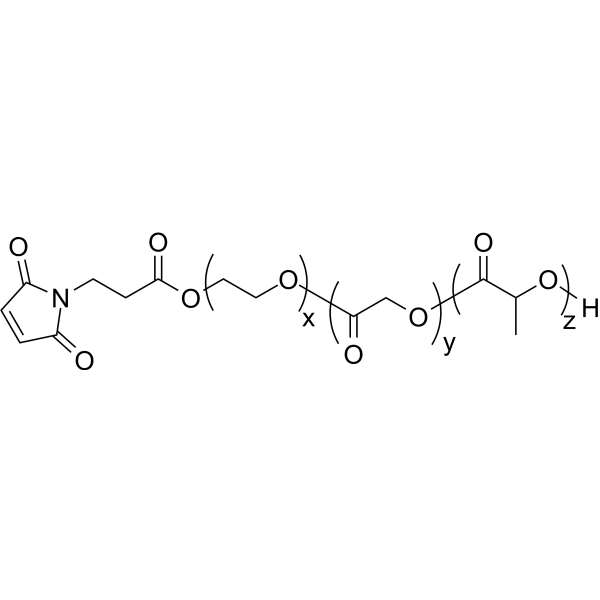
PLGA-PEG-MAL (60kDa-3.4kDa, LA:GA ratio 75:25) is a biodegradable amphipathic polymeric nanocarrier of poly (lactic-co-glycolic acid)-block-poly (ethylene glycol) (PLGA-PEG-Mal) that allows covalent modification of functional molecules. PLGA-PEG-MAL (60kDa-3.4kDa, LA:GA ratio 75:25) modified with Angiopep-2 can cross the blood-brain barrier and exhibits targeting selectivity for glioblastoma cells. PLGA-PEG-MAL (60kDa-3.4kDa, LA:GA ratio 75:25) can capture tumor-derived protein antigens, and exerts immunomodulatory effects when conjugated with anti-OX40 antibody; when used in combination with A2-CL/Dbait nanoparticles and radiotherapy, it prolongs survival time and reduces tumor volume in glioblastoma mouse models. PLGA-PEG-MAL (60kDa-3.4kDa, LA:GA ratio 75:25) can be used for studies related to bacterial wound infections and glioblastoma .
loading...
    loading...
Cat. No.: HY-15244G
CAS No.: 1217486-61-7
Alpelisib GMP is Alpelisib (HY-15244) produced by using GMP guidelines. GMP small molecules works appropriately as an auxiliary reagent for cell therapy manufacture. Alpelisib (BYL-719) is an orally active PI3Kα-selective inhibitor that blocks the conversion of PIP2 to PIP3, thereby inhibiting pathways including PI3K/AKT/mTOR, MAPK/ERK, Notch and JAK-STAT. Alpelisib also induces apoptosis, G0/G1 phase arrest and senescence; it significantly inhibits the proliferation, self-renewal, stemness and epithelial-mesenchymal transition (EMT) of tumor cells, reduces cancer stem cell populations and decreases the expression of stem cell markers. Alpelisib not only enhances the sensitivity to Eribulin (HY-13442) and exerts a synergistic effect with Paclitaxel (HY-B0015), but may also induce drug resistance by upregulating the SGK3/GSK3β/β-catenin signaling pathway. Alpelisib can be applied to research related to breast cancer, gastric cancer and lipomas associated with PTEN hamartoma tumor syndrome .
loading...
    loading...
Cat. No.: HY-15244R
CAS No.: 1217486-61-7
Synonyms: BYL-719 (Standard)
Alpelisib (BYL-719) (Standard) is the analytical standard of Alpelisib (HY-15244). This product is intended for research and analytical applications. Alpelisib (BYL-719) is an orally active PI3Kα-selective inhibitor that blocks the conversion of PIP2 to PIP3, thereby inhibiting pathways including PI3K/AKT/mTOR, MAPK/ERK, Notch and JAK-STAT. Alpelisib also induces apoptosis, G0/G1 phase arrest and senescence; it significantly inhibits the proliferation, self-renewal, stemness and epithelial-mesenchymal transition (EMT) of tumor cells, reduces cancer stem cell populations and decreases the expression of stem cell markers. Alpelisib not only enhances the sensitivity to Eribulin (HY-13442) and exerts a synergistic effect with Paclitaxel (HY-B0015), but may also induce drug resistance by upregulating the SGK3/GSK3β/β-catenin signaling pathway. Alpelisib can be applied to research related to breast cancer, gastric cancer and lipomas associated with PTEN hamartoma tumor syndrome .
loading...
    loading...
Cat. No.: HY-30234B
CAS No.: 17162-20-8
Clemizole sulfate is an orally active, blood-brain barrier permeable TRPC5 inhibitor, with an IC50 value of 1.05-1.34 μM against mouse TRPC5. Clemizole sulfate blocks TRPC1:TRPC5, TRPC3, TRPC4, TRPC6, TRPC7, hERG, hKCNQ1/hKCNE1 and hKv1.5 channels, and activates TRPA1; it modulates 5HT-2B and HTR2A receptors; it inhibits HCV RNA replication, CrtN enzymatic activity, oxidative stress, neuroinflammation, cell apoptosis and bacterial virulence; it maintains blood-brain barrier (BBB) integrity; it enhances DNA repair capacity; it improves cell viability; and it alters cardiac electrophysiological properties. Clemizole sulfate can be used in the research of Dravet syndrome, hepatitis C virus infection, Staphylococcus aureus skin infection, Cisplatin (HY-17394)-induced nephrotoxicity, STXBP1-related diseases, traumatic brain injury and xeroderma pigmentosum type C .
loading...
    loading...
Cat. No.: HY-30234S
CAS No.: 1251554-64-9
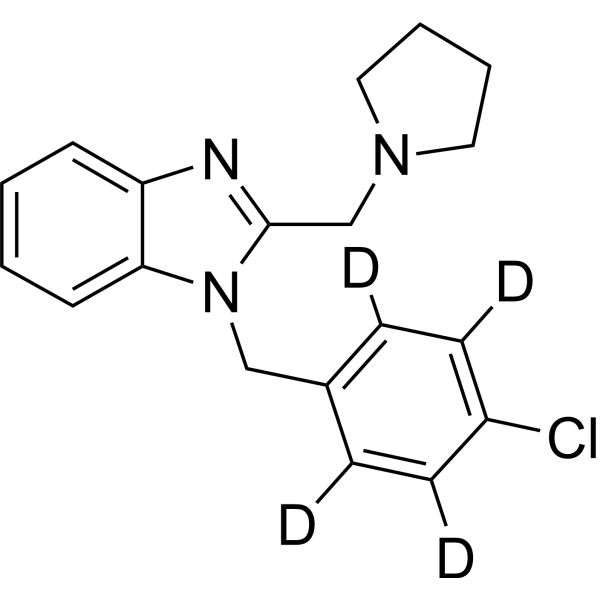
Clemizole-d4 is the deuterated-labeled Clemizole (HY-30234). Clemizole is an orally active, blood-brain barrier permeable TRPC5 inhibitor, with an IC50 value of 1.05-1.34 μM against mouse TRPC5. Clemizole blocks TRPC1:TRPC5, TRPC3, TRPC4, TRPC6, TRPC7, hERG, hKCNQ1/hKCNE1 and hKv1.5 channels, and activates TRPA1; it modulates 5HT-2B and HTR2A receptors; it inhibits HCV RNA replication, CrtN enzymatic activity, oxidative stress, neuroinflammation, cell apoptosis and bacterial virulence; it maintains blood-brain barrier (BBB) integrity; it enhances DNA repair capacity; it improves cell viability; and it alters cardiac electrophysiological properties. Clemizole can be used in the research of Dravet syndrome, hepatitis C virus infection, Staphylococcus aureus skin infection, Cisplatin (HY-17394)-induced nephrotoxicity, STXBP1-related diseases, traumatic brain injury and xeroderma pigmentosum type C .
loading...
    loading...
Cat. No.: HY-N2110
CAS No.: 2543-94-4
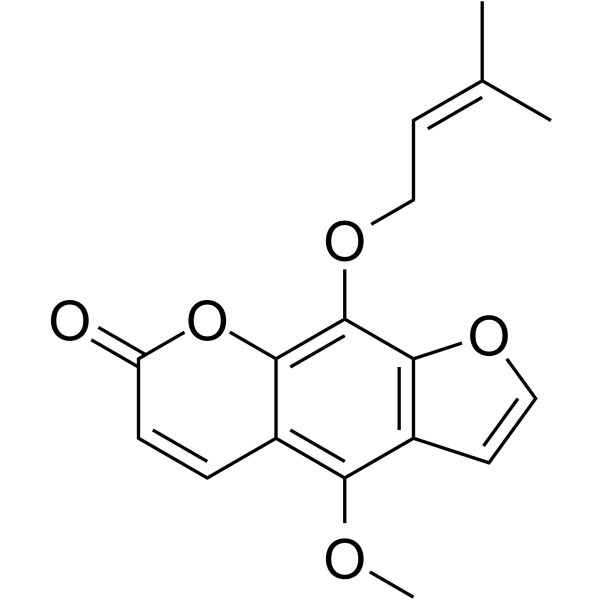
Phellopterin, an orally active furocoumarin with multiple biological activities. Phellopterin is a partial agonist of the central benzodiazepine receptors. Phellopterin exerts anti-inflammatory effects by upregulating SIRT1, downregulating ICAM-1 (reducing chronic inflammation, aiding diabetic ulcer healing), inhibiting STAT3 phosphorylation (easing atopic dermatitis inflammation), regulating Akt/PKC pathways (lowering TNF-α-induced VCAM-1 to block monocyte adhesion), and inhibiting TLR4/NF-κB pathway and macrophage M2 polarization (alleviating colitis-related cancers). Phellopterin suppresses ovarian cancer progression via inhibiting the PU.1/CLEC5A/PI3K-AKT loop (inducing cell cycle arrest, apoptosis, DNA damage). Phellopterin alleviates murine diabetes by promoting adipocyte differentiation and increasing PPARγ. Phellopterin also has anti-HSV-1 activity. Phellopterin can be used for studying anti-inflammation, anti-cancer (e.g., ovarian cancer, colitis cancer), blood glucose lowering, anti-diabetes, and anti-virus .
loading...
    loading...
Cat. No.: HY-N2110R
CAS No.: 2543-94-4
Phellopterin (Standard) is the analytical standard of Phellopterin. Phellopterin, an orally active furocoumarin with multiple biological activities. Phellopterin is a partial agonist of the central benzodiazepine receptors. Phellopterin exerts anti-inflammatory effects by upregulating SIRT1, downregulating ICAM-1 (reducing chronic inflammation, aiding diabetic ulcer healing), inhibiting STAT3 phosphorylation (easing atopic dermatitis inflammation), regulating Akt/PKC pathways (lowering TNF-α-induced VCAM-1 to block monocyte adhesion), and inhibiting TLR4/NF-κB pathway and macrophage M2 polarization (alleviating colitis-related cancers). Phellopterin suppresses ovarian cancer progression via inhibiting the PU.1/CLEC5A/PI3K-AKT loop (inducing cell cycle arrest, apoptosis, DNA damage). Phellopterin alleviates murine diabetes by promoting adipocyte differentiation and increasing PPARγ. Phellopterin also has anti-HSV-1 activity. Phellopterin can be used for studying anti-inflammation, anti-cancer (e.g., ovarian cancer, colitis cancer), blood glucose lowering, anti-diabetes, and anti-virus.
loading...
    loading...
Cat. No.: HY-W015490S
CAS No.: 26473-08-5
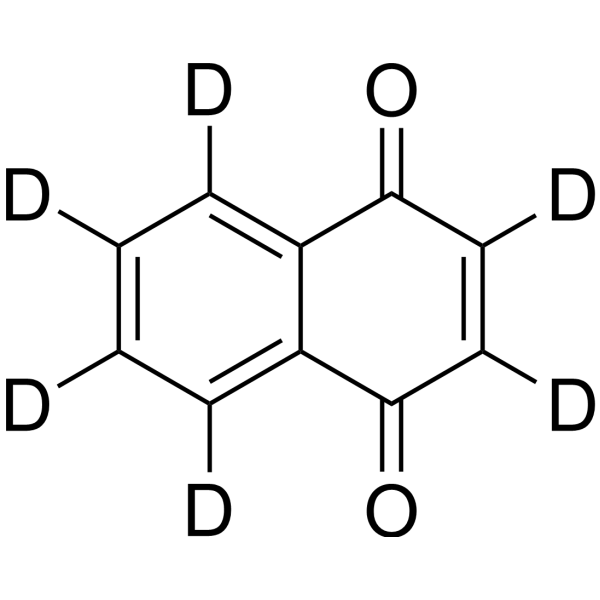
1,4-Naphthoquinone-d6 is the deuterium labeled 1,4-Naphthoquinone. 1,4-Naphthoquinone is an inhibitor with broad-spectrum inhibitory activity targeting DNA polymerase, NF-κB and monoamine oxidase (MAO-A/B), with antibacterial and anti-biofilm efficacy. 1,4-Naphthoquinone is a competitive inhibitor of MAO-B (Ki=1.4 μM) and a non-competitive inhibitor of MAO-A (Ki=7.7 μM). 1,4-Naphthoquinone inhibits DNA polymerase pol α, β, γ, δ, ε, λ with IC50 ranging from 5.57-128 μM. 1,4-Naphthoquinone inhibits tumor cell proliferation, induces apoptosis and necrosis, and has anti-angiogenic and anti-inflammatory activities by inducing oxidative stress, depleting glutathione (GSH), inhibiting DNA polymerase-mediated DNA synthesis and blocking NF-κB nuclear translocation. 1,4-Naphthoquinone can be used in anti-bacterial , anti-tumor and anti-inflammatory studies, including inhibition of melanoma and colon cancer cell growth and endothelial cell function, as well as LPS-induced inflammation models .
loading...
    loading...
Cat. No.: HY-L009M
270 compounds

Kinases is a class of enzymes that adds chemicals called phosphates to other molecules, such as sugars or proteins. Protein phosphorylation serves as a critical regulatory mechanism for numerous cellular processes including cell division, metabolism, and signal transduction, with approximately 50% of cellular functions in humans being regulated by kinase activity. In drug discovery, kinases represent a major category of therapeutic targets, and kinase inhibitors constitute an important class of pharmaceuticals that block the activity of specific disease-associated enzymes, particularly in cancer and inflammatory disorders. Small molecule kinase inhibitors represent one of the fastest-growing drug categories, having received U.S. Food and Drug Administration (FDA) approval for both oncological and non-oncological indications. As of September 2023, over 70 FDA-approved small molecule kinase inhibitors are commercially available.

The MCE Kinase Inhibitor Library Mini contains 270 kinase inhibitors primarily targeting protein kinases (VEGFR, EGFR, BTK, CDK, Akt, etc.), lipid kinases (PI3K, PI4K, SK, etc.), and carbohydrate kinases. This collection includes 1-3 highly specific representative compounds per target, optimized for screening of kinase-related drug targets in pharmaceutical research.

Cat. No.: HY-L259
0 compounds

In PROTAC drug development, linkers are often one of the key variables determining drug-likeness and degradation efficiency. Since PROTAC systems must simultaneously satisfy target protein binding, E3 ligase recruitment, and intracellular spatial conformational matching, their structural design is essentially a multi-parameter optimization problem. Differences in linker rigidity, flexibility, and spatial extension can significantly influence the formation pathway and stability of the ternary complex, leading to substantial variations in degradation activity. Therefore, the development of linker systems with modular tunability and high structural expandability has become an important direction in PROTAC optimization.

The MCE Alkyne PROTAC Linker Library contains 0 linkers based on terminal and internal alkyne scaffolds, forming a highly derivatizable linker module system. These linkers serve as standardized building blocks for rapid assembly and iterative optimization of PROTAC molecules, and support efficient conjugation with azide-containing functional groups via click chemistry. In practical drug development, this type of structure not only facilitates the construction of diverse linker space libraries, accelerating lead compound screening, but also enables systematic tuning of molecular geometry and physicochemical properties, thereby improving ternary complex stability and targeted protein degradation efficiency.

Cat. No.: HY-L919
27,503 compounds

With the aging population and increasing competitive pressures, neurodegenerative diseases of the central nervous system (CNS) have become a serious medical challenge in modern society, including Parkinson's disease, Alzheimer's disease, brain tumors, and multiple sclerosis. However, the success rate of CNS drug development remains remarkably low, primarily due to the blood-brain barrier (BBB). The blood-brain barrier (BBB) is a semipermeable barrier structure that surrounds the microvasculature of the CNS. In capillaries, the wedged endothelial cells are tightly packed and wedge-shaped, lining the interior of the vessels to form extensive tight junctions. Along with a range of receptors, transporters, efflux pumps, and other cellular components, this barrier regulates the entry and exit of molecules between the bloodstream and the brain. The intact BBB blocks the passage of most blood-borne substances into the brain, preventing nearly 100% of large-molecule drugs and over 98% of small-molecule drugs from entering. Compared to non-CNS drugs, physicochemical properties such as hydrogen bonds, lipophilicity, and molecular weight significantly influence a compound's ability to cross the BBB. Using artificial intelligence (AI) algorithms to predict BBB permeability, a predicted value greater than 0.75 indicates that the compound has strong potential to cross the BBB, providing a promising starting point for CNS drug discovery.

Cat. No.: HY-108659
CAS No.: 202982-98-7
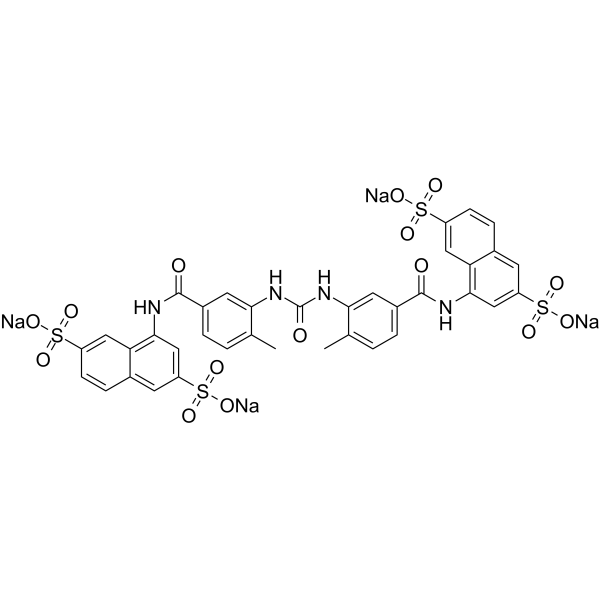
NF340 is a P2Y11 receptor inhibitor with a pIC50 of 7.3-7.7 against human P2Y11 receptor, and it exhibits high selectivity over other P2Y family receptors. NF340 binds to the ATP-binding amino acid residues of the P2Y11 receptor to inhibit its activity, block nociceptive activity, and reduce spinal dorsal horn P2Y11 receptor upregulation induced by spinal nerve injury. NF340 attenuates the NFκB signaling pathway activated by IL-1β by decreasing IκBα phosphorylation, nuclear p65 accumulation, and NFκB promoter activity. NF340 inhibits IL-1β-induced pro-inflammatory cytokine expression, reduces intracellular ROS and 4-HNE levels, and suppresses IL-1β-induced matrix metalloproteinase expression in primary fibroblast-like synoviocytes. NF340 inhibits ATP-induced elevation of intracellular Ca 2+ concentration and cell migration in human hepatocellular carcinoma cells. NF340 can be used in the research of neuropathic pain, myocardial ischemia/reperfusion injury, inflammatory pain, rheumatoid arthritis, and hepatocellular carcinoma .
loading...
    loading...
Cat. No.: HY-12292G
CAS No.: 1129669-05-1
IM-12 GMP is IM-12 (HY-12292) produced by using GMP guidelines. GMP small molecules works appropriately as an auxiliary reagent for cell therapy manufacture. IM-12 is an orally active anti-inflammatory agent that targets and inhibits the NF-κB and STAT3 signaling pathways. IM-12 activates the Wnt signaling pathway and promotes the nuclear translocation of β-catenin by inhibiting GSK3β, while also blocking the tyrosine kinase activity of p210BCR/ABL. IM-12 reduces the levels of IL-6, IL-17, NO, prostaglandin E2, iNOS and COX-2, and induces ER stress, Ca 2+ release, autophagy and apoptosis. IM-12 is heat-sensitive and does not induce autophagy in IM-resistant p210BCR/ABL T315I mutant cells. IM-12 is also a component of the 5iLA medium used for naive pluripotent stem cell research. IM-12 has been applied in studies related to carrageenan (HY-125474)-induced hind paw edema, TNBS-induced colitis, and acute and chronic myeloid leukemia .
loading...
    loading...
Cat. No.: HY-12888
CAS No.: 907543-25-3
Target:  

Topoisomerase Bacterial

Research Areas:  

Infection

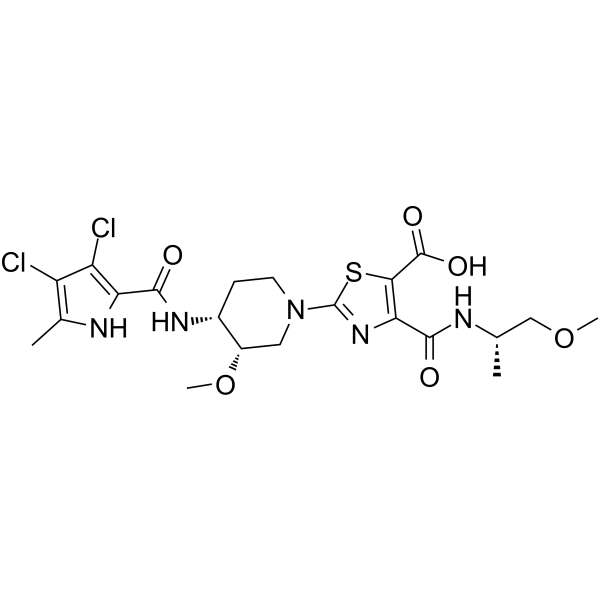
AZD5099 is an orally effective pyrrole amide inhibitor and antibacterial agent. AZD5099 shows over 10000-fold higher selectivity for bacterial type II topoisomerases than for human topoisomerase IIα, with a IC50 value of 0.032 μmol/L against Staphylococcus aureus GyrB, a IC50 of 0.760 μmol/L against Escherichia coli GyrB, a IC50 of 73 nM against Escherichia coli ParE, a Kd of 83.8 nmol/L for Staphylococcus aureus GyrB, and a IC50 of >50 μM against human topoisomerase IIα. AZD5099 inhibits rat Mrp2 ATPase activity, competitively binds to the ATP-binding site of bacterial type II topoisomerases, blocks enzyme activity, reduces bacterial DNA and RNA synthesis, disrupts DNA replication and transcription processes, and induces mitochondrial toxicity. AZD5099 exhibits activity against Gram-positive bacteria, fastidious Gram-negative bacteria and drug-resistant strains, reduces bacterial loads in mouse infection models, and has a low spontaneous resistance frequency. AZD5099 can be used in studies related to infections caused by Gram-positive bacteria and fastidious Gram-negative bacteria, methicillin-resistant Staphylococcus aureus infections, Streptococcus pneumoniae pulmonary infections, as well as Staphylococcus aureus and Escherichia coli infections .
loading...
    loading...
Cat. No.: HY-138830B
CAS No.: 1818252-52-6
Target:  

Histone Demethylase

Research Areas:  

Neurological Disease

TAK-418 free base is an orally active, blood-brain barrier-penetrant LSD1 inhibitor with a human IC50 of 2.9 nM. TAK-418 free base irreversibly inhibits LSD1 by forming a compact flavin-FAD adduct with the catalytic domain FAD, blocking the demethylation of H3K4me1/2 and H3K9me1/2 without disrupting the LSD1-GFI1B interaction. TAK-418 free base restores normally dysregulated brain gene expression and DNA methylation, increases H3K4me1/2/3 and H3K9me2 at the Ucp2 locus, and induces Ucp2 mRNA expression. TAK-418 free base rescues defective H3K4 histone modifications, normalizes adult neurogenesis, and improves recognition memory, social behavior, and cognition in rodent models. TAK-418 free base can be used in research related to neurodevelopmental disorders, Alzheimer's disease, and autism spectrum disorders .
loading...
    loading...
Cat. No.: HY-156466
CAS No.: 2848664-42-4
Purity:  99.95%
Research Areas:  

Inflammation/Immunology

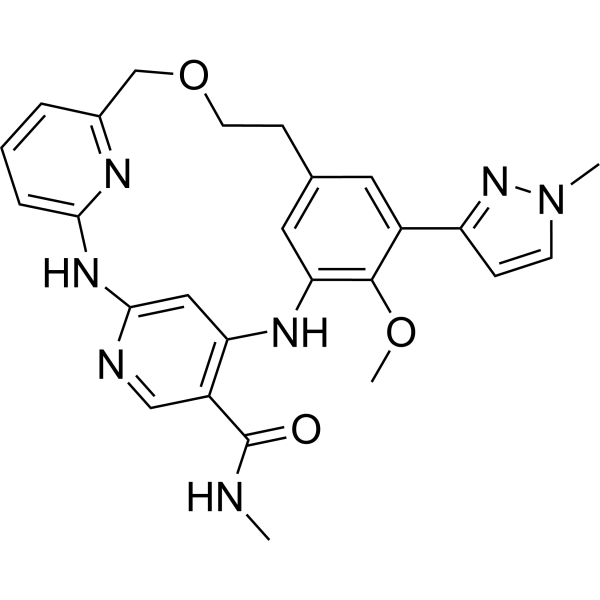
QL-1200186 is a selective, orally active, allosteric inhibitor targeting the tyrosine kinase TYK2 pseudokinase domain JH2 (IC50=0.06 nM, TYK2 JH2), with 164-fold selectivity over TYK1 JH2 (IC50=9.85 nM,TYK1 JH2). QL-1200186 first stabilizes the TYK2 JH2 conformation, inhibits the activity of the JH1 catalytic domain, and blocks the IFNα, IL-12/IL-23-mediated JAK-STAT signaling pathway. QL-1200186 can inhibit the production of Th1/Th17 cell-related cytokines (such as IFNγ, IL-23), reduce immune cell activation, and has no significant effect on JAK1/2/3 kinase activity. QL-1200186 can significantly improve skin inflammation in the Imiquimod (HY-B0180)-induced psoriasis mouse model and reduce the Psoriasis Area and Severity Index (PASI) score. QL-1200186 can be used in the study of autoimmune diseases such as psoriasis and systemic lupus erythematosus (SLE) .
loading...
    loading...
Cat. No.: HY-170524
CAS No.: 3052313-73-9
Research Areas:  

Infection

TDI-015051 is a highly selective, orally active antiviral agent that targets the coronavirus NSP14 guanine-N7 methyltransferase. TDI-015051 binds to substrates in a non-competitive manner and forms a stable ternary complex, precisely blocking the capping and methylation processes of viral mRNA. TDI-015051 potently inhibits a variety of coronaviruses (including SARS-CoV-2 and MERS). By impairing viral replication and translation and inducing a moderate type I interferon-mediated immune response, it significantly reduces pulmonary viral load and exhibits a synergistic effect with Nirmatrelvir (HY-138687). In addition, TDI-015051 does not inhibit non-coronavirus methyltransferases, and the drug-resistant mutations it induces impair viral fitness, demonstrating excellent antiviral properties and safety. TDI-015051 can be used for research on COVID-19 and the replication mechanism of coronaviruses .The IC50 values of TDI-015051 against SARS-CoV-2, α-hCoV-NL63, α-hCoV-229E, β-hCoV-MERS are 0.15 nM, 1.7 nM, 2.6 nM and 3.6 nM, respectively, and the Ka value against SARS-CoV-2 is 0.061 nM .
loading...
    loading...
Cat. No.: HY-18719S
CAS No.: 1584173-54-5
Endoxifen-d5 (Z-isomer) is the deuterated-labeled Endoxifen (Z-isomer methanesulfonate) (HY-18719H). Endoxifen-d5 Z-isomer is an orally active selective PKCβ1 inhibitor with an IC50 of 360 nM against human PKCβ1. It also acts as an estrogen receptor modulator and antiestrogen. Endoxifen-d5 Z-isomer binds to and blocks ERα, ERβ and PKCβ1, inhibits estrogen and PI3K/AKT/mTORC1 signaling pathways, suppresses the expression of genes associated with cell cycle, cell proliferation and extracellular matrix remodeling, and induces apoptosis, reactive oxygen species (ROS) production and hypoxic features. Endoxifen-d5 Z-isomer inhibits tumor growth in breast tumor and glioblastoma models, reduces bone turnover and blood lipid levels, and does not require metabolism via CYP2D6. It can be used in research related to ER + breast cancer, invasive breast cancer, glioblastoma multiforme, type I bipolar disorder, desmoid tumor, gynecological malignancies, melanoma and hormone receptor-positive solid tumors
loading...
    loading...
Cat. No.: HY-N7653
CAS No.: 529-51-1
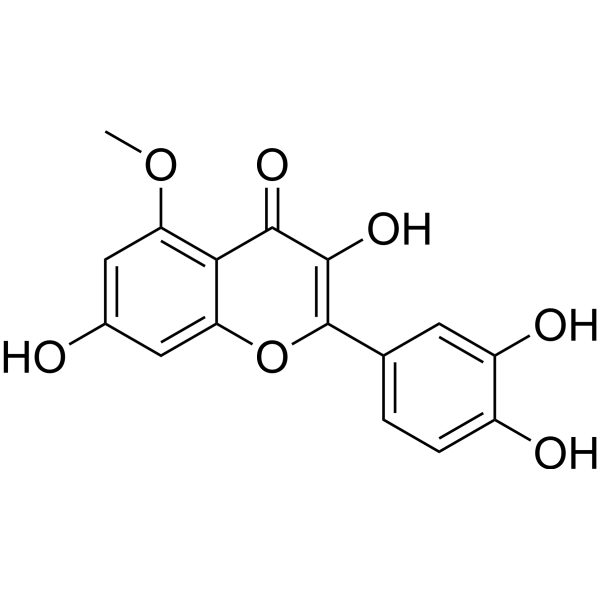
Azaleatin is an orally active inhibitor of hQC, NS2B-NS3 protease and E. coli β-glucuronidase, with IC50 values of 1.1 μM, 38.00 μg/mL and 0.57 μM, respectively. Azaleatin inhibits the activities of NF-κB, MyD88, JAK1, TLR4, STAT3, IL-1β, IL-6, COX-2, TNF-α and β-glucuronidase, blocks pro-inflammatory signaling pathways, reduces the levels of ROS, MDA and uric acid, elevates the levels of GPx, GSR, GST, SOD, CAT, HO-1 and GSH, scavenges free radicals and exerts reducing capacity. Azaleatin inhibits the expression of pro-apoptotic proteins Bax, Caspase-9 and Caspase-3, and upregulates the expression of anti-apoptotic protein Bcl-2. Azaleatin reduces the levels of cardiac injury markers, restores cardiac histological structure, inhibits Aβ aggregation, dengue protease activity, hepatic stellate cell proliferation and cancer cell growth, and also exhibits antibacterial activity. Azaleatin can be used in studies related to subchronic cardiotoxicity, Alzheimer's disease, dengue fever, hyperuricemia, liver fibrosis, gastric cancer and bacterial infections .
loading...
    loading...
Cat. No.: HY-P990186

Target:  

MHC

Research Areas:  

Others

Anti-Mouse MHC Class II (I-Ak, I-Ar, I-Af, I-As,I-Ag7) Antibody (10-3.6.2) is a mouse-derived IgG2c κ type antibody inhibitor, targeting to mouse MHC Class II. Anti-Mouse MHC Class II (I-Ak, I-Ar, I-Af, I-As,I-Ag7) Antibody (10-3.6.2) reacts with mouse MHC Class II haplotypes I-Ak, I-Ar, I-Af, I-As, and I-Ag7. Anti-Mouse MHC Class II (I-Ak, I-Ar, I-Af, I-As,I-Ag7) Antibody (10-3.6.2) does not react with I-Ab, I-Ad, I-Ap, or I-Aq haplotypes. Anti-Mouse MHC Class II (I-Ak, I-Ar, I-Af, I-As,I-Ag7) Antibody (10-3.6.2) blocks MHC Class II and inhibits antigen proliferation responses. Anti-Mouse MHC Class II (I-Ak, I-Ar, I-Af, I-As,I-Ag7) Antibody (10-3.6.2) can be used for the research of immunology .
loading...
    loading...

