745 Results for "

lymphomas

" in MedChemExpress (MCE) Product Catalog:
Products (745)

745 Results for "lymphomas" in MCE Product Catalog:

Cat. No.: HY-P1181
CAS No.: 868247-72-7
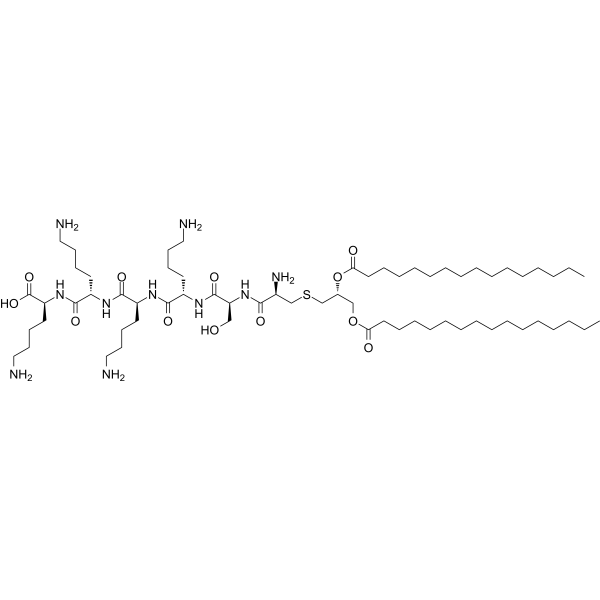
Pam2CSK4 is a TLR2 agonist. Pam2CSK4 induces the expression of iNOS and NO in macrophage cell lines via TBK1 and MyD88 molecules. Pam2CSK4 activates the NF-κB and Bruton's tyrosine kinase signaling pathways in platelets, and promotes platelet-endothelial cell interactions. TLR2 activation triggered by Pam2CSK4 expands myeloid-derived suppressor cells (MDSCs) and suppresses anti-tumor immune responses in the tumor microenvironment. Pam2CSK4 acts as a Th2-polarizing adjuvant in mouse vaccine models against Leishmania major and Brugia malayi. Pam2CSK4 can be used in the research of various diseases, including thromboinflammatory diseases, sepsis, atherosclerosis, heart failure, influenza, lymphoma, melanoma, cutaneous leishmaniasis and lymphatic filariasis .
loading...
    loading...
Cat. No.: HY-P12219
Synonyms: OP449
COG449 (OP449) is a cell-penetrating peptide that binds to SET, prevents the formation of the SET-PP2A complex, and restores PP2A phosphatase activity. COG449 decreases the phosphorylation levels of AKT 308, ERK1/2, NFkB p65, and c-MYC S62, and reduces c-MYC stability and target gene expression. COG449 induces apoptosis, autophagy, and histone H3 hyperacetylation, and decreases the levels of SET, CIP2A, SETBP1, and Mcl-1. COG449 reduces cancer cell viability and decreases tumor mass in xenograft models. COG449 can be used for research on various cancers such as oral squamous cell carcinoma, T-cell acute lymphoblastic leukemia, B-CLL, non-Hodgkin lymphoma, and breast cancer .
loading...
    loading...
Cat. No.: HY-119715
CAS No.: 486414-35-1
Target:  

CDK Apoptosis

Research Areas:  

Inflammation/Immunology Cancer

AG-012986 is a pan-CDK inhibitor with Ki values of 44 nM (CDK1), 9.2 nM (CDK4), 94 nM (CDK2), and IC50 values of 22 nM (CDK5), 4 nM (CDK9). AG-012986 causes apoptosis of T-cells by targeting upstream kinases in the p38 Mitogen-activated protein kinase (MAPK) pathway and impairing cellular survival. AG-012986 induces cell cycle arrest, retinoblastoma protein hypophosphorylation, and reduces Ki-67 expression. AG-012986 exerts antiproliferative activity in tumor cells, demonstrates antitumor efficacy in human xenograft models, and causes retinal and peripheral neurotoxicity, plus immune cell toxicity. AG-012986 can be used for the research of colon carcinoma, non-small cell lung carcinoma, lung carcinoma, breast carcinoma, ovarian tumor, pancreatic carcinoma, osteosarcoma, lymphoma, leukemia, retinotoxicity .
loading...
    loading...
Cat. No.: HY-149101
CAS No.: 86-04-4
Synonyms: IDP; Inosine-5'-diphosphoric acid
Target:  

c-Myc Apoptosis

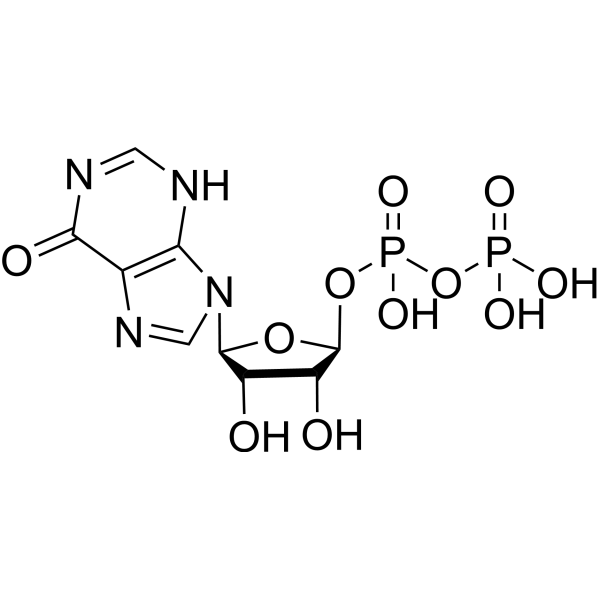
Inosine-5'-diphosphate (IDP) is a decoy substrate of NM23-H2. Inosine-5'-diphosphate has a superior bond capacity on GDP-binding pocket of NM23-H2 (KD: 5.0 μM). Inosine-5'-diphosphate abrogates c-MYC transcription, induces apoptosis and G2/M cell cycle arrest by disrupting NM23-H2-Pu27-GQ interactions without affecting NM23-H2-mediated kinase properties. Inosine-5'-diphosphate has antihypoxic, antihyperthermic and antiarrhythmic activity and protects animals against the noxious effects of γ-irradiation. Inosine-5'-diphosphate can be used for cancers like Burkitt's lymphoma and cardiovascular diseases research .
loading...
    loading...
Cat. No.: HY-157763
Research Areas:  

Cancer

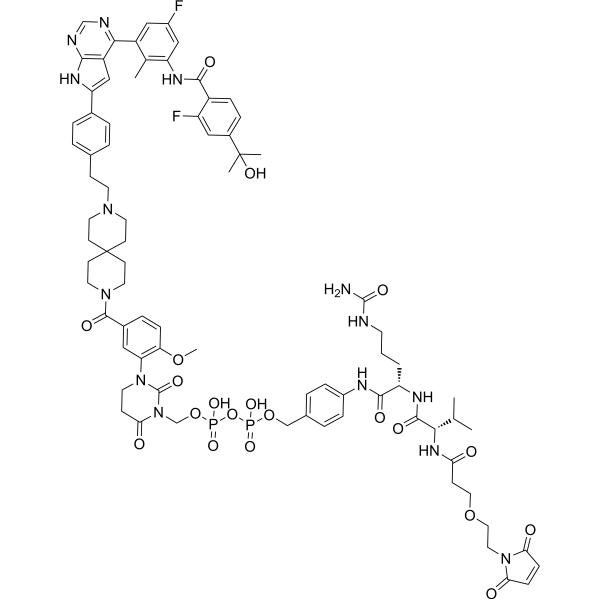
Mal-PEG1-Val-Cit-PABC-diphosphate-BTK degrader-1 is a cleavable linker-payload conjugate and cereblon-binding BTK bifunctional degrader. Mal-PEG1-Val-Cit-PABC-diphosphate-BTK degrader-1 induces BTK degradation and exerts cytotoxic effects when delivered via CD79b monoclonal antibody. Mal-PEG1-Val-Cit-PABC-diphosphate-BTK degrader-1, when formulated as a CD79b antibody-drug conjugate, achieves sustained in vivo BTK degradation in tumor-bearing mice with reduced systemic payload exposure. Mal-PEG1-Val-Cit-PABC-diphosphate-BTK degrader-1 can be used for the research of activated b-cell-like diffuse large b-cell lymphoma (ADC linker: (HY-130944); PROTAC: (HY-163295)) .
loading...
    loading...
Cat. No.: HY-173333
CAS No.: 3081688-77-6
Research Areas:  

Cancer

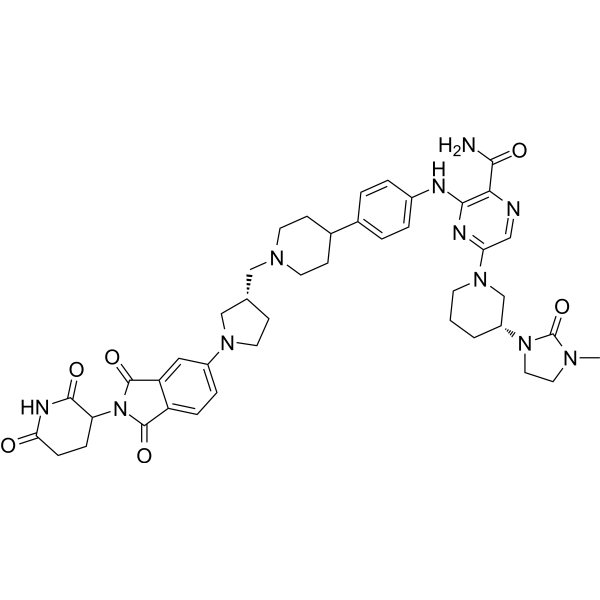
PROTAC SMARCA2/4 degrader-38 is a SMARCA2/4 degrader (SMARCA2: DC50 = 3.0 nM; SMARCA4: 4.0 nM). PROTAC SMARCA2/4 degrader-38 binds to SMARCA2 and SMARCA4 bromodomains to induce degradation via the ubiquitin-proteasome system. PROTAC SMARCA2/4 degrader-38 induces G0/G1 phase cell cycle arrest and cell apoptosis in hematological cancer cells, blocks oncogenic activity of MYC and other disease-related genes in acute myeloid leukemia cells and inhibits proliferation of hematological cancer cell lines. PROTAC SMARCA2/4 degrader-38 can be used for the research of acute myeloid leukemia, diffuse large B-cell lymphoma, breast cancer, ovarian cancer, colorectal cancer, liver cancer, lung cancer .
loading...
    loading...
Cat. No.: HY-174396
CAS No.: 3075011-99-0
PI3Kδ/HDAC6-IN-1 (Compound 22E) is an orally active and dual inhibitor of PI3Kδ and HDAC6 with IC50 values of 2.4 nM and 6.2 nM, respectively. PI3Kδ/HDAC6-IN-1 exhibits potent antiproliferative effects on non-Hodgkin lymphoma (NHL) cells and possesses in vivo antitumor activity without significant toxicity. PI3Kδ/HDAC6-IN-1 arrests the cell cycle at the G0/G1 phase and induces apoptosis. PI3Kδ/HDAC6-IN-1 blocks the PI3K/AKT/mTOR signaling pathway and increases the acetylation levels of α-tubulin and histone H3 .
loading...
    loading...
Cat. No.: HY-179499
CAS No.: 2978620-84-5
Research Areas:  

Cancer

PROTAC EZH2 Degrader-9 is orally active EZH2 PROTAC degrader degrading EZH2 via the ubiquitin-proteasome pathway. PROTAC EZH2 Degrader-9 downregulates PRC2 core subunits and potent inhibition of H3K27me3 without affecting common CRBN neosubstrates while it was selective over GSp'T1 and ikZF1/3. PROTAC EZH2 Degrader-9 exhibits potent antiproliferative activity against multiple cancer cell lines by inducing cell cycle and apoptosis. PROTAC EZH2 Degrader-9 reverses PRC2-mediated gene silencing and inhibiting EZH2 non-catalytic target gene activation. PROTAC EZH2 Degrader-9 can be used for leukemia, lymphoma, and non-small cell lung cancer research .
loading...
    loading...
Cat. No.: HY-182470
CAS No.: 486414-32-8
Target:  

CDK

AG-012986 (dihydrochloride) is a pan-CDK inhibitor with Ki values of 44 nM (CDK1), 9.2 nM (CDK4), 94 nM (CDK2), and IC50 values of 22 nM (CDK5), 4 nM (CDK9). AG-012986 (dihydrochloride) causes apoptosis of T-cells by targeting upstream kinases in the p38 Mitogen-activated protein kinase (MAPK) pathway and impairing cellular survival. AG-012986 (dihydrochloride) induces cell cycle arrest, retinoblastoma protein hypophosphorylation, and reduces Ki-67 expression. AG-012986 (dihydrochloride) exerts antiproliferative activity in tumor cells, demonstrates antitumor efficacy in human xenograft models, and causes retinal and peripheral neurotoxicity, plus immune cell toxicity. AG-012986 (dihydrochloride) can be used for the research of colon carcinoma, non-small cell lung carcinoma, lung carcinoma, breast carcinoma, ovarian tumor, pancreatic carcinoma, osteosarcoma, lymphoma, leukemia, retinotoxicity .
loading...
    loading...
Cat. No.: HY-P11698
CAS No.: 476667-31-9
Research Areas:  

Cancer

Guanidino-G-Clamp-PNA is a highly efficient sequence-specific RNA binder and gene silencer. Guanidino-G-Clamp-PNA precisely targets such targets as miR-155 or transthyretin (TTR) mRNA through base pairing: the former regulates tumor-related signaling pathways by reducing microRNA activity, while the latter inhibits the translation of harmful proteins via steric hindrance. Guanidino-G-Clamp-PNA effectively stabilizes DNA/RNA duplexes, induces cancer cell apoptosis, and suppresses tumor growth. In addition, Guanidino-G-Clamp-PNA can be conjugated with targeting ligands to improve tissue-specific delivery and reduce in vivo adverse reactions, and it can also enhance the splicing regulation efficacy of other oligonucleotide platforms (such as PMO) when integrated into them. Guanidino-G-Clamp-PNA is applicable to the research of various diseases including diffuse large B-cell lymphoma and hereditary transthyretin-related amyloidosis .
loading...
    loading...
Cat. No.: HY-111556R
CAS No.: 2361493-16-3
Research Areas:  

Cancer

BSJ-03-123 (Standard) is the analytical standard of BSJ-03-123 (HY-111556). This product is intended for research and analytical applications. BSJ-03-123 is a selective PROTAC degrader of CDK6. BSJ-03-123 degrades CDK6, thereby inhibiting Rb S780 phosphorylation and inducing G1 phase arrest, while remodeling cell cycle and transcriptional signaling, with no effect on CDK4-dependent cancer cells. BSJ-03-123 reduces CDK6 protein levels in mouse ovarian tissues, increases the proportion of primordial follicles, and induces granulosa cell apoptosis, without impairing the ability of oocytes to resume meiosis and mature to the MII stage. BSJ-03-123 alleviates uveitis by blocking the HDACs-CDK6/ID2 axis. BSJ-03-123 can be used in studies related to acute myeloid leukemia, mantle cell lymphoma and autoimmune uveitis .
loading...
    loading...
Cat. No.: HY-153357
CAS No.: 2416130-57-7
Purity:  98.16%
Target:  

PROTACs Btk c-Myc NF-κB

Research Areas:  

Inflammation/Immunology Cancer

NRX-0492 is an orally active BTK PROTAC degrader, with a binding IC50 of 1.2 nM for both wild-type BTK and BTK T474I, and 2.7 nM for BTK C481S, and exhibits cellular DC50 values of 0.1 nM and 0.2 nM against wild-type BTK and BTK C481S, respectively. NRX-0492 catalyzes the ubiquitination and proteasomal degradation of wild-type and drug-resistant mutant BTK by recruiting the CRBN E3 ubiquitin ligase complex. NRX-0492 inhibits the BCR signaling pathway and its downstream NF-κB/MYC transcriptional program, achieves rapid and sustained degradation in primary CLL cells, and exhibits extremely low cytotoxicity. NRX-0492 degrades BTK, inhibits tumor cell proliferation and activation, and significantly suppresses tumor growth in xenograft models. NRX-0492 can be used in research related to chronic lymphocytic leukemia and diffuse large B-cell lymphoma .
loading...
    loading...
Cat. No.: HY-17539
CAS No.: 1421919-75-6
KPT-276 is an orally active and blood-brain barrier-penetrant selective XPO1/CRM1 inhibitor. KPT-276 blocks XPO1-mediated nuclear export function and promotes nuclear retention of various tumor suppressor proteins. KPT-276 induces apoptosis and G1 cell cycle arrest in tumor cells, and downregulates c-MYC, CDC25A, and BRD4. KPT-276 reduces immune cell proliferation through nuclear accumulation of cell cycle inhibitors, rescues TDP-43 cytoplasmic mislocalization, and restores axon growth and growth rate in mutant PFN1 motor neurons. KPT-276 maintains axonal cytoskeletal integrity and mitochondrial function, and inhibits tumor growth. KPT-276 can be used for research on glioblastoma, non-Hodgkin lymphoma, amyotrophic lateral sclerosis, multiple myeloma, and non-small cell lung cancer .
loading...
    loading...
Cat. No.: HY-P991510

Target:  

TNF Receptor

Research Areas:  

Cancer

CDX-1140 is a fully human IgG monoclonal antibody and CD40 agonist, with a Kd value of 0.01 nM against human targets. The epitope of CDX-1140 locates at CD40 CRD1 and avoids the CD40L binding site. It activates DCs and B cells, drives NF-κB reporter gene activation, exhibits agonist activity independent of FcR cross-linking, and shows a synergistic effect with recombinant CD40L . CDX-1140 does not induce systemic cytokine release, exerts direct and immune-mediated anti-tumor activity in tumor xenografts, and has favorable safety profiles. When used as a local vaccine adjuvant in combination with 6MHP+mBRAF+poly-ICLC, CDX-1140 increases the number of DC-LAMP + DCs and induces Th1 CD4 + responses in high-risk melanoma. CDX-1140 can be used in studies related to B-cell lymphoma, bladder cancer and high-risk melanoma .
loading...
    loading...
Cat. No.: HY-W013724
CAS No.: 54735-61-4
Synonyms: IDP disodium; Inosine-5'-diphosphoric acid disodium
Inosine-5'-diphosphate disodium (IDP disodium) is a decoy substrate of NM23-H2. Inosine-5'-diphosphate disodium has a superior bond capacity on GDP-binding pocket of NM23-H2 (KD: 5.0 μM). Inosine-5'-diphosphate disodium abrogates c-MYC transcription, induces apoptosis and G2/M cell cycle arrest by disrupting NM23-H2-Pu27-GQ interactions without affecting NM23-H2-mediated kinase properties. Inosine-5'-diphosphate disodium has antihypoxic, antihyperthermic and antiarrhythmic activity and protects animals against the noxious effects of γ-irradiation. Inosine-5'-diphosphate disodium can be used for cancers like Burkitt's lymphoma and cardiovascular diseases research .
loading...
    loading...
Cat. No.: HY-L079
4,333 compounds

Blood cancers, also called hematologic cancers, occur when abnormal blood cells start growing out of control, interrupting the function of normal blood cells, which fight off infection and produce new blood cells. Most blood cancers start in the bone marrow, which is where blood is produced. There are three main types of blood cancers: leukemia, lymphoma and myeloma, which afflict millions of children and adults every year, and are often deadly.

Some common blood cancer treatments include stem cell transplantation, chemotherapy, radiation therapy, targeted therapy, immunotherapy or a combination thereof. As we begin to understand the key signaling pathways and molecular drivers of malignant transformation in haematological disorders, new treatment strategies will continue to be developed.

MCE offers a unique collection of 4,333 compounds with identified and potential anti-blood cancer activity. These compounds target blood cancer’s major targets and signaling pathways. MCE anti-blood cancer compound library is a useful tool for anti-blood cancer drugs screening and other related research.

Cat. No.: HY-103019R
CAS No.: 1610408-97-3
Synonyms: (+)-BAY-1251152 (Standard); (+)-VIP152 (Standard); (S)-Enitociclib (Standard)
Enitociclib (Standard) is the analytical standard of Enitociclib (HY-103019). This product is intended for research and analytical applications. Enitociclib ((+)-BAY-1251152; (+)-VIP152) is a selective CDK9 inhibitor (IC50=3 nM) that inhibits transcriptional elongation by blocking Ser2/Ser5 phosphorylation of RNA polymerase II. Enitociclib specifically depletes key short-lived proteins such as c-MYC, MCL-1 and induces tumor cell apoptosis. Enitociclib also interferes with the production of enhancer RNAs (eRNA) and enhancer-promoter interactions, and downregulates oncogene expression at the epigenetic level. Enitociclib exerts synergistic effects with agents including Bortezomib (HY-10227), Lenalidomide (HY-A0003), Pomalidomide (HY-10984), Venetoclax (HY-15531) and Paclitaxel (HY-B0015), and even reverses paclitaxel resistance. Enitociclib serves as a vital research tool for various malignancies such as double-hit diffuse large B-cell lymphoma, multiple myeloma and pancreatic ductal adenocarcinoma .
loading...
    loading...
Cat. No.: HY-129108
CAS No.: 205252-57-9
Synonyms: (9Z)-UAB-30
9-cis-UAB30 is a rexinoid agonist. 9-cis-UAB30 significantly decreases the proliferation, viability, and motility of both patient-derived xenografts (PDXs). 9-cis-UAB30 induced cell-cycle arrest as demonstrated by the significant increase in the percentage of cells in G1 and a decrease in the percentage of cells in S phase by downregulating SKP2 and/or 20S proteasome activity, which leads to increased p27kip1 protein stability. 9-cis-UAB30 downregulates the abundance of stem cell marker mRNAs (Oct4, Nanog, Sox2, nestin) and upregulates the abundance of differentiation marker mRNAs (β3-tubulin, NSE, HOXC9, GAP43). 9-cis-UAB30 has no adverse effects on the central nervous system and cardiovascular system at the tested dose. 9-cis-UAB30 can be used for the study of neuroblastoma, cutaneous T-cell lymphomas, and breast cancer .
loading...
    loading...
Cat. No.: HY-189126
CAS No.: 1240580-64-6
Research Areas:  

Cancer

YL064 is a multi-target STAT3-c-MYC inhibitor that directly binds to ATXN3 and inhibits its deubiquitinating activity, thereby promoting the ubiquitination and proteasomal degradation of oncogenic substrates of ATXN3. YL064 inhibits the phosphorylation of STAT3-Tyr705 without altering the total protein level of STAT3; meanwhile, it directly binds to the SH2 domain of STAT3 to block the dimerization, nuclear translocation, and DNA-binding activity of STAT3. YL064 directly targets the C-terminal HLH-Zip domain of c-Myc, upregulates the phosphorylation of c-Myc at the Thr58 site, and induces the ubiquitination and proteasome-dependent degradation of c-Myc. YL064 suppresses tumor cell proliferation, induces G2/M cell cycle arrest, reduces cell migration and invasion capacities, and triggers cancer cell apoptosis. YL064 can be used in related research on breast cancer, prostate cancer, diffuse large B-cell lymphoma, and multiple myeloma .
loading...
    loading...
Cat. No.: HY-N7695
CAS No.: 23133-56-4
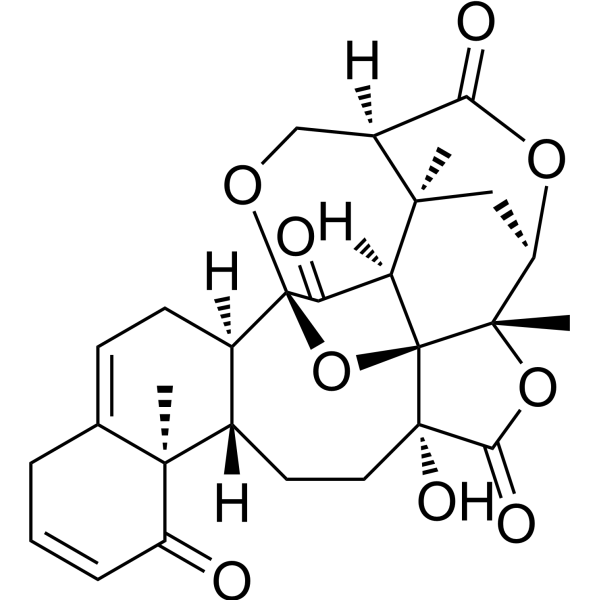
Physalin B is an orally active anti-inflammatory and anticancer agent. Physalin B can be isolated from Physalis alkekengi L. var. Franchetii. Physalin B inhibits the activation of the NF-κB, NLRP3 inflammasome, STAT3, PI3K/Akt and Hedgehog signaling pathways, regulates the phosphorylation levels of GSK-3β, p38 MAPK, ERK1/2 and JNK, and promotes the nuclear translocation of NRF2. Physalin B reduces the levels of pro-inflammatory cytokines and factors, induces mitochondrial reactive oxygen species (mito-ROS) production, Apoptosis, G2/M cell cycle arrest and incomplete Autophagy, alters cytoskeleton structure and alleviates oxidative stress. Physalin B reduces cancer cell viability, ameliorates liver and lung tissue damage and alleviates liver fibrosis. Physalin B can be used in research related to ulcerative colitis, breast cancer, acute lung injury, colon cancer, non-alcoholic steatohepatitis, liver fibrosis, lung cancer, pancreatic cancer, lymphoma, ovarian cancer, sarcoma and leukemia .
loading...
    loading...

