778 Results for "

Stat3

" in MedChemExpress (MCE) Product Catalog:
Products (778)

778 Results for "Stat3" in MCE Product Catalog:

  • Isoforms Recommended:
  • Targets Recommended:
Cat. No.: HY-151954
CAS No.: 2883813-66-7
Target:  

TGF-β Receptor

Research Areas:  

Inflammation/Immunology

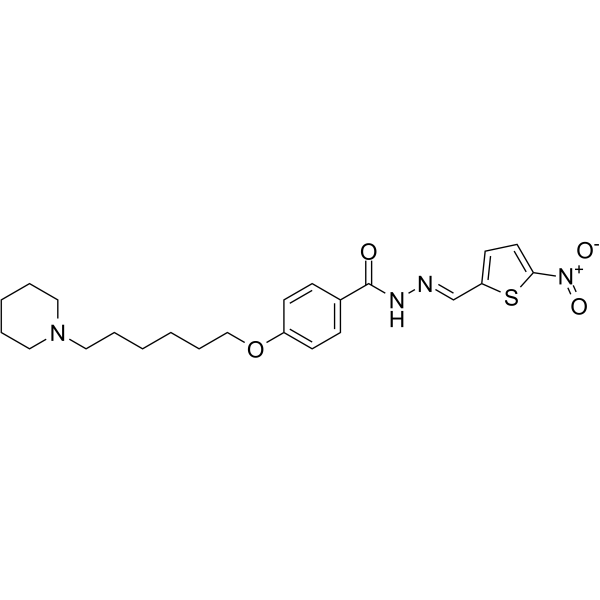
TGFβ1-IN-2 is a diarylacylhydrazones derivative that effectively suppresses the activation and proliferation of fibroblasts. TGFβ1-IN-2 can be used for idiopathic pulmonary fibrosis (IPF) research .
loading...
    loading...
Cat. No.: HY-151955
CAS No.: 2883813-58-7
Target:  

TGF-β Receptor

Research Areas:  

Inflammation/Immunology

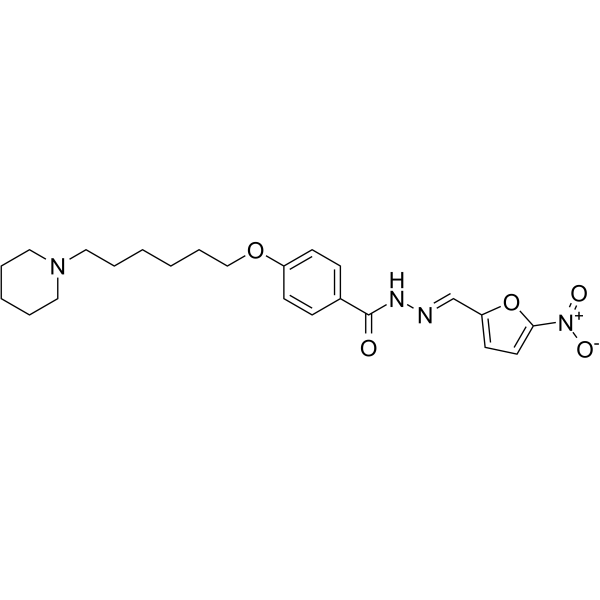
TGFβ1-IN-3 is a diarylacylhydrazones derivative that effectively suppresses the activation and proliferation of fibroblasts. TGFβ1-IN-3 can be used for idiopathic pulmonary fibrosis (IPF) research .
loading...
    loading...
Cat. No.: HY-N13338
CAS No.: 197787-20-5
Avicin D is a plant triterpenoid. Avicin D induces Autophagy by activation of AMPK. Avicin D inhibits mTOR and S6 kinase activity. Avicin D selectively induces Apoptosis and downregulates p-STAT-3, bcl-2, and Survivin. Avicin D has properties of being a selective Glucocorticoid receptor modulator. Avicin D inhibits NF-κB activation. Avicin D shows anti-tumor effects against cutaneous T-cell lymphomas [3].
loading...
    loading...
Cat. No.: HY-143293
CAS No.: 2874264-13-6
Target:  

VEGFR Apoptosis

Research Areas:  

Cancer

VEGFR-IN-3 (compound 3f) is a VEGFR inhibitor. VEGFR-IN-3 inhibits OVCAR-4 and MDA-MB-468 cancer cells growth with IC50s of 0.29 and 0.35 μM, respectively. VEGFR-IN-3 can be used for the research of cancer .
loading...
    loading...
Cat. No.: HY-150101
CAS No.: 1798578-61-6
Research Areas:  

Inflammation/Immunology

LAS194046 is a selective pan-JAK inhibitor, with an IC50 of 5.46 nM against JAK1, 0.4 nM against JAK2, and 2.07 nM against JAK3. LAS194046 reduces the levels of IL-8 and MMP-9. LAS194046 enhances the activation of glucocorticoid response elements by Fluticasone propionate. LAS194046 inhibits T2-type allergic pulmonary inflammation, allergen-induced airway inflammation, and late-phase asthmatic responses in rats. LAS194046 can be used in research related to non-T2 severe asthma, chronic obstructive pulmonary disease, and asthma [3].
loading...
    loading...
Cat. No.: HY-171441
CAS No.: 3063673-73-1
Target:  

PROTACs STAT

Research Areas:  

Inflammation/Immunology Cancer

PROTAC STAT6 degrader-11 is a STAT6 PROTAC degrader that recruits E3 ubiquitin ligase to induce degradation via the proteasomal pathway. STAT6 degrader-1 can be used in the research of cancer and inflammatory diseases .
loading...
    loading...
Cat. No.: HY-184106
CAS No.: 1268273-85-3
Target:  

HSP Apoptosis

Research Areas:  

Cancer

HSP70-IN-9 is an Hsp70 inhibitor that induces caspase-3,7 activation with an IC50 of 25.2 μM. HSP70-IN-9 reversibly binds to the allosteric pocket of the N-terminal domain, disrupts the Hsp70-HOP-Hsp90 mega-complex, and inhibits client protein refolding, thereby inducing apoptosis and degradation of Hsp90-Hsp70 tumor client proteins, ultimately inhibiting cancer cell growth. HSP70-IN-9 can be used for research on breast cancer, pancreatic cancer, and acute myeloid leukemia .
loading...
    loading...
Cat. No.: HY-W102525
CAS No.: 16409-43-1
Target:  

Drug Derivative

Research Areas:  

Others

Rose oxide is a kind of monoterpenoid volatile organic compound with a distinctive rose fragrance. However, rose oxide does not have inhibitory activity against the formation of breast cancer stem cells .
loading...
    loading...
Cat. No.: HY-181926
COX-2/HDAC6-IN-1 (Compound 11e) is a dual COX-2 and HDAC6 inhibitor, with an IC50 of 0.12 μM against HDAC6 and an IC50 of 0.66 μM against COX-2. COX-2/HDAC6-IN-1 enhances the acetylation level of α-tubulin, regulates epigenetic gene expression, and inhibits the expression of pro-inflammatory mediators (COX-2, IL-1β, IL-6 and TNF-α). COX-2/HDAC6-IN-1 promotes Amyloid-β clearance and reduces excessive phosphorylation of Tau protein. COX-2/HDAC6-IN-1 maintains neuronal morphology by stabilizing MAP2, protects synaptic integrity by regulating synapsin, and restores the expression of memory-related genes. COX-2/HDAC6-IN-1 possesses neuroprotective activity and improves learning and memory abilities in Scopolamine (HY-N0296)-induced Alzheimer's disease mouse models. COX-2/HDAC6-IN-1 is applicable to research related to Alzheimer's disease .
loading...
    loading...
Cat. No.: HY-189206
Research Areas:  

Cancer

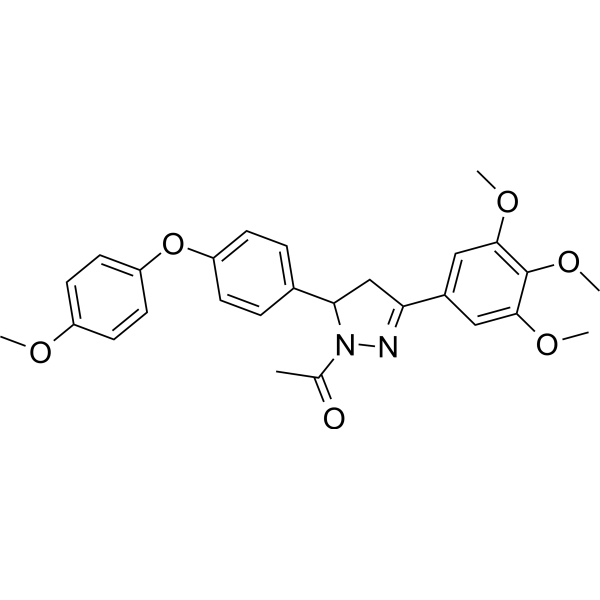
MM129 is an anticancer agent. MM129 inhibits key oncogenic signaling molecules such as AKT, mTOR, and CDK2, and downregulates the expression of PD-L1. MM129 induces cell cycle arrest. MM129 induces Apoptosis. MM129 induces DNA damage. MM129 induces oxidative stress. MM129 exhibits chemosensitizing properties. MM129 restores the expression of E-cadherin. MM129 can be used in the research of colorectal cancer .
loading...
    loading...
Cat. No.: HY-A0031A
CAS No.: 198480-56-7
Synonyms: TSE-424 hydrochloride
Target:  

Estrogen Receptor/ERR

Research Areas:  

Cancer

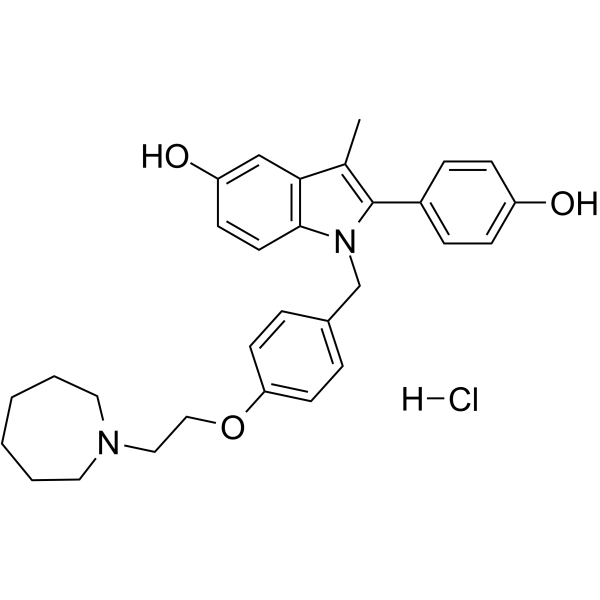
Bazedoxifene hydrochloride (TSE-424 hydrochloride) is an oral active, BBB-penetrant nonsteroidal selective estrogen receptor modulator (SERM), with IC50s of 23 nM and 99 nM for ERα and ERβ, respectively. Bazedoxifene hydrochloride can be used for the research of osteoporosis. Bazedoxifene hydrochloride acts as an inhibitor of IL-6/GP130 protein-protein interactions. Bazedoxifene hydrochloride can be used for the research of pancreatic cancer .
loading...
    loading...
Cat. No.: HY-A0031R
CAS No.: 198481-32-2
Synonyms: TSE-424 (Standard)
Research Areas:  

Cancer

Bazedoxifene (Standard) is the analytical standard of Bazedoxifene. This product is intended for research and analytical applications. Bazedoxifene (TSE-424) is an oral, BBB-penetrant nonsteroidal selective estrogen receptor modulator (SERM), with IC50s of 23 nM and 99 nM for ERα and ERβ, respectively. Bazedoxifene can be used for the research of osteoporosis. Bazedoxifene also acts as an inhibitor of IL-6/GP130 protein-protein interactions and can be used for the research of pancreatic cancer .
loading...
    loading...
Cat. No.: HY-A0036R
CAS No.: 198481-33-3
Synonyms: TSE-424 acetate (Standard)
Research Areas:  

Cancer

Bazedoxifene (acetate) (Standard) is the analytical standard of Bazedoxifene (acetate). This product is intended for research and analytical applications. Bazedoxifene acetate (TSE-424 acetate) is an oral, nonsteroidal selective estrogen receptor modulator (SERM), with IC50s of 23 nM and 99 nM for ERα and ERβ, respectively. Bazedoxifene acetate can be used for the research of osteoporosis. Bazedoxifene acetate also acts as an inhibitor of IL-6/GP130 protein-protein interactions and can be used for the research of pancreatic cancer .
loading...
    loading...
Cat. No.: HY-P5314
CAS No.: 2983020-14-8
Target:  

EGFR STAT

Research Areas:  

Others

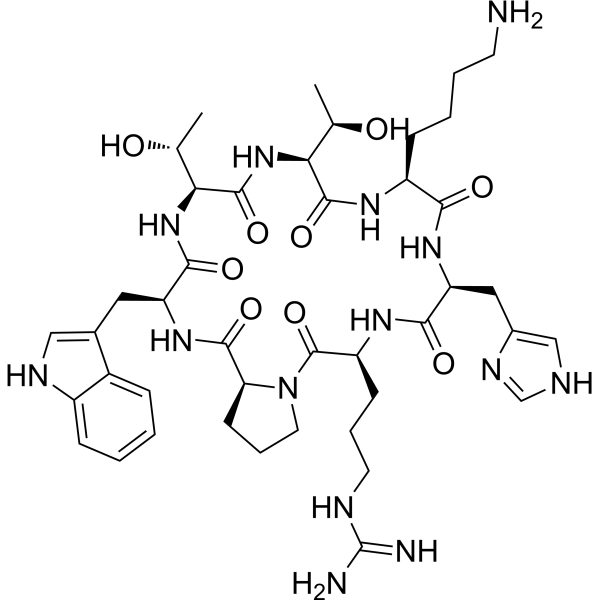
OK2, a specific inhibitor of the CCN2/EGFR interaction, efficiently blocks CCN2/EGFR interaction through binding to the CT domain of CCN2. OK2 can be used for kidney fibrosis and chronic kidney disease research .
loading...
    loading...
Cat. No.: HY-181712
Target:  

IRAK

Research Areas:  

Cancer

IRAK1-IN-2 is an orally active IRAK1 inhibitor and antitumor agent with high selectivity for IRAK4 and other kinases in the same group. IRAK1-IN-2 functionally inhibits IRAK1 and interferes with the TLR/IL-1R signaling pathway. IRAK1-IN-2 suppresses hepatocellular carcinoma-related cellular processes in vitro and in animal models. IRAK1-IN-2 serves as a chemical probe for IRAK1 research and is applicable to studies on hepatocellular carcinoma .
loading...
    loading...
Cat. No.: HY-N3831
CAS No.: 161068-53-7
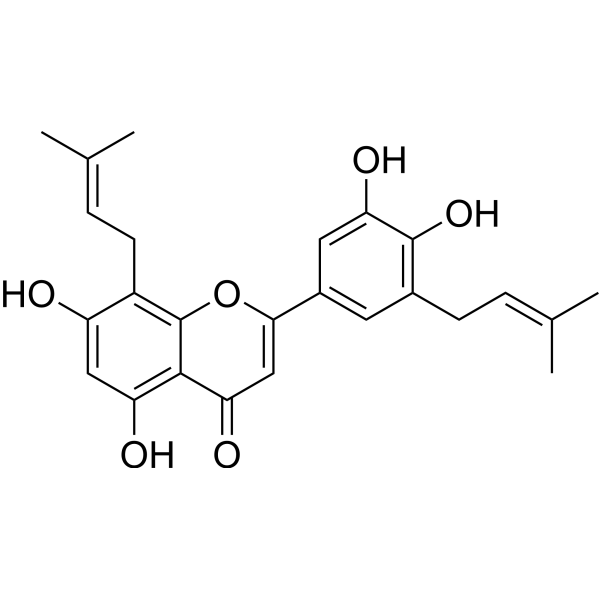
Epimedokoreanin B is a natural flavonoid with anticancer, anti-inflammatory and antibacterial effects. Epimedokoreanin B inhibits the growth of lung cancer cells through endoplasmic reticulum stress-mediated apoptosis accompanied by autophagosome accumulation. Epimedokoreanin B is an anti-periodontitis agent that inhibits gingipains and Porphyromonas gingivalis growth and biofilm formation [3].
loading...
    loading...
Cat. No.: HY-124833
CAS No.: 81-61-8
Purity:  97.1%
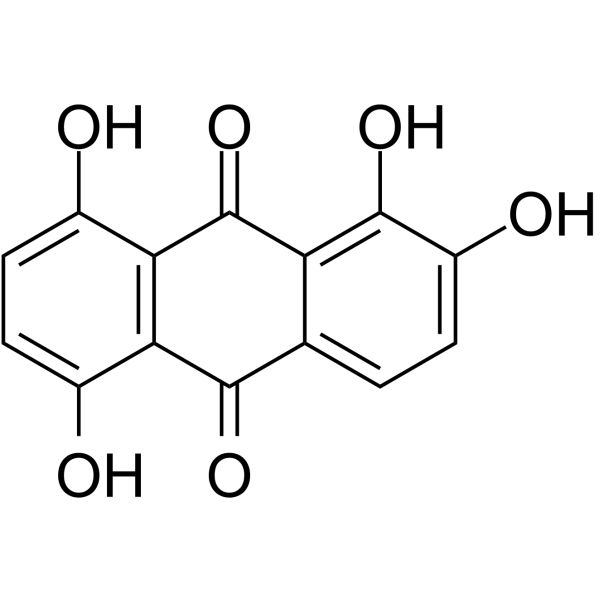
Quinalizarin is a protein kinase CK2 inhibitor with a Ki of 0.052 μM. Quinalizarin exhibits antifungal and anticancer activities. Quinalizarin induces ROS production, apoptotic signaling, mitochondrial pathway activation, cell cycle arrest, and cytotoxicity in cancer cells. Quinalizarin inhibits hyphal growth, biofilm formation, and mature biofilm integrity of Candida albicans. Quinalizarin can be used in research related to cancer and fungal infections [3] .
loading...
    loading...
Cat. No.: HY-150688
CAS No.: 2803329-86-2
Target:  

JNK

Research Areas:  

Cancer

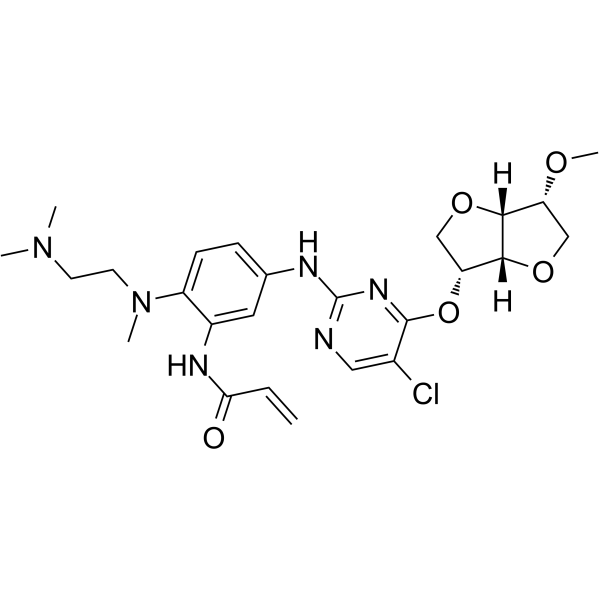
JAK3-IN-13 (compound 12n) is a potent, selective and orally active JAK3 inhibitor with IC50 values of 4728, 2039, 8, 365 nM for NK1, JNK2, JNK3, Tyk2, respectively. JAK3-IN-13 shows antiproliferative activity. JAK3-IN-13 induces cell cycle arrest at G0/G1 phase. JAK3-IN-13 shows antitumor activity .
loading...
    loading...
Cat. No.: HY-15128R
CAS No.: 5300-03-8
Synonyms: Alitretinoin (Standard)
9-cis-Retinoic acid (Standard) is the analytical standard of 9-cis-Retinoic acid. This product is intended for research and analytical applications. 9-cis-Retinoic acid (ALRT1057), a vitamin A derivative, is a potent RAR/RXR agonist. 9-cis-Retinoic acid induces apoptosis, regulates cell cycle and has anticancer, anti-inflammatory and neuroprotection activities[1][2][3][4][5].
loading...
    loading...
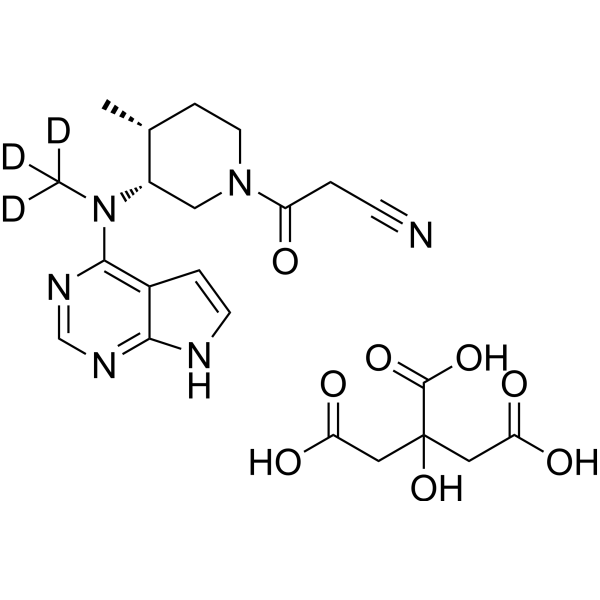
Cat. No.: HY-40354AS
CAS No.: 2701680-77-3
Synonyms: Tasocitinib-d3 citrate; CP-690550-d3 citrate
Tofacitinib-d3 citrate (Tasocitinib-d3 citrate; CP-690550-d3 citrate) is the deuterated-labeled Tofacitinib citrate (HY-40354A). Tofacitinib citrate (Tasocitinib citrate) is an orally active, blood-brain barrier permeable selective inhibitor of JAK1/JAK3. Tofacitinib citrate blocks the JAK-STAT/NF-κB signaling pathway, inhibits cytokine signal transduction, phosphorylation of STAT1/STAT5, and suppresses innate and adaptive immune responses. Tofacitinib citrate can be used in research related to major depressive disorder, rheumatoid arthritis, pulmonary diseases, systemic lupus erythematosus, and immune-mediated liver injury [3] .
loading...
    loading...

