798 Results for "

Inactivation

" in MedChemExpress (MCE) Product Catalog:
Products (798)

798 Results for "Inactivation" in MCE Product Catalog:

Cat. No.: HY-B0710R
CAS No.: 107-43-7
Synonyms: Trimethylglycine (Standard); carboxy-N,N,N-trimethylmethanaminium (Standard)
Betaine (Standard) is the analytical standard of Betaine. This product is intended for research and analytical applications. Betaine (Trimethylglycine) is a natural compound found in many foods and also an active methyl-donor which can maintain normal DNA methylation patterns [1,2]. Betaine is found ubiquitously in plants, animals, microorganisms, and rich dietary sources including seafood, spinach, and wheat bran. Betaine also acts as an osmolyte, to maintain the avian’s cellular water and ion balance to improve the avian’s capacity against heat stress via preventing dehydration and osmotic inactivation. It helps in maintaining the protective osmolytic activity, especially in heat-stressed birds. Betaine may promote various intestinal microbes against osmotic variations and thus improve microbial fermentation activity .
loading...
    loading...
Cat. No.: HY-B1128AR
CAS No.: 30034-03-8
Synonyms: Cephamandole sodium (Standard)
Research Areas:  

Infection

Cefamandole (sodium) (Standard) is the analytical standard of Cefamandole (sodium). This product is intended for research and analytical applications. Cefamandole (Cephamandole) sodium is a semi-synthetic second-generation cephalosporin antibiotic with broad-spectrum antimicrobial activity. Cefamandole sodium is resistant to hydrolysis by β-lactamases produced by some Gram-negative bacteria. Cefamandole sodium kills Gram-positive cocci and various Gram-negative bacilli mainly by inhibiting cell wall synthesis, but it is inactive against Pseudomonas, Proteus vulgaris and Providencia stuartii, and its efficacy is affected by inoculum size. The plasma elimination half-life of Cefamandole sodium in rats is only 0.4 h, it is mainly excreted in urine in biologically active form, and it hardly penetrates the non-inflamed blood-brain barrier. Cefamandole sodium is widely used in studies related to bacterial infections .
loading...
    loading...
Cat. No.: HY-B1361R
CAS No.: 7280-37-7
Synonyms: Piperazine estrone sulfate (Standard); Estrone sulfate piperazine salt (Standard)
Estropipate (Standard) (Piperazine estrone sulfate (Standard); Estrone sulfate piperazine salt (Standard)) is the analytical standard of Estropipate (HY-B1361). This product is intended for research and analytical applications. Estropipate is an inactive endogenous estrogen that can be converted into Estrone (HY-B0234) and Estradiol (HY-B0141). Estropipate is an orally active estrogen receptor α agonist and a selective OATP1B1 inhibitor. Estropipate inhibits OATP1B1-mediated uptake of statin substrates. Estropipate regulates the estrogen signaling pathway and ameliorates sensory processing and arousal-related behavioral deficits in scn1lab-mutant zebrafish. Estropipate can be used in studies related to autism .
loading...
    loading...
Cat. No.: HY-N3387
CAS No.: 30508-27-1
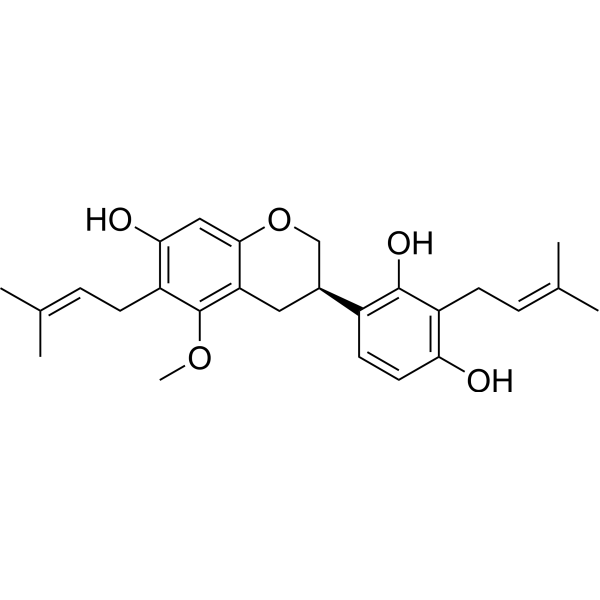
Licoricidin (LCD) is isolated from Glycyrrhiza uralensis Fisch, possesses anti-cancer activities. Licoricidin (LCD) inhibit SW480 cells (IC50=7.2 μM) by inducing cycle arrest, apoptosis and autophagy, and is a potential chemopreventive or chemotherapeutic agent against colorectal cancer . Licoricidin (LCD) inhibits Lung Metastasis by inhibition of tumor angiogenesis and lymphangiogenesis as well as changes in the local microenvironment of tumor tissues the anticarcinogenic effect . Licoricidin enhanced gemcitabine-induced cytotoxicity in Osteosarcoma (OS) cells by inactivation of the Akt and NF-κB pathways in vitro and in vivo . Licoricidin blocks UVA-induced photoaging via ROS scavenging, limits the activity of MMP-1, it can be considered as an active ingredient in new topically applied anti-ageing formulations .
loading...
    loading...
Cat. No.: HY-N3741
CAS No.: 18296-45-2
Synonyms: Didrovaltratum
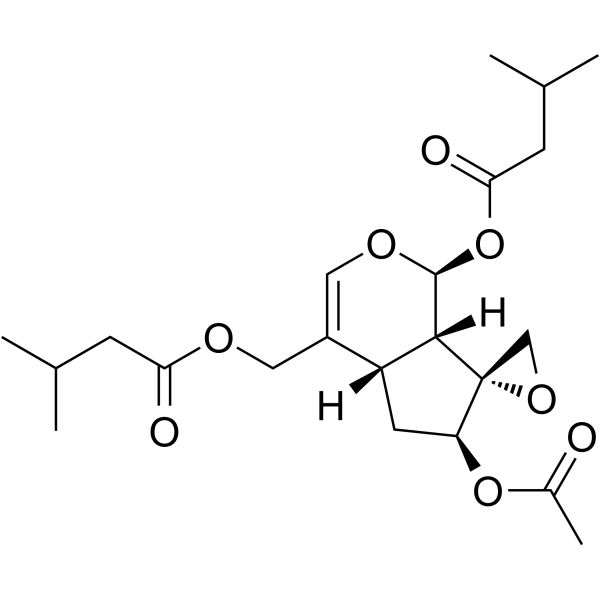
Didrovaltrate (Didrovaltratum) is an L-type calcium channel blocker, ROS scavenger, autophagy enhancer, and lipid accumulation inhibitor. Didrovaltrate blocks L-type calcium currents in a concentration-dependent manner, shifts the current-voltage curve upward, modulates steady-state inactivation kinetics, and inhibits the nuclear translocation of glucocorticoid receptors. Didrovaltrate reduces ROS levels, downregulates the expression of muscle atrophy-related genes, enhances autophagy via lipophagy, and decreases Oleic acid-induced lipid accumulation. Didrovaltrate exhibits cytotoxic activity against cancer cells. Didrovaltrate can be used in research related to skeletal muscle atrophy, non-alcoholic fatty liver disease, breast cancer, lung cancer, gastric cancer, and prostate cancer .
loading...
    loading...
Cat. No.: HY-N8852
CAS No.: 3034-04-6
Synonyms: 6-MeOF
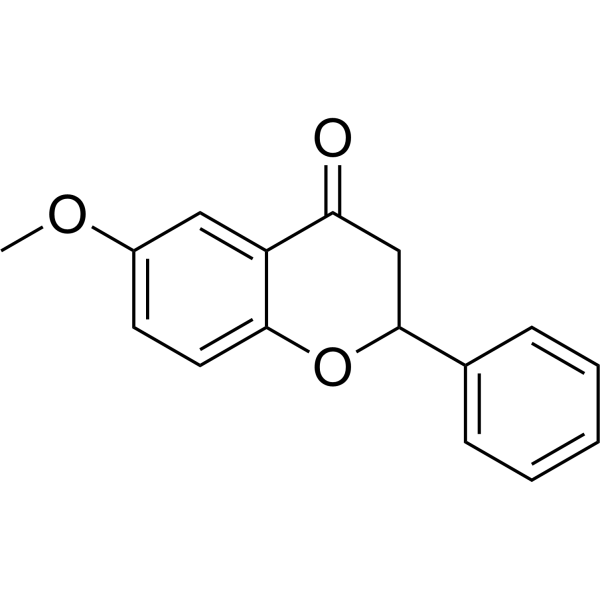
6-Methoxyflavanone (6-MeOF) is a flavonoid compound that can cross the blood-brain barrier. 6-Methoxyflavanone is a positive allosteric modulator of GABAA receptors. 6-Methoxyflavanone exhibits positive allosteric regulatory effects on human recombinant α1β2γ2L and α2β2γ2L GABAA receptors, and is relatively inactive on the α1β2 GABAA receptor. 6-Methoxyflavanone showes inhibitory behavior towards the activation of bitter receptor hTAS2R39 and hTAS2R14, demonstrating a reversible and non-overcome antagonistic effect. 6-Methoxyflavanone has the effects of anti-anxiety, analgesia and relief of neuropathic pain .
loading...
    loading...
Cat. No.: HY-P2307
CAS No.: 847829-41-8
Target:  

iGluR NO Synthase

Research Areas:  

Neurological Disease

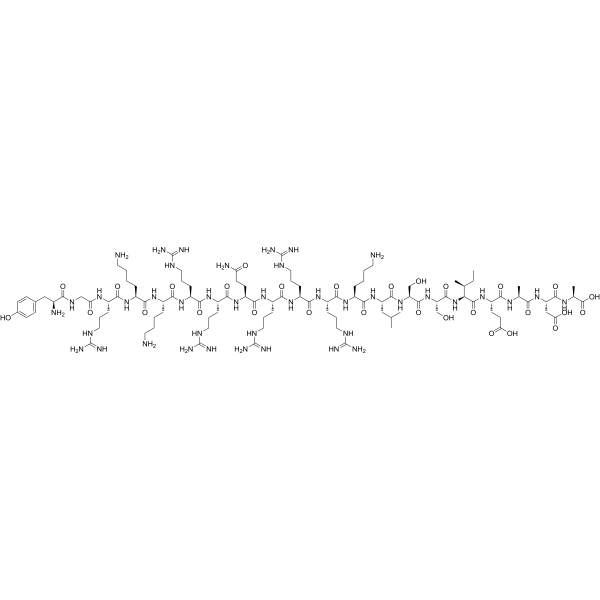
Tat-NR2BAA is the control peptide of Tat-NR2B9c (HY-P0117), inactive. The sequence of Tat-NR2BAA is similar to Tat-NR2B9c, but it has a double-point mutation in the COOH terminal tSXV motif, making it incapable of binding PSD-95. Tat-NR2B9c is a membrane-permeant peptide and disrupts PSD-95/NMDAR binding, correlate with uncoupling NR2B- and/or NR2A-type NMDARs from PSD-95 .
loading...
    loading...
Cat. No.: HY-P2307A
Target:  

iGluR NO Synthase

Research Areas:  

Neurological Disease

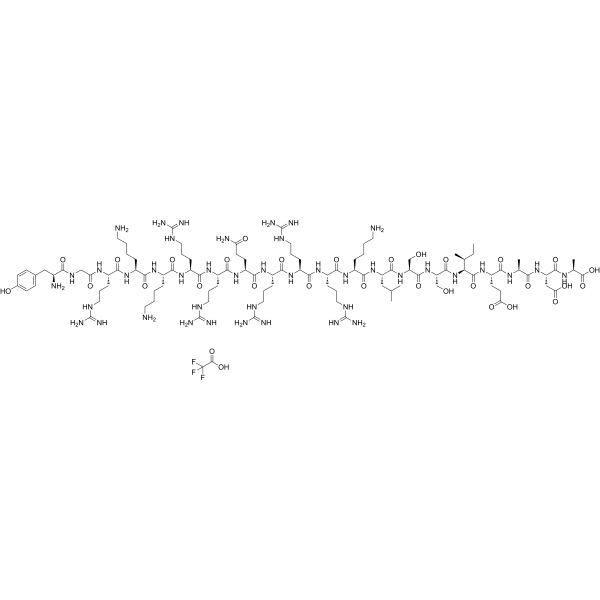
Tat-NR2BAA TFA is the control peptide of Tat-NR2B9c (HY-P0117), inactive. The sequence of Tat-NR2BAA TFA is similar to Tat-NR2B9c, but it has a double-point mutation in the COOH terminal tSXV motif, making it incapable of binding PSD-95. Tat-NR2B9c is a membrane-permeant peptide and disrupts PSD-95/NMDAR binding, correlate with uncoupling NR2B- and/or NR2A-type NMDARs from PSD-95 .
loading...
    loading...
Cat. No.: HY-P2310A
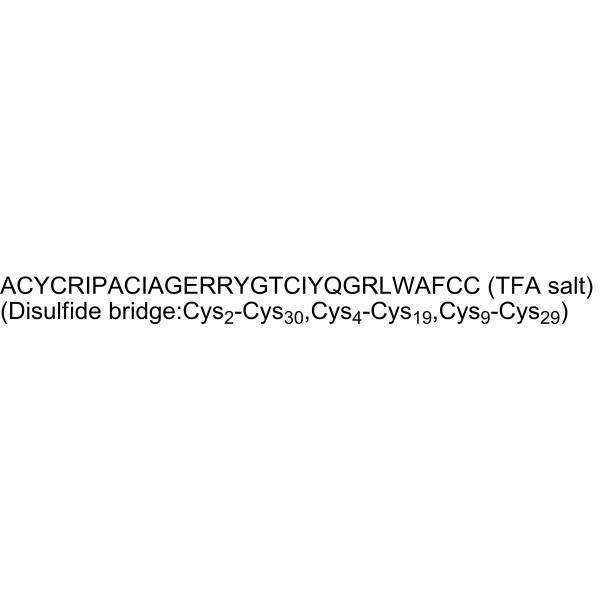
Defensin HNP-1 human TFA is a type of human neutrophil peptide (HNPs). Defensin HNP-1 human TFA possesses immunomodulatory functions and can delay the apoptosis of neutrophils. Defensin HNP-1 human TFA inhibits DNA/RNA/protein synthesis and interferes with metabolic pathways, thus exhibiting broad antibacterial activity. Defensin HNP-1 human TFA has direct inactivation effects on HIV, HSV-1, HSV-2, CMV, influenza virus, etc. Defensin HNP-1 human TFA has antileishmanial activity. Defensin HNP-1 human TFA is involved in endothelial cell dysfunction during the early development of atherosclerosis .
loading...
    loading...
Cat. No.: HY-P4827
CAS No.: 521986-14-1
Target:  

PTHR

Research Areas:  

Metabolic Disease

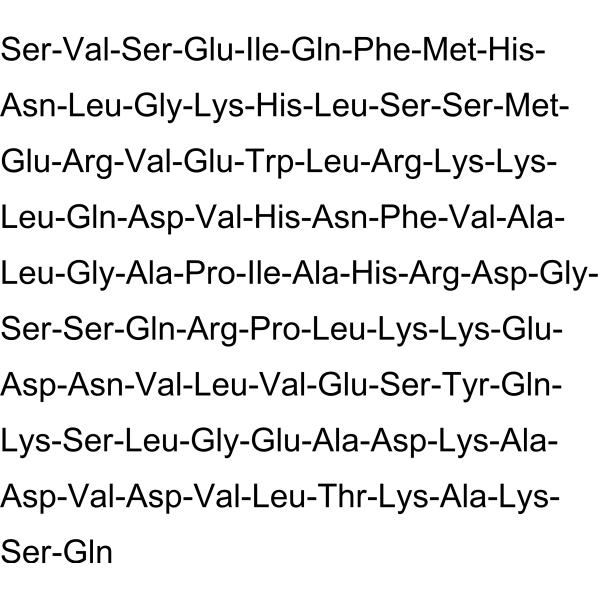
pTH (1-84) dog is a biologically active full-length canine parathyroid hormone, as well as an agonist of PTHR. pTH (1-84) dog can be detected by the "intact" PTH (W-PTH) assay, thus effectively distinguishing inactive C-terminal fragments. In terms of metabolic regulation, it rapidly and persistently stimulates hepatic glucose release, hepatic alanine uptake, and alanine-based gluconeogenesis in conscious fasted dogs, and causes a secondary increase in circulating canine insulin levels due to enhanced glucose release. However, high doses of pTH (1-84) (dog) may induce adverse reactions such as hypercalcemia in dogs. Based on the above characteristics, this hormone can be widely used in studies related to canine hyperadrenocorticism (HAC) .
loading...
    loading...
Cat. No.: HY-P992448

Target:  

PD-1/PD-L1

Research Areas:  

Cancer

RC98 is a monoclonal antibody targeting programmed cell death ligand 1 (PD-L1) and acts as a selective PD-L1 inhibitor. RC98 binds specifically to human and cynomolgus monkey PD-L1. RC98 blocks the interaction between PD-L1 and its receptor PD-1 to reverse T-cell inactivation mediated by PD-1/PD-L1 signaling. RC98 enhances the cytotoxic T-lymphocyte-mediated anti-tumor immune response against PD-L1-expressing tumor cells. RC98 can be used for the research of tumor immunity and solid tumors .
loading...
    loading...
Cat. No.: HY-L049
1,994 compounds

Antibacterial agents are a group of materials that fight against pathogenic bacteria. Thus, by killing or reducing the metabolic activity of bacteria, their pathogenic effect in the biological environments will be minimized. The most widely used antibacterial agents exert their effects on bacterial cell wall synthesis, protein synthesis, DNA replication and metabolic pathways. However, resistance to antimicrobial agents has become a major source of morbidity and mortality worldwide. The main mechanisms of resistance are limiting uptake of a drug, modification of a drug target, inactivation of a drug, and active efflux of a drug. Therefore, it is an urgent need to develop new drugs targeted at resistant organisms.

MCE offers a unique collection of 1,994 compounds with validated antibacterial activities. MCE antibacterial compound library is an effective tool for drug repurposing screening, combination screening and biological investigation.

Cat. No.: HY-142029
CAS No.: 215996-42-2
Target:  

Sodium Channel

Research Areas:  

Neurological Disease

(3β)-Allopregnanolone sulfate sodium is a Nav1.3 α-subunit inhibitor (IC50: 75 μM for Nav1.3 + β1; 26 μM for Nav1.3 + β3). (3β)-Allopregnanolone sulfate sodium is involved in the analgesic mechanism of Allopregnanolone. (3β)-Allopregnanolone sulfate (sodium) can be used in the research of neuropathic pain .
loading...
    loading...
Cat. No.: HY-178963
CAS No.: 7469-49-0
Research Areas:  

Neurological Disease

Nav1.2-IN-2 is a Nav1.2 inhibitor with a human IC50 of 0.18 μM. Nav1.2-IN-2 preferentially binds to the inactivated state of Nav1.2, reduces window current, suppresses neuronal depolarization and action potential generation. Nav1.2-IN-2 suppresses Veratridine (HY-N6691)-induced Ca 2+ influx. Nav1.2-IN-2 can be used for the research of epilepsy .
loading...
    loading...
Cat. No.: HY-189471
Research Areas:  

Cancer

VEGFR2/C-RAF kinase-IN-1 is a type II dual kinase inhibitor targeting VEGFR2 and C-RAF, with IC50 values of 12.22 nM and 38.04 nM, respectively. VEGFR2/C-RAF kinase-IN-1 binds VEGFR2 and CRAF in a Type-II mode and inhibits the downstream Raf-MEK-ERK signaling cascade. VEGFR2/C-RAF kinase-IN-1 induces cell cycle arrest, apoptosis, and intracellular ROS accumulation in H1299 cells, while partially inhibiting P-gp efflux function. VEGFR2/C-RAF kinase-IN-1 can be used for cancer research, such as non-small cell lung cancer and liver cancer .
loading...
    loading...
Cat. No.: HY-111152R
CAS No.: 912798-42-6
Research Areas:  

Cancer

ML115 (Standard) is the analytical standard of ML115 (HY-111152). This product is intended for research and analytical applications. ML115, a molecular probe of the signal transducer, is a selective STAT3 agonist, with an EC50 of 2 nM. ML115 increases the expression of BCL3, a known STAT3-dependent oncogene. ML115 is inactive against the related STAT1, STAT5 and NF-κB anti-targets. ML115 counteracts the effects of Ginsenoside Rc (HY-N0042) on cell viability and inflammatory responses in LPS (HY-D1056)-stimulated H9c2 and RAW264.7 cells, while altering oxidative stress markers. ML115 can be used for the study of breast and prostate cancers .
loading...
    loading...
Cat. No.: HY-147099
Purity:  97.8%
Target:  

PROTACs FKBP

Research Areas:  

Cancer

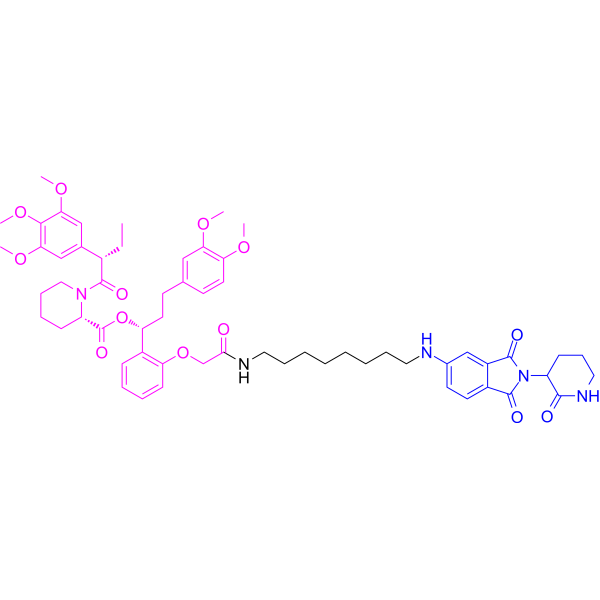
dTAG-47-NEG is an inactive bifunctional negative control PROTAC and also the diastereomer of dTAGV-1 (HY-145514D). dTAG-47-NEG does not reduce the level of BCL11A-FKBP12 F36V, nor does it induce the degradation of BCL11A-FKBP12 F36V, proteins tagged with FKBP12 F36V, wild-type FKBP12, FKBP12 F36V-KRAS G12V or FKBP12 F36V-EWS/FLI. dTAG-47-NEG exerts no antiproliferative effect in cancer cells .
loading...
    loading...
Cat. No.: HY-18729B
CAS No.: 141968-19-6
Synonyms: NG-Nitro-D-arginine methyl ester
D-NAME (NG-Nitro-D-arginine methyl ester) is an orally active enantiomer of L-NAME (HY-18729). D-NAME inhibits Nitric oxide synthase activity in myocardium and aorta (Note: D-NAME was once classified as an inactive substance and used as a negative control in nitric oxide synthase inhibition studies), induces increases in systolic blood pressure and mean arterial blood pressure, reduces mesenteric arterial conductance, elevates the ratio of left ventricular weight to body weight, induces myocardial fibrosis, increases the cross-sectional area of aortic wall, enhances mesenteric vasodilation induced by nitrovasodilators, and releases nitric oxide via its guanidino nitro group. D-NAME has no effect on ovalbumin-induced pulmonary eosinophilia in sensitized mice. D-NAME can be used in hypertension-related research .
loading...
    loading...
Cat. No.: HY-B0710S
CAS No.: 309762-22-9
Synonyms: Trimethylglycine-13C3; Carboxy-N,N,N-trimethylmethanaminium-13C3
Betaine- 13C3 (Trimethylglycine- 13C3) is the 13C labeled isotope of Betaine (HY-B0710). Betaine (Trimethylglycine) is a natural compound found in many foods and also an active methyl-donor which can maintain normal DNA methylation patterns [1,2]. Betaine is found ubiquitously in plants, animals, microorganisms, and rich dietary sources including seafood, spinach, and wheat bran. Betaine also acts as an osmolyte, to maintain the avian’s cellular water and ion balance to improve the avian’s capacity against heat stress via preventing dehydration and osmotic inactivation. It helps in maintaining the protective osmolytic activity, especially in heat-stressed birds. Betaine may promote various intestinal microbes against osmotic variations and thus improve microbial fermentation activity .
loading...
    loading...
Cat. No.: HY-B0874R
CAS No.: 67375-30-8
Synonyms: FMC 45497 (Standard); Fendona (Standard); WL 85871 (Standard)
Alpha-Cypermethrin (Standard) (FMC 45497 (Standard); Fendona (Standard); WL 85871 (Standard)) is the analytical standard of Alpha-Cypermethrin (HY-B0874). This product is intended for research and analytical applications. Alpha-Cypermethrin (FMC 45497; Fendona; WL 85871) is a type II pyrethroid insecticide. Alpha-Cypermethrin acts by delaying the inactivation of voltage-gated sodium channels, prolonging sodium tail currents, and triggering repetitive neural discharges. Alpha-Cypermethrin exhibits knockdown and lethal activity against target insects such as Musca domestica and Anopheles culicifacies. Alpha-Cypermethrin induces neurotoxicity in mammals, alters placental and fetal neurodevelopment, and causes acute mortality in fish. Alpha-Cypermethrin can be used in studies related to neurotoxicity, vector-borne diseases, and malaria .
loading...
    loading...

