

490 Results for "

competitive binding

" in MedChemExpress (MCE) Product Catalog:
Products (490)

490 Results for "competitive binding" in MCE Product Catalog:

1
1 Cited Publications
Cat. No.: HY-Y0258A
CAS No.: 23239-88-5
Research Areas:  

Neurological Disease

Benzocaine hydrochloride is an orally active local anesthetic. Benzocaine hydrochloride non-competitively inhibits the binding of Ca-ATPase to Ca 2+, with an IC50 of 47.1 mM. Benzocaine hydrochloride exerts anesthetic effects by blocking voltage-gated sodium channels. Benzocaine hydrochloride induces methemoglobinemia in various experimental animals .
loading...
    loading...
1
1 Cited Publications
Cat. No.: HY-12062
CAS No.: 391210-00-7
Purity:  99.91%
Target:  

MEK

Research Areas:  

Cancer

PD318088 is a potent, allosteric and non-ATP competitive MEK1/2 inhibitor, an analog of PD184352 (HY-50295). PD318088 binds simultaneously with ATP in a region of the MEK1 active site that is adjacent to the ATP-binding site. PD318088 can be used for cancer research .
loading...
    loading...
1
1 Cited Publications
Cat. No.: HY-A0019A
CAS No.: 199739-10-1
Synonyms: 9-Hydroxyrisperidone palmitate
Research Areas:  

Neurological Disease

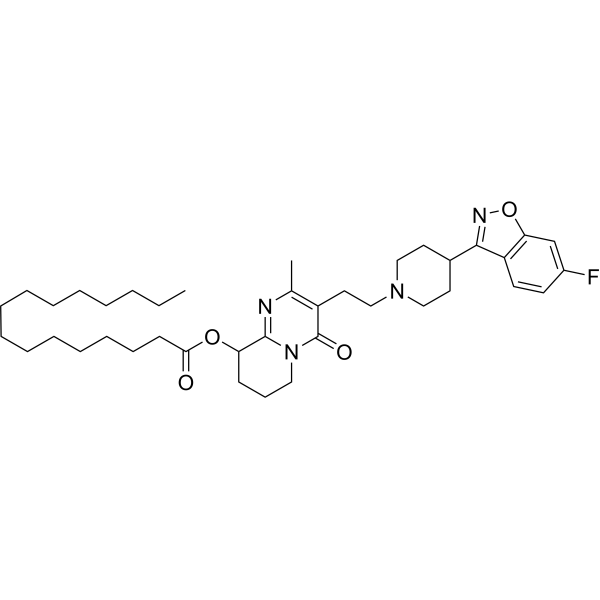
Paliperidone palmitate is an orally effective competitive antagonist of dopamine D2 receptors and 5-hydroxytryptamine 2A (5-HT2A) receptors that can cross the blood-brain barrier. Paliperidone palmitate competitively inhibits the effects of dopamine and 5-hydroxytryptamine by binding to dopamine D2 receptors and 5-HT2A receptors, regulating the balance of the neurotransmitter system and thus exerting antipsychotic activity. Paliperidone palmitate is mainly used in the research field of schizophrenia .
loading...
    loading...
1
1 Cited Publications
Cat. No.: HY-134266
CAS No.: 23567-96-6
Purity:  98.81%
Synonyms: 8-Bromoadenosine 5'-monophosphate; 8-Bromoadenylic acid
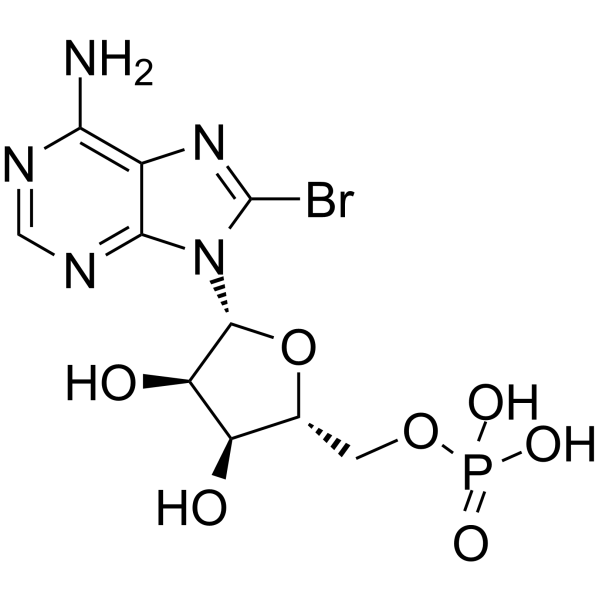
8-Bromo-AMP (8-Bromoadenosine 5'-monophosphate) is an AMP analog. 8-Bromo-AMP inhibits ADP-dependent glucokinase (ADPGK). 8-Bromo-AMP competitively inhibits ADPGK by binding to the nucleotide-binding site, inducing conformational changes, and acting on catalytic residues. 8-Bromo-AMP non-competitively inhibits rat adenylate kinase isozymes AK-M, AK II, and AK III. 8-Bromo-AMP inhibits T cell activation-induced ROS production and ROS-dependent IL-2 and IκB expression. 8-Bromo-AMP is used in research on cancer and myocardial ischemia-reperfusion injury .
loading...
    loading...
1
1 Cited Publications
Cat. No.: HY-N10403
CAS No.: 5976-61-4
Synonyms: 4-Hydroxy-17β-estradiol
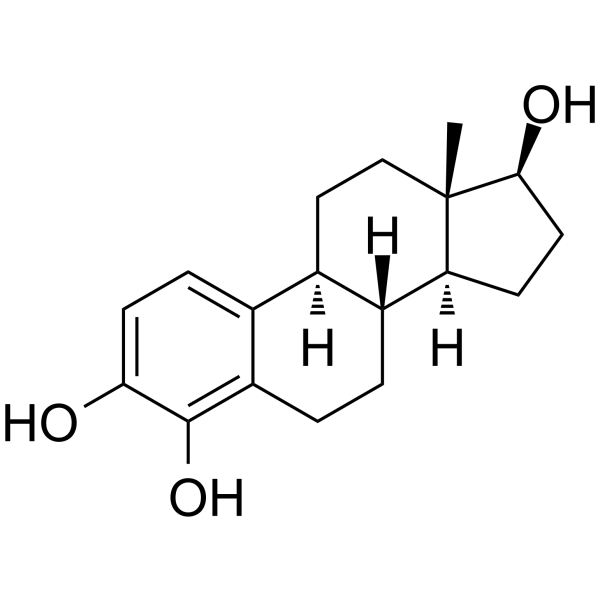
4-Hydroxyestradiol (4-Hydroxy-17β-estradiol) is an endogenous metabolite of Estradiol (HY-B0141). 4-Hydroxyestradiol is carcinogenic and shows mutagenic activity in breast epithelial cells. 4-Hydroxyestradiol inhibits the binding of Estradiol to the estrogen receptor in a competitive manner, with a Ki of 0.48 nM .
loading...
    loading...
1
1 Cited Publications
Cat. No.: HY-D0896
CAS No.: 82-76-8
Synonyms: ANSA; 8-Anilino-1-naphthalenesulfonic acid
ANS (8-Anilino-1-naphthalenesulfonic acid) is a competitive inhibitor targeting thyroxine binding globulin (TBG) (Ki=2.09×10 6 M -1). ANS is used in radioimmunoassay by displacing bound triiodothyronine (T3) to improve detection sensitivity. ANS can block the protein binding site of T3 and release free T3 for antibody recognition. As a fluorescent probe, ANS can specifically bind to the hydrophobic region of proteins (such as membrane proteins) and monitor the dynamics of protein conformation through changes in fluorescent signals. It is widely used in biochemical research and antibacterial material development .
loading...
    loading...
1
1 Cited Publications
Cat. No.: HY-107631
CAS No.: 76676-34-1
Purity:  ≥98.0%
Synonyms: RU 28318
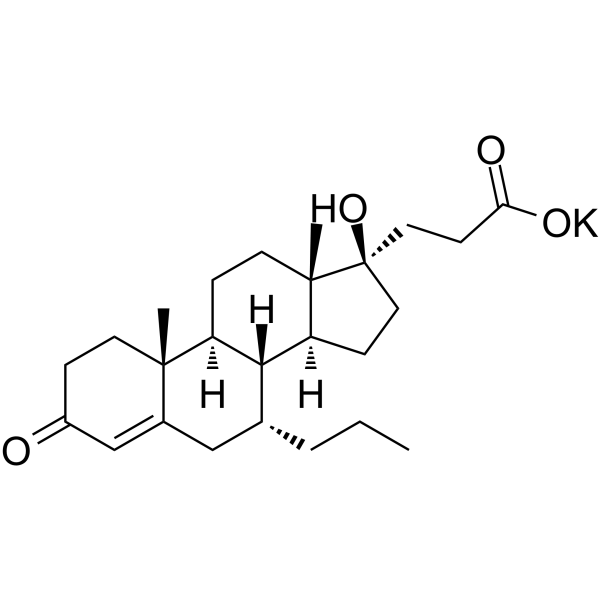
Oxprenoate (RU 28318) potassium is an orally active, brain-penetrant selective mineralocorticoid receptor antagonist that blocks Aldosterone (HY-113313) signaling through competitive binding to MR, and exhibits anxiolytic and neuroprotective activities, as well as modulates Corticosterone (HY-B1618) levels. Oxprenoate potassium is used in research on hypertension, anxiety disorders, depression, Alzheimer's disease, and glucocorticoid-related neuronal injury .
loading...
    loading...
1
1 Cited Publications
Cat. No.: HY-P99014
CAS No.: 1864871-20-4
Synonyms: ARGX-110

Research Areas:  

Inflammation/Immunology Cancer

Cusatuzumab (ARGX-110) is a selective competitive blocker targeting CD70 (with an equilibrium dissociation constant of 17 pM for binding to human CD70). Cusatuzumab also possesses enhanced antibody-dependent cell-mediated cytotoxicity (ADCC) activity. It is a humanized IgG1 monoclonal antibody, artificially synthesized through humanization and genetic engineering modifications (CH2 region mutation to enhance effector function). Cusatuzumab has a dual mechanism of action: firstly, it competitively blocks the interaction between CD70 and CD27, inhibiting the CD27-NF-κB signaling pathway, reducing regulatory T cell (Treg) activation and tumor cell proliferation; secondly, by enhancing binding to FcγRIIIa, it mediates ADCC and antibody-dependent cellular phagocytosis (ADCP), directly lysing CD70-positive tumor cells. Cusatuzumab can efficiently eliminate leukemia stem cells (LSCs), induce tumor cell differentiation and apoptosis, restore immune surveillance, and target CD70-positive tumors. Cusatuzumab is used in the study of acute myeloid leukemia (AML) .
loading...
    loading...
1
1 Cited Publications
Cat. No.: HY-P99675
CAS No.: 2428381-53-5
Synonyms: AK112

Target:  

PD-1/PD-L1 VEGFR

Research Areas:  

Cancer

Ivonescimab (AK112) is a PD-1/VEGF bispecific antibody. Ivonescimab competitively inhibiting PD-1/PD-L1 interaction, reversing the immunosuppression mediated by it, and blocks the binding of VEGF-A to VEGFR2, inhibiting tumour angiogenesis in the tumour microenvironment. Ivonescimab also has significantly anticancer activity against EGFR-mutated locally advanced or metastatic non-squamous non-small cell lung cancer (NSCL) .
loading...
    loading...
1
1 Cited Publications
Cat. No.: HY-131146
CAS No.: 43056-63-9
Purity:  99.89%
Synonyms: 3-Amino-5-morpholinomethyl-2-oxazolidone
Target:  

Drug Metabolite

Research Areas:  

Infection

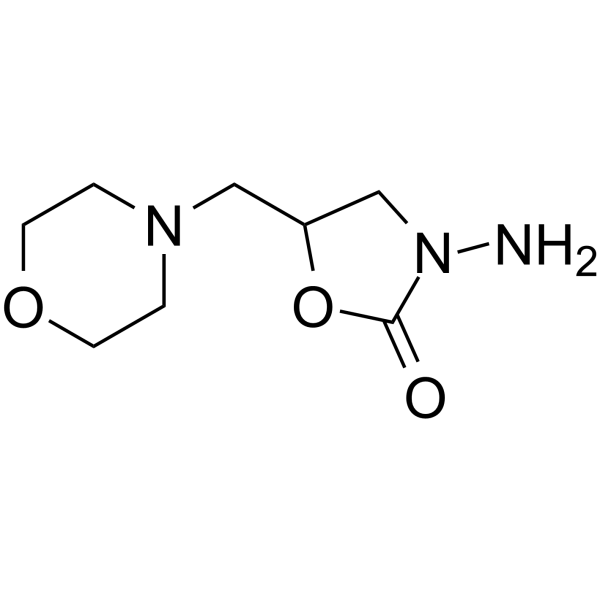
AMOZ is a carcinogenic metabolite of Furaltadone (HY-B1148A), which forms stable tissue residues by covalently binding to proteins as a hapten. AMOZ can be coupled with carrier proteins (such as BSA/OVA) to induce immune response and is released after acid hydrolysis. AMOZ residues can be detected by competitive ELISA method, and the detection limit in the monoclonal antibody 2E5.1 test is as low as 0.16 μg/kg (shrimp sample). AMOZ can be used as a typical marker to monitor drug residues in animal-derived foods in the field of food safety[1][2].
loading...
    loading...
1
1 Cited Publications
Cat. No.: HY-N0215S1
CAS No.: 17942-32-4
Synonyms: (S)-2-Amino-3-phenylpropionic acid-d8
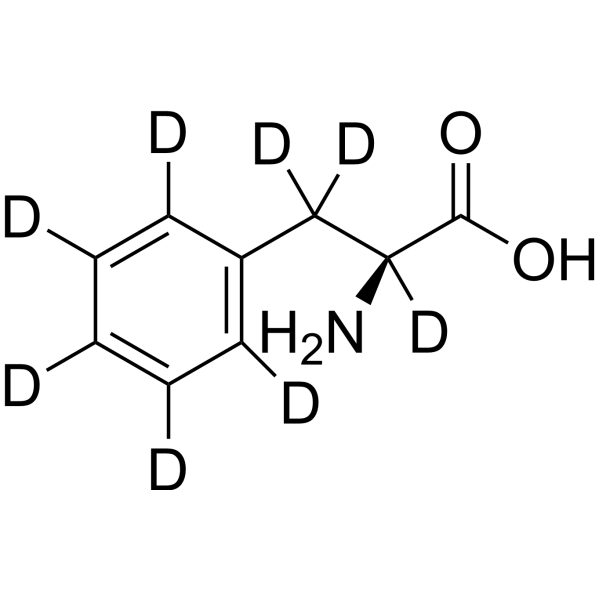
L-Phenylalanine-d8 is the deuterium labeled L-Phenylalanine. L-Phenylalanine ((S)-2-Amino-3-phenylpropionic acid) is an essential amino acid isolated from Escherichia coli. L-Phenylalanine is a α2δ subunit of voltage-dependent Ca+ channels antagonist with a Ki of 980 nM. L-phenylalanine is a competitive antagonist for the glycine- and glutamate-binding sites of N-methyl-D-aspartate receptors (NMDARs) (KB of 573 μM ) and non-NMDARs, respectively. L-Phenylalanine is widely used in the production of food flavors and pharmaceuticals .
loading...
    loading...
1
1 Cited Publications
Cat. No.: HY-N0215S12
CAS No.: 56253-90-8
Synonyms: (S)-2-Amino-3-phenylpropionic acid-d5
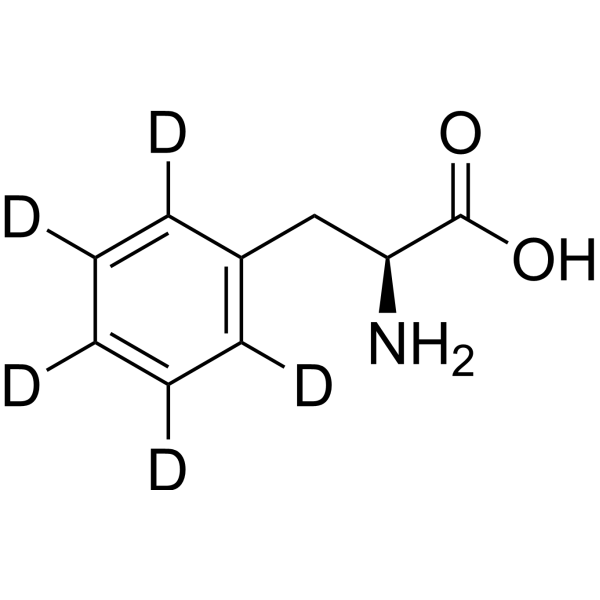
L-Phenylalanine-d5 is the deuterium labeled L-Phenylalanine. L-Phenylalanine ((S)-2-Amino-3-phenylpropionic acid) is an essential amino acid isolated from Escherichia coli. L-Phenylalanine is a α2δ subunit of voltage-dependent Ca+ channels antagonist with a Ki of 980 nM. L-phenylalanine is a competitive antagonist for the glycine- and glutamate-binding sites of N-methyl-D-aspartate receptors (NMDARs) (KB of 573 μM ) and non-NMDARs, respectively. L-Phenylalanine is widely used in the production of food flavors and pharmaceuticals .
loading...
    loading...
1
1 Cited Publications
Cat. No.: HY-P1656
CAS No.: 586962-44-9
(D-Pro7)-Angiotensin I/II (1-7) is a potent Mas receptor inhibitor with a Ki of 0.001 μM for rat receptors. (D-Pro7)-Angiotensin I/II (1-7) competitively blocks the binding of Angiotensin-(1-7) to the Mas receptor and attenuates the vasodilatory effect of rat aortas under physiological and hypertensive conditions. (D-Pro7)-Angiotensin I/II (1-7) can be used for studies on the function of the renin-angiotensin system and the pathological mechanisms of hypertension .
loading...
    loading...
1
1 Cited Publications
Cat. No.: HY-P3443
Synonyms: PNA
Peanut agglutinin (PNA) is a carbohydrate-recognition protein that binds competitively and irreversibly to cell-surface β-D-Gal (1-3)-GalNAc, and this binding can be inhibited by D-galactose and asialofetuin. Peanut agglutinin recognizes exposed glycoepitopes and reflects the glycosylation status of cells. Peanut agglutinin can label glycoconjugates at neuromuscular junctions to safely visualize synaptic structures. Peanut agglutinin can be used to synthesize dyes to distinguish between normal and tumor tissues. Peanut agglutinin provides support for research on leukemia, Burkitt's tumors, and cutaneous squamous lesions .
loading...
    loading...
1
1 Cited Publications
Cat. No.: HY-156395
CAS No.: 3044099-90-0
Purity:  98.05%
Target:  

E1/E2/E3 Enzyme

Research Areas:  

Others

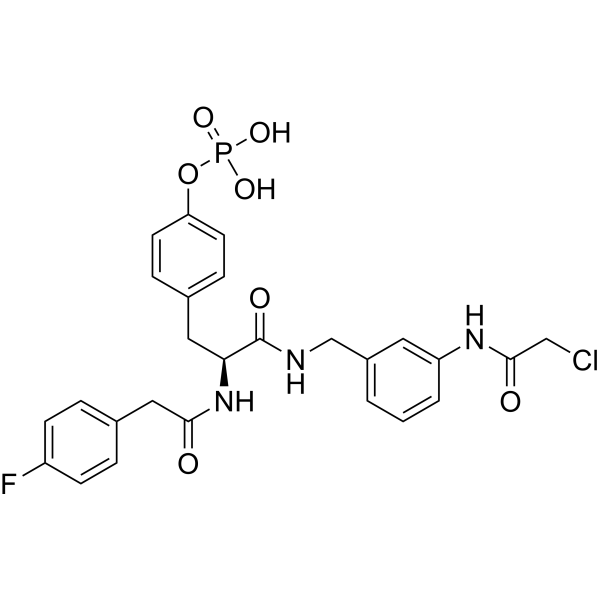
MN551 is a covalent modulator of SOCS2 and CISH, with selectivity for SOCS2 and CISH over SOCS4. MN551 covalently modifies Cys111 in the SH2 domain of SOCS2 and Cys144 in the EF loop of the CISH SH2 domain, while only minimally modifying Cys471 in the BG loop of the SOCS6 SH2 domain. MN551 increases the thermal stability of the recombinant SOCS2-ElonginB-ElonginC complex and competitively blocks the binding of SOCS2 to its substrate; when delivered via the prodrug MN714, it blocks the intracellular recruitment of substrates by SOCS2. MN551 can serve as a chemical probe for investigating the biological functions of SOCS2 and its CRL5 complex, and also act as an E3 ligase-binding module in proteolysis-targeting chimeras (PROTACs) .
loading...
    loading...
1
1 Cited Publications
Cat. No.: HY-121638A
CAS No.: 1815598-71-0
Purity:  95.12%
Research Areas:  

Cancer

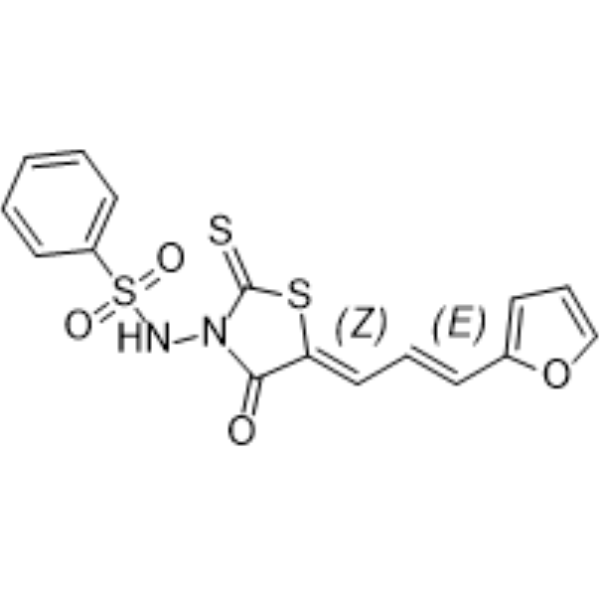
(5Z,2E)-CU-3 is an isomer of CU-3 (HY-121638). CU-3 is a DGKα inhibitor with an IC50 of 0.6 μM. CU-3 competitively reduces DGKα’s affinity for ATP via binding to the enzyme’s catalytic region. CU-3 induces apoptosis in cancer cells. CU-3 promotes T-cell activation and enhances IL-2 production. CU-3 can be used for the research of hepatocellular carcinoma and cervical cancer .
loading...
    loading...
1
1 Cited Publications
Cat. No.: HY-N0215S2
CAS No.: 81201-86-7
Synonyms: (S)-2-Amino-3-phenylpropionic acid-13C
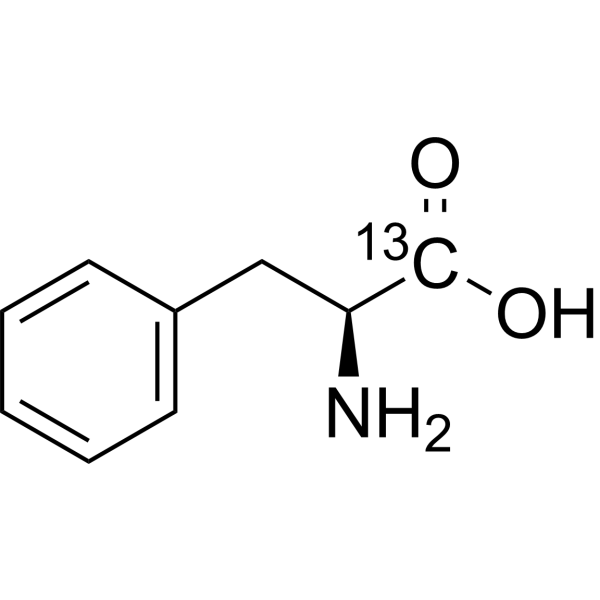
L-Phenylalanine- 13C is the 13C-labeled L-Phenylalanine. L-Phenylalanine ((S)-2-Amino-3-phenylpropionic acid) is an essential amino acid isolated from Escherichia coli. L-Phenylalanine is a α2δ subunit of voltage-dependent Ca+ channels antagonist with a Ki of 980 nM. L-phenylalanine is a competitive antagonist for the glycine- and glutamate-binding sites of N-methyl-D-aspartate receptors (NMDARs) (KB of 573 μM ) and non-NMDARs, respectively. L-Phenylalanine is widely used in the production of food flavors and pharmaceuticals .
loading...
    loading...
1
1 Cited Publications
Cat. No.: HY-N0215S7
CAS No.: 136056-02-5
Synonyms: (S)-2-Amino-3-phenylpropionic acid-3-13C
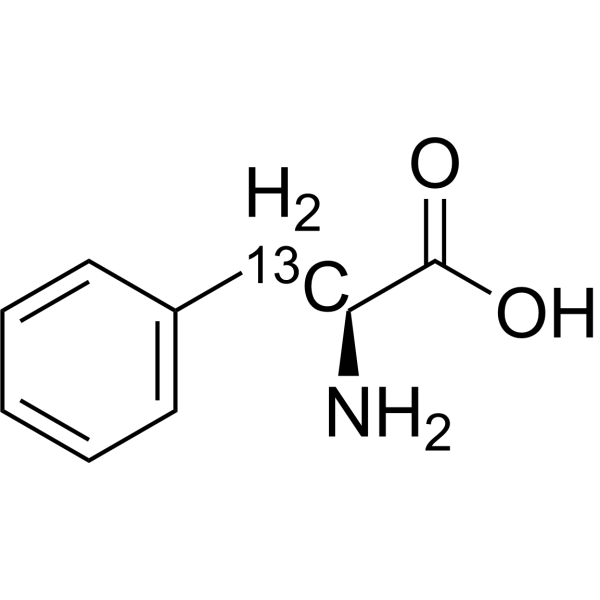
L-Phenylalanine-3- 13C is the 13C-labeled L-Phenylalanine. L-Phenylalanine ((S)-2-Amino-3-phenylpropionic acid) is an essential amino acid isolated from Escherichia coli. L-Phenylalanine is a α2δ subunit of voltage-dependent Ca+ channels antagonist with a Ki of 980 nM. L-phenylalanine is a competitive antagonist for the glycine- and glutamate-binding sites of N-methyl-D-aspartate receptors (NMDARs) (KB of 573 μM ) and non-NMDARs, respectively. L-Phenylalanine is widely used in the production of food flavors and pharmaceuticals .
loading...
    loading...
1
1 Cited Publications
Cat. No.: HY-N0215S8
CAS No.: 180268-82-0
Synonyms: (S)-2-Amino-3-phenylpropionic acid-13C6
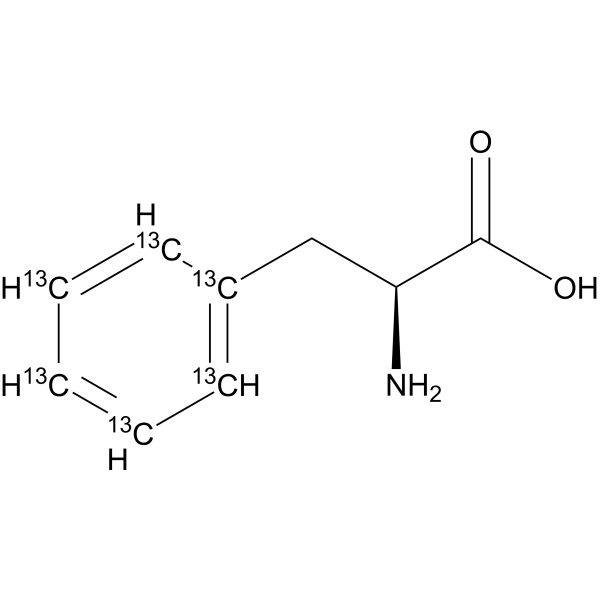
L-Phenylalanine- 13C6 is the 13C-labeled L-Phenylalanine. L-Phenylalanine ((S)-2-Amino-3-phenylpropionic acid) is an essential amino acid isolated from Escherichia coli. L-Phenylalanine is a α2δ subunit of voltage-dependent Ca+ channels antagonist with a Ki of 980 nM. L-phenylalanine is a competitive antagonist for the glycine- and glutamate-binding sites of N-methyl-D-aspartate receptors (NMDARs) (KB of 573 μM ) and non-NMDARs, respectively. L-Phenylalanine is widely used in the production of food flavors and pharmaceuticals .
loading...
    loading...
1
1 Cited Publications
Cat. No.: HY-W251428
CAS No.: 383907-64-0
Synonyms: Egg PG
Phosphatidylglycerols (PG) is a selective inhibitor targeting the TLR4 accessory protein CD14/MD-2 complex, inhibiting LPS or virus (such as RSV)-mediated inflammatory signaling pathways through competitive binding. Phosphatidylglycerols directly bind to viral particles to block infection, inhibit COX-2 expression to reduce the release of inflammatory factors (IL-6, IL-8), and improve oxidative stress by regulating mitochondrial membrane phospholipid remodeling. Phosphatidylglycerols can be taken orally or by inhalation and can be used in the study of chronic inflammatory diseases (such as atherosclerosis) and respiratory viral infections (such as RSV) .
loading...
    loading...

