1362 Results for "

labor induction

" in MedChemExpress (MCE) Product Catalog:
Products (1362)

1362 Results for "labor induction" in MCE Product Catalog:

Cat. No.: HY-152597
CAS No.: 2095417-76-6
Research Areas:  

Others

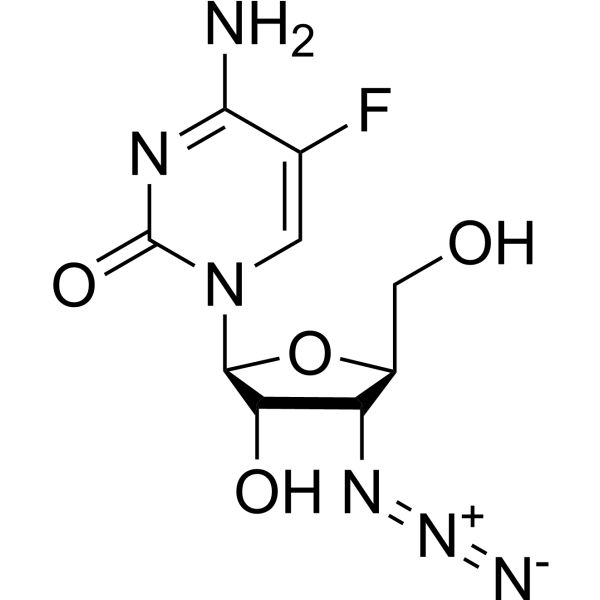
3’-Azido-3’-deoxy-5-fluoro-beta-L-cytidine is a purine nucleoside analogue. Purine nucleoside analogs have broad antitumor activity targeting indolent lymphoid malignancies. Anticancer mechanisms in this process rely on inhibition of DNA synthesis, induction of apoptosis, etc . 3’-Azido-3’-deoxy-5-fluoro-beta-L-cytidine is a click chemistry reagent, it contains an Azide group and can undergo copper-catalyzed azide-alkyne cycloaddition reaction (CuAAc) with molecules containing Alkyne groups. It can also undergo strain-promoted alkyne-azide cycloaddition (SPAAC) reactions with molecules containing DBCO or BCN groups.
loading...
    loading...
Cat. No.: HY-165478
CAS No.: 155651-56-2
Target:  

5 alpha Reductase

Research Areas:  

Endocrinology

FCE 28260 is an orally active 4-azacyclic 5α-reductase (5αR) inhibitor. FCE 28260 exhibits IC₅₀ values for human 5αR type 1 and 5αR type 2 of 36 and 3.3 nM, respectively, and for human and rat prostates with IC₅₀ values of 16 and 15 nM, respectively. FCE 28260 simultaneously blocks the production of dihydrotestosterone (DHT) in the prostate and peripheral tissues. FCE 28260 can significantly inhibit the induction of prostatic and seminal vesicle hyperplasia by testosterone (T) in rat models, without inhibiting the growth of the prostate in DHT implantation models. FCE 28260 can be used for the studies DHT-dependent diseases such as benign prostatic hyperplasia (BPH) .
loading...
    loading...
Cat. No.: HY-179501
PDK1-IN-5 is a selective PDK1 inhibitor. PDK1-IN-5 activaties PDH by diminishing phosphorylation level via PDK1 inhibition. PDK1-IN-5 effectively reverses the Warburg effect and shifts cellular energy metabolism from glycolysis toward oxidative phosphorylation by increased acetyl-CoA, reduced lactate, elevated mitochondrial ROS, and subsequent induction of apoptosis. PDK1-IN-5 robustly inhibits tumor growth in vivo without inducing systemic toxicity. PDK1-IN-5 can be used for lung adenocarcinoma, human non-small cell lung adenocarcinoma and gastric colorectal .
loading...
    loading...
Cat. No.: HY-N1408
CAS No.: 22255-22-7
Synonyms: trans-trismethoxy Resveratrol; (E)-Resveratrol trimethyl ether; trans-3,5,4'-Trimethoxystilbene
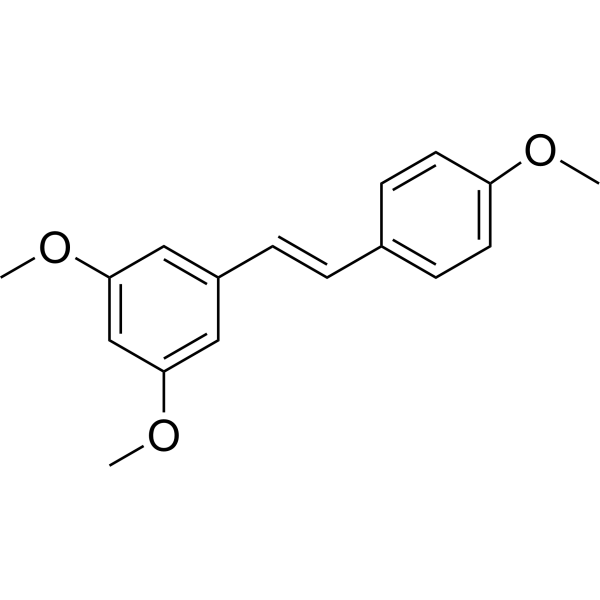
Trans-Trimethoxyresveratrol (trans-trismethoxy Resveratrol; (E)-Resveratrol trimethyl ether; trans-3,5,4'-Trimethoxystilbene) is an orally active natural derivative of Resveratrol (HY-16561). Trans-Trimethoxyresveratrol has an enhanced anticancer profile compared to Resveratrol, exhibiting higher potency than resveratrol, with improved cancer cell proliferation inhibition, induction of cell cycle arrest, decreased metastasis, and increased apoptosis. Trans-Trimethoxyresveratrol causes microtubule disassembling and tubulin depolymerization and exerts anti-angiogenic effects through VEGFR2. Trans-Trimethoxyresveratrol can be used for the studies of anti-angiogenic and anti-cancer (such as non-small cell lung cancer and osteosarcoma) .
loading...
    loading...
Cat. No.: HY-P992063
Research Areas:  

Inflammation/Immunology

Anti-Mouse CD8α Antibody (YTS 105.18) is a non-depleting rat IgG2a monoclonal antibody that binds to CD8α on mouse CD8 + T cells. When used in combination with a non-depleting anti-CD4 antibody, Anti-Mouse CD8α Antibody (YTS 105.18) does not deplete CD8 + T cells, but instead promotes the induction of peripheral tolerance in this cell subset. Anti-Mouse CD8α Antibody (YTS 105.18) can be used for research on graft rejection. The recommended isotype control is Mouse IgG2a kappa, Isotype Control (HY-P99978) .
loading...
    loading...
Cat. No.: HY-112120
CAS No.: 1612192-05-8
Research Areas:  

Others

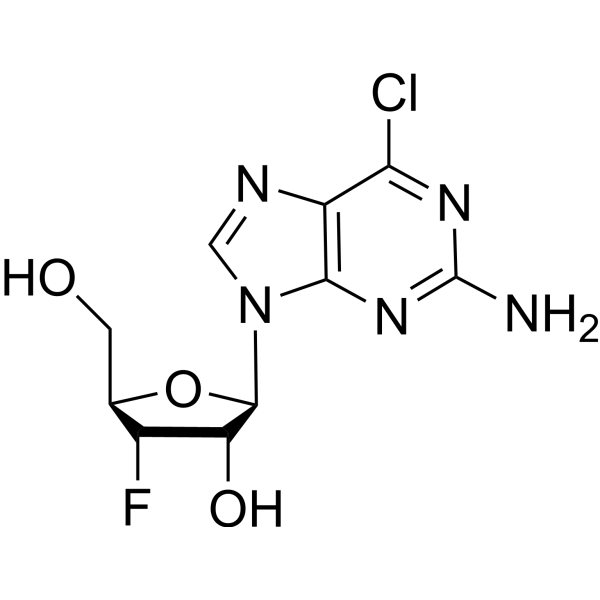
2-Amino-6-chloro-9-(3-deoxy-3-fluoro-beta-D-ribofuranosyl)-9H-purine ((2R,3S,4S,5R)-2-(2-Amino-6-chloro-9H-purin-9-yl)-4-fluoro-5-(hydroxymethyl)tetrahydrofuran-3-ol) is a purine nucleoside analogue. Purine nucleoside analogs have broad antitumor activity targeting indolent lymphoid malignancies. Anticancer mechanisms in this process rely on inhibition of DNA synthesis, induction of apoptosis, etc .
loading...
    loading...
Cat. No.: HY-131116R
CAS No.: 3572-64-3
Dihydrojasmonic acid (Standard) is the analytical standard of Dihydrojasmonic acid (HY-131116). This product is intended for research and analytical applications. Dihydrojasmonic acid is a pentacyclic oxygen-containing lipid plant growth regulator related to Jasmonic acid (HY-122464), with activities including growth inhibition, promotion of leaf senescence, and induction of the accumulation of some plant secondary metabolites . Dihydrojasmonic acid serves as a substrate for metabolic modification and undergoes biotransformation via side-chain hydroxylation, glycosylation, and amino acid conjugation in the aerial parts and seedlings of barley (Hordeum vulgare). Dihydrojasmonic acid inhibits the growth of dwarf rice seedlings and can induce the synthesis of secondary metabolites in some plant cell culture species, with its activity being species-dependent. Dihydrojasmonic acid is involved in studies related to the regulation of plant growth and development .
loading...
    loading...
Cat. No.: HY-13610
CAS No.: 121749-39-1
Synonyms: Diethylnorspermine; BENSPM; DENSPM; BE-333
Target:  

Caspase mTOR

Research Areas:  

Cancer

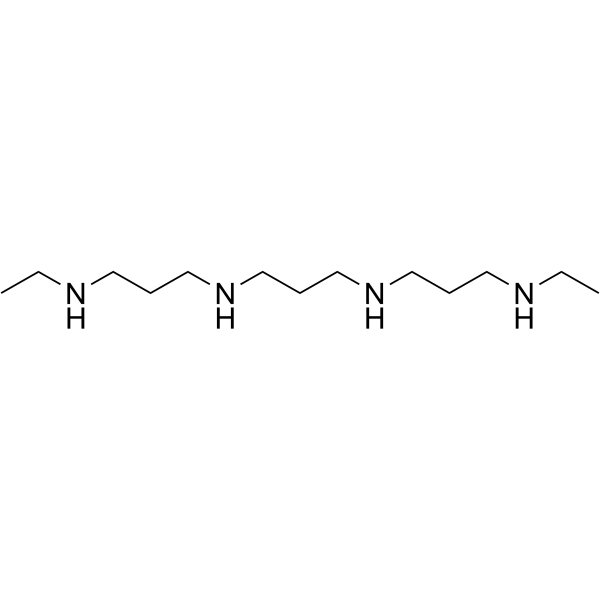
N1,N11-Diethylnorspermine is a synthetic analog of the naturally occurring polyamine spermine, can induce polyamine depletion and inhibit tumor cell growth. N1,N11-Diethylnorspermine activates polyamine catabolism and downregulates mTOR protein. N1,N11-Diethylnorspermine induces the release of cytochrome c from mitochondria, resulting in activation of caspase 3. N1,N11-Diethylnorspermine tetrahydrochloride kills glioblastoma multiforme (GBM) through induction of SSAT (spermidine/spermine N1-acetyltransferase) coupled with H2O2 production .
loading...
    loading...
Cat. No.: HY-149717
CAS No.: 2378641-43-9
Antitumor agent-122 is a potent multi-target antitumor agent that exerts its effects through the induction of ferroptosis, autophagy, apoptosis, and cell cycle arrest. In the ferroptosis pathway, Antitumor agent-122 inhibits GPX4 expression and upregulates FACL4 expression, increasing intracellular lipid peroxidation and ferrous ion levels. In the autophagy pathway, Antitumor agent-122 induces autophagy by inhibiting the AKT/mTOR signaling pathway. In the apoptosis and cell cycle pathways, Antitumor agent-122 arrests cells at the G1/S phase and subsequently promots mitochondrial pathway-mediated apoptosis. Antitumor agent-122 can be used in the research of solid tumors including gastric, liver, ovarian, and bladder cancers .
loading...
    loading...
Cat. No.: HY-152319
CAS No.: 384334-64-9
Research Areas:  

Others

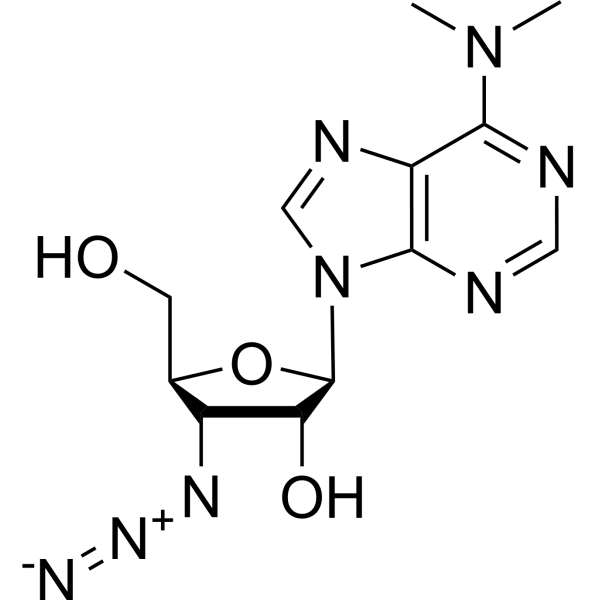
3’-Azido-3’-deoxy-N6,N6-dimethyladenosine is a purine nucleoside analogue. Purine nucleoside analogs have broad antitumor activity targeting indolent lymphoid malignancies. Anticancer mechanisms in this process rely on inhibition of DNA synthesis, induction of apoptosis, etc . 3’-Azido-3’-deoxy-N6,N6-dimethyladenosine is a click chemistry reagent, it contains an Azide group and can undergo copper-catalyzed azide-alkyne cycloaddition reaction (CuAAc) with molecules containing Alkyne groups. It can also undergo strain-promoted alkyne-azide cycloaddition (SPAAC) reactions with molecules containing DBCO or BCN groups.
loading...
    loading...
Cat. No.: HY-152341
CAS No.: 2389988-33-2
Research Areas:  

Cancer

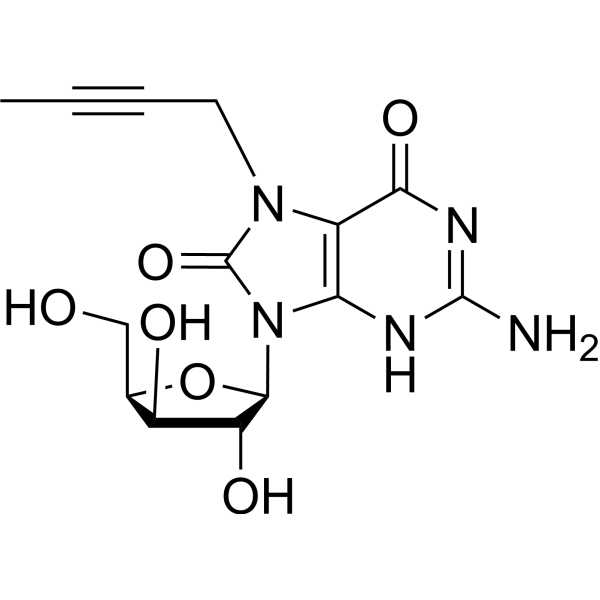
7-(Butyn-2-yl)-7,8-dihydro-8-oxo-9-(β-D-xylofuranosyl)guanine is a purine nucleoside analog. Purine nucleoside analogs have broad antitumor activity targeting indolent lymphoid malignancies. Anticancer mechanisms in this process rely on inhibition of DNA synthesis, induction of apoptosis, etc . 7-(Butyn-2-yl)-7,8-dihydro-8-oxo-9-(β-D-xylofuranosyl)guanine is a click chemistry reagent, it contains an Alkyne group and can undergo copper-catalyzed azide-alkyne cycloaddition (CuAAc) with molecules containing Azide groups.
loading...
    loading...
Cat. No.: HY-154042
CAS No.: 2305415-75-0
Research Areas:  

Cancer

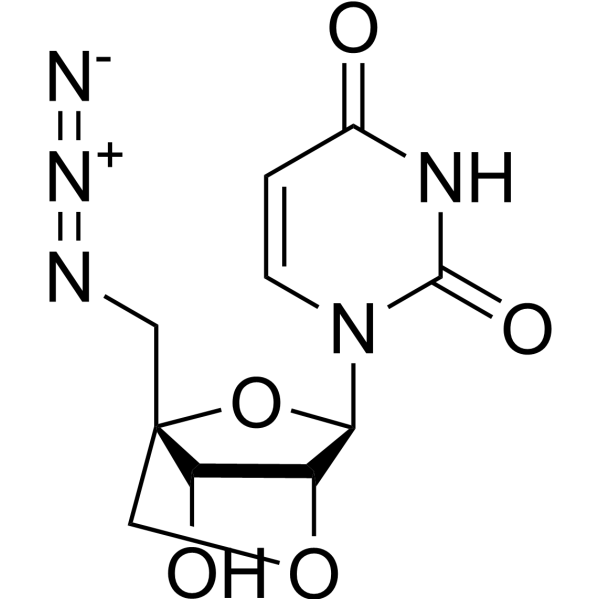
5’-Azido-5’-deoxy-2’-O,4’-C-methyleneuridine is a purine nucleoside analog. Purine nucleoside analogs have broad antitumor activity targeting indolent lymphoid malignancies. Anticancer mechanisms in this process rely on inhibition of DNA synthesis, induction of apoptosis, etc . 5’-Azido-5’-deoxy-2’-O,4’-C-methyleneuridine is a click chemistry reagent, it contains an Azide group and can undergo copper-catalyzed azide-alkyne cycloaddition reaction (CuAAc) with molecules containing Alkyne groups. It can also undergo strain-promoted alkyne-azide cycloaddition (SPAAC) reactions with molecules containing DBCO or BCN groups.
loading...
    loading...
Cat. No.: HY-154283
CAS No.: 2389988-53-6
Research Areas:  

Cancer

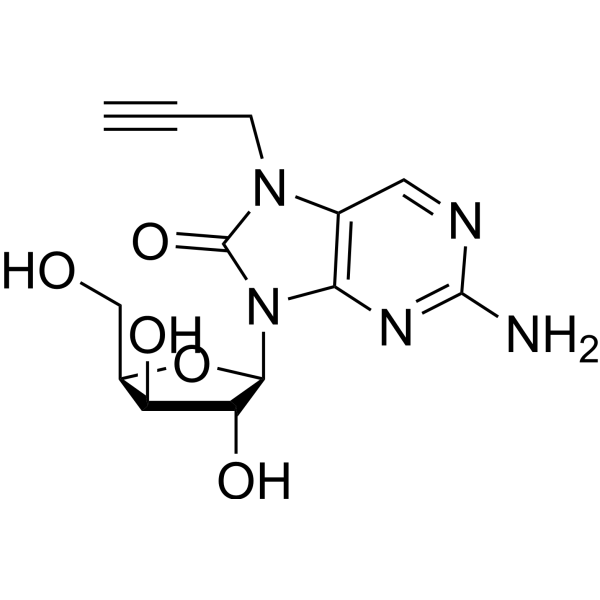
2-Amino-7-propargyl-7,8-dihydro-8-oxo-9-(beta-D-xylofuranosyl)purine is a purine nucleoside analog. Purine nucleoside analogs have broad antitumor activity targeting indolent lymphoid malignancies. Anticancer mechanisms in this process rely on inhibition of DNA synthesis, induction of apoptosis, etc . 2-Amino-7-propargyl-7,8-dihydro-8-oxo-9-(beta-D-xylofuranosyl)purine is a click chemistry reagent, it contains an Alkyne group and can undergo copper-catalyzed azide-alkyne cycloaddition (CuAAc) with molecules containing Azide groups.
loading...
    loading...
Cat. No.: HY-154377
CAS No.: 187733-73-9
Research Areas:  

Cancer

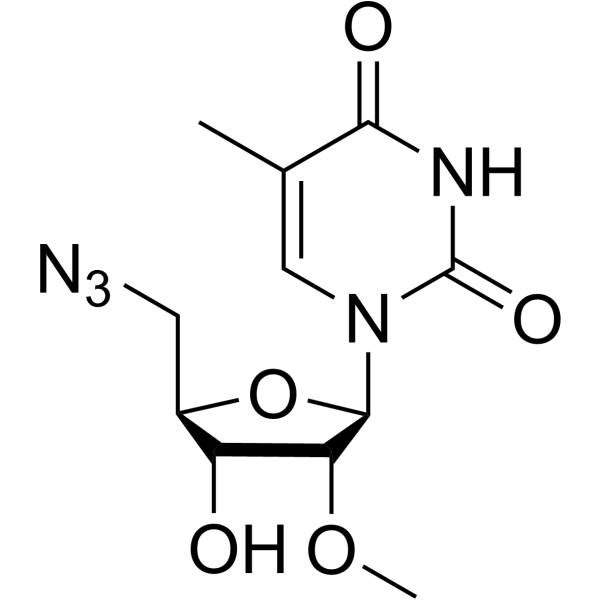
5’-Azido-5’-deoxy-2’-O-methyl-5-methyluridine is a purine nucleoside analog. Purine nucleoside analogs have broad antitumor activity targeting indolent lymphoid malignancies. Anticancer mechanisms in this process rely on inhibition of DNA synthesis, induction of apoptosis, etc . 5'-Azido-5'-deoxy-2'-O-methyl-5-methyluridine is a click chemistry reagent, it contains an Azide group and can undergo copper-catalyzed azide-alkyne cycloaddition reaction (CuAAc) with molecules containing Alkyne groups. It can also undergo strain-promoted alkyne-azide cycloaddition (SPAAC) reactions with molecules containing DBCO or BCN groups.
loading...
    loading...
Cat. No.: HY-154383
CAS No.: 2095417-60-8
Research Areas:  

Cancer

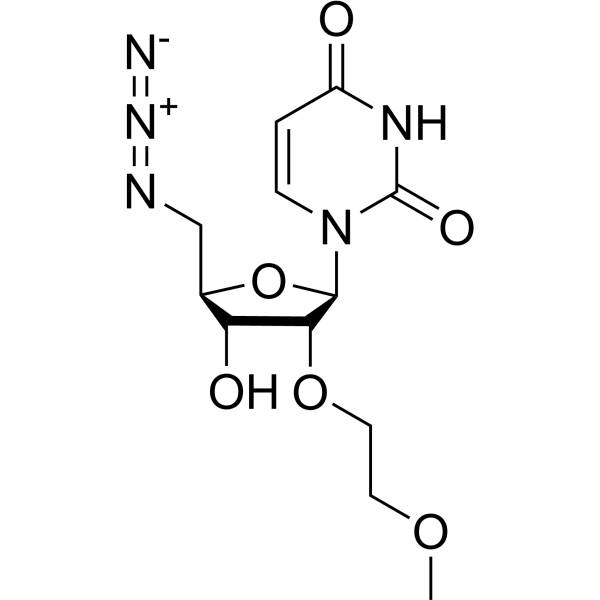
5’-Azido-5’-deoxy-2’-O-(2-methoxyethyl)uridine is a purine nucleoside analog. Purine nucleoside analogs have broad antitumor activity targeting indolent lymphoid malignancies. Anticancer mechanisms in this process rely on inhibition of DNA synthesis, induction of apoptosis, etc . 5’-Azido-5’-deoxy-2’-O-(2-methoxyethyl)uridine is a click chemistry reagent, it contains an Azide group and can undergo copper-catalyzed azide-alkyne cycloaddition reaction (CuAAc) with molecules containing Alkyne groups. It can also undergo strain-promoted alkyne-azide cycloaddition (SPAAC) reactions with molecules containing DBCO or BCN groups.
loading...
    loading...
Cat. No.: HY-154423
CAS No.: 177980-10-8
Research Areas:  

Cancer

2′-Azido-5′-O-[bis(4-methoxyphenyl)phenylmethyl]-2′-deoxyuridine is a purine nucleoside analog. Purine nucleoside analogs have broad antitumor activity targeting indolent lymphoid malignancies. Anticancer mechanisms in this process rely on inhibition of DNA synthesis, induction of apoptosis, etc . 2′-Azido-5′-O-[bis(4-methoxyphenyl)phenylmethyl]-2′-deoxyuridine is a click chemistry reagent, it contains an Azide group and can undergo copper-catalyzed azide-alkyne cycloaddition reaction (CuAAc) with molecules containing Alkyne groups. It can also undergo strain-promoted alkyne-azide cycloaddition (SPAAC) reactions with molecules containing DBCO or BCN groups.
loading...
    loading...
Cat. No.: HY-154733
CAS No.: 1612191-95-3
Research Areas:  

Cancer

9-(3-Deoxy-3-fluoro-β-D-ribofuranosyl)-6-[5-(propyn-1-yl)pyridin-3-yl]purine is a purine nucleoside analog. Purine nucleoside analogs have broad antitumor activity targeting indolent lymphoid malignancies. Anticancer mechanisms in this process rely on inhibition of DNA synthesis, induction of apoptosis, etc . 9-(3-Deoxy-3-fluoro-β-D-ribofuranosyl)-6-[5-(propyn-1-yl)pyridin-3-yl]purine is a click chemistry reagent, it contains an Alkyne group and can undergo copper-catalyzed azide-alkyne cycloaddition (CuAAc) with molecules containing Azide groups.
loading...
    loading...
Cat. No.: HY-169921
Target:  

c-Myc Apoptosis

Research Areas:  

Cancer

c-Myc inhibitor 15 (Compound A5) is a selective c-Myc inhibitor that exerts anticancer effects by disrupting the interaction between c-Myc and Max, leading to the degradation of c-Myc protein and the induction of apoptosis. Its IC50 values are 4.08 μM and 7.86 μM in A549 and NCI-H1299 lung cancer cell lines, respectively, demonstrating strong cytotoxic activity. In a syngeneic tumor model, c-Myc inhibitor 15 exhibited outstanding antitumor efficacy, achieving a tumor growth inhibition rate of 76.4% and significantly reducing c-Myc protein expression levels. c-Myc inhibitor 15 holds promise for research related to c-Myc-driven lung cancers .
loading...
    loading...
Cat. No.: HY-189412
Antibacterial agent 376 is an antibacterial agent. Antibacterial agent 376 exhibits antibacterial efficacy against S. aureus and E. coli. Antibacterial agent 376 induces mild hepatic alterations, including slight inflammatory cell infiltration, moderate vacuolar degeneration, and moderate hepatocyte enlargement, while the overall liver architecture remains largely preserved. Antibacterial agent 376 induces mild renal alterations, including vascular congestion, limited inflammatory cell infiltration, and mild tubular degeneration, while the overall kidney structure remains intact. Antibacterial agent 376 causes a significant decrease in serum antioxidant markers GSH, GPx, and CAT, indicating the induction of oxidative stress in rats. Antibacterial agent 376 can be used for research on bacterial infections (Staphylococcus aureus and Escherichia coli) .
loading...
    loading...
Cat. No.: HY-B1777AR
CAS No.: 306-67-2
Spermine (tetrahydrochloride) (Standard) is the analytical standard of Spermine (tetrahydrochloride). This product is intended for research and analytical applications. Spermine tetrahydrochloride is a polyamine nitric oxide donor that can provide nitric oxide to platelets and inhibit platelet activation to a certain extent concentration-dependently. Spermine tetrahydrochloride occurs in mammalian tissues, plants, bacteria, ribosomes and bacteriophage. Spermine tetrahydrochloride inhibits primary human embryo lung fibroblasts in vitro. Spermine is a natural antioxidant and anti-inflammatory agent. Spermine is known to inhibit some bacterial cultures, especially strains of Staphylococcus aureus. Spermine induces neurotoxicity in the striarum dose-dependently. Spermine can reversibly inhibits DNA synthetic response, mixed lymphocyte response and the induction of cytolytic lymphocyte response in primary cultures of murine spleen cells .
loading...
    loading...

