1676 Results for "

chronic pyoderma

" in MedChemExpress (MCE) Product Catalog:
Products (1676)

1676 Results for "chronic pyoderma" in MCE Product Catalog:

Cat. No.: HY-W062109S
CAS No.: 1231979-85-3
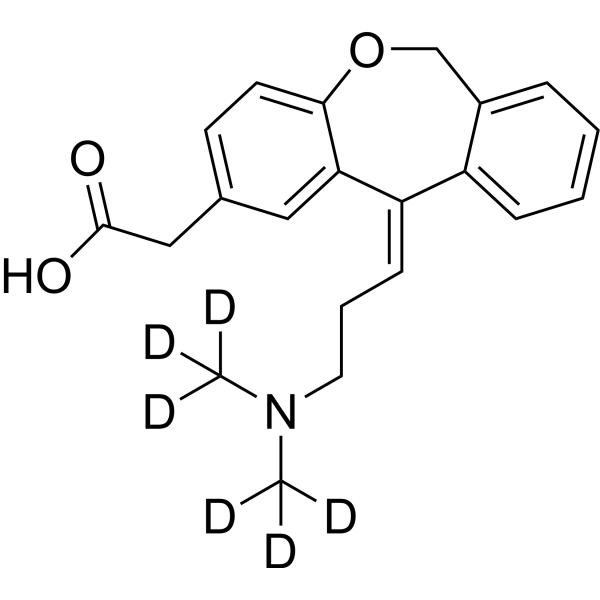
Olopatadine-d6 is the deuterium labeled Olopatadine. Olopatadine hydrochloride (ALO4943A; KW4679) is an orally active histamine H1 receptor antagonist and mast cell stabilizer. Olopatadine hydrochloride exerts antiallergic effects by blocking histamine H1 receptor-mediated activities. Olopatadine hydrochloride inhibits exocytosis, chemokine release, F-actin polymerization, CXCL10-induced calcium influx, and T cell chemotactic activity. Olopatadine hydrochloride also reduces the expression levels of CXCR3 on the surface of CD4 + and CD8 + T cells. Olopatadine hydrochloride inhibits scratching behavior, improves dermatitis scores, and suppresses intraepidermal neurite outgrowth. Olopatadine hydrochloride simultaneously decreases the levels of inflammatory markers, growth factors, histamine, and specific IgE, while increasing the expression of ErbB3A/HER3A. Olopatadine hydrochloride can be used in research related to seasonal pollinosis, chronic rhinitis, urticaria, allergic conjunctivitis, alopecia areata, and atopic dermatitis .
loading...
    loading...
Cat. No.: HY-W105601R
CAS No.: 161599-46-8
Synonyms: 2',3'-Di-O-acetyl-5'-deoxy-5-fluorocytidine (Standard)
Research Areas:  

Infection

5'-Deoxy-2',3'-di-O-acetyl-5-fluorocytidine (Standard) is the analytical standard of 5'-Deoxy-2',3'-di-O-acetyl-5-fluorocytidine. This product is intended for research and analytical applications. 5'-Deoxy-2',3'-di-O-acetyl-5-fluorocytidine (2',3'-Di-O-acetyl-5'-deoxy-5-fluorocytidine) is an antiviral compound that inhibits HBV reverse transcriptase activity. 5'-Deoxy-2',3'-di-O-acetyl-5-fluorocytidine shows potential to control HBV replication in vitro. 5'-Deoxy-2',3'-di-O-acetyl-5-fluorocytidine, as a nucleoside analog, may provide a new option for the suppression of chronic hepatitis B .
loading...
    loading...
Cat. No.: HY-Y1804R
CAS No.: 7274-88-6
D-Lysine monohydrochloride (Standard) is the analytical standard of D-Lysine monohydrochloride (HY-Y1804). This product is intended for research and analytical applications. D-Lysine monohydrochloride is the D-enantiomer of L-Lysine (HY-N0469). D-Lysine monohydrochloride is metabolically inert and not utilized for protein synthesis by mammalian ribosomes. D-Lysine monohydrochloride blocks renal uptake of 111In/ 90Y-Octreotide (HY-P0036)-based probes without inhibiting uptake by tumor/receptor tissues, and thus acts as a renoprotective agent in diagnostic imaging and peptide receptor radionuclide therapy (PRRT). D-Lysine monohydrochloride specifically inhibits the early steps of non-enzymatic glycation by competing with glucose via its free amino group, theoretically, it can serve as a glycation competitor that "does not interfere with protein synthesis" under chronic hyperglycemia in diabetes. D-Lysine monohydrochloride can be used in research related to cancer and diabetes .
loading...
    loading...
Cat. No.: HY-L046
2,468 compounds

Cardiovascular diseases (CVDs) are a group of disorders of the heart and blood vessels which include coronary heart disease, cerebrovascular disease, peripheral arterial disease, rheumatic heart disease, etc. CVDs are the number 1 cause of death globally. Smoking, unhealthy nutrition, aging population, lack of physical activity, arterial hypertension, or diabetes can promote cardiovascular disease like myocardial infarction or stroke. It is multifactorial and encompasses a multitude of mechanisms, such as eNOS uncoupling, reactive oxygen species formation, chronic inflammatory disorders and abnormal calcium homeostasis. Antioxidant, anti-inflammatory and anti-diabetes agents may reduce the cardiovascular disease risk.

MCE supplies a unique collection of 2,468 compounds with confirmed anti-cardiovascular activity. These compounds mainly target metabolic enzyme, membrane transporter, ion channel, inflammation related signaling pathways. MCE Anti-Cardiovascular Disease Compound Library can be used for cardiovascular diseases related research and high throughput and high content screening for new drugs.

Cat. No.: HY-L087
3,741 compounds

Obesity is widely recognized as the largest and fastest growing public health problem and is associated with numerous chronic disorders including osteoarthritis, obstructive sleep apnea, gallstones, fatty liver disease, reproductive and gastrointestinal cancers, dyslipidemia, hypertension, type 2 diabetes, heart failure, coronary artery disease, stroke, etc. Although obesity has long been associated with serious health issues, it has only recently been regarded as a disease in the sense of being a specific target for medical therapy. Obesity may be viewed as the dysregulation of two physiological functions, appetite regulation and energy metabolism, which combine to create disordered energy balance. Consequently, developing obesity treatments that target novel pathways is a growing focus for both biopharmaceutical industries.

MCE Anti-Obesity Compound Library owns a unique collection of 3,741 compounds, which mainly target signaling pathway of controlling appetite, fatty acid metabolism and energy expenditure, etc. This library is a useful tool for discovery anti-obesity drugs.

Cat. No.: HY-L139
3,530 compounds

Pain is a kind of distressing feeling caused by the stimulation of tissue damage. According to the International Association for the Study of Pain (IASP), pain is defined as ”An unpleasant sensory and emotional experience associated with actual or potential tissue damage, or described in terms of such damage”.

Pain is usually classified according to its location, duration, underlying causes, and intensity. For example, acute and chronic pain, muscle pain, and nerve pain. Pain is the main symptom of most diseases, which seriously affects the quality of life and body function of patients. In the medical treatment of pain, anti-inflammatory drugs and opioid analgesic agents have traditionally been used, but the side effects are serious. In recent years, targeted drugs targeting the ERK/MAPK pathway or other targets have gradually become a research hotspot.

MCE supplies a unique collection of 3,530 compounds targeting key proteins in the pain system. MCE Pain-Related Compound Library is a useful tool for pain related research and anti-pain drug development.

Cat. No.: HY-L054
379 compounds

Endoplasmic reticulum (ER) contributes to the production and folding of approximately one third of cellular proteins, and is thus inextricably linked to the maintenance of cellular homeostasis and the fine balance between health and disease. However, some adverse factors negatively impact ER functions and protein synthesis, resulting in the activation of Endoplasmic reticulum stress (ER stress, ERS) and unfolded protein response (UPR) signaling pathways. The UPR is triggered when ER protein folding capacity is overwhelmed by cellular demand and the UPR initially aims to restore ER homeostasis and normal cellular functions. However, if this fails, then the UPR triggers cell death. Chronic ER stress and defects in UPR signaling are emerging as key contributors to a growing list of human diseases, including diabetes, neurodegeneration and cancer.

MCE Endoplasmic Reticulum Stress Compound Library contains 379 ER stress-related compounds that mainly target PERK, IRE1, ATF6, etc. MCE ER stress library is a useful tool for researching ER stress and related diseases.

Cat. No.: HY-P86745
Synonyms: P63_HUMAN; Tumor protein 63; TP63; chronic ulcerative stomatitis protein(CUSP); Keratinocyte transcription factor KET; Transformation-related protein 63(TP63); Tumor protein p73-like(p73L); p40; p51; KET; P63; P73H; P73L; TP73L; AIS; LMS; NBP; RHS; p40; p51; EEC3; OFC8; SHFM4; TP53L; p53CP; TP53CP; B(p51A); B(p51B); P51A; TAp63gamma; P51B; TAp63alpha; P51delta; TAp63delta; P51delNalpha; deltaNp63 alpha; P51delNbeta; deltaNp63 beta; P51delNgamma; deltaNp63gamma; p40-deltaNp63; p40-deltaNp63;

Host:  

Mouse

Application:  

WB, FC

Reactivity:  

Human

loading...
    loading...
Cat. No.: HY-P86745A
Synonyms: P63_HUMAN; Tumor protein 63; TP63; chronic ulcerative stomatitis protein(CUSP); Keratinocyte transcription factor KET; Transformation-related protein 63(TP63); Tumor protein p73-like(p73L); p40; p51; KET; P63; P73H; P73L; TP73L; AIS; LMS; NBP; RHS; p40; p51; EEC3; OFC8; SHFM4; TP53L; p53CP; TP53CP; B(p51A); B(p51B); P51A; TAp63gamma; P51B; TAp63alpha; P51delta; TAp63delta; P51delNalpha; deltaNp63 alpha; P51delNbeta; deltaNp63 beta; P51delNgamma; deltaNp63gamma; p40-deltaNp63; p40-deltaNp63;

Host:  

Mouse

Application:  

WB, FC

Reactivity:  

Human

loading...
    loading...
Cat. No.: HY-101140AR
CAS No.: 1799974-69-8
Research Areas:  

Inflammation/Immunology

KI696 isomer (Standard) is the analytical standard of KI696 isomer (HY-101140A). This product is intended for research and analytical applications. KI696 isomer is an isomer of KI696 (HY-101140). KI696 is a selective KEAP1/NRF2 protein-protein interaction inhibitor with a human Kd value of 1.3 nM. KI696 acts by competitively occupying the NRF2-binding pocket of the KEAP1 Kelch domain. KI696 blocks KEAP1-mediated ubiquitination and degradation of NRF2, promotes the translocation of NRF2 to the nucleus, activates the expression of downstream antioxidant genes, increases intracellular glutathione levels, and alleviates oxidative stress-induced cell damage and inflammatory cell infiltration in the lungs. KI696 reduces ozone-induced pulmonary oxidative damage and inflammatory cell accumulation in rats, and upregulates pulmonary antioxidant genes. KI696 can be used in research related to chronic obstructive pulmonary disease, oxidative stress and inflammation .
loading...
    loading...
Cat. No.: HY-121675A
CAS No.: 2855123-30-5
Synonyms: BOL-148 D-Tartrate; Bromolysergide D-Tartrate
2-Bromo-LSD D-Tartrate (BOL-148 D-Tartrate) is a blood-brain barrier-permeable 5-HT2A partial agonist and competitive partial antagonist. 2-Bromo-LSD D-Tartrate acts as both a potent partial agonist (with an EC50 of 0.81 nM for Gq dissociation) and a potent partial antagonist (with a KB of 0.18 nM for Gq dissociation) at the 5-HT2A receptor. 2-Bromo-LSD D-Tartrate exhibits partial agonist activity at multiple aminergic GPCRs, including 5-HT2A. 2-Bromo-LSD D-Tartrate lacks 5-HT2B agonist activity. 2-Bromo-LSD D-Tartrate induces dendritogenesis and spinogenesis. 2-Bromo-LSD D-Tartrate reverses the behavioral effects of chronic stress and increases active coping behaviors in mice .
loading...
    loading...
Cat. No.: HY-13024A
CAS No.: 1033893-29-6
Synonyms: DCC-2036 tosylate
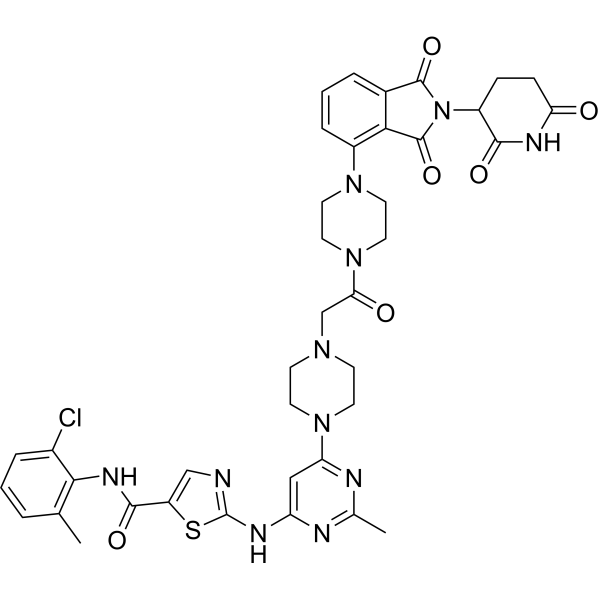
Rebastinib tosylate (DCC-2036 tosylate) is an orally active, non-ATP-competitive Bcr-Abl inhibitor, with IC50 values of 0.8 nM and 4 nM against Abl1 WT and Abl1 T315I, respectively. Rebastinib tosylate potently inhibits CYP2C8 (IC50 = 0.0533 μM) and CYP2C9 (IC50 = 2.54 μM). Rebastinib tosylate allosterically inhibits Tie2 with an IC50 of 0.63 nM. Rebastinib tosylate inhibits the transcriptional activity of FoxO1. Rebastinib tosylate inhibits SRC family kinases, KDR and FLT3 kinases. Rebastinib tosylate induces Apoptosis. Rebastinib tosylate exerts anti-tumor activity in breast cancer. Rebastinib tosylate exerts anti-angiogenic effects. Rebastinib tosylate increases myotube diameter and improves reduced contractility. Rebastinib tosylate can be used in research related to triple-negative breast cancer, luminal breast cancer, pancreatic neuroendocrine tumors, muscle atrophy, cancer cachexia, chronic myeloid leukemia, and B-lymphocytic leukemia .
loading...
    loading...
Cat. No.: HY-153357
CAS No.: 2416130-57-7
Purity:  98.16%
Target:  

PROTACs Btk c-Myc NF-κB

Research Areas:  

Inflammation/Immunology Cancer

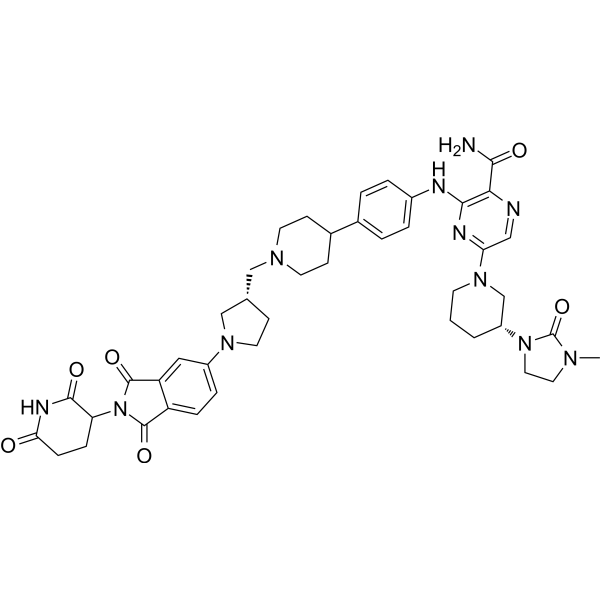
NRX-0492 is an orally active BTK PROTAC degrader, with a binding IC50 of 1.2 nM for both wild-type BTK and BTK T474I, and 2.7 nM for BTK C481S, and exhibits cellular DC50 values of 0.1 nM and 0.2 nM against wild-type BTK and BTK C481S, respectively. NRX-0492 catalyzes the ubiquitination and proteasomal degradation of wild-type and drug-resistant mutant BTK by recruiting the CRBN E3 ubiquitin ligase complex. NRX-0492 inhibits the BCR signaling pathway and its downstream NF-κB/MYC transcriptional program, achieves rapid and sustained degradation in primary CLL cells, and exhibits extremely low cytotoxicity. NRX-0492 degrades BTK, inhibits tumor cell proliferation and activation, and significantly suppresses tumor growth in xenograft models. NRX-0492 can be used in research related to chronic lymphocytic leukemia and diffuse large B-cell lymphoma .
loading...
    loading...
Cat. No.: HY-155830
CAS No.: 2231329-25-0
Purity:  98.92%
Synonyms: ME3183; PDE4-IN-14
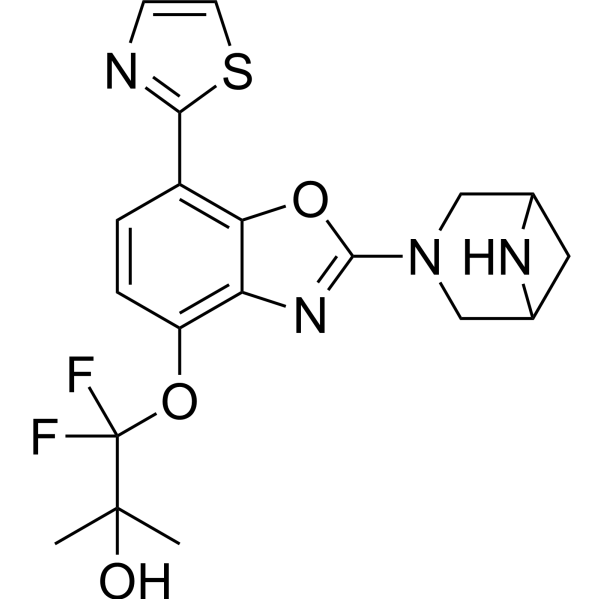
Morcamilast (ME3183) is a potent, orally active, selective phosphodiesterase 4 (PDE4) inhibitor, with IC50 values of 1.28 nM, 2.33 nM and 1.63 nM against human PDE4A1A, PDE4B1 and PDE4D2, respectively. Morcamilast inhibits the production of TNF-α, IL-12/23p40, IL-23, IL-17A, IL-4, IL-5 and IL-13 in human PBMCs and T cells, and alleviates chronic Oxazolone (HY-126360)-induced dermatitis, Substance P (HY-P0201)-induced pruritus, Imiquimod (HY-B0180)-induced psoriasis-like dermatitis and LPS (HY-D1056)-induced arthritis . Morcamilast is used for the research of psoriasis, atopic dermatitis, psoriatic arthritis and other inflammatory and immune-related diseases .
loading...
    loading...
Cat. No.: HY-15651R
CAS No.: 848141-11-7
Synonyms: AZD9668 (Standard)
Alvelestat (Standard) (AZD9668 (Standard)) is the analytical standard of Alvelestat (HY-15651). This product is intended for research and analytical applications. Alvelestat (AZD9668) is an orally active, selective inhibitor of neutrophil elastase. Alvelestat reduces elastase activity, myeloperoxidase release, neutrophil recruitment and activation, and calcium phosphate precipitation; promotes smooth muscle cell colonization and collagen deposition; and inhibits the formation of neutrophil extracellular traps (NETs) as well as NET-derived neutrophil elastase activity. Alvelestat restores endothelial dysfunction, regulates antioxidant factors, improves the expression of endothelial tight junctions, reduces vascular leakage, and accelerates wound healing. Alvelestat prevents pulmonary hemorrhage, matrix protein degradation, airspace enlargement, and small airway wall remodeling; and alleviates cigarette-induced inflammatory responses. Alvelestat inhibits the growth of abdominal aortic aneurysms exacerbated by Porphyromonas gingivalis. Alvelestat can be used in research related to chronic obstructive pulmonary disease, abdominal aortic aneurysm, radiation-induced skin injury, and bronchiectasis .
loading...
    loading...
Cat. No.: HY-163144
CAS No.: 3044084-97-8
Target:  

PROTACs Src

Research Areas:  

Cancer

DAS-5-oCRBN is a PROTAC molecule with both c‑Src kinase inhibitory activity and target protein degradation activity, with an EC50 of 45 nM for c‑Src binding. DAS-5-oCRBN binds non-covalently to Cereblon and mediates target protein degradation via the ubiquitin-proteasome pathway. DAS-5-oCRBN can catalytically deplete intracellular c‑Src protein, while blocking both the kinase catalytic function of c‑Src and the non-catalytic protein interactions mediated by its SH2 and SH3 domains. DAS-5-oCRBN inhibits tumor cell proliferation and exerts significant anti-proliferative effects on both c‑Src kinase activity-dependent MDA-MB-231 cells and c‑Src protein level-dependent CAL51 cells. DAS-5-oCRBN can be used in cancer-related research such as studies on triple-negative breast cancer and chronic myeloid leukemia .
loading...
    loading...
Cat. No.: HY-169853
CAS No.: 1189495-81-5
M351-0056 is an orally active VISTA agonist with a Kd value of 12.60 μM. M351-0056 inhibits the activation of the JAK2-STAT2 pathway, reduces the phosphorylation levels of JAK2 and STAT2, and regulates type I interferon (IFN-I) and non-canonical NF-κB pathways. M351-0056 decreases the levels of cytokines (IFN-γ, IL-17A, TNF-α, IL-2 and IL-1β). M351-0056 improves imiquimod (HY-B0180)-induced psoriasis-like skin inflammation, reduces autoantibody levels, kidney damage and immune cell expansion in mice susceptible to chronic graft-versus-host disease and lupus, and delays the progression of systemic lupus erythematosus. M351-0056 can be used in research related to psoriasis-like dermatitis and systemic lupus erythematosus .
loading...
    loading...
Cat. No.: HY-182671
CAS No.: 2409965-28-0
Target:  

PI3K Btk Apoptosis

Research Areas:  

Cancer

SRX3305 is an BTK/PI3K/BRD4 inhibitor with IC50s of 6.5 nM, 15 nM, and 4 nM toward BTK, PI3Kɑ and PI3Kδ, respectively. SRX3305 attenuates chronic lymphocytic leukemia (CLL) and mantle cell lymphoma (MCL) cell proliferation and promotes apoptosis in a dose-dependent fashion. SRX3305 yields potent anti-tumor effects but spares healthy bystander cells. SRX3305 inhibits the activation-induced proliferation of primary CLL cells in vitro and effectively blocks microenvironment-mediated survival signals. SRX3305 blocks CLL cell migration toward CXCL-12 and CXCL-13. SRX3305 maintains its anti-tumor effects in Ibrutinib (HY-10997)-resistant CLL cells. SRX3305 can be used for research in CLL, diffuse large B-cell lymphoma (DLBCL) and MCL .
loading...
    loading...
Cat. No.: HY-B0331B
CAS No.: 149404-21-7
Synonyms: MK-421 sodium
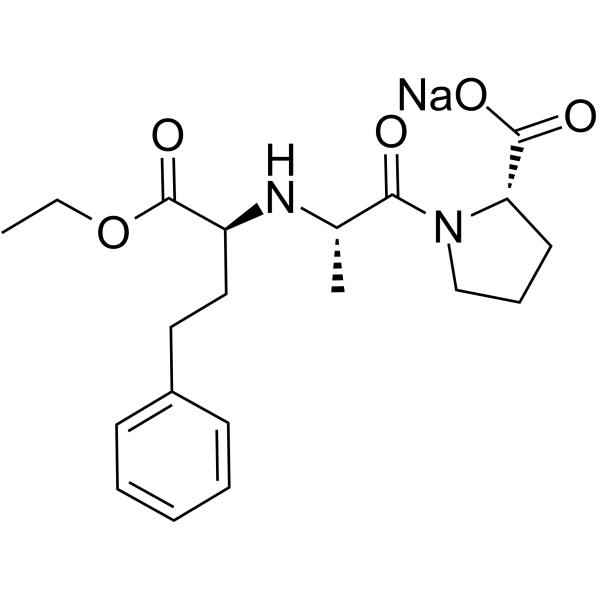
Enalapril sodium (MK-421 sodium) is an orally active angiotensin-converting enzyme inhibitor. Enalapril sodium blocks the conversion of angiotensin I to angiotensin II, regulates the renin-angiotensin system, reduces preload and afterload, and decreases plasma angiotensin II levels. Enalapril sodium inhibits apoptosis, reduces nitric oxide metabolite levels, stabilizes endothelial cells, enhances endothelial antioxidant defense, scavenges reactive oxygen species (ROS), and alleviates neuronal damage. Enalapril sodium attenuates glutathione depletion, protein/lipid oxidation, tissue damage, and type III collagen immunolabeling in organs of diabetic rats. Enalapril sodium reduces systolic blood pressure and urinary albumin excretion, and delays the progression of diabetic cardiac/renal injury. Enalapril sodium is used in research related to asymptomatic left ventricular dysfunction, congestive heart failure, Alzheimer's disease, diabetes mellitus, acute myocardial infarction, atrial fibrillation, hypertension, cerebral ischemia, chronic heart failure, and single-ventricle physiology .
loading...
    loading...
Cat. No.: HY-B0426AR
CAS No.: 140462-76-6
Synonyms: ALO4943A (Standard); KW4679 (Standard)
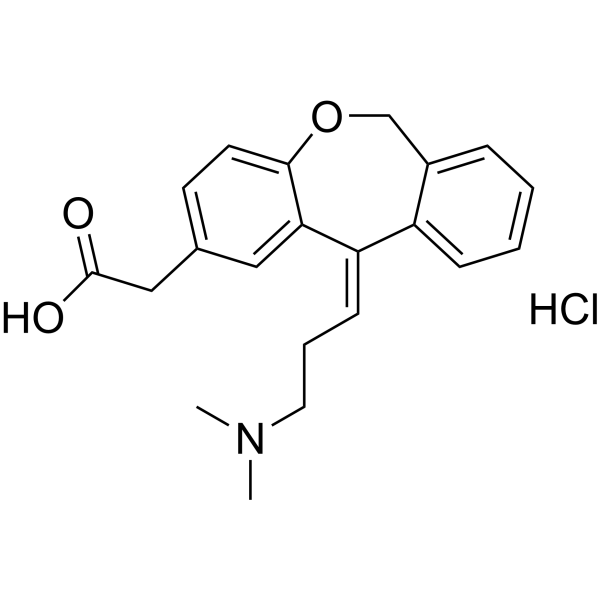
Olopatadine (hydrochloride) (Standard) is the analytical standard of Olopatadine (hydrochloride). This product is intended for research and analytical applications. Olopatadine hydrochloride (ALO4943A; KW4679) is an orally active histamine H1 receptor antagonist and mast cell stabilizer. Olopatadine hydrochloride exerts antiallergic effects by blocking histamine H1 receptor-mediated activities. Olopatadine hydrochloride inhibits exocytosis, chemokine release, F-actin polymerization, CXCL10-induced calcium influx, and T cell chemotactic activity. Olopatadine hydrochloride also reduces the expression levels of CXCR3 on the surface of CD4 + and CD8 + T cells. Olopatadine hydrochloride inhibits scratching behavior, improves dermatitis scores, and suppresses intraepidermal neurite outgrowth. Olopatadine hydrochloride simultaneously decreases the levels of inflammatory markers, growth factors, histamine, and specific IgE, while increasing the expression of ErbB3A/HER3A. Olopatadine hydrochloride can be used in research related to seasonal pollinosis, chronic rhinitis, urticaria, allergic conjunctivitis, alopecia areata, and atopic dermatitis .
loading...
    loading...

