
53 Results for "

4T1 tumor cells

" in MedChemExpress (MCE) Product Catalog:
Products (53)

53 Results for "4T1 tumor cells" in MCE Product Catalog:

2
2 Cited Publications
Cat. No.: HY-P990682

Target:  

Inhibitory Antibodies

Research Areas:  

Cancer

Rat IgG2b kappa, Isotype Control is a rat IgG2b κ antibody isotype control. Rat IgG2b kappa, Isotype Control can be used as a negative control to exclude or reduce false positive results caused by nonspecific binding .
loading...
    loading...
2
2 Cited Publications
Cat. No.: HY-144088
CAS No.: 2380300-79-6
Purity:  98.86%
Synonyms: HPK1-IN-22
Target:  

MAP4K

Research Areas:  

Inflammation/Immunology Cancer

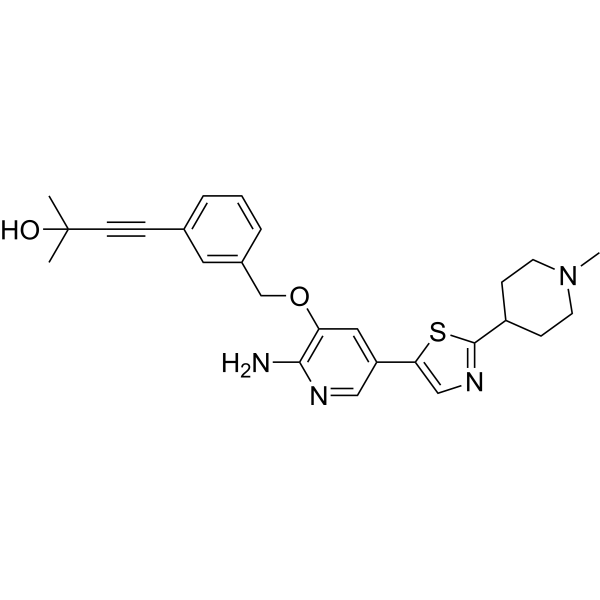
ZYF0033 is an orally active inhibitor of the hematopoietic progenitor cell kinase HPK1 with an IC50 of less than 10 nM based on the phosphorylation inhibition of MBP protein. ZYF0033 promotes anti-cancer immune responses and reduces phosphorylation of SLP76 (serine 376). ZYF0033 inhibits tumor growth in the 4T-1 syngeneic mouse model and leads to increased intratumoral infiltration of DCs, NK cells, and CD107a +CD8 + T cells, but not T cells, PD-1 +CD8 + T cells, TIM-3 +CD8 + Infiltration of T cells and LAG3 +CD8 + T cells was reduced .
loading...
    loading...
1
1 Cited Publications
Cat. No.: HY-W591424
CAS No.: 92451-01-9
Synonyms: mPEG2000-SC; mPEG2000-Succinimidyl ester
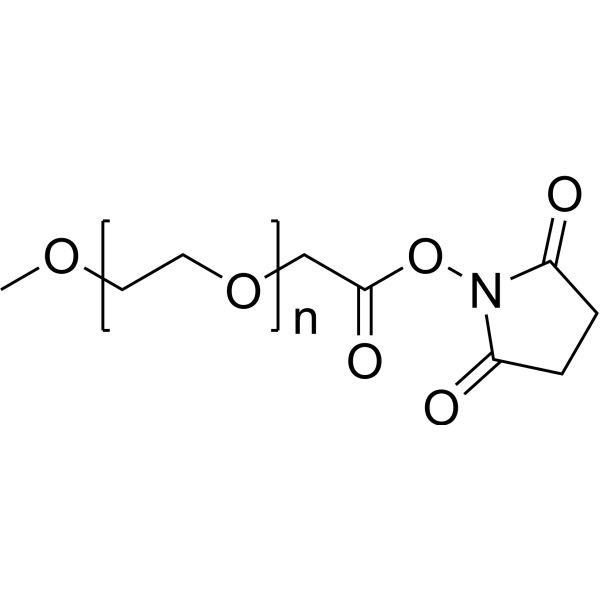
m-PEG2000-NHS ester (mPEG2000-SC) is a reagent with both cell adhesion inhibition and peptide conjugation functions. The NHS ester group of m-PEG2000-NHS ester forms stable amide bonds with primary amine-containing molecules (e.g., the N-terminus of MMP-2-cleavable octapeptide) to generate mPEG-peptide intermediates for liposome surface modification. When m-PEG2000-NHS ester is immobilized on a cystamine-modified gold surface, it can construct an in vitro model for cell adhesion kinetic studies, and higher PEG density and thicker layers correlate with lower cell adhesion rates. m-PEG2000-NHS ester can synthesize MMP-2-responsive PEGylated lipid conjugates to achieve MMP-triggered dePEGylation in the tumor microenvironment. m-PEG2000-NHS ester can be used in studies related to colon cancer and other conditions .
loading...
    loading...
Cat. No.: HY-140736
CAS No.: 385437-57-0
Purity:  ≥95.0%
Research Areas:  

Cancer

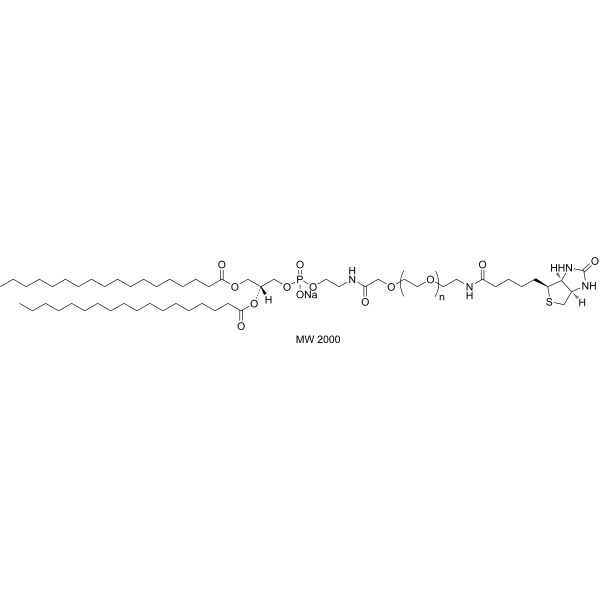
DSPE-PEG2000-Biotin is a biotin-labeled PEG derivative composed of phospholipid (DSPE), a hydrophilic polyethylene glycol chain (PEG2000) and a biotin tag. DSPE-PEG2000-Biotin is widely used in scientific research for constructing targeted liposomes, micelles and lipid nanoparticles for drug delivery and cell binding experiments .
loading...
    loading...
Cat. No.: HY-162312
CAS No.: 2758090-62-7
Research Areas:  

Cancer

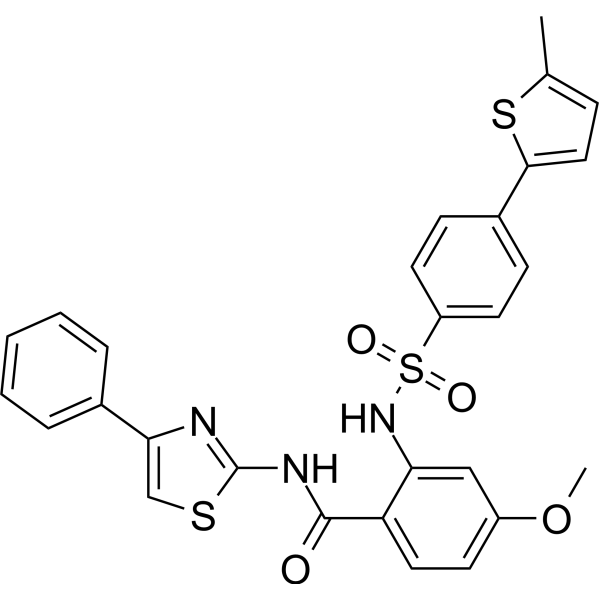
LLK203 is a potent USP2/USP8 dual-target inhibitor with IC50s of 0.89 μM and 0.52 μM, respectively. LLK203 leads a degradation of ERα and induces apoptosis of breast cancer MCF-7 cells. LLK203 demonstrates antitumor activities against the 4T1 tumor mice model .
loading...
    loading...
Cat. No.: HY-W134005
CAS No.: 29932-54-5
Synonyms: Ethylenediaminetetraacetic acid magnesium disodium tetrahydrate
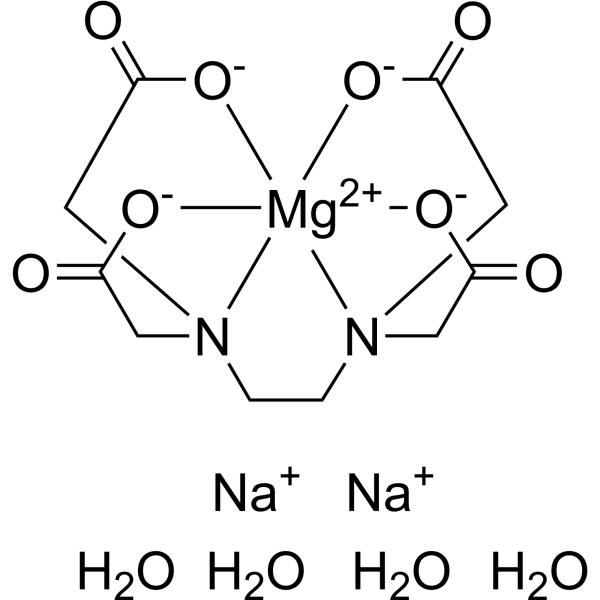
Mg(Ⅱ)-EDTA (Ethylenediaminetetraacetic acid magnesium) disodium tetrahydrate is a divalent metal chelator and ferroptosis inducer. Mg (Ⅱ)-EDTA disodium tetrahydrate reduces E-cadherin expression by chelating Ca 2+ on the surface of tumor cells, thereby triggering cell dissociation and inducing epithelial-mesenchymal transition (EMT). Mg (Ⅱ)-EDTA disodium tetrahydrate further chelates lysosomal iron to form EDTA-Fe, induces ferroptosis through the Fenton reaction, and synergistically enhances immune responses to inhibit tumor metastasis. Mg (Ⅱ)-EDTA (disodium tetrahydrate) can be used in tumor-related research .
loading...
    loading...
Cat. No.: HY-158045
CAS No.: 3032324-56-1
Purity:  99.86%
Target:  

PROTACs PARP

Research Areas:  

Cancer

PROTAC PARP1 degrader-1 is a PARP1 PROTAC degrader with a DC50 value of 252.5 nM. PROTAC PARP1 degrader-1, combined with Daunorubicin (HY-13062A), induces the accumulation of cytoplasmic DNA fragments, activates the cGAS/STING innate immune pathway, and remodels the tumor microenvironment. PROTAC PARP1 degrader-1 can be used in research related to breast cancer .
loading...
    loading...
Cat. No.: HY-P10449
CAS No.: 3098205-40-1
Target:  

Inhibitory Antibodies

Research Areas:  

Inflammation/Immunology Cancer

M2 Peptide is a peptide targeting M2-like tumor-associated macrophages (TAMs). M2 Peptide is used to carry drugs or small interfering RNA (siRNA) to promote the repolarization of M2-like macrophages to M1-like macrophages, thereby altering the immunosuppressive state in the tumor microenvironment and enhancing the anti-tumor immune response. M2 Peptide can be used to study the effect of macrophage polarization and how this polarization change affects tumor growth and metastasis .
loading...
    loading...
Cat. No.: HY-156096
CAS No.: 3033039-28-7
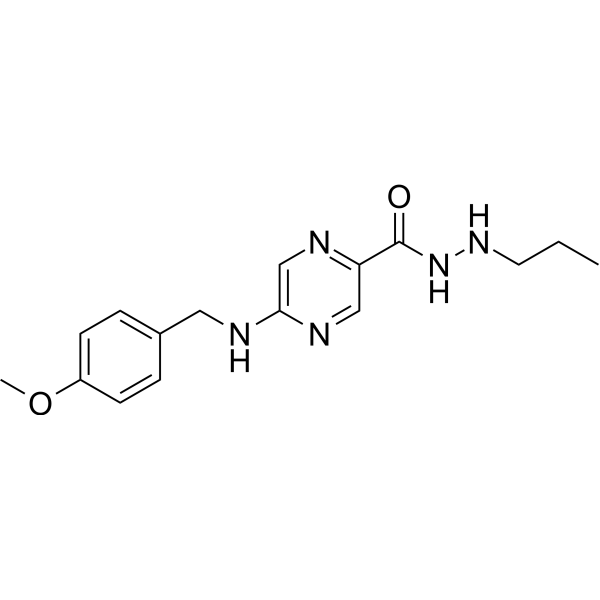
HDAC3-IN-2 (compound 4i) is a pyrazinyl hydrazide-based HDAC3 inhibitor (IC50: 14 nM) that efficiently targets triple-negative breast cancer cells. HDAC3-IN-2 is cytotoxic with an IC50 of 0.55 μM against 4T1 and an IC50 of 0.74 μM against MDA-MB-231. HDAC3-IN-2 has anti-tumor efficacy in vivo in tumor-bearing mouse models, selectively increasing the acetylation levels of H3K9, H3K27 and H4K12, increasing the contents of apoptosis-related caspase-3, caspase-7 and cytochrome c, and reducing Proliferation-related Bcl-2, CD44, EGFR, and Ki-67 levels .
loading...
    loading...
Cat. No.: HY-146231
CAS No.: 2636072-62-1
Target:  

PROTACs MAP4K

Research Areas:  

Inflammation/Immunology Cancer

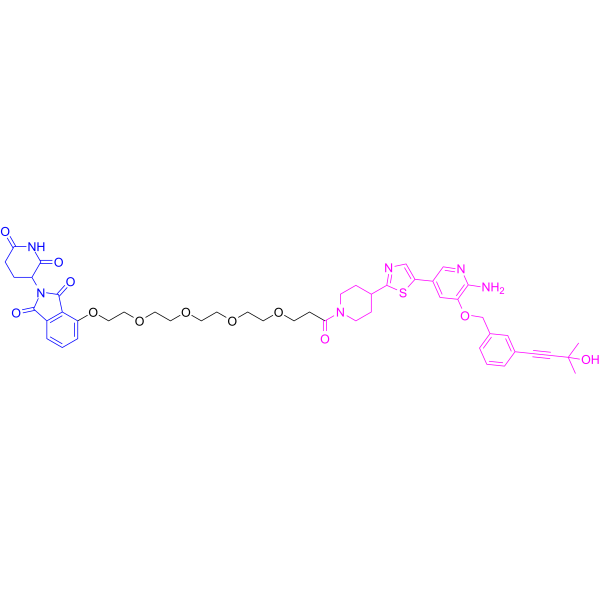
SS47 is a hematopoietic progenitor kinase HPK1 PROTAC-class degrader and immune activator. SS47 promotes the proliferation of CD4+ and CD8+ T cells as well as IFN-γ secretion, and enhances the anti-tumor cytotoxicity and in vivo efficacy of BCMA CAR-T cells. SS47 also inhibits tumor growth in mouse models, and when combined with anti-PD-1 therapy, it improves the immune response of 4T1 tumor-bearing mice. SS47 can be used in breast cancer-related research .
loading...
    loading...
Cat. No.: HY-146231A
Purity:  99.88%
Target:  

PROTACs MAP4K

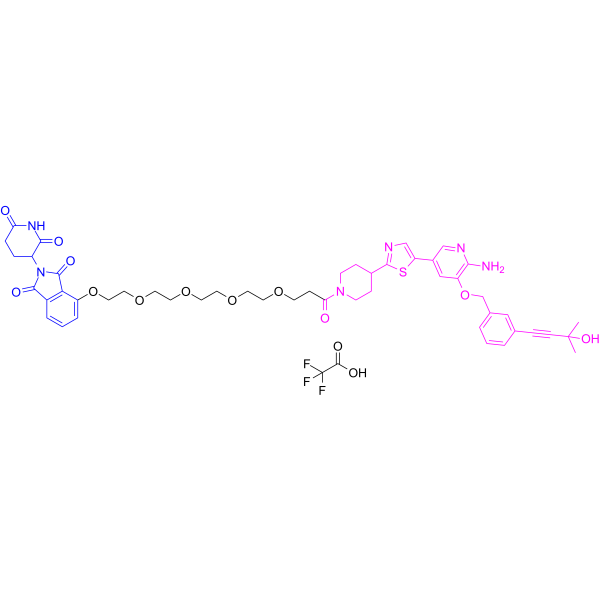
SS47 TFA is a hematopoietic progenitor kinase HPK1 PROTAC-class degrader and immune activator. SS47 TFA promotes the proliferation of CD4+ and CD8+ T cells as well as IFN-γ secretion, and enhances the anti-tumor cytotoxicity and in vivo efficacy of BCMA CAR-T cells. SS47 TFA also inhibits tumor growth in mouse models, and when combined with anti-PD-1 therapy, it improves the immune response of 4T1 tumor-bearing mice. SS47 TFA can be used in breast cancer-related research .
loading...
    loading...
Cat. No.: HY-P990299

Target:  

Phosphatase

Research Areas:  

Inflammation/Immunology Cancer

Anti-Mouse B220 Antibody (RA3.3A1/6.1) is a rat-derived IgM type antibody inhibitor, targeting to mouse B220. Anti-Mouse B220 Antibody (RA3.3A1/6.1) can deplete B cells. Anti-Mouse B220 Antibody (RA3.3A1/6.1) can be used for the researches of cancer and immunology, such as 4T1 and B16 tumor .
loading...
    loading...
Cat. No.: HY-140736A
CAS No.: 385437-57-0
Research Areas:  

Cancer

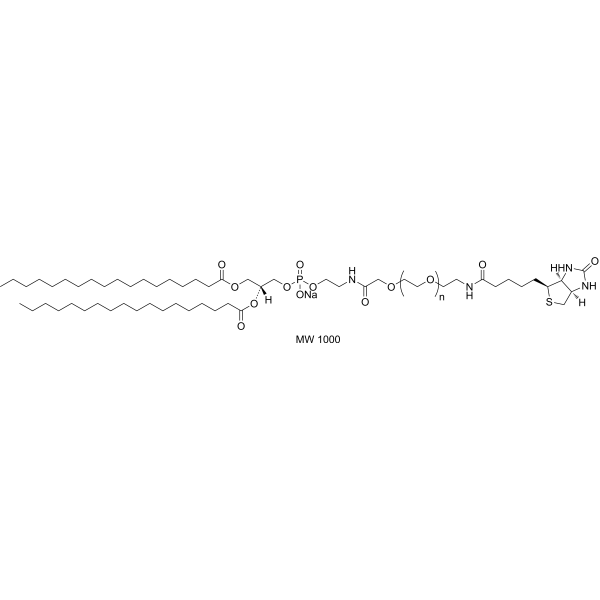
DSPE-PEG1000-Biotin is a biotin-labeled PEG derivative composed of phospholipid (DSPE), a hydrophilic polyethylene glycol chain (PEG1000) and a biotin tag. DSPE-PEG1000-Biotin is widely used in scientific research for constructing targeted liposomes, micelles and lipid nanoparticles for drug delivery and cell binding experiments .
loading...
    loading...
Cat. No.: HY-140736B
CAS No.: 385437-57-0
Research Areas:  

Cancer

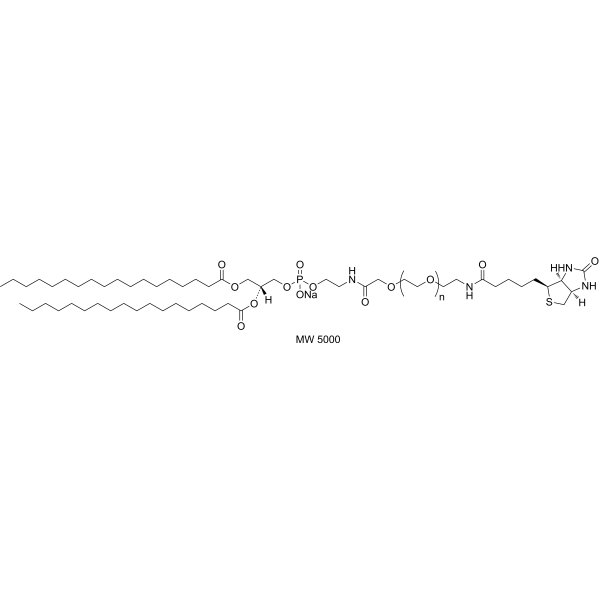
DSPE-PEG5000-Biotin is a biotin-labeled PEG derivative composed of phospholipid (DSPE), a hydrophilic polyethylene glycol chain (PEG5000) and a biotin tag. DSPE-PEG5000-Biotin is widely used in scientific research for constructing targeted liposomes, micelles and lipid nanoparticles for drug delivery and cell binding experiments .
loading...
    loading...
Cat. No.: HY-175846
CAS No.: 2822560-46-1
Research Areas:  

Cancer

TQFL13 is derivative of Thymoquinone (TQ) (HY-D0803) with potent anti-breast cancer activity. TQFL13 exhibits higher cytotoxicity against breast cancer cells (BT549, MDA-MB-231, 4T1). TQFL13 increases apoptosis and blocks the cell cycle at S and G2/G1 phases in breast cancer cells. TQFL13 shows dose-dependent anti-tumor efficacy in mouse breast cancer allograft model. TQFL13 can be used for the study of breast cancer .
loading...
    loading...
Cat. No.: HY-175874
CAS No.: 353258-94-3
Research Areas:  

Cancer

Tubulin-IN-55 is a tubulin inhibitor. Tubulin-IN-55 disrupts the PI3K/Akt signaling pathway in cancer cells. Tubulin-IN-55 exerts broad-spectrum anti-proliferative activity against multiple tumor cells (HeLa, HCT116, 4T1, A549, H1299, MDA-MB231). Tubulin-IN-55 induces G2/M phase arrest and apoptosis, and inhibits tumor cell migration/invasion in cancer cells. Tubulin-IN-55 demonstrates potent antitumor efficacy in orthotopic autologous transplantation mice. Tubulin-IN-55 can be used for the study of cancer .
loading...
    loading...
Cat. No.: HY-170453
Research Areas:  

Cancer

iHAC is an inhibitor HSP90-anchoring chimera, that covalently binds BRD4 ligand (+)-JQ-1 to HSP90, and inhibits the proliferation of cancer cells. iHAC activates the anti-tumor immune response, inhibits the recurrence and metastasis of 4T1 breast cancer in mouse models .
loading...
    loading...
Cat. No.: HY-174811
Research Areas:  

Cancer

PROTAC BRD4 Degrader-33 is a BRD4 PROTAC degrader that recruits CRBN. PROTAC BRD4 Degrader-33 downregulates PD-L1 expression, inhibits tumor cell proliferation and tumor growth in mice by inducing ubiquitination and proteasomal degradation of BRD4. PROTAC BRD4 Degrader-33 can be used in the research of breast cancer .
loading...
    loading...
Cat. No.: HY-169392
Target:  

PD-1/PD-L1

Research Areas:  

Cancer

D5B is a potent and selective PD-L1 inhibitor. D5B has been modified by DBCO. The EC50 of D5B degrading PD-L1 in 4T1 and B16-F10 tumor cells are 5.4 μM and 6.2 μM, respectively. D5B can block PD-L1/PD-1 interaction and has anti-tumor activity .
loading...
    loading...
Cat. No.: HY-175857
Target:  

HDAC Apoptosis

Research Areas:  

Cancer

HDAC-IN-92 is a pan-HDAC inhibitor with an IC50 of 12.58 µM in A2780 cells. HDAC-IN-92 demonstrates broad-spectrum, notable cytotoxic activity against a range of human cancer cell lines, including ovarian, liver, and breast carcinomas. HDAC-IN-92 causes apoptosis and demonstrates a notable decrease in tumor cell colony formation. HDAC-IN-92 inhibits the formation of blood vessels in the chick chorioallantoic membrane (CAM). HDAC-IN-92 exhibits anti-tumor effect in a 4T1 tumor-bearing mouse model. HDAC-IN-92 can be used for research targeting solid tumor .
loading...
    loading...

