
86 Results for "

Acne

" in MedChemExpress (MCE) Product Catalog:
Products (86)

86 Results for "Acne" in MCE Product Catalog:

13
13 Publications Verification
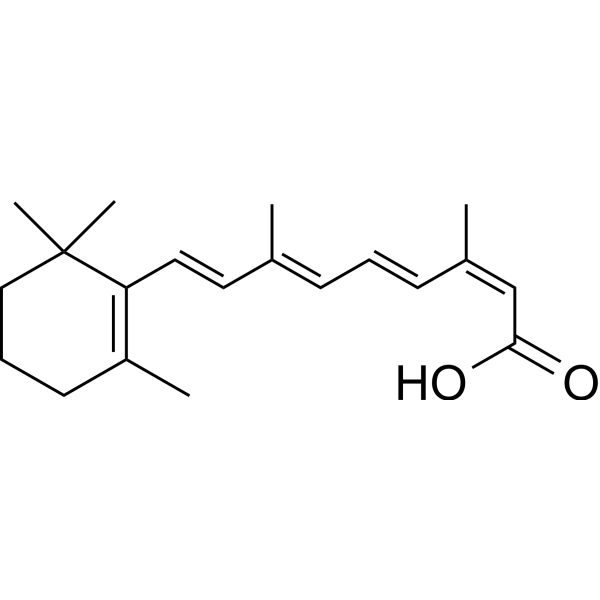
Cat. No.: HY-15127
CAS No.: 4759-48-2
Purity:  99.54%
Synonyms: 13-cis-Retinoic acid
Isotretinoin (13-cis-Retinoic acid) is an orally active vitamin A derivative and is often be used for the research of severe acne. Isotretinoin also shows anticancer activity .
loading...
    loading...
7
7 Cited Publications
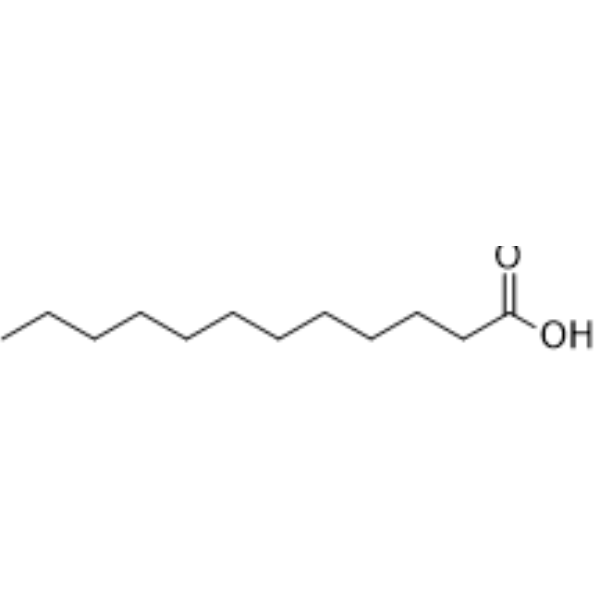
Cat. No.: HY-Y0366
CAS No.: 143-07-7
Lauric acid is a middle chain-free fatty acid with strong bactericidal properties. The EC50s for P. acnes, S.aureus, S. epidermidis, are 2, 6, 4 μg/mL, respectively .
loading...
    loading...
5
5 Cited Publications
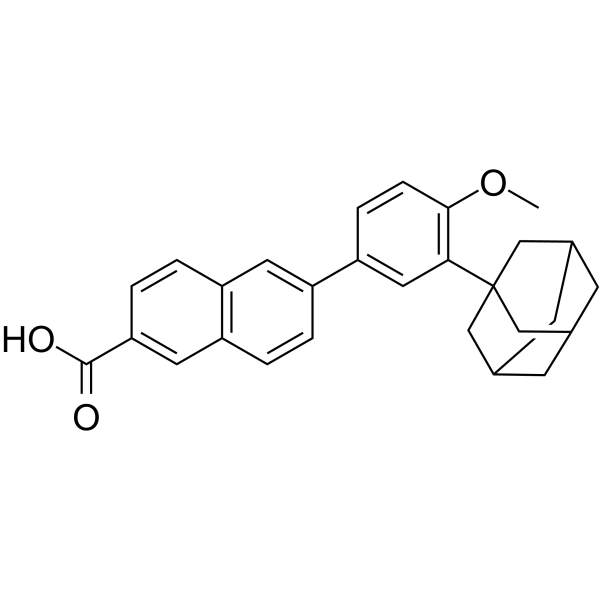
Cat. No.: HY-B0091
CAS No.: 106685-40-9
Synonyms: CD271
Adapalene (CD271), a third-generation synthetic retinoid, is widely used for the research of acne. Adapalene is a potent RAR agonist, with AC50s of 2.3 nM, 9.3 nM, and 22 nM for RARβ, RARγ, RARα, respectively. Adapalene also inhibits the enzymatic activity of GOT1 in a non-competitive manner. Adapalene exhibits anti-tumor activity .
loading...
    loading...
5
5 Cited Publications
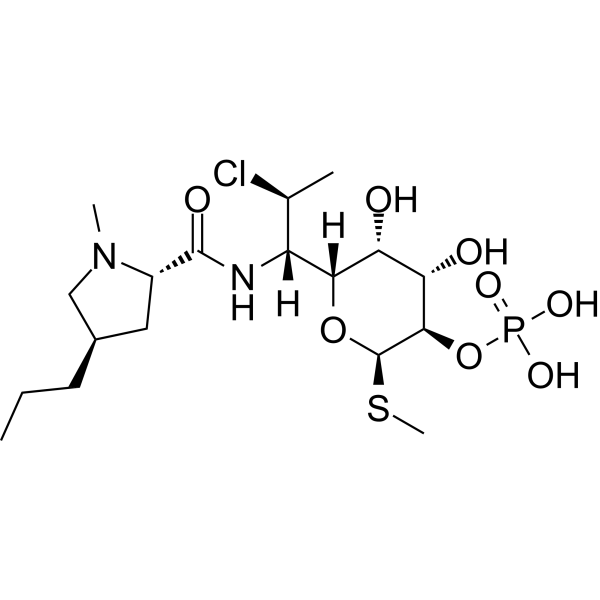
Cat. No.: HY-B1064
CAS No.: 24729-96-2
Synonyms: Clindamycin 2-phosphate; U-28508
Research Areas:  

Infection Cancer

Clindamycin phosphate (Clindamycin 2-phosphate) is a broad-spectrum bacteriostatic lincosamide antibiotic. Clindamycin phosphate is the proagent of Clindamycin (HY-B1455) with no antimicrobial activity in vitro but can be rapidly converted in vivo to the active parent agent, Clindamycin, by phosphatase ester hydrolysis. Clindamycin phosphate can be used for researching acne and bacterial vaginosis . Clindamycin phosphate has no cytotoxicity. Combined with platelet rich fibrin (PRF), PRF-Clindamycin phosphate enhances antimicrobial properties .
loading...
    loading...
5
5 Cited Publications
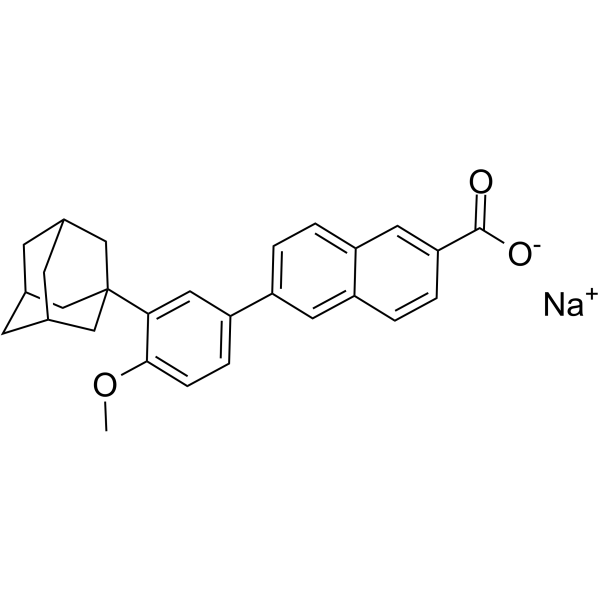
Cat. No.: HY-B0091A
CAS No.: 911110-93-5
Synonyms: CD 271 sodium salt
Adapalene (CD271) sodium salt, a third-generation synthetic retinoid, is widely used for the research of acne. Adapalene sodium salt is a potent RAR agonist, with AC50s of 2.3 nM, 9.3 nM, and 22 nM for RARβ, RARγ, RARα, respectively. Adapalene sodium salt also inhibits the enzymatic activity of GOT1 in a non-competitive manner. Adapalene sodium salt exhibits anti-tumor activity .
loading...
    loading...
4
4 Cited Publications
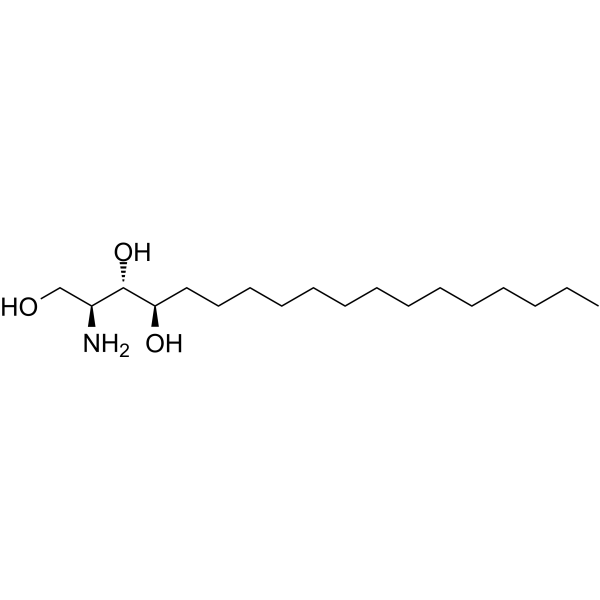
Cat. No.: HY-W011303
CAS No.: 554-62-1
Synonyms: 4-Hydroxysphinganine
Phytosphingosine is a phospholipid with anti-inflammatory, antibacterial, and anti-cancer activities, which can induce apoptosis. Phytosphingosine is an immune regulator and can be used in the study of inflammatory skin diseases. Phytosphingosine is also an activator of GPR120 with an IC50 value of 33.4 μM and can be used in the study of type II diabetes .
loading...
    loading...
4
4 Cited Publications
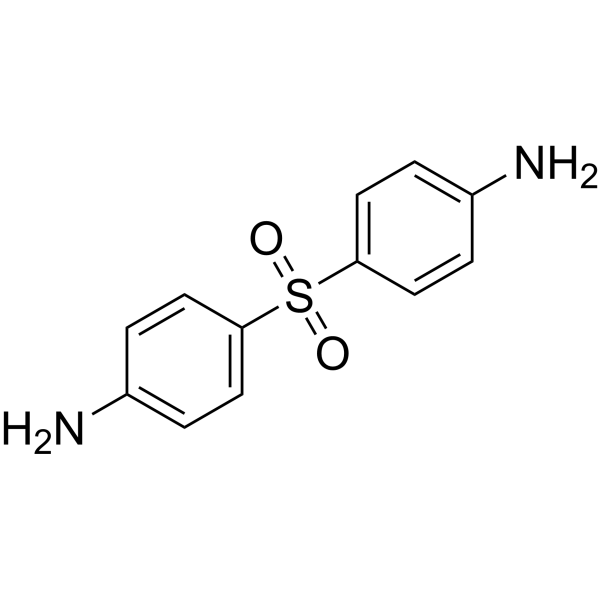
Cat. No.: HY-B0688
CAS No.: 80-08-0
Synonyms: 4,4′-Diaminodiphenyl sulfone; DDS
Dapsone (4,4′-Diaminodiphenyl sulfone) is an orally active and blood-brain penetrant sulfonamide antibiotic with bacteriostatic, antimycobacterial and antiprotozoal activities . Dapsone?exerts effective antileprosy activity?and inhibits folate synthesis in cell extracts of?M. leprae. Dapsone is used for dermatologic disorder research, including leprosy, dermatitis herpetiformis, acne vulgaris et al .
loading...
    loading...
4
4 Cited Publications
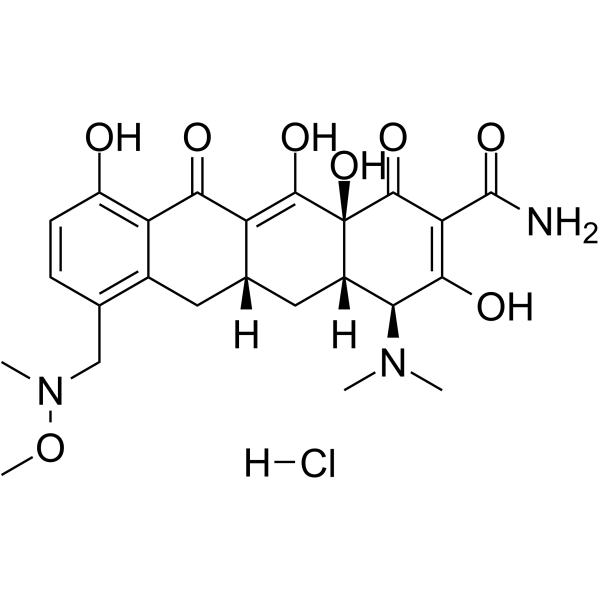
Cat. No.: HY-13858A
CAS No.: 1035979-44-2
Purity:  98.01%
Synonyms: P-005672 hydrochloride
Research Areas:  

Infection

Sarecycline hydrochloride is an orally active narrow-spectrum tetracycline derivative antibiotic. Sarecycline hydrochloride has anti-inflammatory activity. Sarecycline hydrochloride inhibits the activity of Gram-positive bacteria and several types of keratobacterium acnes. Sarecycline hydrochloride interferes with tRNA accommodation and tethers mRNA to the 70S ribosome. Sarecycline hydrochloride can be used to study moderate to severe acne .
loading...
    loading...
3
3 Cited Publications
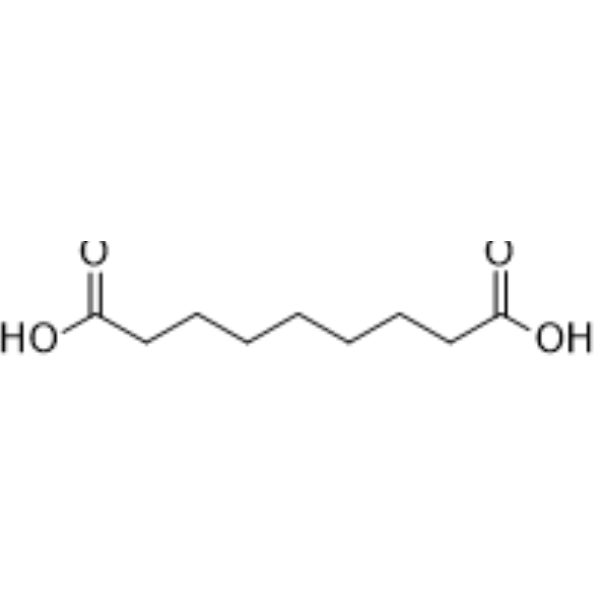
Cat. No.: HY-B0704
CAS No.: 123-99-9
Synonyms: Nonanedioic acid
Azelaic acid is a nine-carbon dicarboxylic acid. Azelaic acid has antimicrobial activity against Propionibacterium acnes and Staphylococcus epidermidis through inhibition of microbial cellular prorein synthesis. Azelaic acid has hypopigmentation action resulting from its ability to scavenge free radicals .
loading...
    loading...
3
3 Cited Publications
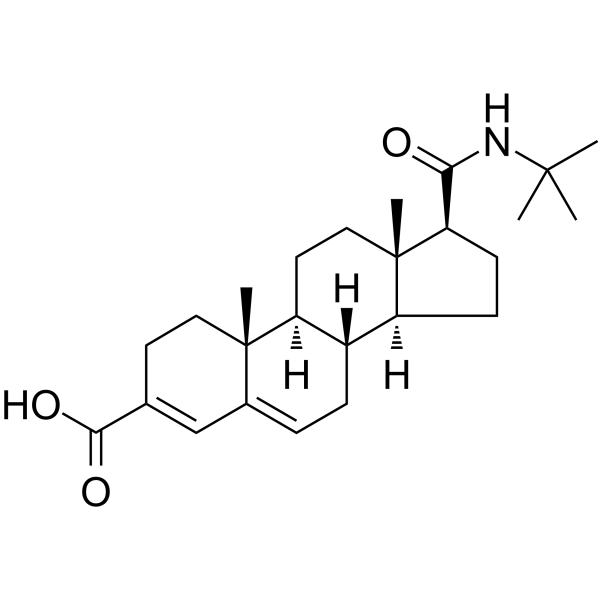
Cat. No.: HY-107385
CAS No.: 119169-78-7
Purity:  99.96%
Synonyms: ONO-9302; SKF105657
Target:  

5 alpha Reductase

Research Areas:  

Cancer

Epristeride (ONO-9302) is a selective, specific and orally active uncompetitive inhibitor of human steroid 5 alpha-reductase isoform 2. Epristeride has inhibitory effects for SR isoenzymes types 2 with Ki value of 0.7-2 nM. Epristeride can be used for the research of prostatic hyperplasia and acne .
loading...
    loading...
3
3 Cited Publications
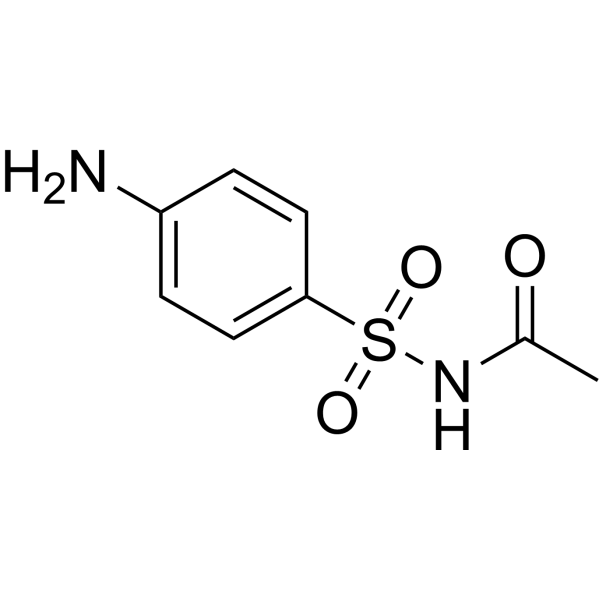
Cat. No.: HY-N7123
CAS No.: 144-80-9
Synonyms: Sulphacetamide
Sulfacetamide (Sulphacetamide) is a sulfonamide antibiotic. Sulfacetamide has antifungal and antibacterial activities. Sulfacetamide is employed as a topical formulation in various ophthalmic, dermatological, and hair solutions against bacterial infections, acne and scalp conditions. Sulfacetamide targets bacterial folic acid synthesis and is effective against various gram-positive and gram-negative bacteria. Sulfacetamide inhibits the synthesis of both dihydro-folic acid and para-aminobenzoic acid. Sulfacetamide can be used for the study of ocular infections .
loading...
    loading...
2
2 Cited Publications
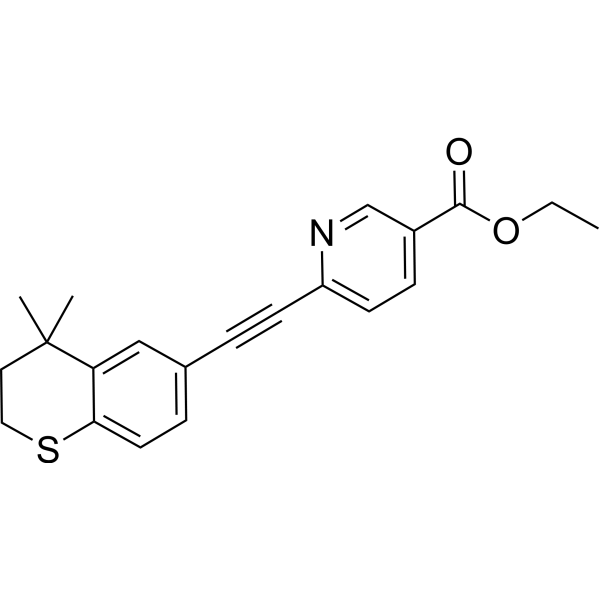
Cat. No.: HY-15388
CAS No.: 118292-40-3
Purity:  99.39%
Synonyms: AGN 190168
Target:  

RAR/RXR Autophagy

Research Areas:  

Inflammation/Immunology Cancer

Tazarotene (AGN 190168) is a selective retinoic acid receptor (RAR) agonist for the treatment of plaque psoriasis and acne vulgaris. Tazarotene is a click chemistry reagent, it contains an Alkyne group and can undergo copper-catalyzed azide-alkyne cycloaddition (CuAAc) with molecules containing Azide groups.
loading...
    loading...
2
2 Cited Publications
Cat. No.: HY-105048
CAS No.: 204248-78-2
Purity:  98.64%
Target:  

Bacterial

Research Areas:  

Infection

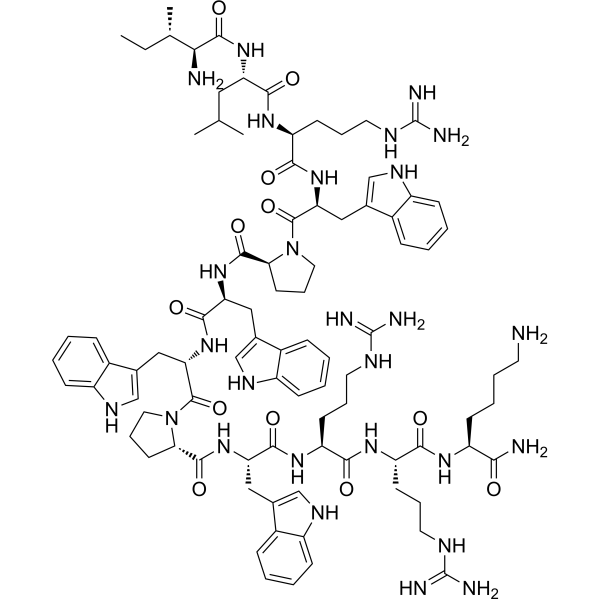
Omiganan is a cationic antimicrobial peptide. Omiganan as an analogue of indolicidin shows activity against gram-positive and gram-negative bacteria but also Candida spp. isolates. Omiganan can be used for the research of alcohol nose and acne .
loading...
    loading...
2
2 Cited Publications
Cat. No.: HY-P3021
CAS No.: 12671-19-1
Research Areas:  

Infection

Human milk lysozyme is the lysozyme found in human milk. Human milk lysozyme is thought to be a key defense factor in protecting the gastrointestinal tract of newborns against bacterial infection .
loading...
    loading...
1
1 Cited Publications
Cat. No.: HY-B0506
CAS No.: 124858-35-1
Synonyms: OPC7251
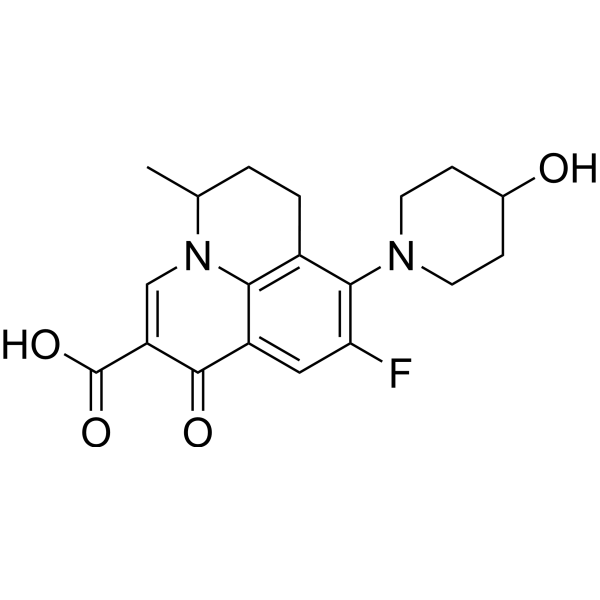
Nadifloxacin (OPC7251) is a broad-spectrum quinolone antibiotic. Nadifloxacin inhibits bacterial DNA gyrase and topoisomerase IV, interfering with DNA replication. It also suppresses the production of proinflammatory cytokines (such as IL-1α, IL-6, and IL-8). Nadifloxacin exhibits antibacterial activity against various pathogens, including Propionibacterium acnes and Staphylococcus aureus. Nadifloxacin also exhibits anti-inflammatory activity. Nadifloxacin can be used in the research of skin infections such as acne vulgaris, folliculitis, and impetigo .
loading...
    loading...
1
1 Cited Publications
Cat. No.: HY-Y0032
CAS No.: 79-19-6
Target:  

Orthopoxvirus

Research Areas:  

Infection Others Cancer

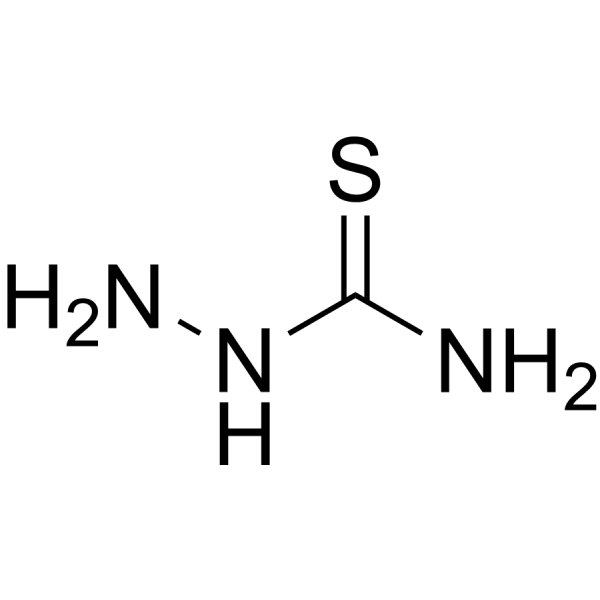
Thiosemicarbazide is a vitamin B6 antagonist with anti-acne activity. Thiosemicarbazide is also a well-known source in the synthesis of heterocycles, and its derivatives have potential anticancer activity. Thiosemicarbazide (TSC: HL1) reacts with metal salts, urea (U), to prepare Co(II) and Cu(I) metal complexes. Thiosemicarbazide is also used in the fields of media communications and optical storage, and in the spectrophotometric detection of metals .
loading...
    loading...
Cat. No.: HY-100256
CAS No.: 895542-09-3
Purity:  99.12%
Synonyms: CD5789
Target:  

RAR/RXR Autophagy

Research Areas:  

Inflammation/Immunology

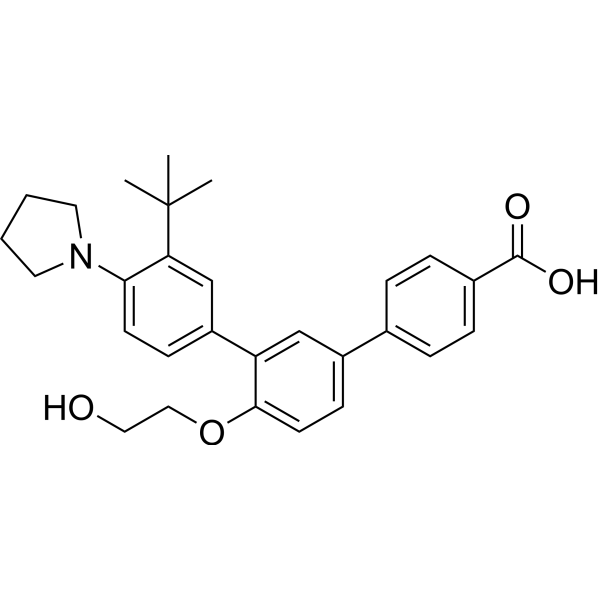
Trifarotene (CD5789) is a potent and selective RARγ agonist. Trifarotene (CD5789) shows ~65-fold and ~16-fold selectivitiy for the RARγ (EC50=7.7 nM) over RARα (EC50=500 nM) and RARβ (EC50=125 nM), respectively .
loading...
    loading...
Cat. No.: HY-B1366
CAS No.: 73816-42-9
Target:  

Antibiotic Bacterial

Research Areas:  

Infection

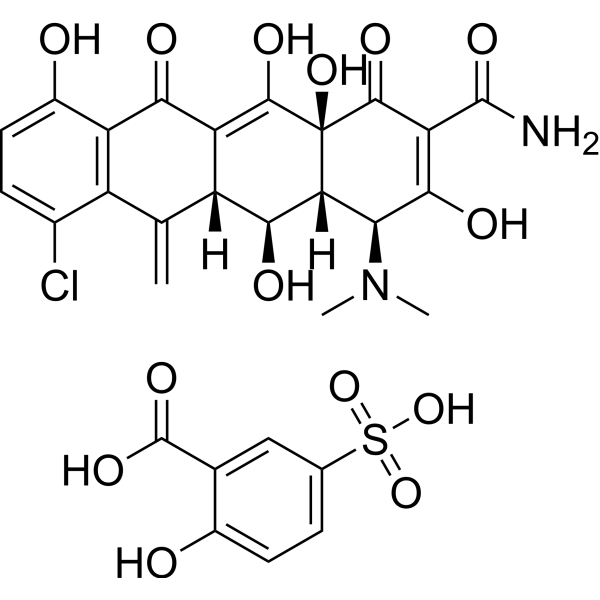
Meclocycline Sulfosalicylate Salt is a tetracycline antibiotic with broad-spectrum antibacterial activities, preventing skin bacterial infections such as acne vulgaris .
loading...
    loading...
Cat. No.: HY-W251181
CAS No.: 1428450-95-6
Target:  

Tyrosinase

Research Areas:  

Metabolic Disease

Isobutylamido thiazolyl resorcinol is a selective hTyr inhibitor with an IC50 of 1.1  μM. Isobutylamido thiazolyl resorcinol shows an IC50 of 108  μM against mushroom Tyrosinase. Isobutylamido thiazolyl resorcinol effectively prevents pigmentation caused by UVB irradiation. Isobutylamido thiazolyl resorcinol significantly improves the visibility of acne-induced hyperpigmentation .
loading...
    loading...
Cat. No.: HY-P5255
CAS No.: 466691-40-7
Target:  

Bacterial

Research Areas:  

Infection Inflammation/Immunology

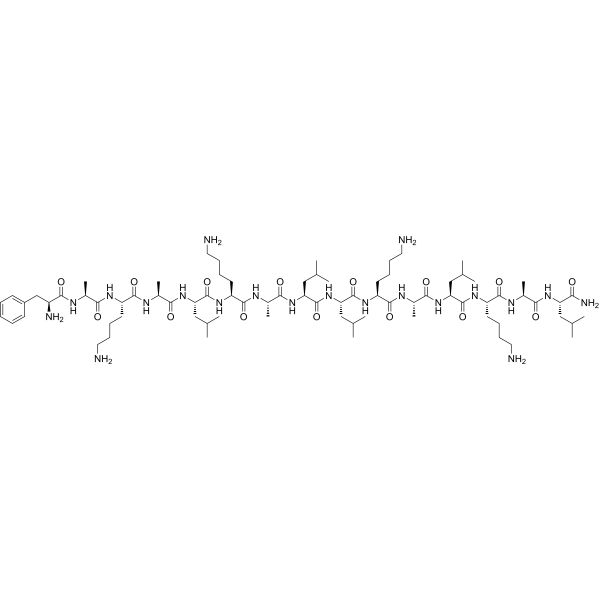
Oligopeptide-10 is a bioactive peptide with antimicrobial activity. Oligopeptide-10 exhibits broad-spectrum bactericidal effects against Gram-positive bacteria including Propionibacterium acnes and Staphylococcus aureus. Oligopeptide-10 targets lipoteichoic acid (LTA) on the surface of bacterial cell membranes, induces bacterial osmotic imbalance by disrupting the integrity of bacterial membranes, and reduces the release of pro-inflammatory cytokines induced by bacteria. Oligopeptide-10 possesses skin-protective activity. Oligopeptide-10 can be applied in research related to acne vulgaris, dandruff, seborrheic dermatitis, and tinea pedis .
loading...
    loading...

