1. Search Result
Search Result
Results for "

Antimutagenic activity

" in MedChemExpress (MCE) Product Catalog:

31

Inhibitors & Agonists

1

Bibliothèques de criblage

26

Natural
Products

3

Isotope-Labeled Compounds

Cat. No. Nom du produit Target Áreas de investigación Chemical Structure
  • HY-N0056
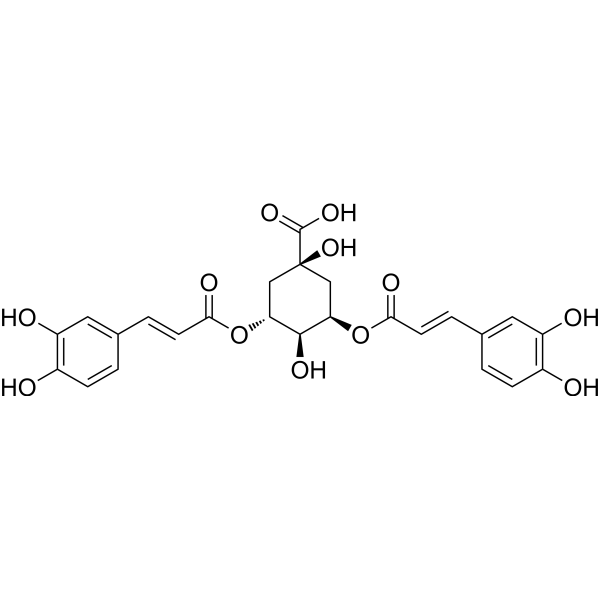
    Isochlorogenic acid A
    Maximum Cited Publications
    13 Publications Verification

    3,5-Dicaffeoylquinic acid; 3,5-CQA

    Reactive Oxygen Species (ROS) HBV Endogenous Metabolite HIV Bacterial Neurological Disease Inflammation/Immunology
    Isochlorogenic acid A (3,5-Dicaffeoylquinic acid) is a natural phenolic acid with anti-mutagenicity, anti-HBV, anti-HIV, anti-oxidant, anti-bacterial, and anti-inflammatoryy activities .
    Isochlorogenic acid A
  • HY-N0790
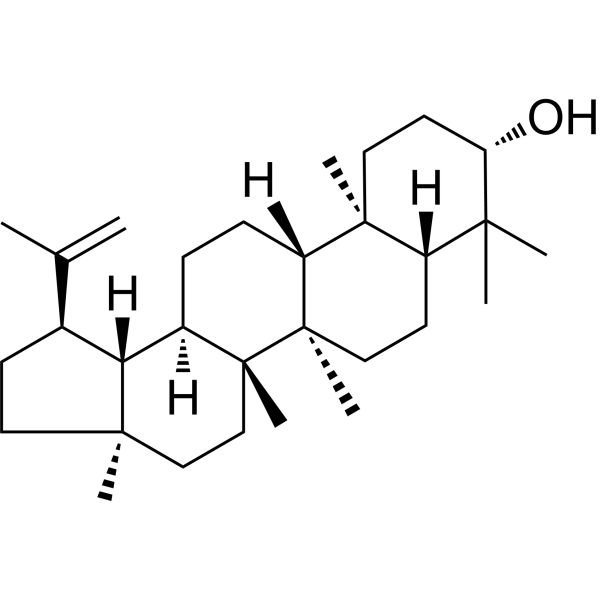
    Lupeol
    5 Publications Verification

    Clerodol; Monogynol B; Fagarasterol

    Androgen Receptor Apoptosis Cancer
    Lupeol (Clerodol; Monogynol B; Fagarasterol) is an active pentacyclic triterpenoid, has anti-oxidant, anti-mutagenic, anti-tumor and anti-inflammatory activity. Lupeol is a potent androgen receptor (AR) inhibitor and can be used for cancer research, especially prostate cancer of androgen-dependent phenotype (ADPC) and castration resistant phenotype (CRPC) .
    Lupeol
  • HY-N0313

    MAGL Endogenous Metabolite Inflammation/Immunology
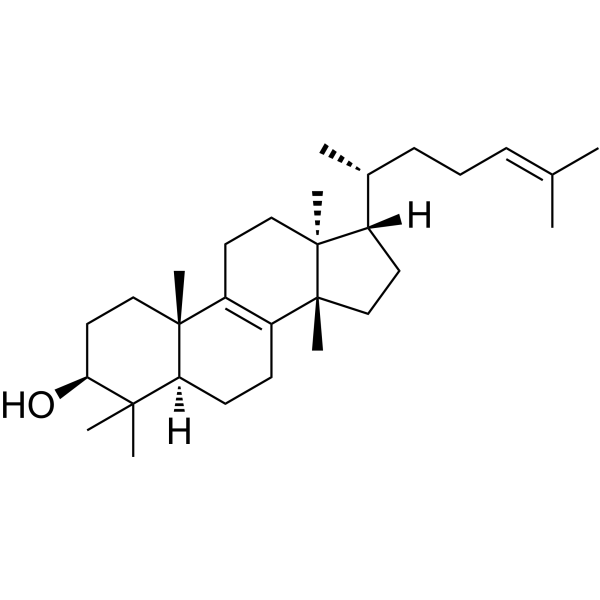
    Euphol is a tetracyclic triterpene alcohol isolated from the sap of Euphorbia tirucalli with anti-mutagenic, anti-inflammatory and immunomodulatory effects, orally active. Euphol inhibits the monoacylglycerol lipase (MGL) activity via a reversible mechanism (IC50=315 nM). MGL inhibition in the periphery modulates the endocannabinoid system to block the development of inflammatory pain .
    Euphol
  • HY-N3926

    Drug Intermediate Others
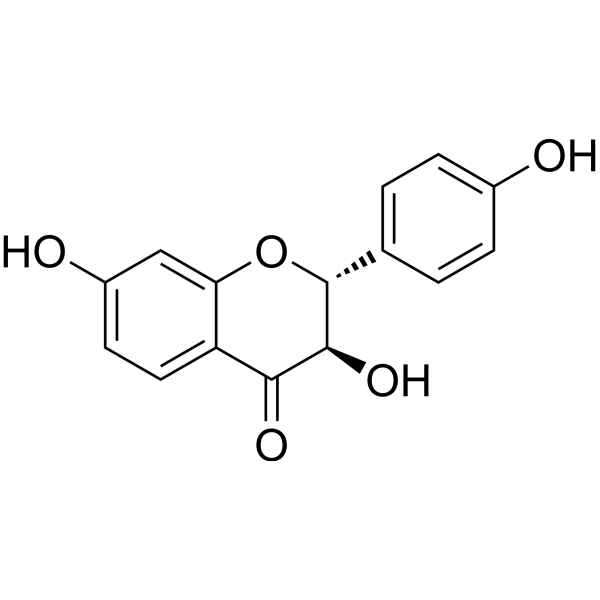
    Garbanzol is an orally active natural flavonoid compound. Garbanzol is one of the key intermediates in the flavonoid biosynthetic pathway. Garbanzol exhibits anti-mutagenic activity .
    Garbanzol
  • HY-N7015
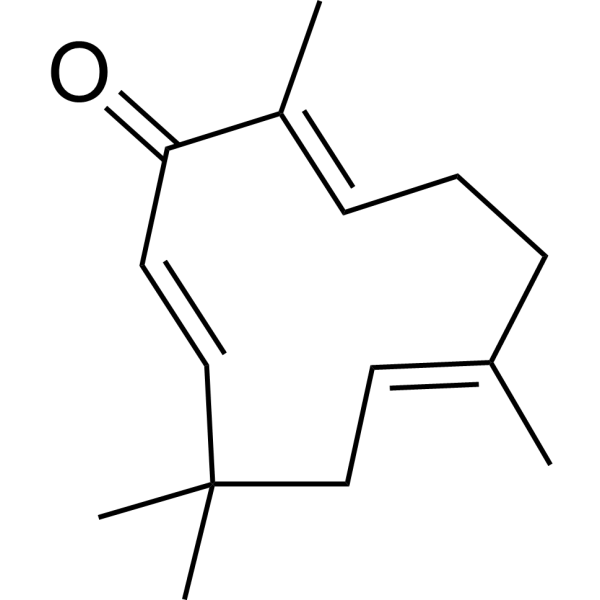
    Zerumbone
    2 Publications Verification

    EBV Caspase Apoptosis Bacterial Infection Cancer
    Zerumbone is an orally active natural cyclic sesquiterpene and can be isolated from Zingiber zerumbet. Zerumbone has anti-proliferative, anti-inflammation, anti-cancer, anti-bacterial and anti-mutagenic activity .
    Zerumbone
  • HY-N1677

    Akt mTOR Bacterial Fungal AMPK Infection Metabolic Disease Inflammation/Immunology Cancer
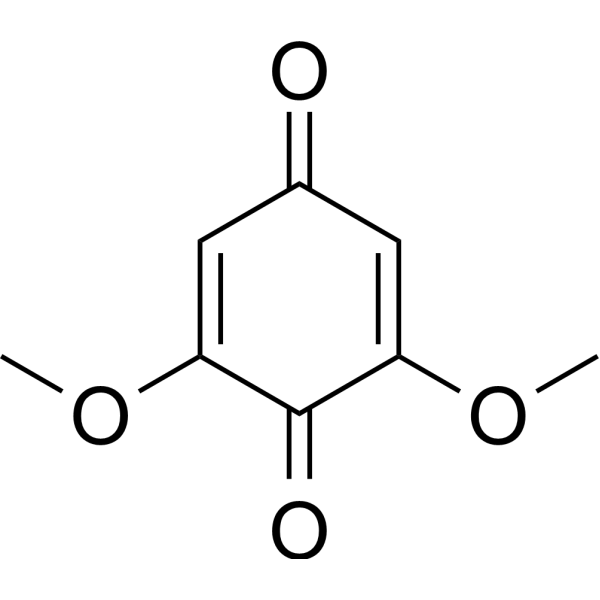
    2,6-Dimethoxy-1,4-benzoquinone is a 1,4-benzoquinone derivative. 2,6-Dimethoxy-1,4-benzoquinone promotes phosphorylation of AKT, S6K, mTOR, 4E-BP1, and AMPK, and attenuates mTORC1 activity as part of the AKT/mTOR pathway. 2,6-Dimethoxy-1,4-benzoquinone stimulates myoblast differentiation, increases myotube size, elevates MHC protein expression, enhances mitochondrial biogenesis, respiration, and DNA content, and increases skeletal muscle weights, fiber size, grip strength, and treadmill performance. 2,6-Dimethoxy-1,4-benzoquinone exerts anti-cancer, anti-inflammatory, anti-adipogenic, antibacterial, and antimutagenic effects, inhibits adipogenic transcription factors, nitric oxide production, skin tumor development, Magnaporthe oryzae growth, spore germination, appressorium formation, and growth of select bacterial species, induces H2O2 generation and rice defense gene expression, and reduces rice blast lesion formation. 2,6-Dimethoxy-1,4-benzoquinone can be used for the research of obesity, skin tumorigenesis, rice blast disease, and food-borne illness .
    2,6-Dimethoxy-1,4-benzoquinone
  • HY-N0351S1
    p-Coumaric acid-d6
    1 Publications Verification

    trans-4-Hydroxycinnamic acid-d6

    Endogenous Metabolite Cancer
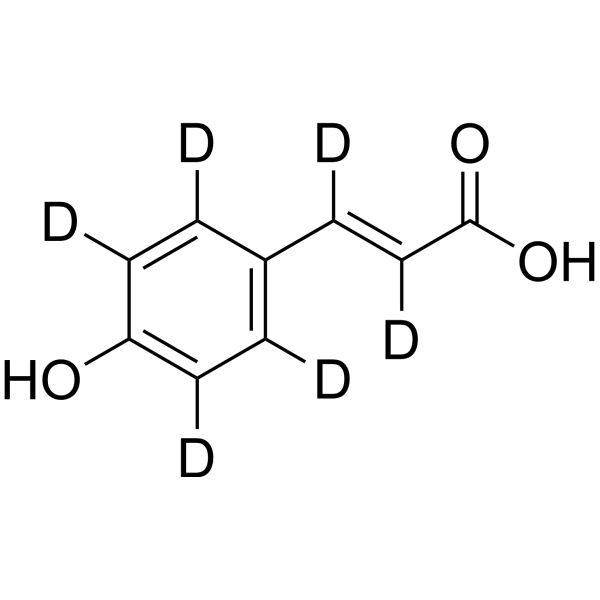
    p-Coumaric acid-d6 is the deuterium labeled p-Coumaric acid (HY-N0351). p-Coumaric acid is the abundant isomer of cinnamic acid which has antitumor and anti-mutagenic activities .
    p-Coumaric acid-d6
  • HY-N2459
    Peonidin chloride
    1 Publications Verification

    YGM-6 chloride

    Interleukin Related Neurological Disease Inflammation/Immunology Cancer
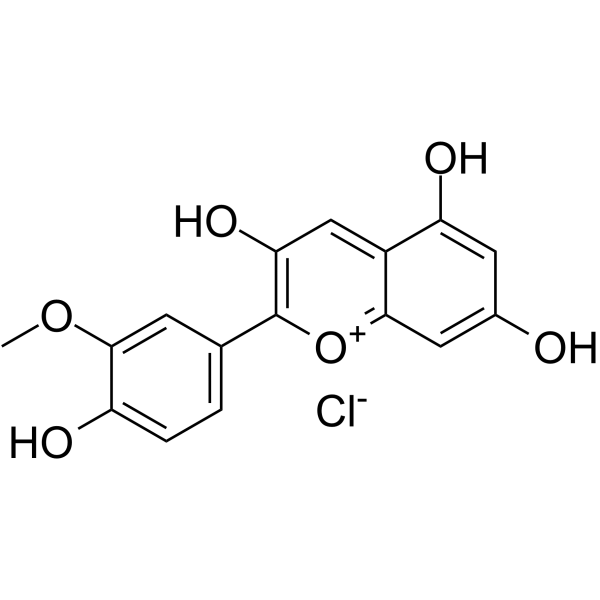
    Peonidin (YGM-6) chloride is an anthocyanin compound found in plants such as grapes and purple-fleshed sweet potatoes. Peonidin chloride alone exerts no stable inhibitory effect on LPS (HY-D1056)-mediated inflammatory gene expression. The acylated form of Peonidin chloride exhibits antimutagenic activity .
    Peonidin chloride
  • HY-W014118

    Environmental Pollutants Inflammation/Immunology Cancer
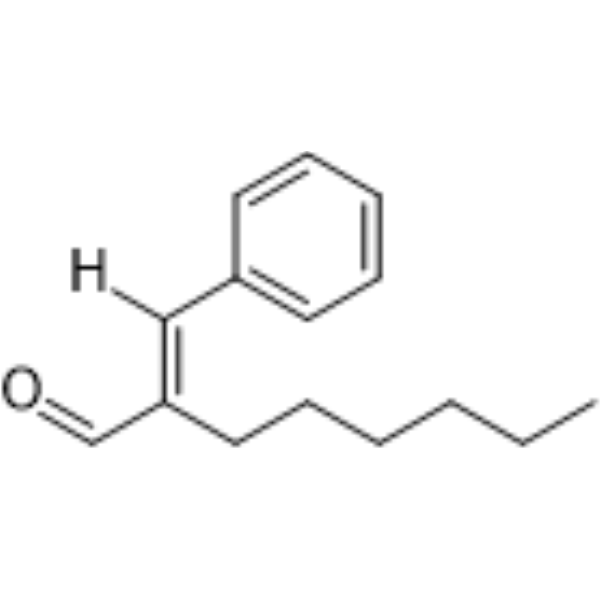
    α-Hexylcinnamaldehyde is an O-acetyltransferase (OAT) inhibitor. α-Hexylcinnamaldehyde inhibits OAT-mediated bioactivation of nitroarene mutagens, exerts antimutagenic activity through demutagenic and bioantimutagenic mechanisms, and interferes with ATP-binding cassette (ABC) transporter function to reduce substrate efflux. α-Hexylcinnamaldehyde alters membrane permeability, fluidizes phospholipid membranes, exerts antioxidant effects, and enhances the antiproliferative effect of Doxorubicin on human cancer cells. α-Hexylcinnamaldehyde can be used in the research of colorectal adenocarcinoma, T-cell leukemia, and multidrug-resistant cancers .
    α-Hexylcinnamaldehyde
  • HY-B1173
    (+)-Camphor
    1 Publications Verification

    D-(+)-Camphor; (1R)-(+)-Camphor

    Environmental Pollutants Bacterial Neurological Disease Inflammation/Immunology Cancer
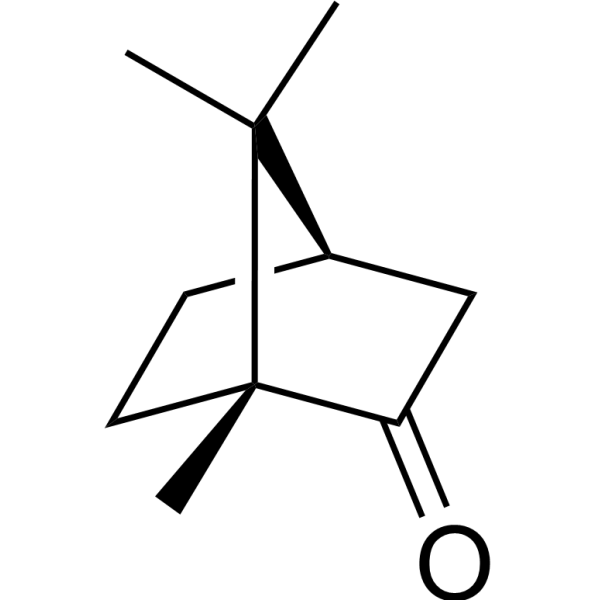
    (+)-Camphor (D-(+)-Camphor; (1R)-(+)-Camphor) is an isomer of Camphor. Camphor is an agonist of monoterpenoid transient receptor potential (TRP) channels (such as TRPV1, TRPV3, TRPM8) and an inhibitor of TRPA1 channels. Camphor's derivatives have multiple biological activities, including antibacterial, antiviral, antioxidant, analgesic and anticancer. Camphor can selectively activate cold-sensitive TRP channels and inhibit TRPA1-mediated nociceptive signals. Camphor stimulates the cold-sensing nerve endings in the skin and regulates the activity of ion channels to exert analgesic, anti-inflammatory and anti-itching effects. It also has anti-proliferative and anti-mutagenic activities on tumor cells, which may be related to inhibiting ribosome function or inducing cell apoptosis. Camphor can be absorbed through the skin and (+)-Camphor can be used in the study of muscle and joint pain and inflammation .
    (+)-Camphor
  • HY-119956

    Apoptosis STAT Infection Inflammation/Immunology Cancer
    Biflorin has antimicrobial, antitumor, antiinflammatory and antimutagenic activities. Biflorin is found in the roots of Capraria biflora L .
    Biflorin
  • HY-N0351S

    Endogenous Metabolite Cancer
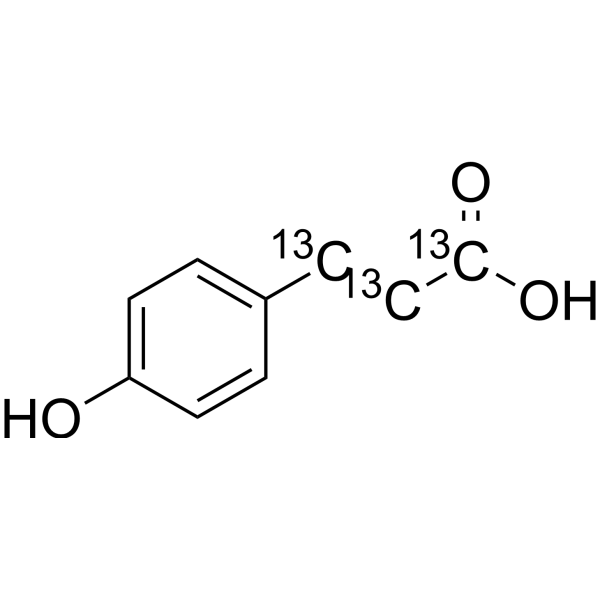
    p-Coumaric acid- 13C3 is the 13C-labeled p-Coumaric acid. p-Coumaric acid is the abundant isomer of cinnamic acid which has antitumor and anti-mutagenic activities.
    p-Coumaric acid-13C3
  • HY-W275553

    DNA Alkylator/Crosslinker Infection
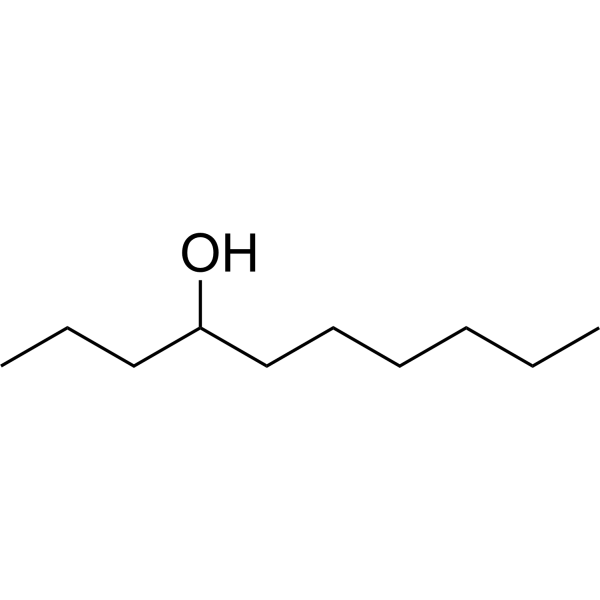
    4-Decanol is an antimutagenic compound, that can be isolated from mustard leaves. 4-Decanol inhibits mutagenic activities of Aflatoxin B1 (HY-N6615) and MNNG (HY-128612) in Salmonella typhimurium TA100 .
    4-Decanol
  • HY-135218A
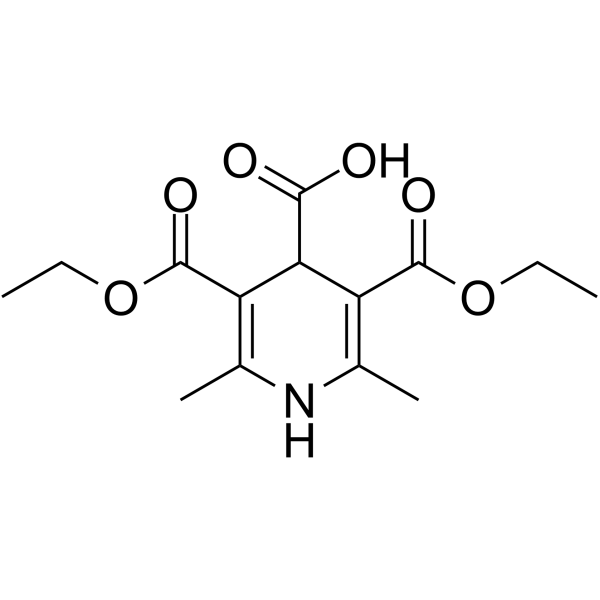
    AV-153 free base
    1 Publications Verification

    DNA/RNA Synthesis Cancer
    AV-153 free base, a 1,4-dihydropyridine (1,4-DHP) derivative, is an antimutagenic. AV-153 free base intercalates to DNA in a single strand break and reduces DNA damage, stimulates DNA repair in human cells in vitro. AV-153 free base interacts with thymine and cytosine and has an influence on poly(ADP)ribosylation. AV-153 free base has anti-cancer activity .
    AV-153 free base
  • HY-N3388

    Stearoyl-CoA Desaturase (SCD) Infection Inflammation/Immunology Cancer
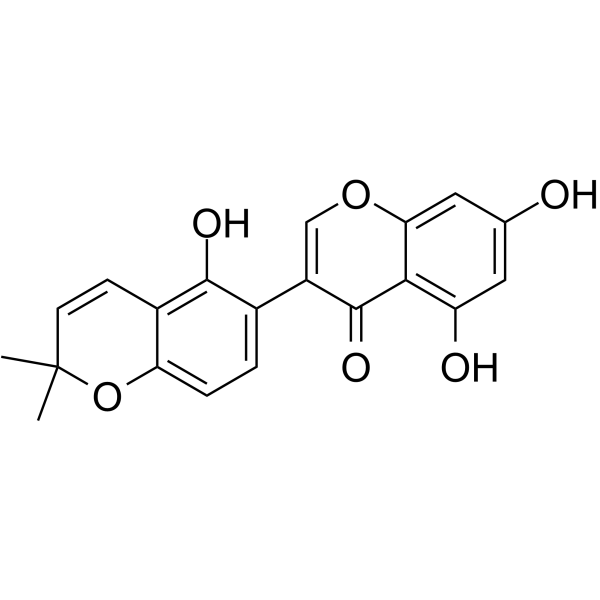
    Licoisoflavone B is an orally active flavonoid found in licorice. Licoisoflavone B alleviates psoriasis via SCD1-targeted lipid metabolism reprogramming and suppression of Th17/IL-17-mediated inflammation. Licoisoflavone B inhiibits superoxide anion generation and superoxide anion-induced lipid peroxidation. Licoisoflavone B binds tightly to Lassa virus nucleoprotein and can be used as a nucleoprotein antagonist of Lassa virus. Licoisoflavone B exhibits anti-mutagenic activity
    against carcinogenic mutagen, by preventing DNA damage. Licoisoflavone B can be used for the research of psoriasis, Lassa fever, inflammation and cancer .
    Licoisoflavone B
  • HY-N7015R

    EBV Reference Standards Caspase Apoptosis Bacterial Infection
    Zerumbone (Standard) is the analytical standard of Zerumbone. This product is intended for research and analytical applications. Zerumbone is an orally active natural cyclic sesquiterpene and can be isolated from Zingiber zerumbet. Zerumbone has anti-proliferative, anti-inflammation, anti-cancer, anti-bacterial and anti-mutagenic activity .
    Zerumbone (Standard)
  • HY-N0313R

    MAGL Endogenous Metabolite Reference Standards Inflammation/Immunology
    Euphol (Standard) is the analytical standard of Euphol. This product is intended for research and analytical applications. Euphol is a tetracyclic triterpene alcohol isolated from the sap of Euphorbia tirucalli with anti-mutagenic, anti-inflammatory and immunomodulatory effects, orally active. Euphol inhibits the monoacylglycerol lipase (MGL) activity via a reversible mechanism (IC50=315 nM). MGL inhibition in the periphery modulates the endocannabinoid system to block the development of inflammatory pain .
    Euphol (Standard)
  • HY-N16528

    Others Cancer
    (-)-Byakangelicin (Compound 9) is a furanocoumarin compound found in the peels of Citrus limon. (-)-Byakangelicin has antimutagenic activity for Trp-P-1 and PhIP and can be used for the research of cancer .
    (-)-Byakangelicin
  • HY-N0056R

    3,5-Dicaffeoylquinic acid (Standard); 3,5-CQA (Standard)

    Reference Standards Reactive Oxygen Species (ROS) HBV Endogenous Metabolite HIV Bacterial Neurological Disease Inflammation/Immunology
    Isochlorogenic acid A (Standard) is the analytical standard of Isochlorogenic acid A. This product is intended for research and analytical applications. Isochlorogenic acid A (3,5-Dicaffeoylquinic acid) is a natural phenolic acid with anti-mutagenicity, anti-HBV, anti-HIV, anti-oxidant, anti-bacterial, and anti-inflammatoryy activities .
    Isochlorogenic acid A (Standard)
  • HY-N5054

    TNF Receptor Inflammation/Immunology
    (R)-5,7-Dimethoxyflavanone shows potent antimutagenic activity against MeIQ mutagenesis in Ames test using the S. typhimurium TA100 and TA98 strains . And (R)-5,7-Dimethoxyflavanone significantly and dose-dependently inhibits the inflammatory mediato .
    (R)-5,7-Dimethoxyflavanone
  • HY-N3616

    DNA/RNA Synthesis Endogenous Metabolite Cancer
    trans-Coniferyl aldehyde (compound 2) is a natural compound isolated from the buds of clove (Syzygium aromaticum).trans-Coniferyl aldehyde suppresses 63% of the UV mutable gene expression at 1.20 μM, and with an ID50 value of 0.76 μM,and has the antimutagenic activities against furylfuramide, Trp-P-1, and activated Trp-P-1 .
    trans-Coniferyl aldehyde
  • HY-N0790R

    Clerodol (Standard); Monogynol B (Standard); Fagarasterol (Standard)

    Reference Standards Androgen Receptor Apoptosis Cancer
    Lupeol (Standard) is the analytical standard of Lupeol. This product is intended for research and analytical applications. Lupeol (Clerodol; Monogynol B; Fagarasterol) is an active pentacyclic?triterpenoid, has anti-oxidant, anti-mutagenic, anti-tumor and anti-inflammatory activity. Lupeol is a potent?androgen receptor (AR)?inhibitor and can be used for cancer research, especially prostate cancer of androgen-dependent phenotype (ADPC) and castration resistant phenotype (CRPC) .
    Lupeol (Standard)
  • HY-N1779

    Others Infection
    (E)-3,4-Dimethoxycinnamyl alcohol is an antimutagenic. (E)-3,4-Dimethoxycinnamyl alcohol has antimutagenic activity against furylfuramide, Trp-P-1, and activated Trp-P-1 .
    (E)-3,4-Dimethoxycinnamyl alcohol
  • HY-B1173R

    D-(+)-Camphor (Standard); (1R)-(+)-Camphor (Standard)

    Reference Standards Bacterial Neurological Disease Inflammation/Immunology Cancer
    (+)-Camphor (Standard) is the analytical standard of (+)-Camphor. This product is intended for research and analytical applications. (+)-Camphor (D-(+)-Camphor; (1R)-(+)-Camphor) is an isomer of Camphor. Camphor is an agonist of monoterpenoid transient receptor potential (TRP) channels (such as TRPV1, TRPV3, TRPM8) and an inhibitor of TRPA1 channels. Camphor's derivatives have multiple biological activities, including antibacterial, antiviral, antioxidant, analgesic and anticancer. Camphor can selectively activate cold-sensitive TRP channels and inhibit TRPA1-mediated nociceptive signals. Camphor stimulates the cold-sensing nerve endings in the skin and regulates the activity of ion channels to exert analgesic, anti-inflammatory and anti-itching effects. It also has anti-proliferative and anti-mutagenic activities on tumor cells, which may be related to inhibiting ribosome function or inducing cell apoptosis. Camphor can be absorbed through the skin and (+)-Camphor can be used in the study of muscle and joint pain and inflammation .
    (+)-Camphor (Standard)
  • HY-N9110

    Others Others
    7,3′,4′-Tri-O-methyleriodictyol is a flavonoid with an antimutagenic activity. 7,3′,4′-Tri-O-methyleriodictyol inhibits the furylfuramide-induced SOS response and has potency as bioantimutagens .
    7,3′,4′-Tri-O-methyleriodictyol
  • HY-N2459R

    YGM-6 chloride (Standard)

    Reference Standards Interleukin Related Neurological Disease Inflammation/Immunology Cancer
    Peonidin (YGM-6) chloride Standard is the analytical standard of Peonidin chloride (HY-N2459). This product is intended for research and analytical applications. Peonidin chloride is an anthocyanin compound found in plants such as grapes and purple-fleshed sweet potatoes. Peonidin chloride alone exerts no stable inhibitory effect on LPS (HY-D1056)-mediated inflammatory gene expression. The acylated form of Peonidin chloride exhibits antimutagenic activity.
    Peonidin chloride (Standard)
  • HY-W744741

    Isotope-Labeled Compounds Androgen Receptor Apoptosis Cancer
    Lupeol-d3 is the deuterium labeled Lupeol (HY-N0790). Lupeol is an active pentacyclic triterpenoid, has anti-oxidant, anti-mutagenic, anti-tumor and anti-inflammatory activity. Lupeol is a potent?androgen receptor?(AR)?inhibitor and can be used for?cancer?research, especially prostate?cancer?of androgen-dependent phenotype (ADPC) and castration resistant phenotype (CRPC) .
    Lupeol-d3
  • HY-135218

    DNA/RNA Synthesis Cancer
    AV-153, a 1,4-dihydropyridine (1,4-DHP) derivative, is an antimutagenic. AV-153 intercalates to DNA in a single strand break and reduces DNA damage, stimulates DNA repair in human cells in vitro. AV-153 interacts with thymine and cytosine and has an influence on poly(ADP)ribosylation. AV-153 has anti-cancer activity .
    AV-153
  • HY-W014118R

    Reference Standards Environmental Pollutants Cancer
    α-Hexylcinnamaldehyde (Standard) is the analytical standard of α-Hexylcinnamaldehyde. This product is intended for research and analytical applications. α-Hexylcinnamaldehyde is an O-acetyltransferase (OAT) inhibitor. α-Hexylcinnamaldehyde inhibits OAT-mediated bioactivation of nitroarene mutagens, exerts antimutagenic activity through demutagenic and bioantimutagenic mechanisms, and interferes with ATP-binding cassette (ABC) transporter function to reduce substrate efflux. α-Hexylcinnamaldehyde alters membrane permeability, fluidizes phospholipid membranes, exerts antioxidant effects, and enhances the antiproliferative effect of Doxorubicin on human cancer cells. α-Hexylcinnamaldehyde can be used in the research of colorectal adenocarcinoma, T-cell leukemia, and multidrug-resistant cancers .
    α-Hexylcinnamaldehyde (Standard)
  • HY-N1677R

    Reference Standards Akt mTOR Bacterial Fungal AMPK Infection Metabolic Disease Inflammation/Immunology Cancer
    2,6-Dimethoxy-1,4-benzoquinone (Standard) is the analytical standard of 2,6-Dimethoxy-1,4-benzoquinone (HY-N1677). This product is intended for research and analytical applications. 2,6-Dimethoxy-1,4-benzoquinone is a 1,4-benzoquinone derivative. 2,6-Dimethoxy-1,4-benzoquinone promotes phosphorylation of AKT, S6K, mTOR, 4E-BP1, and AMPK, and attenuates mTORC1 activity as part of the AKT/mTOR pathway. 2,6-Dimethoxy-1,4-benzoquinone stimulates myoblast differentiation, increases myotube size, elevates MHC protein expression, enhances mitochondrial biogenesis, respiration, and DNA content, and increases skeletal muscle weights, fiber size, grip strength, and treadmill performance. 2,6-Dimethoxy-1,4-benzoquinone exerts anti-cancer, anti-inflammatory, anti-adipogenic, antibacterial, and antimutagenic effects, inhibits adipogenic transcription factors, nitric oxide production, skin tumor development, Magnaporthe oryzae growth, spore germination, appressorium formation, and growth of select bacterial species, induces H2O2 generation and rice defense gene expression, and reduces rice blast lesion formation. 2,6-Dimethoxy-1,4-benzoquinone can be used for the research of obesity, skin tumorigenesis, rice blast disease, and food-borne illness.
    2,6-Dimethoxy-1,4-benzoquinone (Standard)
  • HY-W275553R

    DNA Alkylator/Crosslinker Reference Standards Infection
    4-Decanol (Standard) is the analytical standard of 4-Decanol (HY-W275553). This product is intended for research and analytical applications. 4-Decanol is an antimutagenic compound, that can be isolated from mustard leaves. 4-Decanol inhibits mutagenic activities of Aflatoxin B1 (HY-N6615) and MNNG (HY-128612) in Salmonella typhimurium TA100 .
    4-Decanol (Standard)

Demande en ligne

Your information is safe with us. * Required Fields.

Civilité


Country or Region *

Nom du demandeur *


Nom de l'organisation *

Department *


Adresse e-mail *


Nom du produit *

Cat. No.


Requested quantity *

Numéro de téléphone *


Remarques

Demande en ligne

Inquiry Information

Nom du produit:
Cat. No.:
Quantité:
MCE Japan Authorized Agent:

