




From 11:00 pm to 12:00 pm EST ( 8:00 pm to 9:00 pm PST ) on January 6th, the website will be under maintenance. We are sorry for the inconvenience. Please arrange your schedule properly.
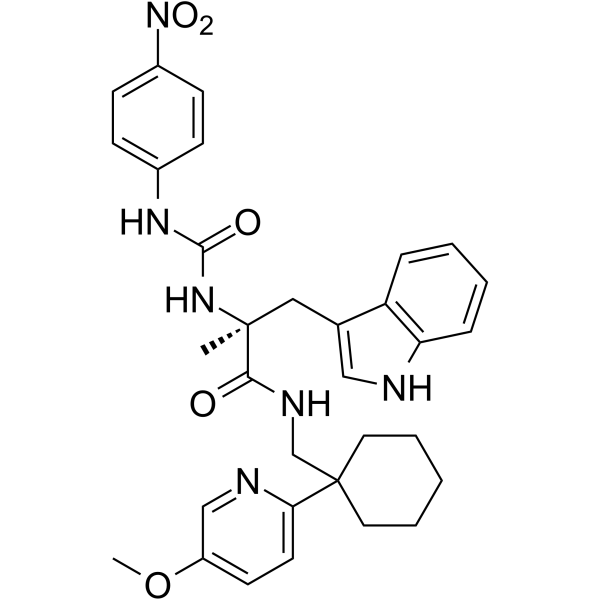
PD176252 is a potent antagonist of neuromedin-B preferring (BB1) and gastrin-releasing peptide-preferring (BB2) receptor with Kis of 0.17 nM and 1 nM for human BB1 and BB2 receptors, and 0.66 nM, 16 nM for Rat BB1 and BB2 receptors, respectively; PD176252 is also an agonist of N-Formyl peptide receptor1/2 (FPR1/FPR2), with EC50s of 0.31 and 0.66 μM in HL-60 cells.
Acasunlimab (GEN1046) is a bispecific antibody (bsAb) targeting PD-L1 and 4-1BB. Acasunlimab enhances T-cell and NK-cell function through conditional 4-1BB stimulation while constitutively blocking the PD-1/PD-L1 inhibitory axis. Acasunlimab can be used in research of cancer [1] .
Nesfrotamig (YH32367; ABL105) is a bispecific activator targeting HER2 and 4-1BB. The Kd values of Nesfrotamig for human HER2 and human 4-1BB are 0.48 nM and 3.36 nM, respectively. By blocking tumor cell growth signals, activating HER2-dependent local 4-1BB in tumors to maintain T cell survival, and inducing NK cell-mediated antibody-dependent cellular cytotoxicity, Nesfrotamig enhances the cytotoxicity and tumor infiltration ability of immune cells. Nesfrotamig promotes the generation of tumor-specific memory T cells, drives T cell-mediated tumor lysis, exhibits significant anti-tumor efficacy against both HER2-positive and HER2-low-expressing tumors, and shows synergistic activity when combined with anti-PD-1 antibodies. In cynomolgus monkey studies, Nesfrotamig demonstrates good safety and is suitable for research related to HER2-positive and HER2-low-expressing tumors [1] .
Tecaginlimab (BNT-312) is a Fc-inert bispecific antibody for dual targeting and conditional stimulation of CD40 and 4-1BB. Tecaginlimab can enhance priming and reactivation of tumor-specific immunity [1].
Cinrebafusp alfa (PRS 343) is a high affinity CD137/HER2 bispecfic anticalin-based drug. Cinrebafusp alfa binds to recombinant human HER2 (Kd=0.3 nM) and human monomeric CD137 (4-1BB; Kd=5 nM). Cinrebafusp alfa facilitates T-cell costimulation by tumor-localized, HER2-dependent 4-1BB clustering and activation, further enhancing T-cell receptor-mediated activity and leading to tumor destruction. Cinrebafusp alfa has the potential for HER2+ solid tumors research [1] .
PD 168368 is a potent, competitive, and selective neuromedin B receptor (NMB-R) antagonist with the Ki of 15–45 nM [1]. PD 168368 is neuromedin B receptor (NMBR; IC50=96 nM) / gastrin-releasing peptide receptor (GRPRIC50=3500 nM) antagonist . PD 168368 also is a mixed FPR1/FPR2/FPR3 agonist with EC50s of 0.57, 0.24, and 2.7 nM, respectively .
Englumafusp alfa (CD19-4-1BBL; RO7227166) is a fusion construct comprised of a CD19-specific antibody domain fused to a trimerized extracellular domains of human 41BBL. Englumafusp alfa promotes CD19-specific 4-1BB cross-linking on the surface of T and NK cells [1].
Emfizatamab (GNC-038) is a monoclonal antibody against CD19/CD3E/TNFRSF9/PD-L1. Emfizatamab exhibits antitumor activity, being capable of activating CD3 and 4-1BB signals on T cells, as well as targeting the high expression of CD19 or PD-L1 on tumor cells. Emfizatamab functions as a CD19-specific T cell engager by mediating direct antitumor activity. Emfizatamab can also overcome the inhibition of T cells by PD-L1. Emfizatamab can be used in the research of tumors such as R/R non-Hodgkin lymphoma or acute lymphoblastic leukemia [1] .
Enristomig (ES-101) is a multispecific antibody. Enristomig is both a PD-L1 antagonist and a conditional agonist of 4-1BB. Enristomig can be used for research on PD-L1 expressing tumors [1].
Givastomig (ABL111, TJ033721) is a bispecific antibody (BsAb) inhibitor. Givastomig can specifically binds to Claudin18.2 (CLDN 18.2) on the surface of cancer cells and 4-1BB (CD137, TNFRSF9) on the surface of activated T cells and natural killer (NK) cells. Givastomig is engineered to contain a single Fc-domain mutation (asparagine to alanine) to eliminate Fc-effector function. Givastomig-bound cell lines expressing a range of CLDN18.2 levels with high affinity and induced 4-1BB activation only in the context of CLDN18.2 binding. Givastomig can be used for the study of colon carcinoma [1].
AN317 is a selective agonist for α6β2-containing nicotinic acetylcholine receptor (nAChR) with Ki of 6.2 nM and 4.1 nM, for α6/α3β2β3 receptor and α4β2 receptor, respectively. AN317 induces dopamine release in the synaptosomes of the rat striatum, enhances dopaminergic neuronal activity in substantia nigra, and exhibits protective efficacy to rat neurons against dopamine neurotoxin MPP +. AN317 exhibits good pharmacokinetic characteristics in rats. AN317 penetrates the blood-brain barrier (BB) .
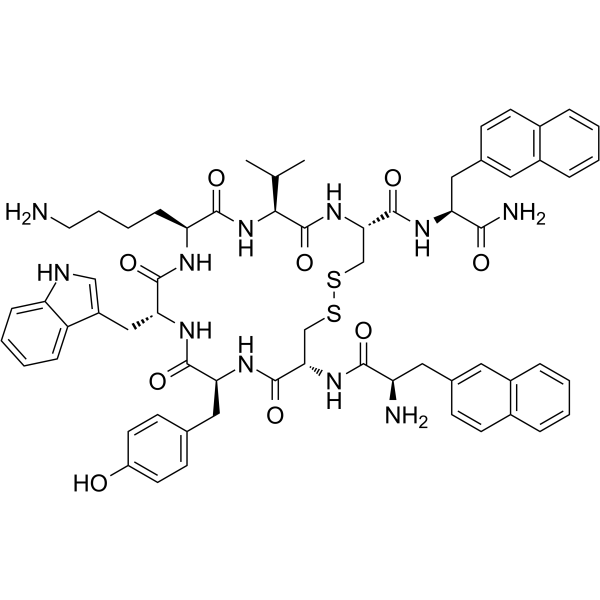
BIM 23042, a certain somatostatin (SS) octapeptide analogue, is a selective neuropeptide neuromedin B receptor (NMB-R, BB1) antagonist. BIM 23042 has 100-fold lower affinity for gastrin-releasing peptide (GRP) receptor (BB2). BIM 23042 inhibits Neuromedin?B?(HY-P0241), ICI 216140 and DPDM-bombesin ethylamide-induced Ca 2+ release [1] .
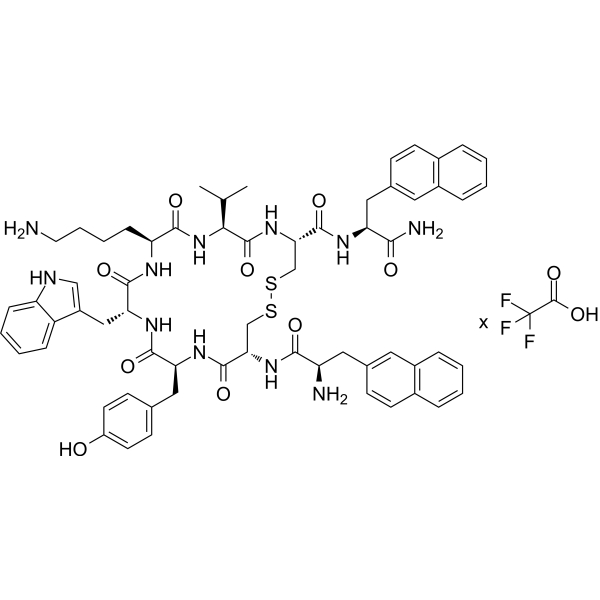
BIM 23042 TFA, a certain somatostatin (SS) octapeptide analogue, is a selective neuropeptide neuromedin B receptor (NMB-R, BB1) antagonist. BIM 23042 has 100-fold lower affinity for gastrin-releasing peptide (GRP) receptor (BB2). BIM 23042 inhibits Neuromedin?B?(HY-P0241), ICI 216140 and DPDM-bombesin ethylamide-induced Ca 2+ release [1] .
Evunzekibart (ATOR-1017) is an Fc-γ receptor conditional 4-1BB agonist and IgG4-type antibody. Evunzekibart can be used as monotherapy or in combination with anti-PD1 to exert anticancer activity.
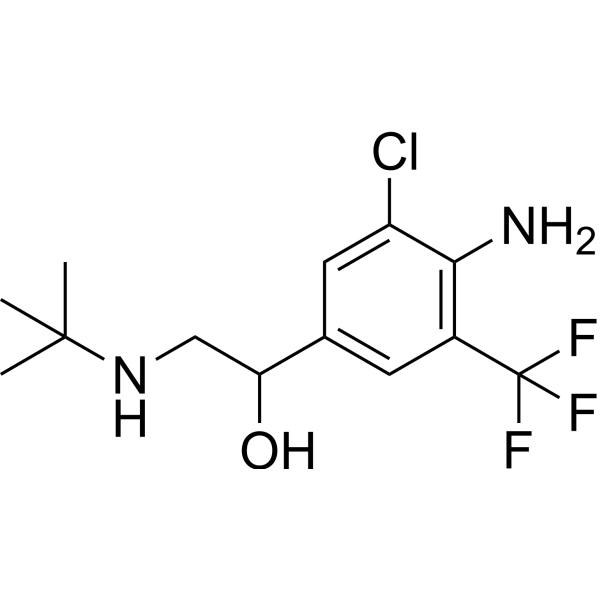
Mabuterol is a selective and orally active beta-2 adrenergic receptor (ADRB2) agonist. Mabuterol inhibits the proliferation and suppresses the increase of intracellular Ca2+ induced by PDGF-BB. Mabuterol suppresses the protein expressions of Drp-1, cyclinD1 and PCNA and enhanced the expression of Mfn-2 induced by PDGF-BB .
Xirestomig (ATG-101) is a tetravalent "2+2″ PD-L1×4-1BB bispecific antibody. Xirestomig binds PD-L1 and 4-1BB concurrently, with a greater affinity for PD-L1, and potently activated 4-1BB+ T cells when cross-linked with PD-L1-positive cells. Xirestomig activates exhausted T cells upon PD-L1 binding. Xirestomig displays potent antitumor activity in numerous in vivo tumor models, including those resistant or refractory to immune checkpoint inhibitors (ICIs) [1].
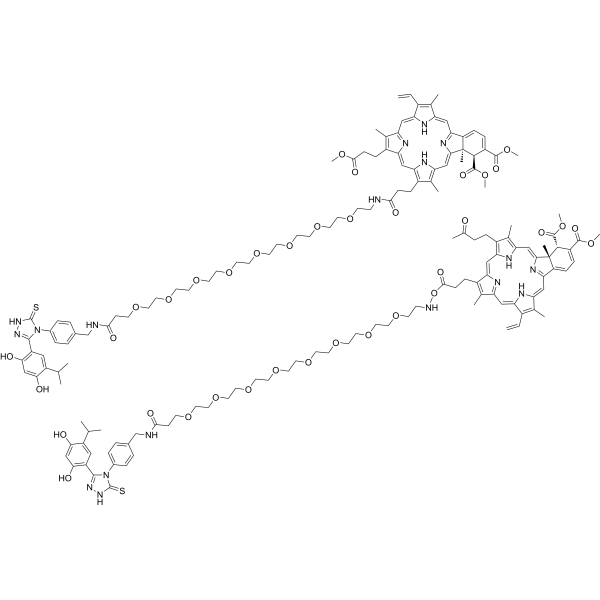
HS-291 is a HtpG inhibitor of Borrelia burgdorferi (Bb). HS-291 contains BX-2819 (high affinity for Bb HtpG), PEG linker, and Verteporfin (HY-B0146) (a photoactive toxin).HS-291 produces reactive oxygen species under light activation to oxidize HtpG and a discrete protein subset near chaperone proteins and can quickly and irreversibly inactivate Bb .
ADG-106 is a fully human agonistic monoclonal IgG4 antibody against CD137 (4-1BB). ADG-106 has the mechanism to activate CD137 via strong FcγRIIB-mediated crosslinking while antagonizing CD137 ligands. The isotype control for ADG-106 can refer to Human IgG4 (S228P) kappa, Isotype Control (HY-P99003) [1].
Ceacam1 Mouse Pre-designed siRNA Set A contains three designed siRNAs for Ceacam1 gene (Mouse), as well as a negative control, a positive control, and a FAM-labeled negative control.
Anti-Mouse 4-1BBL/CD137L Antibody (TKS-1) is a rat-derived IgG2a κ antibody inhibitor, targeting to mouse 4-1BBL/CD137L. Anti-Mouse 4-1BBL/CD137L Antibody (TKS-1) can block 4-1BB ligand (4-1BBL) and inhibit CD4 + and CD8 + T cells. Anti-Mouse 4-1BBL/CD137L Antibody (TKS-1) can be used for the researches of cancer, infection, inflammation and immunology, such as MC38 tumor, lymphocytic choriomeningitis virus (LCMV) infection and herpetic stromal keratitis (HSK) [1] .
BB1-NHS ester is amine reactive at pH 7-9 to form a stable, irreversible amide bond. It was used in a unique chemselective "unclickable' bioconjugation strategy to site specifically modify proteins.
SARS-CoV-2-IN-110 (compound Bb1) is a SARS-CoV-2 inhibitor. SARS-CoV-2-IN-110 exhibits antiviral efficacy against SARS-CoV-2 with an EC50 of 1.10 μM and significantly lower toxicity compared to Lapatinib (HY-50898). SARS-CoV-2-IN-110 inhibits SARS-CoV-2 with a CC50 of > 100 μM, with a selectivity index (SI) of >91 [1].
Ragistomig can simultaneously target programmed death-ligand 1(PD-L1) and the 4-1BB receptor. Ragistomig elicits potent anti-tumor T-cell responses without inducing significant toxicity. Ragistomig is applicable for tumor research [1].
PD176252 (Standard) is the analytical standard of PD176252 (HY-103286). This product is intended for research and analytical applications. PD176252 is a potent antagonist of neuromedin-B preferring (BB1) and gastrin-releasing peptide-preferring (BB2) receptor with Kis of 0.17 nM and 1 nM for human BB1 and BB2 receptors, and 0.66 nM, 16 nM for Rat BB1 and BB2 receptors, respectively; PD176252 is also an agonist of N-Formyl peptide receptor1/2 (FPR1/FPR2), with EC50s of 0.31 and 0.66 μM in HL-60 cells.
ALG.APV-527 (APV-527) is a bispecific 4-1BB (CD137) and 5T4 antibody. ALG.APV-527 is designed to activate 4-1BB on T and natural killer (NK) cells only when simultaneously bound to 5T4-expressing tumor cells. ALG.APV-527 has a potent antitumor activity [1].
NMBR Human Pre-designed siRNA Set A contains three designed siRNAs for NMBR gene (Human), as well as a negative control, a positive control, and a FAM-labeled negative control.
CD80 Human Pre-designed siRNA Set A contains three designed siRNAs for CD80 gene (Human), as well as a negative control, a positive control, and a FAM-labeled negative control.
Mabuterol hydrochloride is a selective and orally active beta-2 adrenergic receptor (ADRB2) agonist. Mabuterol hydrochloride inhibits the proliferation and suppresses the increase of intracellular Ca2+ induced by PDGF-BB. Mabuterol hydrochloride suppresses the protein expressions of Drp-1, cyclinD1 and PCNA and enhanced the expression of Mfn-2 induced by PDGF-BB .
Mabuterol-d9 (hydrochloride) is deuterium labeled Mabuterol (hydrochloride). Mabuterol hydrochloride is a selective and orally active beta-2 adrenergic receptor (ADRB2) agonist. Mabuterol hydrochloride inhibits the proliferation and suppresses the increase of intracellular Ca2+ induced by PDGF-BB. Mabuterol hydrochloride suppresses the protein expressions of Drp-1, cyclinD1 and PCNA and enhanced the expression of Mfn-2 induced by PDGF-BB .
MBOAT7 Human Pre-designed siRNA Set A contains three designed siRNAs for MBOAT7 gene (Human), as well as a negative control, a positive control, and a FAM-labeled negative control.
Mabuterol (hydrochloride) (Standard) is the analytical standard of Mabuterol (hydrochloride). This product is intended for research and analytical applications. Mabuterol hydrochloride is a selective and orally active beta-2 adrenergic receptor (ADRB2) agonist. Mabuterol hydrochloride inhibits the proliferation and suppresses the increase of intracellular Ca2+ induced by PDGF-BB. Mabuterol hydrochloride suppresses the protein expressions of Drp-1, cyclinD1 and PCNA and enhanced the expression of Mfn-2 induced by PDGF-BB .
Mabuterol (Standard) is the analytical standard of Mabuterol. This product is intended for research and analytical applications. Mabuterol is a selective and orally active beta-2 adrenergic receptor (ADRB2) agonist. Mabuterol inhibits the proliferation and suppresses the increase of intracellular Ca2+ induced by PDGF-BB. Mabuterol suppresses the protein expressions of Drp-1, cyclinD1 and PCNA and enhanced the expression of Mfn-2 induced by PDGF-BB .
Anti-Mouse 4-1BB/CD137 Antibody (LOB12.3) is an agonistic mouse-derived IgG2a κ antibody, targeting to mouse 4-1BB/CD137. Anti-Mouse 4-1BB/CD137 Antibody (LOB12.3) can stimulate 4-1BB signaling and induce T cell mediated antitumor immunity. Anti-Mouse 4-1BB/CD137 Antibody (LOB12.3) can be used for the researches of cancer, infection, immunology and neurological disease, such as glioblastoma and retrovirus infection [1] .
Anti-Mouse 4-1BBL/CD137L Antibody (TKS-1-Mouse IgG2a) is a mouse-derived IgG2a κ antibody inhibitor that targets mouse 4-1BBL/CD137L. Anti-Mouse 4-1BBL/CD137L Antibody (TKS-1-Mouse IgG2a) is a chimeric version of the original TKS-1 antibody (HY-P990304). The variable domain sequences are identical to the original TKS-1 but the constant region sequences have been switched from rat IgG2a to mouse IgG2a. Anti-Mouse 4-1BBL/CD137L Antibody (TKS-1-Mouse IgG2a) reacts with mouse 4-1BB ligand (4-1BBL). Anti-Mouse 4-1BBL/CD137L Antibody (TKS-1-Mouse IgG2a) can be used for the researches of cancer, infection, inflammation and immunology.
Anti-Mouse 4-1BBL/CD137L (D265A) Antibody (TKS-1) is a mouse-derived IgG1 κ antibody inhibitor that targets mouse 4-1BBL/CD137L. Anti-Mouse 4-1BBL/CD137L (D265A) Antibody (TKS-1) is a chimeric version of the original TKS-1 antibody (HY-P990304). The variable domain sequences are identical to the original TKS-1 but the constant region sequences have been switched from rat IgG2a to mouse IgG1. Anti-Mouse 4-1BBL/CD137L (D265A) Antibody (TKS-1) contains a D265A mutation in the Fc fragment rendering it unable to bind to endogenous Fcγ receptors. Anti-Mouse 4-1BBL/CD137L (D265A) Antibody (TKS-1) reacts with mouse 4-1BB ligand (4-1BBL). Anti-Mouse 4-1BBL/CD137L (D265A) Antibody (TKS-1) can be used for the researches of cancer, infection, inflammation and immunology.
Anti-Mouse 4-1BBL/CD137L (LALA-PG) Antibody (TKS-1) is a mouse-derived IgG2a κ antibody inhibitor that targets mouse 4-1BBL/CD137L.Anti-Mouse 4-1BBL/CD137L (LALA-PG) Antibody (TKS-1) is a chimeric version of the original TKS-1 antibody (HY-P990304). The variable domain sequences are identical to the original TKS-1 but the constant region sequences have been switched from rat IgG2a to mouse IgG2a. Anti-Mouse 4-1BBL/CD137L (LALA-PG) Antibody (TKS-1) contains a LALA-PG mutation in the Fc fragment rendering it unable to bind to endogenous Fcγ receptors. Anti-Mouse 4-1BBL/CD137L (LALA-PG) Antibody (TKS-1) reacts with mouse 4-1BB ligand (4-1BBL). Anti-Mouse 4-1BBL/CD137L (LALA-PG) Antibody (TKS-1) can be used for the researches of cancer, infection, inflammation and immunology.
[D-Cys6,Asn7,D-Ala11,Cys14]-Bombesin (6-14), a synthetic peptide, is a non-selective bombesin receptor agonist. [D-Cys6,Asn7,D-Ala11,Cys14]-Bombesin (6-14) has preferred pEC50 values of 8.06 for the neurotrophin B bombesin receptor (BB1), 8.69 for the gastrin-releasing peptide bombesin receptor (BB2), and 6.71 for the orphan receptor (BB3). [D-Cys6,Asn7,D-Ala11,Cys14]-Bombesin (6-14) can be used to study diseases related to bombesin receptors, such as cancer and neurological disorders [1].
PD 168368 derivative-1 (Compound 16) is a derivative of PD 168368 (HY-116216), with Ki values of 0.46 and 3.7 nM for the subtypes of bombesin receptor (BB₁ and BB₂). PD 168368 derivative-1 can be used for the study of various diseases, such as cancer, depression, and eating disorders [1].
BIM 23042, a certain somatostatin (SS) octapeptide analogue, is a selective neuropeptide neuromedin B receptor (NMB-R, BB1) antagonist. BIM 23042 has 100-fold lower affinity for gastrin-releasing peptide (GRP) receptor (BB2). BIM 23042 inhibits Neuromedin?B?(HY-P0241), ICI 216140 and DPDM-bombesin ethylamide-induced Ca 2+ release [1] .
BIM 23042 TFA, a certain somatostatin (SS) octapeptide analogue, is a selective neuropeptide neuromedin B receptor (NMB-R, BB1) antagonist. BIM 23042 has 100-fold lower affinity for gastrin-releasing peptide (GRP) receptor (BB2). BIM 23042 inhibits Neuromedin?B?(HY-P0241), ICI 216140 and DPDM-bombesin ethylamide-induced Ca 2+ release [1] .
[D-Cys6,Asn7,D-Ala11,Cys14]-Bombesin (6-14), a synthetic peptide, is a non-selective bombesin receptor agonist. [D-Cys6,Asn7,D-Ala11,Cys14]-Bombesin (6-14) has preferred pEC50 values of 8.06 for the neurotrophin B bombesin receptor (BB1), 8.69 for the gastrin-releasing peptide bombesin receptor (BB2), and 6.71 for the orphan receptor (BB3). [D-Cys6,Asn7,D-Ala11,Cys14]-Bombesin (6-14) can be used to study diseases related to bombesin receptors, such as cancer and neurological disorders [1].
Acasunlimab (GEN1046) is a bispecific antibody (bsAb) targeting PD-L1 and 4-1BB. Acasunlimab enhances T-cell and NK-cell function through conditional 4-1BB stimulation while constitutively blocking the PD-1/PD-L1 inhibitory axis. Acasunlimab can be used in research of cancer [1] .
Nesfrotamig (YH32367; ABL105) is a bispecific activator targeting HER2 and 4-1BB. The Kd values of Nesfrotamig for human HER2 and human 4-1BB are 0.48 nM and 3.36 nM, respectively. By blocking tumor cell growth signals, activating HER2-dependent local 4-1BB in tumors to maintain T cell survival, and inducing NK cell-mediated antibody-dependent cellular cytotoxicity, Nesfrotamig enhances the cytotoxicity and tumor infiltration ability of immune cells. Nesfrotamig promotes the generation of tumor-specific memory T cells, drives T cell-mediated tumor lysis, exhibits significant anti-tumor efficacy against both HER2-positive and HER2-low-expressing tumors, and shows synergistic activity when combined with anti-PD-1 antibodies. In cynomolgus monkey studies, Nesfrotamig demonstrates good safety and is suitable for research related to HER2-positive and HER2-low-expressing tumors [1] .
Tecaginlimab (BNT-312) is a Fc-inert bispecific antibody for dual targeting and conditional stimulation of CD40 and 4-1BB. Tecaginlimab can enhance priming and reactivation of tumor-specific immunity [1].
Cinrebafusp alfa (PRS 343) is a high affinity CD137/HER2 bispecfic anticalin-based drug. Cinrebafusp alfa binds to recombinant human HER2 (Kd=0.3 nM) and human monomeric CD137 (4-1BB; Kd=5 nM). Cinrebafusp alfa facilitates T-cell costimulation by tumor-localized, HER2-dependent 4-1BB clustering and activation, further enhancing T-cell receptor-mediated activity and leading to tumor destruction. Cinrebafusp alfa has the potential for HER2+ solid tumors research [1] .
Englumafusp alfa (CD19-4-1BBL; RO7227166) is a fusion construct comprised of a CD19-specific antibody domain fused to a trimerized extracellular domains of human 41BBL. Englumafusp alfa promotes CD19-specific 4-1BB cross-linking on the surface of T and NK cells [1].
Emfizatamab (GNC-038) is a monoclonal antibody against CD19/CD3E/TNFRSF9/PD-L1. Emfizatamab exhibits antitumor activity, being capable of activating CD3 and 4-1BB signals on T cells, as well as targeting the high expression of CD19 or PD-L1 on tumor cells. Emfizatamab functions as a CD19-specific T cell engager by mediating direct antitumor activity. Emfizatamab can also overcome the inhibition of T cells by PD-L1. Emfizatamab can be used in the research of tumors such as R/R non-Hodgkin lymphoma or acute lymphoblastic leukemia [1] .
Enristomig (ES-101) is a multispecific antibody. Enristomig is both a PD-L1 antagonist and a conditional agonist of 4-1BB. Enristomig can be used for research on PD-L1 expressing tumors [1].
Givastomig (ABL111, TJ033721) is a bispecific antibody (BsAb) inhibitor. Givastomig can specifically binds to Claudin18.2 (CLDN 18.2) on the surface of cancer cells and 4-1BB (CD137, TNFRSF9) on the surface of activated T cells and natural killer (NK) cells. Givastomig is engineered to contain a single Fc-domain mutation (asparagine to alanine) to eliminate Fc-effector function. Givastomig-bound cell lines expressing a range of CLDN18.2 levels with high affinity and induced 4-1BB activation only in the context of CLDN18.2 binding. Givastomig can be used for the study of colon carcinoma [1].
Evunzekibart (ATOR-1017) is an Fc-γ receptor conditional 4-1BB agonist and IgG4-type antibody. Evunzekibart can be used as monotherapy or in combination with anti-PD1 to exert anticancer activity.
Xirestomig (ATG-101) is a tetravalent "2+2″ PD-L1×4-1BB bispecific antibody. Xirestomig binds PD-L1 and 4-1BB concurrently, with a greater affinity for PD-L1, and potently activated 4-1BB+ T cells when cross-linked with PD-L1-positive cells. Xirestomig activates exhausted T cells upon PD-L1 binding. Xirestomig displays potent antitumor activity in numerous in vivo tumor models, including those resistant or refractory to immune checkpoint inhibitors (ICIs) [1].
ADG-106 is a fully human agonistic monoclonal IgG4 antibody against CD137 (4-1BB). ADG-106 has the mechanism to activate CD137 via strong FcγRIIB-mediated crosslinking while antagonizing CD137 ligands. The isotype control for ADG-106 can refer to Human IgG4 (S228P) kappa, Isotype Control (HY-P99003) [1].
Anti-Mouse 4-1BBL/CD137L Antibody (TKS-1) is a rat-derived IgG2a κ antibody inhibitor, targeting to mouse 4-1BBL/CD137L. Anti-Mouse 4-1BBL/CD137L Antibody (TKS-1) can block 4-1BB ligand (4-1BBL) and inhibit CD4 + and CD8 + T cells. Anti-Mouse 4-1BBL/CD137L Antibody (TKS-1) can be used for the researches of cancer, infection, inflammation and immunology, such as MC38 tumor, lymphocytic choriomeningitis virus (LCMV) infection and herpetic stromal keratitis (HSK) [1] .
Ragistomig can simultaneously target programmed death-ligand 1(PD-L1) and the 4-1BB receptor. Ragistomig elicits potent anti-tumor T-cell responses without inducing significant toxicity. Ragistomig is applicable for tumor research [1].
ALG.APV-527 (APV-527) is a bispecific 4-1BB (CD137) and 5T4 antibody. ALG.APV-527 is designed to activate 4-1BB on T and natural killer (NK) cells only when simultaneously bound to 5T4-expressing tumor cells. ALG.APV-527 has a potent antitumor activity [1].
Anti-Mouse 4-1BB/CD137 Antibody (LOB12.3) is an agonistic mouse-derived IgG2a κ antibody, targeting to mouse 4-1BB/CD137. Anti-Mouse 4-1BB/CD137 Antibody (LOB12.3) can stimulate 4-1BB signaling and induce T cell mediated antitumor immunity. Anti-Mouse 4-1BB/CD137 Antibody (LOB12.3) can be used for the researches of cancer, infection, immunology and neurological disease, such as glioblastoma and retrovirus infection [1] .
Anti-Mouse 4-1BBL/CD137L Antibody (TKS-1-Mouse IgG2a) is a mouse-derived IgG2a κ antibody inhibitor that targets mouse 4-1BBL/CD137L. Anti-Mouse 4-1BBL/CD137L Antibody (TKS-1-Mouse IgG2a) is a chimeric version of the original TKS-1 antibody (HY-P990304). The variable domain sequences are identical to the original TKS-1 but the constant region sequences have been switched from rat IgG2a to mouse IgG2a. Anti-Mouse 4-1BBL/CD137L Antibody (TKS-1-Mouse IgG2a) reacts with mouse 4-1BB ligand (4-1BBL). Anti-Mouse 4-1BBL/CD137L Antibody (TKS-1-Mouse IgG2a) can be used for the researches of cancer, infection, inflammation and immunology.
Anti-Mouse 4-1BBL/CD137L (D265A) Antibody (TKS-1) is a mouse-derived IgG1 κ antibody inhibitor that targets mouse 4-1BBL/CD137L. Anti-Mouse 4-1BBL/CD137L (D265A) Antibody (TKS-1) is a chimeric version of the original TKS-1 antibody (HY-P990304). The variable domain sequences are identical to the original TKS-1 but the constant region sequences have been switched from rat IgG2a to mouse IgG1. Anti-Mouse 4-1BBL/CD137L (D265A) Antibody (TKS-1) contains a D265A mutation in the Fc fragment rendering it unable to bind to endogenous Fcγ receptors. Anti-Mouse 4-1BBL/CD137L (D265A) Antibody (TKS-1) reacts with mouse 4-1BB ligand (4-1BBL). Anti-Mouse 4-1BBL/CD137L (D265A) Antibody (TKS-1) can be used for the researches of cancer, infection, inflammation and immunology.
Anti-Mouse 4-1BBL/CD137L (LALA-PG) Antibody (TKS-1) is a mouse-derived IgG2a κ antibody inhibitor that targets mouse 4-1BBL/CD137L.Anti-Mouse 4-1BBL/CD137L (LALA-PG) Antibody (TKS-1) is a chimeric version of the original TKS-1 antibody (HY-P990304). The variable domain sequences are identical to the original TKS-1 but the constant region sequences have been switched from rat IgG2a to mouse IgG2a. Anti-Mouse 4-1BBL/CD137L (LALA-PG) Antibody (TKS-1) contains a LALA-PG mutation in the Fc fragment rendering it unable to bind to endogenous Fcγ receptors. Anti-Mouse 4-1BBL/CD137L (LALA-PG) Antibody (TKS-1) reacts with mouse 4-1BB ligand (4-1BBL). Anti-Mouse 4-1BBL/CD137L (LALA-PG) Antibody (TKS-1) can be used for the researches of cancer, infection, inflammation and immunology.
The CD80 protein plays a key role in T lymphocyte activation, promoting proliferation and cytokine production through CD28 binding. In contrast, interaction with CTLA-4 inhibits T cell activation. B7-1/CD80 Protein, Human (HEK293, mFc) is the recombinant human-derived B7-1/CD80 protein, expressed by HEK293, with C-mFc labeled tag.
B7-1/CD80 Protein, crucial in activating T lymphocytes, engages CD28 or CTLA-4 receptors, inducing proliferation and cytokine production. This interaction regulates immune responses and influences T lymphocyte activation and function. Serving as a key checkpoint, B7-1/CD80 orchestrates signaling events, controlling the immune system's dynamic responses. B7-1/CD80 Protein, Mouse (Biotinylated, HEK293, His) is the recombinant mouse-derived B7-1/CD80 protein, expressed by HEK293 , with C-His labeled tag.
B7-1/CD80, a type I membrane protein, is a member of the B7 family, with an extracellular immunoglobulin constant-like domain and a variable-like domain required for receptor binding.CD80 is also a transmembrane glycoprotein and a member of the Ig superfamily.CD80 has a crucial role in modulating T-cell immune function as a checkpoint protein at the immunological synapse.Its binding to CD28 or CTLA-4 receptors is integral to inducing T-cell proliferation and cytokine production.B7-1/CD80 Protein, Rat (HEK293, Fc) is the recombinant rat-derived B7-1/CD80 protein, expressed by HEK293 , with C-hFc labeled tag.
B7-1/CD80 Protein is pivotal in providing the costimulatory signal crucial for T lymphocyte activation. T-cell proliferation and cytokine production hinge on the binding of CD28 or CTLA-4 to this receptor. As a crucial immune response mediator, B7-1/CD80 facilitates dynamic interplay between T cells and regulatory receptors, influencing essential processes for T lymphocyte activation and regulation in the immune system. B7-1/CD80 Protein, Cynomolgus (HEK293, His) is the recombinant cynomolgus-derived B7-1/CD80 protein, expressed by HEK293 , with C-His labeled tag.
B7-1/CD80 Protein is pivotal in providing the costimulatory signal crucial for T lymphocyte activation. T-cell proliferation and cytokine production hinge on the binding of CD28 or CTLA-4 to this receptor. As a crucial immune response mediator, B7-1/CD80 facilitates dynamic interplay between T cells and regulatory receptors, influencing essential processes for T lymphocyte activation and regulation in the immune system. B7-1/CD80 Protein, Cynomolgus (HEK293, hFc) is the recombinant cynomolgus-derived B7-1/CD80 protein, expressed by HEK293 , with C-hFc labeled tag.
The CD80 protein plays a key role in T lymphocyte activation, promoting proliferation and cytokine production through CD28 binding. In contrast, interaction with CTLA-4 inhibits T cell activation. B7-1/CD80 Protein, Human (HEK293, His) is the recombinant human-derived B7-1/CD80 protein, expressed by HEK293 , with C-6*His labeled tag.
The CD80 protein plays a key role in T lymphocyte activation, promoting proliferation and cytokine production through CD28 binding. In contrast, interaction with CTLA-4 inhibits T cell activation. B7-1/CD80 Protein, Human (HEK293, His-Avi) is the recombinant human-derived B7-1/CD80 protein, expressed by HEK293 , with C-Avi, C-His labeled tag.
The CD80 protein plays a key role in T lymphocyte activation, promoting proliferation and cytokine production through CD28 binding. In contrast, interaction with CTLA-4 inhibits T cell activation. B7-1/CD80 Protein, Human (Biotinylated, HEK293, His-Avi) is the recombinant human-derived B7-1/CD80 protein, expressed by HEK293 , with C-Avi, C-His labeled tag.
B7-1/CD80 Protein, Human (HEK293, Fc) is a polypeptide chain with the C-termimal human IgG1 Fc fragment produced in HEK293 cells. CD80 is a costimulatory molecule known for its role in T-cell activation and also in regulating normal and malignant B cellsactivity.
B7-1/CD80 Protein is pivotal in providing the costimulatory signal crucial for T lymphocyte activation. T-cell proliferation and cytokine production hinge on the binding of CD28 or CTLA-4 to this receptor. As a crucial immune response mediator, B7-1/CD80 facilitates dynamic interplay between T cells and regulatory receptors, influencing essential processes for T lymphocyte activation and regulation in the immune system. B7-1/CD80 Protein, Rabbit (HEK293, His) is the recombinant Rabbit-derived B7-1/CD80 protein, expressed by HEK293 , with C-6*His labeled tag.
CD80 is a costimulatory cytokine for cancer immunity that is activated by binding to CD28 or CTLA-4. Tumor immune evasion occurs when CD80 expression is low. The increased expression of CD80 induced by TP53 stimulates anti-tumor immune responses. B7-1/CD80 Protein, Cynomolgus (HEK293, His) is the recombinant cynomolgus-derived B7-1/CD80 protein, expressed by HEK293 , with C-6*His labeled tag.
Mabuterol-d9 (hydrochloride) is deuterium labeled Mabuterol (hydrochloride). Mabuterol hydrochloride is a selective and orally active beta-2 adrenergic receptor (ADRB2) agonist. Mabuterol hydrochloride inhibits the proliferation and suppresses the increase of intracellular Ca2+ induced by PDGF-BB. Mabuterol hydrochloride suppresses the protein expressions of Drp-1, cyclinD1 and PCNA and enhanced the expression of Mfn-2 induced by PDGF-BB .
Ceacam1 Mouse Pre-designed siRNA Set A contains three designed siRNAs for Ceacam1 gene (Mouse), as well as a negative control, a positive control, and a FAM-labeled negative control.
NMBR Human Pre-designed siRNA Set A contains three designed siRNAs for NMBR gene (Human), as well as a negative control, a positive control, and a FAM-labeled negative control.
CD80 Human Pre-designed siRNA Set A contains three designed siRNAs for CD80 gene (Human), as well as a negative control, a positive control, and a FAM-labeled negative control.
MBOAT7 Human Pre-designed siRNA Set A contains three designed siRNAs for MBOAT7 gene (Human), as well as a negative control, a positive control, and a FAM-labeled negative control.
Inquiry Online
Your information is safe with us. * Required Fields.
Western blot analysis of extracts from THP-1(lane 2(20μg), Jurkat (lane 3(20μg) and NIH3T3(lane 4(20μg) using FOXO1A (HY-P80132) Rabbit mAb. Proteins were transferred
to a PVDF membrane and blocked with 5% non-fat milk in TBST for 2 hour at room temperature. The primary antibody (1/1000) and Loading control antibody (Beta Actin, HY-P80438, 1/10000) was
used in 5% non-fat milk in TBST at 4°C overnight. Goat Anti-Mouse/Rabbit IgG-HRP Secondary Antibody (1/10000) was used for 1 hour at room temperature.
Western blot analysis of extracts from THP-1(lane 2(20μg), Jurkat (lane 3(20μg) and NIH3T3(lane 4(20μg) using FOXO1A (HY-P80132) Rabbit mAb. Proteins were transferred
to a PVDF membrane and blocked with 5% non-fat milk in TBST for 2 hour at room temperature. The primary antibody (1/1000) and Loading control antibody (Beta Actin, HY-P80438, 1/10000) was
used in 5% non-fat milk in TBST at 4°C overnight. Goat Anti-Mouse/Rabbit IgG-HRP Secondary Antibody (1/10000) was used for 1 hour at room temperature.
Western blot analysis of extracts from THP-1(lane 2(20μg), Jurkat (lane 3(20μg) and NIH3T3(lane 4(20μg) using FOXO1A (HY-P80132) Rabbit mAb. Proteins were transferred
to a PVDF membrane and blocked with 5% non-fat milk in TBST for 2 hour at room temperature. The primary antibody (1/1000) and Loading control antibody (Beta Actin, HY-P80438, 1/10000) was
used in 5% non-fat milk in TBST at 4°C overnight. Goat Anti-Mouse/Rabbit IgG-HRP Secondary Antibody (1/10000) was used for 1 hour at room temperature.
Western blot analysis of extracts from THP-1(lane 2(20μg), Jurkat (lane 3(20μg) and NIH3T3(lane 4(20μg) using FOXO1A (HY-P80132) Rabbit mAb. Proteins were transferred
to a PVDF membrane and blocked with 5% non-fat milk in TBST for 2 hour at room temperature. The primary antibody (1/1000) and Loading control antibody (Beta Actin, HY-P80438, 1/10000) was
MedchemExpress Validation 03
Western blot analysis of extracts from THP-1(lane 2(20μg), Jurkat (lane 3(20μg) and NIH3T3(lane 4(20μg) using FOXO1A (HY-P80132) Rabbit mAb. Proteins were transferred
MedchemExpress Validation 04
Western blot analysis of extracts from THP-1(lane 2(20μg), Jurkat (lane 3(20μg) and NIH3T3(lane 4(20μg) using FOXO1A (HY-P80132) Rabbit mAb. Proteins were transferred
to a PVDF membrane and blocked with 5% non-fat milk in TBST for 2 hour at room temperature. The primary antibody (1/1000) and Loading control antibody (Beta Actin, HY-P80438, 1/10000) was
used in 5% non-fat milk in TBST at 4°C overnight. Goat Anti-Mouse/Rabbit IgG-HRP Secondary Antibody (1/10000) was used for 1 hour at room temperature.
MedchemExpress Validation
Western blot analysis of extracts from THP-1(lane 2(20μg), Jurkat (lane 3(20μg) and NIH3T3(lane 4(20μg) using FOXO1A (HY-P80132) Rabbit mAb. Proteins were transferred
to a PVDF membrane and blocked with 5% non-fat milk in TBST for 2 hour at room temperature. The primary antibody (1/1000) and Loading control antibody (Beta Actin, HY-P80438, 1/10000) was
used in 5% non-fat milk in TBST at 4°C overnight. Goat Anti-Mouse/Rabbit IgG-HRP Secondary Antibody (1/10000) was used for 1 hour at room temperature.
Western blot analysis of extracts from THP-1(lane 2(20μg), Jurkat (lane 3(20μg) and NIH3T3(lane 4(20μg) using FOXO1A (HY-P80132) Rabbit mAb. Proteins were transferred
to a PVDF membrane and blocked with 5% non-fat milk in TBST for 2 hour at room temperature. The primary antibody (1/1000) and Loading control antibody (Beta Actin, HY-P80438, 1/10000) was
used in 5% non-fat milk in TBST at 4°C overnight. Goat Anti-Mouse/Rabbit IgG-HRP Secondary Antibody (1/10000) was used for 1 hour at room temperature.
MedchemExpress Validation
Western blot analysis of extracts from THP-1(lane 2(20μg), Jurkat (lane 3(20μg) and NIH3T3(lane 4(20μg) using FOXO1A (HY-P80132) Rabbit mAb. Proteins were transferred
to a PVDF membrane and blocked with 5% non-fat milk in TBST for 2 hour at room temperature. The primary antibody (1/1000) and Loading control antibody (Beta Actin, HY-P80438, 1/10000) was
used in 5% non-fat milk in TBST at 4°C overnight. Goat Anti-Mouse/Rabbit IgG-HRP Secondary Antibody (1/10000) was used for 1 hour at room temperature.
MedchemExpress Validation
Western blot analysis of extracts from THP-1(lane 2(20μg), Jurkat (lane 3(20μg) and NIH3T3(lane 4(20μg) using FOXO1A (HY-P80132) Rabbit mAb. Proteins were transferred
to a PVDF membrane and blocked with 5% non-fat milk in TBST for 2 hour at room temperature. The primary antibody (1/1000) and Loading control antibody (Beta Actin, HY-P80438, 1/10000) was
used in 5% non-fat milk in TBST at 4°C overnight. Goat Anti-Mouse/Rabbit IgG-HRP Secondary Antibody (1/10000) was used for 1 hour at room temperature.
MedchemExpress Validation
Western blot analysis of extracts from THP-1(lane 2(20μg), Jurkat (lane 3(20μg) and NIH3T3(lane 4(20μg) using FOXO1A (HY-P80132) Rabbit mAb. Proteins were transferred
to a PVDF membrane and blocked with 5% non-fat milk in TBST for 2 hour at room temperature. The primary antibody (1/1000) and Loading control antibody (Beta Actin, HY-P80438, 1/10000) was
used in 5% non-fat milk in TBST at 4°C overnight. Goat Anti-Mouse/Rabbit IgG-HRP Secondary Antibody (1/10000) was used for 1 hour at room temperature.
MedchemExpress Validation
Western blot analysis of extracts from THP-1(lane 2(20μg), Jurkat (lane 3(20μg) and NIH3T3(lane 4(20μg) using FOXO1A (HY-P80132) Rabbit mAb. Proteins were transferred
to a PVDF membrane and blocked with 5% non-fat milk in TBST for 2 hour at room temperature. The primary antibody (1/1000) and Loading control antibody (Beta Actin, HY-P80438, 1/10000) was
used in 5% non-fat milk in TBST at 4°C overnight. Goat Anti-Mouse/Rabbit IgG-HRP Secondary Antibody (1/10000) was used for 1 hour at room temperature.
MedchemExpress Validation
Western blot analysis of extracts from THP-1(lane 2(20μg), Jurkat (lane 3(20μg) and NIH3T3(lane 4(20μg) using FOXO1A (HY-P80132) Rabbit mAb. Proteins were transferred
to a PVDF membrane and blocked with 5% non-fat milk in TBST for 2 hour at room temperature. The primary antibody (1/1000) and Loading control antibody (Beta Actin, HY-P80438, 1/10000) was
used in 5% non-fat milk in TBST at 4°C overnight. Goat Anti-Mouse/Rabbit IgG-HRP Secondary Antibody (1/10000) was used for 1 hour at room temperature.
MedchemExpress Validation
Western blot analysis of extracts from THP-1(lane 2(20μg), Jurkat (lane 3(20μg) and NIH3T3(lane 4(20μg) using FOXO1A (HY-P80132) Rabbit mAb. Proteins were transferred
to a PVDF membrane and blocked with 5% non-fat milk in TBST for 2 hour at room temperature. The primary antibody (1/1000) and Loading control antibody (Beta Actin, HY-P80438, 1/10000) was
used in 5% non-fat milk in TBST at 4°C overnight. Goat Anti-Mouse/Rabbit IgG-HRP Secondary Antibody (1/10000) was used for 1 hour at room temperature.
MedChemExpress values your privacy and your trust is important to us. We use cookies to enhance your website experience. Some cookies are necessary to run the website.
Privacy and Cookie Policy

