





1. Search Result
Search Result
Pathways Recommended: Stem Cell/Wnt Cell Cycle/DNA Damage
Results for "

Cell penetration

" in MedChemExpress (MCE) Product Catalog:

58

Inhibitors & Agonists

1

Screening Libraries

6

Biochemical Assay Reagents

15

Peptides

4

Natural
Products

1

Oligonucleotides

Cat. No. Product Name Target Research Areas Chemical Structure
  • HY-Y0320C
    Dimethyl sulfoxide
    30+ Cited Publications

    DMSO

    Environmental Pollutants Bacterial Cholinesterase (ChE) Inflammation/Immunology
    Dimethyl sulfoxide (DMSO) is an aprotic solvent that can dissolve water-insoluble therapeutic and toxic agents. Dimethyl sulfoxide (DMSO) has a strong affinity for water and has the ability to rapidly penetrate or enhance the penetration of other substances through biological membranes. Dimethyl sulfoxide also has potential free radical scavenging and anticholinesterase effects and may affect coagulation activity. Dimethyl sulfoxide also induces histamine release from mast cells but is thought to have low systemic toxicity .
    Low endotoxin, can be used in various biochemical experiments such as drug dissolution.
    Dimethyl sulfoxide
  • HY-Y0320

    DMSO, meets analytical specification of Ch.P.

    Environmental Pollutants Bacterial Cholinesterase (ChE) Infection Inflammation/Immunology Cancer
    Dimethyl sulfoxide (DMSO), meets analytical specification of Ch.P. is an aprotic solvent that dissolves polar and non-polar compounds, including water-insoluble therapeutic and toxic agents. Dimethyl sulfoxide (DMSO) has a strong affinity for water and can rapidly penetrate or enhance the penetration of other substances into biological membranes. Dimethyl sulfoxide also has potential free radical scavenging and anticholinesterase effects and may affect coagulation activity. Dimethyl sulfoxide also induces histamine release from mast cells but is thought to have low systemic toxicity. Dimethyl sulfoxide also exhibits antifreeze and antibacterial properties .
    MCE provides Dimethyl sulfoxide that complies with the inspection standards (Ch.P) of Part 4 of the Chinese Pharmacopoeia (2020 Edition). Amicrobic, low endotoxin, can be used in various biochemical experiments such as drug dissolution.
    Dimethyl sulfoxide, meets analytical specification of Ch.P.
  • HY-W127512
    5β-Cholanic acid
    1 Publications Verification

    Drug Intermediate Others
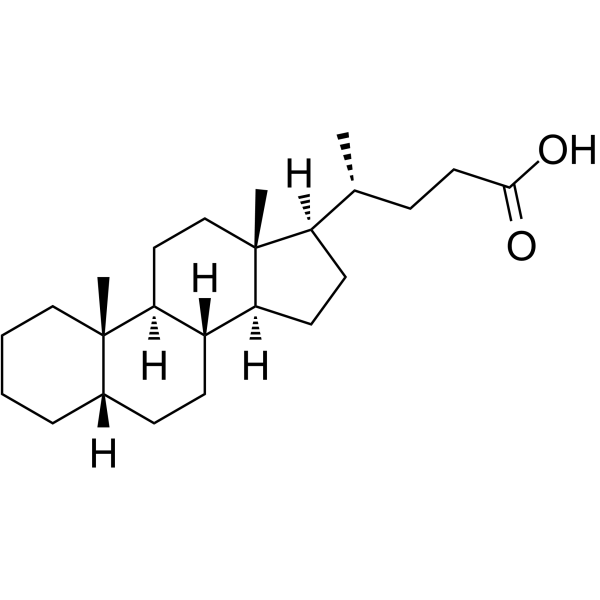
    5β-Cholanic acid is a hydrophobic modifier used to modify polymer carriers. 5β-Cholanic acid can improve the acid stability, cell penetration efficiency and drug sustained release ability of nanocarriers, and optimize the oral effectiveness of delivered molecules. 5β-Cholanic acid can covalently bind to Glycol chitosan (GC) to form a GC-CA conjugate, which optimizes the hydrophobic anchoring ability of nanoparticles and enables them to be stably adsorbed on the surface of PLGA nanoparticles. Such nanoparticles can resist dissociation in the gastric acid environment and maintain positive charge to enhance endocytic uptake by intestinal epithelial cells (such as Caco-2 cells). 5β-Cholanic acid can be used in the development of drug delivery systems .
    5β-Cholanic acid
  • HY-17037
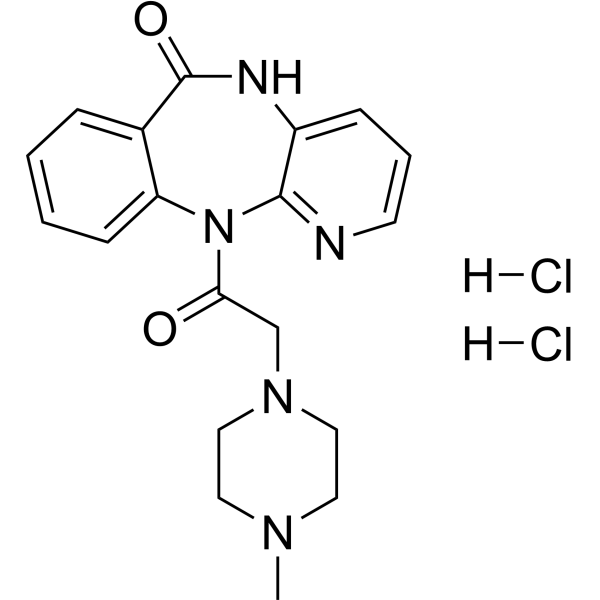
    Pirenzepine dihydrochloride
    5 Publications Verification

    LS 519; Pirenzepin dihydrochloride; Gastrozepin dihydrochloride

    mAChR Metabolic Disease Cancer
    Pirenzepine (LS 519) dihydrochloride is a selective M1 mAChR (muscarinic acetylcholine receptor) antagonist, with poor penetration of the blood-brain barrier. Pirenzepine dihydrochloride reduces gastric acid secretion and reduces muscle spasm, can be used in peptic ulcers research. Pirenzepine dihydrochloride shows anti-proliferative activity to cancer cells .
    Pirenzepine dihydrochloride
  • HY-Y0320GL

    DMSO (GMP Like)

    Cholinesterase (ChE) Bacterial Infection Inflammation/Immunology Cancer
    Dimethyl sulfoxide (DMSO) (GMP Like) is the GMP Like class Dimethyl sulfoxide (HY-Y0320C). Dimethyl sulfoxide is an aprotic solvent that can dissolve water-insoluble therapeutic and toxic agents. Dimethyl sulfoxide has a strong affinity for water and has the ability to rapidly penetrate or enhance the penetration of other substances through biological membranes. Dimethyl sulfoxide also has potential free radical scavenging and anticholinesterase effects and may affect coagulation activity. Dimethyl sulfoxide also induces histamine release from mast cells but is thought to have low systemic toxicity .
    Dimethyl sulfoxide (GMP Like)
  • HY-17037A
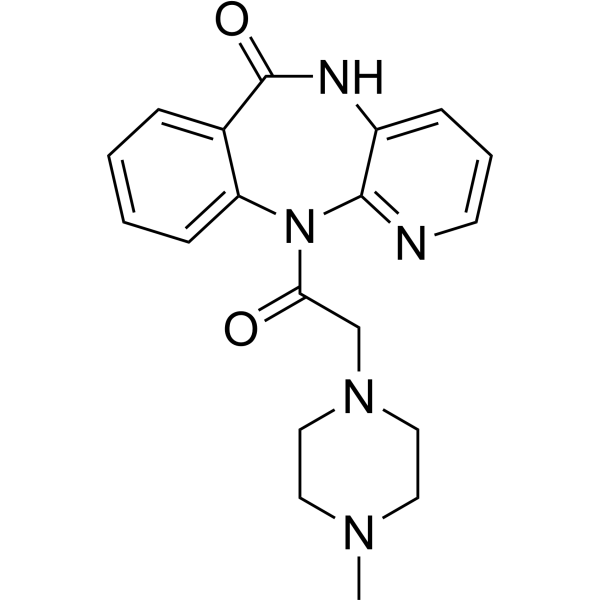
    Pirenzepine
    5 Publications Verification

    LS 519 free base; Pirenzepin; Gastrozepin

    mAChR Metabolic Disease Cancer
    Pirenzepine (LS 519 free base) is a selective M1 mAChR (muscarinic acetylcholine receptor) antagonist, with poor penetration of the blood-brain barrier. Pirenzepine reduces gastric acid secretion and reduces muscle spasm, can be used in peptic ulcers research. Pirenzepine shows anti-proliferative activity to cancer cells .
    Pirenzepine
  • HY-P0311

    Bacterial Infection
    LAH4, an alpha-helix of the designed amphipathic peptide antibiotic, exhibits potent antimicrobial, nucleic acid transfection and cell penetration activities. LAH4 possesses high plasmid DNA delivery capacities. LAH4 has a strong affinity for anionic lipids found in the outer membrane of bacterial membranes .
    LAH4
  • HY-B0848
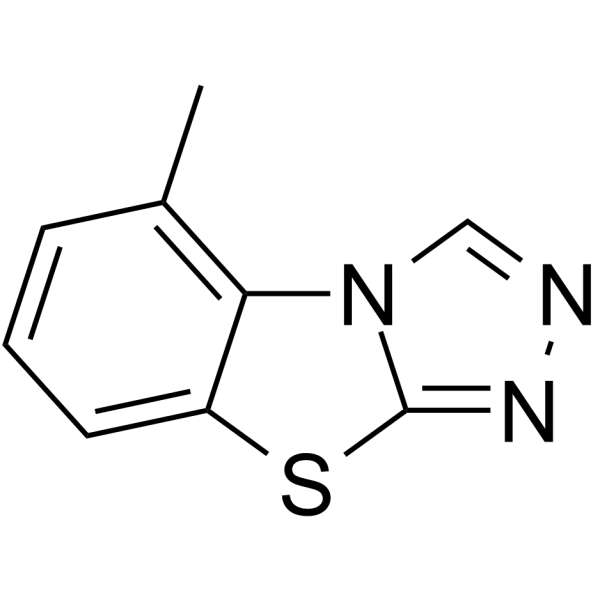
    Tricyclazole
    2 Publications Verification

    Environmental Pollutants Bacterial Infection Metabolic Disease
    Tricyclazole is a pentaketone melanin biosynthesis inhibitor and a unique fungicide for controlling rice blast. Tricyclazole alters the structure and function of fungal cell walls, reduces fungal pathogenicity and penetration, and causes dose-dependent liver damage in animals .
    Tricyclazole
  • HY-131943

    Methylenetetrahydrofolate Dehydrogenase (MTHFD) Neurological Disease Cancer
    DS44960156 is a selective MTHFD2 inhibitor with moderate to low blood-brain barrier penetration (IC50=1.6 μM, Ki=1.23 μM). DS44960156 specifically binds to the active site of MTHFD2, disrupts redox homeostasis and blocks serine-mediated one-carbon metabolism, thereby increasing the NAD +/NADH ratio and ROS levels. DS44960156 not only effectively inhibits the proliferation of glioma cells, but also enhances the sensitivity of cells to glutamine starvation-induced death. DS44960156 binds to plasma proteins, shows no mutagenicity, carcinogenicity or acute oral toxicity, and serves as a research agent for glioblastoma multiforme and other cancers .
    DS44960156
  • HY-P1848
    Pep-1 (uncapped)
    2 Publications Verification

    Interleukin Related Cancer
    Pep-1 (uncapped) is a specific ligand of IL-13Ra2. Pep-1 (uncapped) exerts cell penetrating activity through receptor-mediated endocytosis, can cross the blood-tumor barrier (BTB) and target glioma cells. Pep-1 (uncapped) can enhance the uptake of nanoparticles by tumor cells and enhance the cell penetration ability of nanoparticles, and can be used to develop targeted drug delivery systems for glioma .
    Pep-1 (uncapped)
  • HY-158226

    ElaMA

    Biochemical Assay Reagents Others
    Elastin Methacrylated (ElaMA) elastin recruits and modulates innate immune cells and accelerates angiogenesis at the wound site, thereby improving wound regeneration. Elastin Methacrylated attracts large numbers of neutrophils and primarily M2 macrophages to the wound and induces their penetration into the hydrogel. Elastin Methacrylated has excellent immunomodulatory effects, leading to superior angiogenesis, collagen deposition and dermal regeneration . Elastin Methacrylated needs to self-assemble into fibrous hydrogel under the action of photoinitiator LAP (HY-44076), and target bioactive adhesion sites, play an inherent supporting role for tissue cells and biodegradable activity.
    Application: cell culture, biological 3D printing, tissue engineering, etc.
    Elastin Methacrylated
  • HY-P10861A

    Tau Protein Neurological Disease
    RI-AG03 acetate is a proteolytically stable tau aggregation inhibitor that crosses the blood-brain barrier and exhibits oral efficacy. RI-AG03 acetate inhibits tau aggregation and promotes the formation of alternative amorphous aggregates that are non-amyloidogenic. RI-AG03 acetate mediates cellular uptake through direct membrane penetration and macropinocytosis, and its conjugation with cell-penetrating peptide sequences (CPPs) enhances the binding of cells to liposomes. RI-AG03 acetate suppresses aggregation-dependent neurodegenerative and behavioral phenotypes, and extends the lifespan of Drosophila models of tauopathy. RI-AG03 acetate can be used for research on tau-related diseases such as Alzheimer's disease .
    RI-AG03 acetate
  • HY-171955

    Lipoxygenase Apoptosis Reactive Oxygen Species (ROS) FAK Cancer
    LXG6403 is an orally active and irreversible LOX inhibitor (IC50 = 1.3 μM). LXG6403 is ~3.5-fold more specific for LOX than LOXL2 and does not inhibit LOXL1. LXG6403 inhibits FAK signaling and induces ROS generation and DNA damage, leading to G1 arrest and apoptosis in chemoresistant triple-negative breast cancer (TNBC) cell lines. LXG6403 alters the extracellular matrix (ECM) and collagen structure, reducing collagen cross-linking and deposition, thereby increasing drug penetration and reducing tumor stiffness. LXG6403 overcomes Doxorubicin (HY-15142) resistance in chemoresistant TNBC PDX in vivo and can be used to study high-stiffness resistant tumors .
    LXG6403
  • HY-W110888

    GLUT Neurological Disease
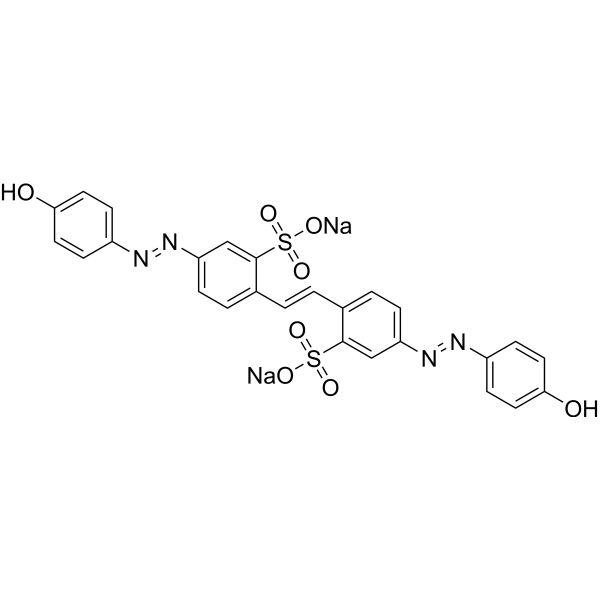
    Brilliant Yellow, a diazo-containing sulfonic aci, is also a potent VGLUT-specific inhibitor. Brilliant Yellow is membrane-impermeable. However, there are some Brilliant Yellow analogs with low cytotoxicity and cell penetration. Brilliant Yellow analogs work on glutamatergic transmission in hippocampal neurons .
    Brilliant Yellow
  • HY-P0311A

    Bacterial Infection
    LAH4 TFA, an alpha-helix of the designed amphipathic peptide antibiotic, exhibits potent antimicrobial, nucleic acid transfection and cell penetration activities. LAH4 TFA possesses high plasmid DNA delivery capacities. LAH4 TFA has a strong affinity for anionic lipids found in the outer membrane of bacterial membranes .
    LAH4 TFA
  • HY-145313

    Tau Protein Neurological Disease
    TTBK1-IN-2 (compound 29) is a potent Tau-Tubulin kinase (TTBK1) inhibitor with IC50s of 0.24 and 4.22 µM, respectively. TTBK1-IN-2 reveals good brain penetration in vivo and is able to reduce TDP-43 phosphorylation not only in cell cultures but also in the spinal cord of transgenic TDP-43 mice .
    TTBK1-IN-2
  • HY-161275

    EGFR Akt ERK Ribosomal S6 Kinase (RSK) Cancer
    BI-4732 is an orally active, reversible, ATP-competitive EGFR inhibitor with blood-brain barrier penetration. BI-4732 inhibits the kinase activity of EGFR L858R, T790M and C797S with IC50 values of 1 nM while sparing EGFR wild-type. BI-4732 inhibits EGFR and reduces the phosphorylation of AKT, ERK, and S6K. BI-4732 demonstrates excellent intracranial anti-tumor efficacy in YU-1097 xenograft model harboring EGFR_E19del/T790M/C797S. BI-4732 can be used for the study of non-small cell lung cancer (NSCLC) .
    BI-4732
  • HY-167876

    PI3K Cancer
    PQR514 is a potent PI3K inhibitor with anticancer activity. PQR514 is able to inhibit cancer cell proliferation. PQR514 showed significant antitumor activity in the OVCAR-3 xenograft model, with the required concentration being approximately one-eighth that of PQR309. PQR514 has good pharmacokinetic properties and minimal brain penetration, making it an optimized candidate compound for inhibiting systemic tumors .
    PQR514
  • HY-Y0320E

    Cholinesterase (ChE) Bacterial Infection Inflammation/Immunology Cancer
    Dimethyl sulfoxide (suitable for HPLC) is an aprotic solvent that can dissolve water-insoluble therapeutic and toxic agents. Dimethyl sulfoxide (DMSO) has a strong affinity for water and has the ability to rapidly penetrate or enhance the penetration of other substances through biological membranes. Dimethyl sulfoxide also has potential free radical scavenging and anticholinesterase effects and may affect coagulation activity. Dimethyl sulfoxide also induces histamine release from mast cells but is thought to have low systemic toxicity. Dimethyl sulfoxide (suitable for HPLC) is suitable for HPLC .
    Dimethyl sulfoxide (suitable for HPLC)
  • HY-P10861

    Tau Protein Neurological Disease
    RI-AG03 is a proteolytically stable tau aggregation inhibitor that crosses the blood-brain barrier and exhibits oral efficacy. RI-AG03 inhibits tau aggregation and promotes the formation of alternative amorphous aggregates that are non-amyloidogenic. RI-AG03 mediates cellular uptake through direct membrane penetration and macropinocytosis, and its conjugation with cell-penetrating peptide sequences (CPPs) enhances the binding of cells to liposomes. RI-AG03 suppresses aggregation-dependent neurodegenerative and behavioral phenotypes, and extends the lifespan of Drosophila models of tauopathy. RI-AG03 can be used for research on tau-related diseases such as Alzheimer's disease .
    RI-AG03
  • HY-W395779
    EBOV-IN-1
    1 Publications Verification

    Filovirus Infection
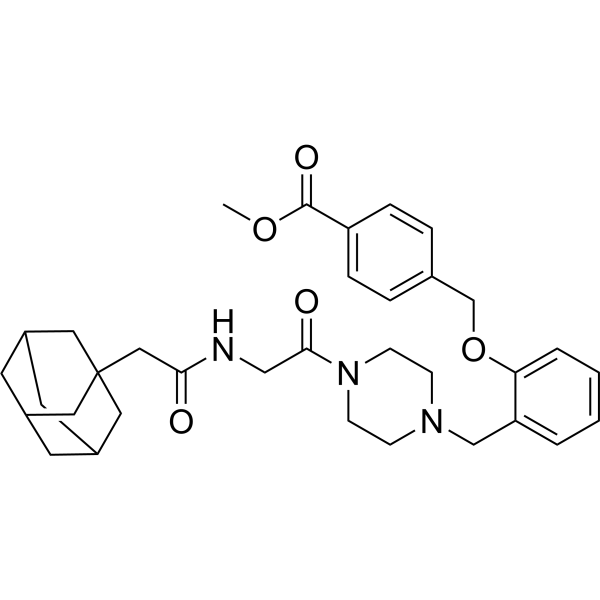
    EBOV-IN-1 (com 3.47) is an adamantane dipeptide piperazine and an inhibitor of Ebola virus (EBOV). EBOV-IN-1 targets Niemann-Pick C1 (NPC1) and inhibits its binding to the EBOV glycoprotein (GP) that activates and mediates viral penetration into host cells, thereby inhibiting EBOV infection. EBOV-IN-1 inhibits pseudotyped EBOV infection with an IC50 of 13 nM .
    EBOV-IN-1
  • HY-115925

    SHP2 Phosphatase Cancer
    SHP2-IN-9 is a specific SHP2 inhibitor (IC50 =1.174 μM) with enhanced blood–brain barrier penetration. SHP2-IN-9 shows 85-fold more selective for SHP2 than SHP1. SHP2-IN-9 inhibits SHP2-mediated cell signal transduction and cancer cell proliferation, and inhibits the growth of cervix cancer tumors and glioblastoma growth in vivo .
    SHP2-IN-9
  • HY-P10462

    Synthetic anti-inflammatory peptide 15

    HDAC NF-κB Inflammation/Immunology
    SAP15 (Synthetic anti-inflammatory peptide 15) is a synthetic anti-inflammatory peptide consisting of 15 amino acids designed from human beta-defensin 3. SAP15 has the ability to penetrate cells and is able to induce downregulation of intracellular inflammation. SAP15 inhibits inflammation by inhibiting the phosphorylation of HDAC5 and thereby reducing the phosphorylation of NF-κB p65. SAP15 inhibits HDAC5 and NF-κB p65 phosphorylation in LPS (HY-D1056)-induced macrophages. SAP15 increases the expression of aggrecan and type II collagen and decreases the expression of osteocalcin in LPS-induced chondrocytes. SAP15 can be used in the study of inflammation regulation and anti-inflammatory therapy of biomaterials .
    SAP15
  • HY-144389

    Cholinesterase (ChE) Amyloid-β Neurological Disease
    hAChE/Aβ1-42-IN-1 (Compound 16) is a potent inhibitor of hAChE and Aβ1-42 aggregation. hAChE/Aβ1-42-IN-1 shows acceptable relative safety upon hepG2 cell line and excellent BBB penetration with wide safety margin. hAChE/Aβ1-42-IN-1 has the potential for the research of Alzheimer disease (AD) .
    hAChE/Aβ1-42-IN-1
  • HY-105130

    DNA/RNA Synthesis Cancer
    Menogaril is a potent and orally active anthracycline antitumor agent. Menogaril is ready penetration into cancer cells can cleave double-stranded DNA. Menogaril can be used for the research of cancer, such as malignant lymphoma .
    Menogaril
  • HY-120574

    ADC Payload Topoisomerase Cancer
    TH1338 (compound 3b), an orally active camptothecin derivative and a potent chemotherapeutic agent for cancer, demonstrates excellent cytotoxic potency against human tumor cell lines in vitro. TH1338 (compound 3b) possesses significant brain penetration, favorable efflux pump properties, and hematological toxicity profile .
    TH1338
  • HY-N4190

    1,6-O,O-Diacetylbritannilactone; Di-O-acetylbritannilactone

    NO Synthase Neurological Disease Inflammation/Immunology
    Britannilactone diacetate (1,6-O,O-Diacetylbritannilactone; Compound 2) exhibits potential NO inhibition effect. Britannilactone diacetate exhibits activity against NO production induced by LPS in BV-2 microglial cells with the EC50 value of 6.3 μM. Britannilactone diacetate exhibits a favorable blood-brain barriers (BBB) penetration and absorption, distribution, metabolism, excretion, and toxicity (ADMET) property .
    Britannilactone diacetate
  • HY-175299

    Hedgehog Apoptosis DNA Methyltransferase Cancer
    Hedgehog IN-11 is an orally active Hedgehog inhibitor. Hedgehog IN-11 downregulates the expression of O6-methylguanine-DNA methyltransferase (MGMT) to impair the Temozolomide (TMZ) (HY-17364) resistance by inhibiting the Hedgehog pathway. Hedgehog IN-11 shows improved inhibition of cell migration and invasion, and induced cell apoptosis in TMZ-resistant GBM cell lines. Hedgehog IN-11 is predicted by computer simulation to have good blood-brain barrier penetration. Hedgehog IN-11 can be used for the study of glioblastoma (GBM) .
    Hedgehog IN-11
  • HY-181067

    MEK ERK Cancer
    IK-595 is a MEK1/MEK2 inhibitor with high affinity (7.39 nM).IK-595 blocks EGF-induced ERK1/2 phosphorylation in AsPC-1 cells with IC50 value of 0.1 nM. IK-595 has oral activity and blood-brain barrier penetration. IK-595 can be used for the research of Ras/MAPK pathway-altered cancers .
    IK-595
  • HY-105369

    Anaplastic lymphoma kinase (ALK) Apoptosis Cancer
    KF-20444 is an orally active ALK inhibitor with blood-brain barrier penetration. KF-20444 exhibits strong inhibitory activity against ALK fusion proteins (EML4-ALK) and ALK resistance mutations (including L1196M, G1202R, and F1174L). KF-20444 effectively suppresses the phosphorylation of ALK in ALK-driven cancer cell lines, thereby inhibiting cancer cell proliferation and inducing apoptosis. KF-20444 demonstrates anti-tumor efficacy in mouse models bearing ALK-positive non-small cell lung cancer (NSCLC) or neuroblastoma. KF-20444 can be used for the study of ALK-driven malignancies .
    KF-20444
  • HY-123410

    Cannabinoid Receptor Cancer
    KM-233 is a classical cannabinoid with good blood brain barrier penetration. KM-233 possesses a selective affinity for the CB2 receptors relative to THC. KM-233 is effective at reducing U87 glioma tumor burden, and can be used for glioma research .
    KM-233
  • HY-P10786

    Transmembrane Glycoprotein Cancer
    LinTT1 peptide is a tumor-penetrating peptide with the amino acid sequence AKRGARST. LinTT1 peptide targets peritoneal carcinoma (PC) by binding to the p32 (gC1qR) receptor. It can conjugate with iron oxide nanoworms (NWs) to form a nanocarrier. This nanocarrier is taken up by peritoneal carcinoma cells in vitro and enters the mitochondria; it also exhibits significant tumor targeting and penetration effects in mice. Moreover, LinTT1-functionalized nanocarriers, combined with the pro-apoptotic peptide [D(KLAKLAK)2], show significant tumor suppression in a mouse peritoneal tumor model. LinTT1 peptide holds promise as a delivery carrier for peritoneal cancer research .
    LinTT1 peptide
  • HY-111141

    Free Fatty Acid Receptor Metabolic Disease
    AM-3189 is an orally active and selective GPR40 agonist with EC50 values in buffer solution and in 100% human serum of 33 nM and 10 μM respectively. AM-3189 shows no significant activity on GPR41 and GPR43, and no agonistic activity on PPAR-α, -δ, and -γ. AM-3189 enhances glucose-stimulated insulin secretion by activating GPR40 on pancreatic β cells. AM-3189 has extremely low penetration into the central nervous system and significantly reduces blood glucose levels in two humanized GPR40 mouse models. AM-3189 can be used for the study of type 2 diabetes .
    AM-3189
  • HY-175675

    P2Y Receptor Keap1-Nrf2 Cardiovascular Disease Neurological Disease
    P2Y1 antagonist 4 is a selective P2Y1 receptor antagonist with excellent blood-brain barrier (BBB) penetration. P2Y1 antagonist 4 inhibits P2Y1 receptor-mediated cytosolic Ca 2+ increase (IC50 = 1.95 μM) and platelet aggregation (IC50 = 3.24 μM) induced by ADP in rabbit washed platelets. P2Y1 antagonist 4 significantly upregulates the level of nuclear Nrf2 protein in H2O2-treated HT22 cells. P2Y1 antagonist 4 reduces myocardial infarct size in a mouse acute myocardial infarction (MI) model. P2Y1 antagonist 4 can be used for the study of ischemic stroke and myocardial infarction .
    P2Y1 antagonist 4
  • HY-147013

    Influenza Virus Orthopoxvirus Infection
    Caprochlorone has antiviral activity against orthopoxvirus. Caprochlorone can inhibit cell penetration by virus, also delays release of newly formed virus from the cell. Caprochlorone decreases the titers of influenza virus in infected-mice lungs .
    Caprochlorone
  • HY-101076

    Phosphatase Metabolic Disease
    L-690488 is a proagent of L-690330 and is a selective inositol monophosphatase (IMPase) inhibitor. L-690488 has more effective cell penetration than L-690330 .
    L-690488
  • HY-P5398

    SARS-CoV Others
    HR2-18 is a biological active peptide, with inhibition of SARS-CoV penetration into cells.
    HR2-18
  • HY-117776

    ICMT Cancer
    CAY10677 (compound 15) is a potent ICMT inhibitor that inhibits cancer cell proliferation. CAY10677 has good PAMPA penetration .
    CAY10677
  • HY-122787

    Others Others
    Tylocrebrine is a compound with anticancer activity. Its clinical research was interrupted due to toxicity issues. By making it into targeted nanoparticles, its inhibitory index can be improved, the killing effect on tumor cells can be enhanced and brain penetration can be reduced.
    Tylocrebrine
  • HY-N15356

    Bacterial Infection
    9-Oxooctadecanedioic acid is an α,ω-dicarboxylic fatty acid monomer found in the cork suberin of Quercus suber. It contributes to the formation of the hydrophobic barrier structure in plant cell walls and may play an important role in functions such as water resistance and protection against microbial penetration .
    9-Oxooctadecanedioic acid
  • HY-P4135

    Fluorescent Dye Others
    FITC-LC-Antennapedia Peptide is a FITC labeled Antennapedia Peptide (HY-P0307). Antennapedia Peptide is a cellular-membrane permeable peptides (CPP). FITC-LC-Antennapedia Peptide has good penetration in 3T3 cell line, which was rapidly accumulated into nuclei .
    FITC-LC-Antennapedia Peptide
  • HY-P10968

    Bacterial Antibiotic Infection
    KT2 is a cationic amphipathic antibacterial peptide. KT2 can completely kill cells of E. coli O157:H7. KT2 has potent anti-biofilm activity and prevents biofilm formation of E. coli O157:H7. KT2 significantly binds to bacterial surface LPS and interacts with the lipids of liposomes with great penetration capability into bacterial cells, followed by bond to DNA and other cytoplasmic membrane .
    KT2
  • HY-156736

    17β-HSD Cancer
    HSD17B13-IN-3 (compound 2) is a potent hydroxysteroid 17ß-dehydrogenase 13 (HSD17B13) inhibitor with IC50s of 0.38 μM and 0.45 μM in biochemical assays using both β-estradiol or Leukotriene B4 (LTB4) as substrate and NAD + as cofactor. HSD17B13-IN-3 shows low cell penetration .
    HSD17B13-IN-3
  • HY-107009

    VZV HSV VSV Infection
    CTC 96 is an antiviral agent, showing inhibitory effects particularly on herpes viruses and adenoviruses. CTC 96 directly blocks the fusion process between the viral envelope and the cell membrane, preventing the entry of viral nucleic acids and proteins into the cells. CTC 96 can completely block the penetration and intercellular transmission of HSV-1, preventing the synthesis of viral proteins and mRNA. CTC 96 exhibits significant anti-adenovirus activity in rabbit eye models. CTC 96 is also effective against varicella-zoster virus (VZV) and vesicular stomatitis virus (VSV). CTC 96 can be used for broad-spectrum antiviral research .
    CTC 96
  • HY-177477

    Drug Derivative Cadherin β-catenin Cardiovascular Disease Cancer
    2,5-Epidithia-3,6-dioxopiperazine (Formula 15) is a derivative of Epidithiodioxopiperazine (ETP). 2,5-Epidithia-3,6-dioxopiperazine improves intracellular penetration and restores the activity of 2-Cys-Prx (especially Peroxiredoxin II (PrxII)) of form simulation in cells. 2,5-Epidithia-3,6-dioxopiperazine inhibits PDGF-induced proliferation and migration in vascular smooth muscle cells while promoting these actions in endothelial cells with VEGF induction. 2,5-Epidithia-3,6-dioxopiperazine effectively inhibits the proliferation and migration and lung metastasis of melanoma cells. 2,5-Epidithia-3,6-dioxopiperazine can be used for vascular diseases such as hypertension, angina pectoris and myocardial infarction research .
    2,5-Epidithia-3,6-dioxopiperazine
  • HY-P10914

    MDM-2/p53 Autophagy Inflammation/Immunology Cancer
    D-CopA3 is the inhibitor for MDM2 and the activator for p53 signaling pathway. D-CopA3 exhibits cytotoxicity in colorectal cancer cells HCT-116, LoVo, and RKO (IC50=15-18 μM), induces JNK/Beclin-1 mediated autophagy. D-CopA3 downregulates the expression of cell cycle inhibitory protein p21Cip1/Waf1, enhances the mucosal barrier function and reduces penetration of inflammatory mediators. D-CopA3 exhibits anti-inflammtory activity in mouse C. difficile toxin A-induced acute enteritis models and DSS (HY-116282)-induced chronic colitis models. D-CopA3 exhibits antitumor efficacy in mouse HCT-116 xenograft models .
    D-CopA3
  • HY-N9722

    HSP Cancer
    Dehydroherbarin is a selective inhibitor targeting HSP90α with blood-brain barrier penetration. Dehydroherbarin interferes with key pathways of tumor cell survival by binding to HSP90α, while exerting moderate antibacterial and anti-hepatitis A virus activities and inhibiting tumor cell migration. Dehydroherbarin can be used in research on tumors such as breast cancer .
    Dehydroherbarin
  • HY-W415799

    Biochemical Assay Reagents Others
    (2S)-Ac4GalNAl can be used for the identification and characterization of specific surface groups of glycoproteins. The alkyne groups can react with azides via copper-catalyzed Click Chemistry. The acetyl groups on the glucose allow for easier penetration through the cell membrane.
    (2S)-Ac4GalNAl
  • HY-P11759

    Drug Derivative Cancer
    Myr-transportan-Cys is a derivative of the cell-penetrating peptide Transportan (HY-P1732), and its conjugated myristoyl group (Myr) enhances the interaction between the peptide and cell membranes. Myr-transportan-Cys integrates three key delivery functions: nucleic acid condensation, cell penetration, and endosomal escape. Myr-transportan-Cys can form immunostimulatory tandem peptide nanocomplexes (iTPNCs) for encapsulating and delivering immunostimulatory oligonucleotide cargos to tumors .
    Myr-transportan-Cys
  • HY-182358

    Apoptosis Cancer
    TMLZ-G46 is an orally active ZNF207 inhibitor with blood-brain barrier penetration ability, with a Kd value of 68 nM. TMLZ-G46 inhibits cancer cell proliferation, stemness, migration and invasion, induces G0/G1 cell cycle arrest and apoptosis, and suppresses colony formation. TMLZ-G46 can be used in glioma research .
    TMLZ-G46

Inquiry Online

Your information is safe with us. * Required Fields.

Salutation


Country or Region *

Applicant Name *


Organization Name *

Department *


Email Address *


Product Name *

Cat. No.


Requested quantity *

Phone Number *


Remarks

Inquiry Online

Inquiry Information

Product Name:
Cat. No.:
Quantity:
MCE Japan Authorized Agent:

