1. Search Result
Search Result
Results for "

ERK/AKT signaling

" in MedChemExpress (MCE) Product Catalog:

154

Inhibitors & Agonists

3

Screening Libraries

1

Fluorescent Dyes

2

Biochemical Assay Reagents

9

Peptides

4

Inhibitory Antibodies

46

Natural
Products

9

Isotope-Labeled Compounds

1

GMP Molecules

Targets Recommended:
Cat. No. Product Name Target Research Areas Chemical Structure
  • HY-N0678
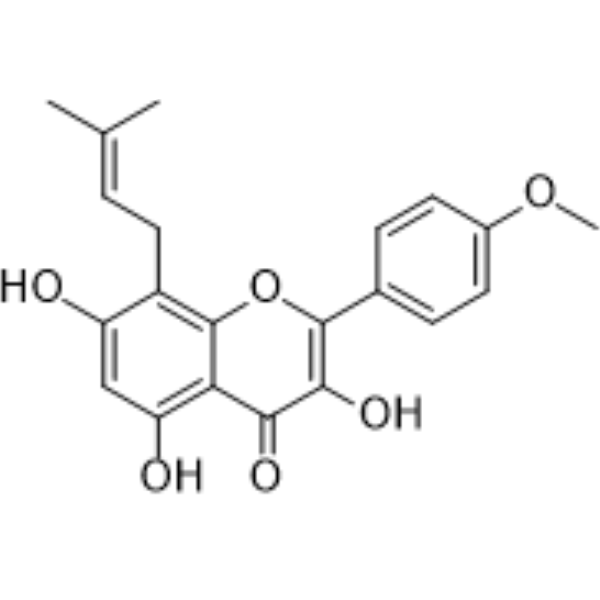
    Icaritin
    5+ Cited Publications

    Anhydroicaritin

    JAK Autophagy Apoptosis Cancer
    Icaritin (Anhydroicaritin) is a prenylflavonoid derivative from Epimedium brevicornuMaxim. and potently inhibits proliferation of K562 cells (IC50 of 8 µM) and primary CML cells (IC50 of 13.4 µM for CML-CP and 18 µM for CML-BC). Icaritin can regulate MAPK/ERK/JNK and JAK2/STAT3 /AKT signalings, also enhances osteogenesis [3.
    Icaritin
  • HY-N0265
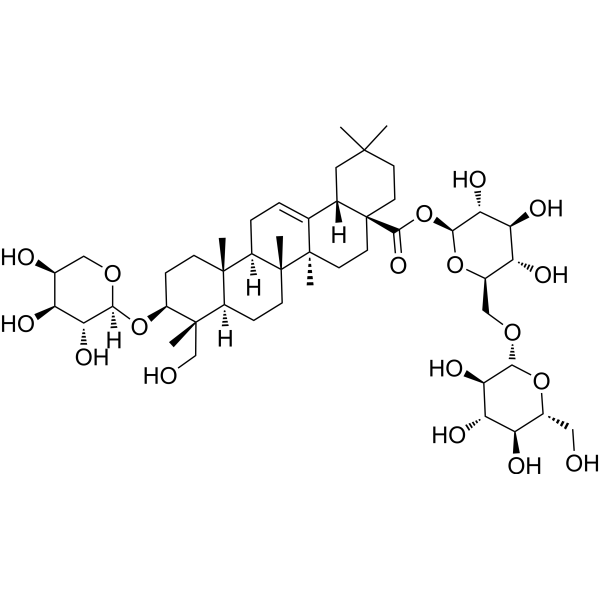
    Asperosaponin VI
    3 Publications Verification

    Akebia saponin D

    Caspase Apoptosis PERK p38 MAPK Akt HIF/HIF Prolyl-Hydroxylase PPAR Cardiovascular Disease Neurological Disease
    Asperosaponin VI is a saponin component from Dipsacus asper. Asperosaponin VI induces osteoblast differentiation through the BMP-2/p38 and ERK1/2 signaling pathways. Asperosaponin VI protects against hypoxia-induced cardiomyocyte apoptosis by activating the PI3K/Akt and CREB pathways. Additionally, Asperosaponin VI also has antidepressant and wound-healing-promoting activities .
    Asperosaponin VI
  • HY-156002

    Paluratide

    Ras ERK Cancer
    LUNA18 is an orally-available cyclic peptide KRAS and ERK inhibitor. LUNA18 phosphorylates ERK and AKT and decreases cell proliferation in RAS-mutated cancer cells. LUNA18 exhibits RAS signal inhibition and potent anti-cancer activities through inhibiting interaction between RAS and guanine nucleotide exchange factors (GEFs) in a mouse xenograft model. LUNA18 shows significant cellular efficacy against cell lines with KRAS genetic alterations, such as colon cancer, stomach cancer, non-small cell lung cancer and pancreaticcancer .
    LUNA18
  • HY-N0371
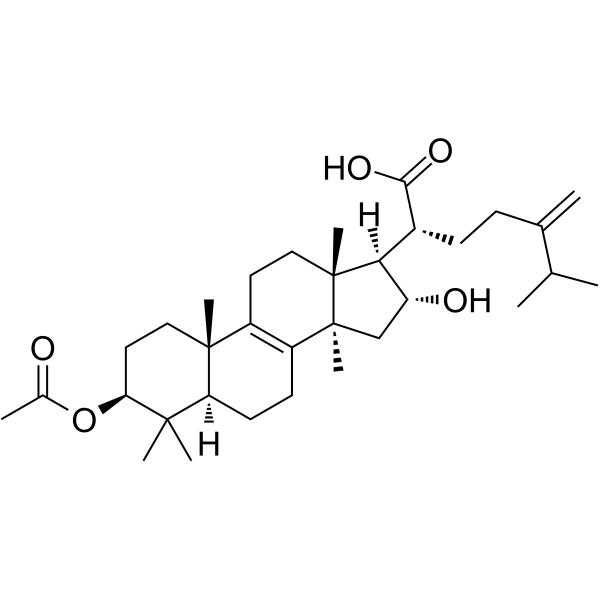
    Pachymic acid
    5 Publications Verification

    3-O-Acetyltumulosic acid

    Akt ERK Cancer
    Pachymic acid is a lanostrane-type triterpenoid from P. cocos. Pachymic acid inhibits Akt and ERK signaling pathways.
    Pachymic acid
  • HY-N0104
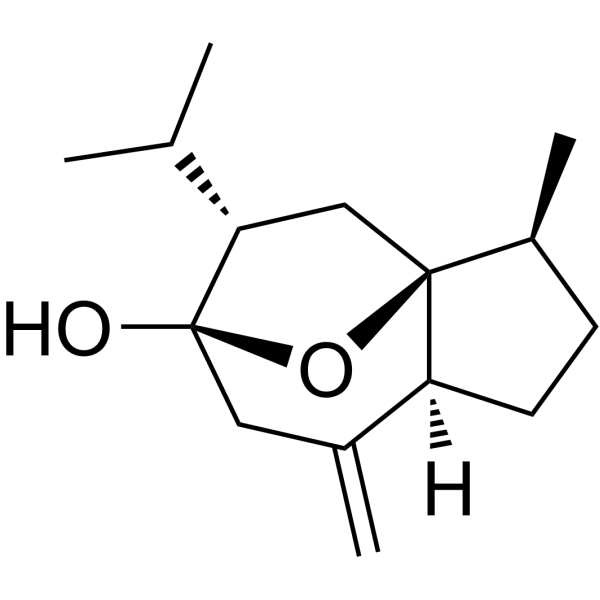
    Curcumol
    5+ Cited Publications

    (-)-Curcumol

    Apoptosis Cancer
    Curcumol ((-)-Curcumol), a bioactive sesquiterpenoid, possesses numerous pharmacological activities like anticancer, antimicrobial, antifungal, antiviral, and antiinflammatory. Curcumol is a potent inducer of apoptosis in numerous cancer cells via targeting key signaling pathways as MAPK/ERK, PI3K/Akt and NF-κB which are generally deregulated in several cancers .
    Curcumol
  • HY-N6973
    Boldine
    1 Publications Verification

    RANKL/RANK Apoptosis Inflammation/Immunology Cancer
    Boldine is an apomorphine isoquinoline alkaloid extracted from the root of the pheasant pepper (Litsea cubeba). Boldine is an oral effective antioxidant, anti-inflammatory, antitumor agent, and can inhibit osteoclast formation. Boldine induces apoptosis of human bladder cancer cells by regulating ERK, AKT and GSK-3β. Boldine ameliorates bone destruction by down-regulating the OPG/RANKL/RANK signaling pathway. It can be used in rheumatoid arthritis research .
    Boldine
  • HY-W008947
    SEW​2871
    5+ Cited Publications

    LPL Receptor ERK Akt Neurological Disease Metabolic Disease Inflammation/Immunology
    SEW2871 is an orally active, potent, highly selective S1P1 (sphingosine-1-phosphate type 1 receptor) agonist, with an EC50 of 13.8 nM. SEW2871 activates ERK, Akt, and Rac signaling pathways and induces S1P1 internalization and recycling. SEW2871 reduces lymphocyte numbers in blood. SEW2871 can be used for the research of diabetes, Alzheimer’s disease, liver fibrosis, and inflammatory responses .
    SEW​2871
  • HY-N0103
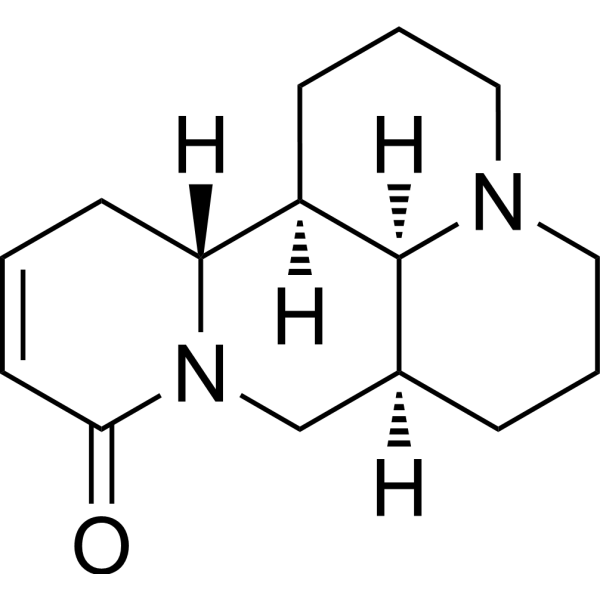
    Sophocarpine
    Maximum Cited Publications
    11 Publications Verification

    Autophagy Apoptosis NF-κB PI3K Akt MEK ERK PTEN Cardiovascular Disease Inflammation/Immunology Cancer
    Sophocarpine is a PTEN activator and an inhibitor of PI3K/Akt, MEK/ERK, and NF-κB signaling pathways. Sophocarpine upregulates PTEN expression and inhibits PI3K/Akt phosphorylation, arrests tumor cell cycle and induces apoptosis. Sophocarpine inhibits MEK/ERK phosphorylation and VEGF secretion, reducing tumor cell migration. Sophocarpine can also inhibit NF-κB activation and p38 and JNK phosphorylation, reduce the expression of inflammatory factors such as iNOS and COX-2, and activate the Nrf2/HO-1 pathway to reduce oxidative stress. Sophocarpine has anti-tumor, anti-inflammatory, antioxidant and anti-apoptotic effects, and can be used in the research of cancers such as glioblastoma and colorectal cancer, inflammation-related diseases, and Doxorubicin (HY-15142A)-induced cardiac damage .
    Sophocarpine
  • HY-109556

    Akt ERK Metabolic Disease
    Insulin Detemir is an artificial insulin, shows effect on controlling blood sugar levels. Insulin Detemir stimulates GLP-1 secretion as a consequence of enhanced Gcg expression by a mechanism involving activation of Akt- and/or extracellular signal-regulated kinase (ERK)-dependent-cat and CREB signaling pathways. Insulin Detemir can be used for type 2 diabetes research .
    Insulin Detemir
  • HY-N1419
    Vaccarin
    1 Publications Verification

    AMPK Akt ERK p38 MAPK NF-κB Nuclear Factor of activated T Cells (NFAT) JNK Cardiovascular Disease Metabolic Disease
    Vaccarin is an orally active flavonoid glycoside with multiple biological functions. Vaccarin promotes neovascularization by activating AKT and ERK. Vaccarin activates the AMPK signaling pathway to improve insulin resistance and steatosis. Vaccarin is a MAPK, NF-κB, and NFAT inhibitor, effectively blocking RANKL-induced osteoclastogenesis .
    Vaccarin
  • HY-131686

    Akt mTOR EGFR ERK Infection Neurological Disease Metabolic Disease Inflammation/Immunology Cancer
    Ganglioside GT1b (bovine) ammonium is a member of the ganglioside family. Ganglioside GT1b (bovine) ammonium acts as a protective signal against nerve injury-induced spinal synapse elimination. Ganglioside GT1b (bovine) ammonium induces HA synthesis and the phosphorylation of Akt/mTOR in orbital fibroblasts. Ganglioside GT1b (bovine) ammonium enhances porcine oocyte maturation and induce activation of EGFR and ERK1/2 signaling. Ganglioside GT1b (bovine) ammonium is a putative host cell receptor for the Merkel cell polyomavirus. Ganglioside GT1b (bovine) ammonium can be used for the researches of cancer, infection, immunology, endocrinology and neurological disease, such as Thyroid eye disease .
    Ganglioside GT1b (bovine) ammonium
  • HY-N2292
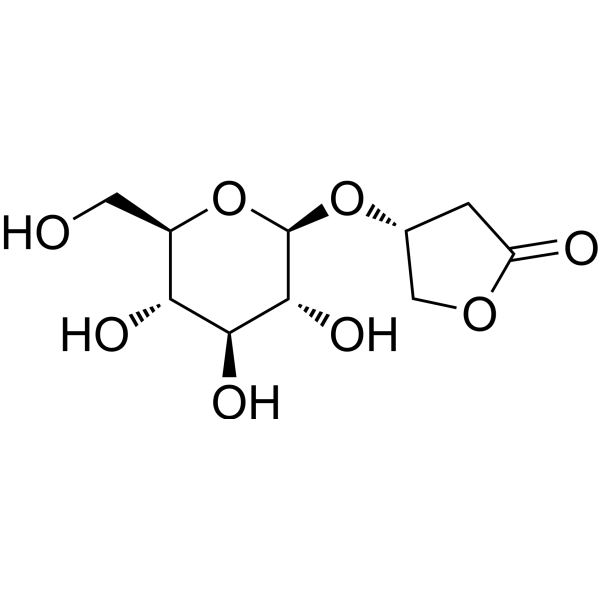
    Kinsenoside
    4 Publications Verification

    Keap1-Nrf2 Apoptosis Inflammation/Immunology
    Kinsenoside is the main active ingredient of the genus plant, and has various biological activities. Kinsenoside and Nrf2 depend on the protection of nuclear cells (NPCs), which significantly reduces their ability to survive. Kinsenoside Active NPC Medium AKT-ERK1/2-Nrf2 Signal passage, Prevent physical decline, aging, harmonious physical function impairment. Kinsenoside can improve the puncture guide model for intermediate vertebral wall discharge (IDD).
    Kinsenoside
  • HY-N0231
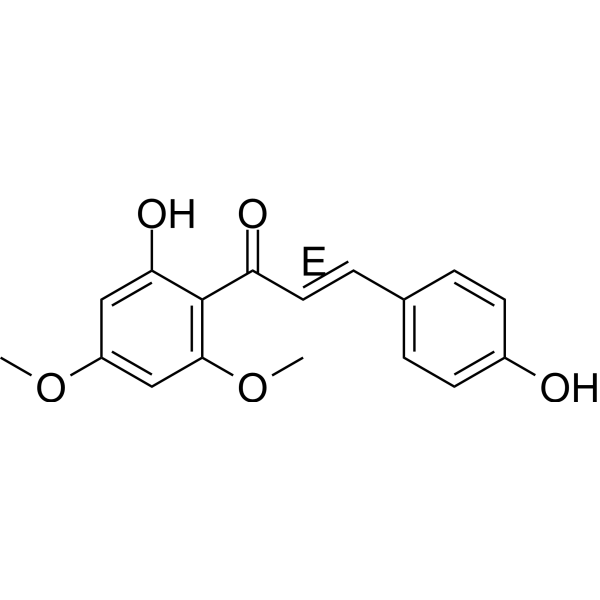
    Bavachalcone
    2 Publications Verification

    Broussochalcone B

    Bacterial Antibiotic NF-κB PERK Akt Autophagy Apoptosis Infection Neurological Disease Inflammation/Immunology Cancer
    Bavachalcone is a potent inducer of apoptosis. Bavachalcone exerts anticancer activity by promoting autophagy and apoptosis in HepG2 cells. Bavachalcone acts as an anti-neuroinflammatory and antidepressant through the NF-κB pathway. Bavachalcone inhibits osteoclasts by interfering with ERK and Akt signaling pathways and the expression of c-Fos and NFATc1. Bavachalcone exhibits a significant inhibitory effect on baculovirus-expressed BACE-1 in vitro .
    Bavachalcone
  • HY-B1014

    VD/VDR p38 MAPK JNK ERK NF-κB Akt GSK-3 PKA Apoptosis Cardiovascular Disease Inflammation/Immunology Cancer
    Acenocoumarol is an anticoagulant that functions as a Vitamin K antagonist. Acenocoumarol inhibits MAPK/ERK/JNK signaling pathway, reduces the nuclear translocation of NF-κB p65, activates Akt/GSK3β signaling pathway. Acenocoumarol induces apoptosis in cell A549, arrests cell cycle at S phase .
    Acenocoumarol
  • HY-101364
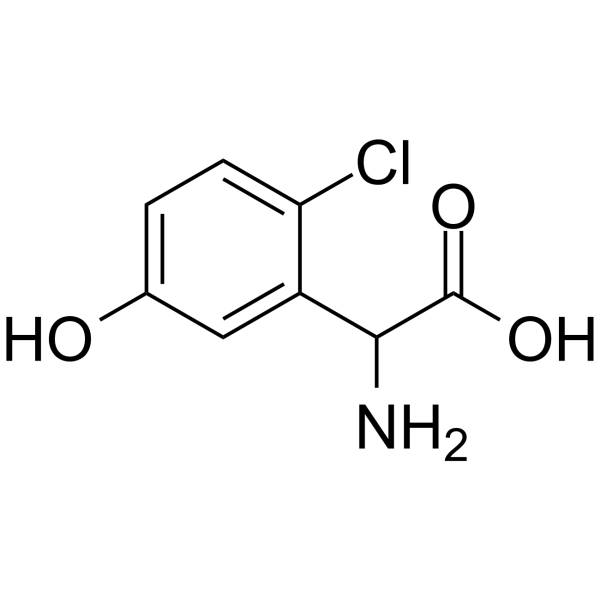
    CHPG
    4 Publications Verification

    mGluR NF-κB ERK Akt Cardiovascular Disease Inflammation/Immunology
    CHPG is a selective mGluR5 agonist, and attenuates SO2-induced oxidative stress and inflammation through TSG-6/NF-κB pathway in BV2 microglial cells . CHPG protects against traumatic brain injury (TBI) in vitro and in vivo by activation of the ERK and Akt signaling pathways .
    CHPG
  • HY-17587
    4-Methylbenzylidene camphor
    2 Publications Verification

    4-MBC; Enzacamene

    Apoptosis PI3K Akt ERK Metabolic Disease
    4-Methylbenzylidene camphor (4-MBC) is an endocrine disrupter that produces estrogen-like effects. 4-Methylbenzylidene camphor decreases the proliferation of human trophoblast cells and induces apoptosis. 4-Methylbenzylidene camphor activates PI3K/AKT and ERK1/2 signaling pathways and elevates intracellular ROS production. 4-Methylbenzylidene camphor is a ultraviolet (UV) filter and may hamper normal placental formation during early pregnancy .
    4-Methylbenzylidene camphor
  • HY-P991413

    Trk Receptor ERK Akt p38 MAPK Neurological Disease Inflammation/Immunology
    ZEB85 is a human monoclonal antibody (mAb) targeting TrkB. ZEB85 activates TrkB and its downstream cascades, including the ERK, PLCγ, AKT, MAPK signaling pathways and cFOS expression, and enhances neuronal activity. ZEB85 prevents β-amyloid toxicity in cultured hippocampal neurons. ZEB85 is applicable to the research of Alzheimer's disease (AD) .
    ZEB85
  • HY-107426
    Verrucarin A
    1 Publications Verification

    Muconomycin A

    Apoptosis Reactive Oxygen Species (ROS) Cancer
    Verrucarin A (Muconomycin A), a Type D macrocyclic mycotoxin derived from the pathogen fungus Myrothecium verrucaria, is an inhibitor of protein synthesis. Verrucarin A inhibits growth of leukemia cell lines and activates caspases and apoptosis and inflammatory signaling in macrophages. Verrucarin A effectively increased the phosphorylation of p38 MAPK and diminished the phosphorylation of ERK/Akt. Verrucarin A caused cell cycle deregulation through the induction of p21 and p53 .
    Verrucarin A
  • HY-128393
    Trilinolein
    1 Publications Verification

    PI3K Akt E-Selectin Apoptosis MMP MEK ERK Cancer
    Trilinolein is an orally active triglyceride that inhibits the PI3K/Akt, Ras/MEK/ERK signaling pathways, and MMP-2. Trilinolein can reduce oxidative stress, induce apoptosis, and inhibit cell migration. Trilinolein can be used in the research fields of cardiovascular disease, cerebrovascular disease (such as cerebral ischemia), and non-small cell lung cancer .
    Trilinolein
  • HY-168438
    ERBB agonist-1
    1 Publications Verification

    EGFR Akt ERK Cardiovascular Disease
    ERBB agonist-1 (Compound EF-1) is an agonist for ERBB4, that activates the ERBB4 signaling pathway by inducing dimerization of the ERBB4 receptor with an EC50 of 10.5 μM. ERBB agonist-1 induces phosphorylation of Akt and ERK1/2, reduces the collagen expression in cardiac fibroblasts, inhibits H2O2-induced cardiomyocyte death and Ang II (HY-13948)-induced cardiomyocyte hypertrophy. ERBB agonist-1 prevents fibrosis and exhibits cardioprotective efficacy in mouse models .
    ERBB agonist-1
  • HY-P4322
    H-Ile-Lys-Val-Ala-Val-OH
    1 Publications Verification

    ERK Akt Neurological Disease Cancer
    H-Ile-Lys-Val-Ala-Val-OH is one of the most potent active sites of laminin-1. H-Ile-Lys-Val-Ala-Val-OH promotes cell adhesion, neurite outgrowth, and tumor growth. H-Ile-Lys-Val-Ala-Val-OH stimulates BMMSC population growth and proliferation by activating MAPK/ERK1/2 and PI3K/Akt signalling pathways .
    H-Ile-Lys-Val-Ala-Val-OH
  • HY-B0380A

    Opioid Receptor Toll-like Receptor (TLR) Calcium Channel Potassium Channel IRAK ERK JNK NF-κB Akt Apoptosis Neurological Disease Metabolic Disease Inflammation/Immunology Cancer
    Trimebutine maleate is a multi-target inhibitor and opioid receptor agonist with antimuscarinic activity. Trimebutine maleate inhibits L-type Ca 2+ channels and large-conductance calcium-activated potassium channels (BKCa channels), thereby inhibiting extracellular calcium influx and potassium ion efflux. Trimebutine maleate also targets Toll-like receptors, inhibits Toll-like receptor 2/4/7/8/9 signals, and inhibits LPS-induced IRAK1 activation, as well as ERK1/2, JNK and NF-κB activation, thereby exerting anti-inflammatory effects. Trimebutine maleate also induces tumor cell apoptosis by inhibiting the AKT/ERK pathway. Trimebutine maleate also inhibits excessive contraction of smooth muscle and can be used in the study of gastrointestinal disorders such as irritable bowel syndrome (IBS) .
    Trimebutine maleate
  • HY-B0380

    Opioid Receptor Toll-like Receptor (TLR) Calcium Channel Potassium Channel IRAK ERK JNK NF-κB Akt Apoptosis Neurological Disease Metabolic Disease Inflammation/Immunology Cancer
    Trimebutine is a multi-target inhibitor and opioid receptor agonist with antimuscarinic activity. Trimebutine inhibits L-type Ca 2+ channels and large-conductance calcium-activated potassium channels (BKCa channels), thereby inhibiting extracellular calcium influx and potassium ion efflux. Trimebutine also targets Toll-like receptors, inhibits Toll-like receptor 2/4/7/8/9 signals, and inhibits LPS-induced IRAK1 activation, as well as ERK1/2, JNK and NF-κB activation, thereby exerting anti-inflammatory effects. Trimebutine also induces tumor cell apoptosis by inhibiting the AKT/ERK pathway. Trimebutine also inhibits excessive contraction of smooth muscle and can be used in the study of gastrointestinal disorders such as irritable bowel syndrome (IBS) .
    Trimebutine
  • HY-14604
    Xaliproden hydrochloride
    1 Publications Verification

    SR57746A; SR57746 hydrochloride

    5-HT Receptor Dopamine Receptor Trk Receptor PKC ERK Akt JNK Neurological Disease Metabolic Disease
    Xaliproden (SR57746) hydrochloride (SR57746A) is an orally active, highly selective 5-HT1A receptor agonist. Xaliproden hydrochloride activates pertussis toxin-sensitive G protein-coupled signaling cascades, as well as the PKC, ERK1/ERK2, Akt and p21 Ras/MEK-1 pathways. Xaliproden hydrochloride also downregulates the JNK/p66/c-Jun signaling pathway, induces phosphorylation of the shc adaptor protein, regulates extracellular dopamine and 5-HT levels, and induces [ 35S]GTPγS labeling in rat brain structures rich in 5-HT1A receptors. Xaliproden hydrochloride exerts neurotrophic, neuroprotective, renoprotective, anti-inflammatory, anti-apoptotic, anti-fibrotic and analgesic effects. Xaliproden hydrochloride also enhances NGF-induced neurite outgrowth, promotes motor neuron survival, attenuates renal tubular injury and inhibits chemotherapy-induced mechanical allodynia, without activating or altering NGF-induced TrkA receptor activation. Xaliproden hydrochloride can be used in the research of motor neuron disease, diabetic nephropathy, chemotherapy-induced peripheral neuropathy, amyotrophic lateral sclerosis, Alzheimer's disease, acute tonic nociceptive pain, inflammatory pain, depression and anxiety .
    Xaliproden hydrochloride
  • HY-19820A
    NSC45586 sodium
    1 Publications Verification

    Akt Ser/Thr Protease Apoptosis MMP Cardiovascular Disease Neurological Disease Inflammation/Immunology
    NSC45586 sodium is an inhibitor of PHLPP. NSC45586 sodium targets the PP2C phosphatase domains of PHLPP1 and PHLPP2, blocks the phosphatase activity of PHLPP, increases the expression level of FOXO1 in the nucleus, and reduces the protein expression of PHLPP1. NSC45586 sodium activates the AKT survival signaling pathway, enhances IGF-1-induced AKT activation, and inhibits the phosphorylation of AKT/ERK under basal conditions. NSC45586 sodium reduces staurosporine-induced neuronal death, preserves notochord cell morphology and KRT19 expression, inhibits cell apoptosis (apoptosis), improves the viability and proliferation of nucleus pulposus cells, upregulates the expression of ACAN/SOX9, and downregulates the expression of MMP13. NSC45586 sodium binds tightly to bovine serum albumin (bovine serum albumin), and exerts a more significant effect on nucleus pulposus in male individuals. NSC45586 sodium can be used in studies related to global cerebral ischemia and intervertebral disc degeneration .
    NSC45586 sodium
  • HY-N2902

    Reactive Oxygen Species (ROS) Cancer
    Artocarpin is an orally active apoptosis inducer. Artocarpin targets NF-κB, Erk1/2, p38 MAPK, AktS473, p53, Akt 1 kinase and Akt 2 kinase. Artocarpin induces reactive oxygen species (ROS) production, mediates p53-dependent and p53-independent apoptotic signaling pathways, induces G1-phase cell cycle arrest, and triggers autophagic cell death. Artocarpin exerts cytotoxic and bactericidal effects on cancer cells, reduces bacterial load, and exhibits anti-inflammatory, analgesic and anti-angiogenic activities .
    Artocarpin
  • HY-101364A
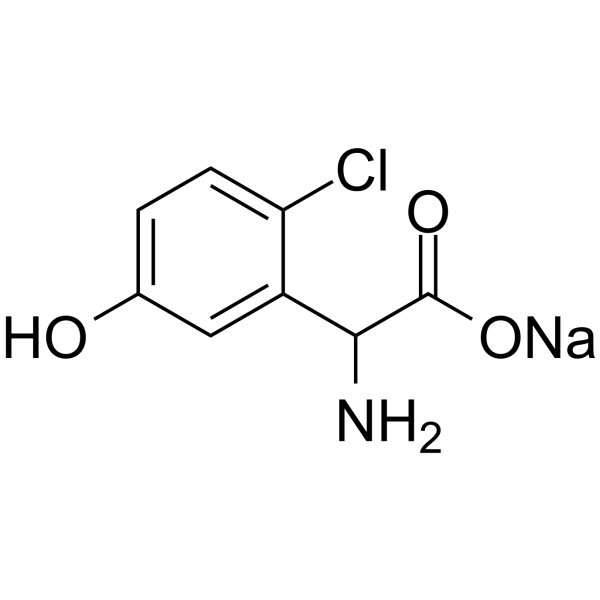
    CHPG sodium salt
    4 Publications Verification

    mGluR NF-κB ERK Akt Neurological Disease Inflammation/Immunology
    CHPG sodium salt is a selective mGluR5 agonist, and attenuates SO2-induced oxidative stress and inflammation through TSG-6/NF-κB pathway in BV2 microglial cells . CHPG sodium salt protects against traumatic brain injury (TBI) in vitro and in vivo by activation of the ERK and Akt signaling pathways. .
    CHPG sodium salt
  • HY-N7043
    Isosilybin A
    2 Publications Verification

    Apoptosis PPAR NF-κB p38 MAPK ERK Androgen Receptor Inflammation/Immunology Cancer
    Isosilybin A is a PPARγ agonist that can be isolated from silymarin. Isosilybin A activates extrinsic and intrinsic pathways of apoptosis through targeting of the Akt-NF-kB-AR axis. Isosilybin A can relieve the inflammatory response in the rosacea model via inhibiting Erk and p38 signaling pathways and M1 macrophage polarization, with its targets related to RELA and VEGFA. Isosilybin A has anti-prostate cancer (PCA) activity [1][2][3].
    Isosilybin A
  • HY-150795

    TGF-beta/Smad PI3K Akt ERK JNK Others
    SY-LB-35 is a potent bone morphogenetic protein (BMP) receptor agonist. SY-LB-35 can stimulate significant increases in cell number and cell viability in the C2C12 myoblast cell line, and causes shifts towards the S and G2/M phases of the cell cycle. SY-LB-35 stimulates canonical Smad and non-canonical PI3K/Akt, ERK, p38 and JNK intracellular signaling pathways .
    SY-LB-35
  • HY-N0910
    Notoginsenoside Ft1
    1 Publications Verification

    PI3K mTOR Akt Apoptosis p38 MAPK ERK Transmembrane Glycoprotein Glutathione Reductase (GR) Estrogen Receptor/ERR Calcium Channel Ferroptosis G protein-coupled Bile Acid Receptor 1 FXR Cardiovascular Disease Neurological Disease Metabolic Disease Inflammation/Immunology Cancer
    Notoginsenoside Ft1 is an orally active bioactive saponin. Notoginsenoside Ft1 inhibits the PI3K/AKT/mTOR signaling pathway, activates the p38 MAPK and ERK1/2 signaling pathways, and increases the proportion of CD8 + T cells, thereby inducing apoptosis and lysosomal cell death in various cancer cells, and promoting angiogenesis. Notoginsenoside Ft1 causes vasodilation by activating glucocorticoid receptors (GR) and estrogen receptor beta (ERβ) in endothelial cells. Notoginsenoside Ft1 increases intracellular Ca 2+ accumulation, reduces cAMP levels by activating a signaling network mediated through P2Y12 receptors, and promotes platelet aggregation, thereby exerting a procoagulant effect. Notoginsenoside Ft1 inhibits ferroptosis (ferroptosis) in renal tubular epithelial cells by activating the TGR5 receptor, thereby demonstrating a renal protective effect. Notoginsenoside Ft1 acts as a TGR5 agonist and an FXR antagonist to combat obesity and insulin resistance .
    Notoginsenoside Ft1
  • HY-148877

    HSP HSV HIF/HIF Prolyl-Hydroxylase VEGFR NF-κB ERK Akt FAK Infection Inflammation/Immunology Cancer
    AT-533 is a potent Hsp90 and HSV inhibitor. AT-533 suppresses tumor growth and angiogenesis by blocking the HIF-1α/VEGF/VEGFR-2 signaling pathway. AT-533 also inhibits the activation of the downstream pathways, including Akt/mTOR/p70S6K, Erk1/2 and FAK. AT-533 inhibits the tube formation, cell migration, and invasion of human umbilical vein endothelial cells (HUVECs) .
    AT-533
  • HY-113599

    EGFR ERK Akt Others
    Isoprocurcumenol is a guaiane type sesquiterpene, that can be isolated from Curcuma comosa. Isoprocurcumenol can activate EGFR signaling. Isoprocurcumenol increases the phosphorylation of ERK and AKT. Isoprocurcumenol promotes the proliferation of keratinocytes .
    Isoprocurcumenol
  • HY-N4309

    Amylases Glycosidase Neurological Disease Metabolic Disease Cancer
    Lotusine is an orally active signaling pathway modulator and enzyme inhibitor, with an IC50 of 30.60 μg/mL against α-amylase and an IC50 of 36.15 μg/mL against α-glucosidase. Lotusine inhibits the EGFR-Akt-ERK signaling pathway by reducing the levels of phosphorylated EGFR, Akt and ERK. Lotusine induces apoptosis, triggers G0/G1 cell cycle arrest and inhibits cancer cell proliferation. Lotusine reduces lipid peroxidation and increases the activities of SOD, CAT and GPx. Lotusine is applicable to researches related to non-small cell lung cancer, type 2 diabetes and autism spectrum disorder .
    Lotusine
  • HY-P991358

    LFA-102; X213

    Estrogen Receptor/ERR STAT Akt Cancer
    XOMA-213 (LFA-102; X213) is a human monoclonal antibody (mAb) targeting the prolactin receptor (PRLR), with a Kd value of 2 nM against the human target. XOMA-213 blocks PRL-induced cell proliferation and inhibits the activation of multiple PRLR ligands, including PRL and human growth hormone (hGH). XOMA-213 suppresses PRL-induced phosphorylation of Stat5, Akt and ERK1/2 in cells. XOMA-213 induces tumor regression, delays disease progression, and inhibits PRLR signaling as well as tumor growth. XOMA-213 can be used in research related to breast cancer .
    XOMA-213
  • HY-15872

    Farnesyl Transferase Ras ERK mTOR Caspase Apoptosis Akt PI3K Bacterial Cardiovascular Disease Neurological Disease Cancer
    FTI-277 is a farnesyltransferase (FTase) inhibitor. FTI-277 inhibits Ras farnesylation, blocks the phosphorylation of downstream ERK1/2 and mTOR, and reduces membrane-bound active N-ras protein. FTI-277 activates caspase 3, upregulates Bim expression, induces cell apoptosis, suppresses regulatory T cell expansion, enhances macrophage phagocytosis, and improves bacterial clearance. FTI-277 activates the PI3K/Akt signaling pathway, inhibits osteoblast differentiation, and reduces the proliferation ability of neuroblastoma cells. FTI-277 can be used in research related to head and neck squamous cell carcinoma, neuroblastoma, sepsis, and vascular calcification .
    FTI-277
  • HY-168376

    9(10)-Nitrated oleic acid

    PPAR ERK Akt NO Synthase Metabolic Disease Inflammation/Immunology
    9 (10)-Nitrooleate (9(10)-Nitrated oleic acid) is an endogenous lipid signaling mediator with vasoprotective effects. 9 (10)-Nitrooleate enhances enzymatic activity and improves nitric oxide bioavailability by inducing phosphorylation of Akt and ERK1/2, regulating the multi-site phosphorylation status of eNOS and optimizing its interaction with Hsp90. 9 (10)-Nitrooleate also activates PPARα, PPARδ and PPARγ receptors, thereby regulating adipogenesis, glucose uptake and inflammation-related gene expression, and exhibits immunosuppressive effects by inhibiting neutrophil migration and cytokine secretion. 9 (10)-Nitrooleate is widely used in studies of sepsis and related inflammatory diseases .
    9(10)-Nitrooleate
  • HY-110038

    Farnesyl Transferase Ras ERK mTOR Apoptosis Caspase Akt PI3K Bacterial Cardiovascular Disease Neurological Disease Cancer
    FTI-277 TFA is a farnesyltransferase (FTase) inhibitor. FTI-277 TFA inhibits Ras farnesylation, blocks the phosphorylation of downstream ERK1/2 and mTOR, and reduces membrane-bound active N-ras protein. FTI-277 TFA activates caspase 3, upregulates Bim expression, induces cell apoptosis, suppresses regulatory T cell expansion, enhances macrophage phagocytosis, and improves bacterial clearance. FTI-277 TFA activates the PI3K/Akt signaling pathway, inhibits osteoblast differentiation, and reduces the proliferation ability of neuroblastoma cells. FTI-277 TFA can be used in research related to head and neck squamous cell carcinoma, neuroblastoma, sepsis, and vascular calcification .
    FTI-277 TFA
  • HY-N0265R

    Akebia saponin D (Standard)

    Reference Standards Caspase Apoptosis PERK Akt p38 MAPK HIF/HIF Prolyl-Hydroxylase PPAR Cardiovascular Disease Neurological Disease
    Asperosaponin VI (Standard) is the analytical standard of Asperosaponin VI. This product is intended for research and analytical applications. Asperosaponin VI is a saponin component from Dipsacus asper. Asperosaponin VI induces osteoblast differentiation through the BMP-2/p38 and ERK1/2 signaling pathways. Asperosaponin VI protects against hypoxia-induced cardiomyocyte apoptosis by activating the PI3K/Akt and CREB pathways. Additionally, Asperosaponin VI also has antidepressant and wound-healing-promoting activities .
    Asperosaponin VI (Standard)
  • HY-169212

    PI3K Annexin A ERK VEGFR STAT Raf FAK Akt Ras Cancer
    I194496 is a potent cystathionine γ-lyase (CSE) inhibitor, with an IC50 of 0.79 mM. I194496 can inhibit the growth of human TNBC cells via the dual targeting PI3K/Akt and Ras/Raf/ERK pathway and suppress the metastasis of human TNBC cells via down-regulating Anxa2/STAT3 and VEGF/FAK/Paxillin signaling pathways .
    I194496
  • HY-N0103A
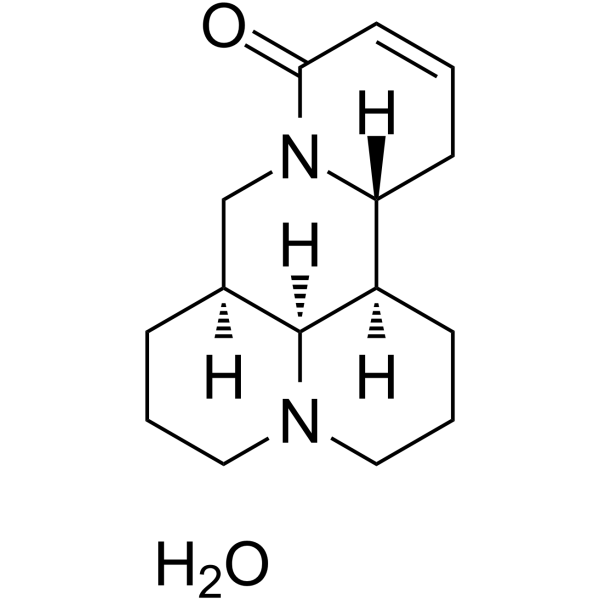
    Sophocarpine monohydrate
    Maximum Cited Publications
    11 Publications Verification

    Autophagy Apoptosis NF-κB PI3K Akt MEK ERK Cardiovascular Disease Inflammation/Immunology Cancer
    Sophocarpine monohydrate is a PTEN activator and an inhibitor of PI3K/Akt, MEK/ERK, and NF-κB signaling pathways. Sophocarpine monohydrate upregulates PTEN expression and inhibits PI3K/Akt phosphorylation, arrests tumor cell cycle and induces apoptosis. Sophocarpine monohydrate inhibits MEK/ERK phosphorylation and VEGF secretion, reducing tumor cell migration. Sophocarpine monohydrate can also inhibit NF-κB activation and p38 and JNK phosphorylation, reduce the expression of inflammatory factors such as iNOS and COX-2, and activate the Nrf2/HO-1 pathway to reduce oxidative stress. Sophocarpine monohydrate has anti-tumor, anti-inflammatory, antioxidant and anti-apoptotic effects, and can be used in the research of cancers such as glioblastoma and colorectal cancer, inflammation-related diseases, and Doxorubicin (HY-15142A)-induced cardiac damage .
    Sophocarpine monohydrate
  • HY-173571

    SHP2 Apoptosis Cancer
    TK-685 is an orally active, selective, and allosteric SHP2 inhibitor with an IC50 of 2.1 nM. TK-685 inhibits esophageal cancer cell proliferation and induced apoptosis by targeting SHP2-mediated AKT and ERK signaling pathways .
    TK-685
  • HY-123952

    TRC-382

    EGFR Cancer
    RTC-5 (TRC-382) is an optimized phenothiazine with anti-cancer potency. RTC-5 demonstrates efficacy against a xenograft model of an EGFR driven cancer, its effects is attributed to concomitant negative regulation of PI3K-AKT and RAS-ERK signaling .
    RTC-5
  • HY-P11147

    Interleukin Related FAK Src Akt ERK MMP Cancer
    IL13Rα2 D1 is an effective IL-13/IL13Rα2 signaling axis inhibitor. IL13Rα2 D1 can inhibit IL-13-induced cell adhesion, migration, invasion, and proliferation. IL13Rα2 D1 can inhibit FAK, Src, AKT, ERK1/2 phosphorylation, and MMP expression. IL13Rα2 D1 can be used for research on cancers such as colorectal cancer .
    IL13Rα2 D1
  • HY-N10133

    3′-Prenylnaringenin

    Bacterial mTOR Akt PI3K NF-κB Caspase JNK ERK COX NO Synthase Apoptosis Others
    Licoflavanone (3′-Prenylnaringenin) is a flavanone with antioxidant, anti-inflammatory and anticancer activities. Licoflavanone can be isolated from the leaf extract of Glycyrrhiza glabra. Licoflavanone downregulates the mTOR/PI3K/AKT signaling pathway to inhibit the proliferation, migration and invasion of cancer cells, while activates Bax, Bad and multiple caspase enzymes to induce apoptosis. Its anti-inflammatory effect is manifested by reducing the nuclear translocation of NF-κB, decreasing the phosphorylation levels of p38, JNK and ERK1/2, thereby inhibiting the expression of nitric oxide, proinflammatory cytokines, COX-2 and iNOS. Licoflavanone is used in studies on nasopharyngeal carcinoma and related mechanisms .
    Licoflavanone
  • HY-P11130

    Akt ERK PI3K MEK Neurological Disease
    LQEQ-19 (mouse, rat) is a VGF derived peptide that exerts neuroprotective effects. LQEQ-19 (mouse, rat) activates the PI3K/Akt and MEK/ERK signaling pathways by promoting phosphorylation of Akt and ERK1/2. LQEQ-19 (mouse, rat) is commonly used in the study of neurological conditions .
    LQEQ-19 (mouse, rat)
  • HY-P11474

    Integrin FAK Akt ERK Metabolic Disease
    FZ1 peptide is an integrin αvβ3 agonist. FZ1 peptide binds to integrin αvβ3, effectively activates FAK, FAK-dependent AKT and ERK1/2 signaling pathways. FZ1 peptide enhances VEGFC-induced endothelial angiogenesis, accelerates diabetic skin wound healing .
    FZ1 peptide
  • HY-178939

    EGFR Akt PERK Apoptosis Neurological Disease Cancer
    EGFR-IN-181 is an orally active, potent, brain-penetrant EGFRL858R/T790M/C797S triple mutations inhibitor (IC50 = 1.32 nM). EGFR-IN-181 can inhibit EGFR phosphorylation (p-EGFR) and phosphorylation of its downstream signaling proteins AKT (p-AKT) and ERK (p-ERK). EGFR-IN-181 can induce apoptosis and cause G2 phase arrest. EGFR-IN-181 can be used for the study of non-small cell lung cancer (NSCLC) and brain metastases .
    EGFR-IN-181
  • HY-12482

    PI3K Apoptosis PDK-1 MEK Akt ERK Cancer
    X-370 is a PI3Kδ inhibitor (IC50 = 7 nM). X-370 inhibits the survival of leukemia cells, inducing G1 arrest and apoptosis. X-370 blocks PDK1 binding and phosphorylation of MEK1/2, eliminating Akt and Erk1/2 signaling. X-370 can be used in research on B-cell acute lymphoblastic leukemia (B-ALL) .
    X-370
  • HY-120412

    EGFR Apoptosis Cancer
    SKLB188 is an orally active and potent epidermal growth factor receptor (EGFR) inhibitor (IC50=5 nM). SKLB188 suppresses MEK/Erk and Akt/mTOR signaling pathways to inhibit head and neck squamous cell carcinoma (HNSCC) proliferation and induce caspase-dependent apoptosis. SKLB188 is promising for research of EGFR-overexpressing solid tumors .
    SKLB188
  • HY-131686A

    Akt mTOR EGFR ERK Infection Neurological Disease Metabolic Disease Inflammation/Immunology Cancer
    Ganglioside GT1b (porcine) ammonium is a member of the ganglioside family. Ganglioside GT1b (porcine) ammonium acts as a protective signal against nerve injury-induced spinal synapse elimination. Ganglioside GT1b (porcine) ammonium induces HA synthesis and the phosphorylation of Akt/mTOR in orbital fibroblasts. Ganglioside GT1b (porcine) ammonium enhances porcine oocyte maturation and induces activation of EGFR and ERK1/2 signaling. Ganglioside GT1b (porcine) ammonium is a putative host cell receptor for the Merkel cell polyomavirus. Ganglioside GT1b (porcine) ammonium can be used for the researches of cancer, infection, immunology, endocrinology and neurological disease, such as Thyroid eye disease .
    Ganglioside GT1b (porcine) ammonium

Inquiry Online

Your information is safe with us. * Required Fields.

Salutation


Country or Region *

Applicant Name *


Organization Name *

Department *


Email Address *


Product Name *

Cat. No.


Requested quantity *

Phone Number *


Remarks

Inquiry Online

Inquiry Information

Product Name:
Cat. No.:
Quantity:
MCE Japan Authorized Agent:

