


Search Result
Results for "
Glycemic control
" in MedChemExpress (MCE) Product Catalog:
3
Biochemical Assay Reagents
2
Isotope-Labeled Compounds
| Cat. No. |
Product Name |
Target |
Research Areas |
Chemical Structure |
-
- HY-P3463
-
|
GLP-1 (human)
|
GCGR
|
Metabolic Disease
Inflammation/Immunology
|
|
Beinaglutide is a human GLP-1 polypeptide that shares almost 100% homology with human GLP-1 (7–36). Beinaglutide displays does-dependent effects in glycemic control, inhibiting food intake and gastric empty and promoting weight loss. Beinaglutide has the potential for the research of overweight/obesity and nonalcoholic steatohepatitis (NASH) .
|
-
-
- HY-150105
-
|
BMF-219; Menin-MLL inhibitor 21
|
Epigenetic Reader Domain
|
Metabolic Disease
Inflammation/Immunology
Cancer
|
|
Icovamenib (BMF-219) is a selective, orally active, irreversible Menin inhibitor. Icovamenib forms a stable and irreversible covalent bond with Menin. Icovamenib promotes selective and controlled proliferation of beta cells and improvement of beta cell function in ex vivo human islet cultures. Icovamenib enhances glycemic control in animal diabetic models. Icovamenib induces a dose-dependent enhancement in insulin secretion potentiated by the GLP-1 RA. Icovamenib can be used for the study of multiple hematologic malignancies, solid tumors, and diabetes mellitus, such as diffuse large B-cell lymphoma (DLBCL), multiple myeloma (MM) and chronic lymphocytic leukemia and type 2 diabetes .
|
-
-
- HY-15408
-
|
SYR-472
|
Dipeptidyl Peptidase
|
Metabolic Disease
|
|
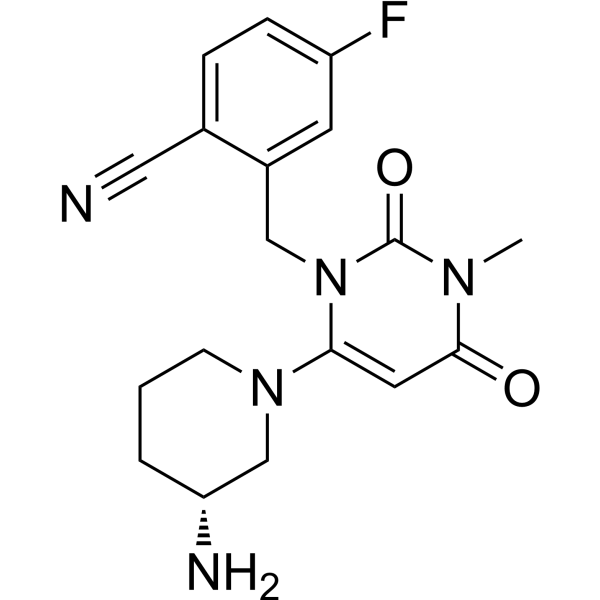
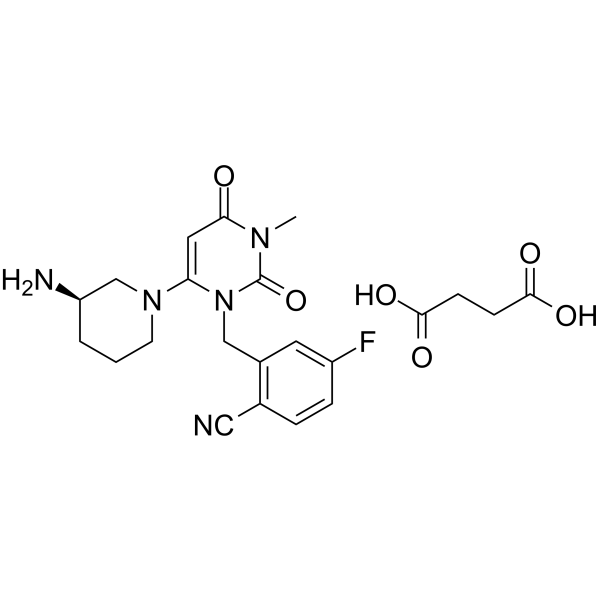
Trelagliptin (SYR-472) is a potent, orally active and highly selective DPP-4 inhibitor with an IC50 of 4 nM. Trelagliptin succinate improves glycemic control in vivo and can be used for the study of type 2 diabetes mellitus (T2DM) .
|
-
-
- HY-W145665
-
|
|
Biochemical Assay Reagents
Endogenous Metabolite
|
Others
|
|
Amylose is not a typical small-molecule ligand with a specific traditional receptor-binding target. It is a polysaccharide. In food science and biological systems, amylose can interact with proteins and free fatty acids through non-covalent forces like hydrophobic interactions and electrostatic interactions. For example, it can form a ternary complex with them, which is related to the structure and digestion of starch. It is widely studied in the fields of food science, carbohydrate metabolism, and is also relevant in research on controlling glycemic responses, as it affects starch digestion rate .
|
-
-
- HY-13467
-
AM-1638
3 Publications Verification
|
Free Fatty Acid Receptor
|
Metabolic Disease
|
|
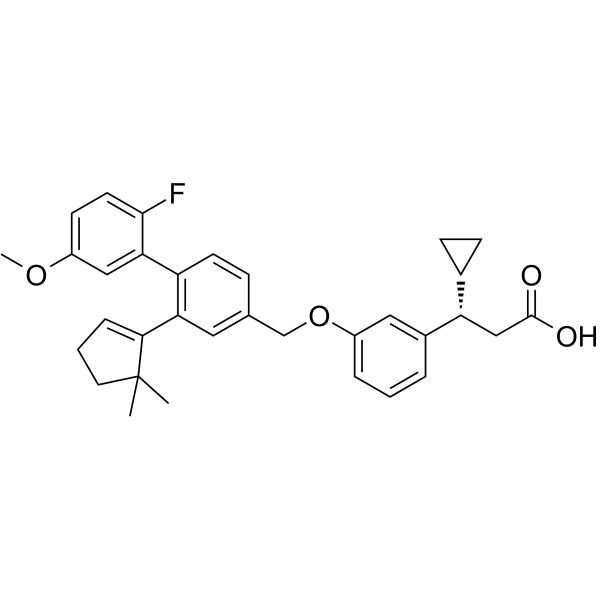
AM-1638 is an orally active full agonist of GPR40 (EC50: 0.16 μM). AM-1638 increases the expression of antioxidant molecules (HO-1 and NQO-1). AM1638 blocks Palmitate (HY-N0830)-mediated superoxide production and ER stress. AM-1638 has antidiabetic activity and improves glycemic control in BDF mice with diet-induced obesity (DIO). AM-1638 demonstrates excellent oral bioavailability (mouse, >100%; rat, 72%; and cyno, 71%) .
|
-
-
- HY-106539
-
|
|
FXR
G protein-coupled Bile Acid Receptor 1
GLP Receptor
|
Metabolic Disease
Cancer
|
|
Colesevelam hydrochloride is an orally active bile acid sequestrant, lipid-lowering agent, and glycemic control agent. Colesevelam hydrochloride binds bile acids in the gastrointestinal tract to form nonabsorbable complexes, interrupts enterohepatic recirculation and increases fecal bile acid elimination. Colesevelam hydrochloride modulates FXR, TGR5, and Cyp7a1 activity and triggers cAMP signaling and GLP-1 release. Colesevelam hydrochloride alters hepatic lipid and glucose metabolism, suppresses hepatic glycogenolysis, reduces hepatic triglyceride and cholesterol levels, and increases LDL-C (low-density lipoprotein cholesterol) clearance. Colesevelam hydrochloride can be used for the research of type 2 diabetes mellitus, hypercholesterolemia, and alcohol-related liver disease .
|
-
-
- HY-113075
-
-
-
- HY-15408A
-
|
SYR-472 succinate
|
Dipeptidyl Peptidase
|
Metabolic Disease
|
|
Trelagliptin (SYR-472) succinate is a potent, orally active and highly selective DPP-4 inhibitor with an IC50 of 4 nM. Trelagliptin succinate improves glycemic control in vivo and can be used for the study of type 2 diabetes mellitus (T2DM) .
|
-
-
- HY-16421
-
|
(-)-DRF 2725; NNC 61-0029
|
PPAR
|
Metabolic Disease
|
|
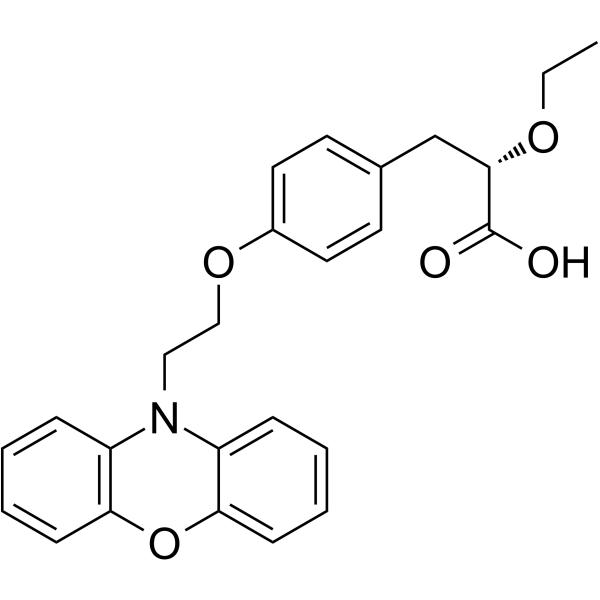
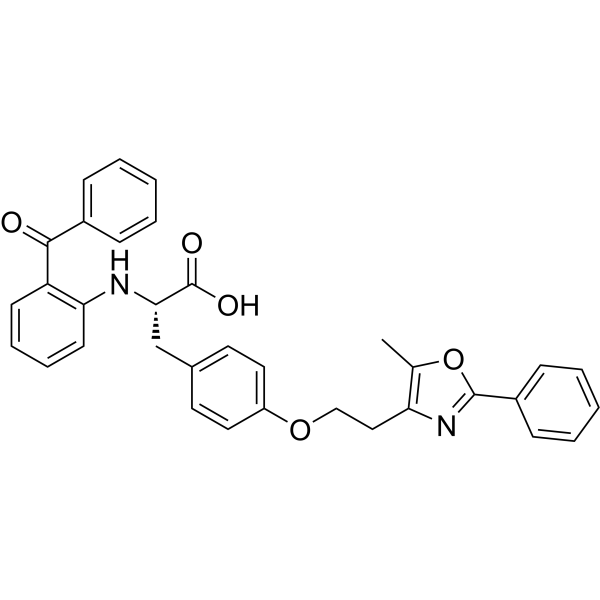
Ragaglitazar is a PPARα and PPARγ agonist with potent lipid-lowering and insulin-sensitizing efficacy in animal models. Ragaglitazar improves glycemic control and lipid profile in type 2 diabetic.
|
-
-
- HY-13967B
-
|
|
Bacterial
Free Fatty Acid Receptor
|
Metabolic Disease
|
|
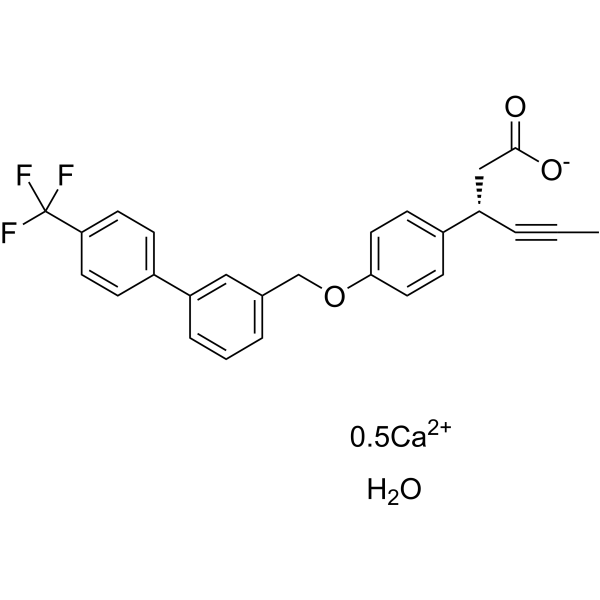
AMG 837 calcium hydrate is an orally active, selective GPR40/FFA1 agonist with an EC50 of 1.5 nM against human GPR40. AMG 837 calcium hydrate stimulates insulin secretion in a glucose-dependent manner, and effectively improves glycemic control in both normal and diabetic rodent models . AMG 837 calcium hydrate binds to the BacA protein and impairs the survival and replication of Brucella. AMG 837 calcium hydrate can be used in research related to type 2 diabetes and brucellosis .
|
-
-
- HY-N10423
-
|
(-)-Cubebin
|
Cholinesterase (ChE)
Bacterial
Fungal
Parasite
p38 MAPK
|
Infection
Neurological Disease
Metabolic Disease
Inflammation/Immunology
Cancer
|
|
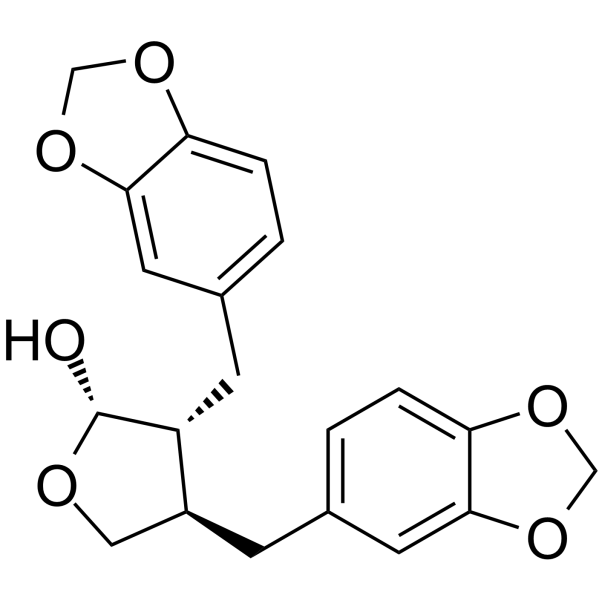
Cubebin ((-)-Cubebin), a dibenzyl butyrolactone lignan, is an orally active AChE inhibitor. Cubebin binds to active sites of NF-κB, TNF-α, and TGF-β1 via hydrogen and hydrophobic interactions, obstructing critical residues to inhibit pro-inflammatory or renal fibrosis-related activity. Cubebin enhances p38 MAPK phosphorylation to increase tyrosinase gene expression, stimulating melanogenesis via elevated tyrosinase activity, expression, and mRNA levels. Cubebin reduces oxidative stress via enhanced endogenous antioxidant enzyme activity and inhibited lipid peroxidation, regulates lipid metabolism, improves glycemic control, and exerts renoprotective effects via reduced renal dysfunction markers and improved renal architecture. Cubebin shows antimicrobial activity. Cubebin exerts larvicidal activity against Angiostrongylus cantonensis larvae, with no cytotoxicity toward monkey or human cell lines or Caenorhabditis elegans. Cubebin can be used for the research of diabetic nephropathy, melanoma, colon adenocarcinoma, neuroangiostrongyliasis, Alzheimer’s disease (AD) and depression .
|
-
-
- HY-139201E
-
|
PDLHB (MW 150000-300000)
|
CaSR
5-HT Receptor
|
Metabolic Disease
|
|
Poly-D-lysine hydrobromide (MW 150000-300000) is a synthetic polymer composed of D-lysine residues and is one of the most widely used matrices in neural cell culture applications. Poly-D-lysine hydrobromide (MW 150000-300000) can be used as a non-specific cell adhesion enhancer. Poly-D-lysine hydrobromide (MW 30000-70000) is an orally active CaSR agonist peptide that indirectly activates the 5-HT₃ receptor signaling pathway, delaying gastric emptying and thereby slowing the rate at which glucose enters the small intestine and is absorbed .
|
-
-
- HY-P10341
-
|
|
GCGR
|
Metabolic Disease
|
|
ZP3022 is a dual agonist of glucagon-like peptide-1 (GLP-1) and gastrin that has the ability to sustainably improve glycemic control. Additionally, ZP3022 can effectively increase β-cell mass, promote β-cell proliferation, and enhance the function of pancreatic islets. ZP3022 can be used in anti-diabetic research .
|
-
-
- HY-101122
-
|
|
SGLT
GLP Receptor
|
Metabolic Disease
|
|
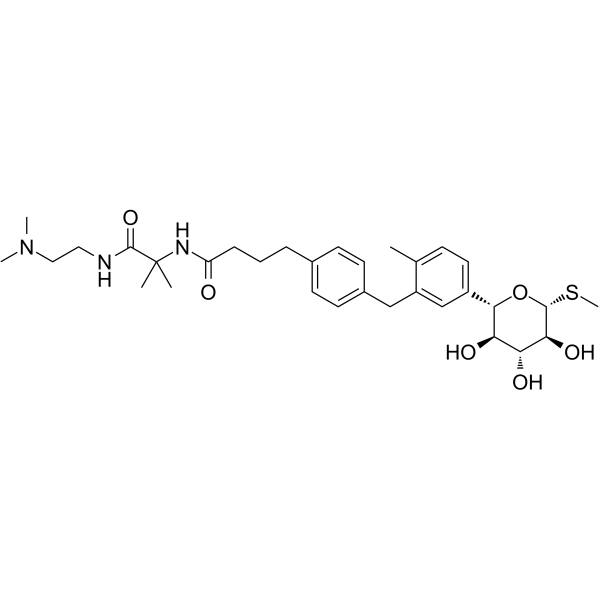
LX2761 is an orally active, dual SGLT1/SGLT2 inhibitor with IC50 values of 2.2 nM and 2.7 nM against human SGLT1 and SGLT2, respectively. LX2761 locks human SGLT1 in an outward-open conformation and blocks its putative water permeation pathway. After oral administration, LX2761 is confined exclusively to the intestinal lumen, delays intestinal glucose absorption, regulates intestinal glucose metabolism, increases cecal glucose levels, reduces cecal pH, improves glycemic control and elevates plasma total GLP-1 levels. However, LX2761 induces diarrhea in a dose-dependent manner. LX2761 can be used in diabetes-related research .
|
-
-
- HY-13967
-
AMG 837
3 Publications Verification
|
Free Fatty Acid Receptor
Bacterial
|
Infection
Metabolic Disease
|
|
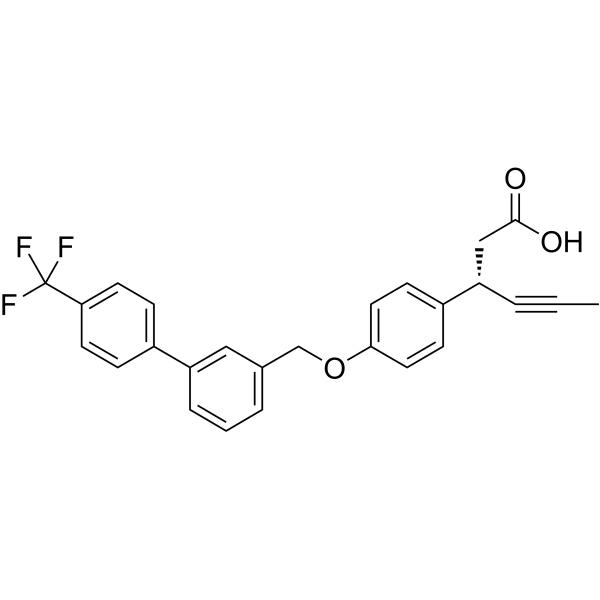
AMG 837 is an orally active, selective GPR40/FFA1 agonist with an EC50 of 1.5 nM against human GPR40. AMG 837 stimulates insulin secretion in a glucose-dependent manner, and effectively improves glycemic control in both normal and diabetic rodent models . AMG 837 binds to the BacA protein and impairs the survival and replication of Brucella. AMG 837 can be used in research related to type 2 diabetes and brucellosis .
|
-
-
- HY-100546
-
|
|
Histone Demethylase
|
Infection
Metabolic Disease
Cancer
|
|
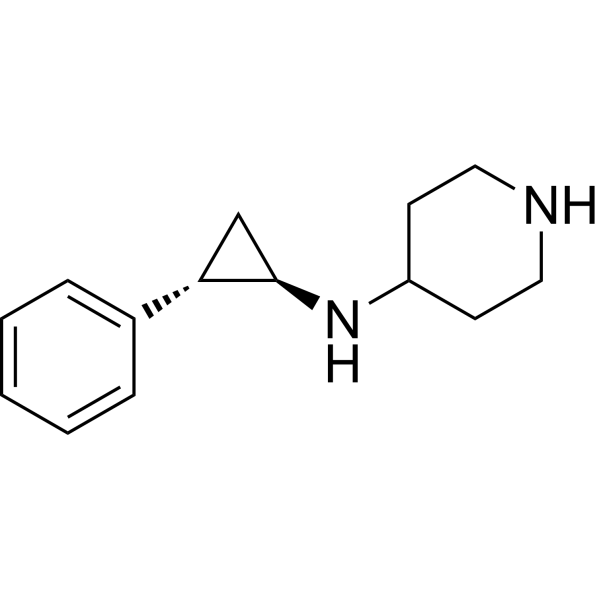
GSK-LSD1, a chemical probe, is a LSD1 inhibitor. GSK-LSD1 reduces food intake and body weight, and improves insulin sensitivity and glycemic control in mouse models of obesity. GSK-LSD1 also ameliorates NAFLD. GSK-LSD1 inhibits SARS-CoV-2-triggered cytokine release in COVID-19 PBMCs. GSK-LSD1 also inhibits cancer growth and metastasis .
|
-
-
- HY-164870
-
-
-
- HY-105074
-
|
GI262570; GI262570X
|
PPAR
|
Metabolic Disease
|
|
Farglitazar is a PPARγ agonist that has significant therapeutic benefits such as glycemic control in type 2 diabetic patients.
|
-
-
- HY-NP205
-
-
-
- HY-15408S
-
|
SYR-472-13C,d3
|
Isotope-Labeled Compounds
Dipeptidyl Peptidase
|
Metabolic Disease
|
|
Trelagliptin-13C,d3 is a deuterated labeled Trelagliptin . Trelagliptin (SYR-472) is a potent, orally active and highly selective DPP-4 inhibitor with an IC50 of 4 nM. Trelagliptin succinate improves glycemic control in vivo and can be used for the study of type 2 diabetes mellitus (T2DM) .
|
-
-
- HY-P10318
-
|
|
GLP Receptor
|
Endocrinology
|
|
SHR-2042 is a selective agonist of the GLP-1 receptor.SHR-2042 improves glycemic control by activating the GLP-1 receptor, enhancing insulin secretion and inhibiting glucagon secretion. SHR-2042 combined with sodium N-(8-[2-hydroxybenzoyl] amino) caprylate (SNAC) promotes monomerization through the formation of micelles and improves oral absorption efficiency .
|
-
-
- HY-111353
-
-
-
- HY-N9911
-
|
|
Others
|
Metabolic Disease
|
|
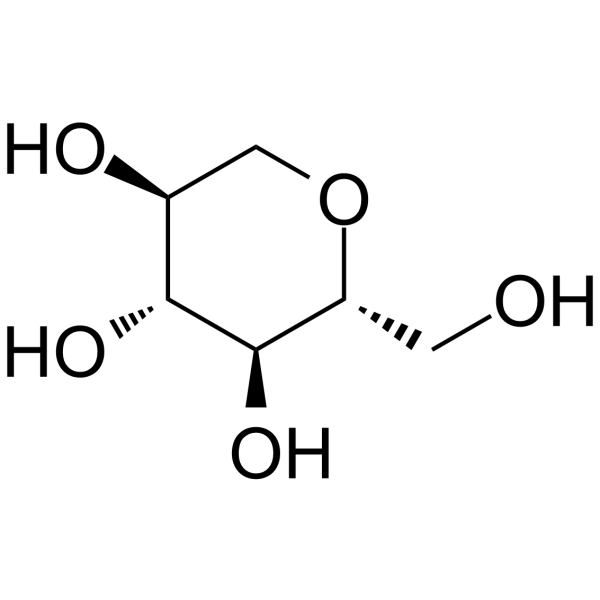
1,5-Anhydro-D-mannitol is the analogue of 1,5-Anhydrosorbitol (HY-113075), and can be used as an experimental control. 1,5-Anhydrosorbitol is a short-term marker for glycemic control.
|
-
-
- HY-W768181
-
-
-
- HY-P11044
-
|
|
GCGR
Neuropeptide Y Receptor
|
Metabolic Disease
|
|
GEP12 is a GLP-1R/Y1-R/Y2-R tri-receptor agonist peptide with an EC50 of 17.3 nM and an IC50 of 19.2 nM for receptor binding. GEP12 may promote glycemic control and weight loss .
|
-
-
- HY-112668B
-
|
SP2086 hydrochloride
|
Dipeptidyl Peptidase
GCGR
|
Others
|
|
Retagliptin (SP2086) hydrochloride is a potent inhibitor of beta-amino acids and dipeptidyl peptidase-4 (DPP-4). Retagliptin (SP2086) hydrochloride inhibits type 2 diabetes and improves glycemic control by prolonging the action of intestinal hormones such as glucagon-like peptide-1 (GLP-1) .
|
-
-
- HY-162513
-
|
|
Dipeptidyl Peptidase
|
Metabolic Disease
|
|
DPP-4-IN-10 (compound 1) is a DPP-4 inhibitor. DPP-4-IN-10 is orally active. DPP-4-IN-10 blocks the degradation of GLP-1 and GIP, which may improve glycemic control in type 2 diabetes (T2MD) .
|
-
-
- HY-15408R
-
|
SYR-472 (Standard)
|
Dipeptidyl Peptidase
Reference Standards
|
Metabolic Disease
|
|
Trelagliptin (Standard) is the analytical standard of Trelagliptin. This product is intended for research and analytical applications. Trelagliptin (SYR-472) is a potent, orally active and highly selective DPP-4 inhibitor with an IC50 of 4 nM. Trelagliptin succinate improves glycemic control in vivo and can be used for the study of type 2 diabetes mellitus (T2DM) .
|
-
-
- HY-125156
-
|
BMS-801576
|
Endogenous Metabolite
|
Metabolic Disease
|
|
Dapagliflozin-3-O-β-D-glucuronide (BMS-801576) is the metabolite of Dapagliflozin (HY-10450), and is formed in the liver and kidney by uridine diphosphate glucuronosyltransferase-1A9 (UGT1A9). Dapagliflozin is a selective inhibitor for SGLT2, that can be used to improve glycemic control and attenuate type 2 diabetes .
|
-
-
- HY-15408AR
-
|
SYR-472 succinate (Standard)
|
Reference Standards
Dipeptidyl Peptidase
|
Metabolic Disease
|
|
Trelagliptin (succinate) (Standard) is the analytical standard of Trelagliptin (succinate). This product is intended for research and analytical applications. Trelagliptin (SYR-472) succinate is a potent, orally active and highly selective DPP-4 inhibitor with an IC50 of 4 nM. Trelagliptin succinate improves glycemic control in vivo and can be used for the study of type 2 diabetes mellitus (T2DM) .
|
-
-
- HY-13967A
-
|
|
Bacterial
Free Fatty Acid Receptor
|
Infection
Metabolic Disease
|
|
AMG 837 sodium salt is an orally active, selective GPR40/FFA1 agonist with an EC50 of 1.5 nM against human GPR40. AMG 837 sodium salt stimulates insulin secretion in a glucose-dependent manner, and effectively improves glycemic control in both normal and diabetic rodent models . AMG 837 sodium salt binds to the BacA protein and impairs the survival and replication of Brucella. AMG 837 sodium salt can be used in research related to type 2 diabetes and brucellosis .
|
-
-
- HY-14341
-
|
|
5-HT Receptor
|
Metabolic Disease
|
|
E-6837 is a selective and orally active 5-HT6 receptor ligand. E-6837 demonstrates partial agonism at a presumably silent rat 5-HT6 receptor and full agonism at a constitutively active human 5-HT6 receptor by monitoring the cAMP signaling pathway. E-6837 induces hypophagia, reduces fat mass and body weight, and improves glycemic control. E-6837 can be used for the research of obesity .
|
-
-
- HY-113075R
-
|
1,5-Anhydro-D-glucitol (Standard)
|
Endogenous Metabolite
Reference Standards
|
Metabolic Disease
|
|
1,5-Anhydrosorbitol (Standard) is the analytical standard of 1,5-Anhydrosorbitol. This product is intended for research and analytical applications. 1,5-Anhydrosorbitol is a short-term marker for glycemic control.
|
-
-
- HY-105074R
-
|
GI262570 (Standard); GI262570X (Standard)
|
Reference Standards
PPAR
|
Metabolic Disease
|
|
Farglitazar (Standard) is the analytical standard of Farglitazar (HY-105074). This product is intended for research and analytical applications. Farglitazar is a PPARγ agonist that has significant therapeutic benefits such as glycemic control in type 2 diabetic patients.
|
-
-
- HY-180527
-
|
|
SGLT
Dipeptidyl Peptidase
|
Metabolic Disease
|
|
SGLT2-IN-5 (Compound 99) is an orally active SGLT2 inhibitor with IC₅₀ values for SGLT2, SGLT1, and DPP4 of 0.8, 23, and 58 nM respectively. SGLT2-IN-5 controls blood sugar levels in diabetic rat models and increases the levels of active GLP-1. SGLT2-IN-5 can be used for the study of type 2 diabetes .
|
-
-
- HY-P11604
-
|
|
Phosphatase
|
Inflammation/Immunology
|
|
C16 acid-I-{Lys (C10 diacid)}-KQELRRIGDEF is a cell-permeable and internalizable PTPN1/2 inhibitor, with IC50 values of 107.6 nM and 3375 nM, respectively. C16 acid-I-{Lys (C10 diacid)}-KQELRRIGDEF restores insulin signaling in HepG2 cells. C16 acid-I-{Lys (C10 diacid)}-KQELRRIGDEF achieves glycemic control in db/db diabetic mice. C16 acid-I-{Lys (C10 diacid)}-KQELRRIGDEF can be used in the research of type 2 diabetes .
|
-
| Cat. No. |
Product Name |
Type |
-
- HY-W145665
-
|
|
Biochemical Assay Reagents
|
|
Amylose is not a typical small-molecule ligand with a specific traditional receptor-binding target. It is a polysaccharide. In food science and biological systems, amylose can interact with proteins and free fatty acids through non-covalent forces like hydrophobic interactions and electrostatic interactions. For example, it can form a ternary complex with them, which is related to the structure and digestion of starch. It is widely studied in the fields of food science, carbohydrate metabolism, and is also relevant in research on controlling glycemic responses, as it affects starch digestion rate .
|
-
- HY-139201E
-
|
PDLHB (MW 150000-300000)
|
Biochemical Assay Reagents
|
|
Poly-D-lysine hydrobromide (MW 150000-300000) is a synthetic polymer composed of D-lysine residues and is one of the most widely used matrices in neural cell culture applications. Poly-D-lysine hydrobromide (MW 150000-300000) can be used as a non-specific cell adhesion enhancer. Poly-D-lysine hydrobromide (MW 30000-70000) is an orally active CaSR agonist peptide that indirectly activates the 5-HT₃ receptor signaling pathway, delaying gastric emptying and thereby slowing the rate at which glucose enters the small intestine and is absorbed .
|
-
- HY-NP205
-
|
|
Biochemical Assay Reagents
|
|
Glycated Albumin (Human) is an alternative marker for glycemic control. Glycated Albumin (Human) can react with glucose .
|
| Cat. No. |
Product Name |
Target |
Research Area |
-
- HY-P3463
-
|
GLP-1 (human)
|
GCGR
|
Metabolic Disease
Inflammation/Immunology
|
|
Beinaglutide is a human GLP-1 polypeptide that shares almost 100% homology with human GLP-1 (7–36). Beinaglutide displays does-dependent effects in glycemic control, inhibiting food intake and gastric empty and promoting weight loss. Beinaglutide has the potential for the research of overweight/obesity and nonalcoholic steatohepatitis (NASH) .
|
-
- HY-P10341
-
|
|
GCGR
|
Metabolic Disease
|
|
ZP3022 is a dual agonist of glucagon-like peptide-1 (GLP-1) and gastrin that has the ability to sustainably improve glycemic control. Additionally, ZP3022 can effectively increase β-cell mass, promote β-cell proliferation, and enhance the function of pancreatic islets. ZP3022 can be used in anti-diabetic research .
|
-
- HY-P10318
-
|
|
GLP Receptor
|
Endocrinology
|
|
SHR-2042 is a selective agonist of the GLP-1 receptor.SHR-2042 improves glycemic control by activating the GLP-1 receptor, enhancing insulin secretion and inhibiting glucagon secretion. SHR-2042 combined with sodium N-(8-[2-hydroxybenzoyl] amino) caprylate (SNAC) promotes monomerization through the formation of micelles and improves oral absorption efficiency .
|
-
- HY-P11044
-
|
|
GCGR
Neuropeptide Y Receptor
|
Metabolic Disease
|
|
GEP12 is a GLP-1R/Y1-R/Y2-R tri-receptor agonist peptide with an EC50 of 17.3 nM and an IC50 of 19.2 nM for receptor binding. GEP12 may promote glycemic control and weight loss .
|
-
- HY-P11604
-
|
|
Phosphatase
|
Inflammation/Immunology
|
|
C16 acid-I-{Lys (C10 diacid)}-KQELRRIGDEF is a cell-permeable and internalizable PTPN1/2 inhibitor, with IC50 values of 107.6 nM and 3375 nM, respectively. C16 acid-I-{Lys (C10 diacid)}-KQELRRIGDEF restores insulin signaling in HepG2 cells. C16 acid-I-{Lys (C10 diacid)}-KQELRRIGDEF achieves glycemic control in db/db diabetic mice. C16 acid-I-{Lys (C10 diacid)}-KQELRRIGDEF can be used in the research of type 2 diabetes .
|
| Cat. No. |
Product Name |
Category |
Target |
Chemical Structure |
-
- HY-W145665
-
-
-
- HY-113075
-
-
-
- HY-N10423
-
|
(-)-Cubebin
|
Structural Classification
Classification of Application Fields
Lignans
Piperaceae
Piper cubeba L.f.
Phenylpropanoids
Plants
Inflammation/Immunology
Disease Research Fields
Source Classification
|
Cholinesterase (ChE)
Bacterial
Fungal
Parasite
p38 MAPK
|
|
Cubebin ((-)-Cubebin), a dibenzyl butyrolactone lignan, is an orally active AChE inhibitor. Cubebin binds to active sites of NF-κB, TNF-α, and TGF-β1 via hydrogen and hydrophobic interactions, obstructing critical residues to inhibit pro-inflammatory or renal fibrosis-related activity. Cubebin enhances p38 MAPK phosphorylation to increase tyrosinase gene expression, stimulating melanogenesis via elevated tyrosinase activity, expression, and mRNA levels. Cubebin reduces oxidative stress via enhanced endogenous antioxidant enzyme activity and inhibited lipid peroxidation, regulates lipid metabolism, improves glycemic control, and exerts renoprotective effects via reduced renal dysfunction markers and improved renal architecture. Cubebin shows antimicrobial activity. Cubebin exerts larvicidal activity against Angiostrongylus cantonensis larvae, with no cytotoxicity toward monkey or human cell lines or Caenorhabditis elegans. Cubebin can be used for the research of diabetic nephropathy, melanoma, colon adenocarcinoma, neuroangiostrongyliasis, Alzheimer’s disease (AD) and depression .
|
-
-
- HY-N9911
-
-
-
- HY-113075R
-
-
| Cat. No. |
Product Name |
Chemical Structure |
-
- HY-15408S
-
|
|
|
Trelagliptin-13C,d3 is a deuterated labeled Trelagliptin . Trelagliptin (SYR-472) is a potent, orally active and highly selective DPP-4 inhibitor with an IC50 of 4 nM. Trelagliptin succinate improves glycemic control in vivo and can be used for the study of type 2 diabetes mellitus (T2DM) .
|
-
-
- HY-W768181
-
|
|
|
1,5-Anhydrosorbitol- 13C6 (1,5-Anhydro-D-glucitol- 13C6) is the 13C-labeled 1,5-Anhydrosorbitol (HY-113075). 1,5-Anhydrosorbitol is a short-term marker for glycemic control.
|
-
Your information is safe with us. * Required Fields.
Inquiry Information
- Product Name:
- Cat. No.:
- Quantity:
- MCE Japan Authorized Agent:

