
Search Result
Results for "
Hamster Model
" in MedChemExpress (MCE) Product Catalog:
2
Isotope-Labeled Compounds
| Cat. No. |
Product Name |
Target |
Research Areas |
Chemical Structure |
-
- HY-B0199A
-
|
RS 61443 hydrochloride; TM-MMF hydrochloride
|
Interleukin Related
|
Inflammation/Immunology
|
|
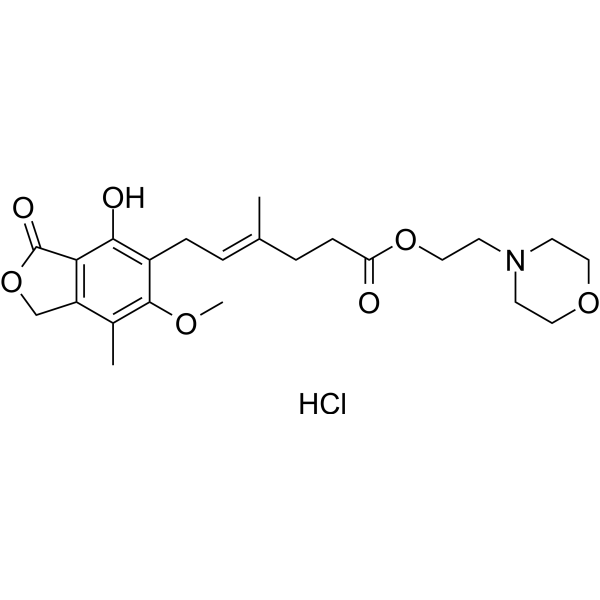
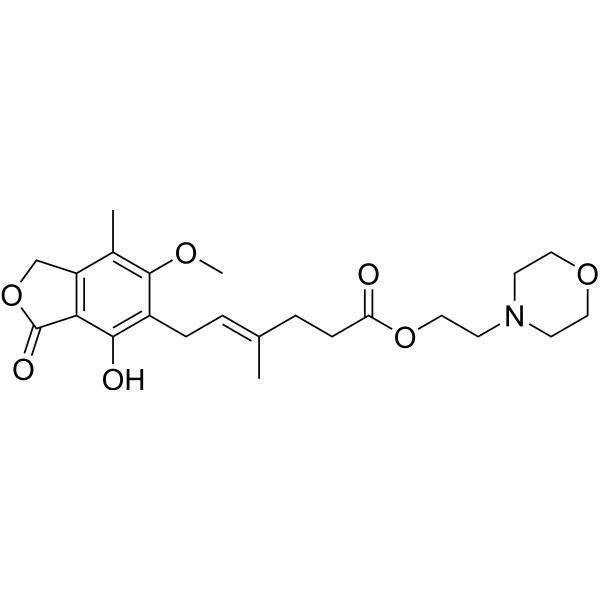
Mycophenolate mofetil (RS 61443; TM-MMF) hydrochloride is an orally active antimetabolic immunosuppressant with antiproliferative and anti-inflammatory properties. Mycophenolate mofetil hydrochloride significantly inhibits the production of B, T lymphocytes and the proliferation of smooth muscle cells by selectively blocking the de novo purine synthesis pathway. Mycophenolate mofetil hydrochloride effectively reduces adventitial inflammation, medial necrosis and intimal thickening in rat aortic allografts, and decreases the number of lymphocytes expressing the IL-2 receptor, thereby delaying xenograft rejection. Mycophenolate mofetil hydrochloride shows certain toxicity in a hamster-to-rat limb xenotransplantation model when used in combination with FK506 (HY-13756). Mycophenolate mofetil hydrochloride is widely used in studies related to allograft arteriosclerosis (chronic rejection) .
|
-
-
- HY-N0430
-
|
Coptisin
|
Indoleamine 2,3-Dioxygenase (IDO)
NF-κB
p38 MAPK
PI3K
Akt
Apoptosis
Reactive Oxygen Species (ROS)
Mitochondrial Metabolism
DNA/RNA Synthesis
ROCK
LDLR
|
Cardiovascular Disease
Neurological Disease
Metabolic Disease
Inflammation/Immunology
Cancer
|
|
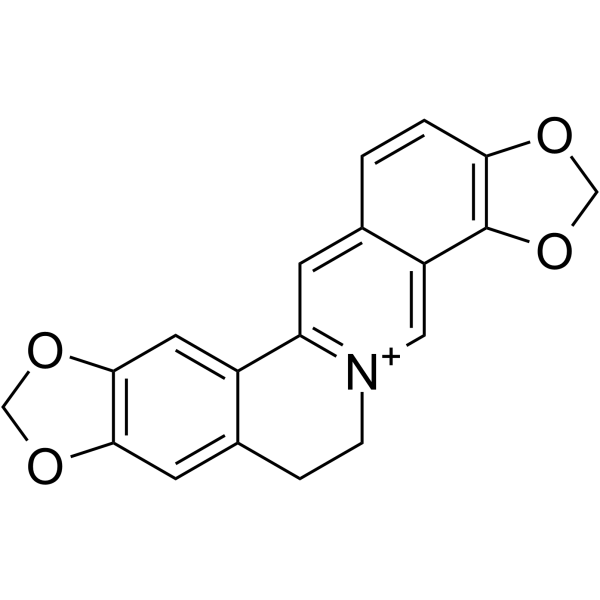
Coptisine is an orally active and brain-penetrant alkaloid found in Coptis chinensis. Coptisine is a reversible, uncompetitive IDO inhibitor with a Ki of 5.8 μM and an IC50 of 6.3 μM. Coptisine suppresses neuroinflammation, reduces Aβ plaque burden and shows neuroprotective activity. Coptisine shows anti-inflammation activity by blocking NF-κB, MAPK, and PI3K/Akt activation. Coptisine inhibits cancer cells proliferation, induces DNA damage, G2/M phase cell cycle arrest, apoptosis, ROS production and mitochondrial dysfunction. Coptisine inhibits Rho/ROCK pathway activation, reduces arrhythmia, limits cardiac injury marker release, reduces infarct size, and preserves cardiac function in rat myocardial ischemia/reperfusion models. Coptisine downregulates HMGCR and upregulates LDLR and CYP7A1 to modulate cholesterol metabolism, reduces abnormal serum lipid levels, and promotes fecal bile acid excretion. Coptisine can be used for the research of cancer, hypercholesterolemia, Alzheimer’s disease, inflammatory disorders and cardiovascular disease .
|
-
-
- HY-P990789
-
|
|
CTLA-4
|
Others
Inflammation/Immunology
Cancer
|
|
Anti-Mouse CTLA-4 Antibody (9H10) is a kind of syrian hamster IgG antibody inhibitor, targeting to CTLA-4. Anti-Mouse CTLA-4 Antibody (9H10) binds mouse CTLA-4 and blocks the interaction between CTLA-4 and its ligand. Anti-Mouse CTLA-4 Antibody (9H10) shows potent anti-tumor effect in various tumor models, such as breast and colon cancer .
|
-
-
- HY-P99148
-
|
|
TNF Receptor
|
Metabolic Disease
Inflammation/Immunology
|
|
Anti-Mouse TNF alpha Antibody (TN3-19.12) is an anti-mouse TNF alpha IgG antibody inhibitor derived from host Armenian Hamster. Anti-Mouse TNF alpha Antibody (TN3-19.12) neutralizes cytotoxic activity in supernatants obtained from LNC-8 cells. Anti-Mouse TNF alpha Antibody (TN3-19.12) reduces the symptoms and severity of EAE (experimental allergic encephalomyelitis) in LNC-8 cells xenograft mice models. Anti-Mouse TNF alpha Antibody (TN3-19.12) prevents diabetes in NOD mice. Anti-Mouse TNF alpha Antibody (TN3-19.12) shows apparent radiosensitizing effect in CD2F1 mice .
|
-
-
- HY-P990107
-
|
|
TGF-β Receptor
|
Cancer
|
|
Anti-Mouse/Human/Rat/Monkey/Hamster/Canine/Bovine TGF-β Antibody (1D11.16.8) is an TGF-β IgG antibody inhibitor. Anti-Mouse/Human/Rat/Monkey/Hamster/Canine/Bovine TGF-β Antibody (1D11.16.8) reduces renal fibrosis in unilateral ureteral obstruction (UUO) mice models. Anti-Mouse/Human/Rat/Monkey/Hamster/Canine/Bovine TGF-β Antibody (1D11.16.8) shows potent anti-tumor effect in various tumor models, such as pancreatic cancer .
|
-
-
- HY-B0199S
-
|
|
Isotope-Labeled Compounds
Interleukin Related
|
Cancer
|
|
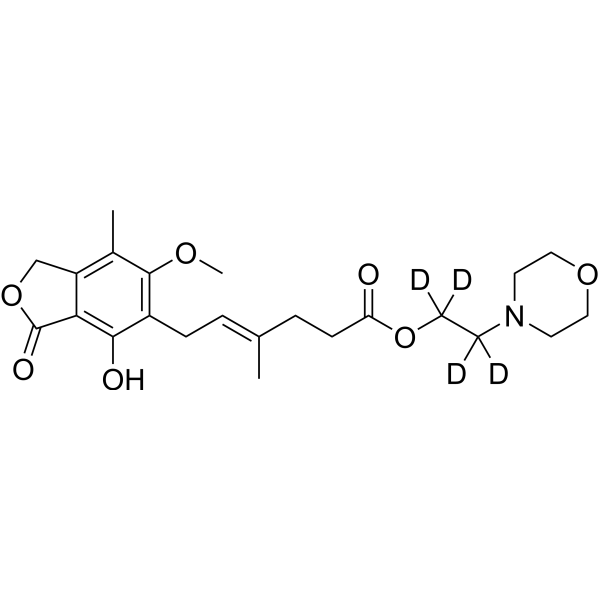
Mycophenolate Mofetil-d4 is the deuterium labeled Mycophenolate Mofetil. Mycophenolate mofetil (RS 61443; TM-MMF) hydrochloride is an orally active antimetabolic immunosuppressant with antiproliferative and anti-inflammatory properties. Mycophenolate mofetil hydrochloride significantly inhibits the production of B, T lymphocytes and the proliferation of smooth muscle cells by selectively blocking the de novo purine synthesis pathway. Mycophenolate mofetil hydrochloride effectively reduces adventitial inflammation, medial necrosis and intimal thickening in rat aortic allografts, and decreases the number of lymphocytes expressing the IL-2 receptor, thereby delaying xenograft rejection. Mycophenolate mofetil hydrochloride shows certain toxicity in a hamster-to-rat limb xenotransplantation model when used in combination with FK506 (HY-13756). Mycophenolate mofetil hydrochloride is widely used in studies related to allograft arteriosclerosis (chronic rejection) .
|
-
-
- HY-15996
-
|
VT-464
|
Cytochrome P450
Androgen Receptor
|
Cancer
|
|
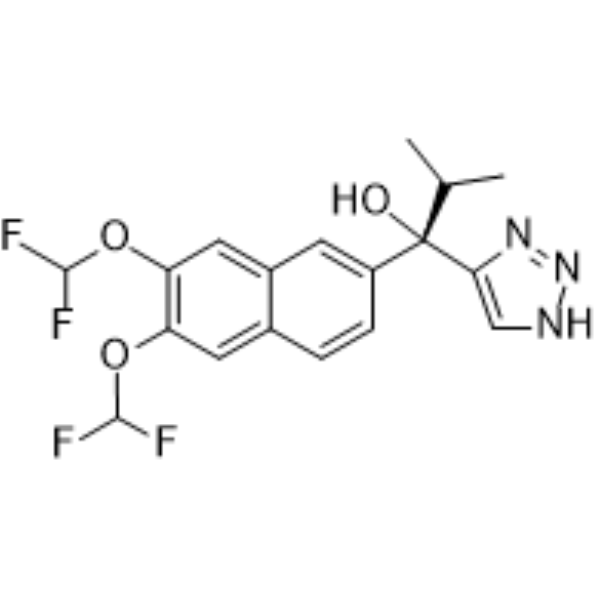
Seviteronel (VT-464) is a potent CYP17 lyase inhibitor(h-Lyase IC50=69 nM) and an AR antagonist. Seviteronel demonstrates both exceptional in vitro lyase/hydroxylase selectivity (~10-fold) and oral activity in a hamster model of androgen biosynthesis inhibition.
|
-
-
- HY-B0199R
-
|
RS 61443 (Standard); TM-MMF (Standard)
|
Reference Standards
Interleukin Related
|
Cancer
|
|
Mycophenolate Mofetil (Standard) is the analytical standard of Mycophenolate Mofetil. This product is intended for research and analytical applications. Mycophenolate mofetil (RS 61443; TM-MMF) hydrochloride is an orally active antimetabolic immunosuppressant with antiproliferative and anti-inflammatory properties. Mycophenolate mofetil hydrochloride significantly inhibits the production of B, T lymphocytes and the proliferation of smooth muscle cells by selectively blocking the de novo purine synthesis pathway. Mycophenolate mofetil hydrochloride effectively reduces adventitial inflammation, medial necrosis and intimal thickening in rat aortic allografts, and decreases the number of lymphocytes expressing the IL-2 receptor, thereby delaying xenograft rejection. Mycophenolate mofetil hydrochloride shows certain toxicity in a hamster-to-rat limb xenotransplantation model when used in combination with FK506 (HY-13756). Mycophenolate mofetil hydrochloride is widely used in studies related to allograft arteriosclerosis (chronic rejection) .
|
-
-
- HY-170309
-
|
|
SARS-CoV
Virus Protease
|
Infection
|
|
NZ-804 is an orally active inhibitor for SARS-CoV-2 main protease Mpro with an IC50 of 8.9 nM. NZ-804 inhibits the SARS-CoV-2 replication in HeLa-hACE2 cell with an EC50 of 14 nM. NZ-804 exhibits board-spectrum antiviral activity aganst multiple CoVs. NZ-804 diminishes virus replication in mouse and hamster model .
|
-
-
- HY-175029
-
|
|
SARS-CoV
Virus Protease
|
Infection
|
|
ALG-097558 is an orally active 3CLpro inhibitor. ALG-097558 demonstrates pan-coronavirus activity against various SARS-CoV-2 variants as well as other human coronaviruses (HCoVs) such as SARS-CoV-1, α-HCoV 229E, and β-HCoV OC43. ALG-097558 demonstrates potent inhibition with IC50s of 2 nM (SARS-CoV-2 3CLpro) and 6 nM (229E 3CLpro). ALG-097558 demonstrates antiviral activity in the SARS-CoV-2 hamster infection model. ALG-097558 can be used for the study of viral infections[1].
|
-
-
- HY-B0199AS
-
|
RS 61443-d4 hydrochloride; TM-MMF-d4 hydrochloride
|
Isotope-Labeled Compounds
Interleukin Related
|
Cancer
|
|
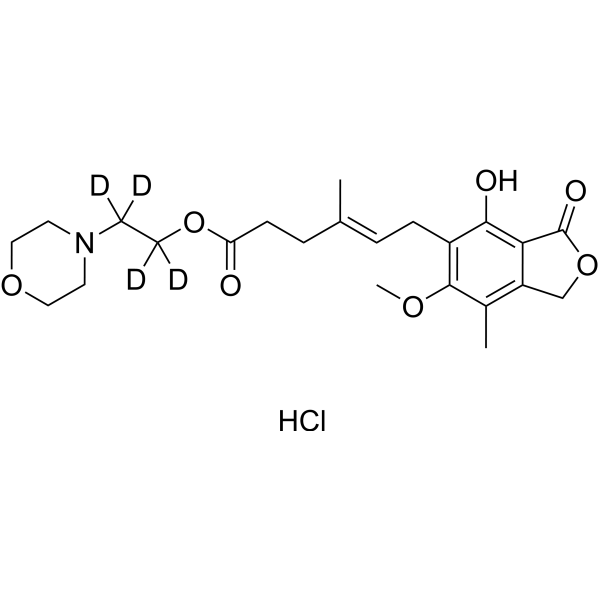
Mycophenolate Mofetil-d4 hydrochloride is deuterated labeled Mycophenolate mofetil hydrochloride (HY-B0199A). Mycophenolate mofetil (RS 61443; TM-MMF) hydrochloride is an orally active antimetabolic immunosuppressant with antiproliferative and anti-inflammatory properties. Mycophenolate mofetil hydrochloride significantly inhibits the production of B, T lymphocytes and the proliferation of smooth muscle cells by selectively blocking the de novo purine synthesis pathway. Mycophenolate mofetil hydrochloride effectively reduces adventitial inflammation, medial necrosis and intimal thickening in rat aortic allografts, and decreases the number of lymphocytes expressing the IL-2 receptor, thereby delaying xenograft rejection. Mycophenolate mofetil hydrochloride shows certain toxicity in a hamster-to-rat limb xenotransplantation model when used in combination with FK506 (HY-13756). Mycophenolate mofetil hydrochloride is widely used in studies related to allograft arteriosclerosis (chronic rejection) .
|
-
-
- HY-160659
-
|
|
Androgen Receptor
|
Endocrinology
|
|
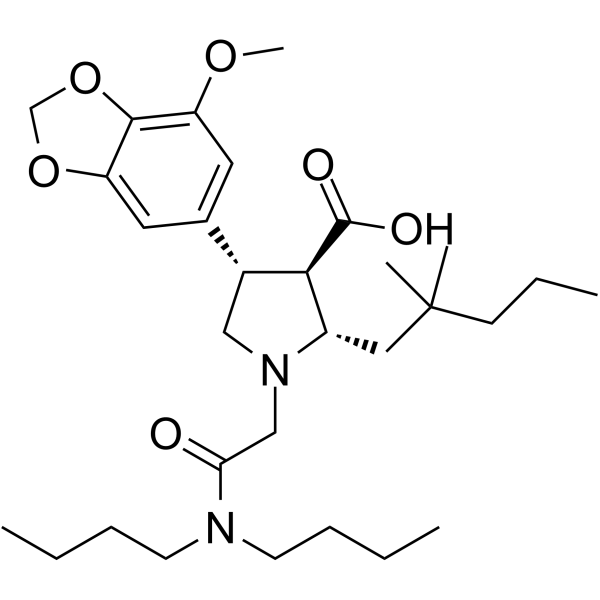
Androgen receptor antagonist 10 (compound 6h) is a androgen receptor antagonist. Androgen receptor antagonist 10 reduces the wax esters in the golden syrian hamster model .
|
-
-
- HY-160680
-
|
|
Androgen Receptor
|
Endocrinology
|
|
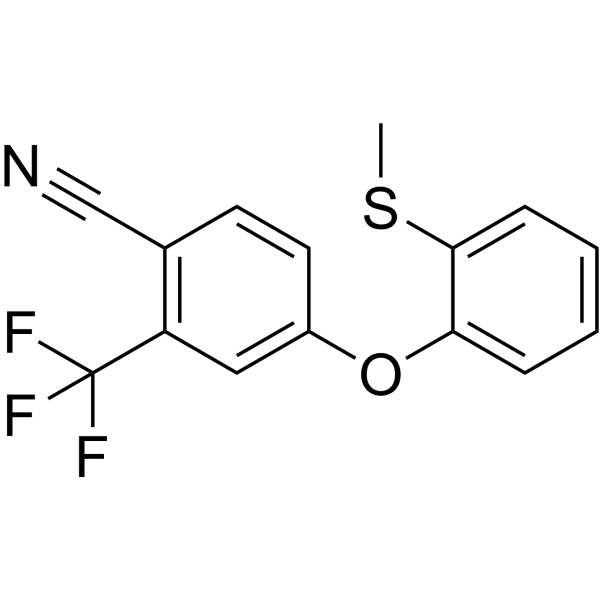
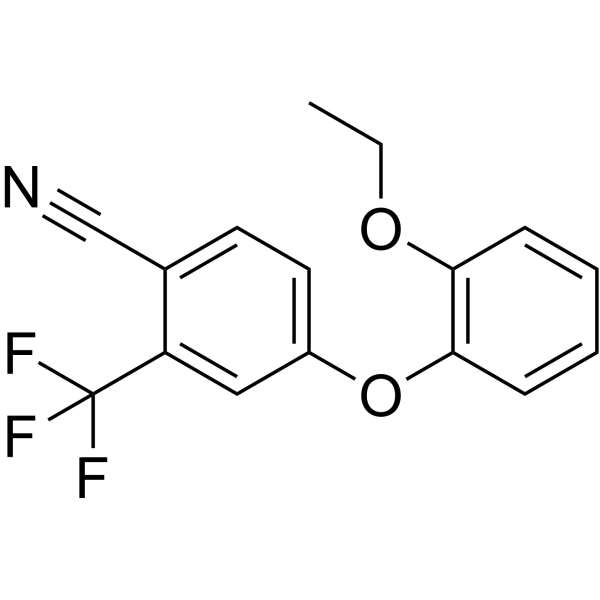
AR antagonist 6 (compound 6i) is a diphenyl ether androgen receptor (AR) antagonist that binds AR at a concentration of 120 nM. AR antagonist 6 exhibits low toxicity and in vitro activity against the golden Syrian hamster ear model .
|
-
-
- HY-107013
-
|
|
MMP
|
Inflammation/Immunology
|
|
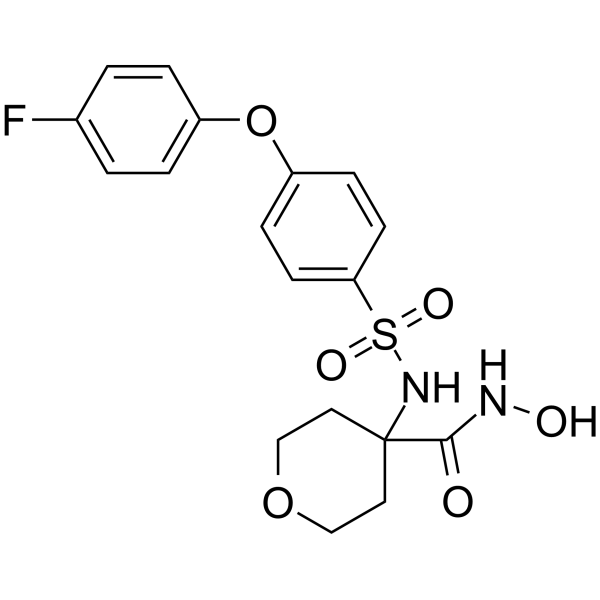
CP-544439 is a potent and orally active matrix metalloproteinase-13 (MMP-13) inhibitor with an IC50 of 0.75 nM .
|
-
-
- HY-168924
-
|
|
Wnt
β-catenin
|
Metabolic Disease
|
|
Wnt/β-catenin activator 1 (Compound 5m) is the orally active activator for Wnt/β-catenin signaling pathway, that arrests cell cycle at G1 phase, inhibits early proliferation of adipocytes, and inhibits adipogenesis in cell 3T3-L1 with an IC50 of 330 nM. Wnt/β-catenin activator 1 exhibits anti-adipogenic and anti-dyslipidemic activities in high-fat diet fed Syrian golden hamster model .
|
-
-
- HY-129819
-
|
|
Bacterial
|
Infection
|
|
(Rac)-DNDI-8219 is an antituberculosis compound with potent anti-leishmanial activity. (Rac)-DNDI-8219 demonstrated superior efficacy in the Leishmania donovani mouse model. (Rac)-DNDI-8219 showed promising activity in the Leishmania infantum hamster model. (Rac)-DNDI-8219 candidate compound R-6 provided excellent oral efficacy in the same hamster model .
|
-
-
- HY-W209580
-
|
|
Drug Derivative
|
Cancer
|
|
N-Nitrosobis (2-oxopropyl) amine is a nitrosamine compound that has been the subject of significant research interest in the field of chemical carcinogenesis. N-nitrosobis (2-oxopropyl) amine (BOP) -treated Syrian golden hamsters are a chemical carcinogenesis model that represents human pancreatic cancer.
|
-
-
- HY-P991761
-
|
|
CXCR
|
Inflammation/Immunology
|
|
Anti-Mouse CXCL10 Antibody (1F11) reacts with the pro-inflammatory CXCL10. Anti-Mouse CXCL10 Antibody (1F11) can be used for neutralization of CXCL10 (in vitro and in vivo) and for inhibition of T cell recruitment in vivo in a range of inflammatory disease models. Recommend Isotype Controls: Polyclonal Armenian hamster IgG, Isotype Control (HY-P990305) .
|
-
-
- HY-183185
-
|
|
SARS-CoV
|
Infection
|
|
BZ-30 is an orally active broad-spectrum SARS-CoV-2 inhibitor. BZ-30 acts on the early stage of the viral life cycle, can partially inhibit the endosomal entry process and reduce viral replication levels. BZ-30 reduces viral load, improves pulmonary pathological conditions, and decreases the lung-to-body weight ratio in hamster models challenged with SARS-CoV-2. BZ-30 can be used for research related to COVID-19 .
|
-
-
- HY-106074
-
|
MDL 646
|
Drug Derivative
|
Inflammation/Immunology
|
|
Mexiprostil (MDL 646) is an orally active gastric protectant, being a synthetic analogue of Prostaglandin E1 (HY-B0131). Mexiprostil exhibits significant inhibition of gastric acid secretion caused by Histamine (HY-B1204) and Bethanechol (HY-B0406) in rats, dogs, and cats. Mexiprostil can also inhibit the increase in gastric acid secretion caused by Pentagastrin (HY-A0261) in cats, while it does not have this effect in dogs and rats. Mexiprostil does not cause pregnancy termination. Mexiprostil can be used for research on gastric ulcers .
|
-
-
- HY-W663179
-
|
|
Parasite
Cytochrome P450
|
Infection
|
|
DNDI-VL-2098 is an orally active antileishmanial agent. DNDI-VL-2098 exhibits high permeability, in vitro metabolic stability, and selective inhibition of CYP2C19 (IC50=0.47 μM). DNDI-VL-2098 does not affect the activities of other major CYP enzymes (CYP1A2, CYP2C9, CYP2D6 and CYP3A4) at concentrations up to 12.5 μM. It shows favorable pharmacokinetic properties in multiple animal models including mice, hamsters, rats and dogs. DNDI-VL-2098 is characterized by moderate to high plasma protein binding and can be used for the research of visceral leishmaniasis .
|
-
| Cat. No. |
Product Name |
Target |
Research Area |
Image |
-
- HY-P990789
-
|
|
CTLA-4
|
Others
Inflammation/Immunology
Cancer
|
|
Anti-Mouse CTLA-4 Antibody (9H10) is a kind of syrian hamster IgG antibody inhibitor, targeting to CTLA-4. Anti-Mouse CTLA-4 Antibody (9H10) binds mouse CTLA-4 and blocks the interaction between CTLA-4 and its ligand. Anti-Mouse CTLA-4 Antibody (9H10) shows potent anti-tumor effect in various tumor models, such as breast and colon cancer .
|
-
(5)
-
- HY-P99148
-
|
|
TNF Receptor
|
Metabolic Disease
Inflammation/Immunology
|
|
Anti-Mouse TNF alpha Antibody (TN3-19.12) is an anti-mouse TNF alpha IgG antibody inhibitor derived from host Armenian Hamster. Anti-Mouse TNF alpha Antibody (TN3-19.12) neutralizes cytotoxic activity in supernatants obtained from LNC-8 cells. Anti-Mouse TNF alpha Antibody (TN3-19.12) reduces the symptoms and severity of EAE (experimental allergic encephalomyelitis) in LNC-8 cells xenograft mice models. Anti-Mouse TNF alpha Antibody (TN3-19.12) prevents diabetes in NOD mice. Anti-Mouse TNF alpha Antibody (TN3-19.12) shows apparent radiosensitizing effect in CD2F1 mice .
|
-
(5)
-
- HY-P990107
-
|
|
TGF-β Receptor
|
Cancer
|
|
Anti-Mouse/Human/Rat/Monkey/Hamster/Canine/Bovine TGF-β Antibody (1D11.16.8) is an TGF-β IgG antibody inhibitor. Anti-Mouse/Human/Rat/Monkey/Hamster/Canine/Bovine TGF-β Antibody (1D11.16.8) reduces renal fibrosis in unilateral ureteral obstruction (UUO) mice models. Anti-Mouse/Human/Rat/Monkey/Hamster/Canine/Bovine TGF-β Antibody (1D11.16.8) shows potent anti-tumor effect in various tumor models, such as pancreatic cancer .
|
-
(5)
-
- HY-P991761
-
|
|
CXCR
|
Inflammation/Immunology
|
|
Anti-Mouse CXCL10 Antibody (1F11) reacts with the pro-inflammatory CXCL10. Anti-Mouse CXCL10 Antibody (1F11) can be used for neutralization of CXCL10 (in vitro and in vivo) and for inhibition of T cell recruitment in vivo in a range of inflammatory disease models. Recommend Isotype Controls: Polyclonal Armenian hamster IgG, Isotype Control (HY-P990305) .
|
-
(5)
| Cat. No. |
Product Name |
Category |
Target |
Chemical Structure |
-
- HY-B0199A
-
|
RS 61443 hydrochloride; TM-MMF hydrochloride
|
Structural Classification
Monophenols
Classification of Application Fields
Phenols
Endogenous metabolite
Disease Research Fields
Source Classification
Cancer
|
Interleukin Related
|
|
Mycophenolate mofetil (RS 61443; TM-MMF) hydrochloride is an orally active antimetabolic immunosuppressant with antiproliferative and anti-inflammatory properties. Mycophenolate mofetil hydrochloride significantly inhibits the production of B, T lymphocytes and the proliferation of smooth muscle cells by selectively blocking the de novo purine synthesis pathway. Mycophenolate mofetil hydrochloride effectively reduces adventitial inflammation, medial necrosis and intimal thickening in rat aortic allografts, and decreases the number of lymphocytes expressing the IL-2 receptor, thereby delaying xenograft rejection. Mycophenolate mofetil hydrochloride shows certain toxicity in a hamster-to-rat limb xenotransplantation model when used in combination with FK506 (HY-13756). Mycophenolate mofetil hydrochloride is widely used in studies related to allograft arteriosclerosis (chronic rejection) .
|
-
-
- HY-N0430
-
|
Coptisin
|
Alkaloids
Structural Classification
Classification of Application Fields
Coptis chinensis Franch.
Ranunculaceae
Metabolic Disease
Quinoline Alkaloids
Plants
Disease Research Fields
Source Classification
|
Indoleamine 2,3-Dioxygenase (IDO)
NF-κB
p38 MAPK
PI3K
Akt
Apoptosis
Reactive Oxygen Species (ROS)
Mitochondrial Metabolism
DNA/RNA Synthesis
ROCK
LDLR
|
|
Coptisine is an orally active and brain-penetrant alkaloid found in Coptis chinensis. Coptisine is a reversible, uncompetitive IDO inhibitor with a Ki of 5.8 μM and an IC50 of 6.3 μM. Coptisine suppresses neuroinflammation, reduces Aβ plaque burden and shows neuroprotective activity. Coptisine shows anti-inflammation activity by blocking NF-κB, MAPK, and PI3K/Akt activation. Coptisine inhibits cancer cells proliferation, induces DNA damage, G2/M phase cell cycle arrest, apoptosis, ROS production and mitochondrial dysfunction. Coptisine inhibits Rho/ROCK pathway activation, reduces arrhythmia, limits cardiac injury marker release, reduces infarct size, and preserves cardiac function in rat myocardial ischemia/reperfusion models. Coptisine downregulates HMGCR and upregulates LDLR and CYP7A1 to modulate cholesterol metabolism, reduces abnormal serum lipid levels, and promotes fecal bile acid excretion. Coptisine can be used for the research of cancer, hypercholesterolemia, Alzheimer’s disease, inflammatory disorders and cardiovascular disease .
|
-
-
- HY-B0199R
-
|
RS 61443 (Standard); TM-MMF (Standard)
|
Structural Classification
Monophenols
Phenols
Endogenous metabolite
Source Classification
|
Reference Standards
Interleukin Related
|
|
Mycophenolate Mofetil (Standard) is the analytical standard of Mycophenolate Mofetil. This product is intended for research and analytical applications. Mycophenolate mofetil (RS 61443; TM-MMF) hydrochloride is an orally active antimetabolic immunosuppressant with antiproliferative and anti-inflammatory properties. Mycophenolate mofetil hydrochloride significantly inhibits the production of B, T lymphocytes and the proliferation of smooth muscle cells by selectively blocking the de novo purine synthesis pathway. Mycophenolate mofetil hydrochloride effectively reduces adventitial inflammation, medial necrosis and intimal thickening in rat aortic allografts, and decreases the number of lymphocytes expressing the IL-2 receptor, thereby delaying xenograft rejection. Mycophenolate mofetil hydrochloride shows certain toxicity in a hamster-to-rat limb xenotransplantation model when used in combination with FK506 (HY-13756). Mycophenolate mofetil hydrochloride is widely used in studies related to allograft arteriosclerosis (chronic rejection) .
|
-
| Cat. No. |
Product Name |
Chemical Structure |
-
- HY-B0199S
-
|
|
|
Mycophenolate Mofetil-d4 is the deuterium labeled Mycophenolate Mofetil. Mycophenolate mofetil (RS 61443; TM-MMF) hydrochloride is an orally active antimetabolic immunosuppressant with antiproliferative and anti-inflammatory properties. Mycophenolate mofetil hydrochloride significantly inhibits the production of B, T lymphocytes and the proliferation of smooth muscle cells by selectively blocking the de novo purine synthesis pathway. Mycophenolate mofetil hydrochloride effectively reduces adventitial inflammation, medial necrosis and intimal thickening in rat aortic allografts, and decreases the number of lymphocytes expressing the IL-2 receptor, thereby delaying xenograft rejection. Mycophenolate mofetil hydrochloride shows certain toxicity in a hamster-to-rat limb xenotransplantation model when used in combination with FK506 (HY-13756). Mycophenolate mofetil hydrochloride is widely used in studies related to allograft arteriosclerosis (chronic rejection) .
|
-
-
- HY-B0199AS
-
|
|
|
Mycophenolate Mofetil-d4 hydrochloride is deuterated labeled Mycophenolate mofetil hydrochloride (HY-B0199A). Mycophenolate mofetil (RS 61443; TM-MMF) hydrochloride is an orally active antimetabolic immunosuppressant with antiproliferative and anti-inflammatory properties. Mycophenolate mofetil hydrochloride significantly inhibits the production of B, T lymphocytes and the proliferation of smooth muscle cells by selectively blocking the de novo purine synthesis pathway. Mycophenolate mofetil hydrochloride effectively reduces adventitial inflammation, medial necrosis and intimal thickening in rat aortic allografts, and decreases the number of lymphocytes expressing the IL-2 receptor, thereby delaying xenograft rejection. Mycophenolate mofetil hydrochloride shows certain toxicity in a hamster-to-rat limb xenotransplantation model when used in combination with FK506 (HY-13756). Mycophenolate mofetil hydrochloride is widely used in studies related to allograft arteriosclerosis (chronic rejection) .
|
-
Your information is safe with us. * Required Fields.
Inquiry Information
- Product Name:
- Cat. No.:
- Quantity:
- MCE Japan Authorized Agent:

