

96 Results for "

IMPACT

" in MedChemExpress (MCE) Product Catalog:
Products (96)

96 Results for "IMPACT" in MCE Product Catalog:

24
24 Publications Verification
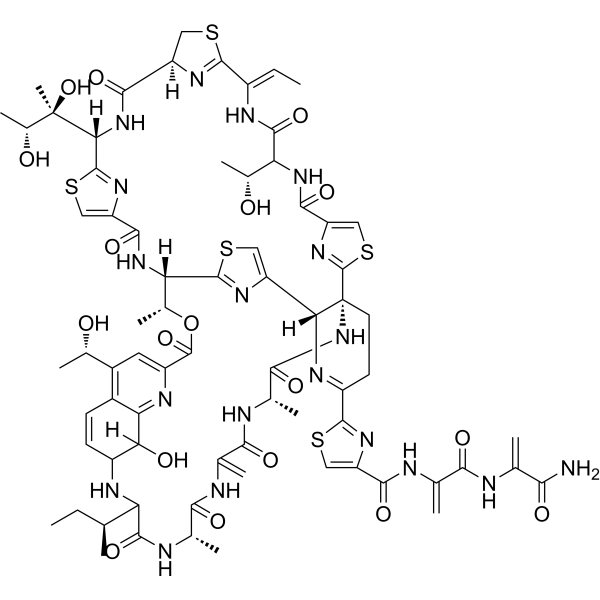
Cat. No.: HY-B0990
CAS No.: 1393-48-2
Thiostrepton is a thiazole antibiotic which selectively inhibits FOXM1. FOXM1 binds to YAP/TEAD complex. YAP/TEAD/FOXM1 complex binding at regulatory regions of genes governing cell cycle may impact cell proliferation .
8
8 Cited Publications
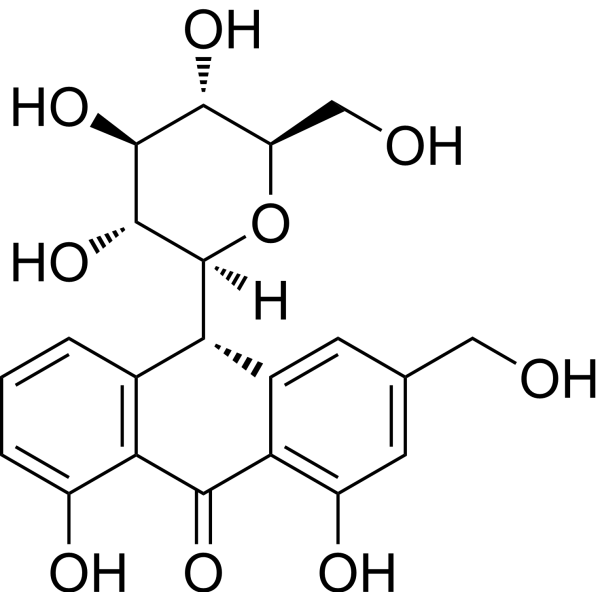
Cat. No.: HY-N0123
CAS No.: 1415-73-2
Synonyms: Barbaloin-A
Aloin (Aloin-A; Barbaloin-A) is a natural anti-tumor anthraquinone glycoside with iron chelating activity. Aloin induces the differentiation of MC3T3-E1 cells into osteoblasts through MAPK-mediated Wnt and Bmp signaling pathways. Alkaline phosphatase (ALP) is an early marker of osteoblast differentiation, and the activity of ALP is also enhanced by Aloin. Aloin also reduces brain edema, reduces blood-brain barrier disruption and improves cortical impact injuries. Aloin is used in research into osteoporosis and traumatic brain injury (TBI) .
2
2 Cited Publications
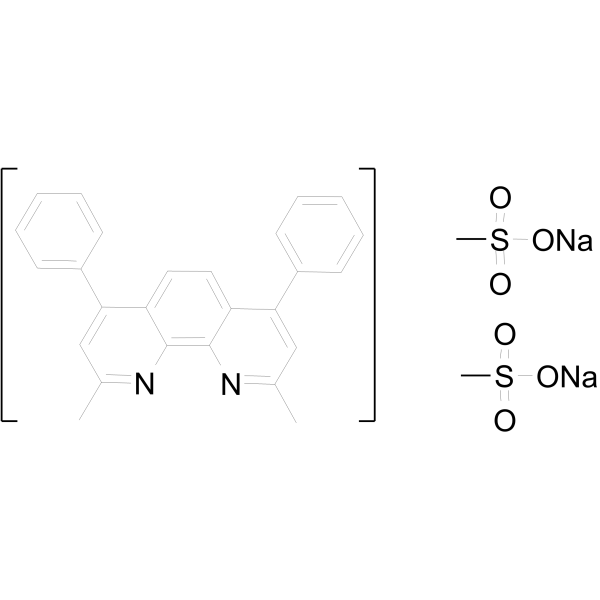
Cat. No.: HY-W034953
CAS No.: 52698-84-7
Bathocuproine disulfonate disodium (BCS) is an organic compound used as a highly sensitive colorimetric reagent for copper ions in biochemical and analytical applications. It has a bright yellow color and absorbs light at specific wavelengths, so it can be used to detect and quantify trace copper. In biochemical applications, BCS is commonly used to study the role of copper ions in various biological processes. Copper is an essential nutrient for many organisms, but it can also be toxic in high concentrations, so accurate measurement of copper levels is important to understand its impact on living systems. In terms of analysis, BCS is often used in environmental monitoring and water quality testing to detect copper pollution. It can detect copper even at very low concentrations, making it an invaluable tool for identifying potential sources of pollution and assessing the impact of industrial activities on aquatic ecosystems.
2
2 Cited Publications
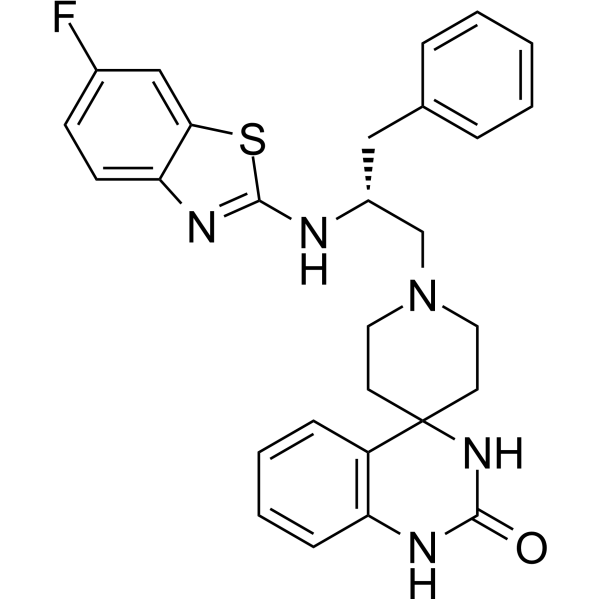
Cat. No.: HY-114395A
CAS No.: 2517682-14-1
Purity:  98.80%
Target:  

Drug Isomer

Research Areas:  

Inflammation/Immunology

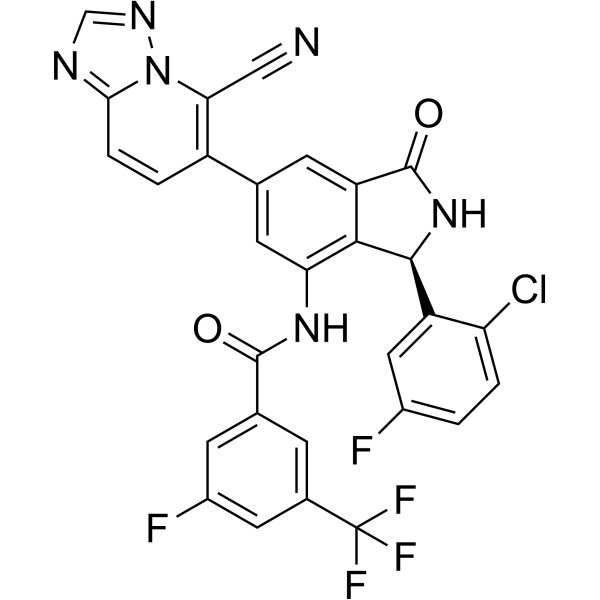
(R)-NVS-ZP7-4 is the R-isomer of NVS-ZP7-4. NVS-ZP7-4 is a Zinc transporter SLC39A7 (ZIP7) inhibitor that is also the first reported chemical tool to probe the impact of modulating ER zinc levels and investigate ZIP7 as a novel agentgable node in the Notch pathway.
1
1 Cited Publications
Cat. No.: HY-Y0882
CAS No.: 5470-11-1
Target:  

Monoamine Oxidase

Research Areas:  

Cardiovascular Disease

Hydroxylamine hydrochloride is a selective Monoamine oxidase (MAO) inhibitor used for inhibiting of platelet aggregation. Hydroxylamine hydrochloride is an intermediate of nitrogen cycle in aerobic ammonium oxidizers microorganisms, such as ammonium oxidizing bacteria (AOB), ammonium oxidizing archaea (AOA) and complete ammonium oxidizing bacteria (comammox). Hydroxylamine hydrochloride impacts NO and N2O emissions by aerobic ammonium oxidizers microorganisms and inhibits nitrite oxidizing bacteria (NOB) activity .
1
1 Cited Publications
Cat. No.: HY-153306
CAS No.: 2733573-94-7
Purity:  99.20%
Synonyms: RLY-2608
Target:  

PI3K

Research Areas:  

Cancer

Zovegalisib (RLY-2608) is an orally active first-in-class allosteric mutant-selective inhibitor of PI3Ka with anti-tumor activity. Zovegalisib inhibits tumor growth in PIK3CA-mutant xenograft mice models with minimal impact on insulin .
1
1 Cited Publications
Cat. No.: HY-131697
CAS No.: 90384-82-0
Purity:  99.00%
Target:  

MOFs NO Synthase Apoptosis

Research Areas:  

Inflammation/Immunology

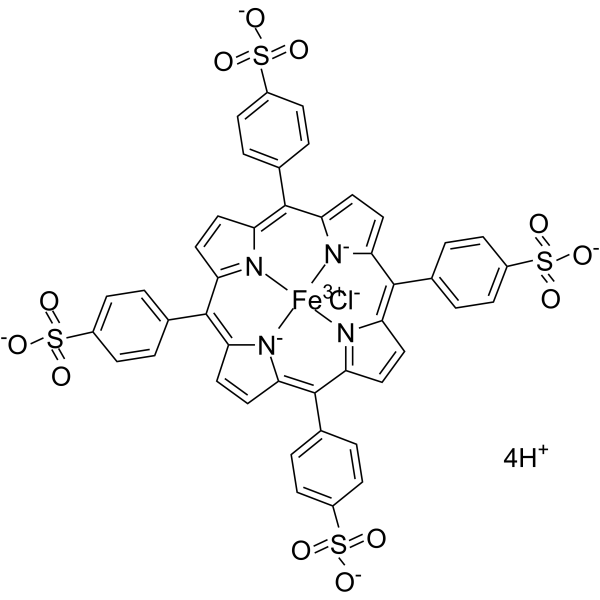
FeTPPS, a 5,10,15,20-tetrakis (4-sulfonatophenyl) porphyrin iron III chloride peroxynitrite decomposition catalyst, possesses evident neuroprotective effects in a experimental model of spinal cord damage . FeTPPS acts as a peroxynitrite scavenger and anti-nitrating agent in vivo. FeTPPS reduces nitric oxide (NO) production and apoptosis process .
1
1 Cited Publications
Cat. No.: HY-170620
Target:  

PROTACs PARP

Research Areas:  

Cancer

PARP1 PROTAC 180055 is a selective PARP1 PROTAC degrader (DC50 in T47D and MDA-MB-231 cell lines is 180 nM and 240 nM, respectively). PARP1 PROTAC 180055 promotes ubiquitination and degradation of PARP1 as well as inhibits PARP1 enzyme activity without a noticeable DNA trapping effect. PARP1 PROTAC 180055 inhibits tumors carrying BRCA mutations with a minor impact on the growth of normal cells .
Cat. No.: HY-W013706
CAS No.: 35908-31-7
Synonyms: ITP trisodium salt; Inosine triphosphate trisodium salt
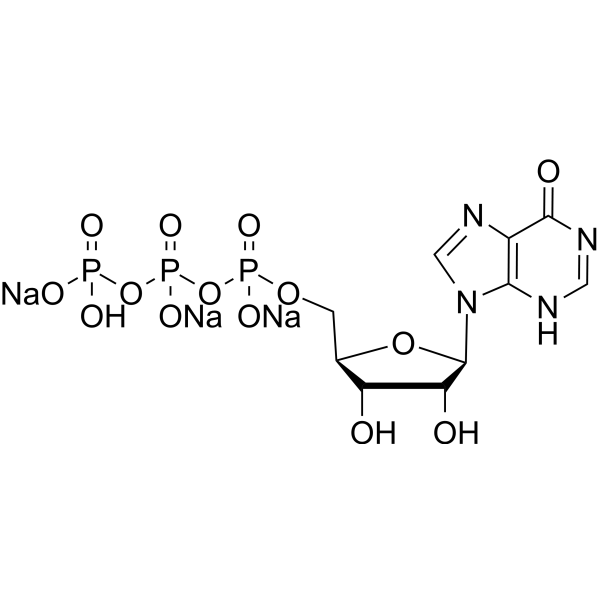
Inosine-5'-triphosphate trisodium salt is a nucleotide analogue that acts on multiple G proteins and is widely used in G protein-related research. It can bind to the α -subunit of G proteins and participate in G protein-mediated signal transduction as a substitute for GTP. Its mechanism of action is to interact with the nucleotide-binding site of the G protein α -subunit, affecting the activity and function of G proteins. In the research field, it is mainly used to explore the role of the G protein signaling pathway in cellular physiological and pathological processes. For example, in HL-60 leukemia cells, its impact on G protein-mediated signal transduction can be studied .
Cat. No.: HY-B1839
CAS No.: 79622-59-6
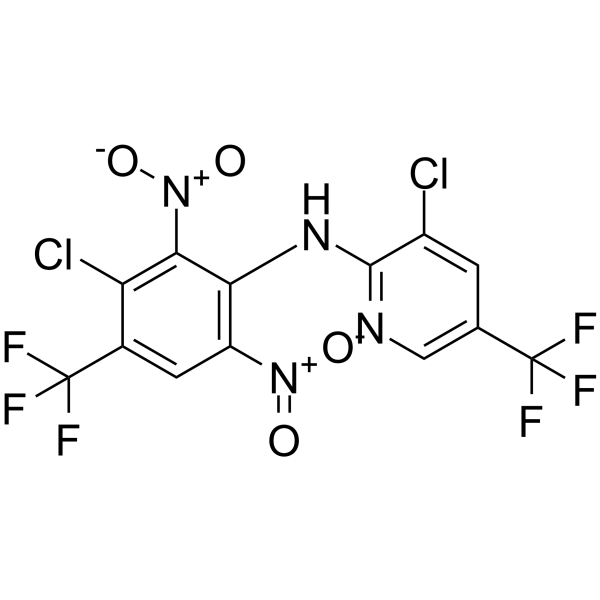
Fluazinam is an orally active dinitroaniline fungicide. Fluazinam induces phosphorylation of JNK, activates p38 pathway, decreases Bcl-2, activates caspase-3, decreases complex I activity, increases Autophagy and Apoptosis. Fluazinam has strong antifungal activity against F. fujikuroi and B. maydis. Fluazinam has a negative impact on Brachydanio rerio and worker bees .
Cat. No.: HY-B2122
CAS No.: 585-88-6
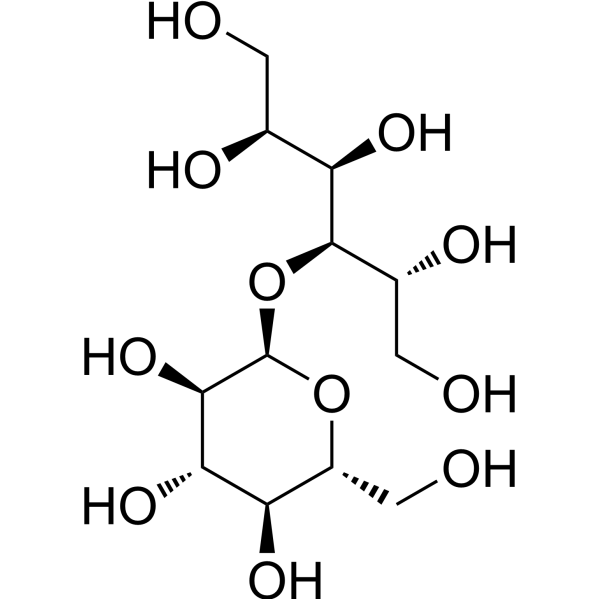
Maltitol is an orally active polyol and sugar alcohol sweetener produced by the hydrogenation of maltose. Maltitol can replace sucrose and has characteristics of having a minor impact on blood sugar and potential prebiotic effects .
Cat. No.: HY-N2500
CAS No.: 19186-35-7
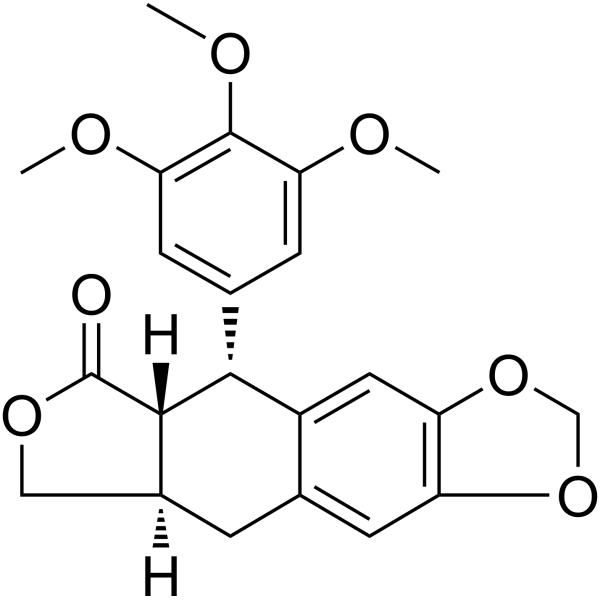
Deoxypodophyllotoxin (DPT), a derivative of podophyllotoxin, is a lignan with potent antimitotic, anti-inflammatory and antiviral properties isolated from Anthriscus sylvestris. Deoxypodophyllotoxin, targets the microtubule, has a major impact in oncology not only as anti-mitotics but also as potent inhibitors of angiogenesis . Deoxypodophyllotoxin induces cell autophagy and apoptosis . Deoxypodophyllotoxin evokes increase of intracellular Ca 2+ concentrations in DRG neurons .
Cat. No.: HY-N0507
CAS No.: 84954-92-7
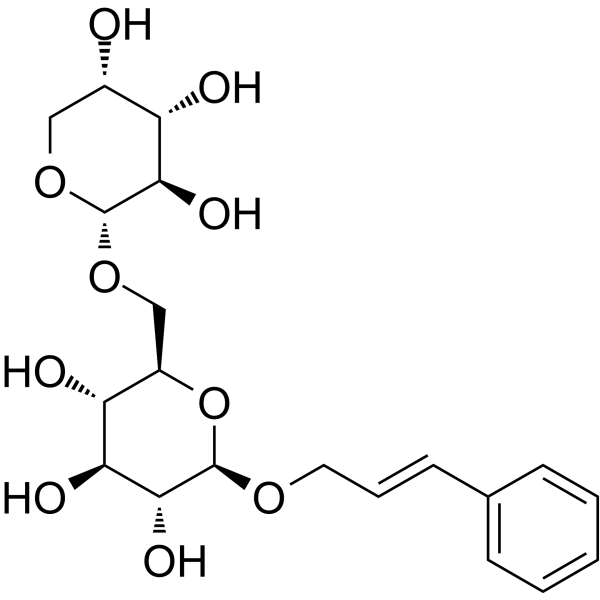
Rosavin, an orally bioactive phenylpropanoid from Rhodiola rosea L. (RRL), is an adaptogen that enhances the body’s response to environmental stress. Rosavin significantly influences bone tissue metabolism by inhibiting osteoclastogenesis and promoting osteoblast differentiation, also impacts various diseases, demonstrating antidepressant, adaptogenic, and anxiolytic effects in mouse models. Additionally, Rosavin improves survival, reducing intestinal damage in irradiated rats and Ischemia-reperfusion(I/R)-induced cerebral injury in vivo by regulating inflammation and oxidative stress, making it a promising candidate for research in radiation-induced intestinal injury, I/R-induced cerebral injury and osteoporosis .
Cat. No.: HY-136528
CAS No.: 919091-63-7
Purity:  98.67%
Research Areas:  

Cancer

RA-9 is a potent and selective proteasome-associated deubiquitinating enzymes (DUBs) inhibitor with favorable toxicity profile and anticancer activity. RA-9 blocks ubiquitin-dependent protein degradation without impacting 20S proteasome proteolytic activity. RA-9 selectively induces onset of apoptosis in ovarian cancer cell lines and primary cultures derived from donors. RA-9 induces endoplasmic reticulum (ER)-stress responses in ovarian cancer cells .
Cat. No.: HY-P99359
CAS No.: 1791416-49-3
Synonyms: ABT-555; AE12-1Y-QL; Anti-RGMA Reference Antibody (elezanumab)

Target:  

TGF-beta/Smad

Research Areas:  

Metabolic Disease

Elezanumab (ABT-555; AE12-1Y-QL) is a human monoclonal antibody that selectively targets repulsive guidance molecule A (RGMa). Elezanumab potently inhibited RGMa mediated BMP signalling via the SMAD1/5/8 pathway, with an IC50 around 97 pM. Elezanumab promotes neuroregeneration and neuroprotection in neuronal injury and demyelination models binds N-terminal RGMa, blocks BMP signaling and lacks RGMc cross-reactivity. elezanumab has neuroregenerative and neuroprotective activities without impact on iron metabolism .
Cat. No.: HY-112749
CAS No.: 1374524-68-1
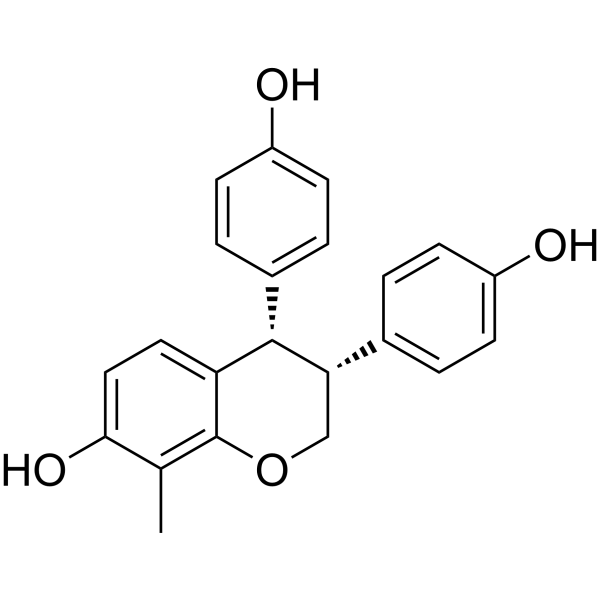
ME-344 is an Isoflavone. ME-344 increases mitochondrial ROS generation. ME-344 inhibits tubulin polymerization. ME-344 inhibits HO-1 and impacts its mitochondrial translocation. ME-344 induces Apoptosis through Caspase 3 activation. ME-344 synergizes with Vinblastine in leukemia cells. ME-344 displays anti-tumor activity against leukemia and lung tumor. ME-344 can be used in the research of lung cancer, acute myeloid leukemia, and HER2-negative breast cancer .
Cat. No.: HY-159062
Goji Extract is a natural product with anti-aging, antioxidant, and neuroprotective effects. The antioxidant effect of Goji Extract has a positive impact on erectile dysfunction and can be used in research to improve erectile function .
Cat. No.: HY-148384
CAS No.: 2103079-87-2
Target:  

Fluorescent Dye

Research Areas:  

Cancer

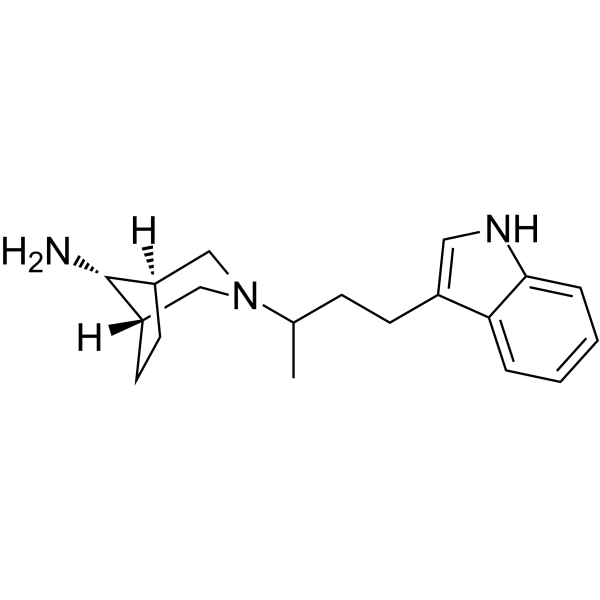
UHMCP1 is a chemical probe of U2AF homology motifs (UHM) with a Kd of 79 μM. UHMCP1 prevents the SF3b155/U2AF65 interaction, impacts RNA splicing and cell viability. UHMCP1 has potential anticancer properties .
Cat. No.: HY-Y0882S1
CAS No.: 15588-23-5
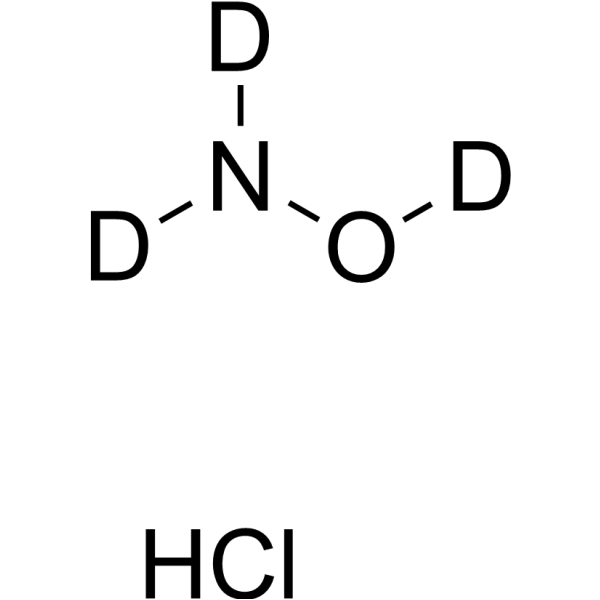
Hydroxylamine-d3 (hydrochloride) is the deuterium labeled Hydroxyamine hydrochloride. Hydroxylamine hydrochloride is a selective Monoamine oxidase (MAO) inhibitor used for inhibiting of platelet aggregation. Hydroxylamine hydrochloride is an intermediate of nitrogen cycle in aerobic ammonium oxidizers microorganisms, such as ammonium oxidizing bacteria (AOB), ammonium oxidizing archaea (AOA) and complete ammonium oxidizing bacteria (comammox). Hydroxylamine hydrochloride impacts NO and N2O emissions by aerobic ammonium oxidizers microorganisms and inhibits nitrite oxidizing bacteria (NOB) activity .
Cat. No.: HY-W012848
CAS No.: 618-36-0
Synonyms: DL-α-Methylbenzylamine
Target:  

Endogenous Metabolite

Research Areas:  

Neurological Disease Cancer

1-Phenylethanamine is a potential central nervous system stimulant and a related compound of β-phenylethylamine. Due to the replacement of its benzene ring with an indole group, its brain glycogenolytic activity is significantly reduced. Therefore, 1-Phenylethanamine can be used to study the impact of the chemical structure of phenylethylamine derivatives on central nervous system activity. In addition, 1-Phenylethanamine can also be used to synthesize the tyrosine kinase (tyrosine kinase) inhibitor CLM3 (HY-164413) .

