1. Search Result
Search Result
Results for "

MetS

" in MedChemExpress (MCE) Product Catalog:

398

Inhibitors & Agonists

4

Screening Libraries

4

Fluorescent Dyes

97

Peptides

25

Inhibitory Antibodies

14

Natural
Products

16

Isotope-Labeled Compounds

1

Antibodies

2

Click Chemistry

7

Oligonucleotides

Targets Recommended:
Cat. No. Product Name Target Research Areas Chemical Structure
  • HY-15959
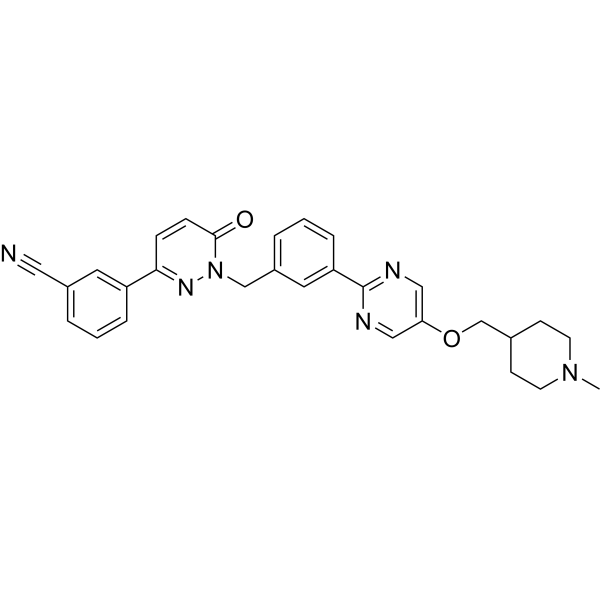
    Savolitinib
    5+ Cited Publications

    Volitinib; HMPL-504; AZD-6094

    c-Met/HGFR Cancer
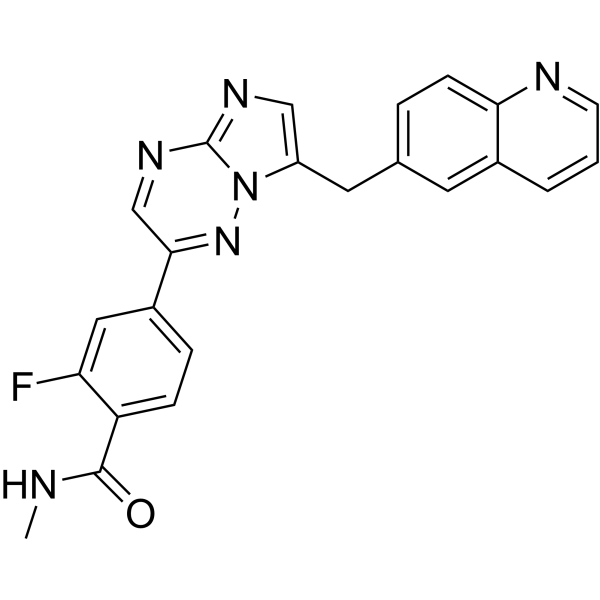
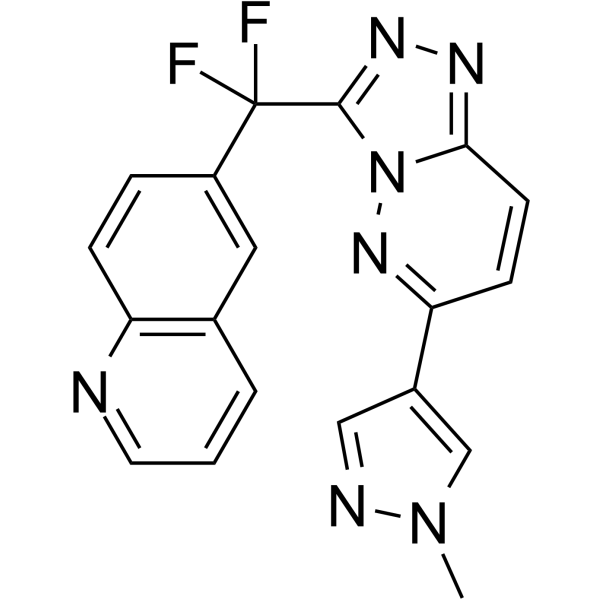
    Savolitinib (AZD-6094) is a potent, highly selective, and orally bioavailable c-Met inhibitor with IC50 s of 5 nM and 3 nM for c-Met and p-Met, respectively. Savolitinib (AZD-6094) selectively binds to and inhibits the activation of c-Met in an ATP-competitive manner, and disrupts c-Met signal transduction pathways. Antineoplastic activity .
    Savolitinib
  • HY-P99250
    Onartuzumab
    2 Publications Verification

    MetMAb

    c-Met/HGFR Cancer
    Onartuzumab (MetMAb) is a unique, humanized and affinity-matured monovalent (one-armed) monoclonal antibody against the MET receptor. Onartuzumab potently inhibits HGF binding and receptor phosphorylation and signaling. Onartuzumab has antibody-like pharmacokinetics and antitumor activity .
    Onartuzumab
  • HY-P99391

    ABT-700; ABBV-400 Antibody

    c-Met/HGFR Apoptosis Cancer
    Telisotuzumab (ABT-700) is a bivalent humanized IgG1 anti-c-Met monoclonal antibody. Telisotuzumab binds cellular c-Met and disrupts its productive dimerization and activation induced by HGF or by the high density of c-Met on the cell surface independent of ligand. Telisotuzumab induces apoptosis. Telisotuzumab can be used for the study of cancers harboring amplified MET, such as gastric and lung cancers .
    Telisotuzumab
  • HY-12019
    SGX-523
    5+ Cited Publications

    c-Met/HGFR Cancer
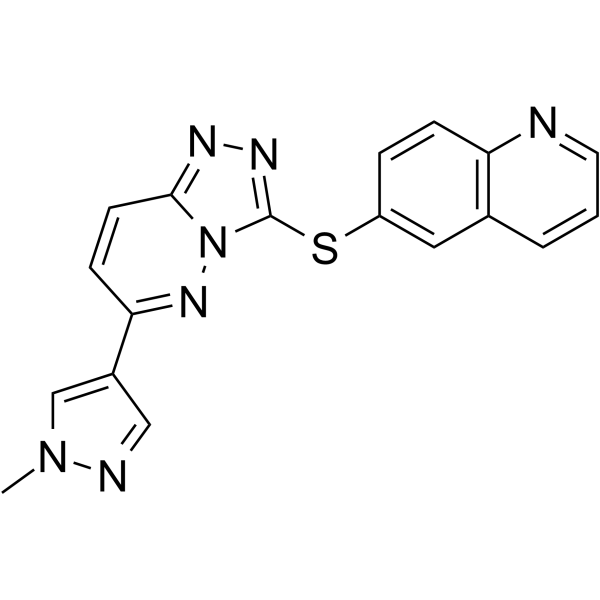
    SGX523 is a exquisitely selective and ATP-competitive MET inhibitor. SGX523 potently inhibits MET with an IC50 of 4 nM and is >1,000-fold selective versus other protein kinases. Antitumor activity .
    SGX-523
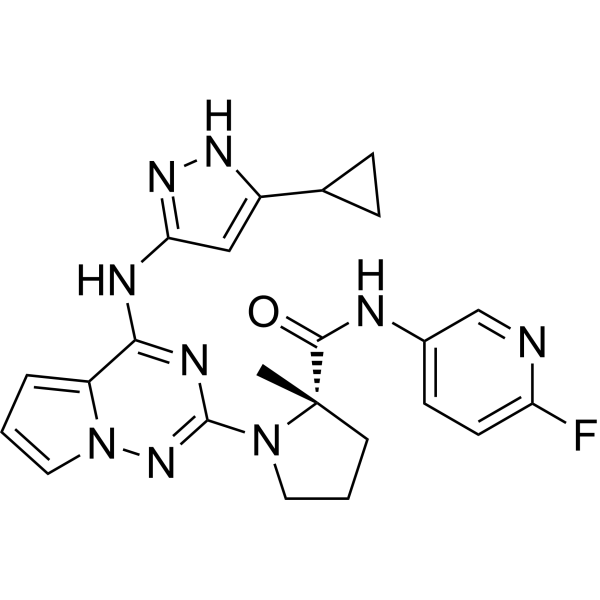
  • HY-18696
    AMG-337
    3 Publications Verification

    c-Met/HGFR Caspase Apoptosis Cancer
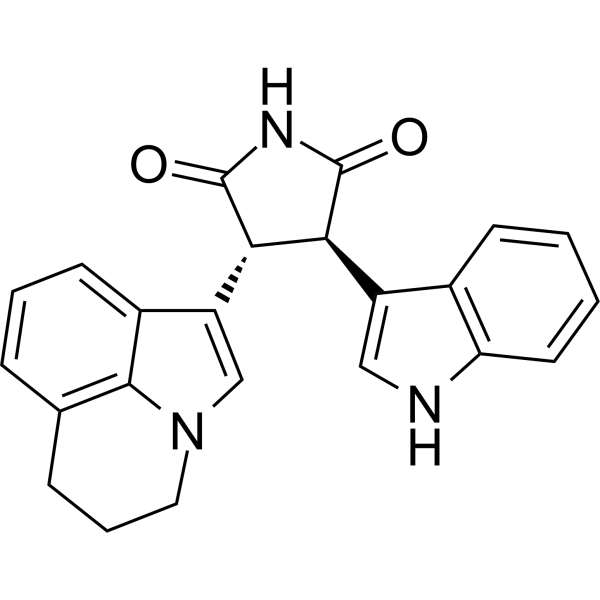
    AMG-337 is a potent, orally active, selective MET kinase inhibitor with IC50 values of 1, 1, 4.7, 5, 21.5, 1077 and >4000 nM of WT MET, H1094R MET, M1250T MET, HGF-stimulated pMET (PC3 cells) MET, V1092I MET, Y1230H MET, and D1228H MET, respectively. AMG 337 inhibits the phosphorylation of MET and downstream effectors in MET-amplified cancer cell lines, resulting in an inhibition of MET-dependent cell proliferation and induction of apoptosis .
    AMG-337
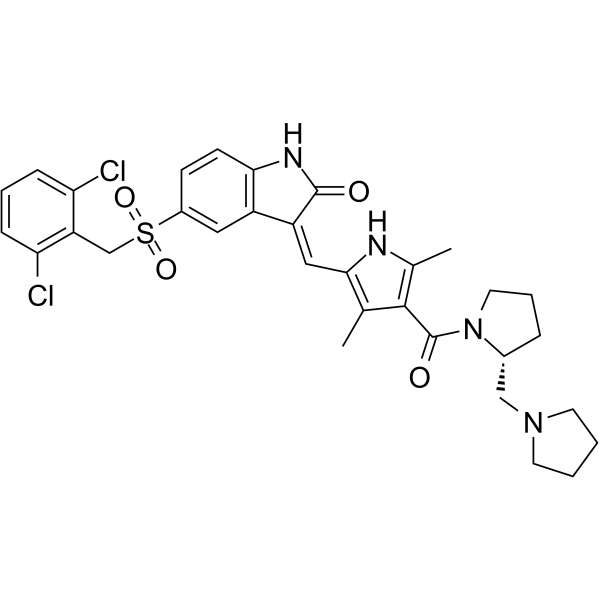
  • HY-150013

    L-Methionyl-L-methionine

    Amino Acid Derivatives Others
    H-Met-Met-OH (L-Methionyl-L-methionine) is a dipeptide composed of two methionine residues. H-Met-Met-OH is a dietary supplement that has been shown to have various health benefits in animals. H-Met-Met-OH is orally active .
    H-Met-Met-OH
  • HY-19642A
    Glesatinib hydrochloride
    2 Publications Verification

    MGCD265 hydrochloride

    TAM Receptor c-Met/HGFR Cancer
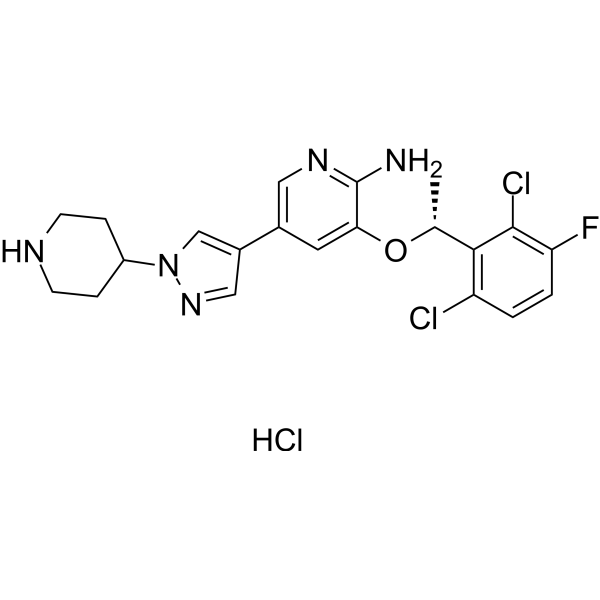
    Glesatinib hydrochloride (MGCD265 hydrochloride) is an orally active, potent MET/SMO dual inhibitor. Glesatinib hydrochloride, a tyrosine kinase inhibitor, antagonizes P-glycoprotein (P-gp) mediated multidrug resistance (MDR) in non-small cell lung cancer (NSCLC) .
    Glesatinib hydrochloride
  • HY-15735
    c-Met inhibitor 1
    1 Publications Verification

    c-Met/HGFR Cancer
    c-Met inhibitor 1 is an orally active c-Met inhibitor. c-Met inhibitor 1 can inhibit c-Met phosphorylation with an IC50 of 0.010 μM. c-Met inhibitor 1 has antitumor activity and can be used for the research of tumors such as gastric cancer, pancreatic cancer and malignant glioma .
    c-Met inhibitor 1
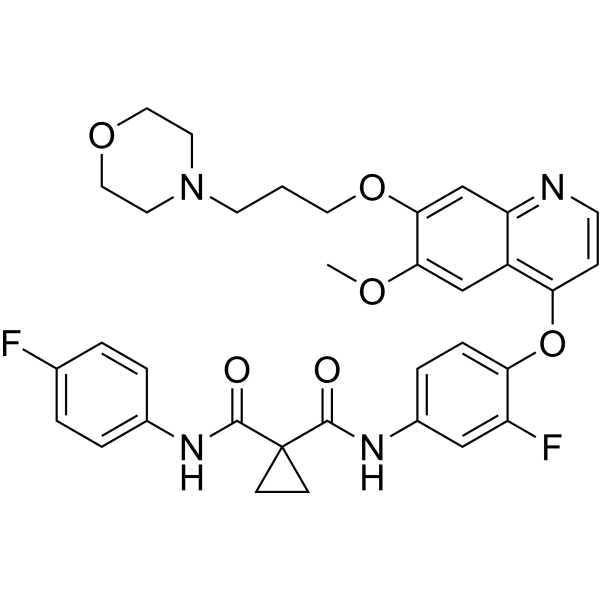
  • HY-18309

    c-Met/HGFR VEGFR Cancer
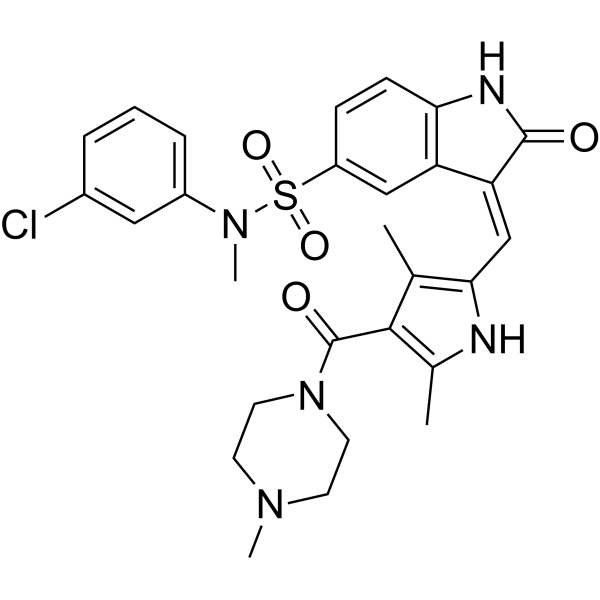
    MET kinase-IN-4 is an orally active Met kinase inhibitor. MET kinase-IN-4 has potent Met kinase inhibitory activity with an IC50 value of 1.9 nM. MET kinase-IN-4 can be used for the research of cancer .
    MET kinase-IN-4
  • HY-P990073

    REGN-5093

    c-Met/HGFR Cancer
    Davutamig (REGN-5093) is a human IgG4-kappa, anti-MET bispecific antibody. Davutamig binds 2 distinct epitopes of MET, blocking ligand binding and inducing MET internalization and degradation. Davutamig is applicable to the research of advanced non-small cell lung cancer with MET gene abnormalities .
    Davutamig
  • HY-10949

    E1/E2/E3 Enzyme Cancer
    SMER3, a Rapamycin enhancer, is a selective Skp1-Cullin-F-box (SCF) Met30 ubiquitin ligase inhibitor. SMER3 enhances Rapamycin's growth inhibitory effect by inhibition of SCF Met30 .
    SMER3
  • HY-P6440

    Apoptosis Caspase Others
    Met-12 is a small peptide inhibitor of the Fas receptor. Met-12 can inhibit Fas receptor-mediated photoreceptor cell apoptosis, reduce Caspase activation. Met-12 can be used in the research of photoreceptor .
    Met-12
  • HY-114357A

    TAM Receptor c-Met/HGFR Trk Receptor Cancer
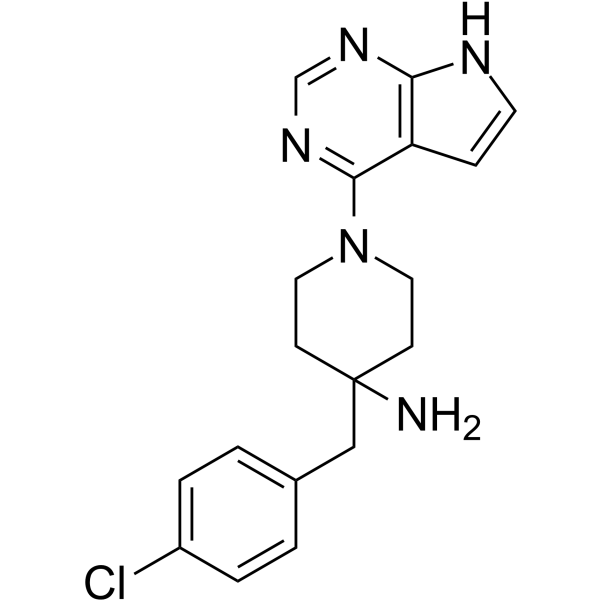
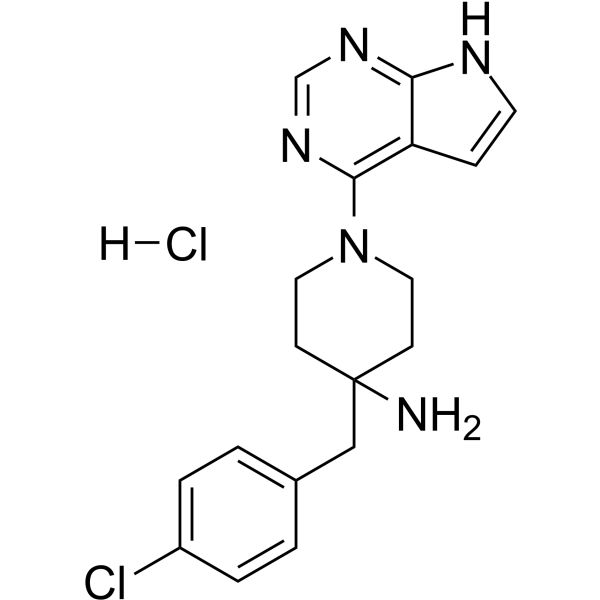
    DS-1205b free base is a potent and selective inhibitor of AXL kinase, with an IC50 of 1.3 nM. DS-1205b free base also inhibits MER, MET, and TRKA, with IC50s of 63, 104, and 407 nM, respectively. DS-1205b free base can inhibit cell migration in vitro and tumor growth in vivo .
    DS-1205b free base
  • HY-P4191A

    CCR Inflammation/Immunology
    Met-RANTES (human) acetate is the acetate form of Met-RANTES (human) (HY-P4191). Met-RANTES (human) acetate is the antagonist for CCR1 and CCR5. Met-RANTES (human) acetate inhibits chemokines human MIP-1α and MIP-1β with IC50 of 5 and 2 nM. Met-RANTES (human) acetate reduces bone destruction and ameliorates rats adjuvant-induced arthritis (AIA) .
    Met-RANTES (human) acetate
  • HY-P4270
    Met-Arg-Phe-Ala
    1 Publications Verification

    Neprilysin Neurological Disease
    Met-Arg-Phe-Ala is a peptide. Met-Arg-Phe-Ala also is a potent competitive inhibitor for enkephalin-generating endopeptidase (EGE). Met-Arg-Phe-Ala can be used for the research of neurological disease .
    Met-Arg-Phe-Ala
  • HY-147259

    c-Met/HGFR Cancer
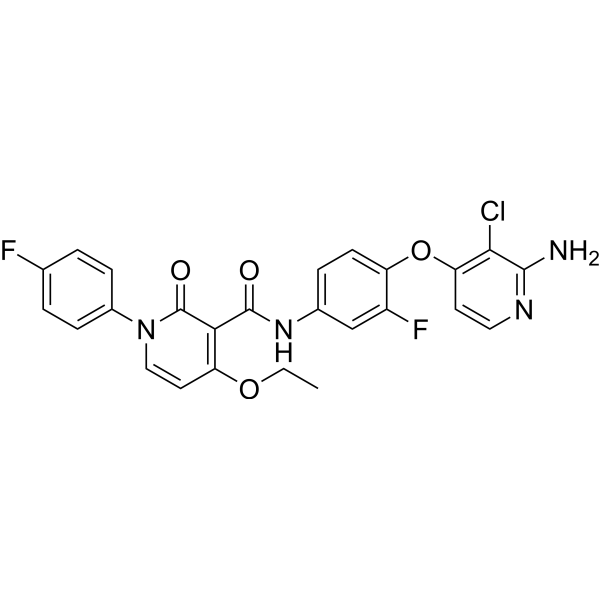
    Dalmelitinib is an orally active selective c-Met kinase inhibitor (IC50: 2.9 nM) that binds to the ATP-binding region of c-Met. Dalmelitinib induces the phosphorylation of MET, partially or completely inhibits the phosphorylation of AKT and ERK. Dalmelitinib potently inhibits cancer cell (c-Met oncogene amplification) proliferation, and is used for the research of cancers like human non-small cell lung cancer (NSCLC) .
    Dalmelitinib
  • HY-15456

    c-Met/HGFR Cancer
    NVP-BVU972 is an selective and potent Met inhibitor, with an IC50 of 14 nM. NVP-BVU972 also exhibits good anti-proliferative activity against Met with drug-resistant mutations and inhibits phosphorylation. NVP-BVU972 can be used in study of cancer .
    NVP-BVU972
  • HY-168135

    PROTACs c-Met/HGFR Cancer
    PROTAC c-Met degrader-1 is a selective and orally active c-Met PROTAC degrader with a DC50 of 6.21 nM against c-Met. PROTAC c-Met degrader-1 induces CRBN-dependent ubiquitination and proteasomal degradation of c-Met. PROTAC c-Met degrader-1 induces G0/G1 phase arrest in c-Met-dependent cancer cells. PROTAC c-Met degrader-1 kills c-Met-dependent cancer cells. PROTAC c-Met degrader-1 inhibits tumor growth in animal models. PROTAC c-Met degrader-1 can be used for the research of gastric cancer .
    PROTAC c-Met degrader-1
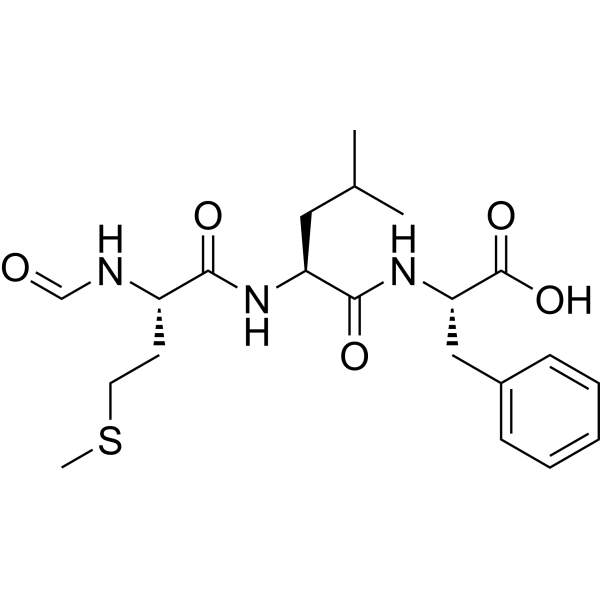
  • HY-P1467A

    5-Methionine-enkephalin amide TFA

    Opioid Receptor Neurological Disease
    [Met5]-Enkephalin, amide TFA is an agonist for δ opioid receptors as well as putative ζ ζ opioid receptors.
    [Met5]-Enkephalin, amide TFA
  • HY-19642

    MGCD265

    TAM Receptor c-Met/HGFR Cancer
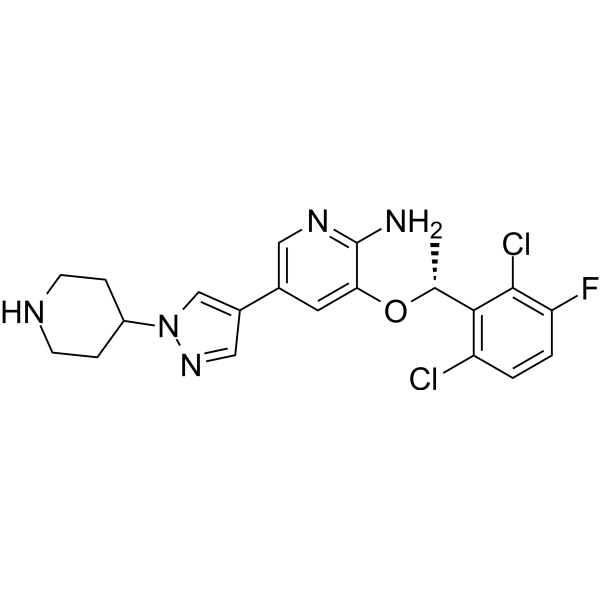
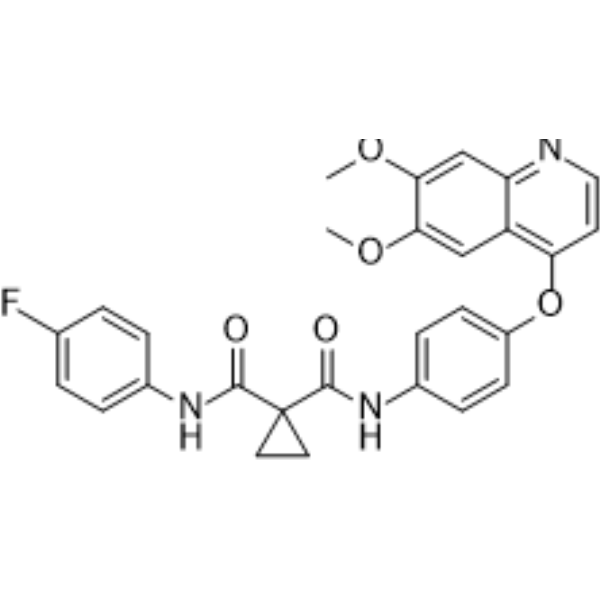
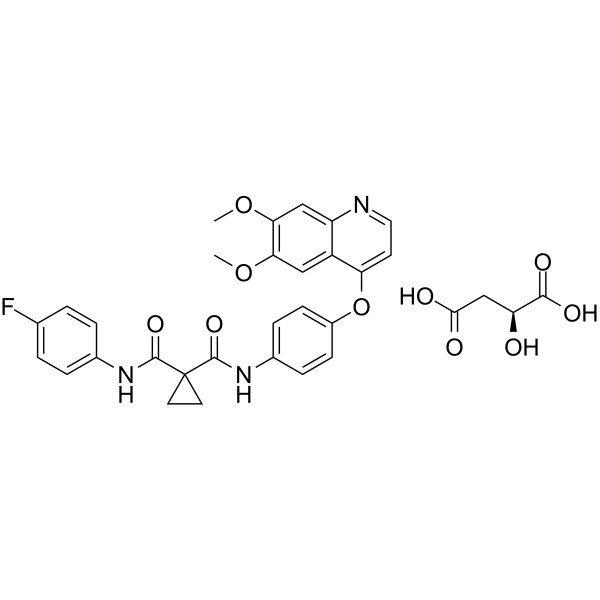
    Glesatinib (MGCD265) is an orally active, potent MET/SMO dual inhibitor. Glesatinib, a tyrosine kinase inhibitor, antagonizes P-glycoprotein (P-gp) mediated multidrug resistance (MDR) in non-small cell lung cancer (NSCLC) .
    Glesatinib
  • HY-145779

    H-γ-Glu-Met-OH; γ-Glu-Met

    Dipeptidyl Peptidase Metabolic Disease
    H-Glu(Met-OH)-OH (H-γ-Glu-Met-OH; γ-Glu-Met) is a DPP-IV inhibitor with an IC50 of 2.11 mM. H-Glu(Met-OH)-OH binds to DPP-IV’s active site to block substrate binding. H-Glu(Met-OH)-OH can be used for the research of type 2 diabetes .
    H-Glu(Met-OH)-OH
  • HY-118796

    4-HO-MET; 4-Hydroxy-N-methyl-N-ethyltryptamine

    5-HT Receptor Serotonin Transporter Neurological Disease
    4-Hydroxy MET (4-HO-MET; 4-Hydroxy-N-methyl-N-ethyltryptamine) is a synthetic tryptamine psychoactive substance. 4-Hydroxy MET is a partial 5-HT2A receptor agonist, a serotonin transporter inhibitor and weak norepinephrine transporter inhibitor. 4-Hydroxy MET affects emotional, motoric, and cognitive functions via serotonergic hallucinogenic activity .
    4-Hydroxy MET
  • HY-P4559

    Dipeptidyl Peptidase Drug Intermediate Others
    H-Pro-Met-OH is a dipeptide containing proline and methionine. H-Pro-Met-OH also serves as a substrate for prolinase and prolyl dipeptidase .
    H-Pro-Met-OH
  • HY-177893

    PROTACs c-Met/HGFR Cancer
    OZD-MET 01 is a chaperone-med iatedprotein PROTAC-type MET degrader. OZD-MET 01 can inhibit proliferation of H596 and H1437 cells with IC50 values of 3.07 and 3.5 μM. OZD-MET 01 can be used for the research of cancer, such as non-small cell lung cancer . (Structure Note: Pink: MET ligand (HY-50878); Blue: chaperone ligand (HY-112078); MET ligand-Linker: (HY-176950))
    OZD-MET 01
  • HY-W008371S2

    Isotope-Labeled Compounds Others
    Fmoc-Met-OH-d3 is the deuterium labeled Fmoc-Met-OH.
    Fmoc-Met-OH-d3
  • HY-P3551

    Biochemical Assay Reagents Others
    [Ala2] Met-Enkephalinamide is an active peptide. [Ala2] Met-Enkephalinamide can be used for the research of various biochemical studies .
    [Ala2] Met-Enkephalinamide
  • HY-174387

    c-Met/HGFR Cancer
    KIN-8741 is a highly selective Type IIb c-Met inhibitor. KIN-8741 has broad activity against c-Met kinase mutations. KIN-8741 shows antitumor activity in MET gene amplified and exon 14 deleted non-small cell lung cancer models. KIN-8741 can be used in the research of c-Met driven cancers, especially advanced tumors carrying MET exon 14 jump mutations, acquired drug resistance mutations, etc .
    KIN-8741
  • HY-175321

    PROTACs c-Met/HGFR Apoptosis Cancer
    PROTAC c-Met degrader-6 is a potent and orally active c-Met PROTACdegrader. PROTAC c-Met degrader-6 significantly induces the degradation of the c-Met protein with DC50s of 0.52 nM and 0.45 nM in EBC-1 and Hs746T. PROTAC c-Met degrader-6 almost abrogates the migratory and invasion abilities of tumor cells and significantly induces the apoptosis and blocks the cell cycle in the G0/G1 phase. PROTAC c-Met degrader-6 can be used for the study of various cancers such as non-small cell lung cancer and stomach cancer (Pink: c-Met ligand (HY-W425461); Blue: E3 ligand (HY-14658); Black: Linker (HY-20797)) .
    PROTAC c-Met degrader-6
  • HY-P99391A

    ABT-700 (powder)

    c-Met/HGFR Apoptosis Cancer
    Telisotuzumab (ABT-700) (powder) is a bivalent humanized IgG1 anti-c-Met monoclonal antibody. Telisotuzumab (powder) binds cellular c-Met and disrupts its productive dimerization and activation induced by HGF or by the high density of c-Met on the cell surface independent of ligand. Telisotuzumab (powder) induces apoptosis. Telisotuzumab (powder) can be used for the study of cancers harboring amplified MET, such as gastric and lung cancers .
    Telisotuzumab (powder)
  • HY-E70758

    c-Met/HGFR Cancer
    Mesenchymal-to-epithelial transition (MET) is a receptor tyrosine kinase for hepatocyte growth factor (HGF). MET overactivation is strongly associated with angiogenesis, cellular motility, growth, and invasion. Aberrant MET signaling can drive tumorigenesis in several cancer types through various molecular mechanisms, including MET amplification, MET exon 14 skipping mutation, MET overexpression, and MET fusions. MET Y1235D is a mutant of MET. MET Y1235D Recombinant Human Active Protein Kinase is a recombinant MET Y1235D protein that can be used to study MET Y1235D-related functions .
    MET Y1235D Recombinant Human Active Protein Kinase
  • HY-E70751

    c-Met/HGFR Cancer
    Mesenchymal-to-epithelial transition (MET) is a receptor tyrosine kinase for hepatocyte growth factor (HGF). MET overactivation is strongly associated with angiogenesis, cellular motility, growth, and invasion. Aberrant MET signaling can drive tumorigenesis in several cancer types through various molecular mechanisms, including MET amplification, MET exon 14 skipping mutation, MET overexpression, and MET fusions. MET G1163R is a mutant of MET. MET G1163R Recombinant Human Active Protein Kinase is a recombinant MET G1163R protein that can be used to study MET G1163R-related functions .
    MET G1163R Recombinant Human Active Protein Kinase
  • HY-174384

    c-Met/HGFR Apoptosis G-quadruplex Cancer
    MET Transcription-IN-1 (Compound C3) is an orally active MET transcription inhibitor. MET Transcription-IN-1 can efficiently bind and stabilize the G-quadruplex in the MET promoter region, thereby inhibiting c-Met expression. MET Transcription-IN-1 can also overcome drug resistance caused by specific c-Met mutations. MET Transcription-IN-1 is capable of inhibiting tumor cell proliferation, migration, and invasion, as well as inducing cell cycle arrest and apoptosis. MET Transcription-IN-1 has antitumor activity, and can be used in the research of tumors such as non-small cell lung cancer .
    MET Transcription-IN-1
  • HY-149510

    c-Met/HGFR Apoptosis PDGFR Cancer
    MET/PDGFRA-IN-1 (compound 8c) is a MET and PDGFRA protein inhibitor (IC50: 36 μM for MET). MET/PDGFRA-IN-1 inhibits MET phosphorylation and induces cell apoptosis. MET/PDGFRA-IN-1 inhibits proliferation of MET-positive cells (IC50s: 15.3, 19.0, 22.0, 25.6, 21.0, 31.5 μM for AsPc-1, EBC-1, MKN-45, Mia-Paca-2, HT-29, K562 cells respectively) .
    MET/PDGFRA-IN-1
  • HY-131065

    c-Met/HGFR Cancer
    MET kinase-IN-2 is a potent, selective, orally bioavailable MET kinase inhibitor with an IC50 of 7.4 nM. MET kinase-IN-2 has antitumor activity .
    MET kinase-IN-2
  • HY-161141

    c-Met/HGFR Cancer
    EGFR/ C-Met-in-2 (Compound H-22) is a dual inhibitor of EGFR/c-Met. EGFR/c-Met-IN-2 inhibits cell proliferation by arresting G2/M phase. EGFR/c-Met-IN-2 has antitumor activity .
    EGFR/c-Met-IN-2
  • HY-P4356

    Amino Acid Derivatives Others
    D-Met-Met is an orally active methionine dipeptide and has potential applications in food supplements .
    D-Met-Met
  • HY-168910

    PROTACs c-Met/HGFR Cancer
    PROTAC c-Met degrader-3 (Compound 22b) is a c-Met PROTAC degrader. PROTAC c-Met degrader-3 promotes ubiquitination and degradation of c-Met (DC50 of 0.59 nM in EBC-1 cells). PROTAC c-Met degrader-3 can be used for the research of lung cancer (Pink: c-Met ligand (HY-14721); Blue: E3 ligase CRBN ligand (HY-W249500); linker + E3 ligase ligand (HY-168911)) .
    PROTAC c-Met degrader-3
  • HY-P1467

    5-Methionine-enkephalin amide

    Opioid Receptor Neurological Disease
    [Met5]-Enkephalin, amide is an agonist for δ opioid receptors as well as putative ζ ζ opioid receptors.
    [Met5]-Enkephalin, amide
  • HY-W008371S1

    Isotope-Labeled Compounds Others
    Fmoc-Met-OH- 13C5, 15N is a 15N-labeled and 13C-labled Fmoc-Met-OH (HY-W008371). Fmoc-Met-OH is a Methionine (HY-13694) derivative .
    Fmoc-Met-OH-13C5,15N
  • HY-175333

    Target Protein Ligand-Linker Conjugates c-Met/HGFR Cancer
    c-Met ligand-Linker Conjugate 1 is an Target Protein Ligand-Linker Conjugate that incorporates a ligand for c-Met (HY-W425461) and a PROTAC linker (HY-151862), which recruits E3 ligases. c-Met ligand-Linker Conjugate 1 can be used for synthesis of PROTAC c-Met degrader-5 (HY-175320) .
    c-Met ligand-Linker Conjugate 1
  • HY-149511

    c-Met/HGFR Apoptosis PDGFR Cancer
    MET/PDGFRA-IN-2 (compound 8h) is a MET and PDGFRA protein inhibitor. MET/PDGFRA-IN-2 induces cell apoptosis. MET/PDGFRA-IN-2 inhibits proliferation of MET-positive cells (IC50s: 9.7, 6.1, 12.0, 11.5, 8.6, 34.4 μM for AsPc-1, EBC-1, MKN-45, Mia-Paca-2, HT-29, K562 cells respectively) .
    MET/PDGFRA-IN-2
  • HY-P991565

    c-Met/HGFR Cancer
    CE-355621 is a humanized anti-c-Met IgG1 monoclonal antibody. CE-355621 can effectively bind with human c-Met (KD = 200 pM, IC50 = 466 pM) in A549 cells and cyno c-Met (KD = 610 pM) in cynomolgus kidney cells. CE-355621 inhibits the c-Met signaling pathway by blocking HGF binding. CE-355621 significantly inhibits the growth of tumors dependent on the c-Met/HGF pathway. CE-355621 can be used for research on cancer such as glioblastoma and gastric cancer .
    CE-355621
  • HY-162773

    c-Met/HGFR Cancer
    MET-IN-1 (Compound 13) is an orally active MET inhibitor. MET-IN-1 has antitumor activity .
    MET-IN-1
  • HY-175337

    Target Protein Ligand-Linker Conjugates c-Met/HGFR Cancer
    c-Met ligand-Linker Conjugate 2 is a synthesized target protein ligand-linker conjugate that can be used for synthesis of PROTACs, such as PROTAC c-Met degrader-6 (HY-175321). PROTAC c-Met degrader-6 is a c-Met PROTAC degrader with anti-tumor activity [1] .
    c-Met ligand-Linker Conjugate 2
  • HY-146884

    c-Met/HGFR VEGFR Cancer
    MET kinase-IN-3 (compound 8) is an orally active and potent MET inhibitor, with an IC50 of 9.8 nM. MET kinase-IN-3 shows good and broad-spectrum antiproliferative activity against cancer cell lines .
    MET kinase-IN-3
  • HY-RS21337

    Small Interfering RNA (siRNA) Others

    Etv3 Mouse Pre-designed siRNA Set A contains three designed siRNAs for Etv3 gene (Mouse), as well as a negative control, a positive control, and a FAM-labeled negative control.

    Etv3 Mouse Pre-designed siRNA Set A
    Etv3 Mouse Pre-designed siRNA Set A
  • HY-RS04566

    Small Interfering RNA (siRNA) Others

    ETV3 Human Pre-designed siRNA Set A contains three designed siRNAs for ETV3 gene (Human), as well as a negative control, a positive control, and a FAM-labeled negative control.

    ETV3 Human Pre-designed siRNA Set A
    ETV3 Human Pre-designed siRNA Set A
  • HY-162103

    TAM Receptor Apoptosis Cancer
    Axl-IN-18 (compound 25c) is a potent and selective type II AXL inhibitor. Axl-IN-18 shows excellent AXL inhibitory activity (IC50=1.1 nM) and 343-fold selectivity over the highly homologous kinase MET in biochemical assays (IC50=377 nM). Axl-IN-18 significantly inhibits AXL-driven cell proliferation, dose-dependently suppresses 4T1 cell migration and invasion, and induces apoptosis. Axl-IN-18 shows noticeable antitumor efficacy in a BaF3/TEL-AXL xenograft model .
    Axl-IN-18
  • HY-E70754

    c-Met/HGFR Cancer
    Mesenchymal-to-epithelial transition (MET) is a receptor tyrosine kinase for hepatocyte growth factor (HGF). MET overactivation is strongly associated with angiogenesis, cellular motility, growth, and invasion. Aberrant MET signaling can drive tumorigenesis in several cancer types through various molecular mechanisms, including MET amplification, MET exon 14 skipping mutation, MET overexpression, and MET fusions. MET Y1230A is a mutant of MET. MET Y1230A Recombinant Human Active Protein Kinase is a recombinant MET Y1230A protein that can be used to study MET Y1230A-related functions .
    MET Y1230A Recombinant Human Active Protein Kinase
  • HY-149360

    P-glycoprotein Cancer
    P-gb-IN-1 (compound Ⅲ-8), a 2,5-disubstituted furan derivative, is a highly effective, broadspectrum P-glycoprotein (P-gp) inhibitor. P-gb-IN-1 displayed the reversal activity by inhibiting P-gp efflux. P-gb-IN-1 has a potent affinity to P-gp by forming H-bond interactions with residues Asn 721 and Met 986. P-gb-IN-1 possesses broad-spectrum reversal activity and low toxicity in MCF-7/ADR cells .
    P-gb-IN-1

Inquiry Online

Your information is safe with us. * Required Fields.

Salutation


Country or Region *

Applicant Name *


Organization Name *

Department *


Email Address *


Product Name *

Cat. No.


Requested quantity *

Phone Number *


Remarks

Inquiry Online

Inquiry Information

Product Name:
Cat. No.:
Quantity:
MCE Japan Authorized Agent:

