1. Search Result
Search Result
Results for "

NADPH-oxidase

" in MedChemExpress (MCE) Product Catalog:

65

Inhibitors & Agonists

2

Fluorescent Dyes

8

Peptides

9

Natural
Products

3

Recombinant Proteins

2

Isotope-Labeled Compounds

8

Antibodies

Targets Recommended:
Cat. No. Product Name Target Research Areas Chemical Structure
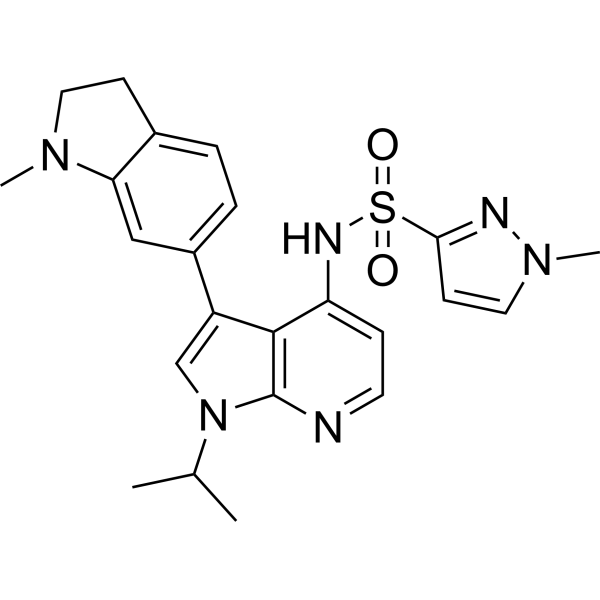
  • HY-12298
    Setanaxib
    25+ Cited Publications

    GKT137831; GKT831

    NADPH Oxidase Ferroptosis Cardiovascular Disease
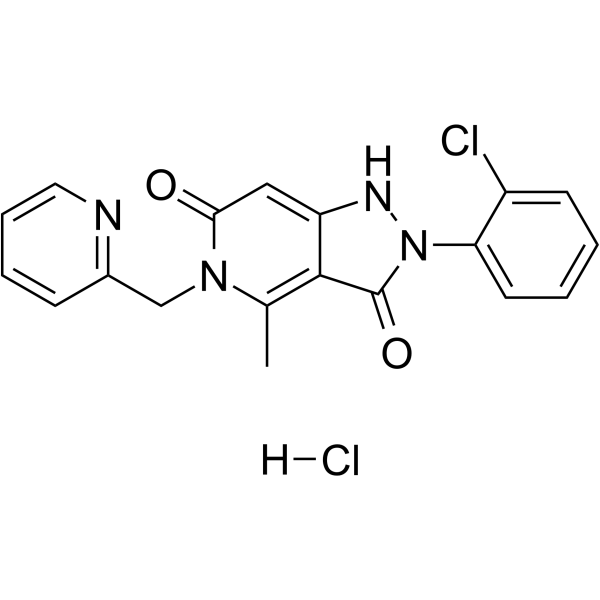
    Setanaxib (GKT137831) is a selective NADPH oxidase (NOX1/4) inhibitor with Kis of 140 and 110 nM, respectively.
    Setanaxib
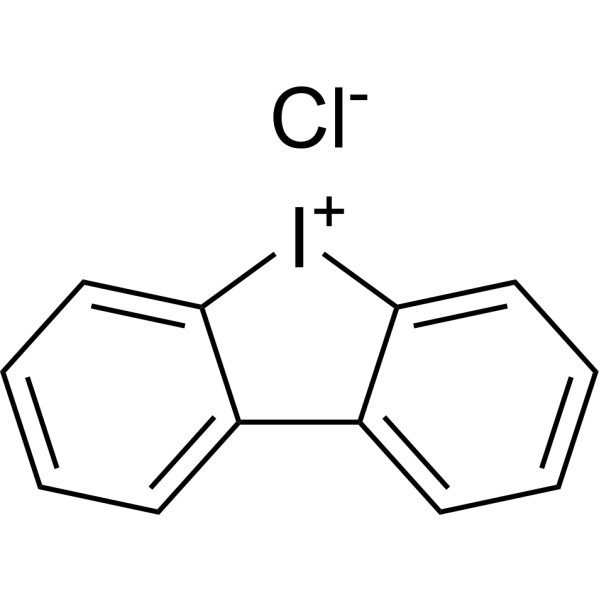
  • HY-100965
    Diphenyleneiodonium chloride
    55+ Cited Publications

    DPI

    TRP Channel NADPH Oxidase Reactive Oxygen Species (ROS) Neurological Disease Inflammation/Immunology
    Diphenyleneiodonium chloride is a NADPH oxidase (NOX) inhibitor and also functions as a TRPA1 activator with an EC50 of 1 to 3 μM. Diphenyleneiodonium chloride selectively inhibits intracellular reactive oxygen species.
    Diphenyleneiodonium chloride
  • HY-113324
    NADPH
    15+ Cited Publications

    Endogenous Metabolite Cancer
    NADPH is a coenzyme of glutathione reductase (GR), thioredoxin reductase (TrxR) and NADPH oxidase (NOX), and participates in redox reactions as a hydrogen donor. NADPH has the characteristic of selectively participating in the regulation of cellular redox homeostasis. NADPH exerts antioxidant activity and resists reactive oxygen species (ROS) damage by providing reducing equivalents for the regeneration of glutathione (GSH) and thioredoxin (Trx); at the same time, it acts as a substrate of NOX to generate superoxide anions, mediating oxidative stress and immune response. NADPH participates in maintaining the intracellular reducing environment, biosynthesis and regulating gene expression (such as the Nrf2 pathway), and is mainly used in the study of oxidative stress-related diseases (such as cardiovascular diseases, neurodegenerative diseases, cancer) and immune regulation mechanisms .
    NADPH
  • HY-108537
    L 012 sodium salt
    2 Publications Verification

    Reactive Oxygen Species (ROS) Inflammation/Immunology
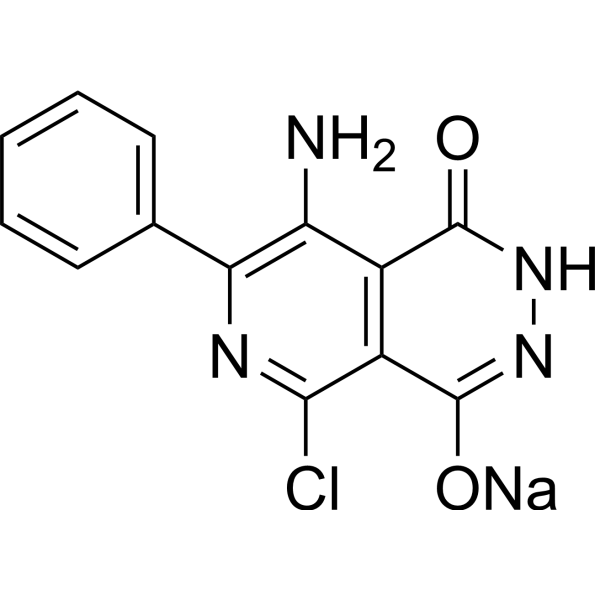
    L 012 sodium salt is a luminal-based chemiluminescent probe. L 012 sodium salt can detect NADPH oxidase (Nox)-derived superoxide and nitrogen species (reactive oxygen species (ROS) and reactive nitrogen species (RNS)) .
    L 012 sodium salt
  • HY-18950
    GSK2795039
    Maximum Cited Publications
    72 Publications Verification

    NADPH Oxidase Reactive Oxygen Species (ROS) Apoptosis Cancer
    GSK2795039 is a NADPH oxidase 2 (NOX2) inhibitor with a mean pIC50 of 6 in different cell-free assays. GSK2795039 inhibits reactive oxygen species (ROS) production and NADPH consumption . GSK2795039 reduces apoptosis .
    GSK2795039
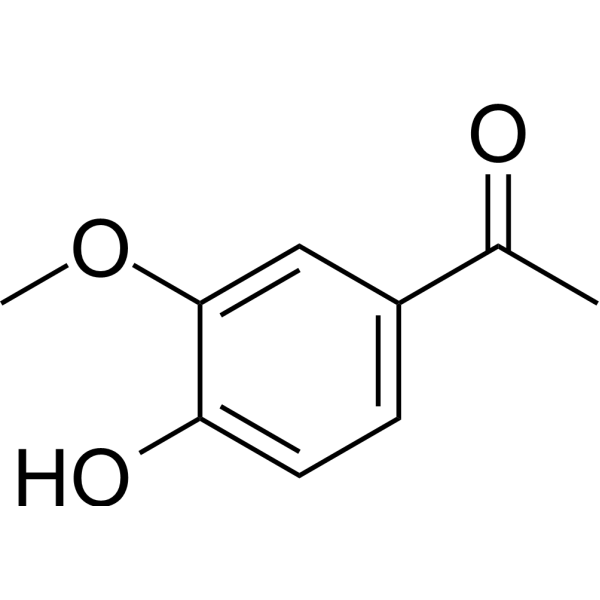
  • HY-N0088
    Apocynin
    Maximum Cited Publications
    30 Publications Verification

    Acetovanillone

    NADPH Oxidase Metabolic Disease Inflammation/Immunology
    Apocynin is a selective NADPH-oxidase inhibitor with an IC50 of 10 μM . Apocynin improves acute lung inflammation in Carrageenan (HY-125474)-induced pleurisy mice model . Apocynin can also be used for cancer research . Apocynin reverses the aging process in mesenchymal stem cells to promote osteogenesis and increases bone mass .
    Apocynin
  • HY-100111
    GLX351322
    45+ Cited Publications

    NADPH Oxidase Metabolic Disease
    GLX351322 is an inhibitor of NADPH oxidase 4 (Nox4), and inhibits hydrogen peroxide production from NOX4-overexpressing cells with an IC50 of 5 μM.
    GLX351322
  • HY-113449

    Endogenous Metabolite NADPH Oxidase Metabolic Disease
    Ubiquinone-1 is an intermediate in the synthesis of Coenzyme Q. Ubiquinone-1 can be reduced by NADPH oxidase, hepatoma cells, Ascorbic acid (HY-B0166) .
    Ubiquinone-1
  • HY-12805
    ML171
    15+ Cited Publications

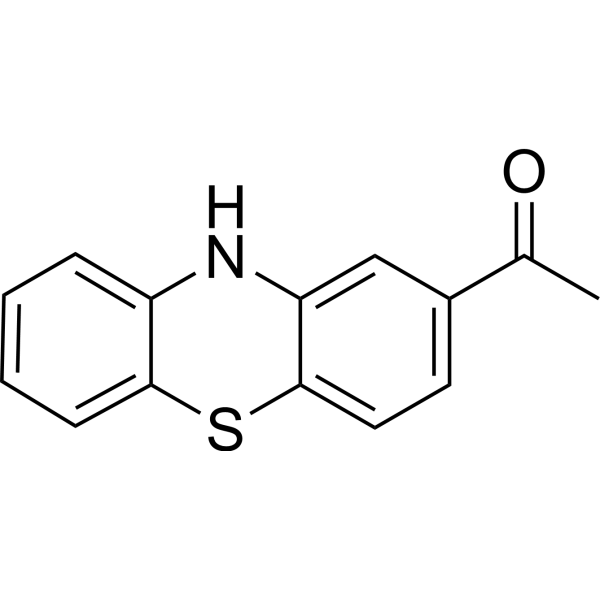
    2-Acetylphenothiazine; 2-APT

    NADPH Oxidase Cardiovascular Disease
    ML171 (2-Acetylphenothiazine;2-APT) is a potent and selective NADPH oxidase 1 (Nox1) inhibitor that blocks Nox1-dependent ROS generation, with an IC50 of 0.25 μM in HEK293-Nox1 confirmatory assay.
    ML171
  • HY-12804
    VAS2870
    15+ Cited Publications

    NADPH Oxidase Cardiovascular Disease
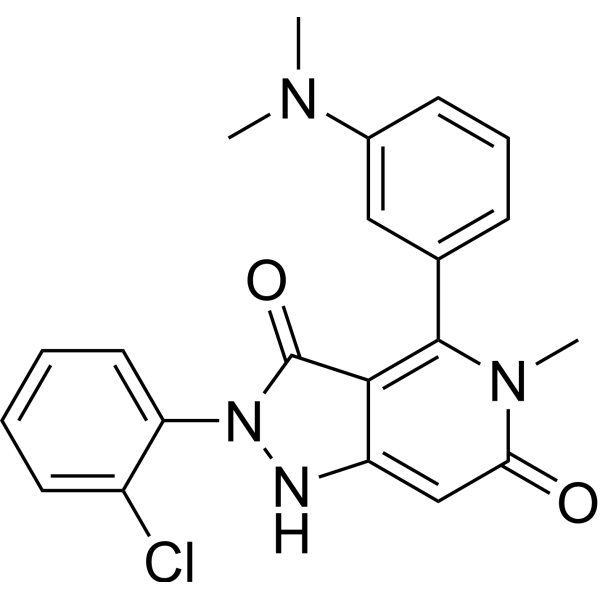
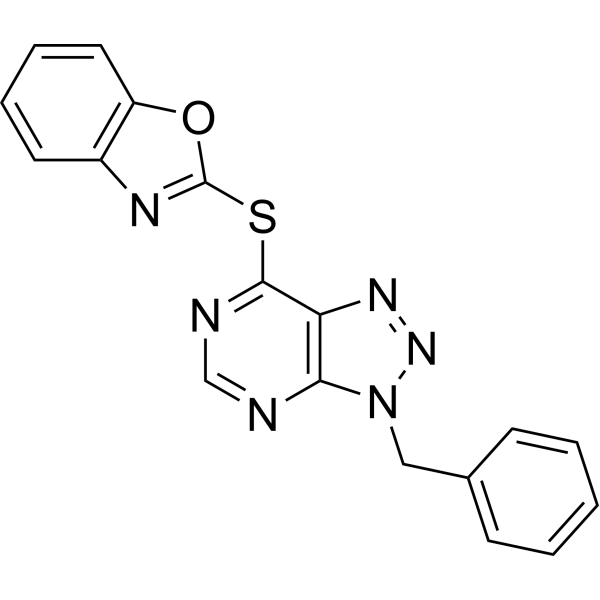
    VAS2870 is a NADPH oxidase (NOX) inhibitor.
    VAS2870
  • HY-125863

    G6PD

    Endogenous Metabolite Metabolic Disease Cancer
    Glucose-6-phosphate dehydrogenase, Microorganism (G6PD) is the rate-limiting enzyme of the pentose phosphate pathway. Glucose-6-phosphate dehydrogenase, Microorganism is a primary source of NADPH in antioxidant pathways, nitric oxide synthase, NADPH oxidase, cytochrome p450 systems, and others. Glucose-6-phosphate dehydrogenase, Microorganism is applicable in research related to diabetes, endothelial dysfunction, cancer, and cardiomyopathy .
    Glucose-6-phosphate dehydrogenase, Microorganism
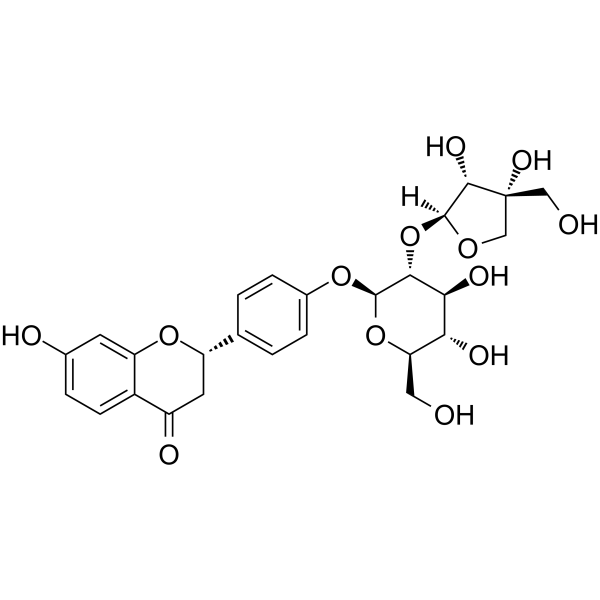
  • HY-N1471
    Liquiritin apioside
    1 Publications Verification

    Others Inflammation/Immunology
    Liquiritin apioside is an orally active inhibitor of TRPV1 receptor. Liquiritin apioside selectively inhibits laryngeal chemoreflex (LCR) and has no significant effect on mechanoreflex (LMR). Liquiritin apioside inhibits LCR by inhibiting reactive oxygen species (ROS) and NADPH oxidase, weakening the interaction between ROS and TRPV1. Liquiritin apioside can be used in the research of respiratory-related diseases .
    Liquiritin apioside
  • HY-128799
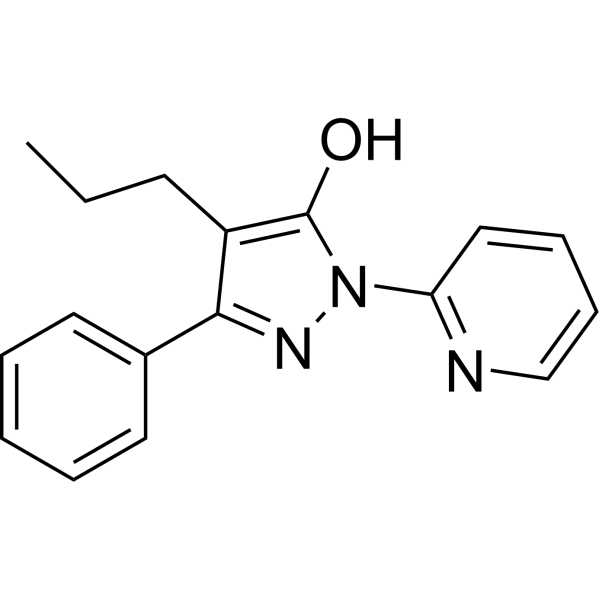
    CL097
    2 Publications Verification

    Toll-like Receptor (TLR) Reactive Oxygen Species (ROS) Inflammation/Immunology
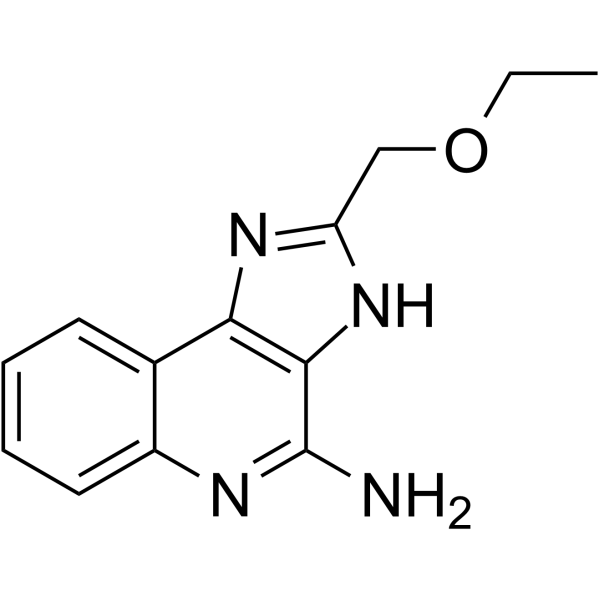
    CL097, a potent TLR7 and TLR8 agonist, induces pro-inflammatory cytokines in macrophages . CL097 induces NADPH oxidase priming, resulting in an increase of the fMLF-stimulated ROS production .
    CL097
  • HY-118315
    L-012
    2 Publications Verification

    Fluorescent Dye Inflammation/Immunology
    L-012 is a luminal-based chemiluminescent probe. L-012 sodium salt can detect NADPH oxidase (Nox)-derived superoxide and nitrogen species (reactive oxygen species (ROS) and reactive nitrogen species (RNS)) .
    L-012
  • HY-120801
    APX-115
    2 Publications Verification

    Ewha-18278

    NADPH Oxidase Metabolic Disease Inflammation/Immunology
    APX-115 (Ewha-18278) is a potent, orally active pan NADPH oxidase (Nox) inhibitor with Ki values of 1.08 μM, 0.57 μM, and 0.63 μM for Nox1, Nox2 and Nox4, respectively. APX-115 effectively prevents kidney injury .
    APX-115
  • HY-101499
    GKT136901
    4 Publications Verification

    NADPH Oxidase Neurological Disease Metabolic Disease Inflammation/Immunology
    GKT136901 is a potent, selective and orally active inhibitor of NADPH oxidase (NOX1/4), with Kis of 160 and 165 nM, respectively. GKT136901 is also a selective and direct scavenger of peroxynitrite. GKT136901 can be used for the research of diabetic nephropathy, stroke, and neurodegeneration. GKT136901 also has anti-inflammatory activity .
    GKT136901
  • HY-120801A
    APX-115 free base
    2 Publications Verification

    Ewha-18278 free base; Isuzinaxib free base

    NADPH Oxidase Inflammation/Immunology Endocrinology
    APX-115 free base (Ewha-18278 free base) is a potent, orally active pan NADPH oxidase (Nox) inhibitor with Ki values of 1.08 μM, 0.57 μM, and 0.63 μM for Nox1, Nox2 and Nox4, respectively. APX-115 free base effectively prevents kidney injury .
    APX-115 free base
  • HY-126213

    18:1 Lyso-PS

    NADPH Oxidase Interleukin Related Apoptosis Inflammation/Immunology
    Oleoyl-2-hydroxy-sn-glycero-3-phospho-L-serine sodium (18:1 Lyso-PS) is a modified PS product generated following NADPH oxidase activation and Lyso-PS signal transduction. 1-Oleoyl-2-hydroxy-sn-glycero-3-phospho-L-serine sodium signals through macrophage G2A to enhance the phagocytic uptake of PS-dependent apoptotic (apoptosis) neutrophils and PS-exposed activated neutrophils. 1-Oleoyl-2-hydroxy-sn-glycero-3-phospho-L-serine sodium enhances macrophage phagocytic uptake of apoptotic cells, carboxylate-modified microspheres, and PS-exposed non-apoptotic activated neutrophils. 1-Oleoyl-2-hydroxy-sn-glycero-3-phospho-L-serine sodium serves as an acyl acceptor substrate for the lysophosphatidyltransferase At1g78690p to generate diacylphosphatidylserine. 1-Oleoyl-2-hydroxy-sn-glycero-3-phospho-L-serine sodium reduces the secretion of IL-8 and decreases the proportion of viable colon cancer cells. 1-Oleoyl-2-hydroxy-sn-glycero-3-phospho-L-serine sodium is applicable to studies on peritonitis and inflammatory bowel disease .
    1-Oleoyl-2-hydroxy-sn-glycero-3-phospho-L-serine sodium
  • HY-W015422

    PARP Metabolic Disease
    1,5-Isoquinolinediol is a potent PARP inhibitor, with an IC50 of 0.18-0.37 μM. 1,5-Isoquinolinediol attenuates diabetes-induced NADPH oxidase-derived oxidative stress in retina .
    1,5-Isoquinolinediol
  • HY-P5381
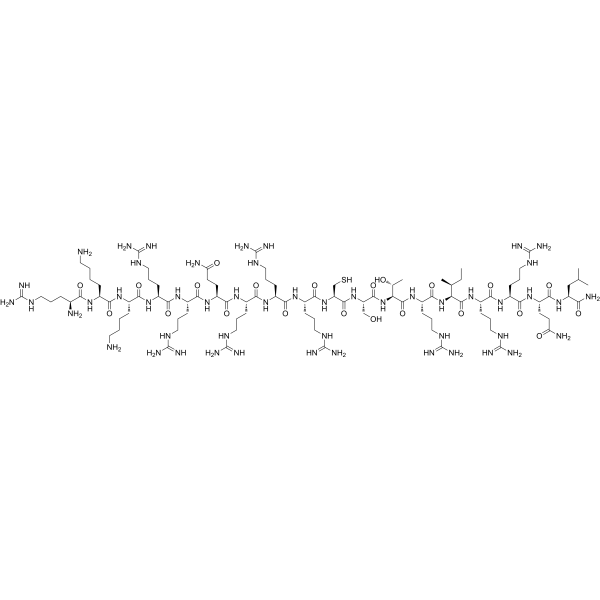
    gp91 ds-tat
    1 Publications Verification

    NADPH Oxidase Ferroptosis Reactive Oxygen Species (ROS) Glutathione Peroxidase TRP Channel Cardiovascular Disease Neurological Disease Inflammation/Immunology
    gp91 ds-tat, a biological active peptide, is a NADPH oxidase 2 (Nox2) inhibitor. gp91 ds-tat blocks NADPH oxidase-dependent superoxide production. gp91 ds-tat ameliorates high glucose-induced increase in total ROS, LPOs and iron levels. gp91 ds-tat inhibits homocysteine (Hcy)-induced activation of NLRP3 inflammasomes and restores Hcy-inhibited lysosomal TRPML1 channel activity. gp91 ds-tat improves cerebrovascular and cognitive function in APP/PS1 mice. gp91 ds-tat can be used for the study of Alzheimer’s disease (AD), glomerular inflammation and cardiovascular disease .
    gp91 ds-tat
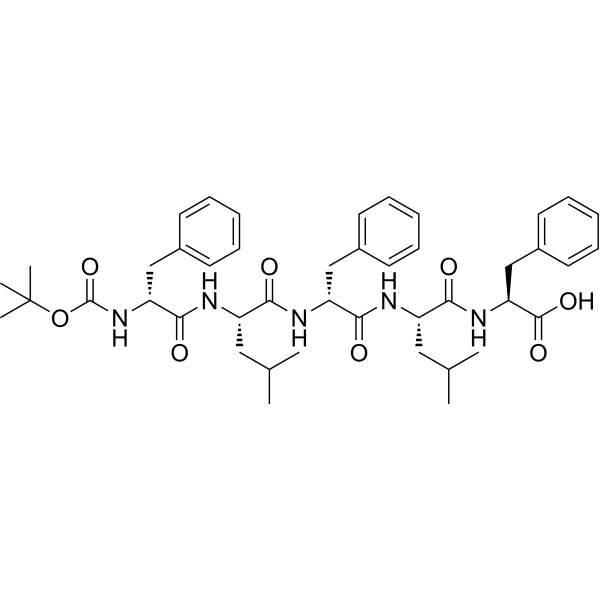
  • HY-P1795
    Boc-dPhe-Leu-dPhe-Leu-Phe
    2 Publications Verification

    Formyl Peptide Receptor (FPR) Inflammation/Immunology
    Boc-dPhe-Leu-dPhe-Leu-Phe (Boc-fLfLF) is a selective N-formyl peptide receptor1 (FPR1) antagonist. Boc-dPhe-Leu-dPhe-Leu-Phe inhibits fMIFL(HY-P0224)-induced NADPH oxidase activity. Boc-dPhe-Leu-dPhe-Leu-Phe can be used for the study of inflammation .
    Boc-dPhe-Leu-dPhe-Leu-Phe
  • HY-152026

    NADPH Oxidase Neurological Disease
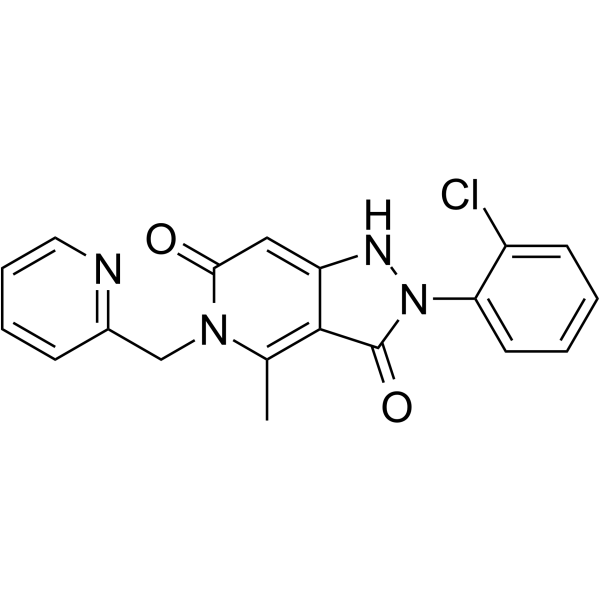
    NADPH oxidase-IN-1 is an orally active NADPH oxidase (Nox) inhibitor, related with neuronal inflammation. NADPH oxidase-IN-1 can cross the blood-brain barrier (BBB), inhibits Nox2 and Nox4 with IC50s of 1.9 μM and 2.47 μM, respectively. NADPH oxidase-IN-1 suppresses pro-inflammatory cytokines production and LPS-mediated microglial migration, also has in vivo efficacy .
    NADPH oxidase-IN-1
  • HY-107586

    DAQ B1; L-783281; Dimethylasterriquinone

    Insulin Receptor Akt NO Synthase NADPH Oxidase JAK STAT FOXO DNA/RNA Synthesis ERK Flavivirus Cardiovascular Disease Infection Metabolic Disease Inflammation/Immunology
    Demethylasterriquinone B1 (DAQ B1; L-783281) is an orally active insulin receptor (insulin receptor) agonist and AKT activator. By activating AKT, Demethylasterriquinone B1 upregulates the expression and activity of eNOS to increase NO production, while downregulating the expression of the NADPH oxidase subunit p22phox to reduce oxidative stress and improve vascular endothelial dysfunction in hypertensive rats. Demethylasterriquinone B1 combind with an AKT inhibitor targets the insulin signaling pathway to activate two antiviral pathways, RNA interference and JAK/STAT, in mosquitoes, thereby reducing Zika virus infection .
    Demethylasterriquinone B1
  • HY-126195

    ML-090

    NADPH Oxidase Neurological Disease
    Fluoflavine (ML-090) is a selective NOX1 inhibitor and reactive oxygen species inhibitor. Fluoflavine reduces reactive oxygen species production, NOX1-mediated downstream signaling events, and oxygen-glucose deprivation-induced retinal ganglion cell death. Fluoflavine inhibits NADPH oxidase activity and pathological retinal neovascularization induced by oxygen-induced retinopathy in the retinas of ischemic mice. Fluoflavine can be used in studies related to retinal ischemia-reperfusion injury and proliferative retinopathy .
    Fluoflavine
  • HY-119576
    Phox-I2
    1 Publications Verification

    NADPH Oxidase Reactive Oxygen Species (ROS) Inflammation/Immunology
    Phox-I2 is a selective inhibitor of p67 phox-Rac1 interaction, binds to p67 phox with high affinity with a Kd of ~150 nM. Phox-I2 is a NADPH oxidase 2 (NOX2) inhibitor and inhibits reactive oxygen species (ROS) production .
    Phox-I2
  • HY-P1435

    NADPH Oxidase Cardiovascular Disease Cancer
    NoxA1ds is a potent and highly selective NADPH oxidase 1 (NOX1) inhibitor (IC50=20 nM). NoxA1ds inhibits NOX1-derived O 2- production in HT-29 human colon cancer cells. NoxA1ds attenuates VEGF-induced human pulmonary artery endothelial cell migration under hypoxic conditions in vitro. NoxA1ds can be used in the study of hypertension, atherosclerosis and tumors .
    NoxA1ds
  • HY-P1118

    Formyl Peptide Receptor (FPR) Inflammation/Immunology
    Ac9-25, a N-terminal peptide of Annexin I, acts as a formyl peptide receptor (FPR) agonist and activates the neutrophil NADPH oxidase through FPR .
    Ac9-25
  • HY-128799A
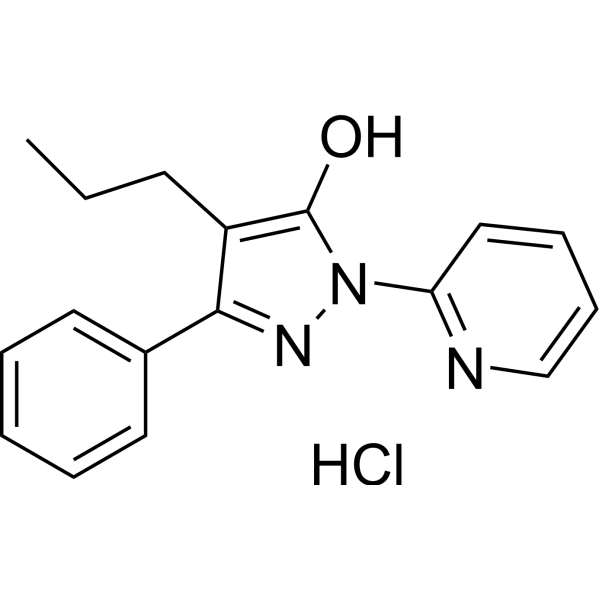
    CL097 hydrochloride
    2 Publications Verification

    Toll-like Receptor (TLR) Reactive Oxygen Species (ROS) Inflammation/Immunology
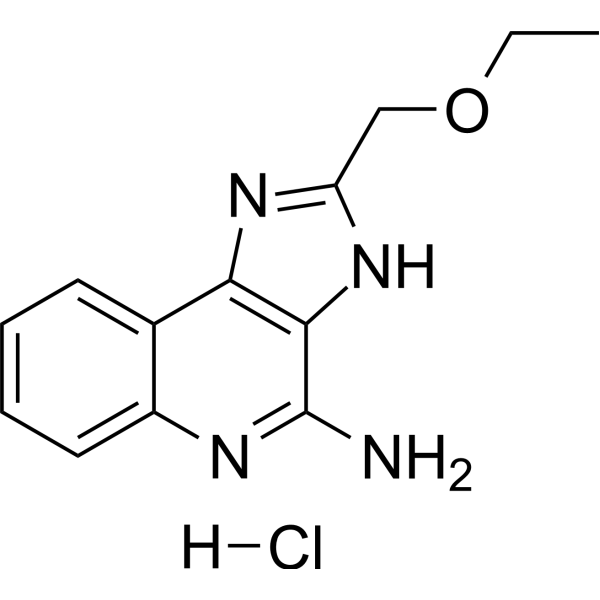
    CL097, a potent TLR7 and TLR8 agonist, induces pro-inflammatory cytokines in macrophages . CL097 induces NADPH oxidase priming, resulting in an increase of the fMLF-stimulated ROS production .
    CL097 hydrochloride
  • HY-111447

    NADPH Oxidase Apoptosis Cardiovascular Disease Cancer
    VAS 3947, a specific NADPH oxidase (NOX) inhibitor, exerts a potent antiplatelet effect. VAS3947 induces apoptosis independently of anti-NOX activity, via UPR activation, mainly due to aggregation and misfolding of proteins .
    VAS 3947
  • HY-P1121A

    Formyl Peptide Receptor (FPR) Inflammation/Immunology
    WKYMVM-NH2 TFA is a potent N-formyl peptide receptor (FPR1) and FPRL1/2 agonist, also activates several leukocyte effector functions such as chemotaxis, mobilization of complement receptor-3, and activation of the NADPH oxidase .
    WKYMVM-NH2 TFA
  • HY-101499A
    GKT136901 hydrochloride
    4 Publications Verification

    NADPH Oxidase Neurological Disease Metabolic Disease
    GKT136901 hydrochloride is a potent, selective and orally active inhibitor of NADPH oxidase (NOX1/4), with Kis of 160 and 165 nM, respectively. GKT136901 hydrochloride is also a selective and direct scavenger of peroxynitrite. GKT136901 hydrochloride can be used for the research of diabetic nephropathy, stroke, and neurodegeneration. GKT136901 hydrochloride also has anti-inflammatory activity .
    GKT136901 hydrochloride
  • HY-N0088S

    Acetovanillone-d3

    Apoptosis Autophagy Cancer
    Apocynin-d3 is the deuterium labeled Apocynin . Apocynin is a selective NADPH-oxidase inhibitor with an IC50 of 10 μM .
    Apocynin-d3
  • HY-125863B

    G6PD (yeast, recombinant)

    Endogenous Metabolite Cardiovascular Disease Metabolic Disease Cancer
    Glucose 6-phosphate dehydrogenase (yeast, recombinant) is the rate-limiting enzyme of the pentose phosphate pathway and a major source of NADPH in antioxidant pathways, nitric oxide synthase, NADPH oxidase, and cytochrome P450 systems. Glucose 6-phosphate dehydrogenase helps cells resist oxidative stress and regulates metabolic rates. It holds potential for research in fields such as diabetes, endothelial dysfunction, cancer, and cardiomyopathy .
    Glucose 6-phosphate dehydrogenase (yeast, recombinant)
  • HY-121097

    Dehydrodiacetovanillone

    NADPH Oxidase Neurological Disease Inflammation/Immunology
    Diapocynin (Dehydrodiacetovanillone), a dimeric derivative of Apocynin, is an orally active NADPH oxidase inhibitor. Diapocynin has anti-inflammatory, neuroprotection and antioxidant activities .
    Diapocynin
  • HY-130579

    L-VNIO hydrochloride

    NO Synthase NADPH Oxidase Cardiovascular Disease Neurological Disease
    Vinyl-L-NIO (L-VNIO) hydrochloride is a neuronal nitric oxide synthase (NOS) inhibitor with a rat Ki of 0.10 μM. Vinyl-L-NIO hydrochloride inhibits NADPH oxidase activity, attenuates renal fibrosis, inflammation, oxidative stress indices, and albuminuria. Vinyl-L-NIO hydrochloride can be used for the research of parkinson's disease, migraine headache, and hypertension .
    Vinyl-L-NIO hydrochloride
  • HY-B0203B

    (Rac)-R 065824

    Adrenergic Receptor NADPH Oxidase Cardiovascular Disease
    (Rac)-Nebivolol ((Rac)-R 065824) is a racemic isomer of Nebivolol. Nebivolol is a selective β1-adrenergic receptor antagonist with an IC50 value of 0.8 nM. Nebivolol can prevent up-regulation of Nox2/NADPH oxidase and lipoperoxidation in the early stages of ethanol-induced cardiac toxicity. Vasodilatory activity .
    (Rac)-Nebivolol
  • HY-12805R

    2-Acetylphenothiazine (Standard); 2-APT (Standard)

    NADPH Oxidase Reference Standards Cardiovascular Disease
    ML171 (Standard) is the analytical standard of ML171. This product is intended for research and analytical applications. ML171 (2-Acetylphenothiazine;2-APT) is a potent and selective NADPH oxidase 1 (Nox1) inhibitor that blocks Nox1-dependent ROS generation, with an IC50 of 0.25 μM in HEK293-Nox1 confirmatory assay.
    ML171 (Standard)
  • HY-174817

    NADPH Oxidase Reactive Oxygen Species (ROS) Cardiovascular Disease Neurological Disease Cancer
    NOX5-IN-1 (Compound 13) is a selective NADPH oxidase 5 (NOX5) inhibitor with an IC50s of 0.30  μM. NOX5-IN-1 significantly inhibits NOX5-dependent production of ROS in freestyle293 cells (EC50: 0.86  μM). NOX5-IN-1 can be used for NOXs related diseases research, such as cardiovascular, cancer and neuroinflammation .
    NOX5-IN-1
  • HY-12298R

    GKT137831 (Standard); GKT831 (Standard)

    NADPH Oxidase Ferroptosis Reference Standards Cardiovascular Disease
    Setanaxib (Standard) is the analytical standard of Setanaxib. This product is intended for research and analytical applications. Setanaxib (GKT137831) is a selective NADPH oxidase (NOX1/4) inhibitor with Kis of 140 and 110 nM, respectively.
    Setanaxib (Standard)
  • HY-174818

    NADPH Oxidase Reactive Oxygen Species (ROS) Cardiovascular Disease Neurological Disease Cancer
    NOX5-IN-2 (Compound 17) is a selective NADPH oxidase 5 (NOX5) inhibitor with an IC50s of 0.70  μM. NOX5-IN-2 significantly inhibits NOX5-dependent production of ROS in freestyle293 cells (EC50: 1.8  μM). NOX5-IN-2 can be used for NOXs related diseases research, such as cardiovascular, cancer and neuroinflammation .
    NOX5-IN-2
  • HY-114809

    Reactive Oxygen Species (ROS) NADPH Oxidase Inflammation/Immunology Cancer
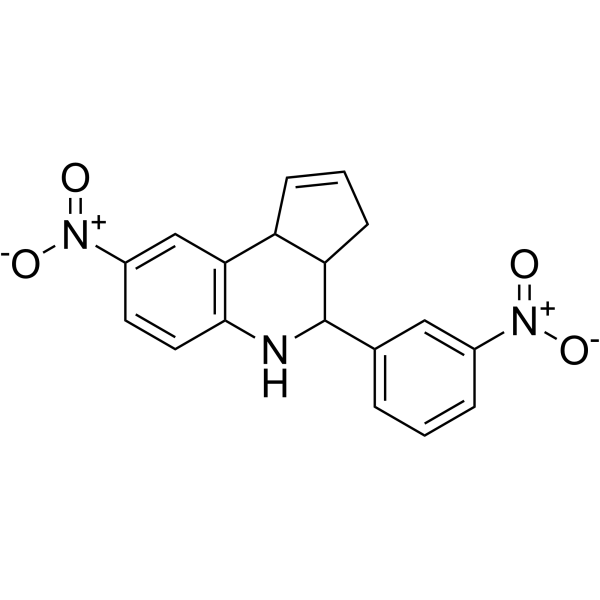
    AL-1 is a potent O2 - generation inhibitor (IC50 = 7.6 μM) through the inhibition of leukocytic NADPH oxidase. AL-1 inhibits 12-O-Tetradecanoylphorbol-13-acetate (TPA)-induced H2O2 production. AL-1 reduces tumor incidence in ICR mouse skin. AL-1 can be used for research on oxidative stress-related diseases including cancer .
    AL-1
  • HY-148936

    NADPH Oxidase Reactive Oxygen Species (ROS) Cardiovascular Disease Metabolic Disease Inflammation/Immunology
    GLX481372 is a NADPH Oxidase (NOX) inhibitor. GLX481372 potently inhibits NOX4/5 activities with IC50 values of 0.68 and 0.57 μM. GLX481372 also has weak inhibitory activity against NOX1, NOX2, and NOX3, with IC50 values of 7, 16 and 3.2 μM respectively. GLX481372 can inhibit ROS production. GLX481372 can be used for the researches of inflammation, cardiovascular and metabolic disease, such as diabetes .
    GLX481372
  • HY-106981

    OR 1384

    NADPH Oxidase Reactive Oxygen Species (ROS) Apoptosis NF-κB NO Synthase STAT Inflammation/Immunology
    Orazipone (OR 1384) is a small molecule immunomodulator with strong anti-inflammatory properties. Orazipone exerts its immunomodulatory effect by forming reversible thiol complexes, which bind to intracellular signaling proteins and the thiol groups of glutathione. Orazipone exhibits potent anti-eosinophilic activity by inducing apoptosis. Orazipone inhibits activation of inflammatory transcription factors NF-kB and STAT 1 and decreases inducible iNOS expression and NO production in response to inflammatory stimuli. Orazipone reduces NADPH oxidase activity and thereby decreases ROS production. Orazipone has a protective effect in intestinal radiation injury .
    Orazipone
  • HY-N16527

    TNF Receptor Interleukin Related NADPH Oxidase Reactive Oxygen Species (ROS) NF-κB COX NO Synthase JNK AP-1 TGF-β Receptor Metabolic Disease
    7-O-Galloyl-D-sedoheptulose is an orally effective polyphenolic compound. 7-O-Galloyl-D-sedoheptulose lowers the serum levels of glucose, leptin, insulin, C-peptide, resistin, TNF-α, IL-6, and increases the serum level of adiponectin. 7-O-Galloyl-D-sedoheptulose significantly reduces the levels of ROS and lipid peroxidation products (TBARS) by down-regulating the protein expression of NADPH oxidase subunit Nox-4 and p22phox. 7-O-Galloyl-D-sedoheptulose down-regulates NF-κB and related pro-inflammatory factors (COX-2, iNOS), inhibits the phosphorylation of JNK and the activity of its downstream AP-1. 7-O-Galloyl-D-sedoheptulose reduces the expression of TGF-β1 and fibronectin, indicating its potential in anti-tissue fibrosis. 7-O-Galloyl-D-sedoheptulose can be used for the study of type 2 diabetes and its hepatic and pancreatic complications .
    7-O-Galloyl-D-sedoheptulose
  • HY-N0088R

    Acetovanillone (Standard)

    Reference Standards NADPH Oxidase Metabolic Disease Inflammation/Immunology
    Apocynin (Standard) is the analytical standard of Apocynin. This product is intended for research and analytical applications. Apocynin is a selective NADPH-oxidase inhibitor with an IC50 of 10 μM . Apocynin improves acute lung inflammation in Carrageenan (HY-125474)-induced pleurisy mice model . Apocynin can also be used for cancer research . Apocynin reverses the aging process in mesenchymal stem cells to promote osteogenesis and increases bone mass .
    Apocynin (Standard)
  • HY-P1118A

    Formyl Peptide Receptor (FPR) Inflammation/Immunology
    Ac9-25 TFA, a N-terminal peptide of Annexin I, acts as a formyl peptide receptor (FPR) agonist and activates the neutrophil NADPH oxidase through FPR .
    Ac9-25 TFA
  • HY-12804R

    NADPH Oxidase Cardiovascular Disease
    VAS2870 (Standard) is the analytical standard of VAS2870. This product is intended for research and analytical applications. VAS2870 is a NADPH oxidase (NOX) inhibitor.
    VAS2870 (Standard)
  • HY-P1908

    NADPH Oxidase Cardiovascular Disease Cancer
    sgp91 ds-tat Peptide 2, scrambled is a scrambled sequence of NADPH oxidase inhibitor gp91 ds-tat peptide .
    sgp91 ds-tat Peptide 2, scrambled
  • HY-N2641

    4'-O-Methyldihydroquercetin; Blumeatin A

    NADPH Oxidase Others
    Dihydrotamarixetin (4'-O-Methyldihydroquercetin; Blumeatin A) is a flavonoid with a saturated 2,3-bond and a non-catechol B ring. Dihydrotamarixetin acts as an inhibitor of NADPH Oxidase .
    Dihydrotamarixetin
  • HY-120896B

    Reactive Oxygen Species (ROS) Cancer
    Imipramine Blue chloride is a potent anti-invasive agent. Imipramine Blue chloride inhibits the invasion of glioma. Imipramine Blue chloride inhibits NADPH oxidase-mediated reactive oxygen species generation .
    Imipramine Blue chloride

Inquiry Online

Your information is safe with us. * Required Fields.

Salutation


Country or Region *

Applicant Name *


Organization Name *

Department *


Email Address *


Product Name *

Cat. No.


Requested quantity *

Phone Number *


Remarks

Inquiry Online

Inquiry Information

Product Name:
Cat. No.:
Quantity:
MCE Japan Authorized Agent:

