



75 Results for "

Phagocytosis Inhibitors

" in MedChemExpress (MCE) Product Catalog:
Products (75)

75 Results for "Phagocytosis Inhibitors" in MCE Product Catalog:

7
7 Publications Verification
Cat. No.: HY-16307
CAS No.: 261365-11-1
Target:  

FBPase

Research Areas:  

Metabolic Disease Cancer

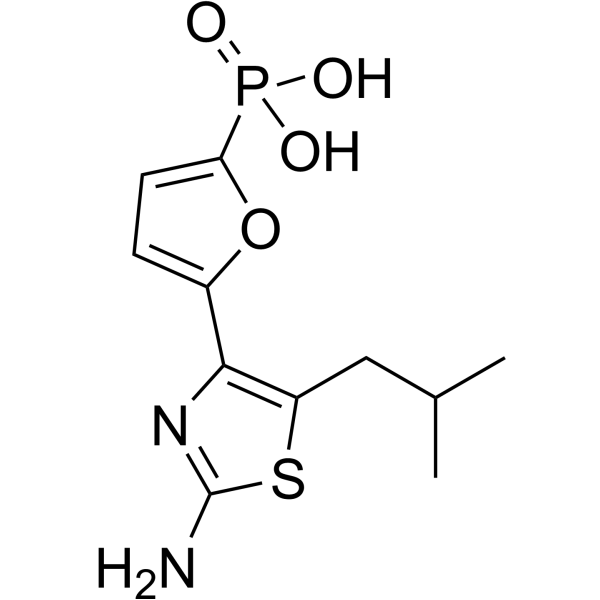
MB05032 is a fructose-1,6-bisphosphatase (FBP1/FBPase) inhibitor with an IC50 value of 16 nM. MB05032 blocks FBP1-mediated glycolysis inhibition in NK cells, restores NK cell glucose uptake, lactate production, degranulation, perforin production, and cytotoxicity against gastric cancer cells. MB05032 elevates ATP/ADP ratios, increases glucose utilization, and enhances insulin secretion in pancreatic β-cells. MB05032 increases neutrophil adhesion, phagocytosis, and mRNA abundance of HKII, ITGA9, CD36 in subclinically hypocalcemic dairy cows. MB05032 inhibits gluconeogenesis in hepatocytes, acts as the active metabolite of prodrug Managlinat dialanetil (MB06322) (HY-14955). MB05032 can be used for the research of gastric cancer, type 2 diabetes, subclinical hypocalcemia, and insulin resistance .
loading...
    loading...
5
5 Cited Publications
Cat. No.: HY-15322
CAS No.: 1370261-96-3
Purity:  99.38%
Synonyms: P505-15; PRT-2607; BIIB-057
Target:  

Syk Apoptosis Caspase

Research Areas:  

Inflammation/Immunology Cancer

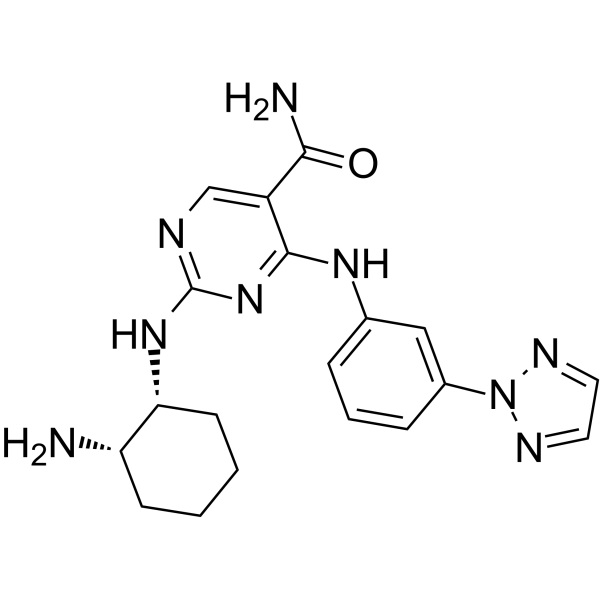
PRT062607 (P505-15; PRT-2607) is an orally active ATP-competitive Syk inhibitor with an IC50 value of 1 nM, and exhibits at least 80-fold selectivity over other kinases. PRT062607 blocks B cell antigen receptor-mediated activation, Fcε receptor 1-mediated basophil degranulation and microglial phagocytosis, and induces caspase-dependent apoptosis and microglial death. PRT062607 inhibits tumor growth and peripheral nerve injury-induced mechanical allodynia, and prevents neuronal loss. PRT062607 can be used in research related to rheumatoid arthritis, chronic lymphocytic leukemia, non-Hodgkin's lymphoma, neurodegenerative diseases and neuropathic pain .
loading...
    loading...
3
3 Cited Publications
Cat. No.: HY-124410
CAS No.: 845959-55-9
Purity:  98.00%
Mitoquinol is an orally active mitochondria-targeted antioxidant. Mitoquinol can regulate mitochondrial respiration and oxidation. Mitoquinol inhibits ROS production, and improves phagocytosis and glycolysis in ethanol-exposed macrophages via the HIF-1α-PFKP axis. Additionally, Mitoquinol can partially alleviate heat stress-induced decreases in growth performance, inflammatory responses, and metabolic disorders in pigs .
loading...
    loading...
2
2 Cited Publications
Cat. No.: HY-A0183
CAS No.: 1446756-47-3
Synonyms: Phospholipids, phosphatidylserines; Serine glycerophosphatides
Category:  

Animals

Target:  

Akt TGF-β Receptor

Phosphatidylserine (Phospholipids) is a well-conserved anti-inflammatory and immunosuppressive signal. Phosphatidylserine is involved in membrane translocation and the activation of protein kinase C, participating in Akt signaling through its interaction with PIP3. The local exposure of Phosphatidylserine can interact with complement and other proteins, promoting microglial phagocytosis during critical periods of synaptic refinement. Phosphatidylserine can promote blood coagulation in the extracellular environment and acts as a "eat me" signal to clear out apoptotic cells. Phosphatidylserine can suppress inflammation in tissues by inducing TGF-β secretion and inhibiting immune responses .
loading...
    loading...
2
2 Cited Publications
Cat. No.: HY-N6727
CAS No.: 67-99-2
Synonyms: Aspergillin
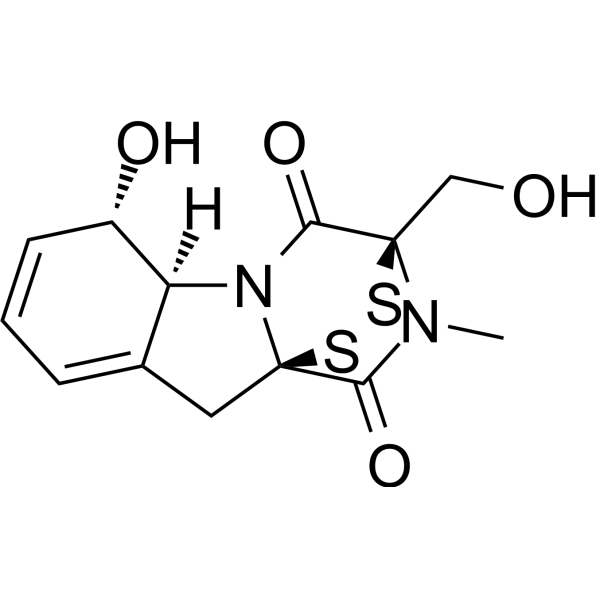
Gliotoxin is a secondary metabolite, the most abundant mycotoxin secreted by A. fumigatus, inhibits the phagocytosis of macrophages and the immune functions of other immune cells . Gliotoxin inhibits inducible NF-κB activity by preventing IκB degradation, which consequently induces host-cell apoptosis . Gliotoxin activates PKA and increases intracellular cAMP concentration; modulates actin cytoskeleton rearrangement to facilitate A. fumigatus internalization into lung epithelial cells . Gliotoxin is a potent NOTCH2 transactivation inhibitor, can effectively induce apoptosis of chronic lymphocytic leukemia (CLL) cells .
loading...
    loading...
2
2 Cited Publications
Cat. No.: HY-157131
CAS No.: 2242724-49-6
Purity:  99.84%
Target:  

TRP Channel

Research Areas:  

Neurological Disease

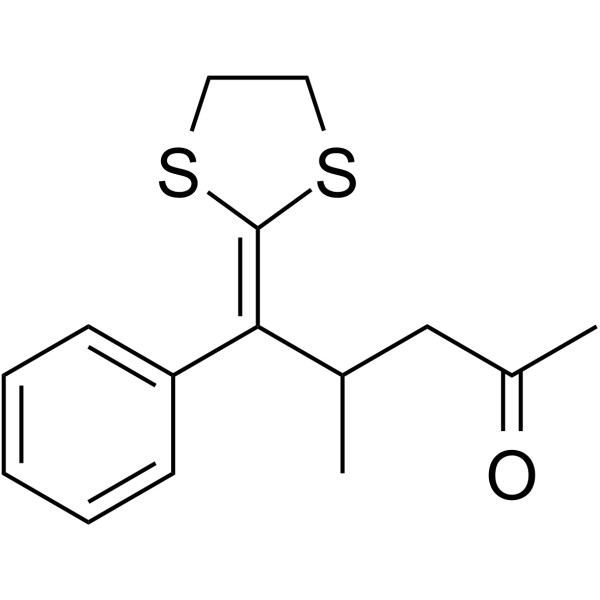
TRPV2-selective blocker 1 is a TRPV2-selective blocker that inhibits calcium influx and ionic currents. TRPV2-selective blocker 1 exhibits an IC50 of 6.3 μM against rat TRPV2, and shows no activity against TRPV1, TRPV3 or TRPV4 channels. TRPV2-selective blocker 1 attenuates macrophage phagocytosis, LPS-induced macrophage migration, and calcium microdomains generated by peripheral TRPV2. TRPV2-selective blocker 1 is non-cytotoxic and can be used to investigate the function of TRPV2 during immune processes .
loading...
    loading...
1
1 Cited Publications
Cat. No.: HY-P9976
CAS No.: 1461640-62-9
Synonyms: ch38SB19; hu38SB19; SAR-650984

Target:  

CD38 Apoptosis

Research Areas:  

Cancer

Isatuximab is a monoclonal antibody targeting the transmembrane receptor and ectoenzyme CD38, a protein highly expressed on hematological malignant cells, including those in multiple myeloma (MM). Isatuximab has antitumor activity via multiple biological mechanisms, including antibody-dependent cellular-mediated cytotoxicity, complement-dependent cytotoxicity, antibody-dependent cellular phagocytosis, and direct induction of apoptosis without crosslinking. Isatuximab also directly inhibits CD38 ectoenzyme activity, which is implicated in many cellular functions .
loading...
    loading...
1
1 Cited Publications
Cat. No.: HY-P99014
CAS No.: 1864871-20-4
Synonyms: ARGX-110

Research Areas:  

Inflammation/Immunology Cancer

Cusatuzumab (ARGX-110) is a selective competitive blocker targeting CD70 (with an equilibrium dissociation constant of 17 pM for binding to human CD70). Cusatuzumab also possesses enhanced antibody-dependent cell-mediated cytotoxicity (ADCC) activity. It is a humanized IgG1 monoclonal antibody, artificially synthesized through humanization and genetic engineering modifications (CH2 region mutation to enhance effector function). Cusatuzumab has a dual mechanism of action: firstly, it competitively blocks the interaction between CD70 and CD27, inhibiting the CD27-NF-κB signaling pathway, reducing regulatory T cell (Treg) activation and tumor cell proliferation; secondly, by enhancing binding to FcγRIIIa, it mediates ADCC and antibody-dependent cellular phagocytosis (ADCP), directly lysing CD70-positive tumor cells. Cusatuzumab can efficiently eliminate leukemia stem cells (LSCs), induce tumor cell differentiation and apoptosis, restore immune surveillance, and target CD70-positive tumors. Cusatuzumab is used in the study of acute myeloid leukemia (AML) .
loading...
    loading...
1
1 Cited Publications
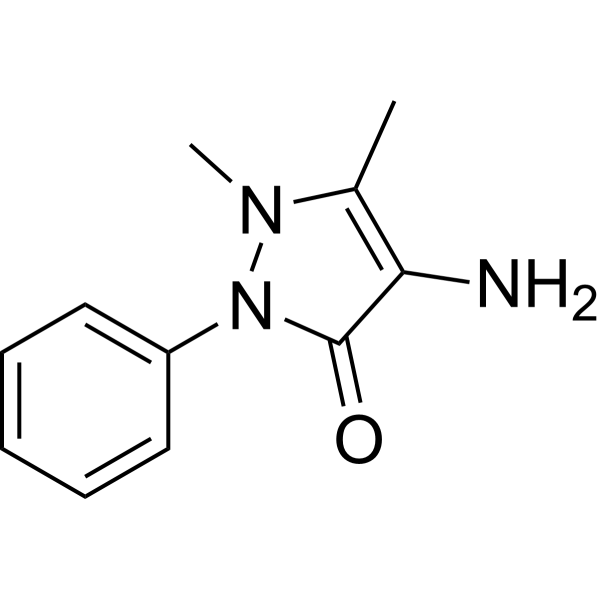
Cat. No.: HY-B1398
CAS No.: 83-07-8
Synonyms: 4-Aminophenazone
Ampyrone (4-Aminophenazone; 4-Aminoantipyrine) is a reversible and low-damage optical clearing agent and non-selective COX inhibitor based on UV absorption properties. Ampyrone can improve the optical transmittance of mouse skin and other tissues. Ampyrone can induce tissue refractive index matching by enhancing UV absorption, reduce light scattering, and achieve tissue transparency in vivo. Ampyrone reduces the synthesis of prostaglandin PGE2, thereby exerting anti-inflammatory, analgesic and antipyretic effects. Ampyrone inhibits DNA damage, cell apoptosis and immune cell phagocytosis induced by Doxorubicin (HY-15142A) and Cisplatin (HY-17394), etc., and participates in the regulation of toxicity in tumor chemotherapy .
loading...
    loading...
1
1 Cited Publications
Cat. No.: HY-P99777
CAS No.: 2131089-46-6
Synonyms: TTI-621

Target:  

CD47

Research Areas:  

Cancer

Ontorpacept (TTI-621) is a soluble fusion protein that consists of the human SIRPα N-terminal (1-118) linked to the Fc region of human IgG1. The N-terminal (1-118)-fragment of ontorpacept is a binding domain for CD47 which is an inhibitor of phagocytosis by macrophages. Ontorpacept is a CD47-blocking checkpoint inhibitor with antitumor activity .
loading...
    loading...
1
1 Cited Publications
Cat. No.: HY-P9976A
CAS No.: 1461640-62-9

Target:  

CD38 Apoptosis

Research Areas:  

Cancer

Isatuximab (anti-CD38) is a monoclonal antibody that targets the transmembrane receptor and extracellular enzyme CD38, a protein highly expressed in hematological malignancies, including multiple myeloma. Isatuximab (anti-CD38) exhibits anti-tumor activity through multiple biological mechanisms, including antibody-dependent cell-mediated cytotoxicity, complement-dependent cytotoxicity, antibody-dependent cell phagocytosis, and non-crosslinking direct induction of apoptosis. Isatuximab (anti-CD38) also directly inhibits the extracellular enzyme activity of CD38, which is related to many cellular functions .
loading...
    loading...
1
1 Cited Publications
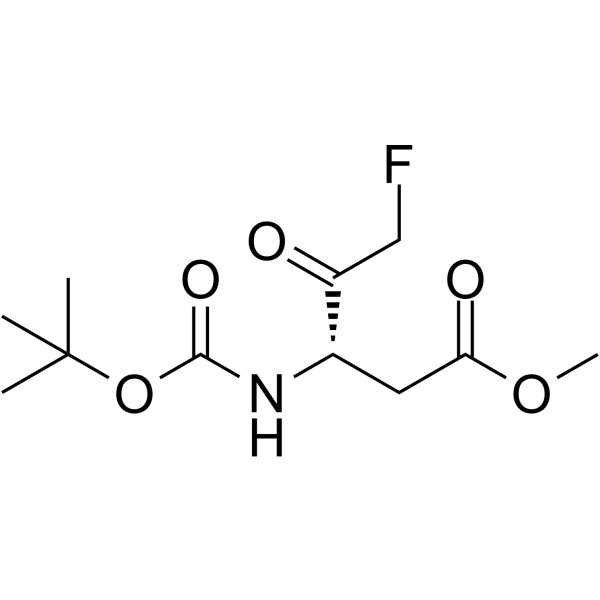
Cat. No.: HY-103348
CAS No.: 187389-53-3
Purity:  ≥98.0%
Synonyms: Boc-Asp(OMe)-FMK
Target:  

Caspase

Research Areas:  

Inflammation/Immunology

Boc-Asp(OME)-Fluoromethyl Ketone is a broad range caspase inhibitor that inhibits Fas-mediated phagocytosis and oxidative rupture inhibition, but does not affect the chemotactic activity of IL-8 .
loading...
    loading...
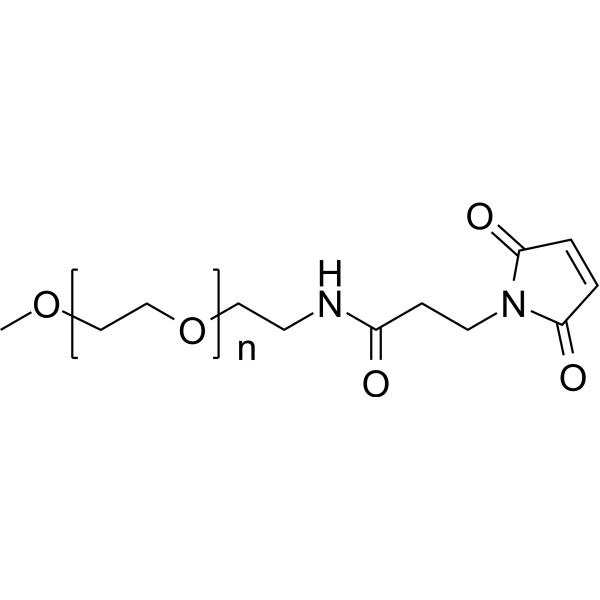
Cat. No.: HY-W020780
CAS No.: 724722-89-8
Synonyms: mPEG5000-Maleimide
mPEG5000-Mal (mPEG5000-Maleimide) is a PEG-derived selective covalent binding agent for sulfhydryl groups (RSGs), which can form irreversible thioether bonds with sulfhydryl groups under near-neutral conditions via the maleimide group. The mechanism of action of mPEG5000-Mal can be divided into two categories: firstly, as an enzyme modifier, it binds to target proteins through hydrophobic interactions, hydrogen bonds, and van der Waals forces, altering the protein's secondary structure; secondly, as a nanoparticle surface modifier, it covalently binds to sulfhydryl groups on the surface of red blood cells, changing the surface properties and morphology of the red blood cells, leading to their phagocytosis by macrophages of the reticuloendothelial system. mPEG5000-Mal can react with free cysteine in proteins, increasing the apparent molecular weight of the modified protein by 10-15 kDa for detection purposes. mPEG5000-Mal can enhance the thermal stability and catalytic activity of enzymes, and improve the macrophage targeting of nanoparticles, enabling targeted drug delivery. mPEG5000-Mal can be applied in enzyme engineering research in the food industry and in oncology, assisting radiotherapy by inhibiting tumor-associated macrophage infiltration and enhancing anti-tumor immune responses .
loading...
    loading...
Cat. No.: HY-106381
CAS No.: 12244-57-4
Purity:  ≥98.0%
Target:  

PKC NF-κB TrxR

Research Areas:  

Inflammation/Immunology Cancer

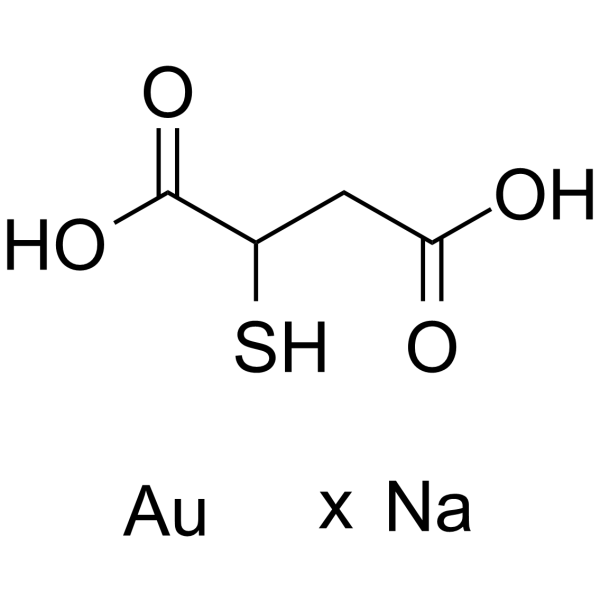
Aurothiomalate sodium acts as an inhibitor of PKCI and TrxR1. Aurothiomalate sodium disrupts the PKCI-Par6-Rac1 signaling pathway, and also inhibits TrxR1 activity, TNFα-induced NF-κB activation, and the expression of pro-inflammatory genes. Aurothiomalate sodium blocks Kras-mediated BASC expansion and lung tumor growth, inhibits anchorage-independent growth and tumorigenicity of lung cancer cells, and suppresses neutrophil chemotaxis, phagocytosis, and leukocyte extravasation. Aurothiomalate sodium can be used in research related to rheumatoid arthritis and non-small cell lung cancer .
loading...
    loading...
Cat. No.: HY-P0064
CAS No.: 221227-05-0
Synonyms: Palmitoyl Tetrapeptide-7
Target:  

Interleukin Related

Research Areas:  

Inflammation/Immunology

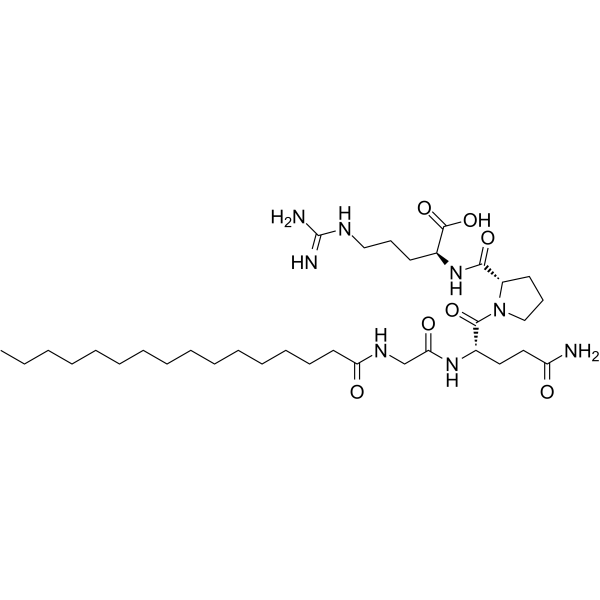
Palmitoyl Tetrapeptide-3 (Palmitoyl Tetrapeptide-7) is a synthetic peptide corresponding to amino acids 341-344 of the human immunoglobulin heavy chain, with the ability to stimulate phagocytosis. Palmitoyl tetrapeptide-3 reduces interleukin-6 (IL-6) secretion in keratinocytes and inhibits the UVB radiation-exposure inflammatory response of skin. Palmitoyl tetrapeptide-3 It also has anti-inflammatory and anti-aging effects, reducing skin wrinkles by promoting the production of elastic fibers in the papillary dermis .
loading...
    loading...
Cat. No.: HY-W015600
CAS No.: 614-80-2
Synonyms: Orthocetamol
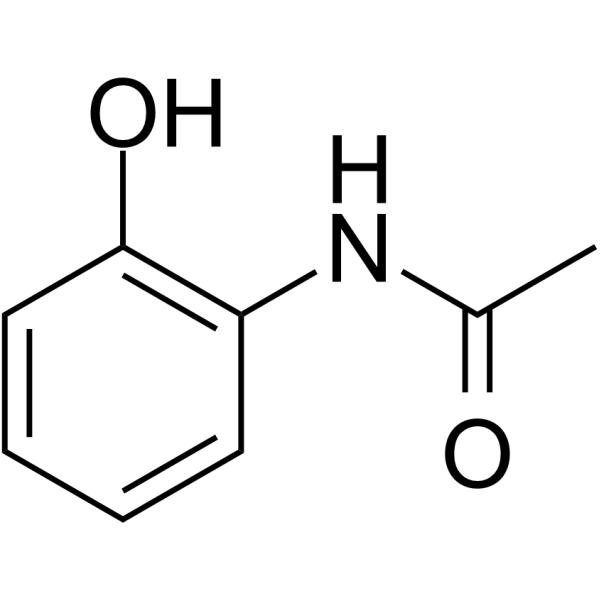
2-Acetamidophenol (Orthocetamol) is a regulator that targets ferroptosis and glutathione metabolic pathways, is the ortho-regioisomer of Paracetamol (HY-66005). 2-Acetamidophenol has anti-atherosclerotic activity, and inhibiting total cholesterol (TC) and triglyceride (TG) in a zebrafish hyperlipidemia model with IC50s for 30 μM and 40 μM, respectively. 2-Acetamidophenol upregulates the expression of glutathione synthesis-related genes (such as GCLC, GCLM, GSS) and iron ion transport genes (such as FPN1, FTH), reduces the accumulation of intracellular reactive oxygen species (ROS) and ferrous ions (Fe 2+), and enhances the activity of glutathione peroxidase GPX4, thereby inhibiting macrophage phagocytosis of oxidized low-density lipoprotein (ox-LDL) and foam cell formation .
loading...
    loading...
Cat. No.: HY-15130
CAS No.: 17885-08-4
Purity:  ≥98.0%
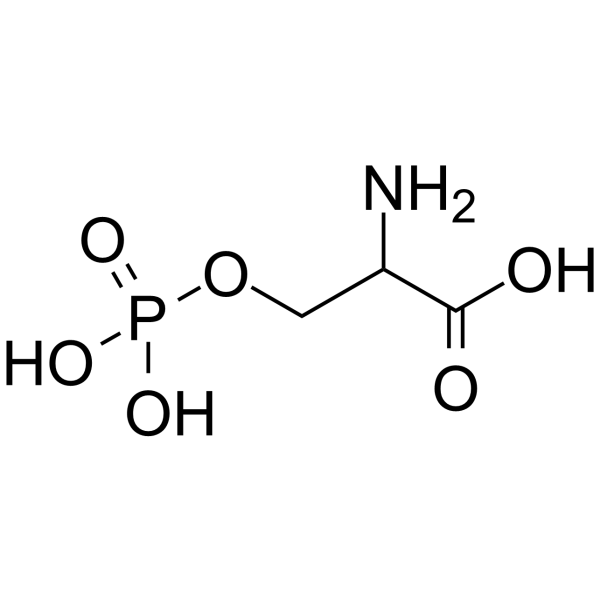
DL-O-Phosphoserine is a normal metabolite in human biofluids and is a mixture of phosphoserine with two stereochemical structures (D-type and L-type O-phospho-serine). O-phospho-L-serine is a competitive inhibitor of serine racemase and phagocytosis. O-phospho-L-serine inhibits the enzymatic reaction by competing with the active site of serine racemase, thereby affecting the production of D-serine. O-phospho-L-serine also mimics the phosphatidylserine head group, binds to the phosphatidylserine receptor, interferes with phagocytic signal transduction, and partially blocks the phagocytosis of apoptotic cells by cells. O-phospho-L-serin can be used in the research of retinal regeneration, bone repair, and insect growth and development .
loading...
    loading...
Cat. No.: HY-P6442
CAS No.: 1020407-90-2
Chemerin15 is an anti-inflammatory peptide derived from Chemerin. Chemerin15 binds to ChemR23. Chemerin15 inhibits TNFα-induced activation of Syk, ERK and Src kinases. Chemerin15 increases the expression of p-p38 mRNA and protein. Chemerin15 mediates phagocytosis, resolution of inflammation, CD62L shedding and downregulation of PSGL-1 expression in macrophages and microglia. Chemerin15 inhibits neutrophil-mediated vascular inflammation and myocardial ischemia-reperfusion injury via ChemR23. Chemerin15 enhances microglial phagocytosis, thereby alleviating cerebral ischemia-reperfusion injury .
loading...
    loading...
Cat. No.: HY-P991480
ONC-841 is a blood-brain barrier-permeable, humanized monoclonal antibody targeting SIGLEC10. As an immune checkpoint inhibitor, ONC-841 restores the functions of immune effector cells such as T cells and enhances anti-tumor immune responses by blocking inhibitory signals mediated by SIGLEC10. ONC-841 restores the phagocytic and migratory activities of microglia, and promotes the phagocytosis of Amyloid-β and Tau protein aggregates by microglia. ONC-841 is applicable to research related to solid tumors and Alzheimer's disease .
loading...
    loading...
Cat. No.: HY-P990858

Target:  

CD47

Research Areas:  

Cancer

Anti-CD47 Antibody (B6.H12) is a kind of mouse IgG1 κ chimeric antibody, targeting to human CD47. Anti-CD47 Antibody (B6.H12) blocks CD47 interactions with SIRPα. Anti-CD47 Antibody (B6.H12) inhibits cell proliferation, cell migration and invasion. Anti-CD47 Antibody (B6.H12) increases macrophage phagocytosis. Anti-CD47 Antibody (B6.H12) shows potent anti-tumor effect in various tumor models, such as osteosarcoma .
loading...
    loading...

